Boston clicks into place fast. This hop-on hop-off trolley tour gives you a smart overview of the city’s neighborhoods with live trolley tracking and a bonus GPS self-guided walking tour app for each stop. It’s a practical way to get your bearings, see the major sights without rushing, and decide what deserves a closer visit.
I especially like how flexible the route feels. You can choose a 1-day or 2-day consecutive pass and hop off where you care most, then ride back when you’re ready. One drawback to plan for: narration quality can vary by trolley and driver, and some parts may feel more recorded than conversational, so you’ll want to hop off at stops you’re most excited about.
In This Review
- Key Things You’ll Notice on This Boston Trolley Tour
- Why This Boston Trolley Loop Works for First-Time Visitors
- Price and Pass Options: Getting Value From a 1-Day (or 2-Day) Ticket
- The App Perk: How the Free GPS Walking Tours Extend Your Day
- Stop-by-Stop Route: What You’ll Actually Do at Each Area
- Stop 1 (Quincy Market / Faneuil Hall / Waterfront): A Fast Start Point
- Stops 2 and 3 (North End Cluster): Old North Church, Paul Revere, and Copp’s Hill
- Stop 4 (Constitution / Old Ironsides / Bunker Hill): Big Icons With Real Walking Options
- Stop 5 (TD Garden / Sports Museum / North Station): A Modern Break in the Route
- Stop 6 (Financial District to South End Edges): Boston Massacre and Meeting House Stops
- Stop 7 (Boston Common to Newbury Street): The Classic Sight Stretch
- Stop 8 (Beacon Hill): Brick Streets, Memorials, and Black Heritage Trail Stops
- Stop 9 (South Station / Chinatown / Tea Party Ship): A Practical End With Options
- Driver Narration vs. Recorded Audio: How to Get the Best Experience
- Logistics That Matter: Finding Stops and Timing Your Hops
- Discounts and Pairing Ideas: Turn the Trolley Into a Day Plan
- Should You Book This Boston Trolley Tour?
Key Things You’ll Notice on This Boston Trolley Tour

- Live trolley tracking + Find My Stop so you can route yourself to the next stop without guesswork
- Free 9 GPS self-guided walking tours that stay available for four days after your trolley day
- A stop list built around walkable clusters, from Quincy Market and Faneuil Hall to Beacon Hill and Chinatown
- Driver energy varies, with some guides like Hugo, Jesse, and Joey standing out for stories and humor
- Optional “extra loop” upgrade (when offered at Stop 1) if you want more time circling
Why This Boston Trolley Loop Works for First-Time Visitors
Boston can feel like a puzzle at first: short streets, overlapping neighborhoods, and a lot of history packed into tight areas. This trolley route helps you solve the puzzle quickly. You ride the main corridor, then hop off in clusters where the sights are close enough to walk between without turning your day into a sprint.
The best part is how the tour turns into planning time. While you’re on board, you get context on what you’re seeing—why it matters, what to notice nearby, and what’s worth lingering over. That means you’re not just sightseeing; you’re building a mental map for the rest of your trip.
Price and Pass Options: Getting Value From a 1-Day (or 2-Day) Ticket
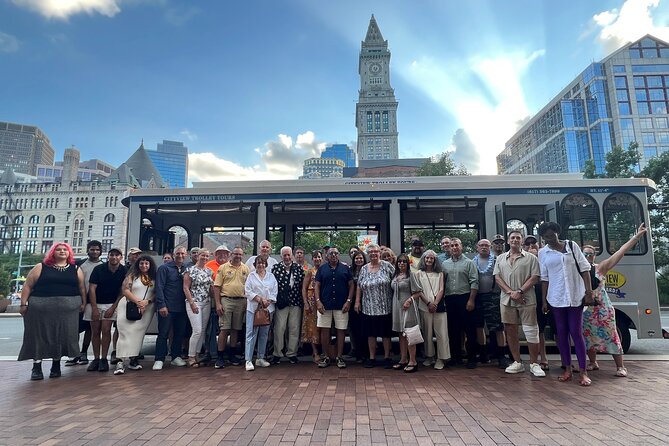
The base price listed is $48 per person, with 1-day or 2-day consecutive pass options available at checkout. You’ll get the most value when you treat it like transportation plus orientation, not a checklist.
Here’s the practical math I’d use:
- If you have just a day (or you’re arriving from a cruise and want an easy start), the 1-day pass is enough to hit the highlights and choose one or two areas to return to later.
- If you want to slow down, shop, take photos, and actually walk between stops, the 2-day consecutive option is where it starts to feel relaxed. Two days means you can revisit the places you care about instead of forcing everything into one tight loop.
Also note what you don’t get: your trolley ticket is trolley-only, so you still need to pay for admission to attractions if they’re ticketed.
The App Perk: How the Free GPS Walking Tours Extend Your Day
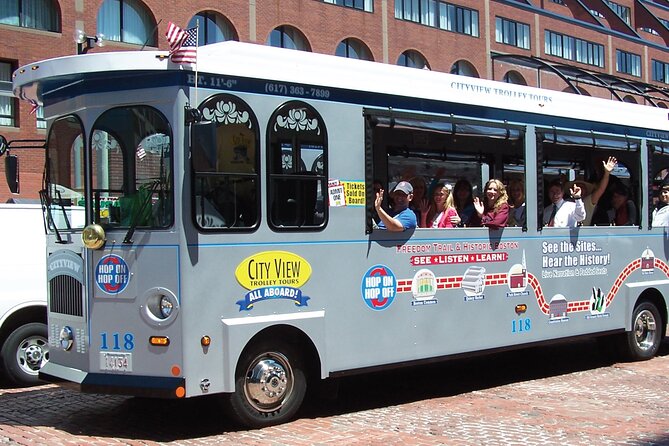
This tour includes a bonus feature: 9 location-aware GPS self-guided walking tours via an app. The tours are designed to play stories automatically as you walk, and they’re valid for four days, so you can come back after your trolley day and explore at your own pace.
This matters because Boston’s charm lives at the sidewalk level. The trolley puts you close to the action, and the app helps you slow down once you’re there. You’re not stuck waiting for another bus to tell you what you missed—you can wander and still feel guided.
You’ll also get tools that help you not lose time. There’s Find My Stop with Google directions, plus live trolley tracking and stop-finding features that are built for people who don’t want to keep asking strangers for help.
Stop-by-Stop Route: What You’ll Actually Do at Each Area
Stop 1 (Quincy Market / Faneuil Hall / Waterfront): A Fast Start Point
You begin at 206 Atlantic Ave near the Quincy Market and Faneuil Hall Marketplace area, with easy access to the Aquarium area, Little Italy, and Long Wharf.
This is a smart first stop because it’s a zone where you can do a lot without planning a whole day. If you want a quick first walk, grab food, take photos near the water, and get your bearings in the historic market district. If you’re the type who likes to see the “big postcard” views early, the waterfront angle here is perfect.
One practical tip: if you’re using your walking tours app, this area is ideal to start with because it’s dense. You’ll feel the app’s value right away when stories line up with what you can see just outside.
Stops 2 and 3 (North End Cluster): Old North Church, Paul Revere, and Copp’s Hill
Next you head to Commercial St @ Fleet St, where you can get off near the Old North Church and Paul Revere House and also walk toward Christopher Columbus Park.
Then there’s Commercial St opp Hull St, putting you near Copps Hill Burying Ground and major Revolutionary-era points tied to the neighborhood, including the Great Molasses Flood.
These two stops work best if you actually like history that feels human—tombs, churches, small streets, and the kind of detail you can’t absorb from a museum ticket alone. Copp’s Hill especially gives you an old-school Boston feel, and it’s the kind of place where slow walking is rewarded.
If you’re trying to do this area in a single hop-off window, plan for uneven pacing. Some stretches are quick to cover; others tempt you to stop every few minutes because everything looks like it belongs in an old postcard.
Stop 4 (Constitution / Old Ironsides / Bunker Hill): Big Icons With Real Walking Options
At 115 Constitution Rd, you’ll be near Old Ironsides (USS Cassin Young), the Constitution Museum, and Bunker Hill.
This stop is for people who want Boston to feel monumental. It’s also a great choice if you’d rather spend time at fewer locations but go deeper. The museum area and the ship-related sights give you a natural reason to stay outside longer before you hop back on.
One consideration: this is a “destination” stop. If you hop off here, you’ll probably want more time than you think. If you’re moving fast, you might miss the best moments.
Stop 5 (TD Garden / Sports Museum / North Station): A Modern Break in the Route
Stop 186 Canal St lands you by TD Garden, the Sports Museum, and North Station.
This isn’t as “historic-sweat-on-the-street” as some of the earlier stops, but it’s a useful reset. If you need a break from nonstop Revolutionary stories, this is where you can refuel, use transit connections, and get back to your day with less pressure.
It’s also a practical option if you’re planning a later activity around the arena area. Even if you don’t go into the Sports Museum, you can time your day using the nearby rail and transit access.
Stop 6 (Financial District to South End Edges): Boston Massacre and Meeting House Stops
At State Street at Congress Street, you’ll encounter major civic history points like the Boston Massacre and the Old South Meeting House, plus the Holocaust Memorial and Old Sculley area.
This stop is especially good if you like your history framed by specific events. It also helps you understand Boston’s story beyond the obvious landmarks. Many visitors only focus on one era; this part of the route connects different layers of the city in a way you can actually feel while you walk nearby.
Do expect this to be a “walk-and-read” area. If you keep hopping at every stop without slowing down, it will feel like passing by walls with plaques instead of absorbing meaning.
Stop 7 (Boston Common to Newbury Street): The Classic Sight Stretch
At 111 Boylston St, you’ll be dropped near Boston Common, the Public Garden, Cheers Bar, Central Burying Ground, Swan Boats, and Newbury Street.
This is the stop I’d use when you want variety in one go. You can do a park walk, wander toward shopping streets, and still have a fun pop-culture stop if that’s your thing. The Common and Public Garden areas also work well as a “reset zone” when your legs need a softer pace.
If you plan to ride the Swan Boats seasonally, you’ll want to time it carefully—but even without that, walking the paths and taking in the classic skyline views here is worth a stop.
Stop 8 (Beacon Hill): Brick Streets, Memorials, and Black Heritage Trail Stops
At 29 Beacon St, you’re in Beacon Hill, near the New State House, Granary Burying Ground, Park St Church, the Robert Gould Shaw Memorial, and the Black Heritage Trail.
Beacon Hill is where Boston starts to look like itself: steep hills, brick, old stone, and the kind of neighborhood streets you’ll want to photograph more than once. This is also one of the stops where a walking tour app can really help, because stories often depend on noticing the details you might otherwise skim.
If you want the “slow travel” version of Boston, this is where you get it.
Stop 9 (South Station / Chinatown / Tea Party Ship): A Practical End With Options
Finally, at Summer St @ South Station – Red Line entrance, you’re near the Tea Party Ship & Museum, the Children’s Museum, South Station, and Chinatown, including the Welcome Gate area.
This is a smart ending point because it’s both a cultural area and a transit hub. If you’re heading toward dinner, a museum visit, or back to your hotel, South Station makes it easier.
It’s also a good zone if you want a different Boston flavor than the Beacon Hill brick-and-views. Chinatown brings food energy, and the waterfront-style history tied to the Tea Party Ship area gives you a nice historical bookend.
Driver Narration vs. Recorded Audio: How to Get the Best Experience
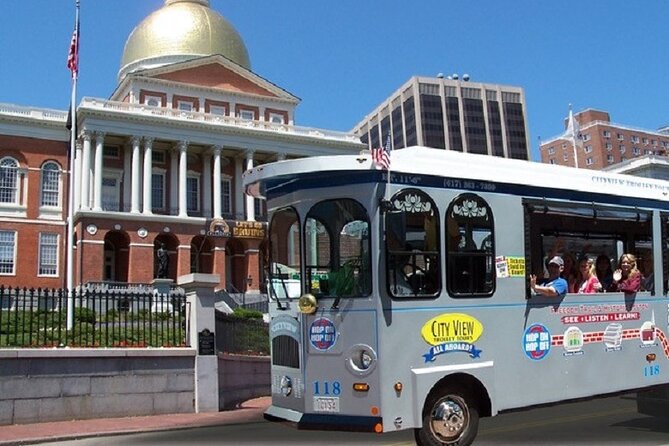
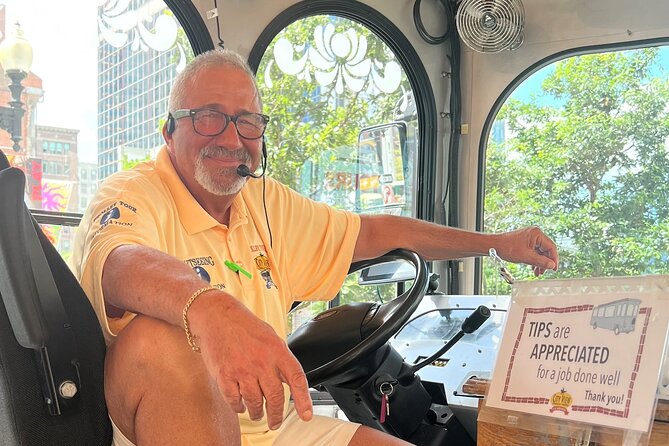
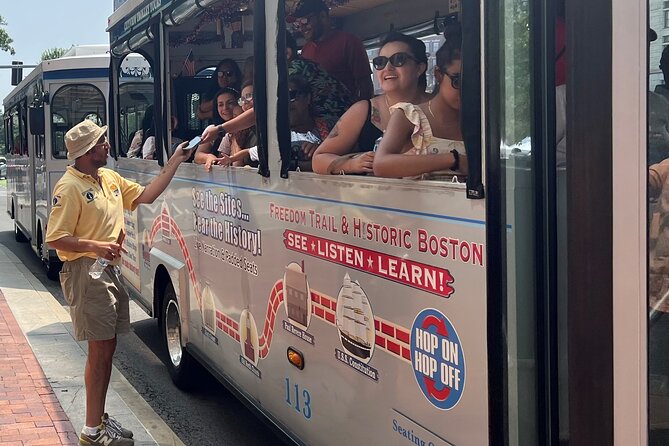
This tour is built around narration from guides and audio support, and the quality can vary. Some people love the live driver style: guides like Hugo, Jesse, Joey, and Viola have been singled out for humor, local insight, and storytelling pace.
At the same time, if you end up on a trolley segment that leans more on recorded narration, it can feel less interactive. One key takeaway for you: don’t assume every trolley will feel the same. If a stop is a must-see for you, prioritize getting off and exploring while you’re at that location. The trolley ride is the map; the walk is where the experience lands.
Logistics That Matter: Finding Stops and Timing Your Hops
Good hop-on hop-off tours run on timing and easy navigation. This one gives you modern tools—live tracking and Find My Stop with Google directions—so you can plan where you’re going and not waste time hunting down the trolley.
Still, there are real-world friction points to watch for:
- Some pick-up spots can be harder to spot, especially near big transit areas like South Station. If you’re arriving by cruise or need to move quickly, don’t rely on instinct—use the stop tools.
- Cruise travelers may need a taxi or Uber to reach one of the trolley stops. The starting area may not be right beside your dock.
- Rain isn’t a deal-breaker since the trolley is enclosed, so you can keep moving.
One more thing that affects your day: some riders felt the experience is built around a single complete loop. If you want more circling time to keep hopping without rushing, ask about an extra loop upgrade available at Stop 1 for $18 when it’s offered. That’s the fix if you get caught in a timing trap.
Discounts and Pairing Ideas: Turn the Trolley Into a Day Plan
You get discounts layered onto the tour experience, which helps if you already know what you want to see. Included perks are listed as:
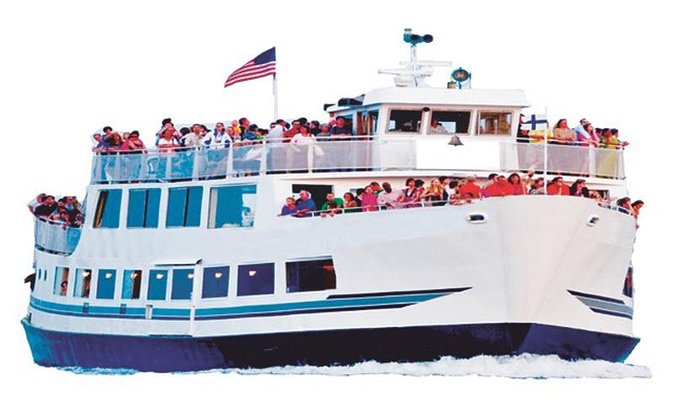
- 20% off a 60-minute harbor cruise
- 40% off Old North Church
- 50% off the Sports Museum
This is how I’d use that, practically: pick one major indoor ticket stop (like Old North Church), then pair it with a harbor cruise for views. The trolley gets you to the right neighborhood cluster; the discount helps the cost of turning that cluster into a full outing.
And since the walking tours app is valid for four days, you can also plan a second day where you only choose one or two locations and let the app guide you through the rest.
Should You Book This Boston Trolley Tour?
Book it if you want a fast, flexible way to cover a lot of Boston without turning your trip into a spreadsheet. It’s a great match for first-timers, people who like to decide on the fly, and anyone who appreciates guided context paired with time to wander. The live tracking, Find My Stop directions, and free GPS walking tours are the standout value drivers.
Skip it or adjust your expectations if you hate variations in narration style or you want a highly interactive, Q-and-A type guide. Also, if your plan depends on multiple full loops in one day, look into the extra-loop option so you don’t run into a hard time limit.
If you’re starting your Boston trip and you want to get your bearings fast while still leaving room for authentic street-level wandering, this trolley tour is a solid choice.