Winter turns Japan into a glowing snow globe. This 2-day bus tour strings together two winter favorites: the Shirakawago thatched roofs in snow-white calm, and the nighttime glow of Hida no Sato. In between, you also get Takayama’s old-town streets and a hot-spring hotel with views of the Alps.
What I like most is the way this trip mixes guided structure with real free-walking time. You’ll be in good hands with a licensed tour guide, and the service quality shows up in the details—guides like Sir Julien and Tamy are singled out for being attentive and helpful, right down to sorting out little problems on the spot. I also love that the trip isn’t just staring out the window; you get an actual hands-on stop, plus a proper onsen break with kaiseki dinner at the hotel.
One heads-up: winter schedules move fast. You’ll have limited time at each highlight (for example, Shirakawago and the light-up both get set window blocks), so you’ll want to dress for cold and keep your walking pace comfortable.
In This Review
- Key highlights at a glance
- Why Winter Gassho Roofs and Takayama Lights Work So Well
- Price and Value vs DIY
- From Osaka to Gifu: The Morning Start and Travel Pace
- Sekigahara-cho Sushi Making: Hands-On Lunch That Isn’t Tourist-Only
- Shirakawago in Winter: Gassho Zukuri Village Without the Chaos
- Hida no Sato Light-Up: Evening Where the Village Does the Work
- Takayama Hot Spring Hotel: Rooftop Onsen + Kaiseki Night
- Day 2 Starts at Miyagawa Morning Market: Food, Souvenirs, People-Watching
- Takayama Jinya: Edo-Era Government Building Still Standing
- Sanmachi Suji and Hida Bussankan: Old Streets Plus Thoughtful Shopping
- Who This Winter Bus Tour Fits Best
- Practical Tips to Get the Most From This Trip
- Should You Book This 2-Day Winter Bus Tour?
- FAQ
- What’s included in the tour price?
- Do I need to pay for the main attraction tickets?
- Where do we meet in Osaka, and what time?
- Is the Shirakawago stop guided, and how long is it?
- How much time do I get for Hida no Sato?
- Is lunch included on Day 2?
- Can the tour accommodate dietary restrictions?
Key highlights at a glance
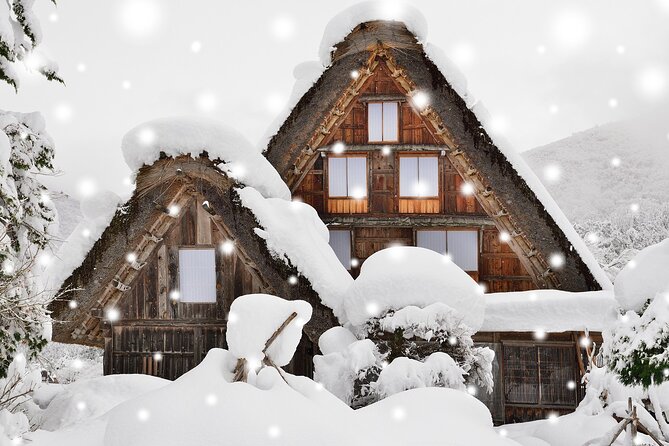
- Shirakawago Gassho Zukuri Village with a set winter walk time
- Hida no Sato Light-Up festival admission included for December-style winter magic
- Rooftop open-air hot spring at your Takayama-area hotel, plus kaiseki
- Hands-on Omi beef sushi making at Sekigahara-cho (lunch stop included)
- Miyagawa Morning Market + Takayama Jinya on Day 2 before old-town strolling
- Small-group feel: maximum 40 travelers, with reports of comfortable mini-bus sizing
Why Winter Gassho Roofs and Takayama Lights Work So Well
Winter in central Japan has a special rhythm. Streets go quiet, details sharpen, and the light matters more than usual. That’s exactly why this route feels smart: you’re not only visiting famous spots—you’re timing them for when the scenery looks its best.
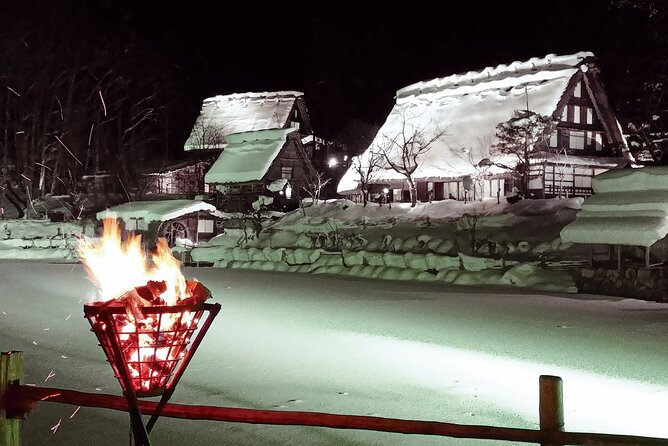
Shirakawago’s Gassho Zukuri houses are iconic, but in winter they also look slightly unreal, like a scene built for postcards and then left out in real weather. And then you switch gears to Hida no Sato, where evening turns the village into a lighting event—shadows and glowing edges give you that winter-wonderland feeling without needing fancy gear.
I also like that the trip includes a hotel night in Takayama with a rooftop open-air hot spring view. On a cold day, the payoff is immediate. It turns the whole experience from sightseeing into a full winter story: walk in snow, warm up, and repeat.
Price and Value vs DIY
$318.68 per person sounds like real money until you break down what’s bundled. This tour includes accommodation (an overnight stay), breakfast, and lunch on Day 1, plus admission fees for the Hida no Sato light-up and Takayama Jinya. Add an air-conditioned bus, bottled water each day, and a licensed guide, and it starts to look like you’re paying for logistics as much as sightseeing.
If you try to DIY this exact mix in winter, you’d likely spend time coordinating transport between Osaka, Gifu, and the Takayama area. You can do it, sure. But it’s the combination of winter timing + included admissions + one-night lodging that makes this feel like better value for many people.
The other value piece is the group experience. The trip caps at 40 travelers, and the ride can be comfortable—one departure is described as just 8 people in a 16-seat mini bus. That doesn’t mean every departure is that small, but it tells you the comfort level can be genuinely good.
From Osaka to Gifu: The Morning Start and Travel Pace
Meeting in Osaka is simple: you meet your guide in front of the Mainichi News Paper building at 8:30 am. You’re advised to arrive 15 minutes early, which is a good habit anyway in Japan.
From there, you’re looking at about 2.5 hours transferring by bus into Gifu Prefecture. This matters more than you think. In winter, the fastest way to enjoy a day is to stay warm and stop worrying about trains, seats, and connections.
Once you’re in Gifu, the schedule keeps moving. Day 1 is all about getting your “big winter hits” done before the hotel evening. That’s efficient. It’s also why you’ll want to keep your expectations realistic: each major stop has a set walk window, so you’ll see plenty without expecting a relaxed, all-day drift.
Sekigahara-cho Sushi Making: Hands-On Lunch That Isn’t Tourist-Only
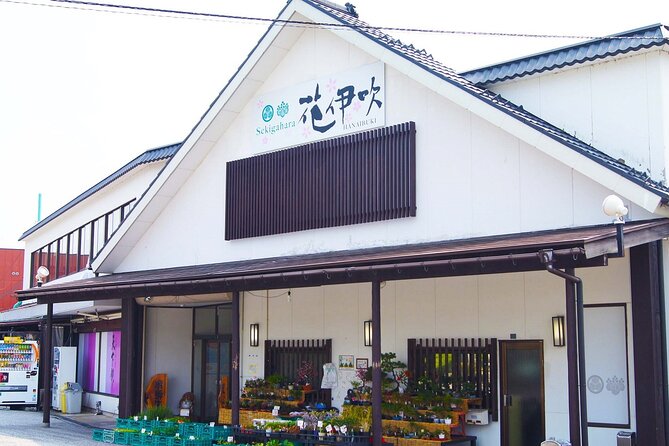
Sekigahara-cho is where the tour earns points for adding something practical. You stop for lunch at Sekigahara Hanaibuki, and then you do an Omi beef sushi-making experience. This is one of those activities that breaks up long sightseeing blocks and gives you something you can actually do with your hands.
What makes it worth your time is the learning-by-doing style. You get the experience without needing to have cooking skills beforehand, and it’s built into the lunch stop so you’re not hunting for food separately.
The time block is about 2 hours, so it’s not rushed to the point of chaos, but it also doesn’t steal your whole day. It fits well as a reset between travel and the more visually “stunning” stops ahead.
Shirakawago in Winter: Gassho Zukuri Village Without the Chaos
Your Shirakawago stop is at the Gassho Zukuri Village area of the UNESCO World Heritage site. You get around 1 hour 30 minutes, with the idea that you’ll stroll through the village as it looks most magical in winter.
Here’s how I’d use your time if I were planning for the cold: start with the main lanes so you get oriented early, then spend your second half slowing down for details. In winter, the charm is in the texture—thatch-roof shapes, snow sitting on edges, and the way paths feel narrow and quiet.
The reality check: 90 minutes flies. You’ll want comfortable footwear and warm layers you can walk in for that length of time. If you’re the kind of person who likes to linger for 2+ hours in one place, you may feel a little “whistle-stop.” But if you like highlights done well, this is a solid allocation.
Hida no Sato Light-Up: Evening Where the Village Does the Work
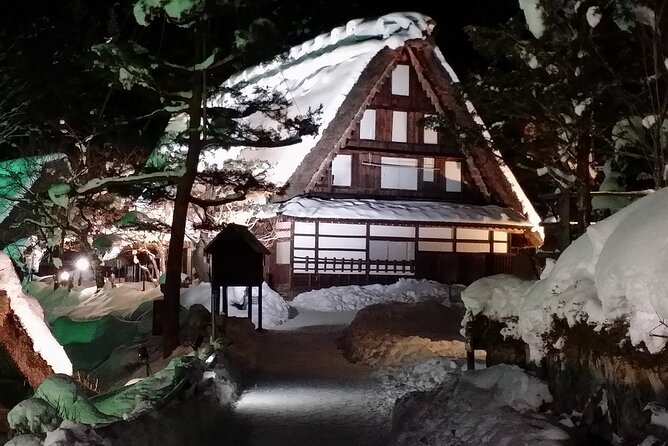
After Shirakawago, the tour shifts into evening mode with Hida no Sato. This is the light-up event stop, and admission is included. The visit window is about 45 minutes.
That time length is actually helpful. Light-up events feel better when you don’t overthink them. You walk in, you notice the lighting, you get the photo moments, and you’re out before fatigue sets in. In cold weather, that matters.
Also, the design of a light-up village is built around a pattern: shadows, bright points, and reflections. Even if you only have 45 minutes, you can still catch multiple “views” from slightly different angles. Just don’t spend the whole time waiting for the perfect shot—get your bearings first, then enjoy the walk.
If you’re worried about crowds, the good news is that the tour format includes a guide-managed flow. You’ll follow a plan rather than fighting traffic and entry lines yourself.
Takayama Hot Spring Hotel: Rooftop Onsen + Kaiseki Night
By 19:15, you arrive at the hotel for dinner and a soak. Dinner is kaiseki cuisine, and the hotel includes hot spring access.
One detail I really like here is location: the hotel is about a 5-minute walk from JR Takayama Station. That makes the whole night feel less locked-in. You can step out easily in the evening if you want a quick look around (within your comfort level and winter conditions).
The hotel’s standout feature is the rooftop open-air hot spring with a view of the Alps. That kind of view doesn’t happen everywhere, and in winter it’s the sort of payoff that turns the entire trip from a series of stops into a memory you can feel in your bones.
This is also where those attentive guides make a difference. When service runs smoothly, your evening feels easier. The trip notes guide strengths like being approachable and helpful, and you feel that kind of calm when you’re tired from a travel day.
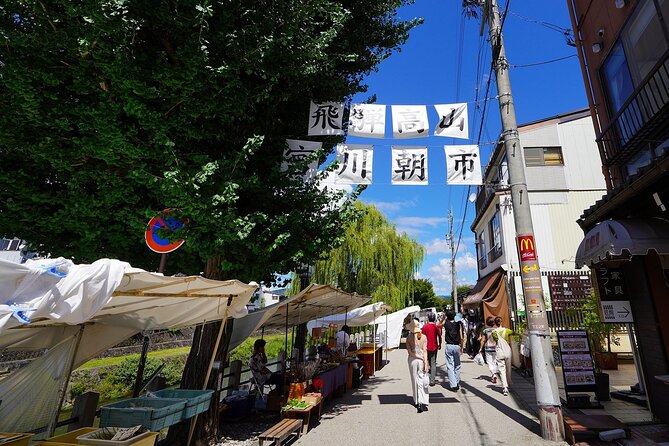
Day 2 Starts at Miyagawa Morning Market: Food, Souvenirs, People-Watching
Day 2 begins after departure from the hotel at 9:00 am, and the first stop is the Hida-Takayama Miyagawa Morning Market. You get about 1 hour 15 minutes.
This is a great slot for a winter trip because markets show you a different side of Japan. Instead of just historical facades, you get daily life: snack smells, seasonal goods, and small handmade items. The market is also a good place to pick up practical souvenirs that feel connected to where you are.
The tour keeps you on foot, which is a plus. You’re not stuck in a bus seat while the best parts happen outside. Just remember winter walking can be slick—take it steady and keep moving.
Takayama Jinya: Edo-Era Government Building Still Standing
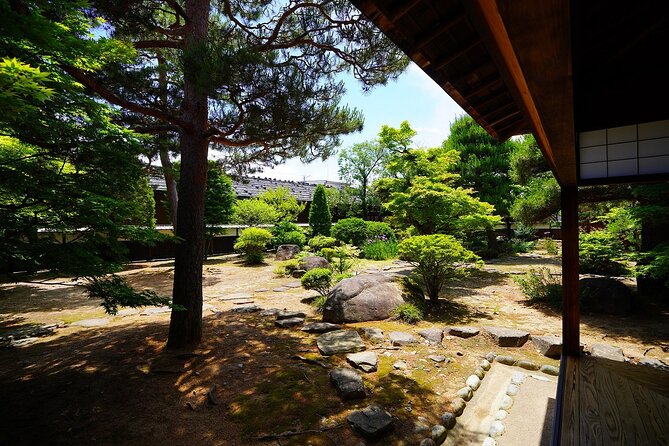
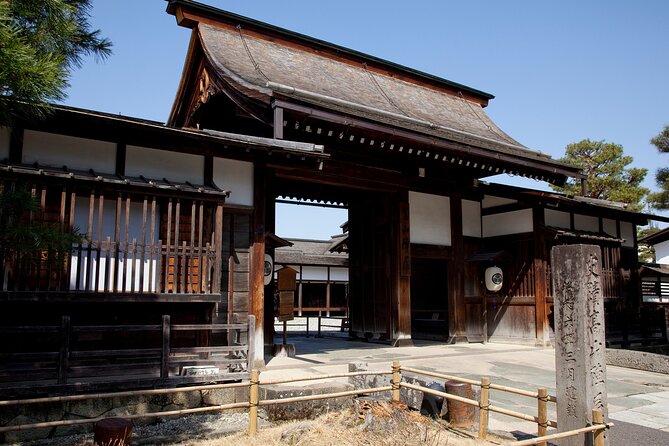
Next up is Takayama Jinya, with an admission included stop time of about 30 minutes. This building is noted as the only site in Japan where a provincial governor and magistrate’s office still exists in the main structure.
What I like about this stop is the contrast. Markets and light-ups are about energy. Jinya is about atmosphere—thick walls, formal design, and a sense of how regional power worked in the Edo period. It doesn’t need hours. In a day packed with other visuals, 30 minutes is a good balance.
If you enjoy understanding how places functioned historically, Jinya gives context fast. If you don’t, it still works as a quick “pause” that keeps the day from becoming purely scenic.
Sanmachi Suji and Hida Bussankan: Old Streets Plus Thoughtful Shopping
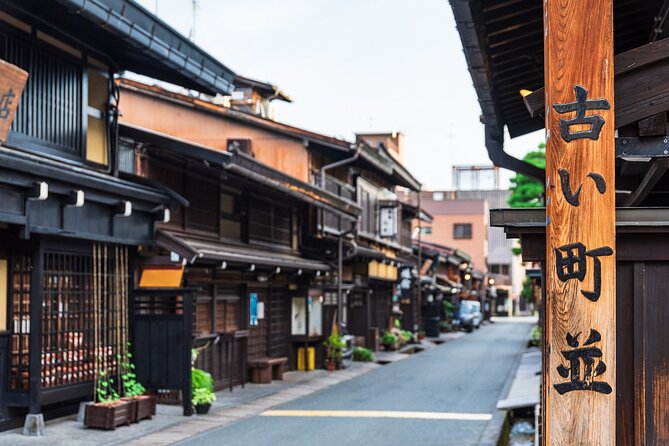
After Jinya, you walk through Sanmachi Suji, Takayama’s old town streets, with about 2 hours for strolling. Lunch is on your own here, which means you can choose something simple and local without the tour group deciding for you.
Sanmachi Suji works in winter because the streets can feel especially quiet. It’s not just architecture; it’s the pacing. You can take breaks, warm up briefly, and keep seeing new street angles without rushing.
Then comes Hida Bussankan, a museum-style shopping stop with about 50 minutes. This is the part where you translate what you saw into items you can take home. Expect a variety of quality products tied to the region, and think of this as your structured souvenir time rather than a random hunt.
Who This Winter Bus Tour Fits Best
This tour makes the most sense if you want winter highlights in one organized package. It’s a good fit for solo travelers, couples, and families because the route gives you structure while still letting you walk around and explore.
If you care about service quality and clear guidance, the names Sir Julien and Tamy come up for a reason. The tour format clearly prioritizes smooth timing and a guide who pays attention—especially helpful when weather or small hiccups happen.
It also fits well if you want an easy “winter Japan” setup without getting lost in planning. You’ll get guided stops, included meals where specified, and an overnight stay in a town that’s easy to navigate from the station.
Practical Tips to Get the Most From This Trip
Winter is the real main character here. Plan your day around it.
Pack for walking. The itinerary includes outdoor time at Shirakawago, evening walking for the light-up, and strolling in Takayama’s old streets and market. Warm layers, waterproof shoes, and gloves you can actually use are worth it.
Also, don’t overbook yourself at the hotel. You’re going to want that onsen time. Your muscles will thank you, and the Alps-view rooftop soak is one of those “do it now” moments.
Finally, keep your expectations aligned with the time blocks. This tour is designed to hit major highlights. If you want long, slow exploration of a single village, you might feel the schedule is quick. If you want the best winter hits with minimal planning effort, it’s a strong match.
Should You Book This 2-Day Winter Bus Tour?
I’d book this if your goal is a high-quality winter sampler: Shirakawago in snow, Hida no Sato at night, and Takayama’s morning market and old streets—plus a hot-spring hotel night. The included admissions, lodging, and guided flow make it feel like you’re paying for convenience and winter timing, not just sightseeing.
Skip it only if you know you want to linger for hours in one place. Here, the experience is built around doing several highlights well, not one highlight slowly and deeply.
If you want winter Japan that feels organized, warm, and genuinely memorable, this one is worth serious consideration.
FAQ
What’s included in the tour price?
The tour includes lunch and breakfast, air-conditioned vehicle, bottled water each day, accommodation, admission to the Hida no Sato Light up festival, admission to Takayama Jinya, and a licensed tour guide.
Do I need to pay for the main attraction tickets?
You won’t need to pay for the Hida no Sato light-up festival admission or Takayama Jinya admission, since both are included.
Where do we meet in Osaka, and what time?
You meet at the Mainichi News Paper building at 8:30 am, and you should arrive about 15 minutes early.
Is the Shirakawago stop guided, and how long is it?
You visit Gassho Zukuri Village in Shirakawago with a scheduled stop time of about 1 hour 30 minutes.
How much time do I get for Hida no Sato?
The Hida no Sato Light up festival stop is about 45 minutes.
Is lunch included on Day 2?
No. Lunch on Day 2 isn’t included, so you’ll plan it on your own during the Sanmachi Suji time.
Can the tour accommodate dietary restrictions?
Yes. The tour states it can accommodate dietary restrictions such as vegetarian, as long as you indicate your needs when booking.