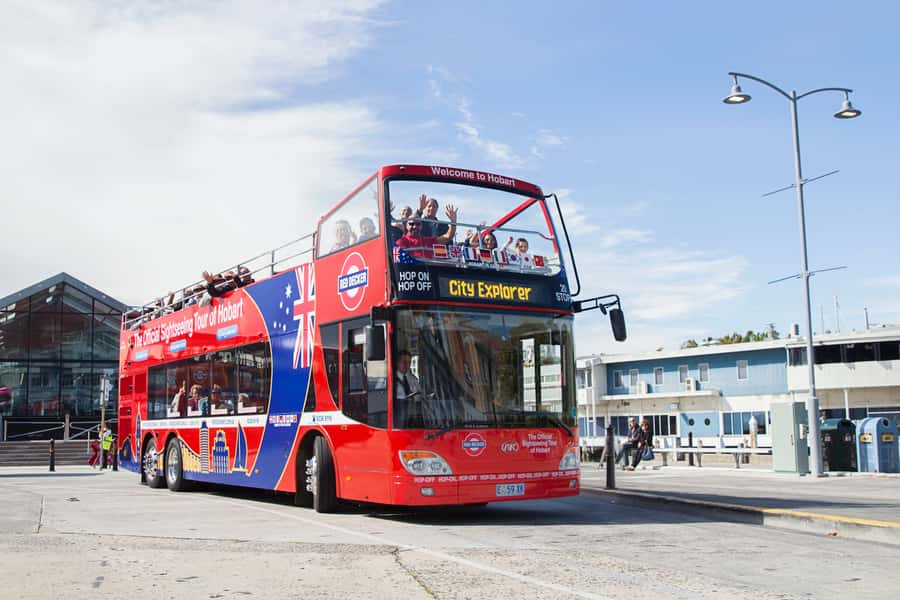
Hobart looks better from a bus top deck. This 48-hour Red Decker city loop gives you an easy way to see the waterfront, heritage areas, and major landmarks with open-top views and onboard commentary. I like that you can stay on for the full 90-minute loop, then jump off again later when something grabs your attention.
The second thing I really appreciate is the way the information is delivered. You get professional multilingual audio (English plus Spanish, Chinese, French, German, Italian, Japanese, and Korean), and complimentary earphones are available from the driver. On top of that, I’ve seen how much the guides add in the moment too, like Tony bringing extra context and a bit of humor that makes the ride feel less like a lecture.
One caution to keep in mind: don’t assume every stop is perfectly timed for the exact outing you have in mind, especially if you’re fitting in a specific attraction that can involve walking. There’s at least one real-world example where a hoped-for stop didn’t work as expected, and the result was extra walking for older family members. Build in buffer time.
In This Review
- Key things to know before you ride
- Red Decker’s 48 Hours: How the City Loop Fits Real Schedules
- Price and Value: Is $38 Worth It in Hobart?
- Where You’ll Ride: Waterfront to Heritage to Gardens (All in One Loop)
- Brooke Street Pier and MONA Ferry Terminal: A Smart Way to Orient Yourself
- Salamanca Place: The Place for Walkable Hobart Energy
- Battery Point: Neighborhood Views Without Needing to Plan a Whole Day
- Hobart CBD plus Tasmanian Museum & Art Gallery: When the City Stops Talking
- Tench Penitentiary Chapel: A Heritage Stop That Fits a Quick Break
- Wrest Point Casino and Hobart Aquatic Centre: For Stops That Feel Like Local Life
- Sandy Bay Village: A Taste of Another Hobart Mood
- Cascade Brewery and the Cascades Area: Good for Food Stops and Heritage Pairing
- Royal Tasmanian Botanical Gardens: A Reset Between City Stops
- Victoria Docks: Waterfront Views for Ending (or Re-Starting) Your Day
- Commentary, Earphones, and the Guides: How the Tour Stays Interesting
- A Simple 48-Hour Plan That Doesn’t Feel Like Homework
- Who Should Book This (and Who Might Want Another Option)
- Should You Book the Red Decker 48-Hour Tour?
- FAQ
- How long is the city loop tour?
- How long is my ticket valid?
- How many stops are on the route?
- What languages are included in the audio?
- What time does the City Loop operate?
- Where can I board the bus?
- Is Wi-Fi available on the bus?
- Is the tour wheelchair accessible?
Key things to know before you ride
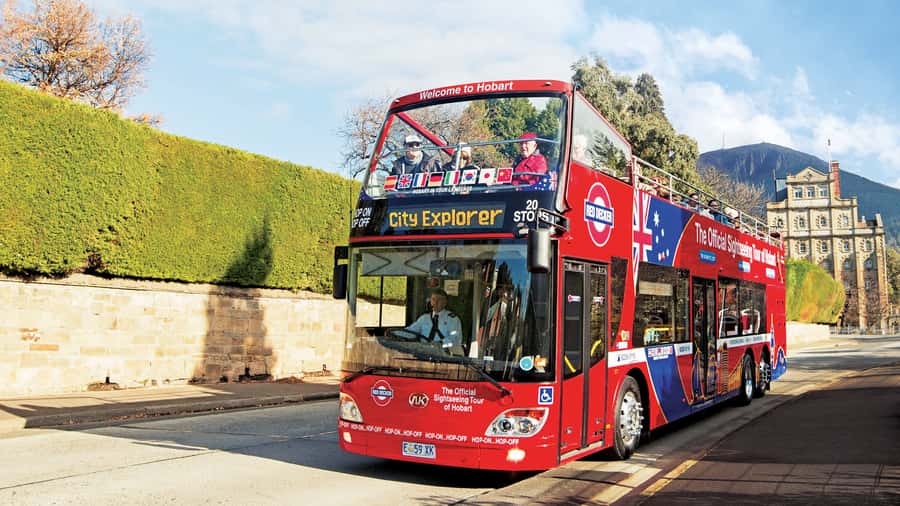
- Open-top views on a double decker make photo stops and skyline moments way easier
- 20 stops over 48 hours means you can repeat areas without feeling rushed
- Multilingual GPS-style audio keeps you moving even if you miss a bit of speech
- Earphones are provided so you can actually hear the guide over the road noise
- Wi-Fi onboard + guidebook gives you something to work with between stops
- This is a “first day bearings” kind of tour, not just a checklist
Red Decker’s 48 Hours: How the City Loop Fits Real Schedules

This tour is built for the way visitors actually travel. You board once, then your ticket stays valid for 48 hours from your first ride, so you’re not forced into one perfect day. The city loop itself is about 90 minutes, and you can do it as a straight ride or use the hop-on hop-off flexibility as many times as you want.
The hours matter. The City Loop runs 9:00 to 16:30, and it operates 7 days a week, so you’re working inside a daytime sightseeing window. If you’re planning something indoor (museums, galleries, exhibits), that daytime coverage is useful. If your trip is tight, the 90-minute loop is a fast way to understand where Hobart’s best clusters sit—waterfront, CBD, and heritage zones—so your later plans are smarter.
I like the fact that you can choose your own pace. Some people want motion plus narration. Others want to hop off, wander for an hour, then re-board when they’ve figured out where they want to return.
Price and Value: Is $38 Worth It in Hobart?

At $38 per person, you’re paying for three things: transportation between key sights, commentary that helps you connect the dots, and the freedom to do partial visits on your own terms.
Here’s the value test I’d use. If you treat this as a one-and-done ride, it can feel pricey. If you use the hop-off flexibility two or three times, it starts to pay off. There’s also a practical angle: the 48-hour ticket is designed for repeat visits, but you may not need all 48 hours to get the basics. In other words, you’re not locked into “two full days of bus.”
A helpful way to budget is this: think of the loop as your map with narration, then spend your sightseeing energy with time-sensitive spots you care about. The complimentary sightseeing guidebook helps here, because it gives you a second layer of information beyond what you catch through earphones.
Where You’ll Ride: Waterfront to Heritage to Gardens (All in One Loop)

The City Loop uses 20 stops around Hobart. The exact sequence can vary, but the mix is consistent: waterfront areas, CBD highlights, and a spread of neighborhoods and heritage sites. You can board at any of the stops along the route, including the official starting point at the Tasmanian Travel and Information Centre (Elizabeth and Davey Streets).
A lot of the appeal is how the route stitches together different parts of the city without you needing to plan every leg of the day. You don’t have to decide upfront whether you’ll want to spend more time near the water, in the museums zone, or around the Cascades area. You can sample first, choose later.
Below are the stops I’d build around, plus what to watch for when you hop off.
Brooke Street Pier and MONA Ferry Terminal: A Smart Way to Orient Yourself

One of the listed stops is the MONA ferry terminal at Brooke Street Pier. Even if you’re not taking a ferry that day, this is a great “orientation” point because it pins you to Hobart’s waterfront energy. From here, you can get a feel for how the city faces the water and how distances work along the harbour.
Practical tip: if you’re going to connect this with other waterfront plans, give yourself extra time between re-boarding and whatever you want to do next. Ferry areas can be busy and your boarding timing depends on the bus schedule.
Salamanca Place: The Place for Walkable Hobart Energy
Salamanca Place is one of the best known parts of Hobart for visitors. On this tour, it’s valuable because it’s a stop you can treat like a base. Hop off, stretch your legs, grab a snack, then decide if you want to linger or move on.
What I like about this stop on a hop-on hop-off route is the built-in flexibility. You’re not forced to commit to a long block of time. If the weather turns or crowds feel like too much, you can simply re-board.
Battery Point: Neighborhood Views Without Needing to Plan a Whole Day

The loop includes Battery Point. This is one of those areas where the main payoff is the feeling of place—streetscape and viewpoints—so hopping off for a slower wander can be worth more than a quick look from the window.
One caution: neighborhoods like this often mean walking uphill or along uneven sidewalks. If you’re with older relatives or anyone who doesn’t do well with stairs, plan shorter “hop-off windows” rather than assuming you’ll explore for hours.
Hobart CBD plus Tasmanian Museum & Art Gallery: When the City Stops Talking

If you want indoor time, the City Loop hits key CBD anchors, including Hobart CBD, the Tasmanian Museum & Art Gallery, and the Maritime Museum of Tasmania.
This is a big value point for you if you travel on a schedule. The bus gets you to the museum cluster, and once you’re there, the rest is up to you: read signs, wander galleries, and take breaks from wind and changing light. It also helps you understand Hobart beyond postcards, because the museums give context you can’t get from a quick street walk.
If you’re choosing just one “serious” stop, pick one museum that matches your interests. The loop structure means you can skip the other one and still feel like you used your time well.
Tench Penitentiary Chapel: A Heritage Stop That Fits a Quick Break
You’ll also see The Tench Penitentiary Chapel on the route. Even if you don’t want a full guided visit, this kind of stop can be a good reset during a sightseeing day. It breaks up the drive-between-landmarks rhythm with a quieter pause.
The right approach here is simple: if you hop off, keep your expectations focused. This is most useful when you treat it as one part of a broader heritage-and-viewing day, not the only stop you’ll make.
Wrest Point Casino and Hobart Aquatic Centre: For Stops That Feel Like Local Life
Two other named stops are Wrest Point Casino and Hobart Aquatic Centre. These aren’t “must-see” sights in the same way museums and waterfront viewpoints are, but they can still matter depending on your priorities.
If you’re planning around events, facilities, or just want to explore the surrounding area, these stops help. They also show that the route isn’t only built around photo landmarks—it includes regular city spaces where locals actually go.
Sandy Bay Village: A Taste of Another Hobart Mood
The loop includes Sandy Bay Village. This is the kind of stop that can be great if you want something less touristy and more neighborhood-like. Hop off for a slower browse, then re-board before you lose the thread of your day.
If you like cafés, casual walks, and just watching how people move through an area, this stop is a useful one to test.
Cascade Brewery and the Cascades Area: Good for Food Stops and Heritage Pairing
The bus lists Cascade Brewery as well as Cascades Female Factory. This pairing is practical. You can use the brewery stop for a break and then hop back out for the Female Factory when you want more reflective heritage time.
One reason I’d plan this area carefully is that it’s easier to overspend your time. A brewery stop can turn into an hour without you noticing. Heritage sites also tend to hold your attention. If you want to do both in one day, aim for a short “browse first, decide later” approach.
Also, keep comfort in mind. At least one real-world concern was raised about walking expectations when aiming for the Female Factory, so don’t schedule it as the final stop with no buffer.
Royal Tasmanian Botanical Gardens: A Reset Between City Stops
The route includes the Royal Tasmanian Botanical Gardens. For me, garden stops are the best kind of break on a bus loop: you’ve already seen the city’s built highlights, and now you get open space and easier wandering.
This stop works especially well when the light is good. But even on cloudy days, gardens still give you a change of pace that makes the rest of the day feel less rushed.
Victoria Docks: Waterfront Views for Ending (or Re-Starting) Your Day
Finally, there’s Victoria Docks. This stop is useful when you want a waterfront finish. Even if you don’t have a strict plan, you can hop off, take a few photos, then decide if you want to re-board for one more museum stop or return to where you started.
If your timing is tight, docks areas are also forgiving. You can do a short visit quickly, then move on.
Commentary, Earphones, and the Guides: How the Tour Stays Interesting
A bus loop becomes worth it when the narration helps you see what you’re looking at. This one offers professional commentary and GPS-style audio, available in English plus up to seven additional languages on select buses.
The earphone setup is a big deal in real life. You’re not leaning on a spoken guide at the front of the bus. You listen clearly, and you can rewind mentally because the city landmarks repeat with each lap over 48 hours.
I also appreciated the human touch in the reviews, like guide Tony, who reportedly mixed extra context with humor. That’s the kind of guide energy you want when you’re stuck on a route long enough to feel the “sightseeing cadence.”
If you’re traveling with family, this is another win: kids and adults can both tune in at their own volume and pace.
A Simple 48-Hour Plan That Doesn’t Feel Like Homework
If you’re staying a short time, I’d treat the first day as the “get oriented” day. Take the loop, hop off where something pulls you in, then re-board. Your goal is to learn what’s close to what.
A practical first-day pattern:
- Do the 90-minute city loop so you hear the full story in order
- Hop off for Salamanca Place or the waterfront area
- Add one museum stop (either the Tasmanian Museum & Art Gallery or the Maritime Museum of Tasmania) if you want a weather-proof block
Then your second day becomes the “choose your favorites” day. Use your 48 hours to return to one neighborhood you liked, plus one bigger commitment stop like the Royal Tasmanian Botanical Gardens or the Cascades area.
This approach fits the reality of the hours too. Since the buses run until 16:30, plan the longer visits earlier and keep your re-boarding flexibility as your safety net.
Who Should Book This (and Who Might Want Another Option)
This tour is a strong fit for:
- First-time Hobart visitors who want a clear overview without complex planning
- Families who need flexibility and easy re-boarding
- Travelers who enjoy learning along the way, especially with multilingual audio
- People who want open-top views without hiring taxis between every stop
You might be less happy if:
- You hate walking at all, since several hop-off points can require some foot travel
- Your trip is so short that you’ll only do a quick pass with no time to linger
- You’re trying to hit one exact timed attraction with no flexibility (build in buffer time)
Should You Book the Red Decker 48-Hour Tour?
I think this is worth booking if you want a practical Hobart overview and you’re happy to choose your sightseeing style—ride it straight for 90 minutes or build your own day with hop-offs. The open-top views and multilingual audio make it feel like more than “just transport.”
My decision shortcut is simple. If you’ll likely visit at least two or three stops (waterfront + museums + one heritage or gardens stop), then the $38 ticket usually feels fair. If you’re only looking for one quick look and you won’t use the hop-on hop-off flexibility, you might prefer a shorter option or a more targeted plan.
If you do book, plan one thing you care about per day, not five. The loop is best when it helps you choose, not when it forces you to do everything.
FAQ
How long is the city loop tour?
The city loop ride is about 90 minutes.
How long is my ticket valid?
Your ticket is valid for 48 hours from the time you first board.
How many stops are on the route?
The City Loop has 20 stops.
What languages are included in the audio?
The audio guide is available in English, Spanish, Chinese, French, German, Italian, Japanese, and Korean.
What time does the City Loop operate?
City Loop buses run between 9:00 and 16:30.
Where can I board the bus?
You can board at the Tasmanian Travel and Information Centre (Corner of Elizabeth and Davey Streets) or at any of the tour stops along the route.
Is Wi-Fi available on the bus?
Yes. Wi-Fi is included onboard.
Is the tour wheelchair accessible?
Yes. The tour is wheelchair accessible.