
Aachen looks better from the top deck. This hop-on hop-off bus turns the city into a timed walking plan, with an open-top double decker feel and an audio story you can follow on and off the vehicle. In about 2 hours, you’ll cover the major highlights and learn how Aachen became the imperial city and still lives like a modern West German hub.
I especially like the 24-hour flexibility. You’re not stuck with one rigid loop, so if you want extra time around Elisenbrunnen or the border triangle, you can get off, wander, and simply hop back on the next bus. I also like that the ride comes with a multilingual audio guide (English plus many others), so the facts match what you’re seeing in real time.
The main thing to watch is the winter schedule and seat reality. In November and December, the Elisenbrunnen departure is only listed for 1 p.m., and seating is first-come with no reservations—so couples who want to sit together should plan for a bit of compromise.
In This Review
- Key things to know before you ride
- Why Aachen by open-top bus works so well
- The 24-hour hop-on hop-off idea: your day, your pace
- Your 2-hour audio route: from Elisenbrunnen to the border triangle
- Stop-by-stop: what each hop is really for
- Elisenbrunnen (start point and return point)
- Ludwig Forum
- Carolus thermal baths
- CHIO Tivoli
- Quellenhof/Eurogress
- Memorial/Lousberg
- RWTH
- Bendplatz
- University Clinical
- Vaals Busstation Maastrichterlaan
- Netherlands/Border triangle (Germany-Belgium-Netherlands)
- Central Station
- Health clinic/An der Rosenquelle
- Theaterplatz
- Price and logistics: is $28 a fair deal for 1 day?
- Timing reality: when buses run, and why winter changes the vibe
- Practical tips that make the day better
- Should you book the Aachen 24-hour hop-on hop-off bus?
- FAQ
- How long is the sightseeing on the bus?
- Is this a hop-on hop-off ticket?
- Where can I start the tour?
- What languages are available for the audio guide?
- Is food included with the ticket?
- Is the bus wheelchair accessible?
- Are pets allowed?
- Can I reserve a seat?
Key things to know before you ride
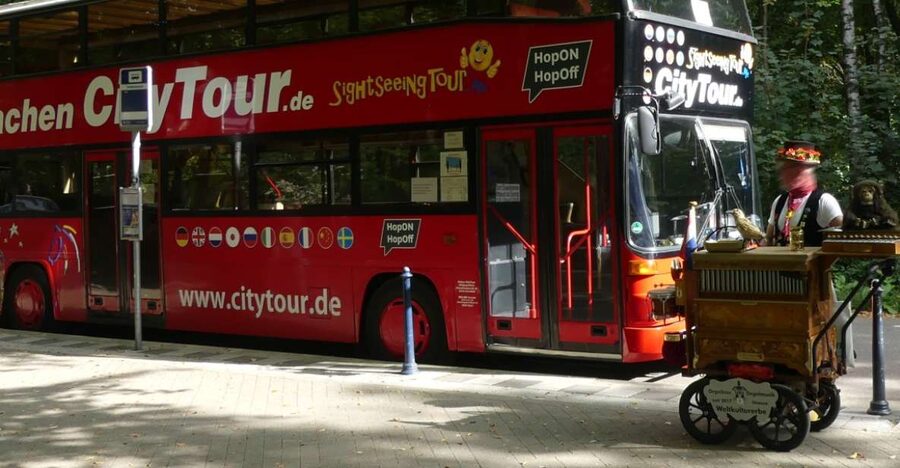
- Open-top views for a small-city feel: easier photos and better sightseeing angles than a closed bus.
- 24-hour hop-on hop-off: you can pace your day around what you actually want to linger at.
- Audio guide in many languages: Dutch, German, Japanese, Russian, Italian, Spanish, French, Chinese, Swedish, and English.
- Charlemagne and the imperial crown story: the commentary connects Aachen’s power past to today’s streets.
- The three-country-point: you can visit Germany, Belgium, and the Netherlands within only a few steps.
- Sports landmarks you can spot fast: Tivoli stadium area and the CHIO horse show venue show up right on the route.
Why Aachen by open-top bus works so well
Aachen is the kind of place where you’ll enjoy the details more than the distance. The city is packed enough that walking alone can feel stop-start, but it’s also small enough that a 2-hour orientation loop can give you bearings fast. That’s where this bus shines: you get a guided pass through the key zones, then you control how long you stay at the stops that grab you.
The open-top double decker matters more than you might think. On a normal bus you end up with photos through glass and a dull view of façades. From the top deck, the angles are better and the whole ride feels more like sightseeing than transportation. If the weather is clear, it’s an easy way to turn a short day into a memorable one.
And because the commentary runs as you move around, you’re not just “seeing places.” You’re learning why Aachen mattered—especially the imperial role tied to Charlemagne and the long tradition of German kings being crowned here. Even if you only catch parts of the story, it makes the city feel connected instead of random.
The 24-hour hop-on hop-off idea: your day, your pace
The bus ticket is valid for 1 day, and you can board at the stops along the route as your schedule allows. Practically, this means you’re not racing the clock after you get off. You can treat the bus like a moving “hub,” using it to bounce between areas without having to figure out the local bus system.
Here’s how I’d use the flexibility if you want real value:
- Start with the full 2-hour loop so the audio guide gives you context.
- Then, hop off at one or two places that you care about—maybe the thermal baths area, the border triangle, or the sports venue—and spend your “best time” on foot.
Because seat reservations aren’t possible and seating isn’t guaranteed, the hop-on flexibility also helps. If you board at a busy stop and the bus is full, you can wait for the next one rather than getting stuck having to stand through a whole ride.
Your 2-hour audio route: from Elisenbrunnen to the border triangle
You’ll enjoy the main sightseeing loop with commentary, and the stops are your checkpoints. Some stops are geared toward Aachen landmarks, while others are useful “anchors” that help you reach broader areas like the university district or the border zone.
The route includes these named stops (with Elisenbrunnen repeated for departures and arrivals):
- Elisenbrunnen (departures and arrivals depending on time of year)
- Ludwig Forum
- Carolus thermal baths
- CHIO Tivoli
- Quellenhof/Eurogress
- Memorial/Lousberg
- RWTH
- Bendplatz
- University Clinical
- Vaals Busstation Maastrichterlaan
- Netherlands/Border triangle (Germany-Belgium-Netherlands area)
- Vaals Busstation Maastrichterlaan (again on the return side)
- Central Station
- Health clinic/An der Rosenquelle
- Theaterplatz
A big draw is that the audio guide doesn’t just list sights. It ties them to Aachen’s arc: from a Roman-era thermal bathing past, to the 19th-century Elisenbrunnen pavilion, to the city’s modern identity. It also points out recognizable zones like Tivoli and CHIO for sports and event fans.
Stop-by-stop: what each hop is really for
Think of each stop as a “decision point.” If you get off, ask yourself what kind of time you want: photos, a longer walk, a quick look, or a more focused visit.
Elisenbrunnen (start point and return point)
This is the signature landmark stop. Elisenbrunnen is a 19th-century pavilion area, and it’s one of the best places to begin because it sets the tone right away. If you want the clearest first photos, start here.
In April through October, Elisenbrunnen departures are listed at 10:30 a.m., 1 p.m., and 3:30 p.m. In November and December, it’s only at 1 p.m. That winter schedule tightness is a big reason you should plan your day around the bus timing.
Ludwig Forum
This stop is a handy “drop-off to explore” point. The name is specific, so you’ll use it to get yourself closer to a cultural or central area without guessing where you are. If you’re the type who likes wandering on foot in between bigger attractions, this is a good one to use for a short break.
Carolus thermal baths
If Aachen’s thermal bathing story interests you, this is your stop. The audio commentary includes the theme of thermal baths, connecting Roman-era bathing history to Aachen’s reputation for health and wellness. Even if you don’t go inside for a treatment, walking this zone and matching it to the audio facts gives you a better understanding.
CHIO Tivoli
This is the sports-and-events stop. The audio points out Tivoli and the CHIO horse show venue, which makes this place feel like more than just stadium architecture. If you’re traveling during event season (or you simply like big venues), this is one stop where the bus helps you recognize the city’s real “public stage.”
Quellenhof/Eurogress
This one works well if you want a logical central break before continuing. The audio uses the route to connect different districts, so Quellenhof/Eurogress is a useful connector stop: you can get off, walk a bit, then return to the bus when you’re ready.
Memorial/Lousberg
This stop’s name signals a viewpoint or landmark area, which makes it a good candidate for photos and a slower walk. If you want a moment away from the busiest streets, Lousberg-linked stops often function that way in your day plan—something you can combine with a quick re-board.
RWTH
RWTH is the university area stop. This is a great place to hop off if you want to see Aachen with a student vibe in your legs, not just in your head. Even if you don’t go inside any buildings, the contrast between imperial past and university present comes through naturally.
Bendplatz
Bendplatz is another practical orientation point. Use it for a short foot exploration when you want to stretch your legs without committing to a major attraction. Since the bus works as your transport between stops, smaller stepping stones like this help you build a natural loop.
University Clinical
This stop highlights the university hospital area, and the audio notes it as the world’s largest single-building hospital. Even if you’re not a hospital-visit person, the fact alone gives weight to why Aachen feels like a working, living city—not only a historic postcard.
Vaals Busstation Maastrichterlaan
Now you’re moving toward the border zone. Vaals Busstation is your step closer to the three-country experience, so plan it like a transition: get off, keep your walking shoes ready, and expect a different feel compared to central Aachen.
Netherlands/Border triangle (Germany-Belgium-Netherlands)
This is the star for curiosity. The commentary emphasizes that you can visit all three countries in just a few steps. That’s not the kind of sightseeing you plan every day, so give it time to feel fun, not rushed. If you want one “I can’t believe this is real” moment, this is where you’ll get it.
Central Station
This is a useful re-entry stop if you’re mixing the bus with trains or you want a simple way to reset your plan. It also makes it easier to structure your day: you can ride out, hop off for a block of wandering, then come back to the central rail area for orientation.
Health clinic/An der Rosenquelle
The audio ties Aachen’s identity to thermal and wellness themes, and this stop’s name signals another related area. If you’re interested in the wellness side of Aachen, it pairs naturally after Carolus thermal baths or before you head back toward central points.
Theaterplatz
This stop is best for people who like atmosphere. It’s a good place to exit for a walk when you want the city to feel like a city—shops, streetscapes, and everyday movement—rather than just named attractions.
Price and logistics: is $28 a fair deal for 1 day?
$28 per person can feel steep if you only want the bus part and then you’d rather walk everything. But if you use the big selling points, it starts making sense.
Here’s the value math in real-life terms:
- You get a 24-hour ticket, so you’re paying for flexible transport, not a single ride.
- You get a multilingual audio guide, which can turn “I’m looking at buildings” into “I understand why these matter.”
- You get efficient access to multiple zones: imperial landmarks, thermal history, university area, sports/event spots, and the border triangle.
So the deal makes the most sense if you’re:
- Short on time and want one coherent day plan
- Curious about Charlemagne-era power and how it shows up in modern Aachen
- Interested in the unusual three-country moment
- Traveling in cooler seasons where weather makes long walking days harder
If you plan to do mostly deep, long museum visits in a single area, you might feel like you’re paying for transport you don’t fully use. In that case, consider if you’d rather spend money on timed entry experiences you’ll definitely do. This bus is for broad orientation and flexible exploration.
Timing reality: when buses run, and why winter changes the vibe
A key operational detail is how often buses depart from Elisenbrunnen. Between April and October, you can catch departures at 10:30 a.m., 1 p.m., and 3:30 p.m. In November and December, the schedule listed is only 1 p.m. from Elisenbrunnen.
That doesn’t mean you’re stuck, but it changes your strategy. If you’re traveling in winter, you should plan your day around that single departure wave. Also remember: seat reservations aren’t possible, and seats aren’t guaranteed. If you arrive right at the departure moment, you might be competing with other people who had the same idea.
For a smoother day, aim to arrive a bit early and be ready to stand or sit where you can. If the bus is full, hop-on hop-off is only useful if you’re flexible enough to wait for the next bus.
Travel times can change, too, so always check the detailed timetable at one of the bus stops before you commit to a long walk. It’s a small step that prevents you from losing time when the city schedule shifts.
Practical tips that make the day better
A few details will help you get more fun per minute:
- Bring something to drink. Food and drinks aren’t included, and you’ll be happier if you can keep your energy up during hop-off walks.
- If you care about photos, go top deck when possible. Even if you don’t get perfect weather, open air makes the whole day feel lighter.
- Plan for walking after hop-offs. Most stops are designed as “drop and explore,” so your best sightseeing will happen on foot around the stop.
- Expect a range of ages and interests. The mix is natural here because the audio guide covers everything from Roman thermal baths to the border triangle and the Tivoli/CHIO scene.
- Respect the rules: smoking isn’t allowed on the vehicle.
Also, if you travel with accessibility needs, the lower level is accessible to wheelchair users, and the vehicle is wheelchair accessible overall. Dogs are allowed on the lower level, which is helpful information if you’re traveling with a pet.
Should you book the Aachen 24-hour hop-on hop-off bus?
Book this if you want a well-paced Aachen day with smart flexibility. It’s especially worth it when you:
- Want an efficient introduction to Charlemagne’s imperial story
- Like thermal-bath history and the modern Aachen contrast
- Think the three-country-point will be a memorable moment
- Prefer audio guidance over reading everything yourself
Skip or rethink it if you’re the kind of traveler who plans to stay in one area all day for a single deep visit and won’t use the hop-on feature much. Also consider the winter timing: with a limited departure schedule from Elisenbrunnen, you’ll need a day plan that fits the bus times.
If your goal is to see a lot, learn as you go, and still keep control over your pacing, this bus ticket is a solid match for Aachen.
FAQ
How long is the sightseeing on the bus?
The bus route includes about 2 hours of sightseeing with commentary.
Is this a hop-on hop-off ticket?
Yes. Your ticket is valid for 24 hours, and you can hop on and off at the listed stops.
Where can I start the tour?
You can start at any of the stops along the route, and you can check the detailed timetable at one of the stops.
What languages are available for the audio guide?
The audio guide is available in Dutch, German, Japanese, Russian, Italian, Spanish, French, Chinese, Swedish, and English.
Is food included with the ticket?
No. Food and drinks are not included.
Is the bus wheelchair accessible?
Yes. The lower level of the bus is accessible to wheelchair users, and the vehicle is wheelchair accessible.
Are pets allowed?
Dogs are allowed on the lower level of the bus.
Can I reserve a seat?
No. Seat reservations aren’t possible and seats are not guaranteed.