Gaudí packed into one pass. This Barcelona City Card connects big-ticket sights like Casa Milà and Casa Batlló with a flexible way to plan your days.
I especially like how the included tickets cover these major Gaudí stops, and the visit details note skipping ticket-office lines with entry at times that suit you.
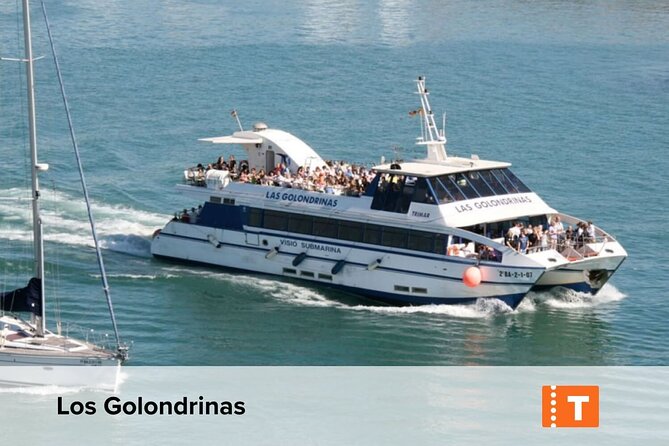
The other win is the included 24-hour hop-on hop-off bus with an audio guide, so you can move fast between neighborhoods without turning the day into a transit puzzle. One caution: two major Gaudí anchors, Sagrada Familia and Park Güell, are not included, so you’ll need separate tickets if they’re must-dos.
In This Review
- Key highlights worth planning around
- What this Barcelona City Card really buys you
- The smart way to use the 24-hour bus (so your day doesn’t melt)
- Gaudí on Passeig de Gràcia: Casa Milà, Casa Batlló, Casa Amatller
- La Pedrera (Casa Milà): roof views plus the weird-cool façade
- Casa Batlló: the street you can’t miss
- Casa Amatller: Modernism, chocolate history, and a post-tour snack
- Casa Vicens: Gaudí’s earlier work in a smaller, focused visit
- Colonia Güell and Gaudí’s Crypt: UNESCO in the woods
- Barcelona museums that mix art, pop culture, and street energy
- Barcelona Wax Museum: movie scenes and real-life icons
- Moco Museum Barcelona: contemporary art names you’ll recognize
- Museo Banksy Barcelona: a focused look at street art works
- Aquarium tunnel and two ways to see the city from above
- L’Aquàrium de Barcelona: underwater tunnel plus conservation themes
- Mirador torre Glòries: 360º view at 125 meters
- Monument a Colom: Columbus monument and the lift to 60 meters
- Poble Espanyol, FC Barcelona Museum, and Estrella Damm: culture plus real-world Barcelona
- Poble Espanyol: an open-air replica village
- FC Barcelona Museum: club history with an audio tour
- Estrella Damm Factory: a brewery tour that ends with tasting
- Castelldefels Castle and the Piratia exhibit: a break from the center
- What is not included: Sagrada Familia and Park Güell tickets
- Price and value: does $132.05 add up for you?
- Final verdict: should you book this Barcelona City Card?
- FAQ
- What’s included with the Barcelona City Card?
- Are Sagrada Familia and Park Güell included?
- How long is the pass valid?
- Is the tour available in English?
- Is public transportation included?
- Is there free cancellation?
Key highlights worth planning around
- Built for hopping: a 24-hour hop-on hop-off bus with audio helps you reduce travel time between clusters
- Top Gaudí houses included: Casa Milà, Casa Batlló, Casa Amatller, and Casa Vicens are part of the card experience
- UNESCO stop beyond the center: Gaudí’s Crypt at Colonia Güell is included and adds a forest-side twist
- Art that ranges from pop to street: Moco, the Banksy museum, and the Wax Museum cover very different vibes
- Sea life plus big views: Aquarium tunnel visits pair well with Torre Glòries and the Monument a Colom lift
- Local flavor, not just museums: Estrella Damm brewery tour and Poble Espanyol add variety
What this Barcelona City Card really buys you
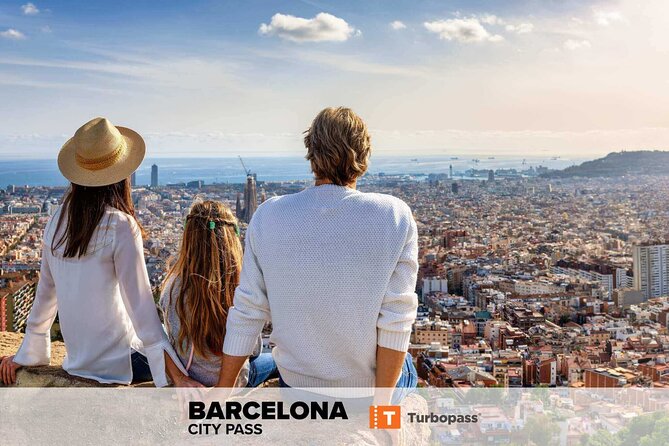
This card is marketed as a Barcelona City Pass with 30-plus attractions, tours, and hop-on hop-off access, and it’s designed for people who want to hit a lot of famous places without buying each ticket one-by-one. The pass is valid for about 1 to 5 days, which gives you room to go slow or run a tight itinerary.
At $132.05 per person, the real value is not the price itself. It’s what’s bundled: Gaudí houses, an aquarium, major museums, and a 24-hour sightseeing bus, plus an included bike tour and an included FC Barcelona experience. If you’re the type who likes to make a plan once and then follow it with minimal decision fatigue, this will feel pretty practical.
English is available, and most of the activities are near public transportation. Still, you’ll get the best results if you do a simple map-and-time plan before you start checking places off.
The smart way to use the 24-hour bus (so your day doesn’t melt)
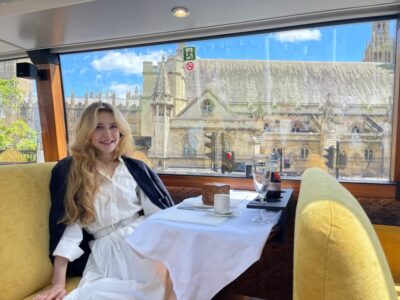
The included 24-hour hop-on hop-off bus is one of the easiest parts of the package. With an audio guide, you get a low-effort way to understand where you are and what you’re passing.
Here’s how I’d use it to save time:
- Use the bus to jump between the big sightseeing zones instead of walking every transfer.
- Pair nearby stops so you’re not crisscrossing the city all day.
- Keep one buffer block between timed visits, especially when you’re stacking several big museums.
The bus doesn’t replace common-sense planning. The card includes a lot, and that can tempt you to schedule too many back-to-back. A little spacing makes the difference between a fun day and a tired day.
Gaudí on Passeig de Gràcia: Casa Milà, Casa Batlló, Casa Amatller
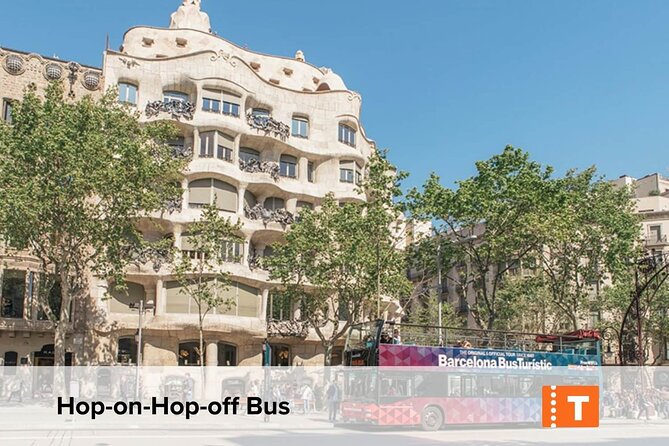
If Gaudí is your main reason for coming to Barcelona, this pass hits the jackpot immediately.
La Pedrera (Casa Milà): roof views plus the weird-cool façade
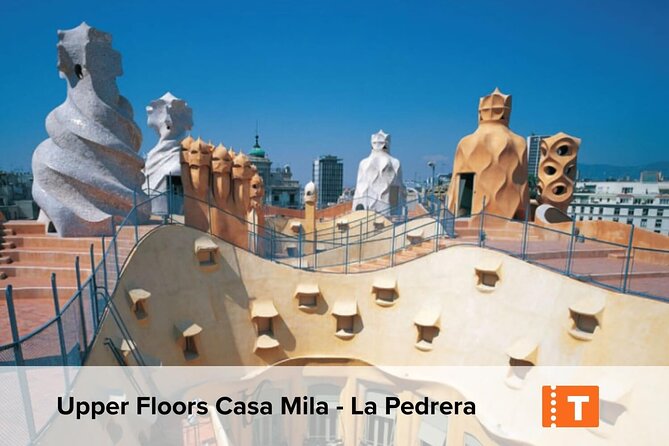
Casa Milà was finished in 1910, and because its façade is intentionally irregular, it’s nicknamed La Pedrera, meaning stone pit. The visit includes the standout parts you’d expect from a serious Gaudí house: the roof deck with a major view, inner courtyards, and exhibitions inside.
Time estimate is about 2 hours. For me, the roof deck is where the design language clicks into place. For you, it’s also the best moment to slow down and look upward, not just at the front door.
A possible drawback: doing Casa Milà back-to-back with another Gaudí house can feel like “more of the same” if you’re not paying attention to what changes. If that’s you, take a short break afterward and let your eyes reset.
Casa Batlló: the street you can’t miss
Passeig de Gràcia is basically Gaudí’s main stage, and Casa Batlló is one of the headline acts. The building sits on a boulevard lined with major heritage structures, and Casa Batlló is paired with Casa Milà as two UNESCO-declared works designed by Antoni Gaudí.
The included admission notes no queues at the ticket office and entry at times that work for you. Plan for about 2 hours. This is a good stop to do in daylight, because the design details and color work are easier to read when the light is doing its job.
Casa Amatller: Modernism, chocolate history, and a post-tour snack
Casa Amatller is Catalan Modernism with personality. It was bought by chocolate magnate Antoni Amatller in 1898, and after renovation it shows off the building’s decorative themes, including almond blossom motifs (Amatller means almond blossom). You’ll also notice wrought iron and impressive gargoyles.
This one is about guided tours, and the tour is followed by a souvenir shop and a chocolate café. That makes it a nice option when you want architecture plus something practical afterward.
Time estimate is about 2 hours. If you’re only interested in the exterior and hate guided formats, this could be slower than you want. If you like explanations while you’re walking, it’s a strong match.
Casa Vicens: Gaudí’s earlier work in a smaller, focused visit
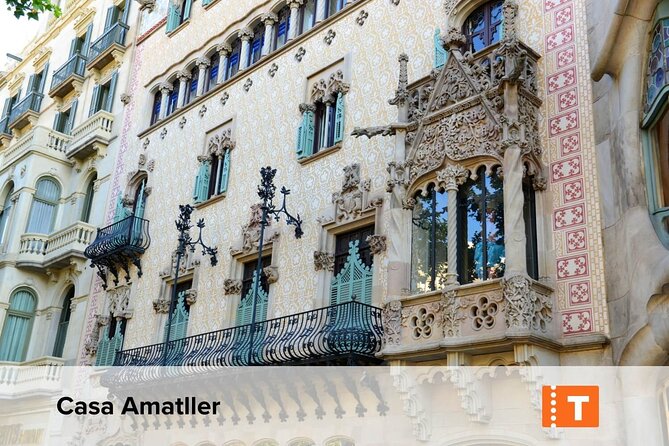
Casa Vicens is Gaudí’s first great work, and it’s a UNESCO World Heritage Site right in the city. The house is described as a place to see bright colors, striking façades, and detailed craftsmanship in a way that’s easy to experience without spending half your day getting from one side of Barcelona to the other.
Plan about 2 hours. The advantage here is scale: this tends to feel more manageable than the mega-famous Gaudí sites, so you can take your time without the day getting too heavy.
The trade-off: you need to mentally switch gears from “Passeig de Gràcia wow factor” to “early Gaudí experimentation.” It’s still impressive, just a different kind of energy.
Colonia Güell and Gaudí’s Crypt: UNESCO in the woods
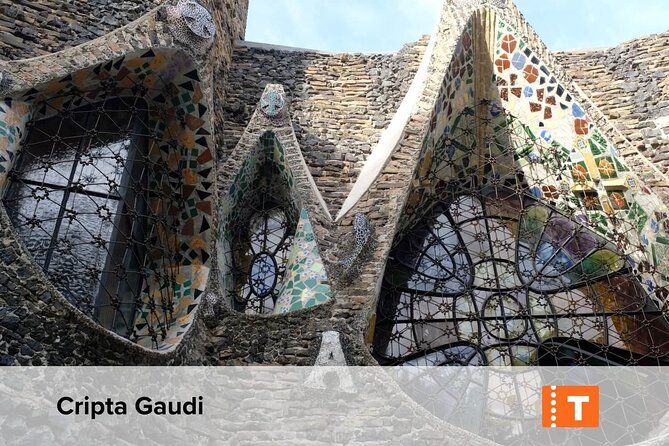
Gaudí’s Crypt and Colonia Güell adds a different side of the architect. Instead of the dense urban setting of the central houses, this is an industrial-era story.
You’ll see the context in a former textile factory and experience the preserved 19th-century feel of the streets of Colonia Güell. The crypt itself, Cripta Gaudí, is UNESCO-listed since 2005, and the description highlights how it blends into the surrounding forest with organic forms.
This is about 2 hours. The drawback is simply location and rhythm: it’s not the kind of stop you casually fit between two minutes of bus rides. You’ll want to dedicate attention to it as a main plan.
If you like architectural design ideas in a calmer setting, you’ll probably enjoy this one a lot.
Barcelona museums that mix art, pop culture, and street energy
This card doesn’t only cater to architecture fans. It also includes several museums that are quick to understand and easy to pair with other stops.
Barcelona Wax Museum: movie scenes and real-life icons
The Barcelona Wax Museum has been redesigned, using 28 sets and stages plus more than 150 classic figures. The included set list spans entertainment-heavy categories like The Money Heist and Star Wars, along with themes like Hall of Fame and pop stars.
It also mentions figures across arts and sports, such as Don Quixote or Picasso, plus Rosalia, Messi, and Billie Eilish. The time needed is about 1 hour.
If your museum day is already packed with long architecture visits, this can actually help. It’s shorter and more playful. If you dislike “themed attractions,” you might find it a bit too entertainment-heavy compared with traditional museums.
Moco Museum Barcelona: contemporary art names you’ll recognize
Moco Barcelona is focused on contemporary art and includes artists listed like Banksy, Keith Haring, and Jean-Michel Basquiat. The museum’s range is described as street art, pop art, modern surrealism, and contemporary painting, with exhibitions designed to show each artist’s vision.
Plan around 2 hours. This is a good place when you want art that feels more modern and less about slow historical context.
A possible consideration: if you’re expecting quiet galleries and minimal messaging, contemporary art museums can feel louder in theme. You’ll still get your money’s worth if you like interpretation and symbolism.
Museo Banksy Barcelona: a focused look at street art works
There’s also a dedicated Banksy museum: Museo Banksy Barcelona. It’s described as a permanent exhibition with over 130 works, focused on the street art of the anonymous artist, in a cultural district setting.
Time is about 1 hour. I like pairing this with Moco if you want street art and modern names in one stretch. The only drawback is repetition: if you’re not a street art fan, two Banksy-related stops might feel redundant.
Aquarium tunnel and two ways to see the city from above

Barcelona is a city of viewpoints, and this pass gives you a trio that works across different moods: sea life at ground level, city panoramas from lifts, and a high-tech-style observatory.
L’Aquàrium de Barcelona: underwater tunnel plus conservation themes
The Aquarium is described as one of the largest and most impressive in Europe, with an underwater tunnel near the harbor. You’ll see over 11,000 marine creatures from 451 species, including sharks, coral reefs, and penguins.
It also includes interactive exhibits that aim to help you understand marine conservation. Plan about 2 hours.
This is also one of the most family-friendly stops on the card. Even if you’re traveling solo, the aquarium is a great “break from architecture” option. The drawback: it’s easiest to enjoy when you don’t rush. If you arrive stressed, it can feel like an information overload.
Mirador torre Glòries: 360º view at 125 meters
Mirador torre Glòries is a newer type of observatory, described like a telescope-and-microscope experience. HyperView Barcelona is on the 30th floor, 125 meters up, with a 360º perspective.
Time is about 1 hour. This is a smart stop near sunset or when you want a wide, clean view without spending hours climbing.
Monument a Colom: Columbus monument and the lift to 60 meters
At the harbor area, Monument a Colom opened in 1888 for the first universal exhibition in Barcelona. The description points out a lift that takes you up to 60 meters, and from there you can take photos showing the gothic quarter, Montjuïc with its castle, and the old harbor.
Time is about 1 hour. Do this when the sky is clear, since views depend heavily on visibility.
One practical move: if you want fewer logistics, use the bus to connect the harbor-side sights. If you like photos, plan one viewpoint in the morning and one in the late afternoon so you get different lighting.
Poble Espanyol, FC Barcelona Museum, and Estrella Damm: culture plus real-world Barcelona
This is where the card stops feeling like only “top sights” and starts feeling like Barcelona day-to-day.
Poble Espanyol: an open-air replica village
Poble Espanyol is an open-air museum and artistic village. It’s described as a replica of a traditional Spanish village, showing architecture, crafts, and traditions from different regions of Spain, including Andalusia, Catalonia, and the Basque Country.
Time is about 2 hours. This is a good alternative when you want something more strolling-based and less about strict indoor museum routes.
The drawback is that it’s a curated-in-another-way experience: it’s still a constructed village setting. If you want authentic everyday life only, you might prefer neighborhoods outside this format.
FC Barcelona Museum: club history with an audio tour
The FC Barcelona Museum experience focuses on club heritage and includes an audio tour. You’ll move from the club’s humble beginnings to its current glory, with the audio guiding the story.
Time is about 2 hours. If you’re a soccer fan, this fits naturally. If you’re not, it can still work because it’s presented as a story-driven museum visit rather than just trophies on display.
Estrella Damm Factory: a brewery tour that ends with tasting
The Estrella Damm brewery visit runs about 90 minutes (listed as tours plus tasting). It includes:
- an audiovisual video on making Estrella beer
- a short tour of the packaging plant
- an organoleptic tasting
That word might sound fancy, but the idea is simple: tasting is part of the experience. You’ll want to pace yourself, especially if you’re also planning later stops.
This works best earlier in the day, because you’ll likely feel the timing effects of tasting.
Castelldefels Castle and the Piratia exhibit: a break from the center

Castelldefels Castle is included, and the description says it was previously closed to the public and is now being opened for the first time. The visit includes the castle itself and Piratia, an interactive, educational exhibition about piracy in the region.
Time is about 2 hours. This is a nice change if your first day is all Gaudí and museums. The only thing to plan carefully is transit time, since Castelldefels is outside the core of central Barcelona.
What is not included: Sagrada Familia and Park Güell tickets
Two big Barcelona icons are not part of the card: La Sagrada Familia and Park Güell. If those are on your must-see list, you’ll want to plan for separate entry tickets.
Everything else in your day can be built around the included spots, but don’t wait until the last minute for these two.
Price and value: does $132.05 add up for you?
Here’s the value test I use. Ask yourself how many of these included stops you’d genuinely do in a single trip. If your wishlist includes multiple Gaudí houses, an aquarium, at least one art museum, and a viewpoint, the card becomes easier to justify because it bundles several categories: architecture, art, sea life, views, sports, and a local brewery visit.
If your list is shorter and you only care about one or two sites, you might find you’re paying for attractions you won’t use. The card is built for people who enjoy a packed plan.
Also consider timing: the pass is commonly booked about 58 days in advance, which is a hint that people plan ahead to make everything fit. If you’re traveling during peak season or want specific time slots, early booking is smart.
Final verdict: should you book this Barcelona City Card?
I’d recommend this card if you want an easy, organized way to cover a lot of Barcelona highlights without buying many separate tickets. I like that it mixes the major Gaudí houses, adds the Aquarium tunnel, and gives you variety with street art museums, a pop-culture wax museum, FC Barcelona, Poble Espanyol, and Estrella Damm.
Don’t buy it blindly if Sagrada Familia and Park Güell are your top two priorities. You’ll still need extra tickets for those, and it may change how you structure your days.
If you like to stay in motion but not stress about every individual ticket, this pass is a solid fit.
FAQ
What’s included with the Barcelona City Card?
You get a 24-hour hop-on hop-off bus tour with an audio guide, free access to major stops like Casa Batlló, Casa Milà, and Casa Amatller, plus experiences including the FC Barcelona museum experience, the Aquarium of Barcelona, and an included Barcelona bike tour.
Are Sagrada Familia and Park Güell included?
No. Entry to La Sagrada Familia and Park Güell is not included with this pass.
How long is the pass valid?
It’s listed as lasting 1 to 5 days (approx.), depending on the option you book.
Is the tour available in English?
Yes. The experience is offered in English.
Is public transportation included?
A public transportation ticket is optional if you book it, rather than automatically included.
Is there free cancellation?
Yes. You can cancel for free up to 24 hours in advance for a full refund.