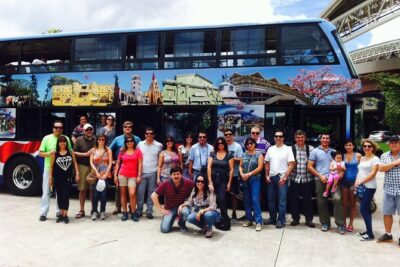
Two tickets can save you planning time. With a hop-on hop-off bus pass plus Moco Museum entry, you can mix big city landmarks with modern art at your own pace. I like the built-in flexibility here because you can hop off when something catches your eye, then climb back on when you’re ready.
The two biggest wins for me are the 24- or 48-hour format and the fact that the art museum ticket is included in the same plan. You also get a long list of stops across town, including West highlights like Fundació Joan Miró and MNAC, and East highlights like Park Güell and Sagrada Familia’s façade symbolism. One thing to consider: if you try to do both orange and green routes back-to-back, you can end up spending most of the day on the bus, with less time left for specific sights.
In This Review
- Key things to know before you go
- A Two-Day Ticket That Lets You Shape Your Own Barcelona
- Starting at Plaça Catalunya and Reading the Routes (Orange vs Green)
- West Route Orange: Miró, MNAC, Camp Nou Area, and a Smooth Path to El Born
- East Route Green: Park Güell, Sagrada Familia, and a Modernist-Led Loop
- Where the Moco Museum Fits In (and How to Plan Your Hop-Off Time)
- Audio Guide and What It Really Gives You on a Busy City Bus
- Price and Value: When This Pass Makes Sense
- Practical Tips to Get More From Your Day on the Top Deck
- Who This Experience Suits Best
- Should You Book the Barcelona Hop-On Hop-Off Bus with Moco Museum?
- FAQ
- Where is the main starting point for the bus?
- How long is the ticket valid?
- What time does the Barcelona City Tour operate?
- Does the price include the Moco Museum?
- What are Moco Museum opening hours?
- Where is Moco Museum located?
- Which bus route stops closest to the museum?
- Do I need to exchange a voucher before visiting Moco Museum?
- What languages are available on the audio guide?
- Are the buses air-conditioned?
Key things to know before you go

- Pick your route on purpose: orange leans west with sights like MNAC and Camp Nou; green leans East toward Park Güell and modernist icons
- Moco Museum is built into the day with its own admission included, so you’re not scrambling for a separate ticket
- You’ll use the orange route for the museum since the closest stops are number 2 and 3 on that line
- Audio guide is multilingual with a lot of language options, including English, Spanish, French, German, Italian, and more
- Top-deck comfort matters: the buses are air-conditioned and designed for sightseeing without getting stuck in traffic the hard way
A Two-Day Ticket That Lets You Shape Your Own Barcelona
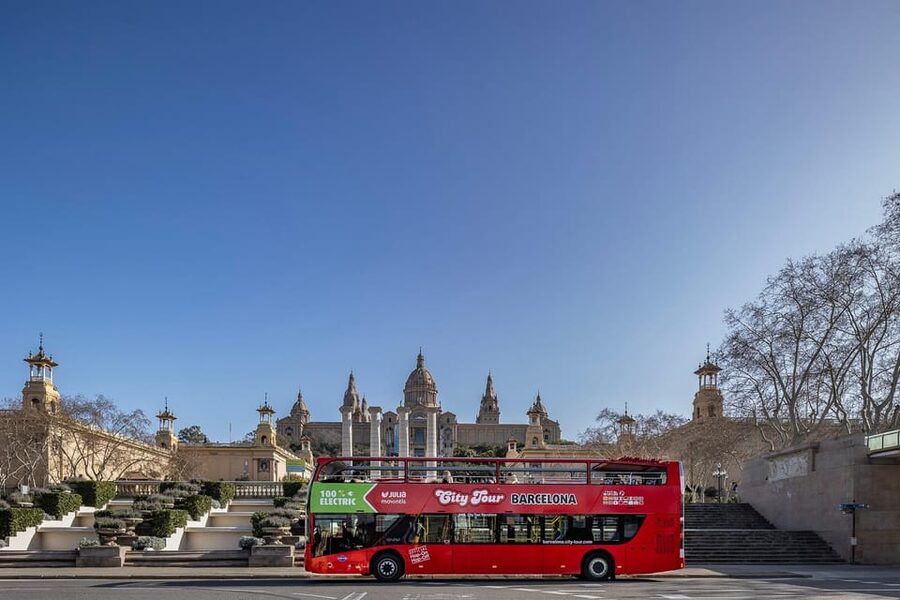
This is the kind of ticket I like when your trip is short or when your schedule is still a moving target. You choose a 24-hour or 48-hour window, then use one set of tickets for as many rides as you want during that time. That means you’re not locked into a rigid itinerary, and you can pace your day around energy, lines, and weather.
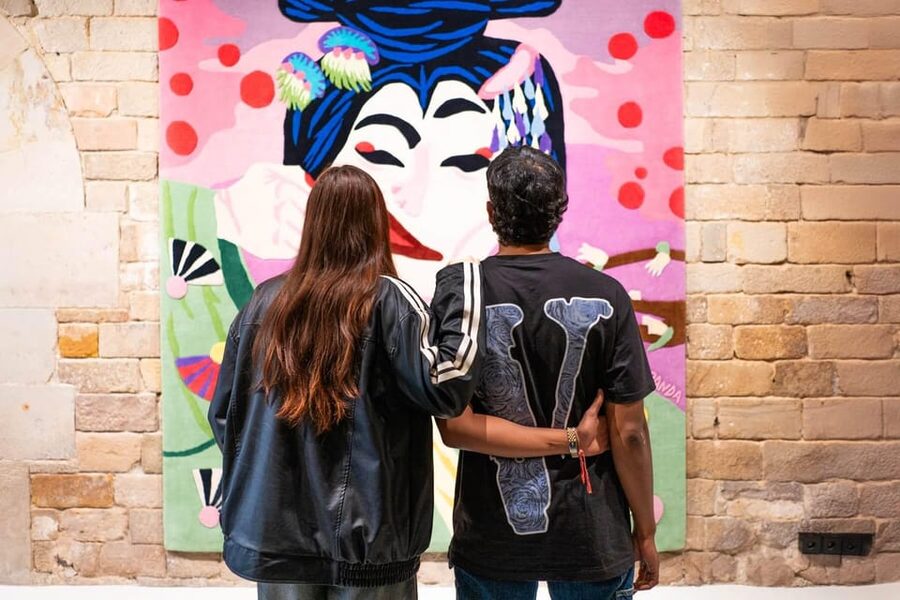
What makes it extra useful is the combination of two different “Barcelona moods.” One side is classic city sightseeing from a double-decker bus, with stops spread across both the East and West sides. The other side is modern and contemporary art at Moco Museum, where the collection includes artists like Andy Warhol, Keith Haring, Yayoi Kusama, Banksy, KAWS, and others.
The practical trade-off is time management. If you try to do every major stop in one go, the route changes and boarding time will start to feel like a cost. A bus pass works best when you treat it like a tool to connect moments, not a replacement for choosing what you actually want to see up close.
Starting at Plaça Catalunya and Reading the Routes (Orange vs Green)
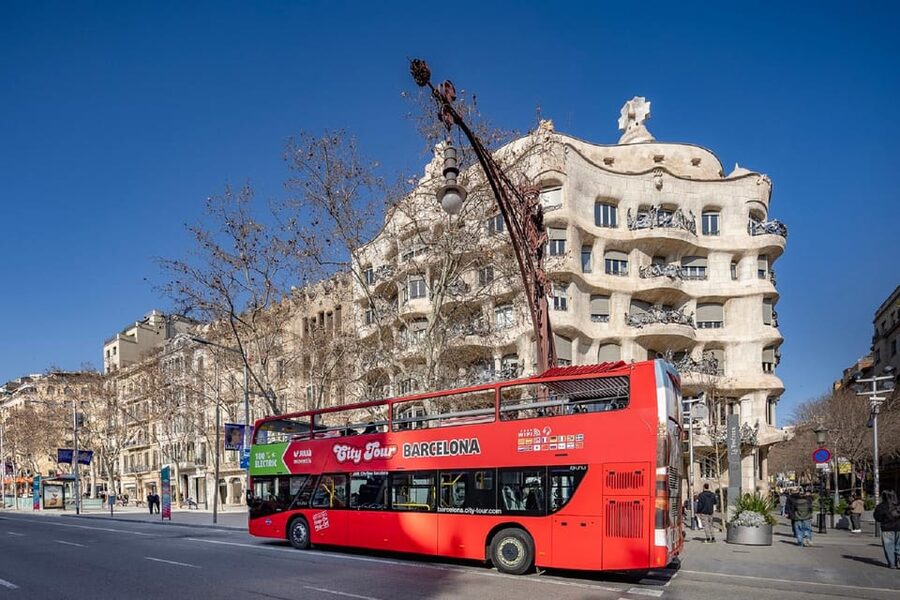
Your main meeting point is Plaça Catalunya, and you can start from there or from other bus stops. Service runs daily from 09:00 to 19:00, which gives you a good window to use the pass without it turning into a late-night plan.
Then there’s the routing logic. The bus runs two main lines:
- West route (orange): designed to take you beyond the most emblematic modernist cluster, with stops spread toward the stadium area and other west landmarks
- East route (green): aimed at the more artistic side of town, connecting Barcelona’s modernist landmarks with coastal areas and the city center
Here’s the key for you: plan around what you want most. If modernist highlights are your priority, you’ll likely get more satisfaction from green. If you want a wider sweep that includes places like MNAC and the FC Barcelona stadium area, orange is your better backbone. You can mix them, but keep an eye on how much time you’ll spend riding between stops.
West Route Orange: Miró, MNAC, Camp Nou Area, and a Smooth Path to El Born
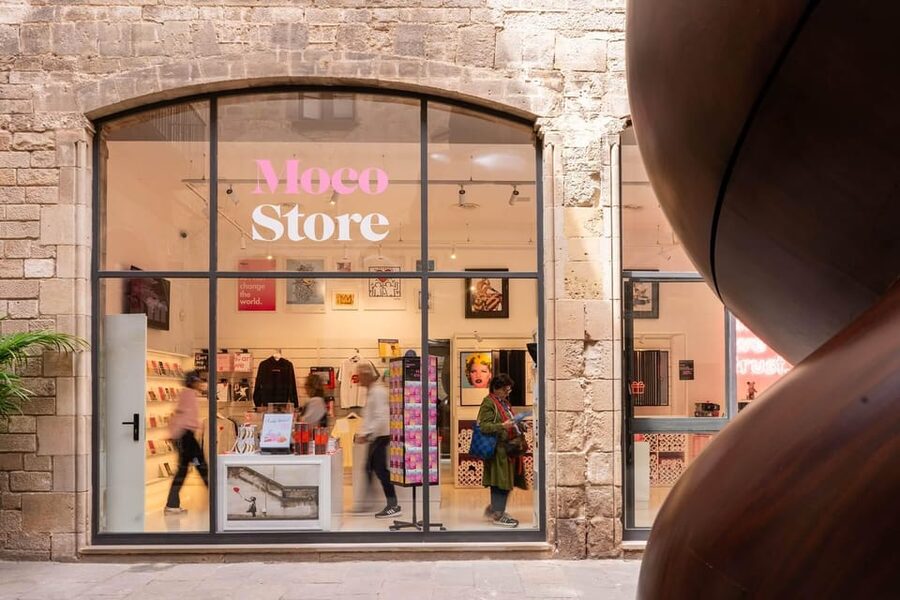
The orange line is built for a wide-ranging west-side loop, and it includes some stops that feel like “Barcelona beyond the postcards.” On the way you pass by Fundació Joan Miró and then head toward MNAC, with the route also including stops around the Olympic area (Anella Olímpica) and Poble Espanyol. It’s a strong mix of cultural institutions and landmarks, so it’s a good choice if you want variety rather than only one style of sightseeing.
As the route moves along, you also see key city-transfer zones like Plaça d’Espanya and Estació de Sants. Those aren’t just names on a map. For you, they matter because they’re useful “reset points” if you decide to hop off, take a break, then rejoin later without feeling like you’re stuck.
A big orange highlight is the Camp Nou – Museu FC Barcelona stop. Even if you’re not planning a stadium tour, this stop helps you understand the scale of the city and the neighborhood context on the west side. Past that, the orange line continues with stops like Avinguda Diagonal, L’Illa Diagonal, and Estació del Nord, then heads back toward the waterfront zone with Port Olímpic and Pla de Palau.
One practical bonus is that orange feeds you toward the central-to-historic end of town, which makes it easier to transition into a meal plan. The route information specifically points you toward El Born, with its quaint ambiance and cuisine. This is where you can turn a bus-and-museum day into a real Barcelona evening without overplanning.
East Route Green: Park Güell, Sagrada Familia, and a Modernist-Led Loop
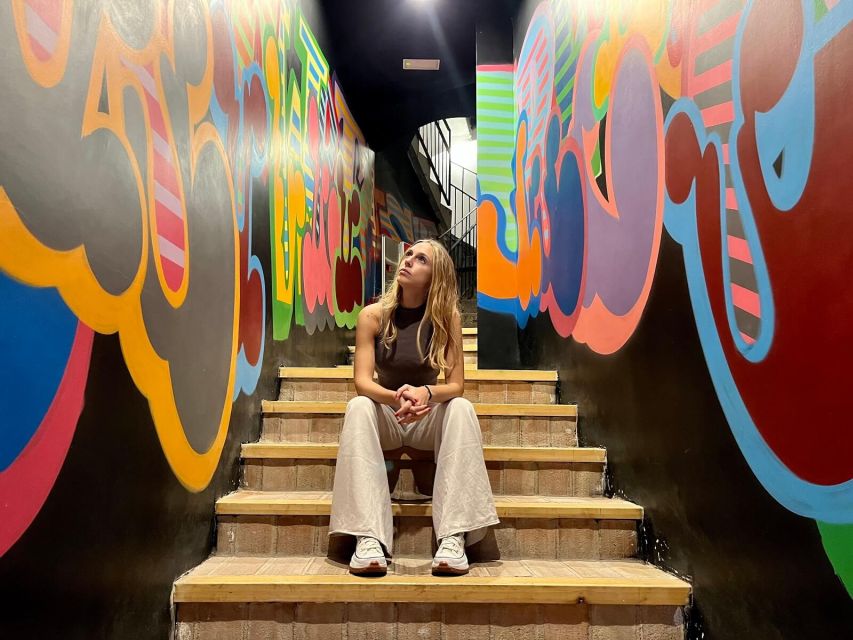
If you’re chasing the “Barcelona most people come for,” green is often the more straightforward line. It takes you across some of the most famous sights and connects them with both city and sea views.
The green route starts near Pla de Palau and moves through areas like Barceloneta and the Port Olímpic zone. Then it heads toward the coastline stops such as Platja del Bogatell and Nova Mar Bella, plus Fòrum. You also pass major modern markers like Torre Glòries.
As you move inland, green leans harder into the architectural highlights you’ll want to recognize as you travel. The route includes Recinte Modernista de Sant Pau and then swings toward Park Güell, followed by stops at places like Casa Batlló and Arc de Triomf. The route also returns you toward Plaça Catalunya, which makes it easy to reorganize your time.
And yes, you’ll see Sagrada Familia on the routing mix. The tour materials emphasize the symbolism on its façade, which is one of the best reasons to include this in your plan even if you’re not going inside. This is a “marvel from the outside” stop, using the bus to help you position yourself and get bearings quickly.
Where the Moco Museum Fits In (and How to Plan Your Hop-Off Time)
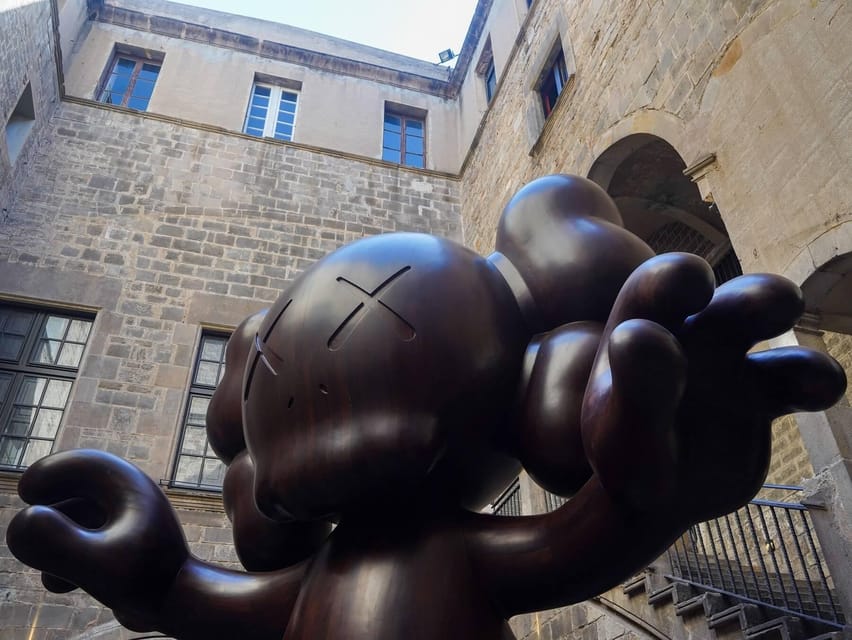
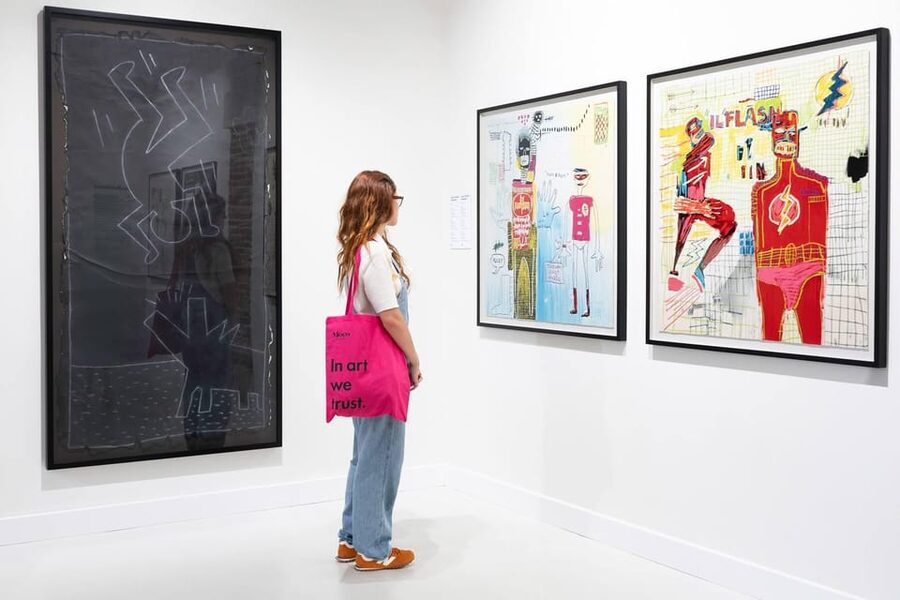
This ticket is not only a sightseeing pass; it’s also your entry into Moco Museum. The admission is included, and it’s an independent museum focused on modern, contemporary, and street art. The art lineup spans well-known names like Andy Warhol and Keith Haring, plus artists you’ll see often in today’s pop-and-street-art conversations, such as Yayoi Kusama, Banksy, KAWS, Hayden Kays, and David LaChapelle.
The museum address is Carrer de Montcada, 25. Hours are:
- Monday to Thursday: 10:00 to 20:00
- Friday to Sunday: 10:00 to 21:00
Now the practical part for your schedule: the closest bus stops to the museum are stops 2 and 3 on the orange route. That’s why I think orange works so well when you’re combining both elements. You’re not guessing how to get there from some faraway stop; the bus routing is intentionally connected to the museum.
There’s also a small but important detail: you need to exchange your voucher for the official tickets inside the bus before you head to Moco Museum. Plan your timing so you’re not rushing at the last minute when the museum is calling your name. For most people, it’s easiest to do the exchange shortly before hop-off, then walk over calmly.
Audio Guide and What It Really Gives You on a Busy City Bus

The tour includes a multilingual audio guide, and you can choose from a long list of languages. The options listed include Spanish, Catalan, English, German, French, Italian, Dutch, Chinese, Japanese, Portuguese, Russian, Swedish, Arabic, Hebrew, Norwegian, Turkish.
In real terms, this is a tool for orientation. You don’t have to stare at a phone map. You can let the narration help you recognize what you’re seeing as the bus passes: major landmarks, neighborhood shifts, and the big “why this area matters” context.
That said, audio guides vary in how much detail they can pack in. One important consideration from the overall experience: there can be periods where the audio feels light. So if you’re the type who wants deep explanations for every stop, you may want to use other resources alongside the bus guide. If you want a helpful overview while you travel, this still does its job well.
A practical way to use the system: listen during longer straight stretches when you’re not trying to read signs or scan for street numbers. Then, when you hop off, use your own eyes for the real city details and let the audio guide work as a back-pocket reference.
Price and Value: When This Pass Makes Sense
The stated price is $60 per person, and it bundles two things: hop-on hop-off bus rides for 24 or 48 hours, plus admission to Moco Museum. For many travelers, that’s the value equation—one ticket reduces ticket-hunting and planning steps.
This is also a decent choice if you want to keep mobility high. With the pass, you’re not stuck taking separate taxis or lining up multiple transport options between far-flung stops like Park Güell and the FC Barcelona area. You can ride, reset, and choose where you want to spend your walking time.
But the value depends on your routing strategy. If you try to do both orange and green in one full day, the time cost can shrink the benefit. There’s a real risk you’ll spend so long boarding, riding, and re-boarding that you’ll feel rushed once you reach individual stops. If your goal is to savor a few neighborhoods properly, I’d treat this as either:
- One main route plus Moco Museum, or
- Two routes spread across two days
That way, the bus supports your sightseeing instead of taking it over.
Practical Tips to Get More From Your Day on the Top Deck
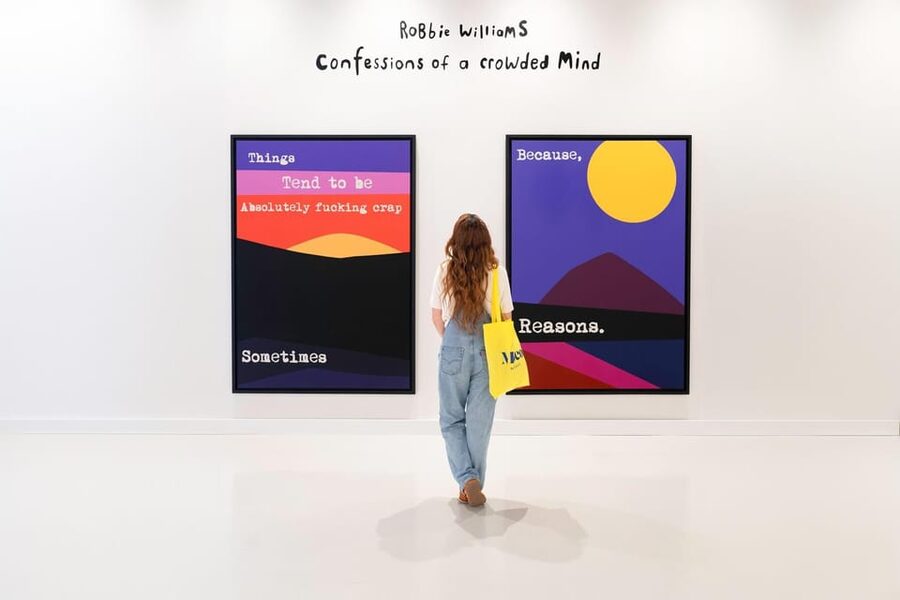
Start with your first hop-off. If you’re planning to visit Moco Museum, base your timing around the museum window and the orange route stop connection. Exchange your voucher on the bus and then walk over with a little buffer so you’re not racing against opening hours.
Second, pace your day like a human. The bus is comfortable and convenient, but it won’t replace the time you need to actually enjoy places. If you’re tempted to cram everything into one day, remember that one overall experience issue is simply the time spent loading and unloading along with the back-to-back route travel.
Third, use the route segments as meal and rest anchors. The itinerary points you to El Born as a place to enjoy the ambiance and cuisine. That gives you a concrete target for a break, not just random wandering.
Finally, bring a simple mindset: the best photos and best city moments often happen right before or right after a bus ride, not during the ride itself. Use the top deck to get your bearings and then hop off to make the city real at street level.
Who This Experience Suits Best
I’d steer you toward this combo if you fit one of these profiles:
- You want an easy “first-timer orientation” day in Barcelona with minimal planning stress
- You like modern and contemporary art and want Moco Museum without buying a separate ticket
- You prefer flexible pacing over a fixed tour schedule
- You’re traveling with mixed interests and need a plan that can flex
I’d think twice if you’re the kind of traveler who wants to spend most time inside a short list of attractions and hates transit time. When your day is already packed, the orange-and-green approach can feel like too much riding for too little walking.
It also helps if you’re comfortable splitting your interests. For example, let green handle the signature modernist landmarks, then let orange become your west-side connector to Moco and other culturally focused stops.
Should You Book the Barcelona Hop-On Hop-Off Bus with Moco Museum?
If you want a straightforward plan that bundles transportation and a meaningful art stop, this is a strong option. The included Moco Museum ticket is the clincher for art lovers, especially with its mix of major names and street-art energy. The bus pass works well because it gives you control over when you hop off, and it covers a lot of ground without forcing you into one linear route.
You might skip or rethink it if your itinerary is tight and you’re set on doing only a handful of specific sights. In that case, the time spent riding can start to feel like it’s stealing minutes from your real priorities.
My honest recommendation: book it if you’re planning at least one relaxed route day and want Moco woven in naturally. If you treat the bus as a connection tool rather than a full-day commitment, the whole experience reads as good value and a fun way to see Barcelona from two different angles.
FAQ
Where is the main starting point for the bus?
The main stop is Plaça Catalunya, though you can start the tour at any bus stop along the route.
How long is the ticket valid?
The ticket is valid for 1–2 days depending on whether you choose the 24-hour or 48-hour option.
What time does the Barcelona City Tour operate?
It runs daily from 09:00 to 19:00.
Does the price include the Moco Museum?
Yes. Admission to the Moco Museum is included in the ticket price.
What are Moco Museum opening hours?
From Monday to Thursday, it’s 10:00 to 20:00. From Friday to Sunday, it’s 10:00 to 21:00.
Where is Moco Museum located?
Moco Museum is at Carrer de Montcada, 25.
Which bus route stops closest to the museum?
The closest stops to the museum are number 2 and 3 of the orange route.
Do I need to exchange a voucher before visiting Moco Museum?
Yes. You need to exchange your voucher for the official tickets inside the bus before going to the museum.
What languages are available on the audio guide?
The audio guide is available in Spanish, Catalan, English, German, French, Italian, Dutch, Chinese, Japanese, Portuguese, Russian, Swedish, Arabic, Hebrew, Norwegian, and Turkish.
Are the buses air-conditioned?
Yes. The buses are air-conditioned double-decker open coaches.