Berlin Wall to Brandenburg Gate in two hours. That speed is the point: you get a tight, private overview that still covers the big emotional stops of the city. I like that you ride in a modern vehicle, so you spend less time stuck on foot and more time listening while the guide points out what to notice.
Two things I’d call out right away: you’ll see the Berlin Wall remains and the Cold War landmarks around Checkpoint Charlie, and you also get a guided walk-by of the grand civic sights like the Reichstag area and Unter den Linden. One watch-out: the tour is only two hours, so even with the photo stop you won’t have time to linger at every location.
In This Review
- What You Really Get From This 2-Hour Private Highlights Tour
- Key Stops That Make This Tour Worth It
- Pickup, Vehicle, and Why Comfort Helps in Berlin
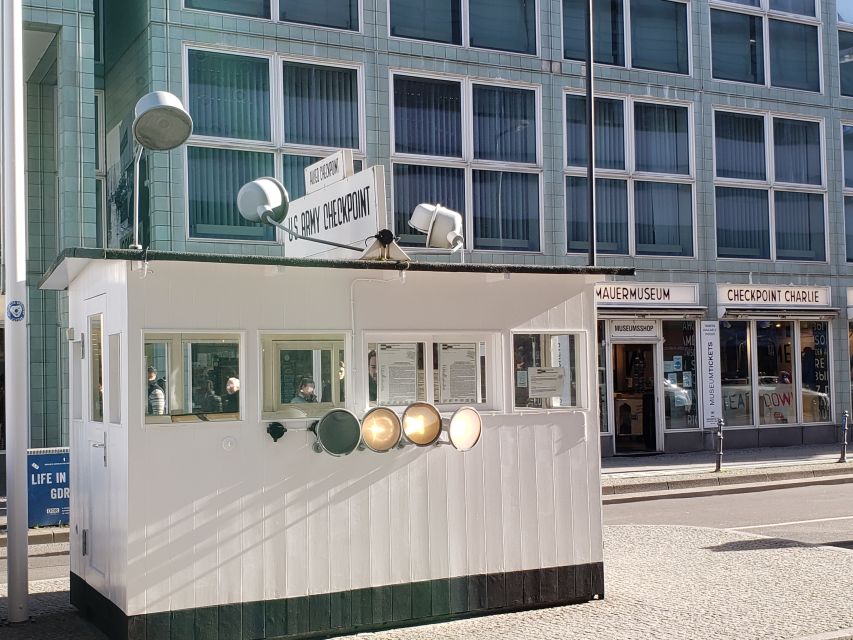
- Checkpoint Charlie: The Cold War in One Human-Scale Stop
- Museum Island and Under den Linden: Turning Sights Into a Sense of Place
- Brandenburg Gate: The Best Photo Stop on the Route
- Berlin Victory Column and the Reichstag Area: Power, Memory, and Architecture
- Potsdamer Platz and Tiergartenviertel: Modern Berlin Meets the Past
- Berlin Wall Remains: The Stop That Makes Everything Else Click
- Government District: Where the City’s Story Meets Today’s Germany
- Price and Value: Is $22 Worth Two Hours of Private Touring?
- Who This Tour Fits Best
- Should You Book It?
- FAQ
- How long is the Berlin highlights private bus tour?
- What’s included in the price?
- Will I be in a minivan or a coach?
- What languages is the tour guide available in?
- What major sights are covered during the tour?
- Is hotel pickup available anywhere in Berlin?
What You Really Get From This 2-Hour Private Highlights Tour
This isn’t a slow, museum-style day. It’s a focused “get your bearings fast” route that takes you across western and eastern parts of the city center. You’ll get the big visual anchors first, then the context second, which is exactly how Berlin tends to make sense.
The private format matters more than you might think. Fewer people means the guide can answer questions directly and shift the emphasis when your group cares more about politics, street-level Cold War details, or architecture. In the feedback, Christian B. is highlighted for answering questions competently and working around visitors’ wishes, and that kind of responsiveness is a real quality-of-life upgrade on a packed highlights route.
Key Stops That Make This Tour Worth It
- Checkpoint Charlie context: You see one of Berlin’s most famous Cold War checkpoints and get the story behind why it matters.
- Unter den Linden walk-by: The boulevard’s historical buildings are easier to understand when someone narrates what you’re looking at.
- Brandenburg Gate photo moment: You’ll get a dedicated chance to stop and take photos, plus time to stretch your legs.
- Reichstag and Government District views: You’ll connect the city’s layout with the seat of German government.
- Potsdamer Platz and postwar contrast: You pass through a space that reflects Berlin’s newer chapters as well.
- Berlin Wall remains: You get the emotional center of Berlin without having to plan a route yourself.
Pickup, Vehicle, and Why Comfort Helps in Berlin

You start with hotel pickup and drop-off, and that’s not a small detail in Berlin. Getting to multiple distant landmarks on your own can eat up the time you’re trying to save. With pickup arranged and a sign at the meeting point, the day starts clean and simple.
Your group size determines the vehicle: up to 6 people use a minivan; 7+ use a coach. That usually means you’ll either have a more personal “conversation-friendly” ride (minivan) or a more spacious one (coach). Either way, you’re seated while the guide fills in the background, so you get both movement and meaning in the same two hours.
And since the guide speaks German and English, you won’t lose anything if your group isn’t fluent in German. You’ll also benefit from live narration rather than reading labels while you’re trying to take photos and cross streets.
Checkpoint Charlie: The Cold War in One Human-Scale Stop
Checkpoint Charlie is the kind of place you recognize before you fully understand it. On this tour, that’s helpful: you see the area early enough that the rest of the day’s political geography feels more connected.
The value here is not just the photo opportunity. The guide helps you interpret the Cold War vibe: Berlin was the front edge of tension, and the checkpoint became a symbol you still see referenced today. When someone explains what was happening around crossings, borders, and access, the landmark stops being a name and starts becoming a story you can carry to the next stops.
Potential drawback: because it’s such a famous site, the area can feel busy or compressed. Since this tour is short, you won’t get to make this your main focus for long. If you want to spend hours reading every detail, you’d pair this with a slower plan later. As a highlights orientation, it works.
Museum Island and Under den Linden: Turning Sights Into a Sense of Place
After Checkpoint Charlie, the tour shifts toward a more “classic Berlin” feel. Museum Island is a strong example of why a guided drive-by helps. Even if you don’t step inside any museum, the setting and the grouping of cultural institutions make the area feel intentional.
Then you move to Unter den Linden, the grand boulevard that acts like a spine through the city. This is the stop where you’ll start noticing how Berlin lays out space for civic life—wide avenues, major façades, and lines of sight that connect key places.
What I like in a tour like this is that it doesn’t treat these stops as postcard backdrops. A good guide frames them so you can see why the city chose those axes, why they matter, and how later history layered onto the same streets.
Small consideration: Unter den Linden is impressive on foot, but on a bus tour you’ll mainly experience it from the road or brief viewpoints. You’ll get the orientation, not the lingering stroll that a dedicated walking tour would provide.
Brandenburg Gate: The Best Photo Stop on the Route
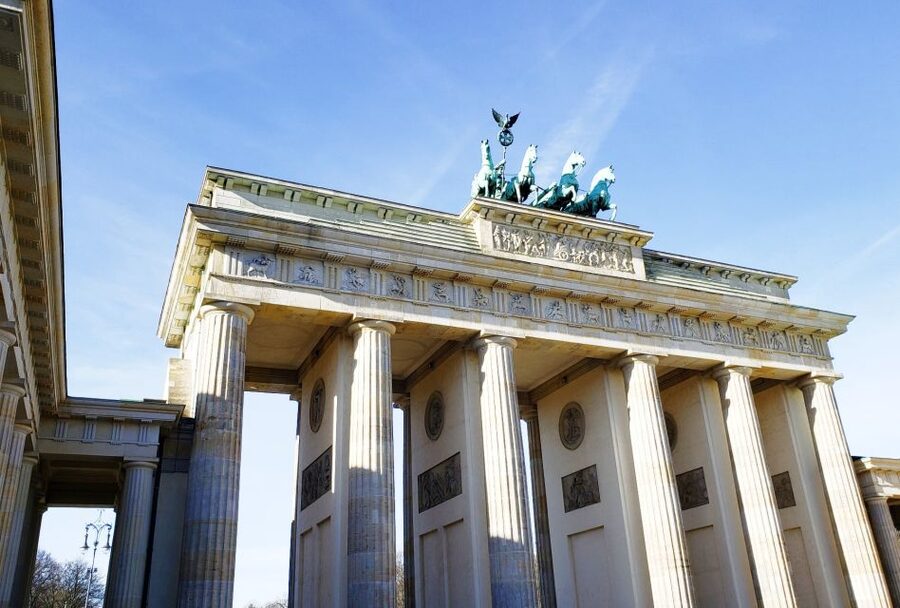
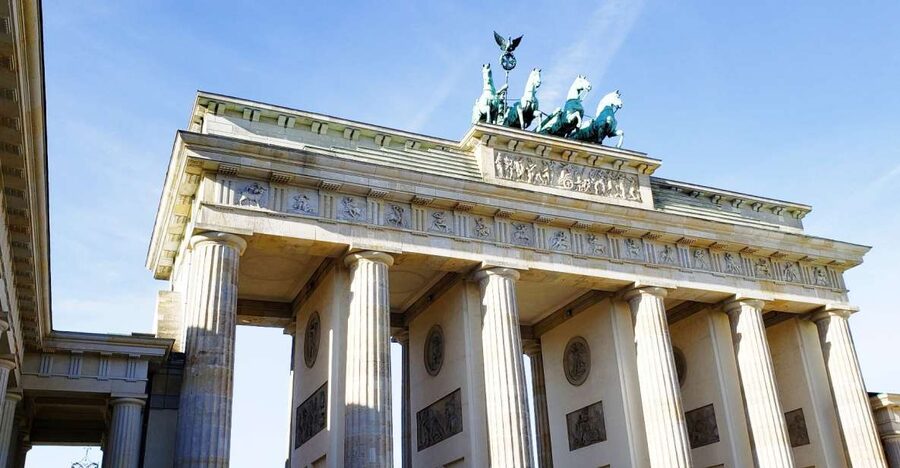
No Berlin highlights list is complete without the Brandenburg Gate. On this tour, you get a formal stop to take photos and some time to stretch your legs or take a short stroll.
This is where the pacing pays off. You’re not guessing where to stand or how long you’ll have. You also have a guide to explain what you’re looking at, which helps you notice details you might miss if you simply snap pictures and move on.
Why this matters for you: if you’re visiting for a weekend or you’re meeting your travel crew on a tight schedule, this kind of structured stop lets you leave Berlin with at least one truly memorable image that fits the story of the city.
Trade-off: since it’s a short stop, you’ll need to be ready to move when the group is called. Come with your photo plan in mind so you don’t end up rushing at the end.
Berlin Victory Column and the Reichstag Area: Power, Memory, and Architecture
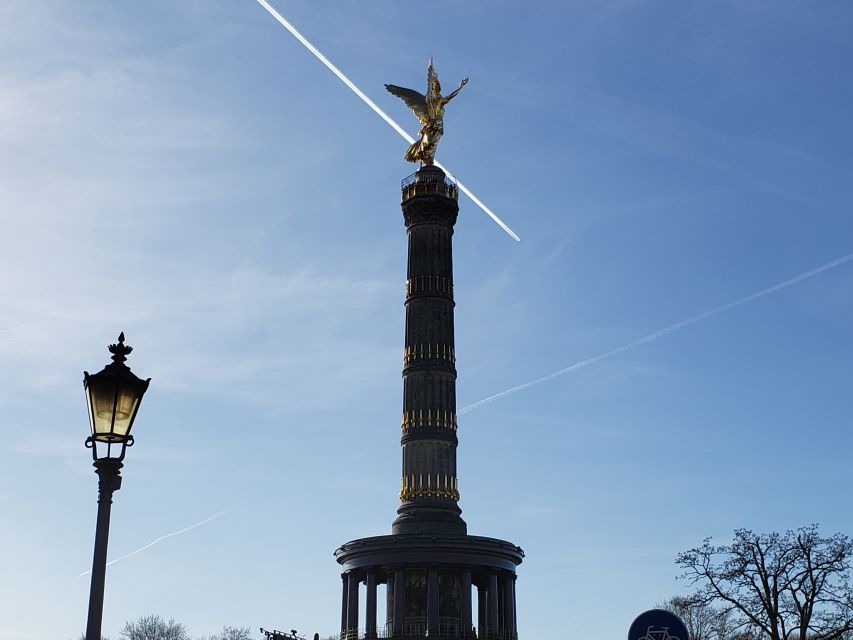
The Victory Column stop is an important bridge between past and power. Even if you’re not fully grounded in German history, a guide can connect the symbolism to how people have interpreted public monuments over time.
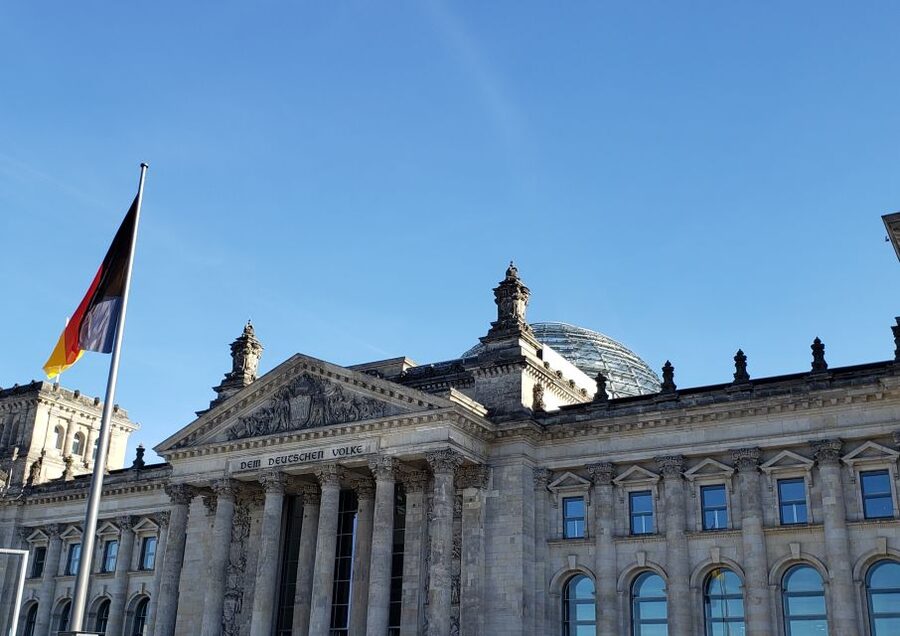
Then comes one of the most satisfying transitions in the whole day: the move toward the Reichstag and the Government District. The tour lets you see how the civic and political center sits in the urban map. Instead of only hearing about government, you get to visually locate it—where it is, how it’s approached, and how it fits the city’s layout.
The Reichstag area is especially compelling on a highlights tour because you don’t need a long itinerary to feel the weight of the place. The building and its surroundings make it obvious that this is more than sightseeing. It’s Berlin’s decision-making geography, shaped by history.
Practical note: if you’re someone who loves architecture, this section will feel rewarding because you’re moving between landmarks while the guide interprets what you’re seeing. If you’re not into buildings, you’ll still get meaning from the stories tying monuments and institutions to Berlin’s turning points.
Potsdamer Platz and Tiergartenviertel: Modern Berlin Meets the Past
Potsdamer Platz and the nearby Tiergartenviertel area provide contrast. After the heavier political stops, you get a chance to see Berlin as a living, functioning city center, not only a memorial.
Potsdamer Platz is known for its place in Berlin’s later development, and on this route it works as a breathing space between the most intense historical themes. You’ll see how the city re-established itself in the postwar era, and you’ll likely find the scene more approachable if you’re traveling with people who want a mix of head and heart.
Then Tiergartenviertel helps you connect the dots: parks, neighborhoods, and the way Berlin organizes space. It’s the kind of area you don’t always pick up on quickly when you’re doing everything alone, so a guide’s narration gives it structure.
Downside: again, this is a drive-by with sightseeing stops. If you want to explore cafés, streets, or side alleys, you’ll need separate time after this tour.
Berlin Wall Remains: The Stop That Makes Everything Else Click
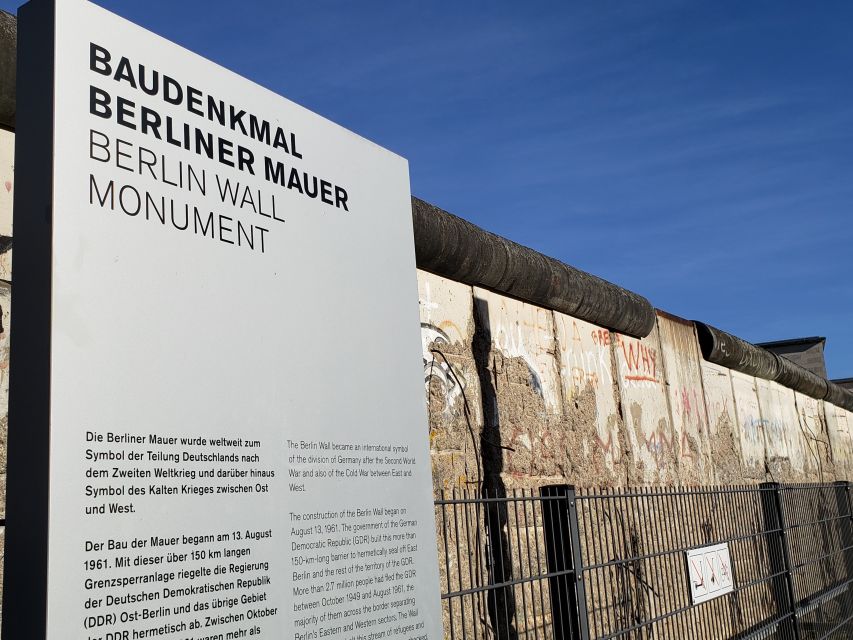
The Berlin Wall stop is the emotional center of the route. This is where the tour earns its name “highlights,” because it’s not just a viewpoint—it’s the core symbol for Berlin’s division and later reunification.
What makes it valuable in a short tour is that you’re not approaching the Wall as a single disconnected attraction. You’ve already seen checkpoints, civic areas, and major boulevards, so the guide’s explanation helps you connect the political story to the physical reality.
You’ll also have the benefit of seeing the remains without having to plan your own route through multiple locations. If you don’t want to research which parts are most worth your time, this tour gives you a curated path.
Consideration: because you’re on a tight schedule, you’ll likely have less time for quiet reflection than you might want. If you’re sensitive to memorial settings, take a moment when you can, but understand the day’s flow will keep moving.
Government District: Where the City’s Story Meets Today’s Germany
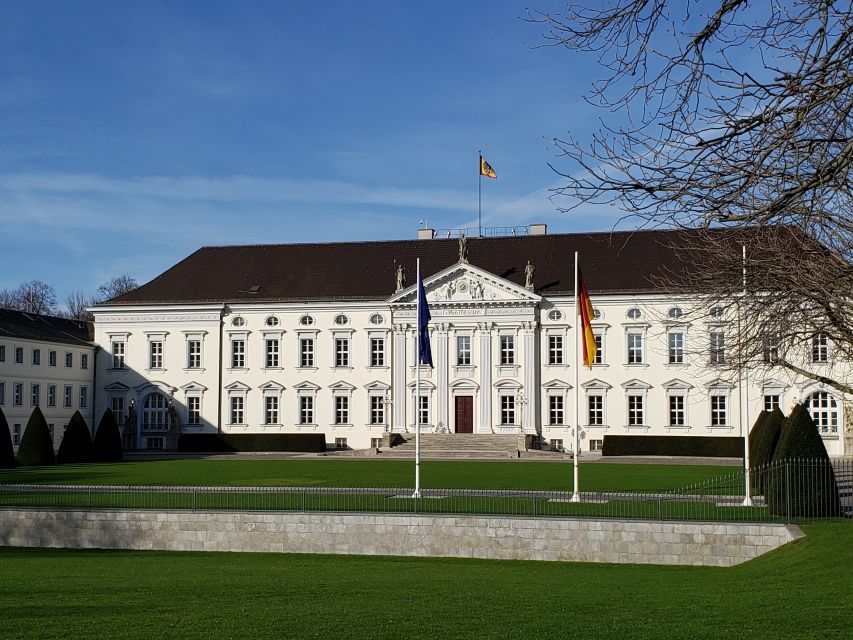
Near the end, you circle back into the Government District area. This is a smart move for a highlights tour because it ties the “then” and “now” together.
You’ve seen monuments and political symbolism earlier. Now you see the present-facing center, so it feels like a completion rather than a random collection of sights. It’s a practical way to end the tour: instead of stopping on the most painful imagery, the route finishes with the institutions that define modern Germany.
And you end where you started: return to Berlin with your hotel drop-off handled, which keeps the day from getting messy at the end.
Price and Value: Is $22 Worth Two Hours of Private Touring?
$22 per person is a strong deal for what you’re getting: a live tour guide plus pickup/drop-off plus a van or bus with a driver. Two hours won’t let you see everything, but it does let you cover several major landmarks that would cost you time and transit effort on your own.
Here’s the value lens I’d use: this tour is worth it if you want a guided overview that reduces guesswork. If you already have a detailed plan for each neighborhood and museum, you might not need a highlights bus tour. But if your priority is to quickly understand Berlin’s layout, history themes, and key photo points, this pricing is very reasonable.
The private aspect also helps justify the cost. You’re not squeezed into a huge crowd, and the guide can respond to your group’s pace more easily. Even in a short ride, that can improve the experience.
Who This Tour Fits Best
This tour is ideal if:
- you’re visiting Berlin for the first time and want structure
- you have limited time and want a guided route across major landmarks
- you prefer comfort and storytelling over long walking days
- you want Cold War and civic Berlin in one smooth session
It may feel less ideal if:
- you want in-depth museum time or long stops at memorial sites
- you’re planning to photograph for hours at each location
- your group wants a deep, neighborhood-by-neighborhood exploration
Should You Book It?
Yes, you should book this tour if your main goal is to get oriented—and to see the Wall, Checkpoint Charlie, Brandenburg Gate, and the Reichstag area without spending your day figuring out logistics. The private group format, the hotel pickup/drop-off, and the fact that you get live narration in German or English make it a practical value for the money.
Skip it if you already have a fully mapped Berlin plan with multiple long stops and you’re comfortable building your own route. In that case, you might prefer specialized walking tours or museum-focused days.
FAQ
How long is the Berlin highlights private bus tour?
It runs for 2 hours.
What’s included in the price?
Hotel pickup and drop-off, a tour guide, and a van or bus with a driver.
Will I be in a minivan or a coach?
For groups up to 6 people, it’s a minivan. For groups of more than 7 people, it’s a coach.
What languages is the tour guide available in?
The live tour guide speaks German and English.
What major sights are covered during the tour?
The route includes Checkpoint Charlie, Museum Island, Unter den Linden, Brandenburg Gate, Berlin Victory Column, the Reichstag area/Government District, Potsdamer Platz, Berlin Wall remains, and the Tiergartenviertel area.
Is hotel pickup available anywhere in Berlin?
Yes. Pickup is included at any location in Berlin, such as your hotel, with a meeting-point sign provided for your group.