A day that hits hard, then helps you breathe. This Berlin tour pairs a memorial visit at Sachsenhausen with a calmer Potsdam afternoon, all in one tight 7-hour loop. You’ll get a professional guide, included admissions, and private bus transfer so you’re not juggling transport while trying to take in very heavy history.
I especially like the built-in time to slow down and reflect, not just race through facts. I also like the way the guide explains the camp’s Nazi and Soviet layers, using the site’s surviving structures and monuments to give context.
Here’s the trade-off: it’s a long day with lots of walking, and the schedule can feel rushed at times—especially if you want lingering time in every corner.
In This Review
- Key Highlights If You Like Your History With Context
- How This Berlin Tour Flows From Alexanderplatz To A Memorial
- The Berlin Bus Warm-Up: Included Context While You Ride
- Sachsenhausen Memorial: The Parts That Make The History Feel Real
- What you actually see (and why it matters)
- Pacing: what to expect on a site like this
- Walking and stairs: plan for your body
- Potsdam After Sachsenhausen: A Beautiful Contrast With Guided Clarity
- About palaces and what you’ll (and won’t) enter
- The Bus Reality: Shared Narration, Packed Seating, And Audio Checks
- Pace, Reflection, And Why Some Days Feel Rushed
- Price And Value: What You’re Paying For At $83.48
- Who This Tour Fits Best (And Who Should Think Twice)
- Tips That Make The Day Easier (Without Turning It Into Homework)
- Should You Book This Sachsenhausen And Potsdam Day Trip?
- FAQ
- How long is the Berlin Sachsenhausen and Potsdam day tour?
- Where do I meet for the tour?
- What time does the tour start?
- Is the tour offered in English?
- Is food included?
- How much walking is involved?
- Do we enter the Potsdam palace?
Key Highlights If You Like Your History With Context
- Sachsenhausen with real site sections: Tower A, Station Z, Barracks 38–39, the camp prison, and more
- Time to reflect instead of a drive-by explanation
- A guide-led Berlin to Potsdam contrast: heavy memorial first, then royal gardens and palaces
- Tickets and transfers included so you can focus on the day
- Small-to-medium group size (up to 45) with guided stops
- Language reality check: the bus narration is shared (English and Spanish), while site visits run in one language at a time
How This Berlin Tour Flows From Alexanderplatz To A Memorial
The meeting point is easy to find: the World Time Clock at Alexanderplatz (Alexanderpl. 1, 10178 Berlin). The day starts at 9:30am, and the tour keeps moving with a comfortable rhythm—enough structure to stay together, but still designed to let you process what you’re seeing.
A short “kickoff” stop at Alexanderplatz also gives you a simple way to orient yourself. It’s not a long sightseeing detour; it’s more like a clean start button. Then you’re off toward Sachsenhausen, with the day’s theme set right from the beginning: history you can walk through, then history you can enjoy visually in Potsdam.
The Berlin Bus Warm-Up: Included Context While You Ride
You don’t just get transportation. You get a city bus tour of Berlin, included in the price. That matters more than it sounds. When you later stand in a memorial where names, systems, and ideology are layered, you’re better able to connect the dots—how Berlin’s story fits into broader European events.
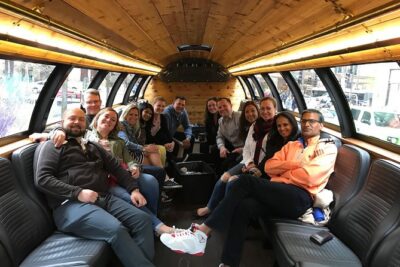
Also, the group size is capped at 45, which usually means you can hear instructions and keep track of where you should be. Still, expect a bus day: you’ll be seated for travel segments, then walking at the memorial and in Potsdam.
Sachsenhausen Memorial: The Parts That Make The History Feel Real
Sachsenhausen Memorial & Museum is the centerpiece, with about 3 hours on site. Entrance is included, and the visit is guided, focused, and sensitive. This is not “edutainment.” The tour’s approach is built around reflecting, understanding daily life in the camp, and seeing how that daily reality grew from the machinery of the Nazi system—then later layers tied to Soviet history.
What you actually see (and why it matters)
You’ll visit key surviving areas and learn how each one fits the camp’s functioning:
- The Death Marches exhibition, which helps explain what happened as the war collapsed and prisoners were forced into brutal marches
- Tower A, covering security measures and punishments—an anchor for how the camp controlled movement and behavior
- The Small Camp, including Barracks 38 and 39, which brings you closer to what routine confinement looked like
- The camp prison, where the consequences of the camp’s rules became even more severe
- Kitchen and laundry facilities, important because the camp wasn’t only a place of violence—it also ran on exhausting labor and logistics
- The Soviet Monument from 1961, a reminder that this place continued to carry political meaning after WWII
- Station Z, connected to execution and punishment procedures
- The infirmary and morgue, where suffering and death were part of the system, not side effects
That list can sound heavy. That’s because it is heavy. But the value is exactly in the structure: you don’t just hear a timeline. You see the physical layout and how the camp’s system operated day to day.
Pacing: what to expect on a site like this
Most guides on this kind of memorial route manage a careful balance—enough time to take in what’s in front of you, and enough time for reflection. Multiple guides have been praised for staying respectful and not rushing the group. Names that came up for standout day-of interpretation include Whalid and Peter, both noted for sensitive storytelling and pace control.
Still, be realistic: some people felt the overall day moved quickly because the schedule has two major stops. If you want to stand longer at each building or read every plaque, this may not feel like enough time.
Walking and stairs: plan for your body
Sachsenhausen involves a lot of walking, and there are stairs and uneven surfaces. One important accessibility note from experiences on the ground: there are areas with no railings, which can make the visit harder if stairs are a challenge for you. The tour says most people can participate, but you should treat that as “possible,” not “easy.”
Potsdam After Sachsenhausen: A Beautiful Contrast With Guided Clarity
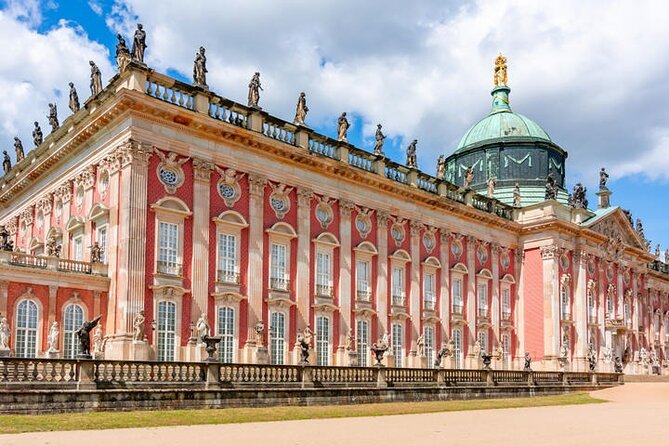
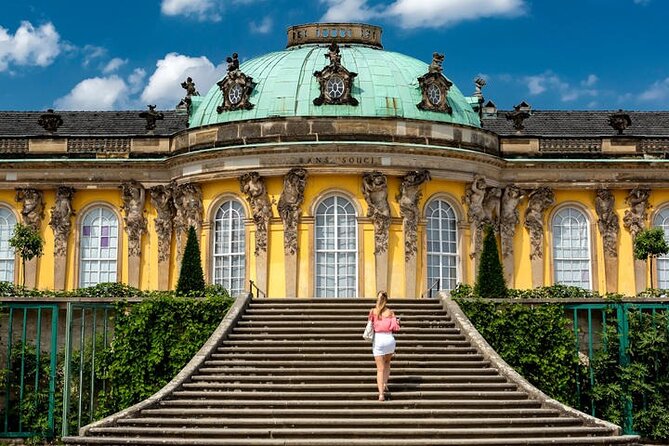
After the memorial, the tour heads to Potsdam for about 2 hours. The tone shifts on purpose. Potsdam is known for royal residences—palaces and gardens where courts once lived and strolled. It’s a strong contrast after Sachsenhausen: same day, totally different emotional mode.
You’ll explore the city with your guide, then get free time to wander at your own pace. One of the most useful practical details here is that Potsdam is where you can let your brain reset without ignoring context. It’s not just “pretty scenery.” It helps many people process what they’ve just learned by giving the day a counterbalance.
About palaces and what you’ll (and won’t) enter
The tour information you provided describes exploration of Potsdam and the royal setting, but it does not clearly promise a palace interior visit. One participant specifically noted that they did not enter the palace. So if palace interior access is a must for you, you may want to confirm what “visit” includes for the specific date you book.
The Bus Reality: Shared Narration, Packed Seating, And Audio Checks
This tour includes bus time between Berlin and Sachsenhausen, then onward to Potsdam and back. The bus is where you’ll notice the most “group logistics” friction.
A common pattern on this kind of day trip: the bus ride may include both English and Spanish groups. In that setup, two guides share the microphone and commentary switches between languages. At the sights, the visits run in one language at a time, which usually makes the site explanations easier to follow.
What I’d do with this info: if clear audio is important to you, plan on it being mostly about “pay attention to the current guide’s language,” not a perfect bilingual system. If you’re sensitive to unclear PA sound, this is one spot where you might want to be mentally flexible.
Seating can also be tight. Some experiences mention a packed bus because English and Spanish tours were combined. If you want to sit with a specific person, you might want to arrive early at the meeting point and be ready for how the seating works out that day.
Pace, Reflection, And Why Some Days Feel Rushed
This is a full-day tour—about 7 hours—and the schedule covers two big emotional zones. That’s the core reason you’ll see two types of feedback: “exactly the right balance” and “too rushed.”
If you’re the type who likes a structured day with clear stops and guide-led interpretation, the pacing may feel right. People have praised guides (including Peter and Johan in different accounts) for matching the group’s pace and for holding a steady, relaxed rhythm.
If you’re the type who wants slow reading time at every memorial marker, you’ll probably feel the squeeze. Sachsenhausen alone contains a lot to absorb—then you still have Potsdam. A little more time in either place would help, but the tour is designed as a “best-of” day rather than an all-day immersion at one site.
My practical takeaway: treat Potsdam as a guided reset with some freedom, not as a deep dive city tour. And treat Sachsenhausen as the main event, where you should mentally prepare to spend your attention wisely.
Price And Value: What You’re Paying For At $83.48
At $83.48 per person, this day trip isn’t just “transport plus a guide.” It bundles several things that usually cost extra on your own:
- Guided visit at Sachsenhausen with included admission
- Guided time in Potsdam
- A professional guide for the day
- City bus tour of Berlin
- Private bus transfer from Berlin
- Mobile ticket delivery (so you’re not chasing papers)
Food and drinks are not included, and there are times during the visit when services aren’t available. That’s why bringing a bottle of water and some food snacks is smart. The value here is in what you don’t have to plan: tickets, entry, and transfers are handled.
In other words: you’re paying to reduce decision fatigue. On a day like Sachsenhausen, that’s worth real money.
Who This Tour Fits Best (And Who Should Think Twice)
This tour is a strong fit if you want a guided, respectful history day without the stress of routing yourself.
You’ll likely enjoy it most if:
- You want Nazi and Soviet history context through the memorial’s surviving features
- You like a guide who can explain layers clearly and keep the mood respectful
- You want Potsdam afterward as a visual and emotional contrast
- You’re okay with a long day and lots of walking
You should think twice if:
- Stairs and uneven ground are a deal breaker for you
- You hate tight schedules and prefer to linger on-site for long periods
- You strongly depend on perfect audio clarity on public address systems during the bus ride
The memorial visit can be emotionally draining even when it’s handled well. If you know you need slow pacing and lots of independent time, this tour may feel like it’s moving faster than you want.
Tips That Make The Day Easier (Without Turning It Into Homework)
Based on what the day requires, I’d pack and plan like this:
- Bring an umbrella, since Berlin weather can change quickly
- Bring a bottle of water and some food since you may not find services during parts of the visit
- Wear shoes ready for walking and stairs
- Keep your expectations realistic for Potsdam: it’s guided time plus free time, not a full day exploring every palace corner
One more small but useful mindset shift: treat the memorial time as the “thinking” part of the day. Potsdam is the “processing” part.
Should You Book This Sachsenhausen And Potsdam Day Trip?
Book it if you want a day that takes Sachsenhausen seriously, with a guided walk through meaningful sections and time to reflect, then gives you a structured Potsdam afternoon with free wandering space. The included admission and transfers make it feel like a no-stress way to cover two very different sides of Berlin’s world.
Skip it or plan differently if you need a slow, unhurried pace at Sachsenhausen, or if stairs and railing-less sections are a concern. Also, if bus audio clarity is a major deal for you, go in knowing narration may be shared with another language group and seating can be tight.
If you fall into the first group—history-first, okay with a full day—this is a solid value play for Berlin.
FAQ
How long is the Berlin Sachsenhausen and Potsdam day tour?
It’s approximately 7 hours long.
Where do I meet for the tour?
You meet at the World Time Clock, Alexanderpl. 1, 10178 Berlin, Germany.
What time does the tour start?
The start time is 9:30am.
Is the tour offered in English?
Yes. The tour is offered in English.
Is food included?
No. Food and drinks are not included, and it’s recommended to bring water and some food because there are no services available during the visit.
How much walking is involved?
Expect a lot of walking at Sachsenhausen and some walking in Potsdam. The visit involves stairs and uneven surfaces.
Do we enter the Potsdam palace?
The provided information describes Potsdam exploration and free time, but it does not clearly promise palace interior access. One participant noted they did not enter the palace.