You can plan your Athens days in ride-and-walk chunks. This Big Bus pass pairs hop-on hop-off freedom with audio commentary so you can match the city’s major sights to your own pace.
A big plus is the mix of three routes (Athens, optional Piraeus, and optional Riviera), so you’re not stuck doing only one loop.
The main thing to watch is that traffic can affect timing, and the audio setup can be inconsistent on some buses. If you’re tight on cruise-port minutes, build in buffer time and don’t treat the schedule as a promise.
In This Review
- Key things I’d circle before you ride
- How the Big Bus Athens hop-on hop-off works (and why it’s useful)
- The Athens city loop: jumping between the core monuments
- Syntagma Square area (with easy connections)
- Passing the Parthenon and Acropolis viewpoints
- Temple of Olympian Zeus (a quick photo win)
- Hellenic Parliament and National Historical Museum (Old Parliament House)
- Benaki Museum area
- Panathenaic Stadium and Vallianeio Megaron
- National Archaeological Museum area
- Omonoia, Karaiskaki, and Monastiraki Square (the “move and browse” triangle)
- Kotzia Square and the Plaka approach
- Acropolis Museum and the classic Acropolis approach—where your time matters most
- Piraeus port route: for cruise days and coastal city views
- Riviera route: beaches and Lake Vouliagmeni for a long, sun-and-salt day
- Audio commentary and Wi‑Fi: when tech is a plus (and when it can bite)
- Navigating stops and route choice without losing time
- Price and value: does $27.56 actually pay off?
- Who this pass fits best (and who should consider something else)
- Should you book Big Bus Athens with optional Piraeus & Riviera?
- FAQ
- How long is the Big Bus Athens hop-on hop-off experience?
- What’s included with the ticket?
- Do I need to buy a separate ticket to visit Piraeus and the Riviera?
- What kind of ticket do I get?
- Is the audio commentary available in English?
- Does the bus have Wi‑Fi?
- Can I cancel for free?
- Are service animals allowed?
Key things I’d circle before you ride
- 48- or 72-hour choice: pick the pass that matches how many times you really plan to get on the bus
- Three distinct routes: the city loop is frequent, while Piraeus and the coast run less often
- Free Wi‑Fi plus headphones: useful for maps and for following the stop-by-stop narration
- Well-marked stops and staff help: major stops often have people on hand to guide you
- A few real-world rough edges: occasional audio issues, delays in traffic, and confusion about which route you’re boarding
How the Big Bus Athens hop-on hop-off works (and why it’s useful)
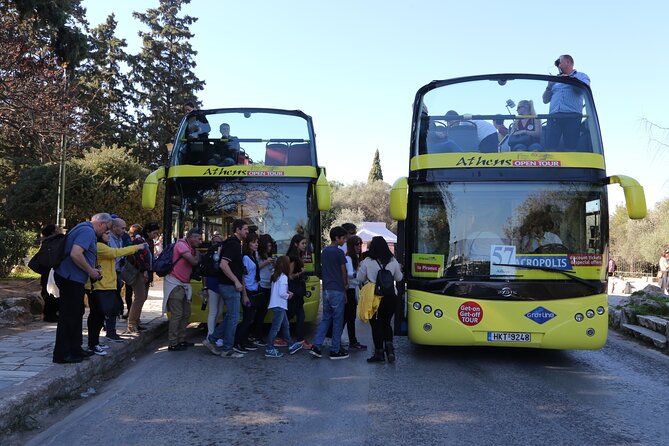
This is a classic hop-on hop-off setup, but the Athens version is especially practical because the sites are spread out and the streets can feel like a maze when you’re in a hurry. You buy either a 48-hour or 72-hour ticket, load your mobile ticket, then use it across multiple days if that fits your plan.
On board, you get a narrated experience with audio in multiple languages (including English), plus headphones. There’s also free Wi‑Fi, which is handy for quick map checks as you’re deciding when to jump off for photos or a museum stop.
The biggest “value” trick here is mental, not financial: you can use the bus to set your bearings and save your walking energy for the areas you actually want to linger in. Athens is walkable in many central pockets, but not in every direction, and not when you’re balancing heat, shade, and time.
The Athens city loop: jumping between the core monuments
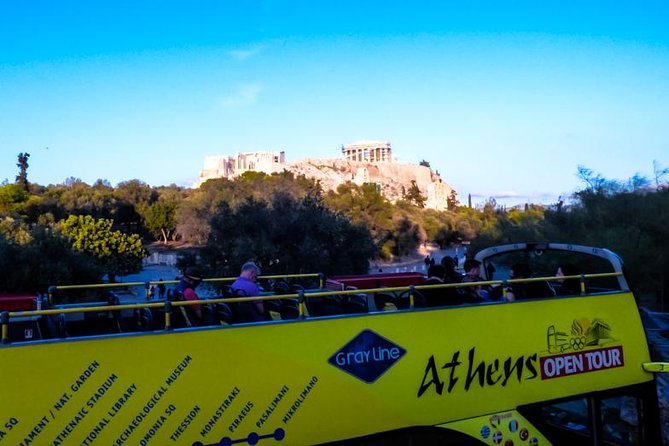
This is the most useful route for first-time orientation because it runs frequently and hits the city’s best-known landmarks. One review described the city loop as coming about every 20 minutes, which matters because it means you can hop off without feeling trapped.
You’ll also appreciate that stops are spelled out with landmarks nearby, so you’re not guessing where to stand. Look for clearly labeled stops and staff presence at major points—this can be a lifesaver when you’re figuring out the flow of a big route in a busy center.
Here’s how the Athens loop feels, stop by stop, and what to do at each stop.
Syntagma Square area (with easy connections)
Syntagma Square is the center of the Athens grid, and it’s a smart place to start or end your bus riding. You’ll see stops positioned along Ermou St., and also at Syntagma itself near a Nike store, which is convenient if you want a quick reset for coffee, shopping, or meeting up.
If you plan to visit the Acropolis later in the day, Syntagma is where you can reposition fast without overthinking transit. It’s also a good “waiting room” stop if you need to regroup after traffic.
Passing the Parthenon and Acropolis viewpoints
The route includes Acropolis-area stops—one near the Plaka and South Entrance area, and another tied to the Acropolis Museum side. These are useful if your timing for ticketed entry is coming up soon, because you can be nearby, decide on your exact entry approach, and then walk the final stretch.
One practical hint: when you’re hopping off in this zone, slow down and double-check you’re at the right side for your museum or entrance. This area is packed, and it’s easy to lose time if you get turned around.
Temple of Olympian Zeus (a quick photo win)
The Temple of Olympian Zeus stop puts you close to one of the most dramatic “still-standing grandeur” scenes in Athens. Even if you don’t go deep into interpretation, it’s the kind of landmark that instantly tells you you’re in the right place.
This stop is also a helpful pivot point: it’s far enough to feel like you traveled, but not so far that you lose your day. If you want a short walk plus photos, this is a good target.
Hellenic Parliament and National Historical Museum (Old Parliament House)
Two major civic/history stops show up on the loop: Hellenic Parliament and Old Parliament House at the National Historical Museum. These are especially handy if you want a change of pace from monuments and instead focus on how modern Athens layers onto the older city.
If you like people-watching and easy sightseeing, these stops do that without demanding a long museum commitment.
Benaki Museum area
The loop reaches Benaki Museum, which is a good stop if you want to browse something cultural without committing to a full day museum marathon. Even if you don’t go inside, the area works well for a quick wander and photo breaks while you’re repositioning.
Panathenaic Stadium and Vallianeio Megaron
Stops include Panathenaic Stadium, plus Vallianeio Megaron. These are the kind of sites that make Athens feel different from the classic “ruins-only” mental picture. If you’re into atmosphere and architecture, these can add variety and prevent the day from turning into one long line of stones.
National Archaeological Museum area
The bus also stops at the National Archaeological Museum area on both sides of the road layout. This is a strong option if you’re already thinking about spending time on artifacts, history context, and a more “indoors” experience for heat or evening downtime.
Because this is a major museum, it’s also where it pays to plan your time carefully. If you hop off too late, you might feel rushed.
Omonoia, Karaiskaki, and Monastiraki Square (the “move and browse” triangle)
The route runs through the city’s busy neighborhoods with multiple marketplace-style stops: Omonoia Square, Karaiskaki Square, and Monastiraki Square. This trio is perfect for meal planning, browsing, and doing the kind of strolling Athens does best.
One thing I like about this setup is that you can use the bus as transportation, but still end up in pedestrian-friendly areas. Athens central areas are walkable, and that’s where you get the most out of pairing the bus with your own wandering.
Kotzia Square and the Plaka approach
Kotzia Square and the Plaka approach connect you to the old-city feel without requiring you to commit to a single neighborhood all day. If your feet need a break, you can jump back on. If you find a streetscape you love, you can stay longer and adjust your later stops.
Acropolis Museum and the classic Acropolis approach—where your time matters most
If you’re doing one “must-see” part of Athens, it’s usually the Acropolis zone, and the bus helps you time that. The loop includes Acropolis Museum and nearby Acropolis-adjacent stops, including viewpoints tied to the South Entrance area.
Here’s my advice for using the bus in this zone: hop off with intention. If you’re planning to visit the museum, time it so you’re not trying to squeeze it between long bus waits. If you’re aiming for the Acropolis itself, decide whether you want a short stop for photos first or to go straight for the main visit.
Also, keep your expectations realistic. You’re going to be close to crowds. That’s normal. Your job is to choose the order that protects your energy—bus ride for arrival, walking for the sights, then bus again to keep moving.
Piraeus port route: for cruise days and coastal city views
Piraeus is the optional route that changes your Athens story from monuments to waterfront. If you’re visiting around cruise schedules, this matters because it can connect you to port-area viewpoints and ferry logic without you having to figure out transit on the fly.
One review described the port route as running about four times per day every 80 minutes. That low frequency is the key consideration: you can still have a great day, but you need to plan your hop-on moments instead of assuming you’ll wait only a few minutes.
Stops here include:
- Cruise Terminal A – Miaoulis (outside Gate 11 at the cruise terminals)
- Cruise Terminal B – Piraeus (outside Gate 12)
- Pasalimani (opposite the statue of the Clock)
- Mikrolimano (near The Alex Hotel)
- Athens Marriott Hotel and InterContinental Athenaeum Athens by IHG as reference points on the way back toward the city
If your goal is simple—get to the port area, see what you can, then return—this route can work well. If you’re hoping to bounce between many stops with zero waiting, the frequency can frustrate you.
There’s also a timing reality: traffic affects arrival times, and one cruise-port-related experience reported a bus not arriving after a long wait. If your day is ruled by a ship departure, treat this route like a “maybe,” and keep a solid backup plan.
Riviera route: beaches and Lake Vouliagmeni for a long, sun-and-salt day
The optional Riviera route is for when you want Athens beyond the old stones. It runs along the coast with multiple marina and beach stops, and it’s where the bus ride becomes part sightseeing itself.
One review described this route as coming about three times per day every 2 hours. That cadence shapes the whole experience: you’re not doing quick pops. You’re choosing a beach break, a longer stop, then getting back on when the bus is ready.
Key stops along the Riviera include:
- Flisvos Marina (near a public bus stop reference point)
- Alimos Marina
- Agios Kosmas Beach
- 3rd Glyfada Marina and Divani Apollon (near the hotel area)
- Kavouri Beach and Astir Beach (near recognizable restaurants/hotel fronts)
- Lake Vouliagmeni (Vouliagmeni Lake)
- Voula Park and Glyfada City Center
- Glyfada Beach
- Hellinikon Airport area stop
- Phaleron War Cemetery – Athens Memorial
- Edem
- References back near Athens Marriott and InterContinental
Lake Vouliagmeni is often the “big pause” on this route, and at least one account points out that you may need to pay to access it. So plan on a longer block of time if you’re aiming for that stop.
Also bring the sun logic. Some buses are open-air, and you might be baking on the top deck depending on which vehicle you get. If heat is a concern, prioritize covered seating on the ride or consider timing your coast day for cooler hours.
Audio commentary and Wi‑Fi: when tech is a plus (and when it can bite)
In theory, the audio commentary is a strong part of the package—stop-by-stop context can turn a bus window into a mini lecture. You’ll also get headphones, plus free Wi‑Fi for map support.
In practice, the experiences are mixed. Multiple reports mention issues like audio not syncing well with the bus location, commentary being hard to follow, or headphones not working properly on some buses. One review even said the bus left them stranded after failing to stop.
So I’d treat the narration as helpful, not sacred. If you hear nothing, switch to the alternate approach: look for stop signage, confirm you’re in the right route, and use Wi‑Fi to locate yourself. The bus helps you move; you still need to stay aware.
If audio quality matters a lot to you, it can be smart to keep your expectations flexible and rely on the stop names and location landmarks, not only the narration.
Navigating stops and route choice without losing time
Athens can punish impatience. Even if the route is easy on paper, the city’s traffic and stop flow can make it harder than you expect on the ground.
Here are the most practical strategies I’d use:
- Confirm the bus route when you board. You’re dealing with three routes, and not every bus stops at the same places.
- If you’re using the app, use its live support tools like live tracking and find-a-stop help to reduce “where is the bus” stress.
- Plan for traffic. Even when the bus is coming, the city road conditions can shift arrival timing.
One frequent complaint pattern was confusion about where to start or how to switch routes. Your best defense is simple: decide your first stop of the day, board with confidence, and only hop off where you truly want to spend time.
Also, consider seat and comfort. Some accounts mention crowded boarding in peak moments, so it helps to ride a little off-peak if you can.
Price and value: does $27.56 actually pay off?
At about $27.56 per person, this pass can be good value if you’re using it the way it’s meant to be used: multiple rides, multiple areas, and a couple of “sit and reset” moments instead of only one quick loop.
The math gets better with time. A 48-hour pass works if you’re mainly doing the Athens city loop plus one extra block on the coast or port. A 72-hour pass makes sense when you want to return to areas you liked—like Monastiraki or the museum zone—without paying for separate transport.
Where value can slip is if your ticket setup doesn’t match what you think it includes. One report mentioned needing an extra payment to access all routes. Since the experience here is described as Athens with optional Piraeus and Riviera, I strongly recommend you verify what your ticket includes before you assume you’ll ride every line at no extra cost.
Then there’s the “time tax” factor. If you’re stuck in long traffic, you might feel like you’re spending more time riding than exploring. That’s why I’d treat bus time as transportation plus a window-view bonus, not as your only sightseeing time.
Who this pass fits best (and who should consider something else)
This is best for:
- First-time visitors who want an easy way to see a lot quickly
- People who want flexibility—hop off for a museum, then hop back on when they’re done
- Families or anyone who likes comfort and simple navigation more than mastering transit rules
It may be less ideal if:
- You’re trying to squeeze in very tight timing, like strict cruise boarding windows
- You need perfect audio and flawless stop alignment to enjoy the experience
- You prefer a smaller-group format where a guide can manage small chaos on the spot
Should you book Big Bus Athens with optional Piraeus & Riviera?
I’d book it if you want a low-effort plan that keeps you moving and lets you personalize your day. The Athens city loop is especially useful for getting oriented fast, and the optional port and coast routes can add variety when you’ve got enough time to wait for less frequent buses.
Book with caution if timing is your whole day. Give yourself buffer time for traffic, and don’t assume the narration will replace your own attention to stop names and route selection. If you’re cruising, have a backup plan for getting back to the port.
If you match the pass to your schedule—48 or 72 hours—and you’re willing to treat the bus as flexible transportation, this is a practical way to see Athens without burning your day on complicated routes.
FAQ
How long is the Big Bus Athens hop-on hop-off experience?
The tour duration is listed as about 2 hours (approx.). Your ticket lasts 48 or 72 hours, so you can ride again within that validity period.
What’s included with the ticket?
You get a 48 or 72-Hour hop-on hop-off bus ticket, access to three routes (Athens plus optional Piraeus and Riviera), audio commentary in multiple languages, free Wi‑Fi on board, and headphones.
Do I need to buy a separate ticket to visit Piraeus and the Riviera?
Piraeus and the Riviera are offered as optional routes. Your ticket choice should determine whether you can use those routes without extra cost.
What kind of ticket do I get?
It’s a mobile ticket.
Is the audio commentary available in English?
Yes. The tour is offered in English, and audio commentary is available in a choice of 14 languages.
Does the bus have Wi‑Fi?
Yes. There is free Wi‑Fi available on board.
Can I cancel for free?
Yes, free cancellation is available if you cancel up to 24 hours in advance for a full refund.
Are service animals allowed?
Yes. Service animals are allowed.