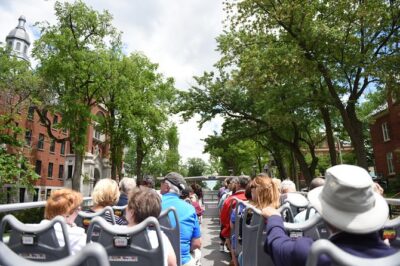
11 stops, zero guesswork, great skyline views. Big Bus Chicago turns sightseeing into a do-it-your-way loop, with a pass that lets you hop on and off across multiple days and an onboard audio guide that keeps the ride moving even if you’re traveling solo. The big draw is simple: you get an overview of the city’s most famous sights, then you choose what’s worth a longer look.
I like the practical flexibility of the 24-, 48-, or 72-hour ticket. You can ride the full circuit in about two hours, but you’re not stuck doing it all at once—you can spread it out and re-board at the designated stops when your schedule changes.
One thing to watch is comfort in winter and on cold days. A few recent rides reported issues like cold seats or weak heat upstairs, so plan on layers and consider staying in the climate-controlled lower deck when the weather turns mean.
In This Review
- Key things to know before you ride
- Big Bus Chicago in plain English: a flexible city “starter kit”
- Timing that actually helps: hours, frequency, and how not to miss the bus
- The bus experience: open-top views, a calmer lower deck, and what to do with the audio
- Using the 24/48/72-hour pass like a pro
- Stop-by-stop: what you gain at each major landmark
- Chicago Riverwalk (Stop 1): where the loop starts
- Skydeck Chicago & Willis Tower (Stop 2): skyline payoff
- Millennium Park & Art Institute area (Stop 3): arts right in the middle
- Grant Park & Hilton area (Stop 4): green space with major sight access
- Adler Planetarium (Stop 5): a different kind of museum stop
- Field Museum of Natural History (Stop 6): Museum Campus energy
- Chicago Architecture Center (Stop 7): buildings with meaning
- Navy Pier (Stop 8): waterfront views and easy wandering
- Magnificent Mile & Water Tower (Stop 9): iconic street energy
- 360 CHICAGO / John Hancock Center (Stop 10): dramatic city angles
- McDonald’s / River North stop (Stop 11): convenient end point
- What the best rides have in common: drivers, added info, and safety
- The downsides to plan around: cold rides, heat issues, and imperfect communication
- Quick value check: is $45 a good deal for you?
- Should you book Big Bus Chicago?
- FAQ
- What attractions are included on the Big Bus Chicago route?
- How long does one full circuit of the Big Bus Chicago Hop-On Hop-Off Tour take?
- What time does the first bus depart and when is the last departure?
- How often does a bus arrive at each stop?
- Is the tour commentary available in more than one language?
- Does the ticket include admission to attractions?
- How do I activate or redeem my ticket?
- Is WiFi available on the bus?
- Can I bring a pet or a service animal?
- Can I bring food, drink, or luggage on board?
Key things to know before you ride
- Open-top sightseeing with double-decker views plus a climate-controlled lower deck when you want a break from wind
- 11 major downtown stops, from the Chicago Riverwalk to Navy Pier and the Magnificent Mile
- Audio guide in multiple languages so you’re not dependent on Wi-Fi or reading apps while you ride
- Live bus tracking in the Big Bus app, with a Find a Stop tool that uses photos to help you line up the right boarding spot
- Driver-led moments can boost the trip, and some drivers go beyond the recorded track with extra local info
- Winter comfort varies by bus, so temperature control and headphone quality are worth a quick check on board
Big Bus Chicago in plain English: a flexible city “starter kit”
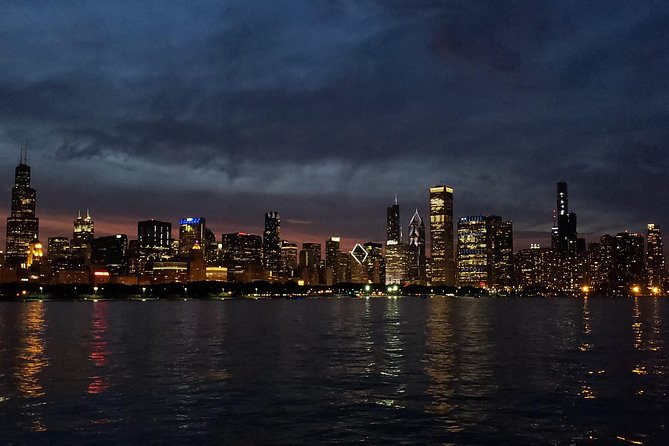
This is the kind of tour that works best when you treat it like a launchpad. I’d use it early in your trip to get your bearings fast: where the major attractions cluster, which neighborhoods feel walkable, and which sights you actually want to pay for or spend extra time on.
You get a pass for 24, 48, or 72 hours, and the loop is built around downtown and museum/lakefront areas. Most people do one full circuit (about two hours) and then “shop” the stops—hop off, wander, and return later.
Price-wise, $45 per person is less about “one ride” and more about transportation plus interpretation. If you’re only in Chicago for a few hours and want only one view from a bus, it can feel steep. If you plan to hop on more than once, especially over a day or two, it starts to look like good value for time and stress.
Timing that actually helps: hours, frequency, and how not to miss the bus
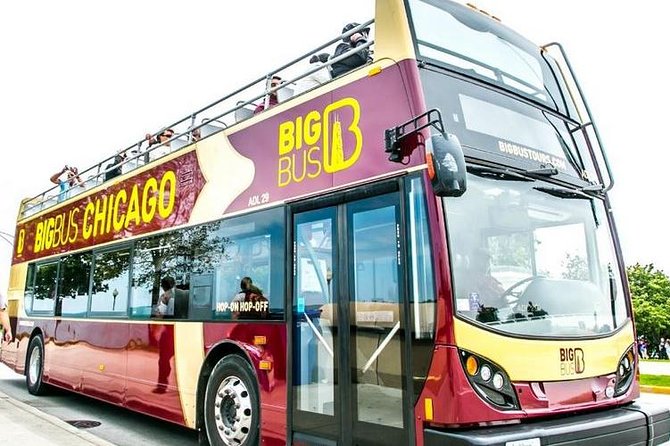
Service runs from 10:00am to 5:00pm, with departures structured so you don’t have to wait long at each stop. The FAQ puts arrivals at roughly every 30–45 minutes, while the on-the-ground rhythm is often described as hourly—either way, the intent is frequent service across the day.
The smartest move is to use the free Big Bus app the moment you land. The app is where you’ll find stop locations, city info, and live bus tracking, which is especially useful if street closures or traffic slow buses down.
A practical tip: when you’re ready to board, don’t just stand near the general area—use the Find a Stop photo in the app so you’re in the right exact spot. One frustrated situation came from people not finding the pickup point, and it’s the kind of avoidable problem that ruins an otherwise good day.
The bus experience: open-top views, a calmer lower deck, and what to do with the audio
You’re on a double-decker bus with an open-top upper deck for views, plus an enclosed/climate-controlled lower deck. That matters in Chicago because the weather can flip in a hurry. On colder days, I’d treat the lower deck like your “heat-and-rest” zone, then come up top when you want photos and skyline angles.
WiFi is included on board. That’s handy for quick map checks and messaging, but don’t rely on it as your only navigation tool—use the app for stops and tracking even before you ride.
Audio is a big part of the value here. You’ll get professional digital commentary in multiple languages, and the recorded narration helps you understand what you’re seeing without needing to look everything up. Still, audio quality can be inconsistent on some days—one rider complained about audio being hard to hear—so I’d use your first few minutes on the bus to find the right headphone volume and confirm everything is working.
Headphones show up often in the experience, and some riders specifically appreciated that they were provided and that they could listen clearly. Other riders reported headphone shortages, so if you’re sensitive to audio, plan to have a backup option (like using any device audio your ticket materials allow) rather than assuming everything will be perfect.
Using the 24/48/72-hour pass like a pro
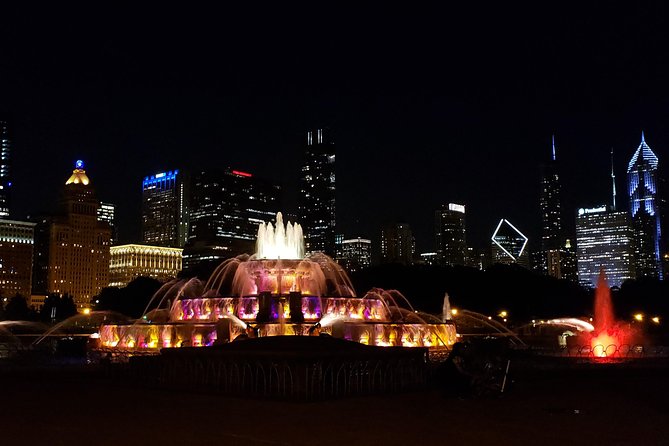
The biggest advantage isn’t the duration—it’s the flexibility in how you plan your days.
Here’s the pattern that works for most itineraries:
- Take a full circuit early (or at least most of it) to learn the layout.
- Hop off at 2–4 stops that match your interests.
- Come back later that day or next day to ride again and fill gaps.
This works especially well if you’re mixing big-ticket sights with easy walks. One helpful real-world detail: a couple found some spots were actually within walking distance from their hotel, and they used the bus to return later instead of trying to squeeze everything into one marathon afternoon.
If you’re traveling with kids, the hop-on hop-off structure can also reduce decision fatigue. A few families called it a convenient way to see more in winter, mainly because you can shelter from cold while still getting the main sights.
Stop-by-stop: what you gain at each major landmark
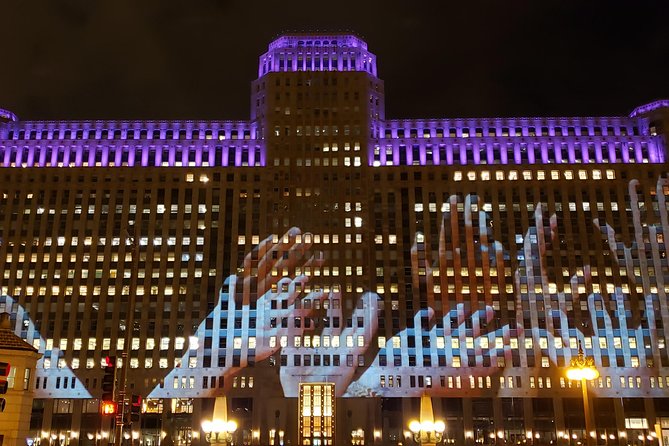
Chicago Riverwalk (Stop 1): where the loop starts
Your boarding point is Chicago Riverwalk at 98 E. Wacker Drive, across the bridge from Trump Tower. This is also the most important practical stop because vouchers are redeemed there and staff activation is tied to Stop 1.
Why it’s a good start: the Riverwalk is a natural visual anchor for Chicago. Even from the bus, you’ll get a feel for the river’s shape and where downtown “begins.” If you’re arriving early, this stop gives you an efficient first look before you spread out.
Skydeck Chicago & Willis Tower (Stop 2): skyline payoff
Next up is Skydeck Chicago & Willis Tower. If you want classic Chicago skyline views, this is one of the most direct ways to reach them without dealing with parking or transit transfers.
Even if you don’t go inside right away, plan to use this stop for photos and orientation. This stop is also a good candidate for a longer visit if you’re chasing panoramic views or you want to time your indoor/outdoor viewing with daylight.
Millennium Park & Art Institute area (Stop 3): arts right in the middle
At Millennium Park & The Art Institute of Chicago, you’re placed in the “culture hub” zone. This is a smart place to hop off because it’s where your walking options multiply—you can choose an arts-focused block, then ride back to reset.
One reason this stop tends to land well for visitors is that it connects with the city’s broader arts-and-public-art themes. If you’re using the optional self-guided digital walking tours, the topics include Millennium Park and Public Art, which pairs neatly with this location.
Potential drawback: like most downtown hotspots, this area can be busy. If you’re traveling with limited time, don’t over-plan. Hop off, pick one priority, and use the bus to return rather than trying to see everything in a single burst.
Grant Park & Hilton area (Stop 4): green space with major sight access
Grant Park is a big-name Chicago space, and this stop places you right at the edge of that action. Think of it as your “breather and branching point.” If your itinerary includes museums or waterfront walking, this can work as a staging area.
If you like taking photos from streets and paths around parks, this is the stop where you’ll get that “Chicago between landmarks” feeling. But keep your eye on timing: park-adjacent wandering can eat time faster than you expect when the weather is cooperating.
Adler Planetarium (Stop 5): a different kind of museum stop
Adler Planetarium is a clear shift from architecture and shopping into science and atmosphere. If you’re traveling with teens, families, or anyone who likes hands-on learning, this is one of the more distinctive stops on the loop.
If the weather is rough, museum stops can become your “save the day” plan. I like having at least one indoor option on a hop-on route because it keeps your schedule from collapsing when wind or rain shows up.
Field Museum of Natural History (Stop 6): Museum Campus energy
Next you hit Field Museum of Natural History and the Museum Campus. This is another stop built for deeper exploring rather than quick photo stops.
Why it’s valuable: Museum Campus areas are designed for multi-hour visits. The bus gets you there efficiently, and the pass gives you room to stretch your time without racing back to catch a single fixed tour.
Chicago Architecture Center (Stop 7): buildings with meaning
At Chicago Architecture Center, you’re in the right place for people who like to understand what they’re looking at. Chicago’s skyline and building styles can feel like “pretty shapes” unless you know the story behind them.
Some rides also get extra value when the driver adds local context beyond the recorded audio. One rider highlighted a case where a driver gave extra information, and that’s exactly how this stop becomes more than a checkbox.
Navy Pier (Stop 8): waterfront views and easy wandering
Navy Pier is one of the most recognizable lakefront spots, and this stop puts you in the right position to enjoy it without transit friction. It’s also a great choice if you want an area where walking is the main activity.
In practical terms, this is the stop I’d choose if your group wants something flexible: people can split for short breaks, grab food, and regroup later. If the lakefront is windy, the hop-on structure helps because you can return to the bus quickly.
Magnificent Mile & Water Tower (Stop 9): iconic street energy
Water Tower & The Magnificent Mile is classic Chicago retail and skyline street viewing. This is the stop for shopping breaks, people-watching, and snapping photos where downtown feels most concentrated.
If you don’t plan to shop much, you can still use it for orientation. Knowing where this corridor sits helps you plan walkable routes later.
A small consideration: shopping districts can tempt you to stay longer than you mean to. If you have a tight schedule, set a time limit before you hop off.
360 CHICAGO / John Hancock Center (Stop 10): dramatic city angles
This stop is 360 CHICAGO at the John Hancock Center. If you want another skyline viewing option—especially one that feels “high and far”—this is the place.
This is where I’d decide based on your priorities: do you want to focus on one major viewpoint (like Willis Tower) or treat this as your “second chance at skyline photos,” potentially timed near sunset.
One review explicitly mentioned the joy of riding during sunset, so if you’re scheduling photo time, plan for this area later in the day when light gets softer.
McDonald’s / River North stop (Stop 11): convenient end point
Stop 11 is listed as McDonald’s in River North. That doesn’t sound glamorous, but it can be useful in real life: it’s a recognizable, easy-to-find landmark in a walkable neighborhood.
If you’ve been hopping off all day, this stop can serve as a stable “I know where we are” landing point. Use it to reset before dinner, especially if your group is tired of negotiating transit.
What the best rides have in common: drivers, added info, and safety
A lot of the strongest feedback centers on the human side of the experience: friendly drivers, clear communication, and smooth boarding.
Some drivers stood out by name in recent comments, including Donnie, Candace/Candace, and Felicia. The common thread is that they were helpful and made the ride feel safer and easier to manage. One rider even mentioned a driver who made a courtesy stop so the group didn’t have to walk as far.
That driver quality matters because hop-on hop-off tours can feel chaotic if you don’t have clear guidance. When drivers are calm and communicative, you get the best of the format: you spend more time looking at the city and less time wrestling with logistics.
The downsides to plan around: cold rides, heat issues, and imperfect communication
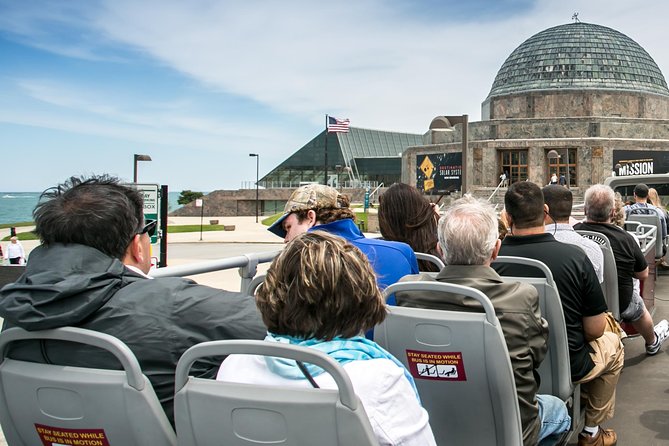
This isn’t a flawless experience, and you should know where problems tend to pop up.
1) Cold comfort
Several comments focused on heat and temperature—especially upstairs. Even with the enclosed lower deck, you may still want to be up top for views, so bring layers. One rider reported no working heat on a second bus upstairs and emphasized that winter waits were miserable.
2) Audio and headphones
A few people said audio quality was poor or that headphone availability wasn’t enough. If you rely on narration, try to get sorted early—once you’re settled, it’s too late to fix if you missed the headphone pickup moment.
3) Timing and communication gaps
Some frustrations came from mismatches between app times and real pickup, and from not getting quick responses. To reduce that risk, always use live tracking and give yourself a small buffer before the bus is due.
4) Service changes from street closures
Chicago has frequent events, and street closures can affect routes and stop timing. One rider mentioned the service ended early due to a parade-related closure, which shortened the hop-on experience. If a major event hits your dates, check the app and service info during the day before you plan tight connections.
Quick value check: is $45 a good deal for you?
Here’s when I think it’s worth it:
- You want to see the big sights without figuring out buses/subway transfers.
- You’re traveling in winter and want warmth options while still getting open-top views.
- You’re the kind of visitor who likes to ride, then decide where to spend real time.
- Your plan includes at least a few stops across more than one time window (that’s where the 24/48/72-hour logic pays off).
When it might not be the best fit:
- If you only need one attraction and won’t hop around more than once.
- If you expect perfect comfort every time you ride upstairs in cold weather.
- If you’re the type who needs highly reliable “to-the-minute” pickup across multiple days without any variation.
My practical take: the tour is at its best as a planning tool and transportation layer. Think of it as your fast orientation, not a single attraction guarantee.
Should you book Big Bus Chicago?
I’d book it if you want an easy way to tour downtown and museum areas and you’re open to using the pass flexibly. The strongest part of this experience is how it reduces planning stress: 11 major stops, a clear route, and audio that keeps you informed as you move.
Skip it—or at least rethink it—if cold comfort and tight timing are your top priorities. In winter especially, plan for layers and use the lower deck when needed. If you do that, you’ll likely get the best version of the ride: long views, good orientation, and drivers who can make the day feel smooth.
FAQ
What attractions are included on the Big Bus Chicago route?
The route includes stops near Millennium Park, the Magnificent Mile, Grant Park, Navy Pier, Skydeck Chicago & Willis Tower, Adler Planetarium, the Field Museum, the Chicago Architecture Center, 360 CHICAGO at the John Hancock Center, and stops along the Riverwalk and River North areas.
How long does one full circuit of the Big Bus Chicago Hop-On Hop-Off Tour take?
A full round trip takes approximately 2 hours if you do not get off at any stops.
What time does the first bus depart and when is the last departure?
The first bus departs at 10am and the last bus departs at 5pm.
How often does a bus arrive at each stop?
Buses arrive approximately every 30–45 minutes, and the service is also described as departing about every hour from each of the stops.
Is the tour commentary available in more than one language?
Yes. The tour includes professional digital commentary in multiple languages.
Does the ticket include admission to attractions?
No. Admission to attractions is not included.
How do I activate or redeem my ticket?
You can activate in the Big Bus app by tapping Add Booking and entering your booking reference, then activating your ticket on the day of travel and showing it to the driver. Or you can redeem a voucher at Stop 1 (Chicago Riverwalk, 98 E. Wacker) or activate with staff at any stop with the driver.
Is WiFi available on the bus?
Yes. WiFi is included on board.
Can I bring a pet or a service animal?
Service animals are allowed. Pets are not allowed onboard the bus, except ADA service animals.
Can I bring food, drink, or luggage on board?
No food or alcohol is permitted onboard. Non-alcoholic drinks in screw-top bottles are permitted. Luggage is not permitted onboard.