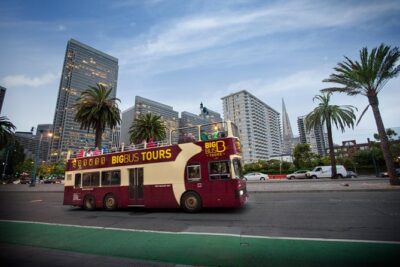
Boston is best when you get your bearings fast. This hop-on hop-off day tour strings together the city’s classic sights on a double-decker route with narrated guidance and GPS-style direction so you can build your own day. It’s a solid way to cover a lot without doing the arm-day workout that Boston sidewalks sometimes demand.
What I like most is the chance to ride with genuinely lively commentary. Some guides bring the place to life fast, from drivers like Hambone (known for being super-entertaining and well-informed) to others who are plain funny and great at pointing out details you might otherwise miss. I also like the convenience of the setup: a mobile ticket, on-the-ground help at major pick-up areas, and a route that passes right through the downtown clusters you actually want to see.
One thing to consider: timing and communication can vary. I’d come ready for occasional long waits at popular stops, and in a few cases people got confused about which pickup stop or route their ticket covered—especially when schedules or reroutes happen. If you’re tight on time, treat this as a flexible sightseeing tool, not a clockwork guarantee.
In This Review
- Key highlights you should know before you ride
- Why This Double-Decker Loop Works for an Easy Boston Day
- Price and Value: What $47.14 Gets You (and What It Doesn’t)
- Getting Your Bearings at the Right Stops
- Full Itinerary: 8 Stops That Tie Together Boston’s Key Neighborhoods
- Stop 1: 206 Atlantic Ave area (Waterfront + Market + Aquarium)
- Stop 2: 7 Washington St area (Old State House + Samuel Adams + Old South)
- Stop 3: Lafayette Mall Monument area (Downtown core + Granary Burial Ground)
- Stop 4: 8 Charles St area (Boston Common + Public Library + Chinatown)
- Stop 5: Cheers area (Beacon Hill + Charles River + Charles St. Meeting House)
- Stop 6: Saint James Ave @ Dartmouth St (Back-to-downtown skyline + Copley + South End)
- Stop 7: 547 Boylston St (Trinity Church + Back Bay + Newbury Street)
- Stop 8: 26 Beacon St area (Massachusetts State House + Financial District + Otis House Museum)
- Tips to Make Hop-On Actually Feel Like Hop-On
- Should You Book This Tour or Skip It?
- FAQ
- How long is the Boston Hop-On Hop-Off All Day Sightseeing Tour?
- Is this tour hop-on hop-off all day?
- What’s included in the ticket price?
- What is not included?
- Where does the tour run and what are the hours?
- Is the tour available in English?
- Can I use a mobile ticket to board?
- Are service animals allowed?
Key highlights you should know before you ride
- Narrated double-decker loop for quick orientation: A good “first-day in Boston” move that reduces the amount you have to walk.
- Mobile ticket with QR access: Handy for keeping everything on your phone.
- Eight major stop zones that cover big-name neighborhoods: Downtown, Beacon Hill, Back Bay, and more.
- Great guides when you catch the right one: People specifically call out drivers who are fun and informative.
- Open-air upper deck (great for views): But rain can make seating tricky.
- Frequency can be uneven at peak times: Build in time for gaps at bus stops.
Why This Double-Decker Loop Works for an Easy Boston Day
If Boston is your first stop on an East Coast trip, a hop-on hop-off bus is the quickest shortcut to understanding the city’s shape. You’re not just getting from A to B—you’re getting a moving overview of neighborhoods, major landmarks, and the way people actually cluster around the water, the downtown core, and the Beacon Hill-to-Back Bay line.
This one runs as a narrated sightseeing loop for about 1 hour 30 minutes per circuit. That matters because you can use it in two smart ways: either stay on for the full loop to get oriented, or hop off to linger near the places you care about most, then catch the next bus when you’re ready.
The best part is the balance between “tour” and “day plan.” You’re not stuck with one strict schedule. You can use the commentary as your compass, then decide where to spend more time—Quincy Market for food breaks, Beacon Hill for photos, or Back Bay for a relaxed stroll and window-shopping.
Price and Value: What $47.14 Gets You (and What It Doesn’t)
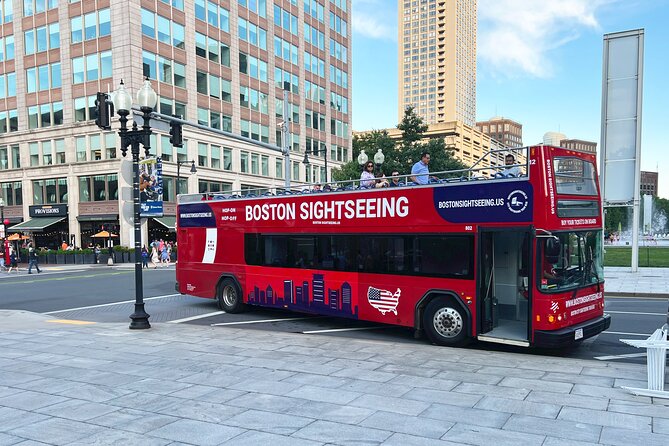
At about $47.14 per person, this tour isn’t the cheapest way to ride around Boston—but it often earns its keep if you hate backtracking. You’re paying for four things bundled together: a double-decker ride, narration, citywide coverage via GPS guidance, and the convenience of hop-on hop-off movement across key areas.
Here’s the value test I’d use:
- If you’re planning to do downtown on foot for hours, the bus can save you sore legs and time.
- If you want a first-pass map of Boston’s highlights, this route is built for exactly that.
- If you only want one or two sights and everything else feels optional, you may get better value with a shorter, targeted tour.
Also, be aware of what it doesn’t cover. This is not a night tour, and it doesn’t include the hop-on hop-off Charlestown option. If Charlestown is on your must-see list, you’ll likely need an add-on plan.
Getting Your Bearings at the Right Stops
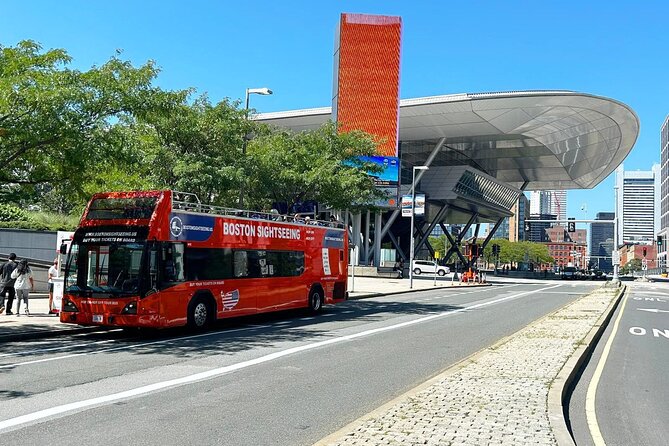
Boston is a city where good intentions can meet confusing street corners. This tour uses a mobile ticket and a stop-based pickup system with GPS help, and that generally works well. People especially like the simplicity of using a QR code on their phone, and the route’s stop zones land near major downtown anchors.
Still, you should plan like someone who’s been to Boston before: arrive early at your chosen stop and confirm you’re at the right location. Some riders reported issues finding or boarding when buses didn’t stop as expected, and others mentioned uncertainty about which route their ticket covered when buses were rerouted.
A practical tip: if you’re pairing this with a restaurant reservation or a timed attraction, don’t assume the bus will behave like a city metro train. One common theme in negative experiences is inconsistent frequency at certain stops. If your day has hard deadlines, build a buffer.
Full Itinerary: 8 Stops That Tie Together Boston’s Key Neighborhoods
The route runs through eight stop zones that connect the waterfront, downtown landmarks, Beacon Hill, and Back Bay. Each stop is a mini “choose your own adventure” area: you hop off, walk a bit, and then re-board when you’re ready to move on.
Stop 1: 206 Atlantic Ave area (Waterfront + Market + Aquarium)
This start zone is your waterfront gateway. You’re in the orbit of the New England Aquarium and the Quincy Market area, plus the Marriott Custom House zone. This is where the city’s energy feels most concentrated—lots of people, lots of options for lunch, and easy access to the water.
What to do here:
- If you want a classic photo line and a food break, Quincy Market is a natural first hop.
- If you’re aquarium-curious, you’ve got a major attraction nearby.
Potential drawback: this area can be busy, and that can affect how smoothly boarding happens if you arrive at the exact wrong moment. If you’re starting your day, it’s still one of the best places to begin.
Stop 2: 7 Washington St area (Old State House + Samuel Adams + Old South)
This stop puts you in Boston’s early-history neighborhood. You’ll pass the Old State House, Boston City Hall, and the Old South Meeting House, with the Samuel Adams Taproom also in the mix.
Why it works: This is where Boston tells its political story in walkable chunks. Even if you don’t go inside every building, the street-level context is strong, and the stop ordering makes it easy to connect the dots.
Watch-outs: This is a great area to hop off—but also an area where it’s easy to lose track of time if you’re tempted by food, drinks, or quick photo detours.
Stop 3: Lafayette Mall Monument area (Downtown core + Granary Burial Ground)
Here you’re near Lafayette Mall, plus downtown anchors like the Boston Opera House and Park Street Church. You also get access to the Old Granary Burial Ground, which is the kind of place you enjoy more if you’re willing to slow down for a few minutes.
What to do here:
- If you like landmarks with a story, this stop rewards a short walk-on-your-own loop.
- If you’re mainly after views, you can also stay on and just use the bus narration to connect what you see.
Potential downside: This stop is dense. You may want to decide in advance whether you want “walk and linger” time or “snap photos and move” time.
Stop 4: 8 Charles St area (Boston Common + Public Library + Chinatown)
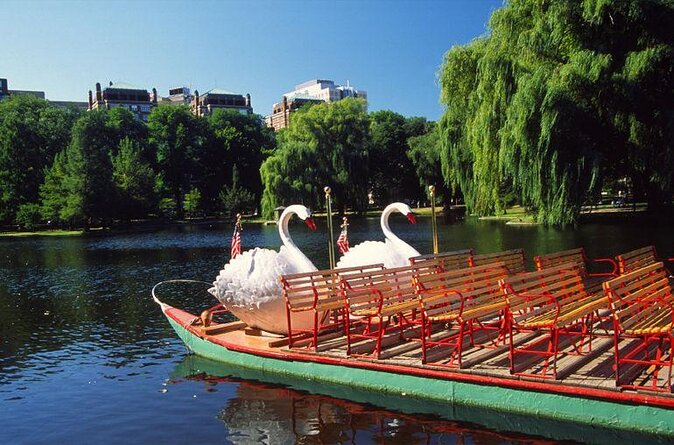
This is the stop that feels like Boston postcards. You hit Boston Common, the Boston Public Library, the Theater District zone, plus Chinatown and the Swan Boat area.
Why it’s valuable: You get several of the city’s biggest “check this off” sights in one corridor. It’s also a great place for a quick reset—sit, look, grab something to drink, and then decide where your energy should go next.
Possible drawback: Similar to Stop 1, this part of town can be crowded. If you want an easy re-board experience, avoid peak boarding windows and give yourself time.
Stop 5: Cheers area (Beacon Hill + Charles River + Charles St. Meeting House)
This stop is all about atmosphere. You’re in the orbit of Cheers Pub, then out into Beacon Hill and toward the Charles River area. You also pass spots like the Gibson House Museum and Charles St. Meeting House.
Why people like it: Beacon Hill’s streets and viewpoints make the bus feel like a shortcut to a better day. This is one of the best stops for wandering slowly, taking photos, and tasting the neighborhood feel.
Practical note: Some riders reported long waits at stops around this area. If you’re hopping here, keep your schedule flexible so you’re not stuck standing around too long.
Stop 6: Saint James Ave @ Dartmouth St (Back-to-downtown skyline + Copley + South End)
This zone is a bridge between neighborhoods. You’re close to John Hancock Tower, Copley Square, and the Arts Boston area, with South End also nearby.
What you’ll enjoy: If you like a “skyline + city blocks” experience, this stop gives you a modern Boston counterpoint to the older areas like Beacon Hill and the historic meeting houses.
Possible drawback: Like most central city stops, you’ll want to be clear about where you plan to walk versus where you plan to re-board. Staying too long without a re-board plan is where frustration can start.
Stop 7: 547 Boylston St (Trinity Church + Back Bay + Newbury Street)
This stop threads you through one of Boston’s most pleasant shopping-and-stroll zones. You pass Trinity Church and roll into Back Bay with quick access to Newbury Street.
What to do here:
- Newbury Street is ideal if you want to shop, snack, or simply walk and people-watch.
- Trinity Church is a great “pause for a minute” stop if you like architecture.
Potential drawback: It’s easy to turn this into a long linger stop. That’s fun—just be ready for the hop-on part to take a bit of patience if bus frequency slips.
Stop 8: 26 Beacon St area (Massachusetts State House + Financial District + Otis House Museum)
This is a strong closer. You’re near the Massachusetts State House and State House Library, with the Financial District and Otis House Museum also connected through the stop zone.
Why this works well near the end of your day: This is where the city’s power and governance feel tangible. It’s also a nice point to finish your loop before dinner, depending on where your plans land.
Possible drawback: If you’re visiting interiors, you’ll need to coordinate time on your own. The bus gives you access, but it doesn’t control entry hours.
Tips to Make Hop-On Actually Feel Like Hop-On
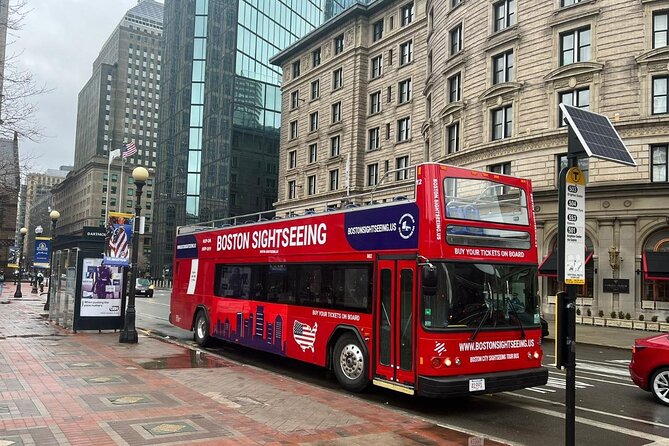
This tour can be a smooth day when you treat it like a flexible transit layer—not a rigid timetable.
First, ride for orientation before you hop. If you start by staying on for the early loop, the narration helps you understand what each neighborhood is best for. Once you know the “why,” hopping becomes easier and less stressful.
Second, be realistic about waiting. Even though it’s marketed as hop-on hop-off, some stops can see longer gaps. If you’re impatient standing still, choose one or two “big hop” neighborhoods per bus circuit and keep the rest as ride-through.
Third, plan for weather. This experience needs good weather. If rain shows up, you may run into seating limits, especially if you’re hoping to stay comfortable on the upper deck.
Fourth, pick seats with listening in mind. A few riders mentioned audio issues, including times when the guide was hard to hear. If that happens, moving toward where you can hear better is your best fix.
Finally, if you’re trying to connect to other timed plans, give yourself padding. Some negative experiences came from reroutes or confusion about valid route coverage. You can’t control reroutes, but you can control how tight your schedule is.
Should You Book This Tour or Skip It?
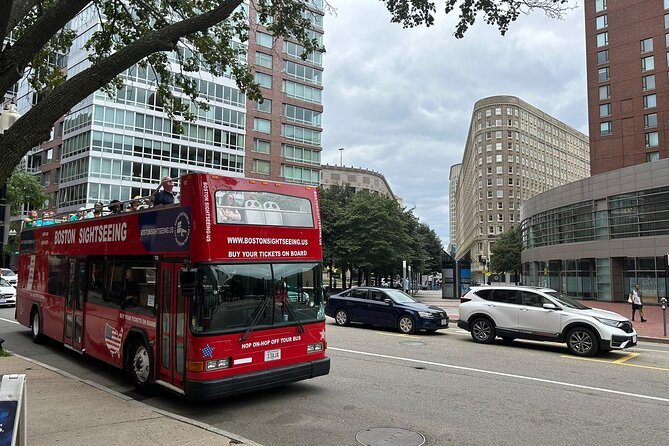
I’d book this if you want a simple, narrated way to cover Boston’s main “first-time” areas without walking nonstop. It’s especially good if you like the idea of seeing a lot in a short time, then using your favorite neighborhoods as your day anchors.
Skip it or add a backup plan if:
- You’re very schedule-driven and can’t handle long waits between buses.
- You expect lots of stops in every direction. This route is focused on key downtown clusters rather than every possible micro-area.
- Charlestown is a must-see. This version doesn’t include the Charlestown hop-on hop-off option.
- You’re relying on the tour as the only transport to a crucial appointment with no buffer.
If your goal is to get the feel of Boston fast and build from there, this is a decent value. When the guide is good and the timing lines up, it’s a fun, easy day. When frequency drops or weather turns, it can feel more like a waiting game than a sightseeing shortcut—so bring patience, and plan your hops with a little breathing room.
FAQ
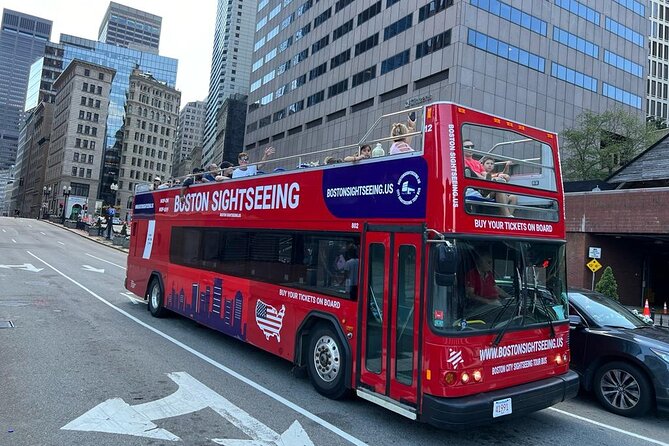
How long is the Boston Hop-On Hop-Off All Day Sightseeing Tour?
The tour runs for about 1 hour 30 minutes per loop, based on the listed duration.
Is this tour hop-on hop-off all day?
Yes. It’s designed as a hop-on hop-off sightseeing bus experience, so you can get off at stops and come back on later.
What’s included in the ticket price?
The ticket includes a Boston Sightseeing double-decker bus tour, narrated sightseeing, all fees and taxes, and a GPS guided tour.
What is not included?
A night tour is not included, and the hop-on hop-off Charlestown tour is also not included.
Where does the tour run and what are the hours?
The service hours are 9:30 AM to 5:00 PM, Monday through Sunday, for the date range listed.
Is the tour available in English?
Yes, it’s offered in English.
Can I use a mobile ticket to board?
Yes. The tour uses a mobile ticket.
Are service animals allowed?
Yes, service animals are allowed.