Chicago’s darkest side rides right up. This 3-hour, fully-narrated ghost-bus outing threads together major tragedies and famous legends, so you get real Chicago stories with the lights dimmed. I love the mix of heavyweight history, like the Eastland Disaster and the Iroquois Theater Fire, with classic street-level ghost lore like Resurrection Mary. You’ll also get a live paranormal guide and multiple photo stops, not just a drive-by tour.
My main caution: the schedule is tight. If you arrive late to the Congress Plaza Hotel meeting point, the bus has to leave promptly, and you can miss the final stops.
In This Review
- Key things you’ll notice on this haunted bus ride
- Entering the Congress Plaza: where the night starts
- Why the 3-hour bus format is actually useful
- Lincoln Park and the Great Chicago Fire aftertaste
- Jane Addams Hull-House and the Devil Baby story
- The Couch Tomb: what survives when cemeteries don’t
- John Hancock Center: architecture with a supernatural twist
- St. Valentine’s Day Massacre: mob violence without the movie gloss
- Nederlander Theatre and Death Alley’s theatre fire
- Biograph Theater and the end of John Dillinger
- A quick stop at 2122 N Clark St
- Eastland Disaster Historical Society: the river tragedy with 844 lives
- How the ghost stories are delivered (and how to get more out of them)
- My practical tips so you don’t miss the best parts
- Price and value: what $54 buys you in 3 hours
- Who this tour suits best (and who should reconsider)
- Should you book this Chicago Ghost Bus Tour?
- FAQ
- How long is the Chicago Ghost Bus Tour?
- Where do I meet for the tour?
- How much does it cost?
- Is the tour guided and in English?
- What is the bus like during the tour?
- Which major haunted locations are included?
- Are cameras or recorders allowed?
- Is it suitable for young children?
Key things you’ll notice on this haunted bus ride
- Resurrection Mary: Chicago’s best-known phantom hitchhiker is a centerpiece of the narration
- Eastland Disaster scale: the river tragedy is tied to 844 lives, and it’s treated as a focal stop
- Death Alley (the theatre fire): you’ll walk through the Iroquois Theater Fire site, connected to the Nederlander Theatre
- Devil Baby of Hull House: the Jane Addams Hull-House Museum stop is linked to folklore and has been covered in The Atlantic
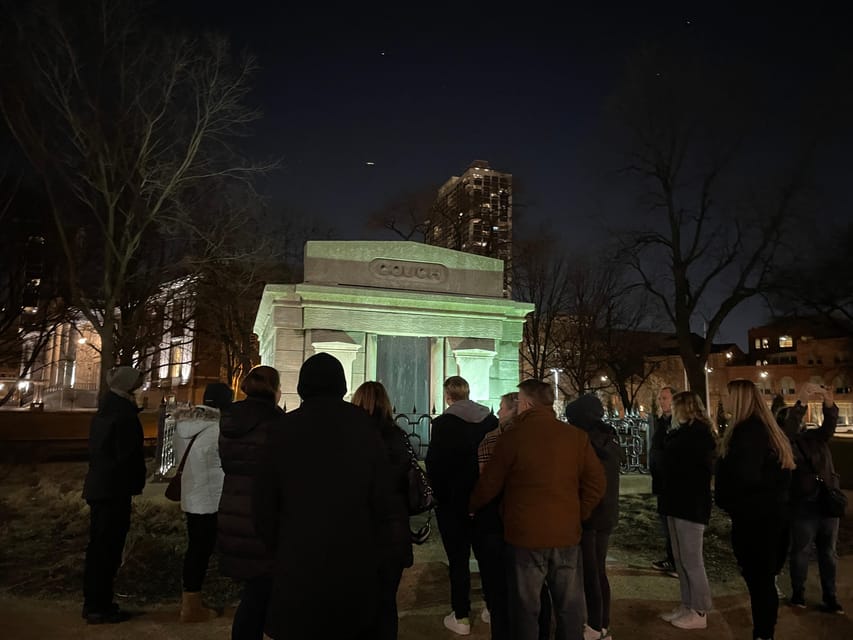
- Couch Tomb’s survival: a marked grave that survived the Great Chicago Fire is part of the route
- Guide quality matters: past guests called out Joanna by name for doing the storytelling well
Entering the Congress Plaza: where the night starts
The tour kicks off at the Congress Plaza Hotel & Convention Center, and the meeting point is inside the bar. That’s more than a detail. Hotels like this are built for crowds, and meeting inside helps you get everyone settled before the bus doors close. The tour runs for about 3 hours, so you’re not signing up for a slow, wandering “history lecture.” You’re signing up for momentum.
This is also where you’ll meet the tone of the guide. Expect a live, English-speaking paranormal guide who narrates the stops as you roll between locations. In the past, guests praised Joanna specifically, which tracks with what you’ll want from a tour like this: the stories need to land in the right order, and the guide needs to keep things moving without rushing the important parts.
Why the 3-hour bus format is actually useful

A walking tour can be great, but Chicago’s famous haunted sites are spread out. This format solves that. You get a luxury bus with a bathroom on board, which sounds small until you’re halfway through an evening and trying to make it back downtown without stress.
You’ll also get a rhythm that works for most people: short photo stops, guided moments on the ground, and then back to the bus for the next chapter. The route includes several outdoor stops and a few short “get out, look around, take photos” windows. If you’re the kind of traveler who likes to capture your own evidence, you’ll appreciate the built-in chances to do that, since the tour specifically encourages bringing cameras and recorders.
Lincoln Park and the Great Chicago Fire aftertaste
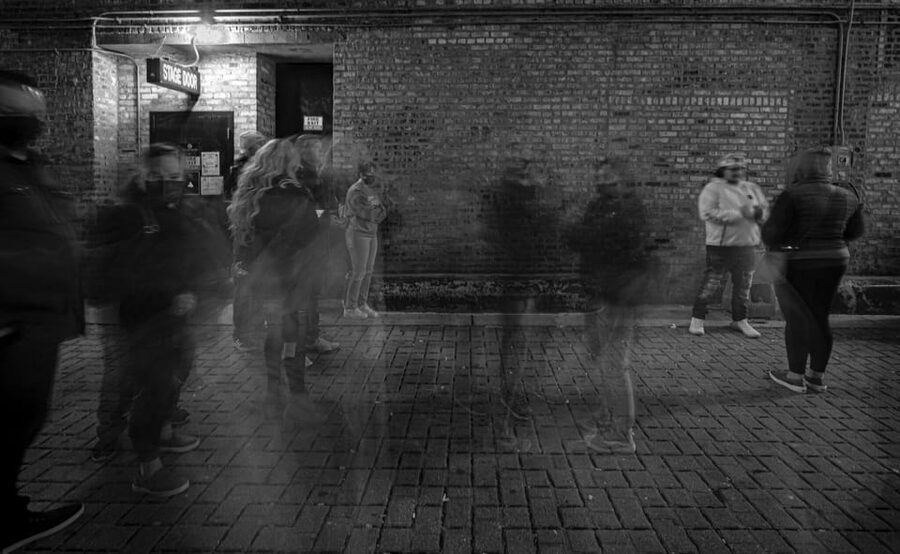
One of the first outdoor stops is Lincoln Park, with a photo moment and guided explanation. This matters because Chicago horror isn’t only about ghost stories—it’s also about how the city rebuilt itself after real disasters. The narration connects Lincoln Park’s skyline and streets to the aftermath of the Great Chicago Fire, including the idea that the Lincoln Park Zoo area sits on the ashes of that catastrophic event.
If you like haunted history that feels grounded, this start is a good fit. The guide doesn’t just throw spooky names at you. You’ll hear how the city’s physical layers changed, and then you’ll see that change in the views from the street and at the photo stop.
Jane Addams Hull-House and the Devil Baby story
Next you’ll spend time around the Jane Addams Hull-House Museum. This is where the tour leans into folklore: the stop highlights the legend of the Devil baby, a story tied to Hull House and connected to reporting that appeared in The Atlantic. Even if you’re not the type who fully believes, it’s still an interesting way to understand why certain stories stick in a city.
On the ground, you’ll have a photo stop plus guided sightseeing time. That’s the right amount of access for a 3-hour tour. You’re not getting a full museum deep dive, and you’re not trying to memorize every fact. Instead, you’re getting the “why this place matters” version of the story so the legend feels connected to an actual neighborhood.
The Couch Tomb: what survives when cemeteries don’t
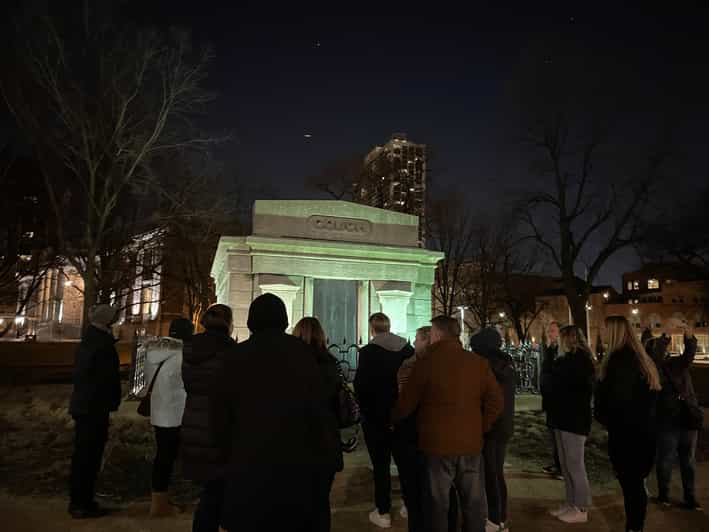
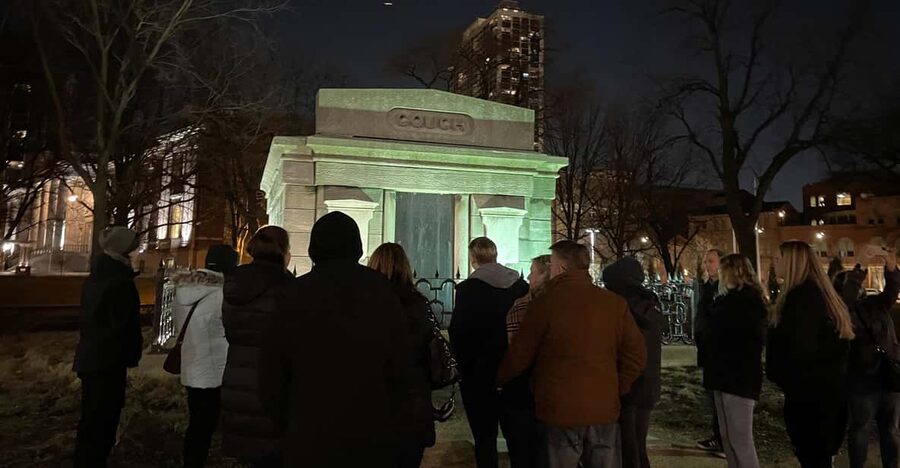
At the Couch Tomb, you’ll get a photo stop and guided sightseeing. This isn’t just another stop on a “haunted places” list. The narration centers on the fact that this tomb is the last remaining marked grave from a Chicago cemetery destroyed in the Great Chicago Fire.
That detail hits differently than typical ghost tour talk. A lot of haunted stories are supernatural by design. Here, the eeriness comes from the real-world tragedy and the fact that something material remains when most of it didn’t. If you’re the type who likes your spookiness with receipts, this is a strong moment.
John Hancock Center: architecture with a supernatural twist
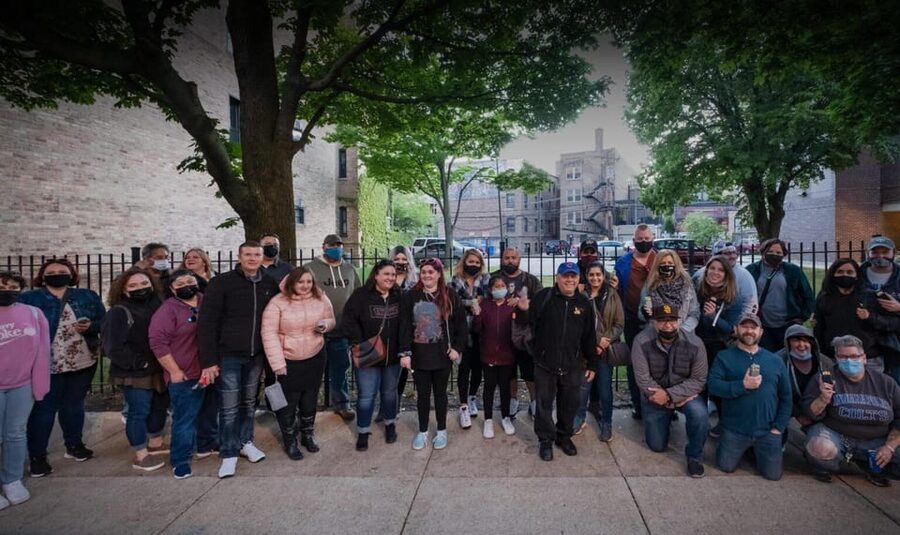
The tour also passes by the John Hancock Center. You won’t be unloading for a long walk here, but the stop is built into the narration. The guide connects the building’s trapezoidal shape to a belief that it can harness otherworldly forces.
I treat this kind of architectural folklore as part of the entertainment layer. It’s not asking you to ignore history. It’s showing you how Chicago people turned famous buildings into story engines—because once a landmark is instantly recognizable, it’s easy for rumors and legends to attach to it.
St. Valentine’s Day Massacre: mob violence without the movie gloss
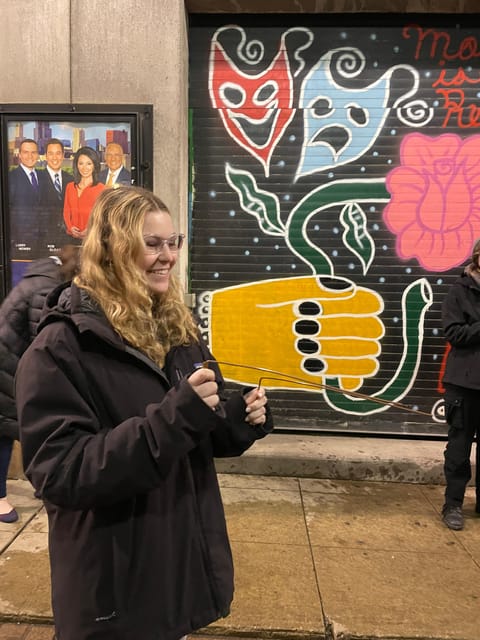
The tour includes the St. Valentine’s Day Massacre site. This is a grim reminder of America’s most notorious mob killing, and the narration frames it as part of Chicago’s darker reputation.
What I like about including this stop is that it balances the tour. You’re getting ghost legends, yes, but you’re also seeing how organized violence and public fear shaped the stories people told afterward. If your definition of haunted means fear that lingers in the streets long after the news, this stop delivers.
Nederlander Theatre and Death Alley’s theatre fire
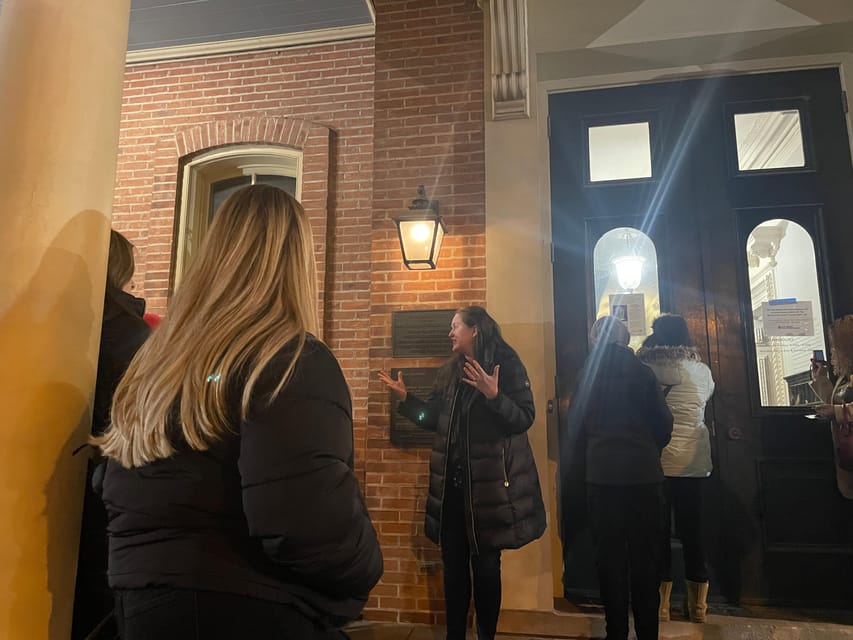
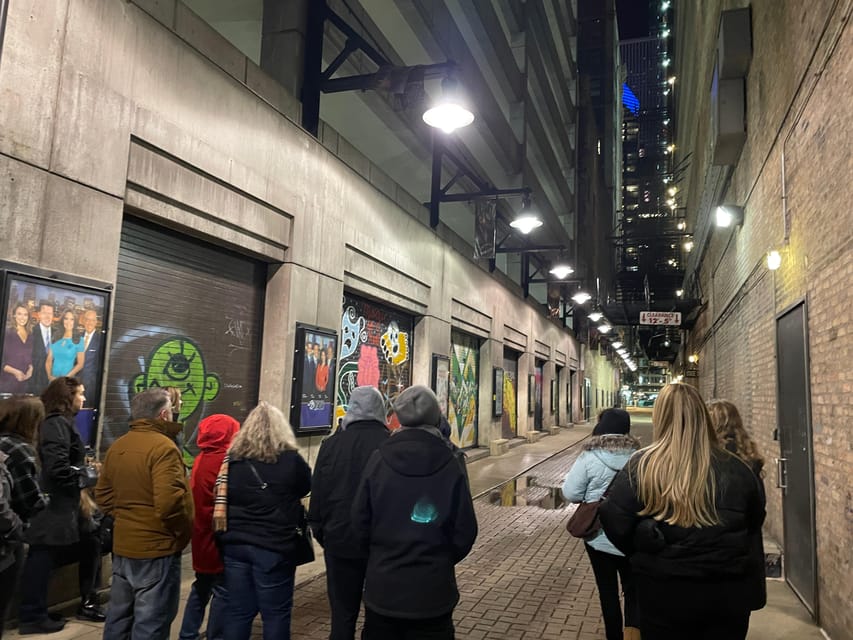
A standout stop is the Nederlander Theatre, which is linked to the tragic Iroquois Theater Fire—often referred to in the tour as part of Death Alley. The idea is simple: if you’re going to do a haunted theatre chapter, you should do it where the tragedy happened, not just in an abstract retelling.
You’ll have a photo stop and guided time on site. This is one of those moments where you’ll probably find your own thoughts slowing down. The guide keeps the story clear and structured, and the location gives you the atmosphere. Just be ready for the heavier mood.
Biograph Theater and the end of John Dillinger
Next comes the Biograph Theater, with a photo stop and guided sightseeing. The tour connects the location to gangster John Dillinger, including that he met his end here. If you like Chicago’s criminal history as much as its ghosts, this is a key stop.
The tone of this portion tends to feel different from the disaster stories. The Eastland and the theatre fire are massive tragedies. Dillinger’s story is the kind of legend that became a personal narrative for the city—wanted man, public fear, and then the ending that turned into folklore.
A quick stop at 2122 N Clark St
There’s also a shorter visit tied to 2122 N Clark St. Expect a photo stop and a brief visit window. Since this is time-limited on a bus tour, treat it like a chance to get eyes-on rather than a “read every plaque” moment.
If you’re big on photography, this kind of stop is useful. You’ll likely get a clear angle for your shot, plus the guide’s story context so your photos feel more than just pretty night lights.
Eastland Disaster Historical Society: the river tragedy with 844 lives
One of the most important parts of the route is the Eastland Disaster Historical Society stop. The narration centers on the fact that in 1915, an overloaded vessel capsized and 844 people died. When your tour frames the story at that scale, it stops being campy and starts being respectful.
This is where the “haunted” label mostly becomes about memory. The guide’s job is to keep the tragedy clear: what happened, why it mattered, and why people still talk about it. You’ll get a stop window designed for visiting and taking in the atmosphere around the site.
How the ghost stories are delivered (and how to get more out of them)
This tour is built around a mix of big historical events and specific legends. That matters because you don’t just want spooky words—you want the reason the story exists.
The guide strongly features Resurrection Mary, described as Chicago’s most famous ghost, and the narration places her in the broader web of Chicago’s haunted reputation. There’s also talk of haunting locations that inspired popular films, including Ghostbusters and Rosemary’s Baby. Even if those references are familiar, the tour helps you see how film energy grew from real urban legends.
My practical tips so you don’t miss the best parts
- Show up early: meet inside the Congress Plaza Hotel bar about 15 minutes before departure so you don’t get stuck in last-minute searching
- Dress for Chicago: you’ll be outdoors for photo stops and short guided walks
- Bring a power bank if you’re recording and snapping photos, since the tour encourages both
- Use the bus time: when you’re between stops, listen closely. The next location usually lands harder once you understand the lead-in
Price and value: what $54 buys you in 3 hours
At $54 per person for a 3-hour experience, you’re paying for three things: guided narration, transportation, and multiple “on-site” stops.
Here’s why that can be good value compared with DIY haunting:
- You’re not piecing together rides between far-apart areas. The bus handles the movement.
- The guide gives you story context, including named figures like Joanna as well as specific event framing like the Eastland disaster’s 844 deaths.
- You get a mix of photo stops and short guided sightseeing windows, which is hard to replicate without spending more time and money.
Also, the bus includes a bathroom, which keeps the night from turning into an uncomfortable logistical problem. In a city where parking and transit can chew up time, that convenience can be worth more than it looks.
Who this tour suits best (and who should reconsider)
This is a good match if you:
- Want guided storytelling more than museum-style reading
- Like mixing hauntings with real Chicago tragedies
- Enjoy doing photo stops and having the guide explain what you’re seeing
It may be less ideal if you:
- Dislike strict time windows at outdoor stops
- Need extra quiet or long rests, because this is a fast-moving evening schedule
The tour also notes restrictions: baby strollers are not allowed, and it’s not suitable for very young children (it lists multiple age cutoffs, including under 5, and babies under 1 year). If you’re traveling with anyone who needs strollers or non-folding mobility devices, plan ahead.
Should you book this Chicago Ghost Bus Tour?
If you want a fun, story-driven way to see multiple famous and infamous Chicago locations in one night, I think this is an easy “yes” to consider. The biggest selling point is the combination of a live paranormal guide and a route packed with major, named tragedies and famous legends—plus the bus comfort of a bathroom.
Book it if you’re the kind of traveler who enjoys learning why a city’s spooky reputation exists. Skip it if you need a slow pace, or if arriving early is a challenge. In short: show up on time, bring your camera and recorder, and let the guide connect the dots between the Eastland tragedy, the theatre fire, and the stories people still repeat about the city after dark.
FAQ
How long is the Chicago Ghost Bus Tour?
The tour lasts about 3 hours.
Where do I meet for the tour?
Meet inside the bar at the Congress Plaza Hotel & Convention Center. Arrive about 15 minutes early.
How much does it cost?
It’s listed at $54 per person.
Is the tour guided and in English?
Yes. It includes a live tour guide (English) and a paranormal guide.
What is the bus like during the tour?
The tour uses a luxury bus with a bathroom on board.
Which major haunted locations are included?
You’ll cover stops such as the Lincoln Park area, Jane Addams Hull-House Museum, Couch Tomb, the Nederlander Theatre (linked to the Iroquois Theater Fire), the Biograph Theater (linked to John Dillinger), and the Eastland Disaster Historical Society, plus other photo and brief visit stops.
Are cameras or recorders allowed?
The tour specifically encourages using your cameras and recorders during the experience.
Is it suitable for young children?
No. It’s not suitable for children under 5, and it also lists babies under 1 year as not suitable. Baby strollers are not allowed.