Mob and crime stories meet Chicago architecture.
This tour takes you past famous landmarks while a local guide connects them to the city’s most notorious cases. You’ll get live, interactive commentary on names like Al Capone and John Dillinger, then test what you remember with an on-board crime quiz. It’s a fun mix of street-level history and classic Chicago viewpoints, from the Loop edges to Lincoln Park.
I love the step-on, step-off format. You’re not stuck staring out a window for 90 minutes straight. You get photo stops like the Biograph Theatre and other real neighborhood scenes, plus a chance to walk the path Dillinger and Hymie Weiss took right before their deaths. One more thing I like: the mini mob museum experience, including Frank Nitti’s safe and address book, which makes the stories feel physical.
The main drawback to plan around is movement and rules. The bus is not equipped with an electronic lift, and the tour includes steps and stairs, so it’s not ideal if you need step-free access. Also, you can’t bring food or drinks on the vehicle, and video recording is not permitted.
In This Review
- Key moments that make this tour worth your time
- Why Chicago’s crime stories work so well from a bus
- Meeting at 163 E Pearson: easy access, quick start, clear route
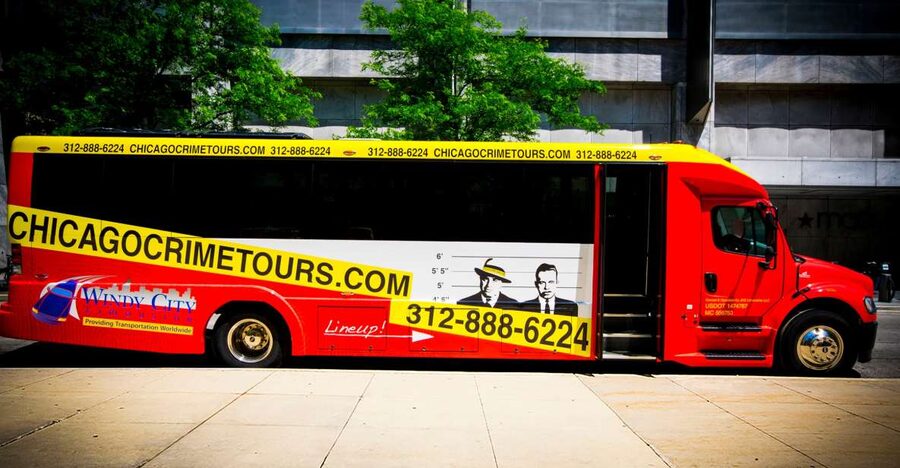
- Luxury coach comfort, plus photo stops where it counts
- Stop-by-stop: from Water Tower views to crime-scene photo moments
- Water Tower Place, Magnificent Mile, and the Hancock Center pass-by
- Lincoln Park and the Biograph Theatre photo stop
- Chicago River pass-by and Harry Caray’s Italian Steakhouse photo stop
- Holy Name Cathedral and City Gallery in the Historic Water Tower
- St. Valentine’s Day Massacre and Dillinger’s last steps
- The St. Valentine’s Day Massacre stop
- Walking the final steps of John Dillinger and Hymie Weiss
- Frank Nitti’s safe and the mini mob museum
- Prohibition-era tunnels, the courthouse drive-by, and why courts matter
- Architecture views you’ll actually use later
- Price and value: what $49 gets you in 1.5 hours
- Who should book this mob and crime bus tour
- Should you book Chicago Mob and Crime Bus Tour?
- FAQ
- How long is the Chicago mob and crime bus tour?
- Where does the tour meet?
- What is the price per person?
- What’s included in the tour?
- Is the tour guided in English?
- Can I record video during the tour?
- Is the bus accessible for wheelchair users?
- Are food and drinks allowed on the vehicle?
Key moments that make this tour worth your time
- St. Valentine’s Day Massacre site with context on why Chicago became a headline factory
- John Dillinger walking path plus the Hymie Weiss connection at the moments right before their deaths
- Mini mob museum featuring Frank Nitti’s safe and address book
- Crime quiz that turns the narration into a game you can actually remember
- Photo stops at places tied to famous cases, including the Biograph Theatre
- Crime courthouse drive-by for a Prohibition-era and courtroom-culture perspective
Why Chicago’s crime stories work so well from a bus
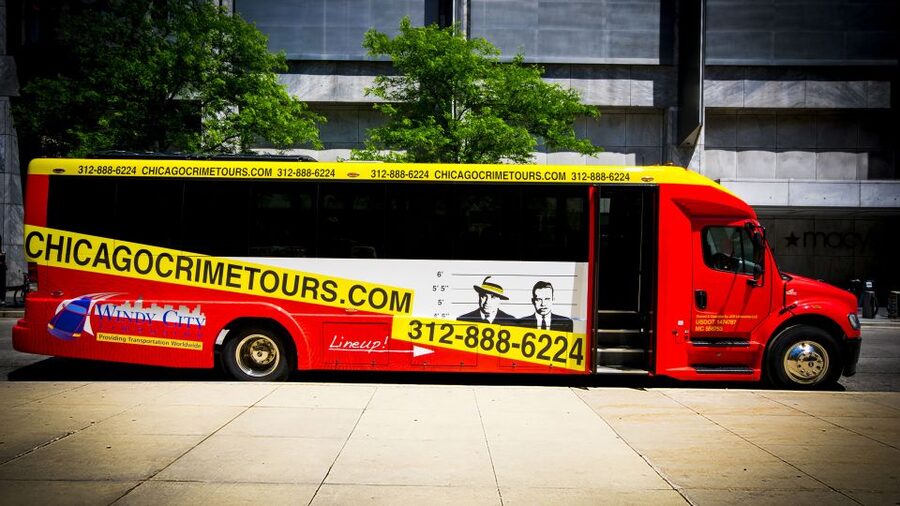
Chicago has this rare talent for mixing beauty with trouble. Even when you’re talking about bank robberies, gang disputes, and the chaos of Prohibition, the city’s skyline and lakefront views keep showing up in the background. That matters, because it’s part of the point: these stories weren’t happening in a vacuum. They unfolded in real neighborhoods, real streets, and real courtrooms.
This tour leans into that contrast. You’ll ride a climate-controlled coach while the guide threads together major figures and major eras, from the 19th century through later criminal history. Expect names you’ve heard before—Al Capone, John Dillinger—and also cases that broaden the picture, like the Untouchables thread, H. H. Holmes, and Leopold and Loeb.
And you’re not just hearing facts. You’re getting live commentary, historic video footage, a printed pamphlet with photos, and an organized quiz. It’s built to keep you alert, not to bury you in a lecture.
Meeting at 163 E Pearson: easy access, quick start, clear route
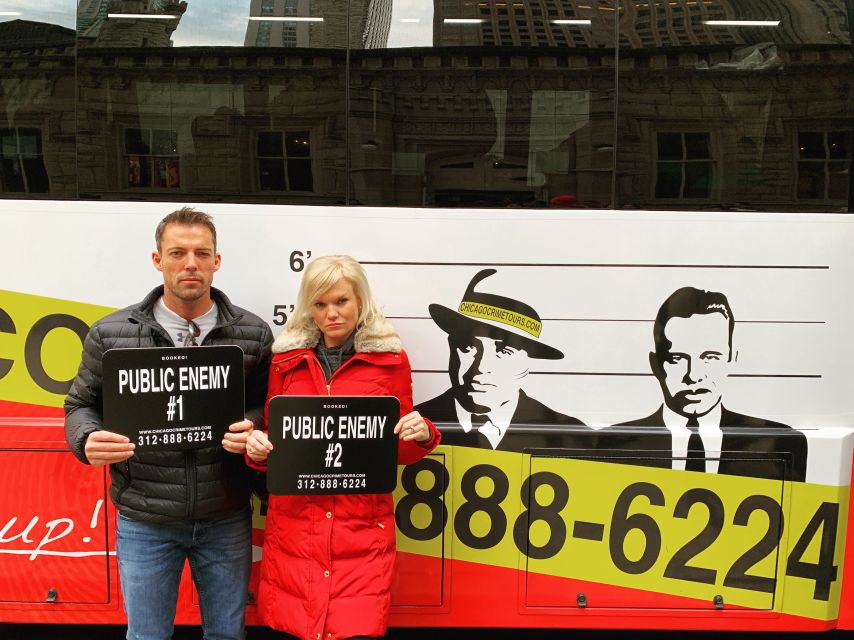
The tour begins outside 163 E Pearson St, near Pearson and Michigan Avenue, across from the Water Tower Mall. That’s a practical starting spot if you’re already exploring the Magnificent Mile area. You can reach it from multiple directions without needing a special plan.
Once you’re on board, the ride is structured. The bus passes major landmarks early—Water Tower Place, the Magnificent Mile, and the John Hancock Center—then moves toward neighborhoods where the crimes and characters connect more directly to the streets. You’ll also see Lincoln Park, the Chicago River area, and more before returning back to the same meeting point.
One small tip from the way this tour is paced: you’ll do more when you’re ready to move. Wear shoes you can walk in, because there are stops where you step out. The route also includes steps and stairs during the tour, so plan for that.
Luxury coach comfort, plus photo stops where it counts
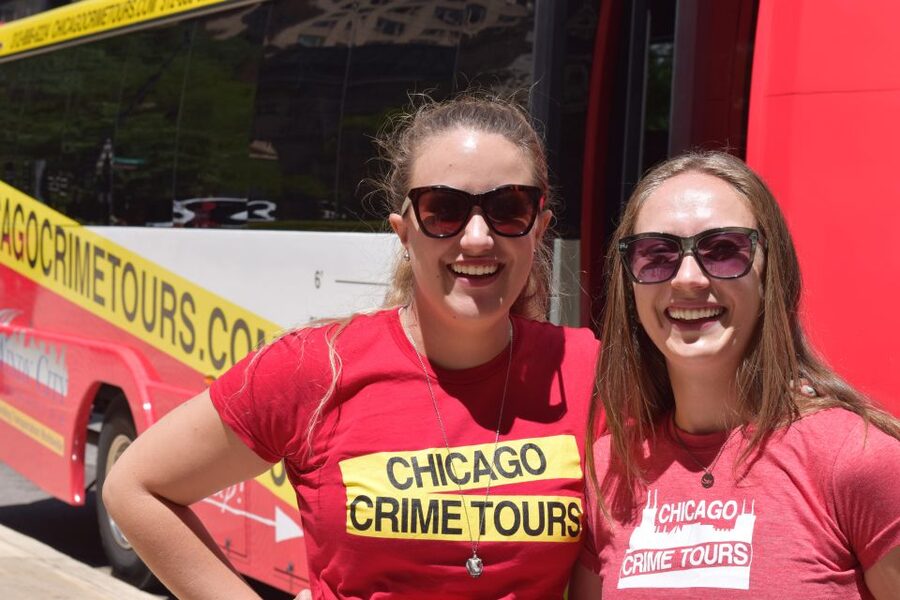
You’re in an enclosed, temperature-controlled vehicle, so you’re not fighting weather. That’s a big deal in Chicago, where the day can swing fast. The bus also includes storage for folding wheelchairs and strollers, which is helpful for families and mobility-aid users who can transfer.
But you should also know the limits. The bus is not equipped with an electronic lift, and the experience includes stairs. So if step-free access is a must, this is the part to take seriously before you book.
What makes the ride feel productive is the rhythm. You get:
- Drive-by views where you can point your camera at the right angle
- Photo stops where you actually step out briefly
- Off-the-bus walking for key moments, like the Dillinger and Hymie Weiss path
If you care about photos, sit where your view lines up with the biggest sights as the bus moves. I’d aim for a seat that gives you the clearest right-left sightline when the route turns past major streets and skyline anchors. (One review even mentioned picking the right side when facing forward.)
Stop-by-stop: from Water Tower views to crime-scene photo moments
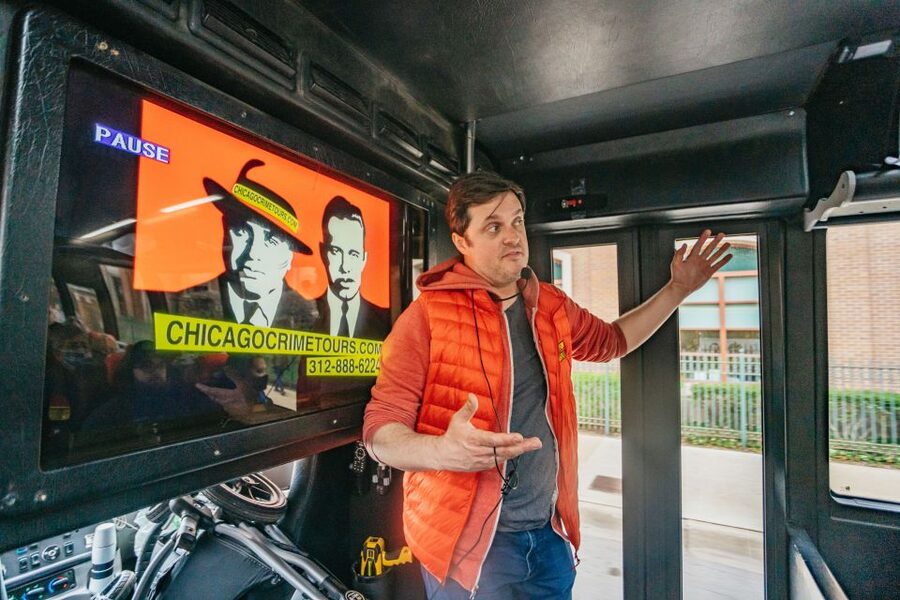
This is a “big skyline early, harder crime sites mid-tour” kind of itinerary. Here’s what each key stretch brings you.
Water Tower Place, Magnificent Mile, and the Hancock Center pass-by
The early pass-by section works like orientation. You’re getting your bearings around Chicago’s shopping-and-skyline zone, which helps later when you hear how criminals moved through the city. You’ll see the kind of setting that makes Chicago’s crime stories feel modern, not stuck in a black-and-white postcard.
If you’re the type who gets distracted by too much passing traffic, this portion can still be useful because the guide sets the stage for the later stops.
Lincoln Park and the Biograph Theatre photo stop
Lincoln Park is a classic “looks peaceful, isn’t all peaceful” contrast zone. Then comes a moment crime-history fans will like: the Biograph Theatre photo stop.
This is one of those stops where you’ll understand why certain places become cultural shorthand for major events. Even if you only know the name from pop culture, being there in context helps. The guide’s narration is what makes it click: the theater ties to the bigger story of Chicago’s crime era and its media presence.
Chicago River pass-by and Harry Caray’s Italian Steakhouse photo stop
The Chicago River pass-by gives you the geographical backbone. This is where you start seeing the city as a network, not a list of landmarks. Criminal activity in Chicago wasn’t limited to one tight downtown pocket. Movement mattered—between neighborhoods, between venues, between “ordinary” and “high-risk” locations.
Then you’ll get a photo stop at Harry Caray’s Italian Steakhouse. It’s a chance to connect a modern, recognizable landmark to the crime narrative around it. You’re not touring an abandoned set—you’re standing in the working city.
Holy Name Cathedral and City Gallery in the Historic Water Tower
Holy Name Cathedral is a visual reset. The architecture matters because the tour is also about how Chicago’s historic institutions and landmarks survived changing eras—including the dangerous ones.
You’ll also pass by the City Gallery in the Historic Water Tower. That’s a great moment to remember that these buildings weren’t built for gangster legends. They were built for real civic life. And yet, the stories of Chicago’s underworld unfolded in the same neighborhoods.
St. Valentine’s Day Massacre and Dillinger’s last steps
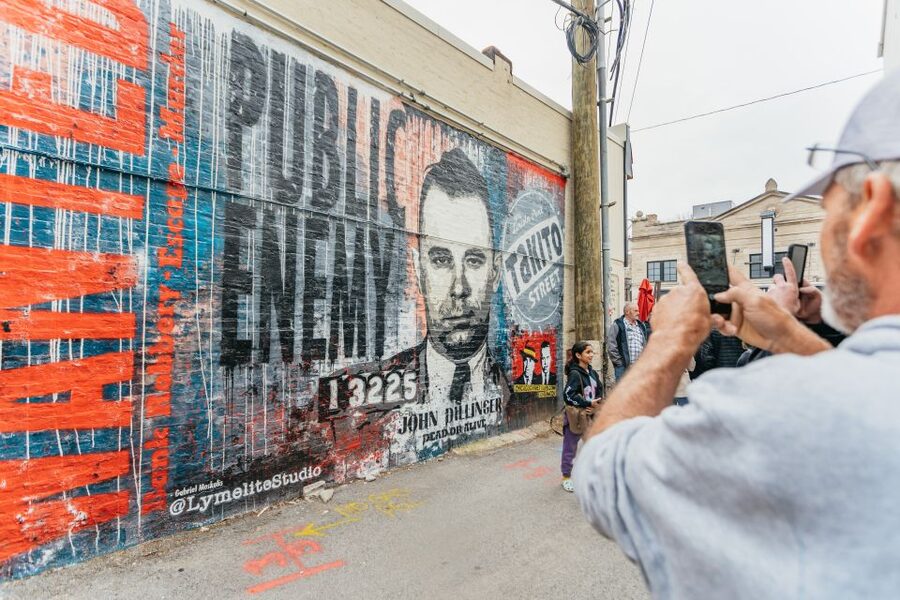
Two highlights define what most people want from a mob tour: the big headline moments and the “standing where it happened” feeling.
The St. Valentine’s Day Massacre stop
You’ll see the world famous St. Valentine’s Day Massacre site. What makes this worthwhile isn’t just the name. It’s the way the guide uses it to explain how Chicago’s criminal world became international news. The massacre is treated as a turning point—something that drew attention, shifted reputations, and intensified fear.
A bonus here is that you’ll be watching and listening while the city keeps around you doing what it always does. That contrast is part of the lesson.
Walking the final steps of John Dillinger and Hymie Weiss
Then comes a more direct experience: you’ll get off the bus and walk the path tied to John Dillinger and Hymie Weiss right before their deaths.
Walking a route like that changes the tone. It stops being a story you heard and becomes a path you can feel under your feet. You’ll also likely notice how close real life is to the historical scene. That’s exactly what you want from a good crime tour: not theatrics, but proximity.
Frank Nitti’s safe and the mini mob museum
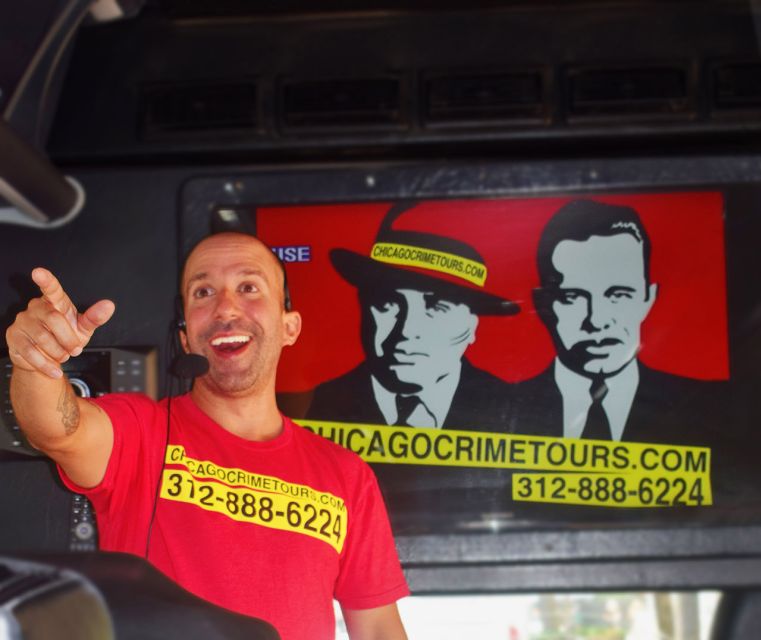
The mini mob museum is one of the smartest ways this tour adds value. You’re getting something more than talking points: you’re seeing an artifact-style connection to a gangster’s world.
This tour includes gangster Frank Nitti’s safe and address book. That detail is huge for two reasons:
- It shows how criminals managed information, not just violence. Address books and safes are about logistics and control.
- It makes the guide’s stories feel anchored. Instead of “he did this,” it becomes “here’s an object from the type of system he used.”
If you like true crime but hate when tours stay purely dramatic, this museum stop can be the balancing act that keeps you grounded.
Prohibition-era tunnels, the courthouse drive-by, and why courts matter
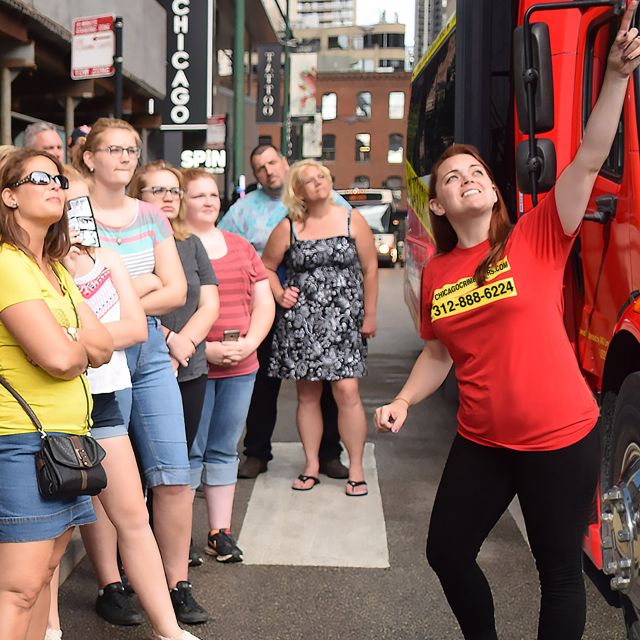
Prohibition didn’t just fuel gangsters. It changed how the whole city ran. That’s why this tour includes references to Prohibition Era landmarks, plus a look at a spy of secret Prohibition Era tunnels as part of the included experience.
Even if you only take one takeaway from that piece, it should be this: tunnels and secret routes weren’t “cool details” only. They were part of survival, movement, and avoiding law enforcement.
You’ll also get a camera-friendly drive-by of the historic criminal courthouse, described as a Chicago architectural landmark where notorious cases were tried. Courtrooms are where the story gets official, where the city turns violence into legal records and public memory. That’s a major reason this type of narration works from a bus—you can see the courtroom setting while the guide explains why these cases mattered.
Architecture views you’ll actually use later
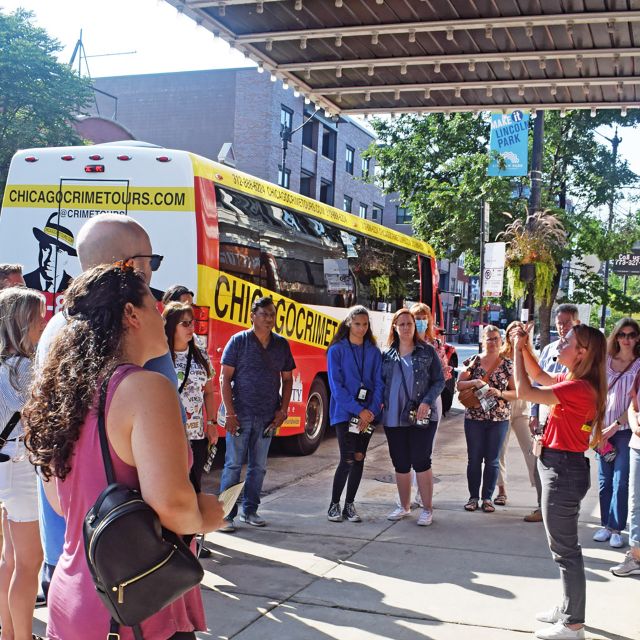
Yes, this is a mob and crime tour. But Chicago’s architecture is still a core product here. The bus route passes major skyline anchors, and the neighborhoods are arranged so you see layers: lakefront-adjacent views, tree-lined streets, and the density of downtown.
As you ride, you’ll get views over the lakefront, plus scenes across neighborhoods like River North, Streeterville, Gold Coast, Lincoln Park, Old Town, the Loop, and Magnificent Mile. That matters because it gives you a mental map for later self-guided wandering.
So after the tour, you can do what I always recommend: pick one or two neighborhoods you liked most and return in daylight with your own pace and priorities.
Price and value: what $49 gets you in 1.5 hours
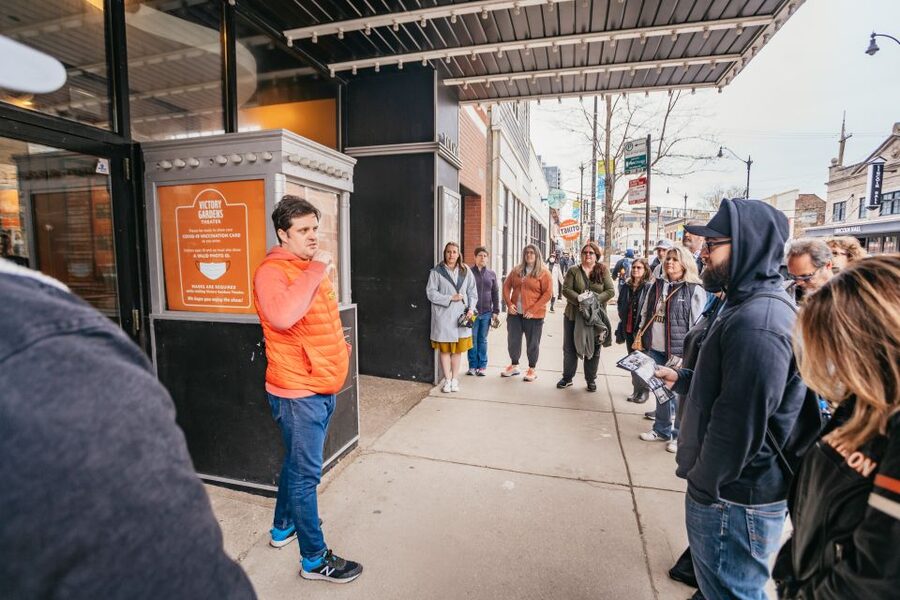
At $49 per person for about 1.5 hours, you’re paying for three things that many tours split poorly:
- A local, live guide with interactive storytelling
- A comfortable coach ride with major sights
- Included add-ons beyond sightseeing (historic video footage, pamphlet, mini mob museum, and a crime quiz)
If your only goal is to “see downtown,” this may feel pricey. But if you want context—how major cases connect to real Chicago geography—then the cost starts to make sense. You’re buying interpretation, not just scenery.
Also, the tour is short enough that it doesn’t drag. The pacing is built around brief stops and a couple of walking moments. That’s why it works for people who like stories but don’t want an all-day commitment.
Who should book this mob and crime bus tour
This is a great fit if you:
- Like true crime stories but want them tied to real places
- Want a guided way to learn Chicago neighborhoods you might not visit on your own
- Enjoy humor and energy from the guide. Names like Jay, Jamie, and Katie show up repeatedly in how guides are described, with a focus on enthusiasm and storytelling style
You might skip it if:
- You need fully step-free access (the bus has no electronic lift, and the tour includes stairs)
- You’re picky about rules and don’t want restrictions on food, drinks, and recording
Should you book Chicago Mob and Crime Bus Tour?
If you want a quick, guided hit of Chicago true crime tied to landmarks, I’d say book it. The tour’s strongest selling point is the balance: bus comfort plus real stops, big-name crime stories plus a mini museum moment, and entertainment plus a structure that helps it stick (video footage, pamphlet photos, and a crime quiz).
Just be honest with your body and your expectations. This is a walking-and-stairs experience at certain points, and recording video isn’t allowed. If that’s fine for you, you’ll likely leave with a stronger sense of Chicago’s underworld—and a better map of the city for your next day out.
FAQ
How long is the Chicago mob and crime bus tour?
The tour duration is listed as 1.5 hours. Starting times vary, so check availability for the departure that fits your schedule.
Where does the tour meet?
The pickup is outside 163 E Pearson St, Chicago, IL 60611, across from the Water Tower Mall on the southeast side of Pearson and Michigan Avenue.
What is the price per person?
The price is $49 per person.
What’s included in the tour?
You get a luxury enclosed temperature-controlled coach bus, an interactive English-speaking guide, historic video footage, a souvenir pamphlet with photos and special offers, a mini mob museum, access to a crime quiz, and photo stops and on/off-bus stops.
Is the tour guided in English?
Yes. The tour guide provides live commentary in English.
Can I record video during the tour?
No. Video recording is not permitted.
Is the bus accessible for wheelchair users?
The bus has storage for folding wheelchairs, but it is not equipped with an electronic lift. The tour includes steps and stairs.
Are food and drinks allowed on the vehicle?
No. Food and drinks are not allowed in the vehicle.