Chicago’s mob stories hit right where you stand. I love how this 90-minute ride connects famous names like St. Valentine’s Day Massacre and John Dillinger to the actual streets and buildings you can see from the bus. I also like the hands-on stop with gangster Frank Nitti’s safe and address book, which turns scary headlines into something you can picture. One possible drawback: the tour is in live English, and a few past passengers noted the bus can be loud or squeaky enough to make the narration harder to catch.
You’ll get a mix of true-crime storytelling and classic Chicago sights, with architecture, Prohibition-era stops, and lakefront city views thrown in between the crimes. Guides like Jay, Dane, Ethan, Katie, and Jamie show up often in feedback for being funny, fast-paced, and easy to follow—even when you’re new to the subject.
In This Review
- Key Highlights Worth Your Attention
- Why This 90-Minute Mob Tour Works So Well in Chicago
- Meeting at 163 E Pearson: Easy Start, Clear Timing Rules
- The Route You’ll See: Big Chicago Views Between the Crimes
- Photo Stops With Real Stop-and-Look Value
- Biograph Theater: A Worth-It Photo Moment
- Harry Caray’s Italian Steakhouse Area: A Familiar Landmark in a Grim Story
- Dillinger’s Final Steps Walk: When the Story Becomes Physical
- The Courthouse Drive-By: Trials With Heavy Real-World Setting
- Frank Nitti’s Mini Mob Museum: The Hand-Held Part of the Tour
- Gangster Tunnels and Prohibition-Era Profiles: How the Tour Builds Atmosphere
- The Crime Quiz, Pamphlet, and Special Offers: Why You Might Leave Smarter
- Guides and Energy: What the Best Runs Feel Like
- Price and Value: Is $49 Worth 90 Minutes of True Crime?
- Who Should Book This Tour (and Who Might Skip It)
- Should You Book the Chicago Mob and Crime Bus Tour?
- FAQ
- How long is the Chicago Mob and Crime Bus Tour?
- What is the price per person?
- Where do I meet the tour bus?
- Is the tour guide speaking English?
- Do I need to bring a camera?
- Is there audio or headphones included?
- Are food and drinks allowed on the bus?
- Can I access the tour if I use a wheelchair or need step-free transport?
- Is cancellation possible?
Key Highlights Worth Your Attention
- Walk Dillinger’s final steps plus the path tied to Hymie Weiss, on foot at a real location
- Frank Nitti’s mini-mob museum, including his safe and address book display
- Photo stops with maximum payoff, like the Biograph Theater and Harry Caray’s Italian Steakhouse area
- A drive-by of the historic criminal courthouse, tied to major Chicago trials
- A short “gangster tunnels” segment plus historic video clips and a crime quiz
- A route built around major neighborhoods from River North to the Loop with big skyline views
Why This 90-Minute Mob Tour Works So Well in Chicago
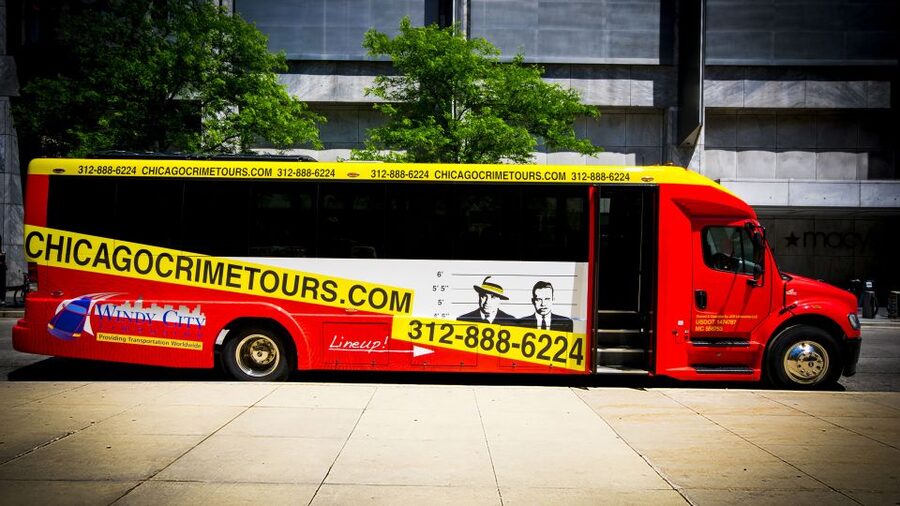
Chicago is big. Your time is limited. This tour is built for people who want the highlights without stitching together five separate stops on their own.
What makes it work is the rhythm. You’re not stuck only on a bus listening. You’ll have photo moments, a couple of strategic off-bus stops, and one key walking segment where the story shifts from legend to street-level geography. That walk is especially important because it’s tied to what happened right before major deaths in the Dillinger-and-Uncool-Chicago era—so the route feels like it has a spine, not just random sightings.
And since the coach is enclosed and climate-controlled, the tour tends to be practical in real Chicago weather. Cold day? You’re inside. Hot day? You’re still inside. You’re also following a local guide who keeps the story threaded, rather than you having to map names, dates, and locations from scratch.
Meeting at 163 E Pearson: Easy Start, Clear Timing Rules
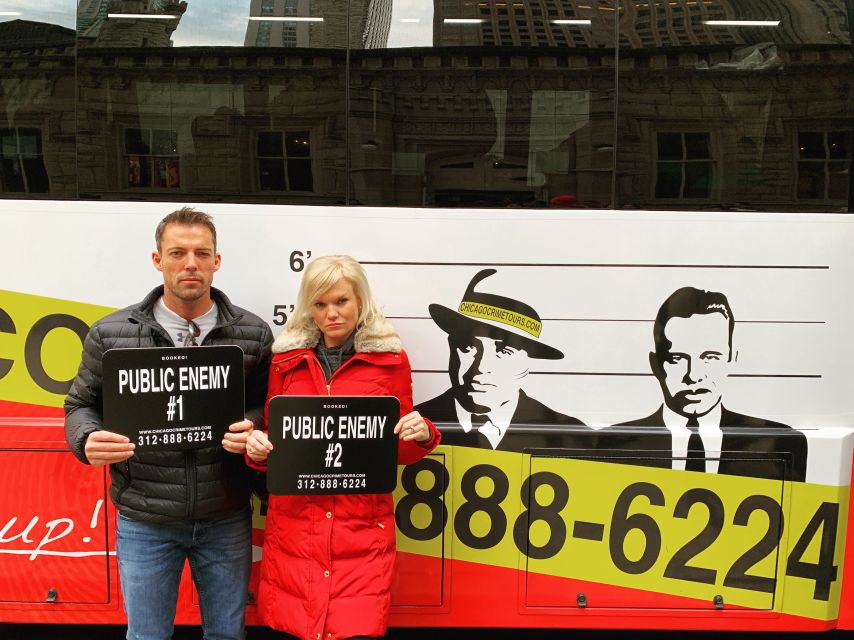
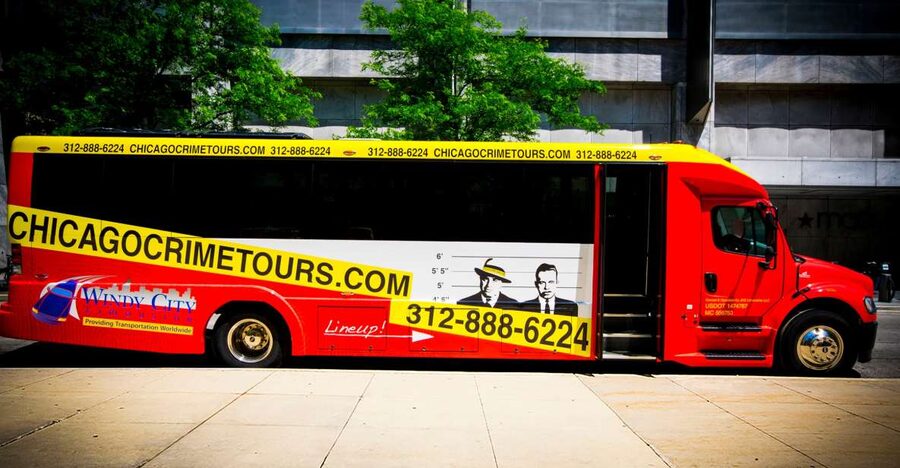
The tour begins at 163 E Pearson St, with pickup outside the address. The bus is on the southeast side of Pearson and Michigan Avenue, across from the Water Tower Mall.
A few practical notes make your morning or afternoon smoother:
- Arrive early. The bus departs on time, and no one can join after it leaves.
- Seating is first-come, first-served. Joint seating isn’t guaranteed, so if you’re traveling as a pair or small group, show up a little earlier and be ready to compromise.
- The bus has five steps and some stops include stairs. It’s not equipped with an electronic lift, and wheelchair access isn’t available. There is limited storage for a folding wheelchair or stroller, but you’ll want to plan around the stairs during off-bus moments.
One detail worth taking seriously: live commentary is the core experience, and a few passengers complained the bus can be noisy or squeaky enough to drown out the speaker. So when you board, try to grab a seat where you can hear clearly. If you can’t decide, choose a location nearer the front half of the group rather than all the way back.
The Route You’ll See: Big Chicago Views Between the Crimes
This isn’t just a true-crime tour with occasional architecture. The route is built around Chicago’s most recognizable areas, so your brain gets both story and setting.
From the bus, you’ll pass or view the Water Tower Place, the Magnificent Mile, and the John Hancock Center area. Then you’ll move into neighborhoods like Lincoln Park, Old Town, Streeterville, River North, the Loop, and Magnificent Mile again as the route threads through the city.
Along the way, you’ll get:
- Lakefront views and sky-scraping skyline angles
- Tree-lined neighborhood streets that make the city feel layered, not flat
- The Chicago Riverfront environment that turns the city into a historic stage
This matters because Chicago crime stories don’t happen in a vacuum. People moved through these districts, and the buildings shaped opportunity—where witnesses lived, where routes funneled, where crowds formed. If you’re the type who likes your history with real context, this “views plus story” approach is a strong fit.
Photo Stops With Real Stop-and-Look Value
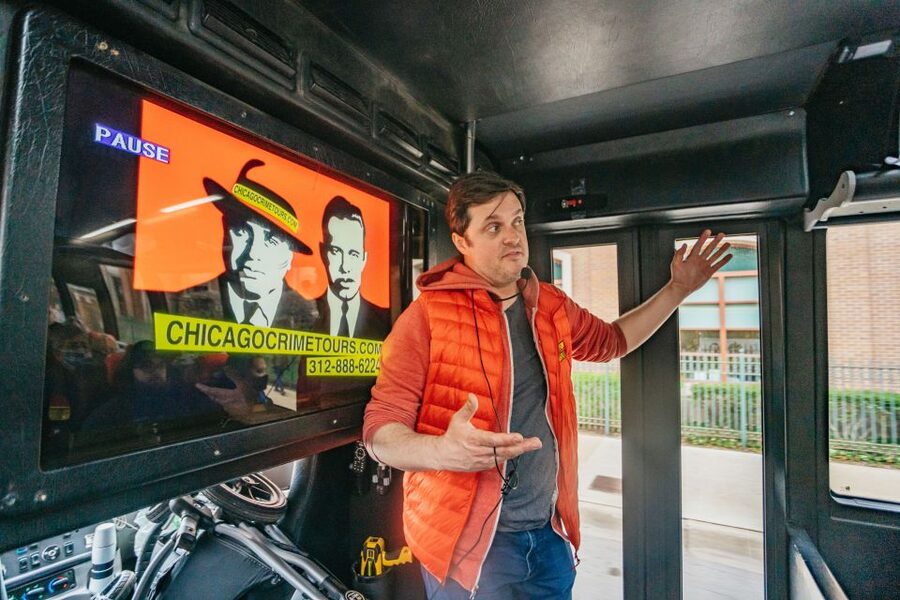
The tour includes several photo opportunities where you can actually see what the guide is talking about. Two stand out for payoff.
Biograph Theater: A Worth-It Photo Moment
You’ll stop at the Biograph Theater for photos. This is one of those places where a single building can carry a lot of weight in Chicago’s crime mythology. Even if you don’t know the full story on arrival, the guide connects it with the broader timeline of criminal activity and media attention around that era.
Harry Caray’s Italian Steakhouse Area: A Familiar Landmark in a Grim Story
You’ll also make a photo stop at Harry Caray’s Italian Steakhouse. It’s a classic Chicago name, which makes it a little eerie in a good way. You’re standing next to something upbeat and modern-feeling, while you’re being told about the darker side of the city that developed in the same general urban space.
The practical trick here is to treat photo stops like mini time windows. When the group piles off, do your photos fast. Then listen closely as you’re escorted back, because the narration between stops is where the tour earns its keep.
Dillinger’s Final Steps Walk: When the Story Becomes Physical
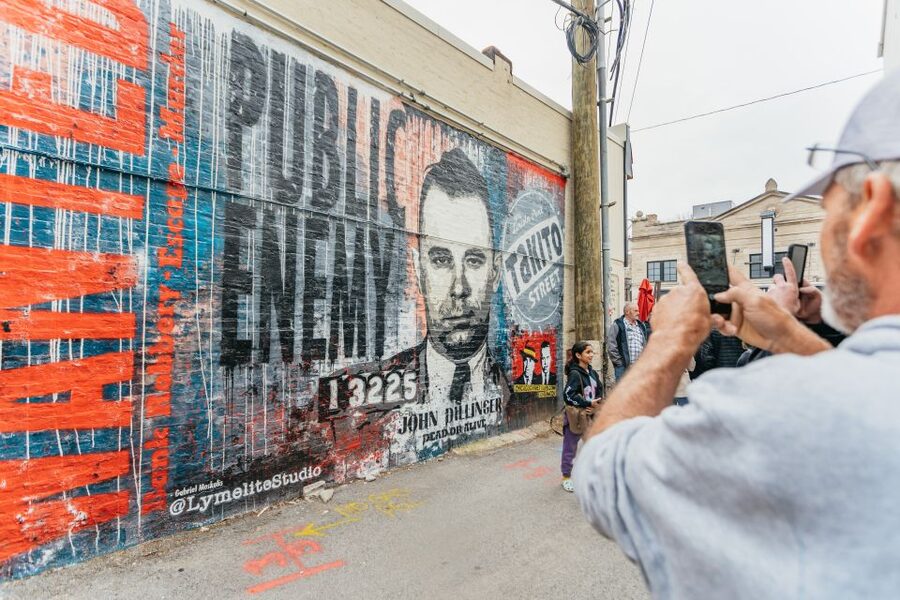
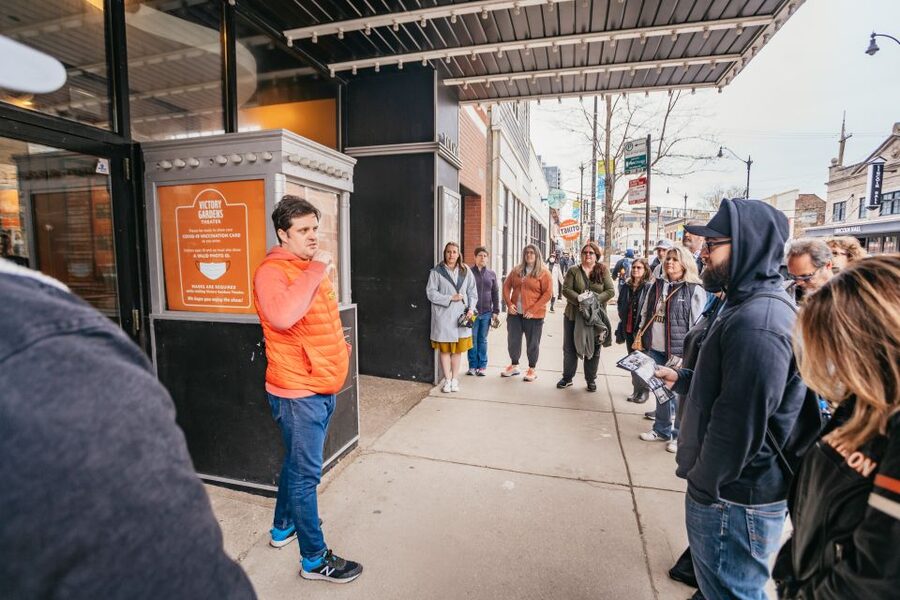
The most memorable part for many people is the moment you get off the bus and walk the path linked to John Dillinger and Hymie Weiss just before their deaths. This is the kind of stop that changes how you experience the rest of the tour.
On a bus, you look at buildings and listen. On foot, you start noticing how distances feel: how corners shape movement, where a crowd might have gathered, and why a chase or a confrontation becomes more likely in certain street layouts than others.
This walk also gives you a clearer sense of how Chicago’s crime story fits into the city’s “real life” geography. You’re not just consuming names. You’re moving through the setting that those names belonged to.
Tip: wear shoes that can handle sidewalks and quick transitions back to the bus. The tour is short, so you’ll want to avoid getting slowed down.
The Courthouse Drive-By: Trials With Heavy Real-World Setting
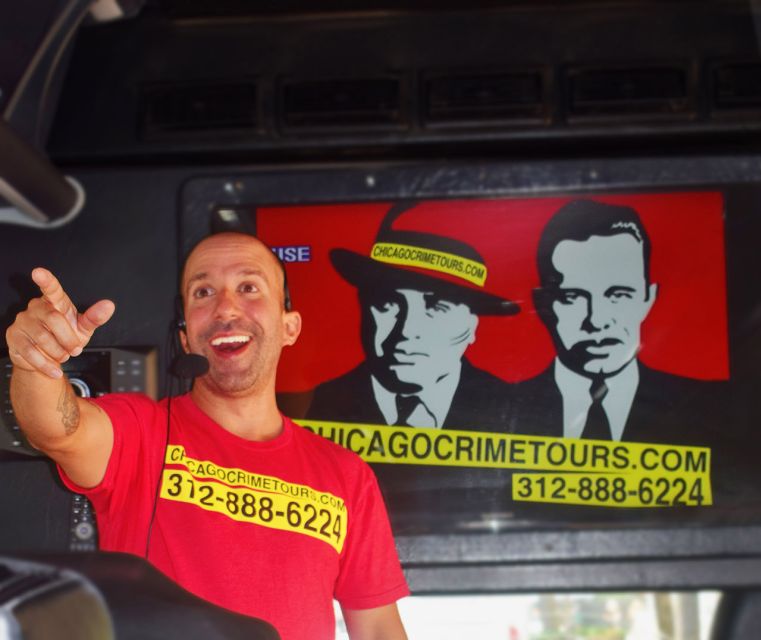
You’ll also get a drive-by of the historic criminal courthouse, described as a landmark where some of Chicago’s most notorious cases were tried. Even without getting out, a courthouse building tends to do two things for a tour like this.
First, it grounds the stories in law, not only outlaw glamour. Second, it reminds you that these cases weren’t just street myths; they played out through formal systems—judges, trials, and courtroom procedure.
For many first-timers, this is the moment they realize the tour isn’t only about gunfights and escapes. It’s also about the city’s justice-and-media cycle: who was captured, who was tried, and how the city turned those events into public knowledge.
Frank Nitti’s Mini Mob Museum: The Hand-Held Part of the Tour
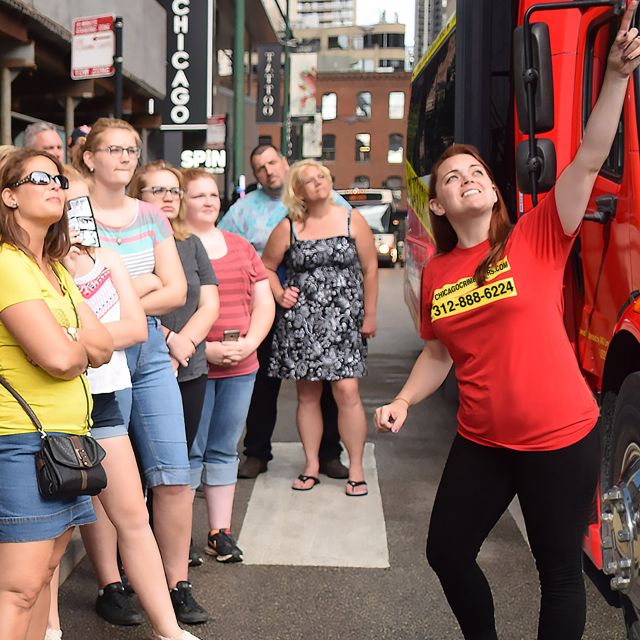
The tour includes a mini mob museum featuring gangster Frank Nitti’s safe and address book. This is a smart addition because it shifts you from “what happened” to “what it might have looked like.”
Objects like a safe and an address book feel personal. They suggest daily operations, not just dramatic moments. Instead of thinking only about the biggest names, you start thinking about organization: information storage, contact lists, and the small machinery that supports larger crimes.
In the feedback, this stop gets singled out as a favorite, largely because it’s interactive and visual in a way that many bus-only history tours aren’t. If you like your true crime with details you can picture, this portion is one you’ll want to pay attention to rather than rushing past it for photos.
Gangster Tunnels and Prohibition-Era Profiles: How the Tour Builds Atmosphere
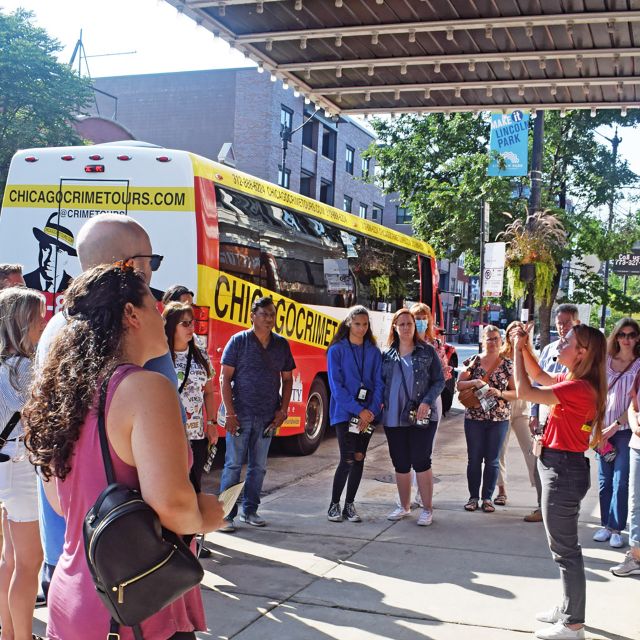
Beyond the big famous names, the tour includes a “look at secret Gangster Era tunnels” and a Prohibition Era personality profile. The details aren’t presented like a documentary you have to pause and rewind. Instead, they’re woven into the story the guide is telling in the moment.
That approach matters. It helps connect different “chapters” of Chicago’s criminal reputation—from 19th-century roots to later mob power—without making you feel lost in a timeline.
You’ll also watch historic video footage during the tour. It’s there to reinforce key moments, not to replace the guide. If you’re like me and you learn best when a visual locks in a name or event, this feature can make a difference.
The Crime Quiz, Pamphlet, and Special Offers: Why You Might Leave Smarter
This tour is designed with reinforcement built in. You’ll get:
- An informative pamphlet with photos and special offers
- Historic video footage
- An exclusive crime quiz
The quiz is more than a gimmick. It nudges you to connect names and locations while they’re still fresh. If you’ve only got a day or two in Chicago, that kind of “mental filing system” is helpful.
I also like the pamphlet format because it gives you something concrete to use later when you want to follow up. You can glance at photos and refresh the story beats without hunting everything down online.
Guides and Energy: What the Best Runs Feel Like
The tour lives or dies on the guide’s delivery. Based on feedback, the strongest experiences share a few traits:
- A guide who can juggle humor with serious events
- Clear pacing so you don’t get left behind
- Enough charisma that people ask questions and stay engaged
Names that come up in positive feedback include Jay, Dane, Ethan, Katie, Jamie, Mike, Lea, and Chuck (as a driver). The consistent thread is that the best guides make the city’s crime era feel like a lived narrative rather than a list of famous criminals.
Still, keep your expectations realistic. This is live commentary from a bus, and there can be sound issues. If you’re sensitive to audio, pick your seat carefully and be ready to lean forward when the guide is speaking.
Price and Value: Is $49 Worth 90 Minutes of True Crime?
At $49 per person for a 90-minute tour, this sits in the “you’re paying for convenience and storytelling” zone.
Here’s why it can be a good deal:
- You get transportation on a luxury, enclosed, temperature-controlled coach.
- You get live interactive commentary in English plus video footage.
- You get multiple stops: photo stops, a walk, and a mini museum portion.
- You’re not doing the planning work alone. The guide links the names to the places.
Could it be less of a value if you’re very picky about audio? That’s the main trade-off. If the bus sound makes you miss chunks of commentary, the tour loses some of its point. Given that a few people mentioned this exact issue, I’d treat it like a “seat matters” experience. Choose your spot well, show up early, and you’ll protect the value.
Who Should Book This Tour (and Who Might Skip It)
This tour is ideal for you if:
- You’re a true-crime fan and want Chicago tied to specific cases and places
- You’d rather have a guide connect the dots than build your own route
- You like city sightseeing and want architecture and landmarks threaded into the story
- You’re short on time and want a compact, structured experience
You might consider skipping if:
- You need guaranteed step-free access at every stop
- You’re going to be frustrated if you can’t hear narration at full clarity at all times
- You prefer quiet museums or self-guided history where you control every pace
Should You Book the Chicago Mob and Crime Bus Tour?
Yes, I’d book it if you want a fast, story-driven way to see Chicago through its criminal past. The combination of St. Valentine’s Day Massacre location, a Dillinger-related walk, and the Frank Nitti mini-museum gives the tour more than just scenic bus views. Add live guidance from guides praised for humor and clarity, plus a quiz and pamphlet to help you remember what you learned, and you end up with something that actually sticks.
If you’re on the fence, pick the tour slot that best fits your day and show up ready to hear. Aim for a seat where you can follow the guide, bring good shoes for the walking portion, and treat photo stops like quick checkpoints. For the right kind of traveler, this is one of those tours that makes Chicago feel like a real place with real consequences.
FAQ
How long is the Chicago Mob and Crime Bus Tour?
The tour lasts 90 minutes.
What is the price per person?
The price is $49 per person.
Where do I meet the tour bus?
You meet outside 163 E Pearson St, Chicago, IL 60611, across from the Water Tower Mall on the southeast side of Pearson and Michigan Avenue.
Is the tour guide speaking English?
Yes. The tour is conducted by a live interactive tour guide in English, and there are no translations.
Do I need to bring a camera?
You’ll be able to grab photos during the drive-by and stop moments at infamous crime scenes, so bringing a camera is a good idea. Video recording isn’t permitted during the tour.
Is there audio or headphones included?
No. The tour does not include audio guides or headphones.
Are food and drinks allowed on the bus?
No. Food and drinks are not allowed in the vehicle.
Can I access the tour if I use a wheelchair or need step-free transport?
The bus has five steps and it’s not wheelchair accessible, with some stops including stairs. There is limited storage available for a folding wheelchair or stroller, but there’s no electronic lift.
Is cancellation possible?
Yes. There is free cancellation up to 24 hours in advance for a full refund.