
Shakespeare in Stratford is best seen with wheels. This hop-on hop-off bus is a simple way to glide past the big names in open-air comfort, with onboard narration and stops that match how you actually want to tour. I especially like the 24/48-hour flexibility, since you can ride once for orientation, then hop out where you want more time.
Two other things I like are the coverage of the core Shakespeare landmarks and the fact that you’re not tied to one fixed tour pace. The full loop is about 60 minutes, but your ticket keeps giving you choices as long as you stay within the pass window.
One drawback to plan around: Mary Arden’s Farm is currently closed to the general public, and on some buses the audio setup can be hit-or-miss at certain seats. If you rely on perfect headphone audio every single minute, keep a little wiggle room in your expectations.
In This Review
- Key highlights at a glance
- Why this hop-on hop-off bus fits Stratford’s layout
- Price and value: what $20.67 buys you (and what it doesn’t)
- Timing that matters: 60 minutes on the loop, 24 or 48 hours to use it
- The stop-by-stop route: what each area is really for
- Stop 1: Pen & Parchment Visitor Information Centre as your launch point
- Stops 2 to 5: River Avon and the heart of Shakespeare sights
- Stop 6: Civic Hall, Market Square, and the American Fountain
- Stop 7: Evesham Place as a practical access point
- Stops 8 and 9: Hathaway Court and Anne Hathaway’s Cottage
- Stops 10 and 11: Mary Arden’s House and the closed Mary Arden’s Farm
- Audio commentary: helpful when it works, annoying when it doesn’t
- Best ways to use the pass (so you don’t waste it)
- Who should book this bus tour?
- Should you book this Stratford hop-on hop-off bus?
Key highlights at a glance
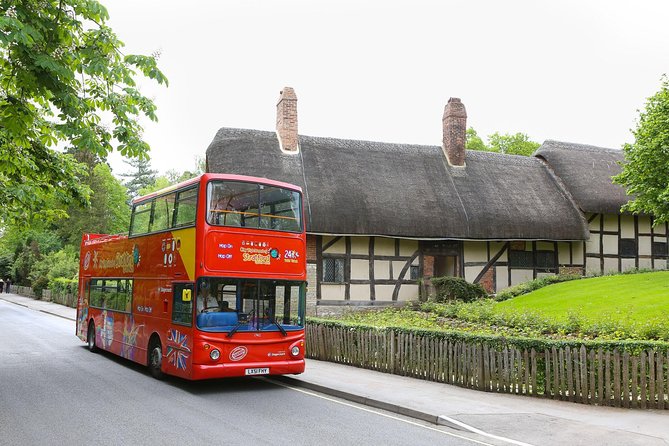
- 24 or 48 hours, starting when you first use it: Hop on and off as many times as you like within your pass validity window.
- Open-air views over the Avon and Shakespeare landmarks: Great for quick photo moments without parking stress.
- A stop plan built for short walks: From Pen & Parchment to Holy Trinity Church, you can build your own order of visits.
- English audio commentary + occasional live guiding: English-speaking live guides run on select departure times on Sat/Sun/Bank Holidays.
- Warwickshire countryside drive: The bus covers more than just town-center streets.
- One big catch: Mary Arden’s Farm is closed: You’ll still see the area, but the farm stop won’t work like a normal visit.
Why this hop-on hop-off bus fits Stratford’s layout

Stratford-upon-Avon is the kind of town where you can walk a lot, but you still waste time if you keep bouncing between far-apart sights. This bus tour acts like a moving map. You get a full-route pass that stitches together Shakespeare’s most important locations, plus a short trip out toward Warwickshire.
The open-top design matters here. Even if you’re not a super-fan of history, the quick exterior views help you understand where everything sits. You’ll pass key riverside spots like the River Avon area and the Royal Shakespeare Theatre zone, and that makes it easier to decide what deserves your best time on foot.
Also, the pass timing is practical: you’re not forced into a one-and-done experience. You can do a first loop to get oriented, then return later to the places you care about most. That’s a real value move in a compact town like this.
Price and value: what $20.67 buys you (and what it doesn’t)
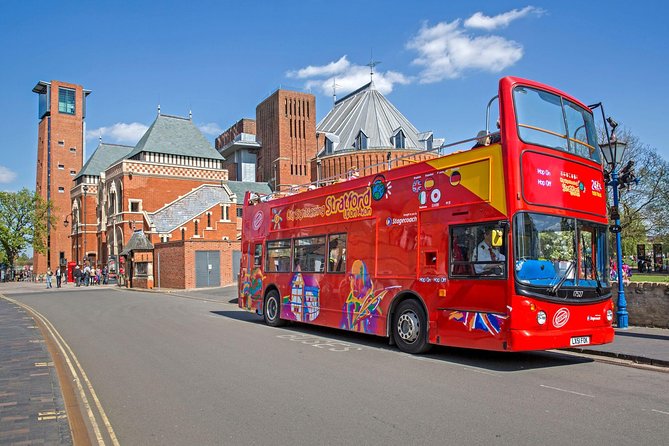
At around $20.67 per person, this is priced like a classic sightseeing add-on rather than a premium guided day. The value comes from two things:
- Time saving: You cover the major clusters without needing to drive or taxi between stops.
- Flexibility: Your 24- or 48-hour pass is valid from your first use, so you can ride again without buying another ticket.
A heads-up on expectations: the tour includes the bus ride and onboard commentary, plus it offers discounts to local attractions. But it does not bundle in every attraction admission. One review experience also points out that you may end up buying attraction tickets separately if you want access beyond what’s included in the ride package.
So I see it like this: this bus helps you decide where to spend money on admissions and where to simply enjoy the view and move on.
Timing that matters: 60 minutes on the loop, 24 or 48 hours to use it
The full route takes about 60 minutes. Buses run about every 30 minutes from the start point at Pen & Parchment, with the first departure at 9:30am and the last at 5pm.
If you’re traveling with a tight schedule, treat the “every 30 minutes” plan as your base expectation, not a promise. Some people report days with delays or operational hiccups, and that’s the reality with any hop-on hop-off system. The good news is your pass lasts 24 or 48 hours, so if you miss one connection, you usually can regroup without losing your whole day.
Practical tip: if you want to maximize your day, plan a first full ride for orientation, then use the rest of your pass to target a short list of stops you care about most.
The stop-by-stop route: what each area is really for
Stop 1: Pen & Parchment Visitor Information Centre as your launch point
You’ll start at Pen & Parchment Visitor Information Centre. This is your best bet for sorting yourself out early, because it functions as the hub for boarding and navigation.
If you’re using a mobile voucher, it needs to be redeemed at stop 1 (Avon Boating/Visitor Centre) before you board. Doing that early prevents the most annoying kind of vacation stress: standing around with no ticket working when the bus rolls in.
What I like about this stop is that it sets you up to either:
- ride the whole loop first, or
- hop out immediately if you already know what you want.
Stops 2 to 5: River Avon and the heart of Shakespeare sights
This is the main show. You’ll move through the Shakespeare core with stops that line up with the most meaningful places to visit.
Stop 2: Swan Theatre and the Royal Shakespeare Theatre area
This is your riverside-and-theatre zone. From the open bus you get great vantage views over the Royal Shakespeare Theatre area, and the narration helps you connect the buildings to the people and eras being discussed. If you like “see it once, then decide,” this is a good area to study while you’re still fresh.
Stop 3: Hall’s Croft, Holy Trinity Church, and Shakespeare’s Grave
This stop is a big emotional anchor for many people. Holy Trinity Church is where Shakespeare was baptized, and it’s also where his grave is located. There’s local folklore around a so-called cursed tombstone—whether you buy into the story or not, it adds a little extra electricity to the visit.
Hall’s Croft also gives you a different angle on the Stratford story, more “home and context” than “stage magic.”
Potential drawback: churchyard and memorial sites can mean slower pacing once you step off the bus. If you want photos plus time to linger, give this stop more than a quick look.
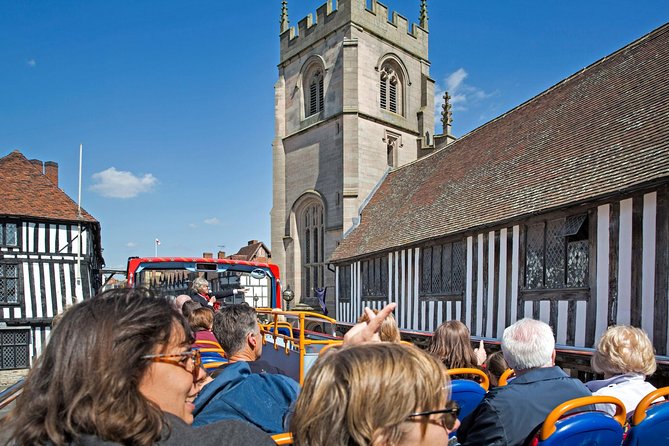
Stop 4: Shakespeare’s New Place and Guild Chapel
This stop is where Stratford history gets intensely personal. New Place relates to Shakespeare’s life in a direct, grounded way. The Guild Chapel adds spiritual and community context, which helps connect the religious side of the period to the famous literature.
If you’re the type who likes to understand the world behind the work, this stop tends to feel worth the walk.
Stop 5: The Shakespeare Birthplace and The Shakespeare Centre
This is the place most people picture when they say Shakespeare’s England. The stop is built for you to step off and do a focused visit, and The Shakespeare Centre supports that with the kind of on-site context that helps you connect sites rather than collecting them randomly.
If you’re doing only one “pay attention” stop, this one is a strong contender.
Stop 6: Civic Hall, Market Square, and the American Fountain
After the heavy hitters, this stop is your reset button. Market Square gives you space to breathe, snack, and regroup. The American Fountain is a playful landmark and a good place to pause for photos without feeling like you’re rushing through another “serious” attraction.
In a hop-on hop-off day, this is where your energy matters. If you’re touring with kids, older relatives, or anyone who needs breaks, this is the stop that makes the day feel manageable.
Stop 7: Evesham Place as a practical access point
Evesham Place is part of the route’s extra stop coverage. I treat stops like this as “useful for convenience.” It can help if you’re staying near that end of town or if you’re trying to reduce walking between the places you’ve chosen.
This stop won’t replace the major Shakespeare clusters, but it can help you keep your day efficient.
Stops 8 and 9: Hathaway Court and Anne Hathaway’s Cottage
Now you get the countryside side of the story.
Stop 8: Hathaway Court (Alcester Road)
This is on the way to Anne Hathaway’s area. The bus route includes a scenic drive through Warwickshire countryside, and this is the transition point where the scenery starts to feel less like town and more like the broader setting behind the legend.
Stop 9: 22 Cottage Lane (Anne Hathaway’s Cottage)
This is the cottage visit most people want. It’s a classic stop because it’s a big step away from “performing Shakespeare” and into “the life around Shakespeare.”
Keep your expectations realistic: the cottage experience can depend on on-the-ground conditions like power availability and operational access. One past experience described issues at Anne Hathaway’s Cottage due to a power outage, which meant disruption beyond normal visitor routines.
If you’re visiting on a day that feels like it’s moving slowly, don’t panic. Hop off early, be flexible, and let the day breathe.
Stops 10 and 11: Mary Arden’s House and the closed Mary Arden’s Farm
Stop 10: Mary Arden’s House
This is the stop tied to Shakespeare’s mother, Mary Arden. It’s your Warwickshire connection in a direct way, not just a scenic drive. Even if you’re only grabbing a short visit, the “family story” angle helps make the whole Shakespeare theme feel more human.
Stop 11: Maybird Centre (Maybird Shopping Park)
This functions like a commercial endpoint/connection point. If you want something practical—food, browsing, or just a break after walking—this type of stop can help you close out the day without needing to catch a bus and then immediately hunt for services.
Important catch: Mary Arden’s Farm is currently closed to the general public, so don’t plan your timing around that specific farm visit working like a normal attraction.
Audio commentary: helpful when it works, annoying when it doesn’t
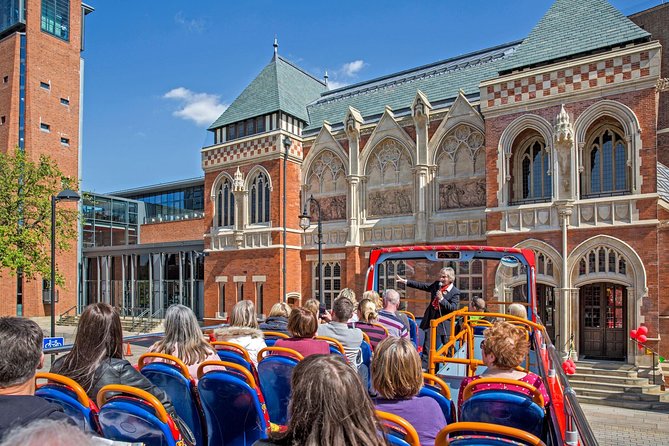
The tour includes on-board audio commentary in English. That’s a big plus because you can ride without needing to read signage every five minutes.
But audio experiences vary. Some people reported headphone port issues that left parts of the bus without sound, and others complained about audio being outdated or not working reliably in multiple seats.
My practical takeaway: before you settle in on a seat you really like, do a quick check that your audio output is working. It takes seconds, and it can save you from spending the rest of the ride staring at landmarks with no narrative.
On certain weekends, English-speaking live guides also operate on buses departing on the hour between 10am and 3pm on Saturdays, Sundays, and Bank Holidays. If live guidance matters to you, align your timing with those windows.
Best ways to use the pass (so you don’t waste it)
Here’s how I’d structure your day with a hop-on hop-off pass in Stratford:
- Ride first, then choose. Do one full loop to hear the stories and see where each stop sits.
- Pick two “deep” stops. Holy Trinity Church and the Birthplace are great examples of places that benefit from extra time.
- Use the middle stops for timing. Market Square and the practical access stops help you avoid rushing.
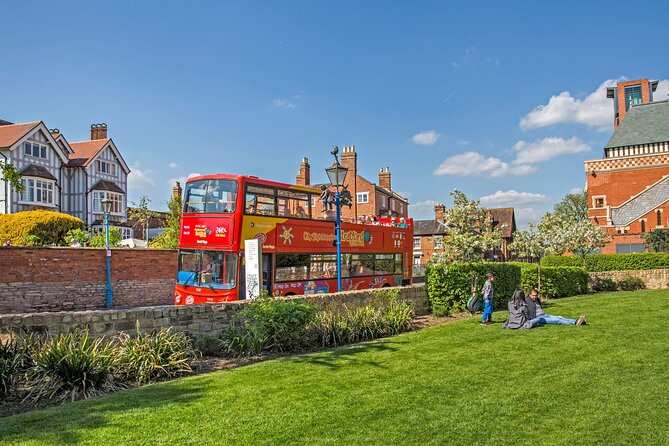
- Plan weather strategy. The bus is open-air, and there’s no fully roofed seating area upstairs on this kind of setup. In heavy rain, you’ll likely want to stay warm and accept that your “top deck for photos” plans may shift.
If you want the most relaxing day, don’t overbook yourself. This is a tour designed for flexible pacing, not a sprint.
Who should book this bus tour?
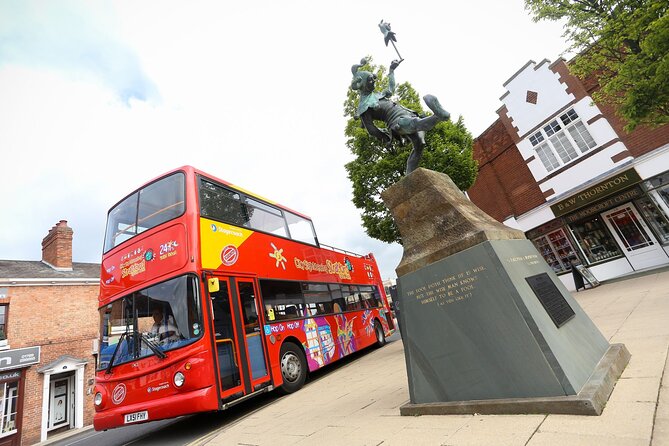
I think this tour is an easy match if you:
- want a no-driving way to connect major Shakespeare sites
- like structure without rigid scheduling
- are short on time and need to see what matters
- prefer a first pass for orientation, then optional deep dives
It’s also a great choice for people who don’t want to do heavy walking all day. One review highlighted how using the bus helped older visitors see more than they could comfortably manage on foot.
If you’re a strict “I only want museum-grade guided history” person and you hate any chance of audio quirks, you might prefer a smaller guided walking tour where your access to interpretation is more consistent.
Should you book this Stratford hop-on hop-off bus?
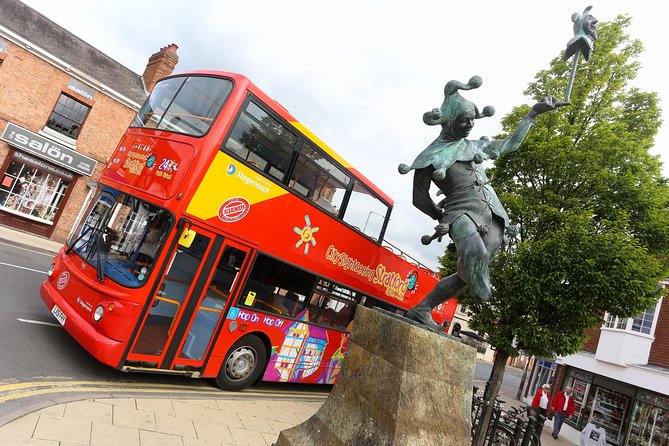
If you’re choosing between doing random walks and buying structured sightseeing, I’d lean toward booking this bus. It’s good value because it turns Stratford into a guided route you can steer with your own time. You get the big Shakespeare stops, a countryside drive, and the freedom of a 24- or 48-hour pass.
Just be smart about the one known landmine: Mary Arden’s Farm is closed, so don’t treat that farm visit as guaranteed. And if audio quality is a dealbreaker for you, do a fast headphone check as soon as you board.
Bottom line: book it if you want an efficient, flexible way to see Shakespeare’s Stratford and you’re okay with the occasional real-world operational hiccup that can happen anywhere.