One harbour cruise, then albatross country. This half-day combo in Dunedin pairs a warm wildlife boat ride with land time at Taiaroa Head. I especially love the chance for dramatic, unobstructed coastal viewing and the way the crew’s on-the-ground commentary makes the animals feel close and real. The main thing to consider: the tour is weather-dependent, and the return harbour cruise can feel calmer (great for some, less exciting for others).
You start in the late afternoon, and they keep you comfortable. Warm jackets and a hot drink help if the wind off the water shows up. You also get binoculars, onboard WiFi, and a restroom, so you’re not stuck guessing or freezing while you wait for the wildlife to surface.
It’s a private tour for your group, so you’re not squeezed into a crowd. And if you enjoy scenery with a purpose—wildlife sightings paired with place-based storytelling—this is a strong pick for a 3.5-hour window.
In This Review
- Key things I’d plan for on this Dunedin wildlife tour
- Dunedin to Sea: why this tour feels like real wildlife time
- Monarch Wildlife Cruises & Tours: your first 1.5 hours on Otago Harbour
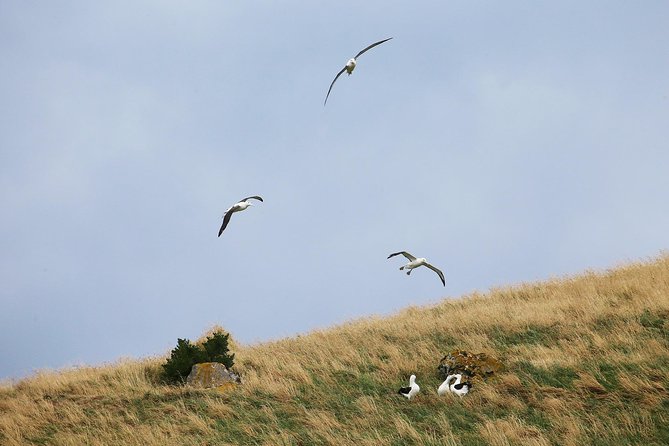
- Taiaroa Head: lighthouse views and Royal Albatross at the world’s only mainland colony
- Otago Peninsula by bus (seasonal): commentary that makes the drive worth it
- Wildlife sightings: what you might see and how to spot it better
- The ride back to Dunedin: relaxing views, and why some people want more
- Price and value: what $74.47 buys you (and what you still need)
- Who this tour suits best
- Quick practical tips before you go
- Should you book Dunedin City to Sea Wildlife Cruise + Peninsula Bus Tour?
- FAQ
- How long is the Dunedin City to Sea Wildlife Cruise + Peninsula Bus Tour?
- What time does the tour start?
- Is pickup available from central Dunedin?
- What’s included for comfort onboard?
- Are binoculars provided?
- Is lunch included in the price?
- What wildlife is the cruise designed to look for?
- What do you do at Taiaroa Head?
- Does the Otago Peninsula part always include a bus tour?
- Is this tour private?
- Is the tour dependent on weather?
Key things I’d plan for on this Dunedin wildlife tour
- Warm gear + hot drink on the boat: they help you stay comfortable even when the water air turns chilly.
- Binoculars included: you’re meant to scan for birds and seals, not just stare and hope.
- Taiaroa Head for Royal Albatross: you visit a key spot for the world’s only mainland nesting colony of Royal Albatross.
- Peninsula drive with guide commentary: from Oct–Apr, the Otago Peninsula portion is on a bus with full narration.
- Onboard WiFi and restroom: small comforts that make the trip easier when you’re waiting for sightings.
- A bar for snacks and drinks: no lunch is provided, but you can buy items onboard.
Dunedin to Sea: why this tour feels like real wildlife time
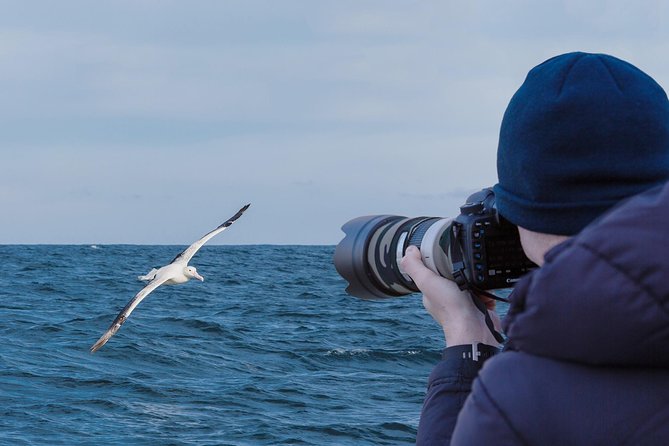
This is one of those tours where the whole structure makes sense. You don’t just park at a lookout and watch from one spot. You move: a harbour cruise first, then out to sea-focused wildlife time, then land viewing at Taiaroa Head, and (seasonally) a guided bus circuit along the Otago Peninsula.
Two things make that combo work for me. First, wildlife spotting is easier when you’re in the right place at the right time of day. Late afternoon light can be kind, and the coast looks extra dramatic as the light softens. Second, the tour isn’t only about the animals—it’s about why this coastline matters. When you learn what you’re seeing (lighthouse history, Royal Albatross nesting, seal behavior), the sightings stick with you longer than a quick photo moment.
Now the practical consideration: you’re on a boat. If the weather is rough, this kind of cruise can be rescheduled or canceled because it requires good conditions. Also, if you’re chasing a nonstop thrill ride, the calmer stretches—especially the harbour cruise back toward Dunedin—might feel less thrilling. Personally, I find it relaxing, but I’ll be honest: it’s not action all the way through.
Monarch Wildlife Cruises & Tours: your first 1.5 hours on Otago Harbour
The tour starts at Monarch Wildlife Cruises & Tours, where you’ll get an hour-and-a-half boat portion focused on the harbour and then the wildlife cruise connection. This is your warm-up phase—literally. They provide warm jackets and a hot drink during the harbour cruise portion, which is a big deal in Dunedin when the sea breeze starts doing its thing.
This part also matters for viewing. Harbour time is when you get your bearings. You can spot where the action might be later when you move further along the coastline. And because the boat includes an onboard restroom plus onboard WiFi, you’re not stuck suffering through comfort gaps while you wait for wildlife to show.
What I’d do in this segment: treat it like your scouting period. Use the complimentary binoculars early, not only when you see something surprising. The more you practice scanning from a moving boat, the easier it gets when birds and seals start popping up.
Taiaroa Head: lighthouse views and Royal Albatross at the world’s only mainland colony
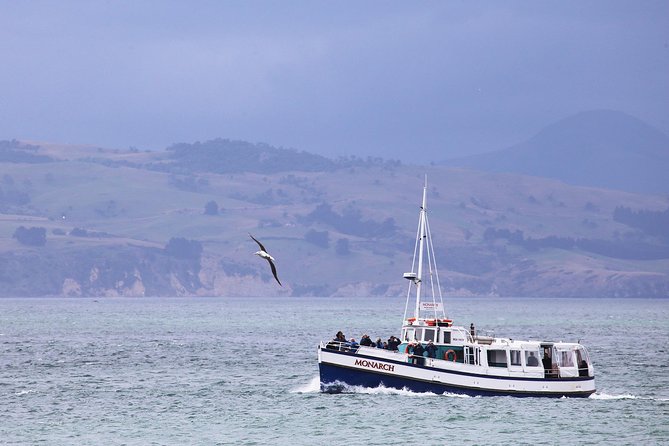
The stop at Taiaroa Head is the tour’s iconic wildlife-and-history moment. You get about one hour here, and it’s framed around two headline sights: a historic lighthouse and the world’s only mainland nesting colony of Royal Albatross.
This is one of those locations where you can stand still and feel like the planet is doing something rare. The Royal Albatross is famous for its size and long wingspan, and Taiaroa is the place where the story becomes literal: you’re visiting a key nesting site, not a generic viewing spot.
A practical note: you may also see other Southern Ocean wildlife during the wider cruise experience, and some people have luck with additional birds and marine life. The tour design puts you in the region where sightings can happen, and you’re given binoculars, so you’re set up to actually look.
If you’re the kind of person who likes a “place moment”—one stop that feels like the whole point of the day—this is it. Use your hour well: take time to enjoy the lighthouse view, then spend the rest of your time scanning for bird activity.
Otago Peninsula by bus (seasonal): commentary that makes the drive worth it
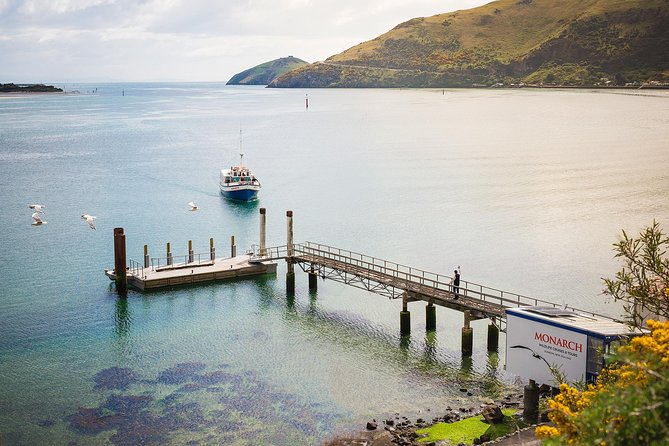
The Otago Peninsula portion runs as a bus tour between Oct–Apr. When it’s included, you’ll spend about one hour in a guided vehicle with full commentary along the way.
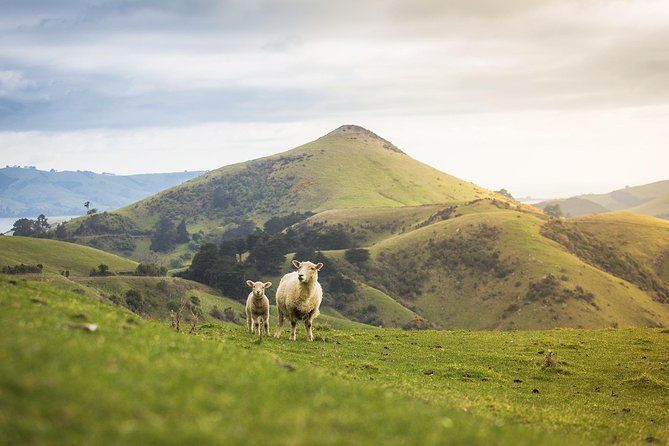
This matters because the Peninsula isn’t just pretty roads. It’s coastline shaped by weather, settlement, and wildlife patterns. A good driver-guide turns a drive into a moving lesson. In the operation, the bus commentary has been praised for being both clear and helpful, and that kind of narration changes what you notice as you travel.
Also, the bus is air-conditioned, which I appreciate because the afternoon can swing from cool to pleasantly mild. Even if you’re dressed for wind, the interior comfort helps you stay focused instead of shivering through the narration.
What to expect: you’ll get scenic viewpoints plus the guide’s running explanations. What you might not get here is a “hands-on” activity. This is mainly a viewing-and-story portion—good for photos, great for understanding the coast.
Wildlife sightings: what you might see and how to spot it better
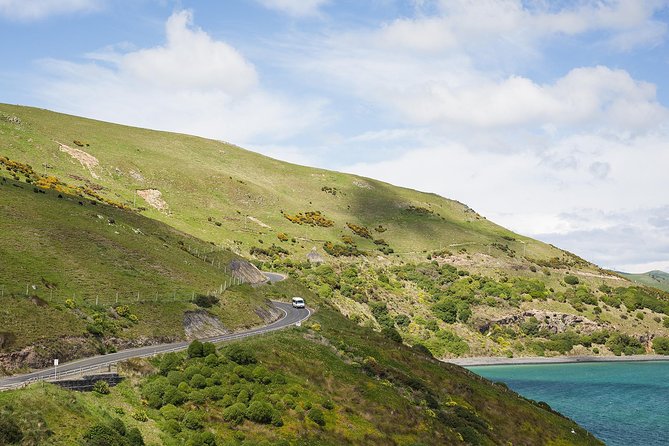
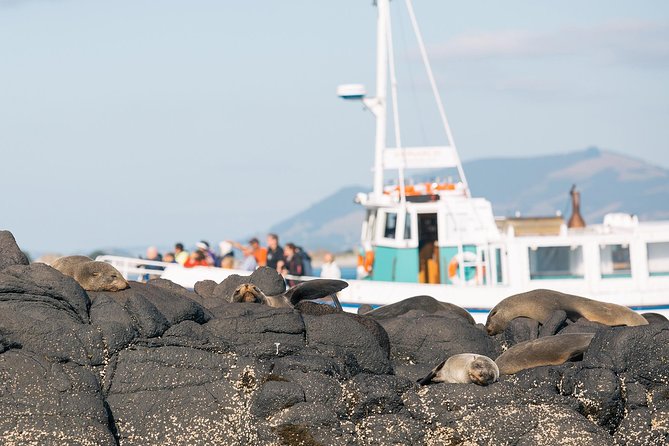
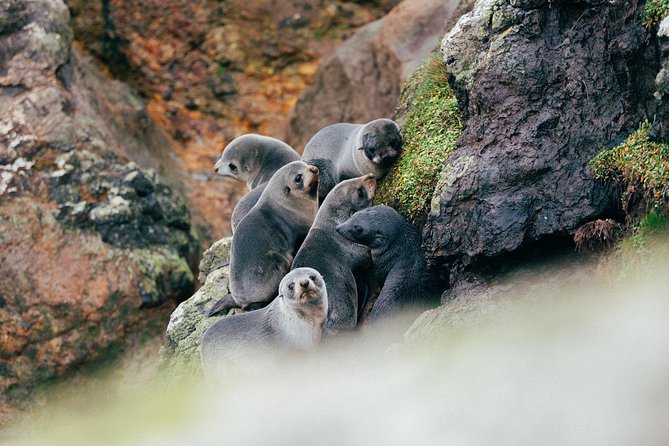
This tour is built around Southern Ocean wildlife. During the cruise and viewing time, the targets include fur seals and southern royal albatross. Based on reported experiences from this operator, people have also had sightings of dolphins, cormorants, blue penguins, and other sea birds in the broader viewing pattern.
Let’s make that practical. On a boat, sightings can be quick. Here’s how you improve your odds:
- Start scanning at eye level first, not only where birds are easiest to spot.
- Use the binoculars in short bursts. Don’t lock your eyes on one spot for too long.
- Watch for movement patterns: seabirds often react to activity in the water.
- If you see one animal of a type, give it a few minutes. Often there’s more than one.
And a small comfort tip: since you’re given jackets, wear layers you can move in. If you get too warm indoors on the boat or bus, you’ll be grateful you can adjust without turning the trip into a wardrobe juggling act.
The ride back to Dunedin: relaxing views, and why some people want more
There’s a return cruise back toward Dunedin that’s described as pleasant and relaxing. That’s not a throwaway detail. Harbour and coastline cruises can be more about atmosphere than constant action—sea light, drifting birds, seals popping in and out, and the coast sliding by like a moving postcard.
Here’s the balance: one person found the return portion a bit boring, even though the crew offered beverages and savory items. That tells you the pacing is calmer. If you want the highest intensity wildlife time to be the main event, you may feel more satisfied if you mentally treat the first wildlife-focused portion as the peak.
My advice: go into the return cruise ready for a wind-down. If you want excitement the whole time, focus your attention on the earlier boat segments and the Taiaroa stop, where the goal is clearer.
Price and value: what $74.47 buys you (and what you still need)
At about $74.47 per person, this is good value for what you actually get: boat time, a Taiaroa Head stop, seasonal Peninsula touring, and a stack of included comfort items. You’re also not paying extra for binoculars, warm jackets, an onboard restroom, or WiFi. That’s real cost coverage, not marketing fluff.
What you should plan around:
- Lunch isn’t included. You can bring a packed lunch.
- There’s a fully licensed bar where snacks and drinks can be purchased.
- You’ll have the hot drink during the harbour cruise portion.
So the smartest value move is simple: pack something filling if you’ll feel hungry by late afternoon, and treat the bar as optional. That way you’re not forced into buying food onboard at a potentially higher price point, and you can keep your energy up for scanning the coast.
Who this tour suits best
This is a strong fit for:
- People doing a first-time Dunedin stop who want a wildlife-heavy plan without driving.
- Families and mixed-age groups who like an educational outing with meaningful wildlife time.
- Anyone who wants both land viewing and sea viewing in a single afternoon.
It’s less ideal if:
- You can’t handle a boat setting where wildlife isn’t guaranteed.
- You prefer a nonstop, adrenaline-style schedule.
- You’re not comfortable with stepping up into the boat and vehicles (the tour requires visitors to be able to do that).
Quick practical tips before you go
- Dress for wind. Even with jackets provided, layers help.
- Bring your phone and a strap or secure pocket for quick photo checks.
- If you care about food timing, plan a simple snack or packed lunch—no lunch is provided.
- Use the binoculars early. It makes sightings more satisfying when they finally happen.
Should you book Dunedin City to Sea Wildlife Cruise + Peninsula Bus Tour?
I’d book it if you want a half-day that feels like an actual wildlife mission—not just sightseeing. The inclusion of jacket + hot drink + binoculars, plus Taiaroa Head for Royal Albatross nesting, makes it feel efficient for the time you have. And the added Peninsula bus portion (seasonal) is a nice way to connect the dots between coast scenery and wildlife habitat.
I wouldn’t book it if your main goal is a fixed list of animals with zero waiting. You’re in Southern Ocean territory. Nature’s the boss. But if you like the idea of scanning with tools, learning as you go, and enjoying a comfortable boat experience with real viewpoint time, this one earns its strong rating.
FAQ
How long is the Dunedin City to Sea Wildlife Cruise + Peninsula Bus Tour?
It runs for about 3 hours 30 minutes.
What time does the tour start?
The start time is 4:00 pm.
Is pickup available from central Dunedin?
Yes. There is pickup offered at selected locations in central Dunedin.
What’s included for comfort onboard?
You’ll have warm jackets, a hot drink during the harbour cruise portion, an onboard restroom, and WiFi on board.
Are binoculars provided?
Yes. Complimentary binoculars are provided.
Is lunch included in the price?
No. Lunch is not provided, and you can bring a packed lunch. Snacks and drinks can be purchased from the fully licensed bar.
What wildlife is the cruise designed to look for?
The tour is set up for Southern Ocean marine wildlife such as fur seals and southern royal albatross.
What do you do at Taiaroa Head?
You visit Taiaroa Head (about 1 hour) for views including a historic lighthouse and the world’s only mainland nesting colony of Royal Albatross, plus other Southern Ocean wildlife.
Does the Otago Peninsula part always include a bus tour?
No. The bus tour along the Otago Peninsula is featured between Oct and Apr.
Is this tour private?
Yes. It’s a private tour/activity, and only your group participates.
Is the tour dependent on weather?
Yes. The experience requires good weather and may be offered a different date or a full refund if canceled due to poor weather. Also, most travelers can participate, but you must be able to step up and in to both the boat and vehicles.