Franschhoek by tram sounds like a movie set, but it is a real, practical way to see the Cape Winelands without driving. I like that you get a return transfer with free WiFi plus live guided commentary, so the day starts easy. I also love the flexibility of hop-on hop-off stops, which lets you pace your tasting time instead of rushing. One drawback to plan for: you’ll usually pay extra at each estate for wine tastings, meals, and optional cellar tours.
This is a full wine valley day in the rolling vineyards of the Franschhoek Valley, with tram and open-air tram bus links between wine farms. You’ll learn about how wine-making evolved here, then spend time at estates with restaurant stops, picnic spots, art, and tastings depending on what you choose on the day.
The experience is best if you want scenery and variety more than one perfect tasting. If you hate schedules, do watch the timing closely—this tour has clear departure windows, and it’s worth arriving early at pickup points so you don’t get left behind.
In This Review
- Key points I’d use to plan your day
- Why this Wine Tram works better than driving yourself
- Getting from Cape Town to Franschhoek: timing you can actually manage
- The tram-and-bus hopping system: how to choose where you go
- The wine stops: what to expect (and how to make each one count)
- Boschendal: worth extra time, and plan activities if you want them
- Franschhoek cellar stop: treat it as a tasting-and-tour choice
- Grande Provence: amazing setting, manage your time expectations
- How to keep the day from feeling rushed
- Food, tastings, and cellar tours: budgeting without ruining the fun
- What the scenery and commentary add to the wine day
- The one stress point: punctuality and the return ride
- Who this tour suits best (and who should skip it)
- Should you book the Franschhoek Wine Tram hop-on hop-off from Cape Town?
- FAQ
- What is included in the Franschhoek Wine Tram hop-on hop-off ticket from Cape Town?
- How long is the tour?
- How many wine estates will I visit?
- Do wine tastings, meals, and cellar tours cost extra?
- Is there WiFi on the transfer?
- Where do the pickup points start in Cape Town, and when is the final departure from the V&A?
- What should I do if I arrive late or miss the bus?
Key points I’d use to plan your day
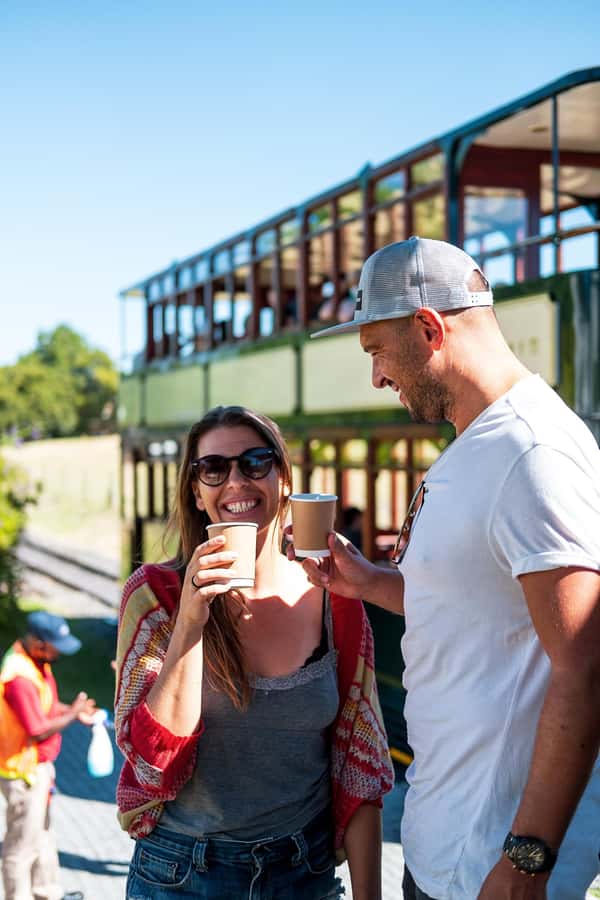
- A transfer that does the heavy lifting: round-trip coach from central Cape Town areas, so you don’t spend the day navigating roads after tasting.
- Hop-on hop-off freedom: you choose which estates to prioritize across the day instead of committing to just one.
- Expect 4–5 estates out of 8: you’re tasting and touring multiple places, but you’re not trying to do everything.
- Extra costs add up fast: tastings and lunches are separate, with tasting fees often in the R60 to R260 range.
- Pace yourself with food planning: lunch is not included, so eat early or pack snacks for the bus if that’s your style.
- Most people love the organization: punctual, friendly staff and smooth routes show up again and again in real-world experiences.
Why this Wine Tram works better than driving yourself
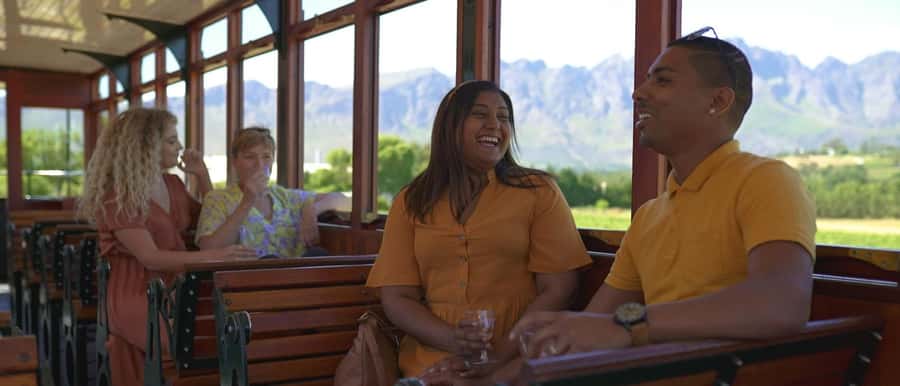
I love tours that remove the most stressful parts of a good day. This one handles transport with a luxury coach back and forth from Cape Town, plus the tram connections inside Franschhoek. That means you can focus on the views and the tasting choices, not parking, traffic, or having to stay sober enough to drive.
The value isn’t just the “included transport” part. It’s the fact that the day is built around moving between multiple estates. When you try to do that solo, you often end up spending time coordinating rides and losing half your day in transit. Here, you get a structured route plus the hop-on hop-off option, which is a nice middle ground between a strict tour and total independence.
Also, the vehicle ride matters. The coach is described as clean and comfortable, with free WiFi—small thing, big help when you want to check a map, confirm your stop, or just recharge your phone before the wine part of the day.
Getting from Cape Town to Franschhoek: timing you can actually manage
This day runs long—510 minutes (a bit over 8 hours). You leave early from Cape Town and you do the wine valley loop at a relaxed pace, but you still need to treat it like a real scheduled outing, not a casual wander.
Pickups are from pre-defined points. You’ll see a red and blue Xplorer branded tour coach at the stop, and you should arrive about 15 minutes early. Pick-up times vary by location, but they’re typically 30 minutes before the final departure window from the V&A. The last departure time from the V&A is listed as 08H45 (and the tour notes that the V&A pickup point is outside the 2 Oceans Aquarium).
If you’re staying near the waterfront, you’ll likely use the V&A stop at 08H45. If you’re elsewhere, the departure times shift—Camps Bay is listed at 08H10, the CBD stop at 08H00, and Sea Point/Green Point have their own specific times (so double-check the email you get the day before, because those times are the difference between easy mornings and frantic ones).
A real-world tip from day-of experiences: if you can, build in buffer time at your pickup point. Even when everything is set up well, it can still feel busy and fast at the start.
The tram-and-bus hopping system: how to choose where you go
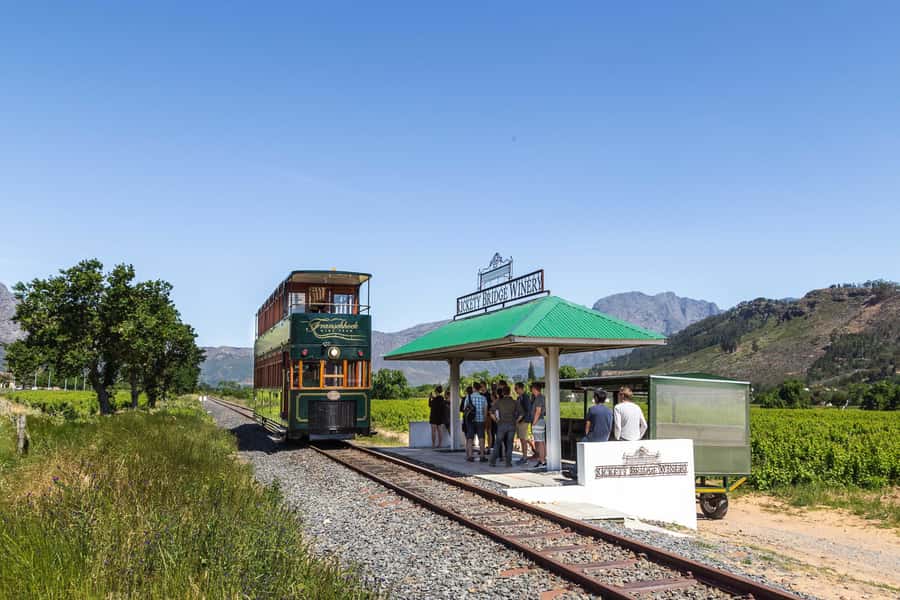
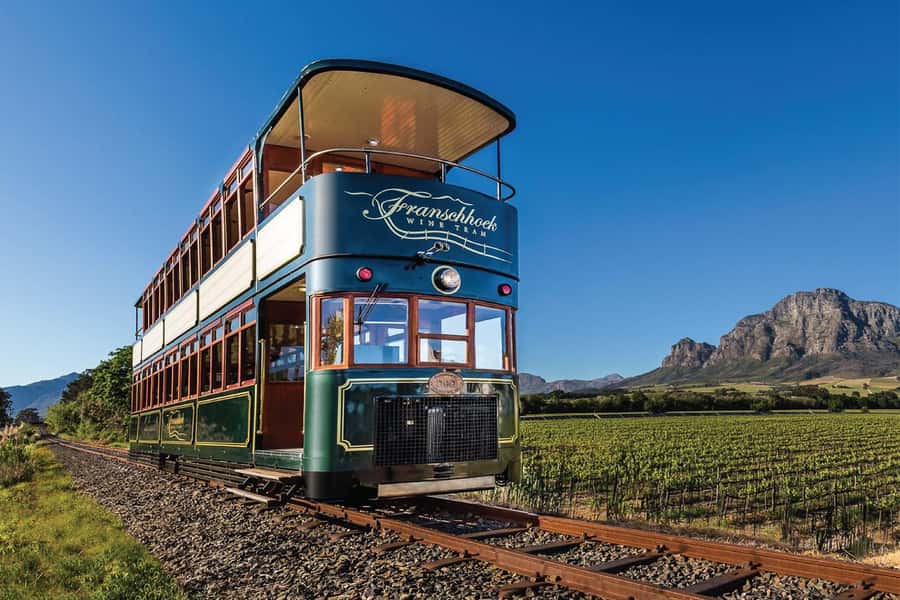
The core idea is simple: you buy a 1-day hop-on hop-off ticket, then you ride the Franschhoek Wine Tram and tram buses between wine estates. Each stop is flexible, so you can spend more time where you’re enjoying it and move along when you’re ready.
You’re expected to visit 4–5 of the 8 wine estates, and the exact routes can vary by day of operation. That matters because it means you should not build your day around a single must-do estate being guaranteed in the exact order. Instead, pick your top priorities and plan for “good chances” rather than certainty.
What you’ll do at each estate is generally similar in format:
- You’ll have access to wineries for wine tastings (paid separately).
- Many stops offer optional cellar tours (also paid extra).
- Food and snacks are usually purchased on-site, so you’ll be deciding between lunch options, picnic-style setups, or snacks.
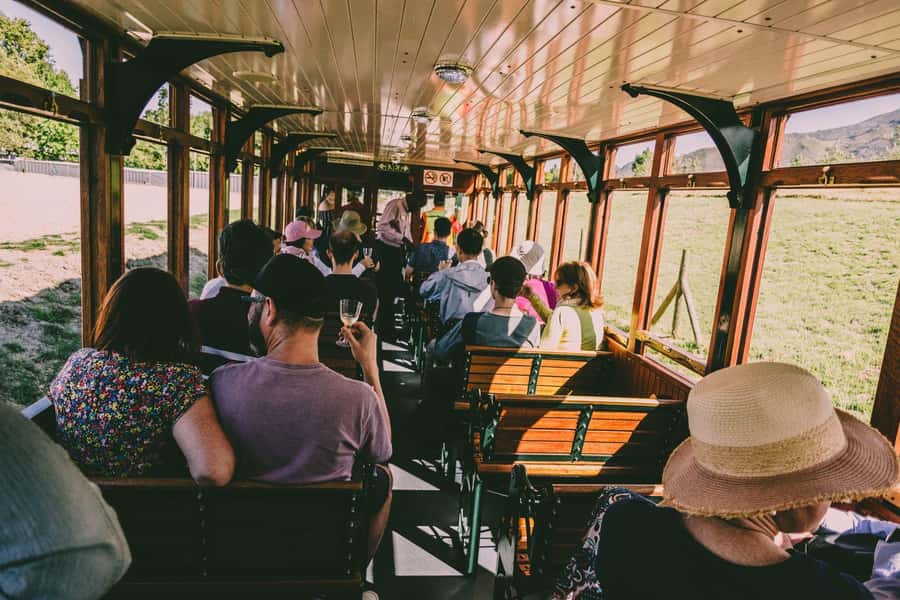
You’ll also get live guided commentary while you’re on the tram or open-air tram buses. That’s one of the best parts for newcomers: you get the story while you’re moving between places, so you’re not just collecting glasses—you understand what you’re looking at.
One practical caution: keep track of your ticket. If you misplace it, replacement may not be easy. It’s rare, but when it happens, staff assistance depends on what they can verify on the day.
The wine stops: what to expect (and how to make each one count)
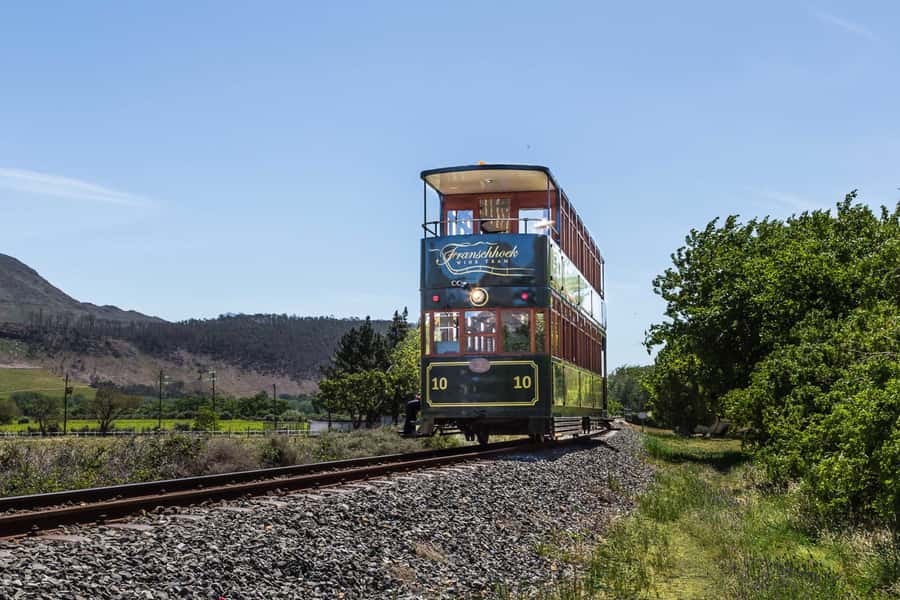
Because the route varies, I can’t promise you’ll hit specific wineries in any fixed order. But I can show you what to expect when you arrive at an estate and how to get better results with less guesswork.
Boschendal: worth extra time, and plan activities if you want them
One of the estates that comes up with specific praise is Boschendal. The biggest value here is that it feels like more than just a tasting room stop—you can spend longer there and choose an experience style that matches your group.
If you like active days, there’s an extra suggestion that matters: consider booking horse riding or a picnic at Boschendal before you go. Even if you don’t take the activity, planning around it helps you avoid the classic day-tripper problem—showing up when times are booked out.
Franschhoek cellar stop: treat it as a tasting-and-tour choice
Another named stop is a Franschhoek cellar area. The overall experience is still positive, but service quality can vary with volume. The practical takeaway for you: if you care about guided attention, go a bit earlier at the estate and ask what’s available right then. It’s also smart to avoid assuming you’ll get the same pace of attention at every stop.
Grande Provence: amazing setting, manage your time expectations
Grande Provence is also specifically mentioned, and the common theme is crowd control. Service can move slower when there are many visitors at once. That’s not unusual in a hop-on hop-off setup, but it’s worth planning for—especially if you want to do tastings plus a longer sit-down meal.
My advice: decide in advance whether your priority at each estate is:
- tasting variety,
- a cellar-style tour,
- or staying for food.
If you want food, don’t schedule your “big tasting” for the same estate with limited time.
How to keep the day from feeling rushed
Your ticket gives freedom, but freedom can still turn into stress if you try to do everything. The sweet spot is doing tastings at each estate, then choosing one “longer stop” where you linger and eat. That keeps you from feeling like you’re constantly running between buses.
Also, the tour is built for both wine lovers and newcomers. If you’re new to wine, treat the day like a learning sampler. Ask which wine style they’re proudest of and focus on a few grapes or styles that you genuinely like.
Food, tastings, and cellar tours: budgeting without ruining the fun
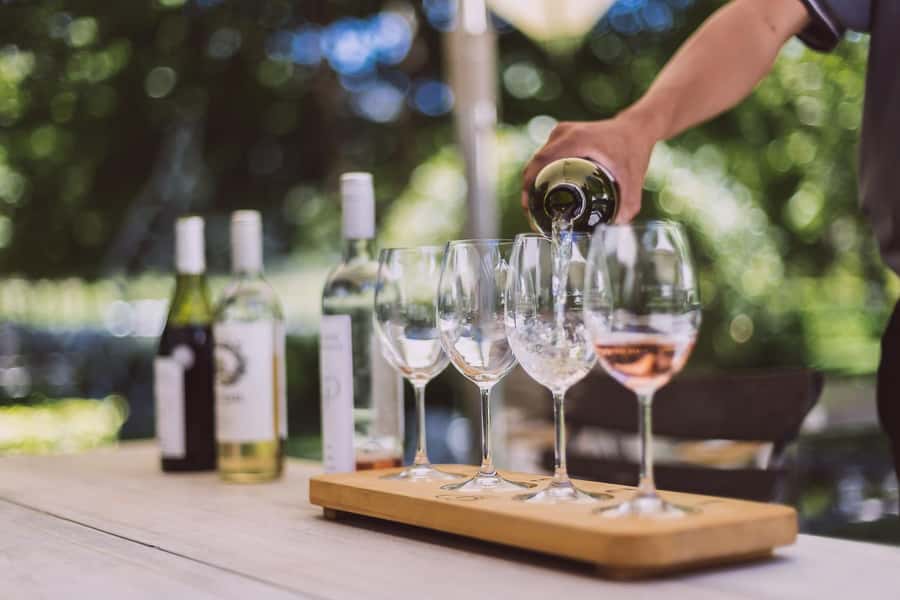
Here’s the budget reality. The tour price covers the transfer and the hop-on hop-off tram ticket, but it does not include tastings or food. Estates charge separately, and the typical tasting fees listed range from R60 to R260 per person. Cellar tours are optional and cost extra.
So you’ll want to plan your spending like this:
- Expect to pay for tastings at multiple estates.
- Expect to pay for lunch or snacks at least once (meals are not included).
- Expect extra costs if you add cellar tours.
The best part is that you control how much you add. If you’re on a tighter budget, you can do fewer paid experiences per stop and still get the scenery and the guided story from the tram ride.
A helpful small strategy: pack snacks for the bus if that fits your style. Some day experiences include people arriving hungry and finding that having your own breakfast snacking helps. Just don’t rely on that for lunch—you’ll still want to plan for real food at the estates.
Finally, remember tips are at your discretion. If you get good service on the tram or inside the estates, tipping is part of the local norm.
What the scenery and commentary add to the wine day
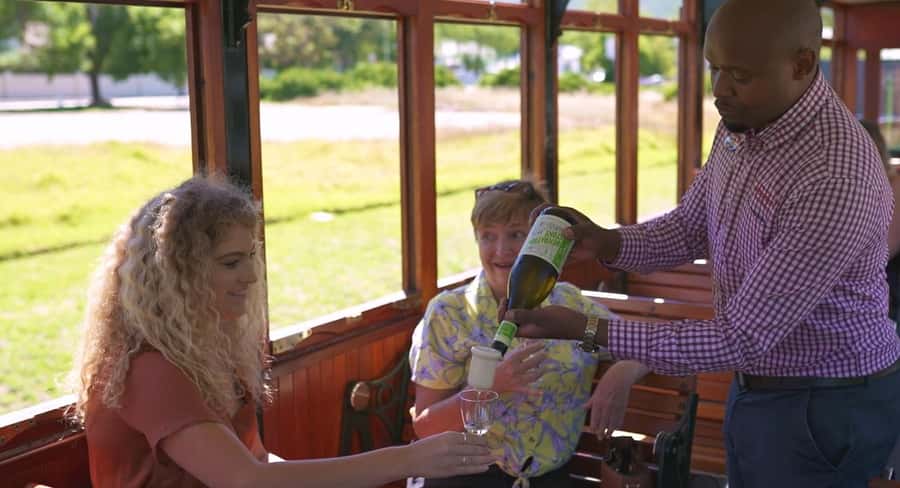
Wine tourism can get one-note if you only think about the glass. What makes this experience more enjoyable is the “in between” part—the movement through vineyard roads, valley views, and the guided commentary that frames the history of wine-making in the region.
You’re not just sitting in a room waiting for pours. You’re building a sense of place. That matters if you want your day to feel like an experience, not a shopping spree for bottles.
Also, the hop-on hop-off setup means you can stop and reset your brain whenever you want. If one estate is packed or you’re not enjoying the vibe, you can move on rather than being stuck for the whole duration.
The one stress point: punctuality and the return ride
This is where you should pay attention. In multiple day-of experiences, the organization is praised for being on time, but one type of issue can happen: people arrive with less buffer than they think, then the coach departs and they miss the moment.
If your bus pickup is your only ride back to Cape Town, treat the schedule like it’s real, because it is. Aim to be at your pickup point early. If you’re unsure of times, check the email you’re sent the day before. One practical note: if anything feels off, the tour team at the ticketing office may help you contact the bus—but don’t plan on needing that.
On the return, the day can feel like it moves toward a “wrap-up clock,” so plan your last estate stop with enough time in mind to get back. The tour notes that the final departure from the V&A is 08H45, but your return time on the day is not spelled out as a single fixed clock for everyone. In other words: don’t plan a late dinner reservation until you know when you’ll land back in Cape Town.
Who this tour suits best (and who should skip it)
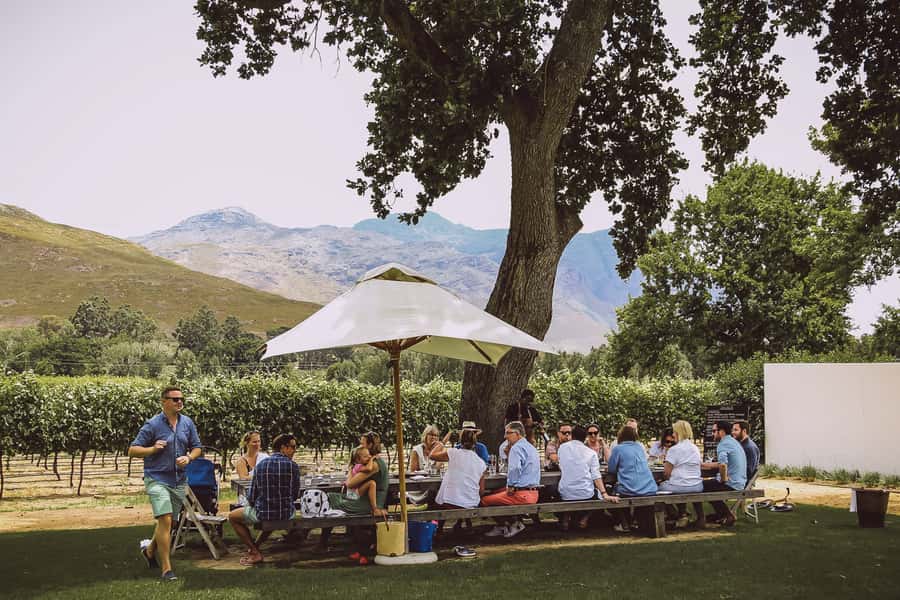
This is a strong fit if you:
- want multiple estates without driving,
- like guided context but still want freedom,
- are traveling with a group and want everyone to pick their own pace,
- or you’re new to wine and want an easy sampler day in a beautiful valley.
It’s also good for couples who want a relaxed “day out” with photos and scenic stretches between tastings.
You might skip it if you:
- need super flexible departure times with no fixed windows,
- hate structured days,
- or you’re aiming for one deep, multi-hour cellar experience and nothing else. In that case, a private tasting day could match your style better.
Should you book the Franschhoek Wine Tram hop-on hop-off from Cape Town?
If your goal is a well-organized wine valley day with scenic rides, live commentary, and the chance to visit several estates without worrying about driving, I think it’s an easy yes. The included transfer with free WiFi removes a lot of friction, and the hop-on hop-off flexibility makes it feel more like your day than a forced schedule.
Just be realistic about costs. The tram ticket is only the start. Tastings, lunch, and optional cellar tours add up fast if you go full-send at every stop. If you budget ahead and pick one or two “longer” estates, you’ll get the best mix of fun, learning, and good scenery.
Book it if you want a classic Cape Winelands sampler day. Skip it if you want a slow, deeply focused wine retreat with zero timing pressure.
FAQ
What is included in the Franschhoek Wine Tram hop-on hop-off ticket from Cape Town?
It includes the round-trip transfer from Cape Town, a 1-day hop-on hop-off tram ticket, live guided commentary on the tram/open-air tram buses, and access to flexible stops to explore at your own pace.
How long is the tour?
The duration is listed as 510 minutes.
How many wine estates will I visit?
You can expect to visit 4–5 of the 8 wine estates, and the tram routes vary depending on the day of operation.
Do wine tastings, meals, and cellar tours cost extra?
Yes. Wine tasting fees are charged by the estates (typically R60 to R260 per person). Lunch and other food items are not included, and cellar tours are optional and cost extra.
Is there WiFi on the transfer?
Yes. The round-trip luxury coach includes free WiFi.
Where do the pickup points start in Cape Town, and when is the final departure from the V&A?
Pickups are from several pre-defined points across Cape Town, including the V&A Waterfront. The final departure time from the last pick-up point at the V&A is 08H45, and pickup at the V&A is outside the 2 Oceans Aquarium.
What should I do if I arrive late or miss the bus?
The tour notes that pick-ups start up to 30 minutes before the 08H45 final departure from the V&A. If you miss the departure, staff support may be available via the ticketing office, but the safest move is to arrive early and closely follow the re-confirmation email sent the day before.