A solemn morning, a postcard shrine by afternoon. This Hiroshima and Miyajima day tour strings together the Peace Memorial Park story and UNESCO Itsukushima Shrine scenery with a live English guide.
You’ll also get a practical bus-and-ferry flow that makes the day feel manageable, especially during hot weather. I liked the clear narration through provided earphones and the lunch stop that keeps you fueled with real Hiroshima flavor.
One thing to plan for: the schedule is tight. If you want to linger for long readings in the museum or walk Miyajima at a slower pace, the allotted times can feel short.
In This Review
- Key things that make this tour click
- Start at Hiroshima Station: meeting point, pace, and how the day runs
- Hiroshima Peace Memorial Park and the A-Bomb Dome: what to notice (and why it matters)
- Hiroshima Peace Memorial Museum: 1 hour is short, so you need a game plan
- Hiroshima okonomiyaki lunch: the meal break that keeps the day moving
- Ferry to Miyajima and Itsukushima Shrine: the water-gate moment you came for
- Miyajima free time: make your 60 minutes count
- Practical details: earphones, walking, and staying on schedule
- Price and value at about $116: what you’re really paying for
- Should you book the Hiroshima & Miyajima 1 Day Tour with Lunch?
- FAQ
- Where is the meeting point for the tour?
- What time does the tour depart?
- How long is the tour?
- Is lunch included, and what do I eat?
- Can I choose a no-pork or restricted diet okonomiyaki?
- How much time do I get on Miyajima Island?
- Are ferry tickets included?
- Do I pay separately for the shrine and museum?
- What happens if the Peace Memorial Museum is closed?
- Does the tour provide earphones?
Key things that make this tour click
- Bus + ferry timing: you avoid the hassle of coordinating transit between Hiroshima and Miyajima.
- Earphone guide audio: the commentary is heard clearly even when you’re walking around the park and shrine.
- A-bomb focus in Hiroshima Peace Memorial Park: you see the A-Bomb Dome and get context before you head to the museum.
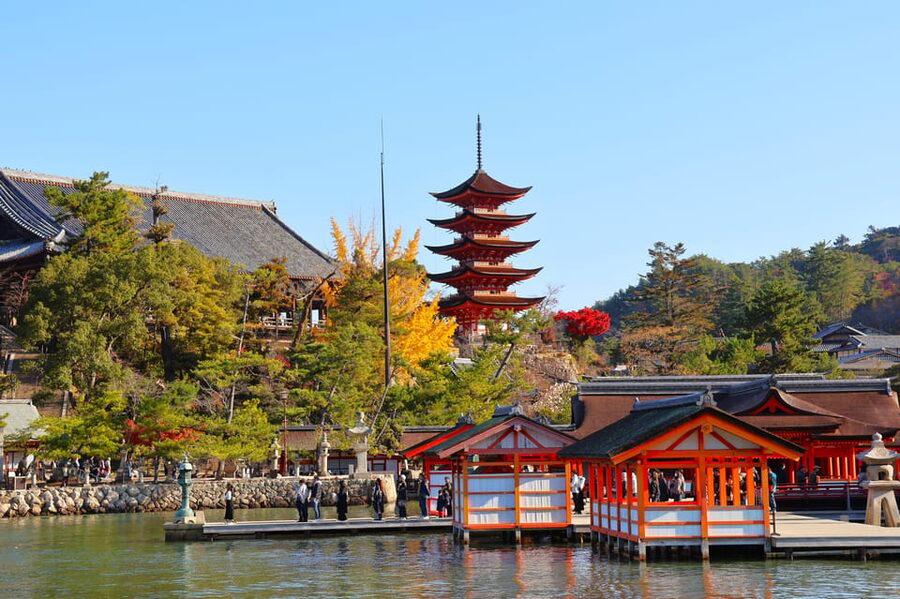
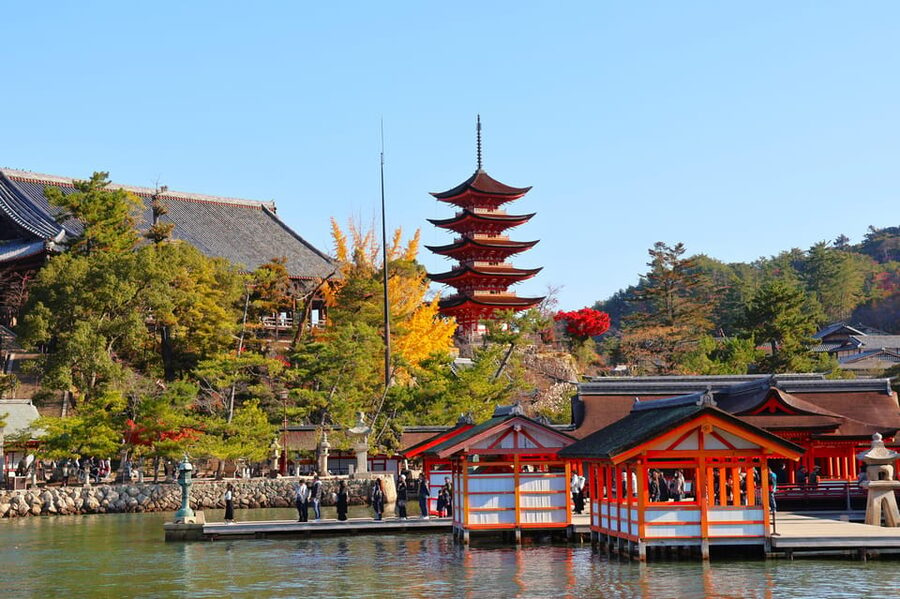
- Itsukushima Shrine with the water-gate effect: you’ll aim for the famous view of the gate that looks surrounded by water.
- Hiroshima-style okonomiyaki lunch: you get a sit-down meal with clear dietary options if you pre-select.
Start at Hiroshima Station: meeting point, pace, and how the day runs
The day begins at Hiroshima Station Shinkansen gate 2nd Floor (NORTH GATE). You meet at 9:45 AM and the bus departs at 10:00 AM, and the big practical rule is simple: the bus leaves on time and won’t wait for late arrivals. If you’re transferring from another train, give yourself margin to find the correct meeting area and get through station crowds.
Once you’re on board, the tour feels built for day-trip reality. You get an air-conditioned bus, and you’ll use earphones to hear the English live guide throughout the day. The equipment matters: it’s easy to miss details if you’re standing farther back, and the headset setup helps keep everyone connected to the story.
Also keep in mind this isn’t a private tour. You’re joining other people, so the group movement is organized and guided, but you’re not going at your own exact pace. The upside is you cover a lot in one day without having to plan routes or tickets.
Finally, luggage is handled. You can store your bags in the bus luggage compartment during the tour, which helps you travel light while you’re walking.
Hiroshima Peace Memorial Park and the A-Bomb Dome: what to notice (and why it matters)
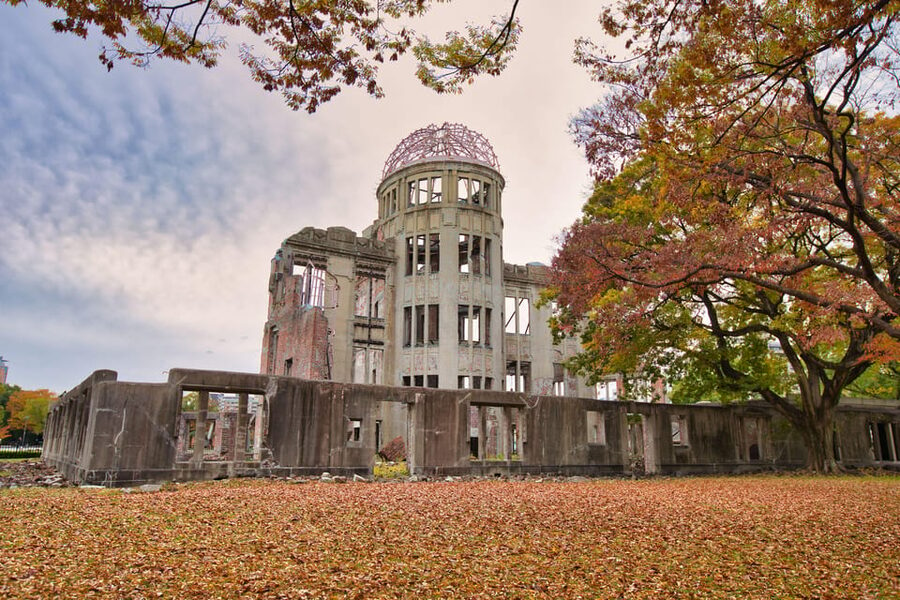
The morning is anchored in the places that carry the weight of August 6, 1945. The bus ride includes a scenic pass by Hiroshima Castle, but the real focus starts at the Atomic Bomb Dome area and the Peace Memorial Park.
You’ll spend about 30 minutes at the A-Bomb Dome site, then continue into the Peace Memorial Park atmosphere. I like how the tour doesn’t treat this as just sightseeing. The guide’s real-time storytelling is designed to help you connect what you’re seeing to the human impact, not just the geography.
When you’re standing near the Dome, it helps to slow down your brain for a minute. The building you see now is a ruin preserved as a memorial, which makes it different from ordinary “historic buildings.” It’s not there to decorate a viewpoint. It’s there to remind you that the blast changed lives fast, and the aftermath lasted far longer.
Another detail I appreciated from the guides’ approach: they tend to weave personal and local context into the explanation. In different groups, guides such as Hiro and Joe have been praised for making the information feel clear and personal, not like a script you can’t hold onto. That’s exactly what you want when the subject is solemn and complex.
Hiroshima Peace Memorial Museum: 1 hour is short, so you need a game plan
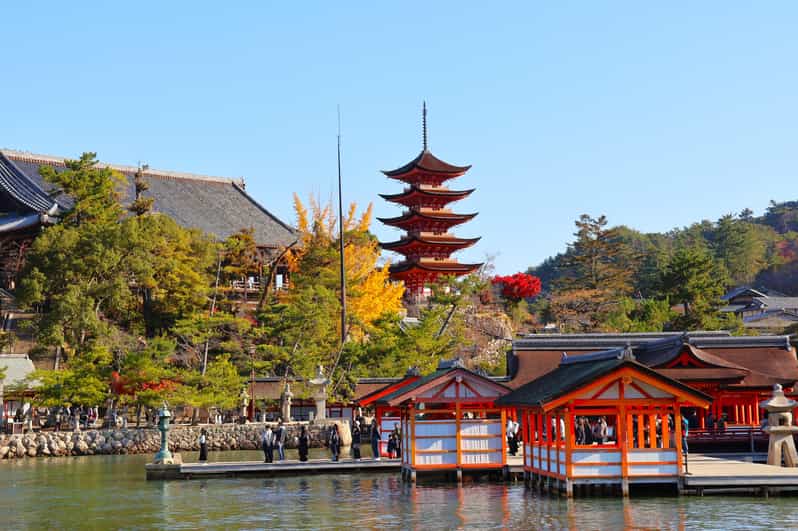
After the Dome area, you head to the Hiroshima Peace Memorial Museum, with about 1 hour allocated. The museum can be busy, including school groups, so this isn’t the kind of visit where you read every label slowly from start to finish. You’ll need to choose what matters most to you.
Here’s the strategy that works: pick a theme for your hour. For example, you might focus on:
- what the museum explains about the bombing and immediate effects
- how the memorials and exhibits connect to peace and rebuilding
- what questions you want answered before you move on
Because the time is limited, your earphone audio becomes more valuable. You’ll get guided context that helps you decide what to look at first and what to save for later. It also helps you keep your attention from drifting when the museum crowds swell.
One more practical point: if the Hiroshima Peace Memorial Museum is closed on your date (certain days in late December and mid-February), the tour swaps to the Hiroshima National Peace Memorial Hall for the Atomic Bomb Victims. That keeps your day aligned with the same core purpose.
If you’re the type who likes deep reading and long reflection, you may still want more time than this tour allows. But as a first (and often only) full day in Hiroshima, this is a strong way to get oriented fast and respectful without turning the day into a multi-hour ordeal.
Hiroshima okonomiyaki lunch: the meal break that keeps the day moving
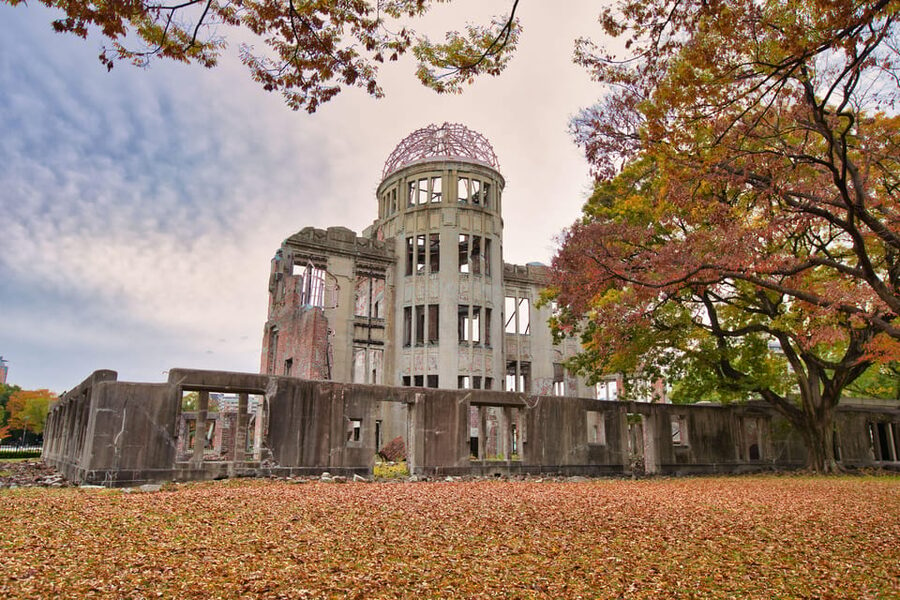
Lunch is where the tour shifts gears into something more light on your senses, without losing the day’s grounding. You’ll have Hiroshima-style okonomiyaki (pork, cabbage, bean sprouts, fish powder, noodles, eggs), and it’s built into the schedule with about 45 minutes.
I like that the tour offers real ordering options ahead of time. You can choose:
- regular okonomiyaki
- no pork with eggs
- no pork, no fish powder, and no eggs
Tell the operator about allergies or dietary restrictions when you book, because the information you give ahead is what the kitchen uses. The tour data also notes menu changes on the day of the tour aren’t possible, so it’s worth being specific before you arrive.
Also, plan for drinks to be extra. Drinks are not included, and you’ll likely want water during the museum and walking time. One practical tweak you can make: bring a plan to buy water before the lunch rush, rather than expecting refills as part of the package.
The good news is the okonomiyaki moment is more than just calories. Watching it get prepared and tasting that Hiroshima style (with noodles and the distinct topping mix) feels like a genuine local food pause, not a random convenience meal.
Ferry to Miyajima and Itsukushima Shrine: the water-gate moment you came for
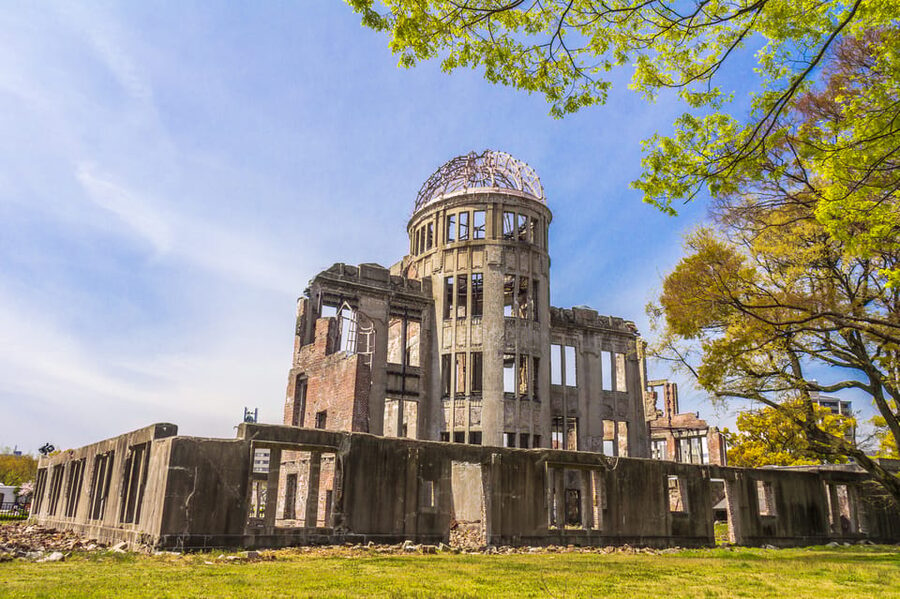
After lunch, the schedule moves to the waterfront. You take the bus toward the ferry, then ride the ferry across Hiroshima Bay to Miyajima Island. The ferry hop is short, but it matters because it resets your mood and breaks the day into two clear halves.
On Miyajima, the highlight is Itsukushima Shinto Shrine. You’ll get about 1 hour for sightseeing there, plus you’ll see the famous red gate that appears surrounded by water. This is the visual reason many people book the trip, and it’s the kind of view you remember later because it looks like the shrine is tied to the tide.
If you’re worried about weather or clouds, don’t panic. The shrine setting still reads well in rain or gray skies, though light will affect how the water and gate look. Your best move is to arrive ready to pause and look—don’t treat it like a quick photo stop.
Guides in past tours have been praised not only for explaining the shrine but also for mixing in broader context about Japan as a whole. In some groups, guides like Takane (also known as Kane) and Tsu have been singled out for how they keep the pace steady while still giving you something to think about.
Miyajima free time: make your 60 minutes count
After the shrine, you get about 1 hour of free time on Miyajima. This is enough to walk around and enjoy the island atmosphere, but it’s not enough to do everything people dream up for Miyajima. Plan your priorities before you drop off from the group.
A simple way to use the time:
- start with an easy route from where you’re dropped
- look for the most direct path toward the areas you want most (shops, viewpoints, or paths near the shrine area)
- take one food or snack stop if you want a second bite beyond okonomiyaki
You’ll also want to keep an eye on return timing. The tour has ferry rides both ways, and the group reconvenes for the bus after the set schedule. If you drift too far, you’ll feel rushed at the end.
More time would be nicer, and several comments point out that 1 hour can feel short, especially if you love wandering or want to check out extra shrines and shops. Still, as long as you go in with realistic expectations, this free time is a fun taste of the island vibe.
Practical details: earphones, walking, and staying on schedule
This tour includes a fair bit of walking. The day is built around museum time, shrine time, and island wandering. If you have trouble walking long stretches, you should be cautious and consider alternatives, since wheelchair access isn’t supported.
For comfort, wear shoes you can stand in for a while. Even if each stop is limited, you’ll add up the time quickly across park paths, museum corridors, and shrine grounds.
You’ll have earphones for the guide commentary. Treat them carefully and return them at the end. If they’re lost or damaged, the tour notes a possible replacement fee of up to 18,000 yen, so it’s not a “borrow and forget” situation.
Finally, think about your onward travel. If you plan to take the Shinkansen right after the tour, it’s recommended to book a schedule after 6:30 PM. That’s a practical safety net when your day is happening on a fixed route with fixed return time.
Price and value at about $116: what you’re really paying for
At $116 per person for an 8-hour day, this tour isn’t “cheap,” but it is structured for value. You’re paying for the hard parts: coordinated bus transport, ferry tickets, and timed entry planning for the key sites.
What’s included:
- air-conditioned bus
- entry to Itsukushima Shrine
- entry to Hiroshima Peace Memorial Museum
- round-trip ferry ticket to Miyajima
- Hiroshima-style okonomiyaki lunch
What’s not included:
- drinks
- any extra snacks you buy during free time
So the value equation is simple. If you were to arrange this yourself, you’d spend real time figuring out transit, buying tickets, and fitting it all together. Here, the day is packaged so you can focus on the experience instead of logistics.
Is it perfect for everyone? No. The main trade-off is time. You get the essentials, not a slow, detailed study of everything in both places. But if you’re on a tight schedule and you want both Hiroshima’s memorial sites and Miyajima’s signature shrine imagery in one shot, the pacing is a reasonable bargain.
Should you book the Hiroshima & Miyajima 1 Day Tour with Lunch?
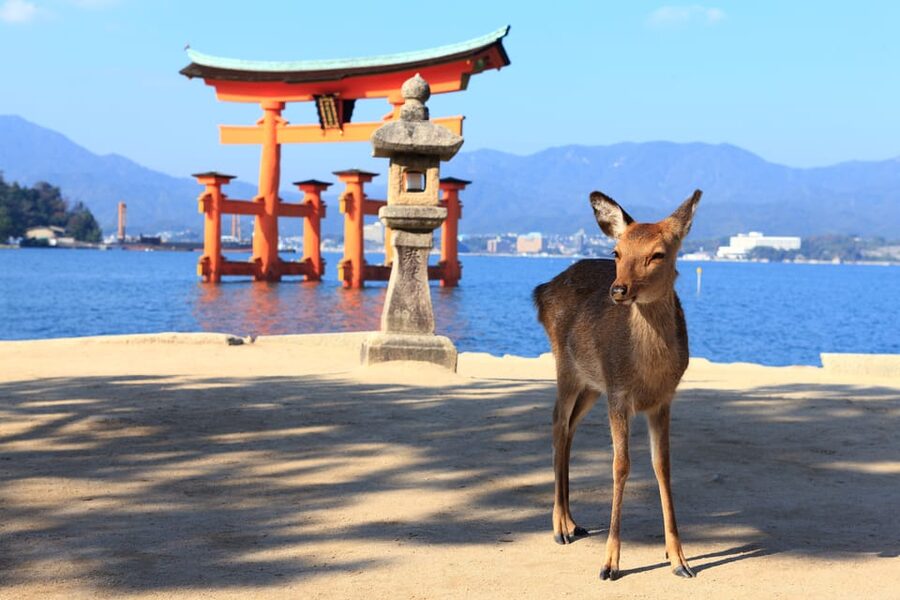
Book it if you want a well-timed one-day “greatest hits” version of Hiroshima and Miyajima: A-Bomb Dome + Peace Memorial Museum, a ferry break, Itsukushima Shrine, and a meal you’ll actually look forward to.
Skip (or look at a longer option) if your priority is slow museum reading and you don’t like feeling rushed. The museum and Miyajima free time are limited, and the day moves on a schedule.
My take: this works best for first-timers. You get the context you need to understand what you’re seeing, and you leave with a clear picture of both the gravity of Hiroshima and the calm, scenic pull of Miyajima.
FAQ
Where is the meeting point for the tour?
You meet at Hiroshima Station Shinkansen gate 2nd Floor (NORTH GATE). The guide holds a signboard with HIS written on it.
What time does the tour depart?
Meeting is at 9:45 AM, and the bus departs at 10:00 AM.
How long is the tour?
The full tour runs for about 8 hours.
Is lunch included, and what do I eat?
Yes. Lunch is included and features Hiroshima-style okonomiyaki. It’s served with options based on pork and egg or fish powder preferences when you select in advance.
Can I choose a no-pork or restricted diet okonomiyaki?
Yes. There are multiple options (regular, no pork with eggs, and no pork/no fish powder/no eggs). You need to inform the operator at booking about allergies and dietary restrictions.
How much time do I get on Miyajima Island?
You get about 1 hour of free time on Miyajima after visiting Itsukushima Shrine.
Are ferry tickets included?
Yes. Your Miyajima ferry return ticket is included, and the day includes ferry rides as part of the route.
Do I pay separately for the shrine and museum?
No. Entry fees for Itsukushima Shrine and the Hiroshima Peace Memorial Museum are included.
What happens if the Peace Memorial Museum is closed?
If the museum is closed, the tour visits the Hiroshima National Peace Memorial Hall for the Atomic Bomb Victims instead.
Does the tour provide earphones?
Yes. Earphone guides are provided for the commentary. You should return them after use, and the tour notes a possible replacement fee up to 18,000 yen if lost or damaged.