Kyoto and Nara in one planned day. You ride in an air-conditioned bus with live commentary (English or Chinese) and hit the big-name sights efficiently: two UNESCO World Heritage temples plus Fushimi Inari’s torii gates and Nara Park deer time. I like how the whole route is built to reduce stress—no train transfers, no map wrestling, just a guided flow between neighborhoods.
My other big win is value for a full 9 to 10 hours: Kinkaku-ji admission is included, and you’re also paying for round-trip bus transportation and time-saving navigation. One thing to weigh: the day is fast and can feel crowded and time-tight, and the Arashiyama portion (especially the bamboo stop) may be shortened or swapped if conditions change.
In This Review
- Key points before you go
- A One-Bus Plan That Saves You From Kyoto Math
- Price and What You’re Actually Paying For
- Getting Picked Up: Meeting Points, Pacing, and the “Be There” Rule
- Nara Park and Todai-ji: Deer Time Plus the Big Wooden Buddha
- Other Nara moments on the program
- Arashiyama Bamboo and the Temples Around It
- Temples and side sights you may see in the Arashiyama block
- A smart way to handle Arashiyama time
- Kinkaku-ji: The Golden Pavilion in a Short, Powerful Stop
- Fushimi Inari: Torii Gates, Crowd Energy, and Good Shoes
- How to make Inari more enjoyable
- Lunch Option: Kobe Beef Shabu-Shabu (If You Choose It)
- Guides and How the Day Feels: When Narration Works, You Win
- Who Should Book This Tour (and Who Might Hate It)
- Should You Book It? My Practical Take
- FAQ
- What’s included in the price?
- Is Todai-ji Temple admission included?
- Where does the tour depart from?
- How long is the tour?
- Do I get live commentary in English?
- Is lunch included?
- How does the tour handle weather or bad conditions?
- What if the schedule changes on the day?
- When should I arrive at the meeting point?
- Is there a luggage limit?
Key points before you go
- UNESCO coverage in a day: Todai-ji and Kinkaku-ji are the headliners.
- Guided commentary: English or Chinese narration while you travel between districts.
- Kinkaku-ji ticket included: one major admission handled for you.
- Fushimi Inari torii time: plan for walking through red gates and photo stops.
- Arashiyama can shift: some days the bamboo stop is reduced or missed due to schedule realities.
- Bigger-bus pace: short stops mean you’ll see the highlights, not every side alley.
A One-Bus Plan That Saves You From Kyoto Math
This tour is for days when you want the famous Kyoto and Nara hits without spending your morning learning subway routes. The structure is simple: a guided bus ride plus timed stops at the places most first-timers want—Nara Park / Todai-ji, Arashiyama, Kinkaku-ji, and Fushimi Inari. It’s a classic “greatest hits” day.
The trade-off is that “one day” means “not everything.” You’ll get a focused look at each area, with limited time to wander far from the main sights. If you love slow travel—staying for hours in one garden, temple complex, or shopping lane—this might feel like a series of quick checkmarks.
That said, it’s a solid fit if your priority is: see the landmarks, get your bearings fast, and still enjoy the atmosphere.
Price and What You’re Actually Paying For
At $64.33 per person for a 9 to 10 hour day, the best way to think about it is not just the discount—it’s what’s bundled. You’re paying for:
- Round-trip bus fare from Kyoto or Namba (Osaka area)
- Air-conditioned transport for a long cross-city day
- A live guide in English or Chinese
- Included Kinkaku-ji admission
What’s not automatically covered:
- Todai-ji entrance is listed as optional (so you may pay an extra fee there)
- A lunch is only included if you choose that option
So the value is strongest if you’d otherwise pay for a bus day trip and want a guide to handle timing, directions, and context. If you already plan to self-tour with trains and don’t care about narrated orientation, it may feel less compelling.
Getting Picked Up: Meeting Points, Pacing, and the “Be There” Rule
This is not the kind of tour where you stroll in late and catch up. The day runs on schedule, and the bus leaves on time. You’re asked to arrive 10 minutes early at your selected meeting point, and the guide is operating with a participant list tied to that location—arrive at the wrong spot and you may miss the tour.
Expect the day to feel like a relay. A lot of stops involve walking from where the bus parks to the attraction. In reviews, people described short walks of about 10 to 20 minutes in some locations, so comfortable shoes matter.
Also plan for a bus-load vibe. The group size can be up to 99 travelers, and some stops can be busy since you’ll be sharing those famous spots with plenty of other tour groups.
Nara Park and Todai-ji: Deer Time Plus the Big Wooden Buddha
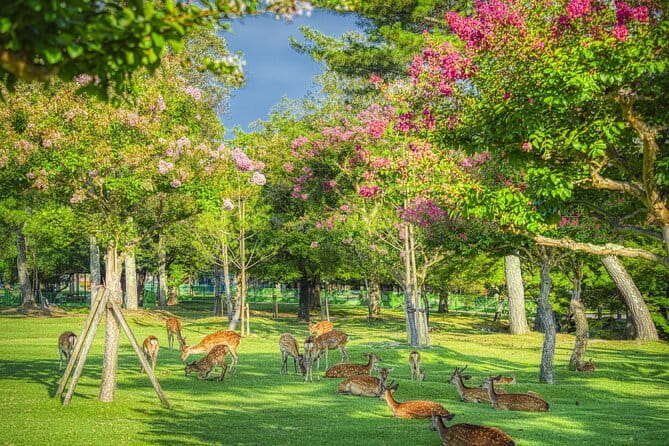
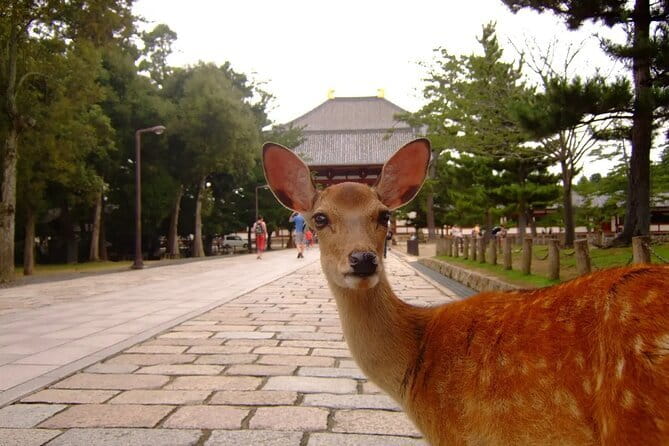
Your Nara portion starts at Nara Park, the historic capital park where deer roam freely. If you want the iconic deer photos, this is the moment you’ll build your memory around. The mood here is more relaxed than a city temple street—more open, more nature, and a chance to breathe before the more crowded Kyoto sites.
From there, the program focuses on Todai-ji Temple, a UNESCO World Heritage site and home to the Great Buddha and what’s described as the world’s largest wooden building. Even if you don’t geek out on architecture, the scale is the point: this is one of those sights that instantly makes you understand why people come to Nara.
A helpful nuance: Todai-ji entrance isn’t listed as included. Nara Park itself is shown as free, but the temple admission may be an add-on depending on what you choose to purchase. If you really want the Great Buddha interior experience, budget for that optional fee.
Other Nara moments on the program
The tour also lists stops connected to the Kasuga shrine area, including:
- Manyo Botanical Garden, also known as Kasuga Taisha Garden
- Tamukeyama Hachiman Shrine, described as a Hachiman shrine established in 749
These may be more “walk-through / photo / quick look” style, since the day is tight. Still, they’re nice if you want something beyond deer and one main temple.
Arashiyama Bamboo and the Temples Around It
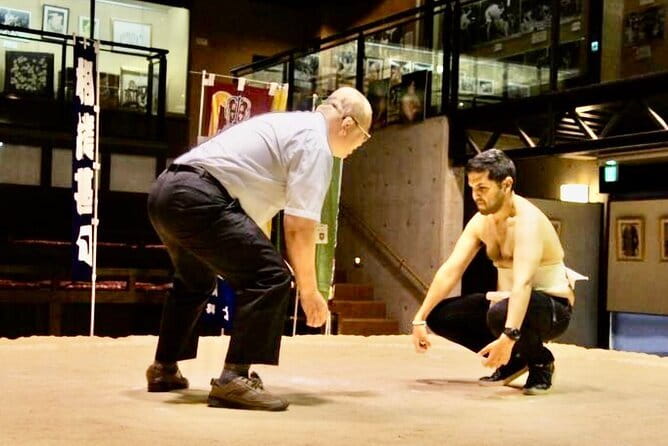
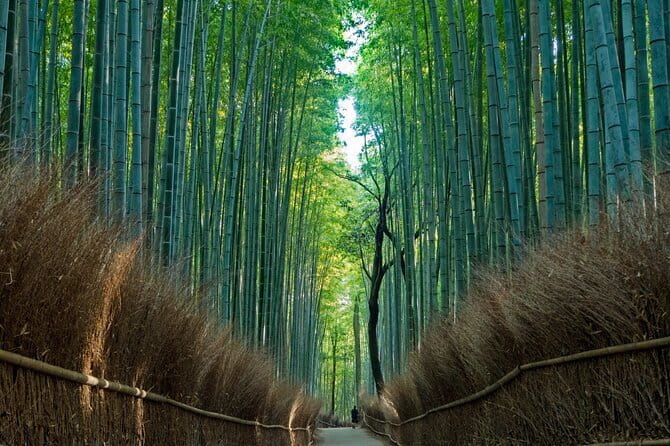
Arashiyama is where the day gets cinematic. The star is the bamboo grove (Sagano Bamboo Forest), described as a natural bamboo forest with pathways that tourists use to walk through the green corridor. This is the stop people remember later—tall stalks, a cool shaded feel, and a sense of leaving the city behind for a bit.
But here’s the consideration: the bamboo stop isn’t guaranteed in every situation. Reviews include cases where the tour changed ahead of time due to real-world schedule constraints and a bamboo visit was skipped. The tour information also says the schedule can change due to weather, road traffic, and other unforeseen factors. Translation: you should have a flexible mindset about Arashiyama.
Temples and side sights you may see in the Arashiyama block
The program lists multiple Arashiyama-area stops (timing varies on the day), including:
- Tenryū-ji, described as the head temple of the Tenryū-ji branch of the Rinzai Zen tradition
- Nonomiya Shrine, near the bamboo area
- Fudo-in, listed as part of the holy Koyasan Buddhist mountain retreat area (off the main road on the route described)
- Iwatayama Monkey Park, on Mount Arashiyama on the opposite side of the river from the station
- Ōkōchi Sansō, the former home and garden of actor Denjirō Ōkōchi
- Yusai-tei, listed as a dye studio / art space with hands-on kimono-dyeing workshop
- Arashiyama Kimono Forest at Randen Arashiyama Station
In a perfect world, you’d linger at all of these. In a one-day bus world, you’ll usually get a short window—enough to notice and photograph, not enough to become a regular.
A smart way to handle Arashiyama time
If Arashiyama is a top priority for you, treat it like your “must capture” section:
- Go ready for quick decisions. If you see the grove area, don’t wait for the perfect moment.
- Have a plan for photos first, then details. The guide’s narration helps, but you may not have time to read every sign.
- If you’re traveling with kids, this is a great place for energy burns: bamboo walk, monkeys, and open-air moments.
Kinkaku-ji: The Golden Pavilion in a Short, Powerful Stop
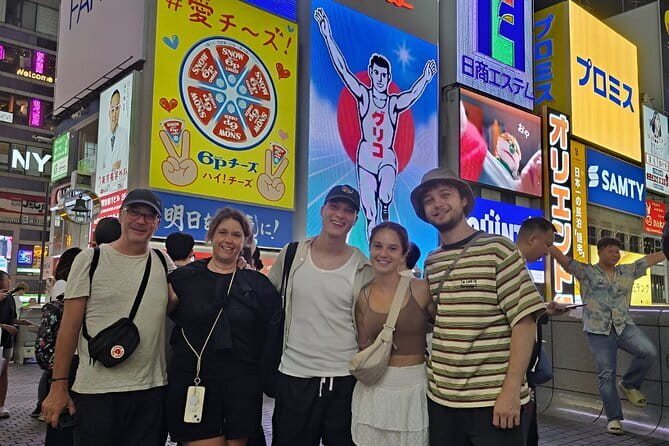
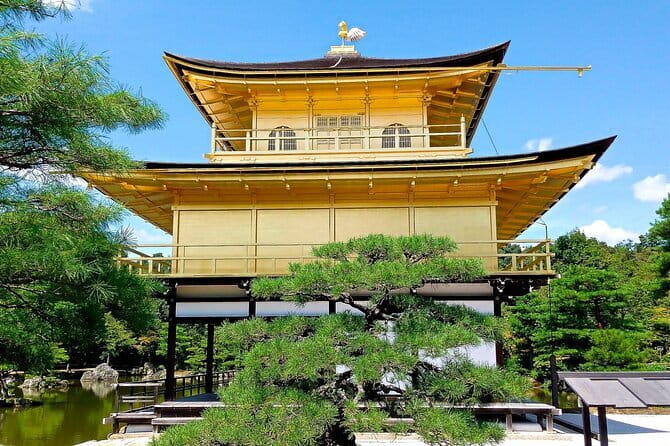
Next comes Kinkaku-ji Temple, the Golden Pavilion. This is another UNESCO World Heritage highlight and one of Kyoto’s most recognizable silhouettes. The program lists a 40-minute stop with admission included.
Forty minutes sounds short until you remember what Kinkaku-ji is: a concentrated, visually packed complex. The “gold” look comes from the famous exterior, while the surrounding gardens add calm contrast.
The included ticket means you won’t scramble for admissions at the gate, and the guide’s presence helps you use the time well—where to stand, what to notice, and when to move so you don’t end up stuck behind groups.
One practical note from how these tours run: since you’re on a schedule, the experience tends to be a “see it, get photos, walk through” rhythm. If you want slow garden contemplation, you may be the type who later returns to Kyoto for a second pass.
Fushimi Inari: Torii Gates, Crowd Energy, and Good Shoes
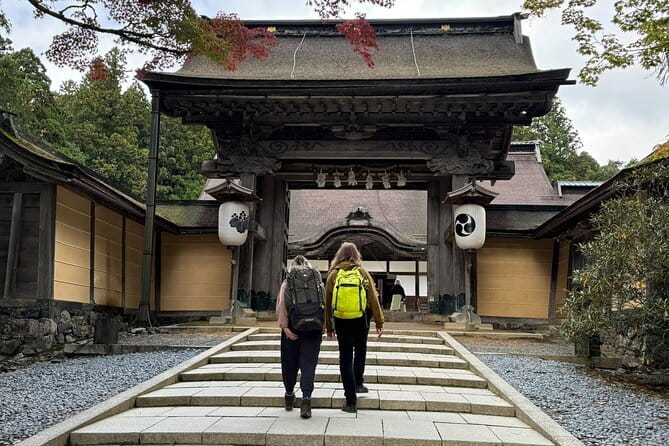
Fushimi Inari-taisha is the dramatic finale feeling. The program centers on the iconic torii gates—thousands of them in red—and describes the tunnel-like effect as you move through the shrine paths.
Your stop is listed as about 1 hour 20 minutes, which can feel either perfect or rushed depending on how far you decide to walk. If you want the full “gate corridor” vibe and a good set of photos, you’ll likely use most of this time staying near the main flow. If you climb upward for bigger views, it eats time fast.
The stop also connects to cultural context: the shrine is described as an Important Cultural Property. The live commentary is where this becomes more than a photo backdrop—you get the story behind why it looks the way it does and how the gates function in the space.
How to make Inari more enjoyable
- Wear shoes you can walk in for at least an hour comfortably.
- Expect crowds. Plan your photos at the moment you can actually get your framing.
- Bring patience for people stopping suddenly. This is the kind of place where slow traffic happens even when everyone’s trying to be polite.
Lunch Option: Kobe Beef Shabu-Shabu (If You Choose It)
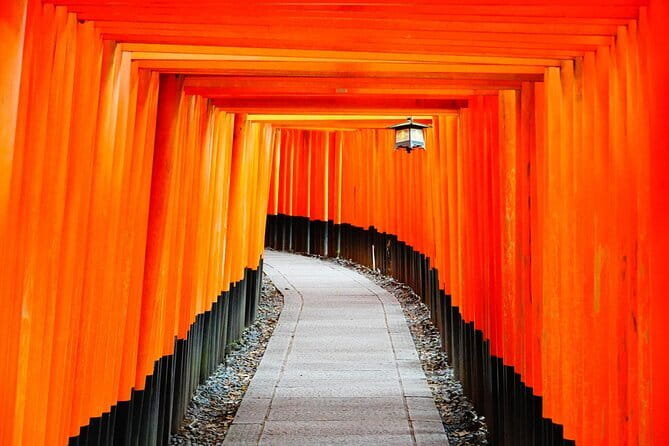
Lunch is included only if you select the option. The program notes that for Osaka departures, you may enjoy Kobe Beef Shabu-Shabu, plus an explanation of Kobe beef.
This can be a highlight because it turns the day from purely sightseeing into a genuine food memory. Reviews also call out that the Kobe lunch is a strong reason to pick the Osaka route.
One caution: dining in big groups can be a mixed experience. There’s at least one mention of traditional seating expectations not lining up with space availability at the restaurant. So if your ideal lunch is very specific—like certain floor seating arrangements—just know group logistics can change how it’s set up.
Guides and How the Day Feels: When Narration Works, You Win
This is where the tour can really shine. Multiple reviews mention guides by name and praise their humor, attentiveness, and how clearly they explain what you’re seeing.
Some standout names from reviews include:
- Mike, praised as fun and helpful
- Harry, described as friendly, knowledgeable in the sense of answering questions well, and extra helpful
- Garry, singled out for making the day memorable
- Nick and Eric, credited for informative commentary and good energy
- Masa, praised for insights into Japanese culture
Of course, not every day is perfect—some reviews mention issues like audio being hard to hear, minimal explanation, or pacing being too rushed. But overall, the idea is simple: your day improves a lot if your guide can keep people moving and explain enough context before you reach each site.
Who Should Book This Tour (and Who Might Hate It)
This one-day bus tour fits best if:
- You want Kyoto and Nara highlights in a single, guided day
- You prefer not to manage train routes across multiple districts
- You like the idea of live English/Chinese narration
- You’re okay with a schedule that moves quickly between stops
You might want to skip or choose something more flexible if:
- You’re the type who wants long, slow time at one temple or one neighborhood
- You’re sensitive to crowd conditions and short walk times
- Arashiyama bamboo grove is the one sight you’ll be upset to miss—because real-world schedule changes can happen
For families, this is often a hit because the stops are visually strong and the bus removes navigation stress. For walkers, it’s doable, but plan for enough movement that you won’t want heels or brand-new shoes.
Should You Book It? My Practical Take
If your goal is to see the big Kyoto and Nara landmarks—Todai-ji and Kinkaku-ji, Fushimi Inari, plus an Arashiyama focus—this tour is a practical way to do it. The included Kinkaku-ji ticket and the guided narration help you feel oriented fast, which matters in a place with a lot of ground to cover.
I’d book it if you’re traveling with limited time and you want a day that’s guided, transport handled, and built around first-timer priorities. I’d think twice if bamboo grove timing is your non-negotiable, since the day can change due to conditions and schedule realities.
FAQ
What’s included in the price?
The tour includes Kinkaku-ji Temple entrance, an English or Chinese speaking guide, an air-conditioned vehicle, and all fees and taxes. Lunch is included only if you pick the lunch option.
Is Todai-ji Temple admission included?
Todai-ji entrance is listed as optional. You may need to pay the entrance fee there separately.
Where does the tour depart from?
It offers round-trip bus fare from Kyoto or Namba (Osaka area).
How long is the tour?
The duration is about 9 to 10 hours.
Do I get live commentary in English?
Yes. Live commentary is offered in English or Chinese.
Is lunch included?
Lunch is included if you select the lunch option. The program notes Kobe Beef Shabu-Shabu for travelers choosing the lunch option on Osaka departures.
How does the tour handle weather or bad conditions?
The tour requires good weather. If it’s canceled due to poor weather, you’ll be offered a different date or a full refund.
What if the schedule changes on the day?
The itinerary may change without prior notice due to weather, road traffic conditions, or other unforeseen reasons.
When should I arrive at the meeting point?
Please arrive 10 minutes before your selected meeting point.
Is there a luggage limit?
Yes. The tour allows one piece of luggage per person, and luggage stored in the trunk must fit within a combined size limit of 155 cm. Valuables should stay with you since trunk items aren’t accessible between stops.