A seaside day trip that also hits classic Tokyo. This tour strings together Kamakura temples, the Great Buddha, and Enoshima’s coast, then flips you back to modern Tokyo with Asakusa and Shibuya. It’s an efficient way to see multiple “musts” without wrestling with transfers all day.
I especially like how the day pairs big-photo sights with moments that feel more relaxed. The Great Buddha stop gives you real time to walk around and even choose a small add-on to learn about the statue’s making. And at Enoshima, you’re not just sightseeing—you get a nostalgic ride on the Enoshima Electric Railway (Enoden) along the sea.
The main thing to consider is time. The schedule is packed, so if you’re hoping for extra coast views (like the Enoshima lighthouse area), you may find the Enoshima window a bit tight, and your guide’s narration pace can be more practical than deep.
In This Review
- Key Things I’d Plan Around
- How the Day Trip Flows: Shinjuku to Kamakura, Enoshima, Asakusa, and Shibuya
- Kamakura’s Great Buddha: 13.5 Meters of Patina and a 50 Yen Upgrade
- Tsurugaoka Hachimangu Shrine: Samurai-Era Identity in a Calm Garden Setting
- Enoshima by Train: Enoden Seaside Views and Nakamise-Dori Snacks
- Asakusa Essentials: Senso-ji, Kaminari-mon, and Skytree in the Distance
- Shibuya Crossing Finish: A Modern Tokyo Shake-Up
- Price and Value at $75: What You’re Actually Buying
- Logistics That Matter: Shinjuku Meeting Time, Walking Pace, and Rain Plans
- Who This Tour Suits Best (and Who Should Consider Another Option)
- Should You Book This Kamakura, Great Buddha, and Enoshima Bus Tour?
- FAQ
- FAQ
- Where do I meet for the tour in Shinjuku?
- What time does the bus depart from Shinjuku?
- How do I find the staff member at the meeting point?
- Is lunch included?
- What is included in the ticket for Kamakura’s Great Buddha?
- Do I need tickets for the Enoshima Electric Railway?
- Is the tour run in bad weather?
- What Tokyo transport is included near the end of the day?
- How much walking should I expect?
Key Things I’d Plan Around
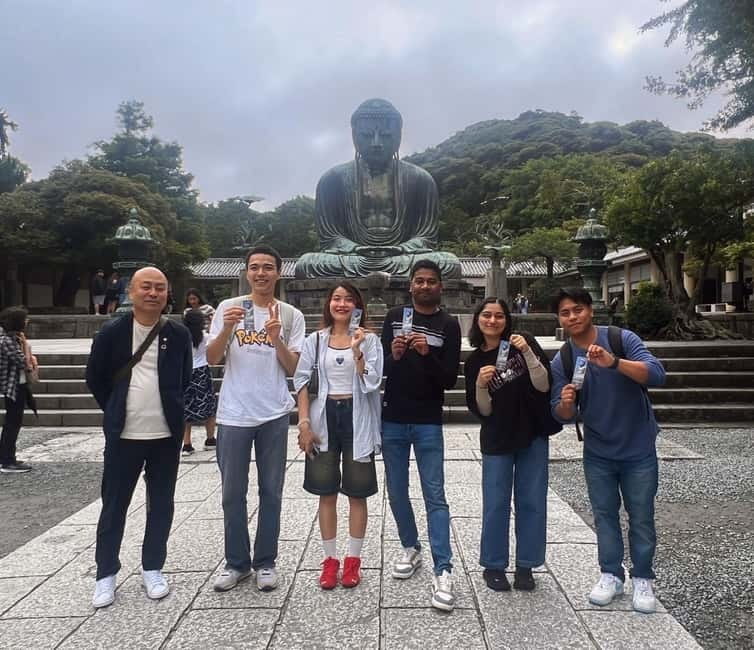
- Great Buddha size you can’t fake: a 13.5 m national treasure with a copper patina from weathering.
- One small extra fee: you can pay 50 yen on site to enter the statue area and read about how it was made.
- Enoden train ride: a retro, seaside 1-car experience that also gives photo chances if Mt. Fuji is visible.
- Tsurugaoka Hachimangu atmosphere: calm pond and garden space tied to samurai-era rituals like Yabusame.
- Retro-meets-modern Tokyo: Senso-ji and Kaminari-mon in Asakusa, then Shibuya Crossing as your final scene.
- Small-group flexibility: you usually get freedom within stops, but you still need to keep up with the walking pace.
How the Day Trip Flows: Shinjuku to Kamakura, Enoshima, Asakusa, and Shibuya
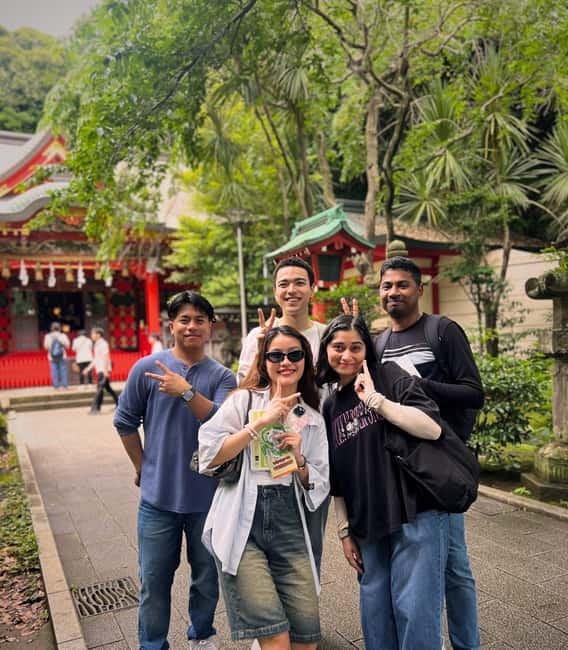
This is a classic “get out of the city fast” route. You start at Shinjuku and head straight to Kamakura, then work your way toward the coast at Enoshima. After that, the tour pivots back to Tokyo by way of Asakusa’s old-streets vibe, finishing with Shibuya Crossing.
What makes this sequence work for you is contrast. Kamakura and Enoshima feel slower and more scenic, and then Asakusa brings in the temple architecture and shopping streets. Shibuya lands the day with a very different energy—so you don’t end the trip with only quiet sights.
One practical note: the tour involves a significant amount of walking. I’d treat it like a full day on your feet, not a sit-and-stare day. Comfortable shoes and water are non-negotiable.
Kamakura’s Great Buddha: 13.5 Meters of Patina and a 50 Yen Upgrade

The Great Buddha of Kamakura is the anchor for the whole day. The statue is 13.5 meters tall, and it has a copper patina look that comes from centuries of weathering through earthquakes and typhoons. You’re seeing a monument that’s survived for roughly 750 years, and it shows.
You’ll also have the chance to experience the statue in two levels:
- You’ll visit the main Great Buddha area as part of the tour admission.
- If you want to go inside the statue area, there’s an extra fee of 50 yen paid on site to enter and read about how it was made.
That 50 yen add-on is small, but it changes the feeling of the stop. Instead of only admiring the shape and size, you get a bit more context on construction and craft. It’s the kind of detail that makes a photo turn into an actual memory.
The only caveat: the schedule can feel a touch time-compressed here for people who want long, slow study. If you’re the kind of visitor who likes to linger at one site until it fully clicks, keep your expectations aligned. Go in with a plan: short overview first, then decide if you want to use your extra energy on the interior add-on.
Tsurugaoka Hachimangu Shrine: Samurai-Era Identity in a Calm Garden Setting
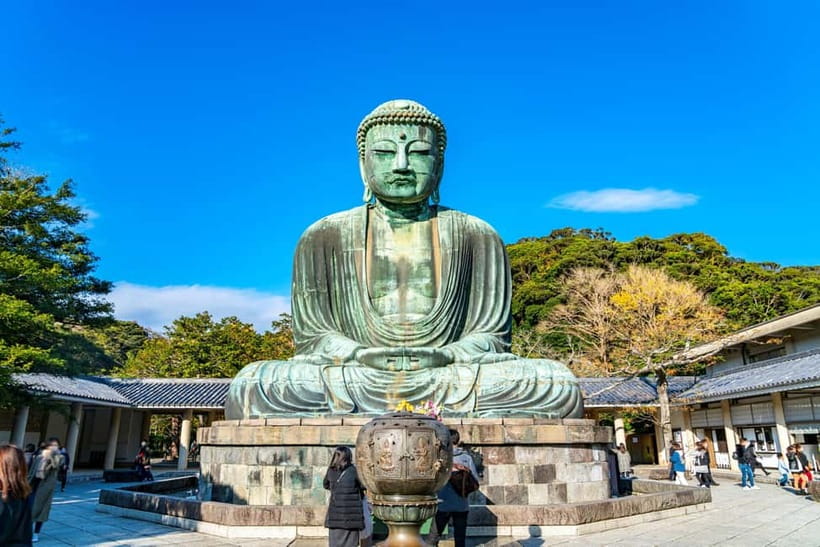
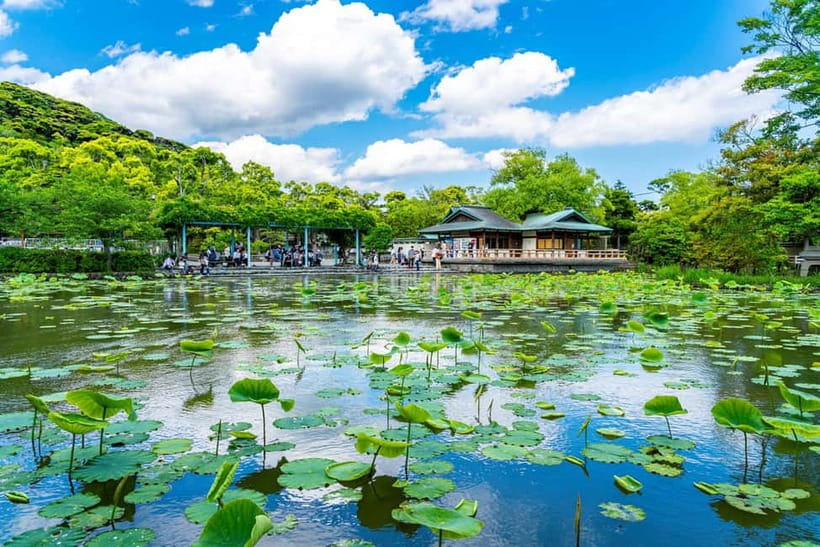
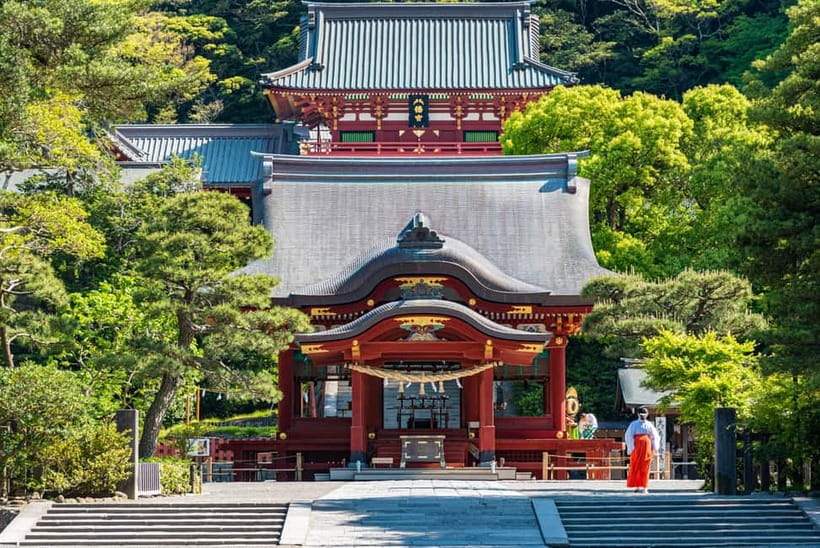
Next comes Tsurugaoka Hachimangu Shrine, built over 800 years ago during the Kamakura period. This matters because it wasn’t just a pretty shrine—it was tied to the samurai world that made Kamakura famous.
When you arrive, you’ll be walking through shrine grounds that include a Japanese pond and garden. The atmosphere is quieter than you might expect for a major “headline” attraction. It’s a good pause between the biggest statue moment and the coastal fun of Enoshima.
The shrine’s connection to samurai history shows through its traditions, including the annual Yabusame horseback archery ritual. Even if you don’t catch the event itself, knowing that the site carries that legacy helps you read what you see: this is a place built around ritual, not just tourism photos.
If you care about clear explanations, you’ll want to be ready to rely on yourself a bit. Some guides are very helpful but may not always deliver deep, continuous storytelling in English. I’d still expect useful orientation, but I’d keep an open mind and ask questions if something matters to you.
Enoshima by Train: Enoden Seaside Views and Nakamise-Dori Snacks
Enoshima is where the day turns scenic. You’ll spend time around Enoshima Shrine and the street scene leading toward it, including Nakamise-dori. This is one of the easier places to snack and browse because it’s built for wandering: souvenirs, local treats, and lots of small stops without the pressure of “one main attraction only.”
Then comes the highlight that feels like a break from the usual bus-tour rhythm: the Enoshima Electric Railway (Enoden). You ride a retro 1-car train along the seaside. It’s the sort of thing that makes you look out the window more than once.
Photo-wise, keep your eyes open for Mt. Fuji across the sea if conditions line up. You might also notice a famous railroad crossing associated with Japanese pop culture, including an anime reference. Even if you don’t catch everything, the train ride itself is a fun change of pace.
And yes, Enoshima can be more than food and views—it has a spiritual story too. The shrine area is said to be home to three sister goddesses connected to sea, water, good luck, finance, and the arts. That’s a lot packed into a small island atmosphere.
One consideration: the Enoshima time window can be tight if you’re aiming for extra viewpoints like the lighthouse observation area. I’d treat the tour as a “taste and scenic ride” day rather than a full-day beach-and-beyond plan.
Asakusa Essentials: Senso-ji, Kaminari-mon, and Skytree in the Distance
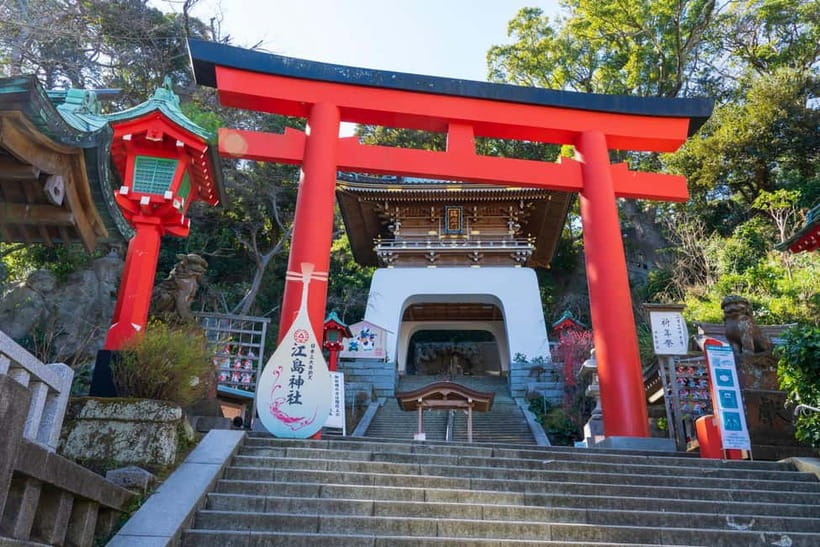
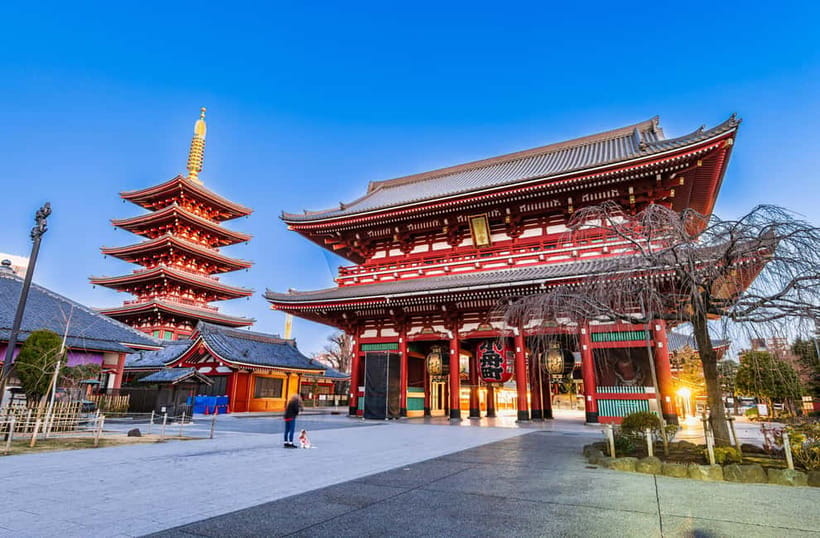
After the coast, the tour hits Asakusa, one of Tokyo’s most recognizable old districts. Your stop includes classic sights like Kaminari-mon and Sensoji. This is where Tokyo feels layered: traditional temple space right in the middle of a modern city.
I like Asakusa because it’s easy to navigate while still giving you things to do. The temple area rewards slow strolling, and the shopping streets nearby give you a place to pause for snacks or small purchases without needing a reservation.
You’ll also get the visual contrast of traditional structures with Tokyo’s modern skyline. In the distance, you might see Tokyo Skytree, which makes the whole scene feel more “today” than a postcard of the past.
One smart way to use the free time: pick one main temple moment, then spend the rest of your time on the street-level details—lanterns, shopfronts, and casual browsing. It’s the kind of wandering that doesn’t require you to know every fact to enjoy it.
Shibuya Crossing Finish: A Modern Tokyo Shake-Up
The day ends with Shibuya Crossing. Even if you’ve seen photos before, Shibuya hits differently when you arrive after temples and coastal air. It’s a quick reset button: bright streets, big-scale city energy, and a sense of where Tokyo is headed next.
The tour notes that you’ll disband at Shibuya Crossing, so plan to re-find your bearings quickly. I’d also make sure your phone battery is topped off before the last leg, because that’s when you’ll likely be taking the most photos.
Then the tour concludes back at the meeting point. In practice, that means you get both the “final photo scene” and a path back to where you started—helpful if you don’t want to figure out all the logistics yourself.
Price and Value at $75: What You’re Actually Buying
At $75 per person, this tour is priced like a budget-friendly packaged day with multiple paid components. What you’re getting matters more than the headline number.
Included items typically cover:
- Guided time for Kamakura
- Admission + visit to the Great Buddha
- Enoshima Electric Railway ticket (Enoden)
- Tokyo Metro ticket from Asakusa to Shibuya
- Air-conditioned transportation (vehicle varies by group size)
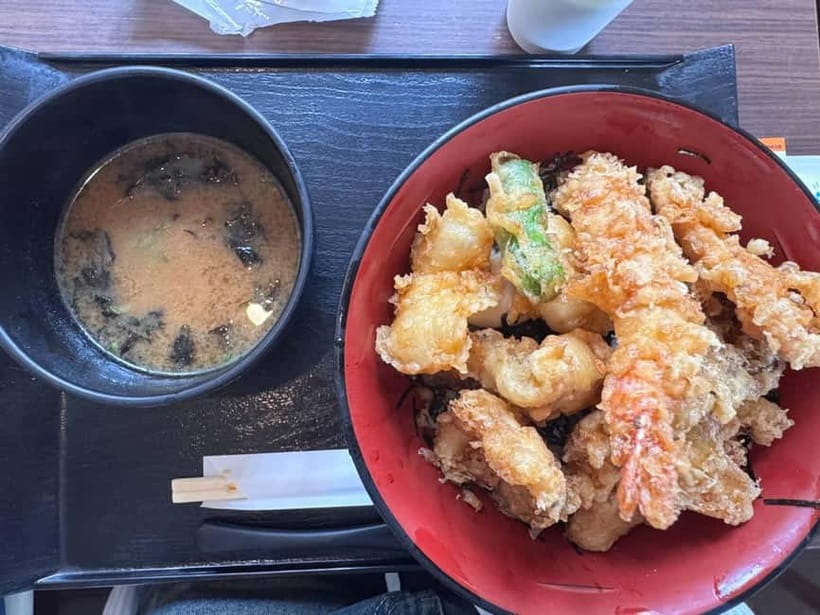
- Lunch only if you select the lunch option
To judge value, think about the day’s built-in costs: train rides, one major temple admission, and guided transport across several areas. For many people, the convenience alone makes the price feel fair. You’re paying to outsource routing, timing, and ticket handling, which is the part that can eat up your energy.
Two things you should watch for:
- Hotel pickup isn’t included, so you’ll need to get to Shinjuku on your own.
- Lunch is optional, meaning your final spending may depend on whether you select the meal option.
If you want a day that keeps moving but doesn’t lock you into nonstop guided talking, this is a good match.
Logistics That Matter: Shinjuku Meeting Time, Walking Pace, and Rain Plans
Your meeting point is in front of the Shinjuku Center Building (red brick entrance in front of a taller white building), about a 7-minute walk from JR Shinjuku Station. The meeting time is 7:30, and the bus departs strictly at 7:40—so arrive early enough to buy water, use the restroom, and find your group.
Look for a LIMON staff member wearing a yellow jacket/vest/shirt. That detail sounds small until you’re standing there wondering if you’re at the right exact entrance. It saves stress.
The tour operates rain or shine, barring severe weather conditions. Japan weather can change quickly, so bring a light rain layer. Since you’ll do a lot of walking, uncomfortable shoes in wet weather are the fastest way to ruin an otherwise great day.
Transportation is air-conditioned, and the vehicle depends on the number of participants. That usually means you’ll get a comfortable ride without guessing what kind of bus you’ll end up in.
Finally, be respectful at shrines and temples. This isn’t a lecture stop—it’s a living set of places where small behavior choices matter.
Who This Tour Suits Best (and Who Should Consider Another Option)
This tour fits you if:
- You want an organized day that hits Kamakura + Enoshima + Asakusa + Shibuya
- You like having some free time at stops rather than being rushed through everything
- You enjoy transport variety, especially the retro Enoden ride
It might not be the best fit if:
- You want long, unhurried time at each major site with heavy narration
- You’re specifically chasing Enoshima’s more distant viewpoints (like the lighthouse observation area), because the schedule can be tight there
It’s also worth noting that English support can be practical rather than highly detailed. I’d still expect helpful guidance, but if you want nonstop deep history and fluent storytelling the whole time, you may need to rely on your own reading a bit more.
Should You Book This Kamakura, Great Buddha, and Enoshima Bus Tour?
If you’re weighing a DIY day versus a guided route, this feels like a smart middle ground. You get a guided push to the key sights, a ticketed coastal train ride, and a smooth finish back in Tokyo life.
My advice: book it if you want high-impact stops with enough breathing room to look around, snack, and take photos. Skip it or adjust expectations if you’re the type who needs lots of time at one place to truly sink in, especially at Enoshima.
FAQ
FAQ
Where do I meet for the tour in Shinjuku?
Meet in front of the Shinjuku Center Building, with the red brick entrance in front of a taller white building.
What time does the bus depart from Shinjuku?
The meeting time is 7:30 and the bus departs strictly at 7:40.
How do I find the staff member at the meeting point?
Look for the LIMON staff member wearing a yellow jacket, vest, or shirt.
Is lunch included?
Lunch is included only if you select the lunch option. If you don’t select it, lunch is not included.
What is included in the ticket for Kamakura’s Great Buddha?
Admission and a visit to the Great Buddha are included. You can also pay an extra 50 yen on site to enter the statue and read about how it was made.
Do I need tickets for the Enoshima Electric Railway?
No. The Enoshima Electric Railway ticket is included.
Is the tour run in bad weather?
The tour operates rain or shine, as long as there are not severe weather conditions.
What Tokyo transport is included near the end of the day?
The tour includes a Tokyo Metro ticket from Asakusa to Shibuya.
How much walking should I expect?
You should expect a significant amount of walking, so comfortable shoes and water are important.