
La Gomera feels like a different world. I like the professional guide and the way you get proper photo time at iconic viewpoints, plus a lunch built around Silbo Canario culture. The main drawback to plan around is that it’s a long day with multiple transit hours, so pace and expectations matter.
You start early out of Los Cristianos, then spend the day hopping from coast to mountains with built-in breaks. I also appreciate that the group stays fairly manageable at up to 55 travelers, which helps the stops feel organized rather than chaotic.
One small decision can improve comfort: there’s an option to reserve a better seat for an extra fee, and if you care about front-row viewing, reserve the right row early.
In This Review
- Key highlights worth your time
- Ferry-and-bus rhythm from Tenerife (Los Cristianos)
- San Sebastián de la Gomera: your first taste of island life
- Roque de Agando: iconic rock, quick windows for photos
- Garajonay National Park: cloud forest time and why it matters
- Valle de Hermigua viewpoint: short stop, big climate contrast
- Agulo lunch and Silbo Canario: culture you can actually see
- Guides, group size, and language: where the day can soar or stumble
- Value check: is $103.92 a good deal for this route?
- Tips to make the day smoother (and more photogenic)
- So… should you book this La Gomera bus tour?
- FAQ
- FAQ
- How long is the La Gomera bus tour?
- Is lunch included, and is wine part of it?
- Do I need a passport or photo ID for the ferry?
- Where do we meet, and what time does it start?
- What languages are available with the guide?
- Does the price include round-trip ferry tickets?
- Can I reserve better seats on the bus?
Key highlights worth your time
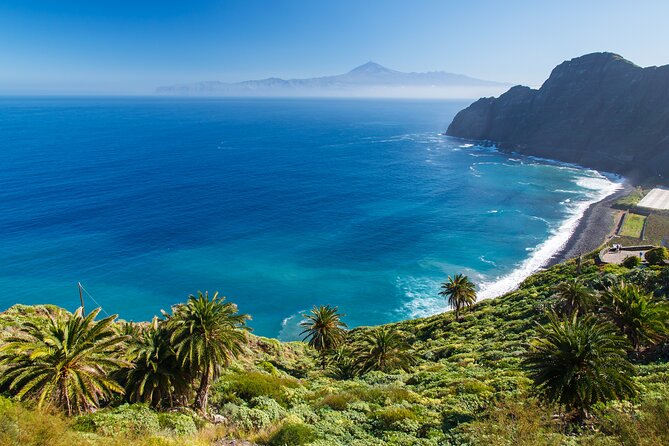
- Garajonay cloud forest access: time in UNESCO-listed Parque Nacional de Garajonay to see the moss, tall trees, and ferns
- Roque de Agando photo stop: one of La Gomera’s most recognizable rock landmarks
- San Sebastián de la Gomera coastal break: a focused look at the island’s main town without rushing
- Hermigua viewpoint timing: short but scenic stop for big views and a strong climate contrast
- Agulo lunch + Silbo Canario moment: lunch with wine and a live whistled-language demonstration
- Pro guide with multi-language support: Spanish and English offered daily, and other languages on request
Ferry-and-bus rhythm from Tenerife (Los Cristianos)
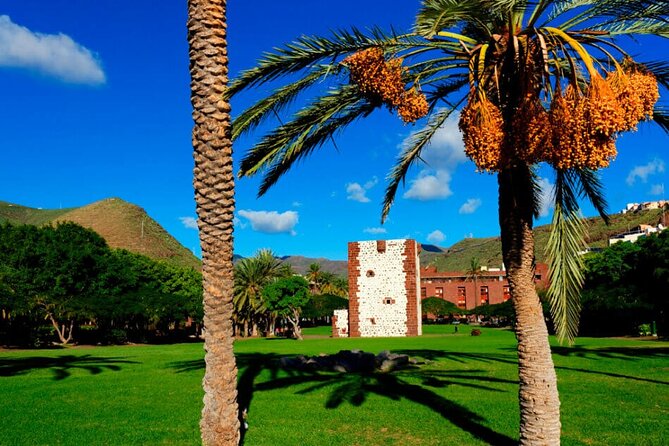
This is set up as a true day trip: ferry to La Gomera, then a bus tour around the island, then the return ferry back to Tenerife. You’ll be picked up at the Naviera Armas Oficina de Los Cristianos in Los Cristianos, with the tour starting at 8:00am.
The biggest practical point: bring your passport or original photo ID. Ferry entry requires it, and if you don’t have it, you can be refused boarding with no refund. If you’re traveling with a photo-only digital copy, don’t gamble—carry the real document.
Also note the duration. Expect about 8 to 9 hours. That’s enough time to see the big scenic hits, but it’s not enough to do long hikes. If you want to move at a relaxed, slow pace for hours on end, this style of day tour can feel a bit tight.
San Sebastián de la Gomera: your first taste of island life
The tour begins with a stop in San Sebastián de la Gomera, the island’s main city. You get about an hour—long enough to walk a little, take in the colonial-coastal vibe, and grab a quick orientation for what comes next.
This stop works best if you treat it like a reset. Use it for orientation, a short stroll, and photos. Don’t expect it to be the main event. Some people feel it’s a bit early and short, and a few would rather spend more time in the national park.
One smart move: if you’re the type who likes to re-check viewpoints later, this is the moment to think about what direction the scenery is pointing. You’ll keep that mental map for the rest of the day.
Roque de Agando: iconic rock, quick windows for photos
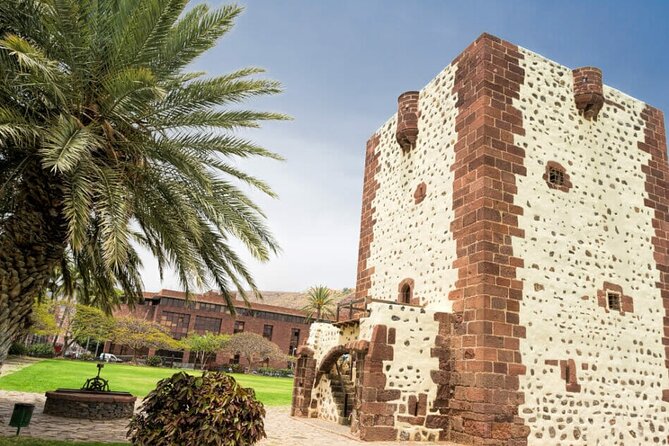
After the city stop, you’ll head to Roque de Agando, La Gomera’s most iconic rock formation. Expect about an hour here, plus photo stops along the way when the scenery warrants it.
What makes this stop worth it is recognition. This isn’t a random viewpoint—it’s one of those landmarks you see in photos over and over for a reason. Basalt rock shapes and the feeling of deep valleys create drama fast, even if you’re not a geology nerd.
The only watch-out: photo time is good, but the day is still scheduled. If you want sunrise-style patience—waiting for perfect light—this isn’t that format. Think quick framing, then move.
Garajonay National Park: cloud forest time and why it matters
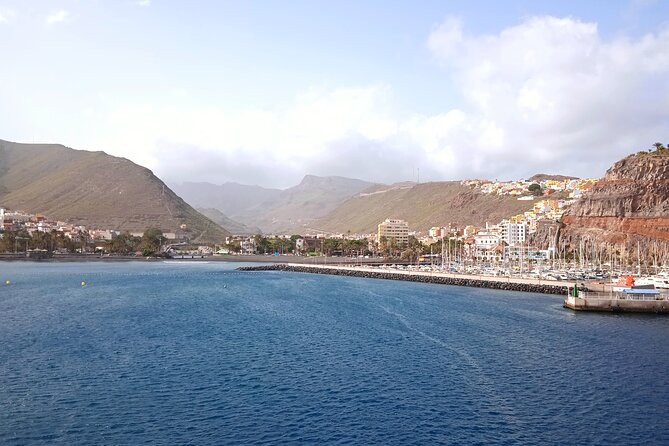
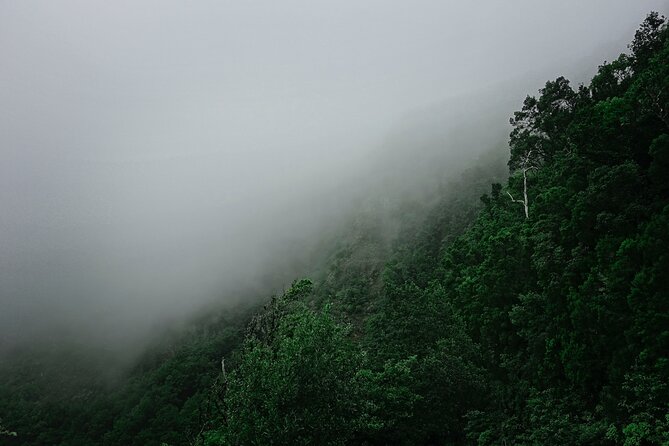
The heart of the tour is Parque Nacional de Garajonay, a UNESCO World Heritage site. You get about an hour here, which is just enough time to feel the shift from coastal warmth to the cooler, greener mood of the park.
This is the part that many people remember most: the green moss, tall trees, and ferns. It’s less about covering ground and more about noticing how the forest changes under cloud cover. You’ll see why Atlantic cloud forests are famous—humidity and mist create a whole different texture to the vegetation.
Just manage expectations. One hour inside a national park isn’t the same as doing a multi-hour hike. It’s best for visitors who want the iconic look and the story behind it without committing to serious trail time.
If you’re sensitive to cool weather, bring a layer. Even on a sunny day, the park can feel different because the cloud-forest vibe brings chill.
Valle de Hermigua viewpoint: short stop, big climate contrast
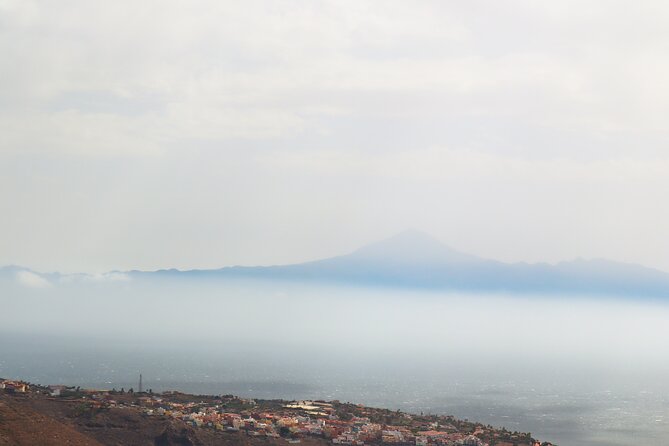
Next comes Valle de Hermigua, with a quick 30-minute viewpoint stop. It’s brief, but it’s one of those places where the scenery sells the entire island in a single glance.
This stop is valuable because it highlights what La Gomera is famous for: the way climate and terrain can shift fast over short distances. People often point to this as one of the most striking lessons of the day—how the island doesn’t feel consistent. It feels like different micro-worlds stacked next to each other.
Use the time efficiently. Don’t overthink it. Get to the viewpoint, take a few photos, then step back and look with no lens for a minute. That’s usually when the view clicks.
Agulo lunch and Silbo Canario: culture you can actually see
The final major stop is Agulo, where the tour includes lunch at a typical Canarian restaurant. The lunch includes alcoholic beverages, and wine is part of the package.
This isn’t just about food. During the meal, you’ll get a live demonstration of Silbo Canario, the ancient whistled language still used on the island. It’s one of those cultural moments that feels more like a performance than a museum lesson.
Lunch logistics are where reviews get mixed. Many say the food and meal time feel like a good break, with a smooth service flow. A couple of experiences mention lunch being less satisfying or complaining about limited options.
So here’s how to plan:
- If you’re open to the restaurant’s set lunch format, you’ll likely enjoy the whole package.
- If you’re picky about meals, consider eating a light snack before the tour so the day doesn’t feel food-stressful.
Also, if you don’t drink, it’s still worth asking in advance how your meal is handled. One account mentioned they were supported with a different wine option when they didn’t drink red.
Guides, group size, and language: where the day can soar or stumble
You’ll travel with a professional accredited guide. Language support is Spanish and English every day; other languages can be requested so the operator can confirm which days are available. The tour can include multiple languages during the narration, and that’s a plus for accessibility.
The experience quality often comes down to the guide’s pacing. When it works, it’s excellent. People singled out guides such as Antonio and Evan for being funny, informative, and keeping the day flowing. You’ll likely hear clear explanations while still getting time to get off the bus and photograph.
The complaint pattern is also consistent: some people feel the guide talks a lot over the bus microphone, or that audio and multi-language announcements get too loud and don’t leave quiet space. It’s not a dealbreaker if you like guided commentary, but if you prefer a quieter ride, bring earplugs.
Group size is capped at 55, which usually helps. Bigger groups can slow down loading and unloading at viewpoints, and you can feel it in waiting time. Still, the cap keeps things from becoming a rolling circus.
Value check: is $103.92 a good deal for this route?
At $103.92 per person, you’re paying for a lot of moving parts: ferry round trip, an air-conditioned coach, professional guiding, and lunch with wine. In real terms, the ferry portion alone isn’t “cheap,” and the guide saves you from stitching together buses, ferries, and timing yourself.
Where value shows up:
- You get a structured circuit with iconic stops (city, Roque de Agando, Garajonay, Hermigua, Agulo).
- Lunch is included with wine and a cultural demonstration.
- Pickup helps if you don’t want to solve the port question on your own.
Where value can feel weaker:
- If you hate bus time, the schedule can feel long.
- Lunch quality can vary, and if you want choice, the set format may disappoint.
- A few negative accounts described operational issues like pickup confusion or delays. That’s rare, but it’s the kind of thing you should protect against.
If you want the best value, do two things: show up early for pickup and bring your documents. That turns the day into a smooth ferry-and-scenery package instead of a stress test.
Tips to make the day smoother (and more photogenic)
1) Reserve front seats if you care about views. Front seat options cost extra: 1st row €10, 2nd row €5, 3rd row €3. If you’re tall or hate craning your neck, it’s a reasonable upgrade.
2) Pack for weather swings. You’ll go from coast to cooler cloud-forest conditions. Bring a light layer and something wind-resistant.
3) Bring water discipline even though lunch includes a meal. Some complaints mention lack of water during long bus stretches. You can’t count on getting refreshments, so plan to carry a small bottle if you can.
4) Don’t over-schedule yourself afterward. Because it returns to the same starting point back in Tenerife, you’ll want to keep the rest of your day flexible. If you’re catching a later dinner reservation, allow buffer time.
So… should you book this La Gomera bus tour?
I’d book it if you want an efficient, scenic day that covers La Gomera’s headline places without planning ferry times or bus routes. It’s especially a good fit if you enjoy photo stops, short viewpoint breaks, and a strong cultural add-on at lunch with Silbo Canario.
I’d think twice if you:
- hate long bus rides,
- need lots of time walking in a park,
- require strict meal choice,
- or prefer very quiet narration (because multi-language commentary can get loud).
If you do book, make it easy on yourself: arrive early at the pickup point, carry the passport/photo ID for the ferry, and treat Garajonay and the viewpoints as “see it and absorb it” time rather than marathon hiking time.
FAQ
FAQ
How long is the La Gomera bus tour?
It runs about 8 to 9 hours.
Is lunch included, and is wine part of it?
Yes. Lunch is included, along with alcoholic beverages, with wine provided with the meal.
Do I need a passport or photo ID for the ferry?
Yes. You must bring a passport or original photo ID to enter the ferry. Without it, you may be refused entry and there can be no refund.
Where do we meet, and what time does it start?
The meeting point is Naviera Armas Oficina de Los Cristianos at the Estación Marítima de Los Cristianos in Los Cristianos, Tenerife. The tour starts at 8:00am.
What languages are available with the guide?
Spanish and English are available every day. Other languages may be possible if you mention it during reservation.
Does the price include round-trip ferry tickets?
Yes. Round-trip ferry travel is included.
Can I reserve better seats on the bus?
There is no front seat included by default. You can reserve front seats for an additional fee: 1st row €10, 2nd row €5, 3rd row €3.