Famagusta makes the past feel touchable. This mini-bus day trip pulls you into Ghost Town Famagusta with hotel pickup, a guided walk through the walled core, and that eerie sandy-coast close-up of abandoned hotels. I also like the small group size (up to 16), which keeps the guide’s attention on you. One thing to consider: you need the right passport for the border, and the pickup is early.
If you’re after a short, focused history outing (not a long slog), this runs about 4 hours 30 minutes with English-speaking guidance and no extra fees for fuel, parking, or sightseeing. You’ll start at a local heritage center in Derynia with a short film, then move to rooftop viewpoint binoculars before crossing into the fenced-off city area.
In This Review
- Key Highlights Worth Booking
- Why Famagusta Hits So Hard (And Why That Matters)
- The Full Route: From Derynia Film to Border Rooftop Views
- Stop 1: Cultural and Heritage Center in Derynia (A Small Time Investment)
- Stop 2: Famagusta Walled City, Moat Views, and 365 Churches
- Stop 3: Ghost Town Streets to the Golden Sand Shore
- Guide Style Can Make This Trip Feel Personal
- Timing, Early Pickup, and Where the Mini Bus Actually Meets You
- Price and Value: What $60.49 Covers (and What You Must Pay For)
- Border Crossing Rules: The One Detail You Can’t Ignore
- What to Pack and How to Set Yourself Up for a Smooth Day
- Who This Tour Fits Best (And Who Might Skip It)
- Should You Book This Ghost-Town Tour?
Key Highlights Worth Booking
- Derynia heritage center film first: a quick orientation before you cross into the ghost-town zone
- Rooftop Famagusta viewpoint: binoculars help you get a sharp sense of the area beyond the border
- Walled city circuit with 365 churches: a guided look around the gothic walls, then free time inside
- Golden-sand walk past abandoned hotels: a slower stroll that turns the place from theory into reality
- No add-on sightseeing or transport charges: fuel, parking, and sightseeing are covered
- Up to 16 people: small enough for your guide to actually talk to you, not just the loudest voice
Why Famagusta Hits So Hard (And Why That Matters)
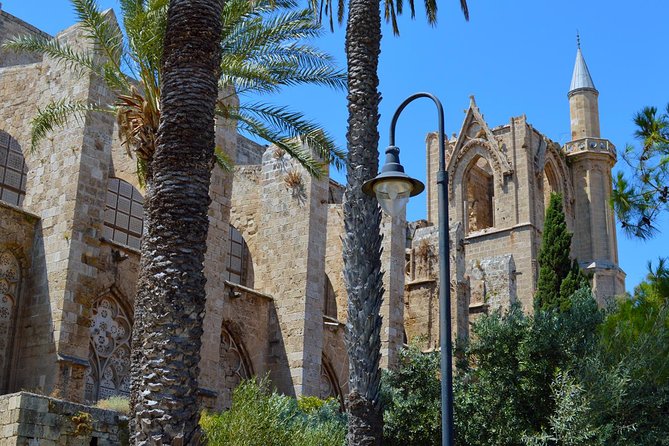
This tour goes to a place where time stopped mid-sentence. The walled city, the empty hotels, the barbed-wire feel, and the fenced perimeter aren’t just “old buildings.” They’re physical reminders of a split world and the emotional weight that comes with it.
I like that the experience doesn’t rush past that. You get a film and viewpoint setup first, so when you finally see the ghost-town streets and the coastline, you’re not trying to connect dots in your head while everyone else stares out the window.
You also get a guided story you can ask questions about. Many people mention guides like George (fun and engaging) and Athos/Atos (personal, first-hand style storytelling). That kind of commentary matters here, because the point of the day is understanding what happened and how people lived—then seeing what’s left.
The Full Route: From Derynia Film to Border Rooftop Views
The morning begins at the Cultural & Heritage Center in Derynia. You watch a short film showing Famagusta before the invasion. It’s only about 20 minutes, but it sets the tone fast—like getting the emotional and historical context before your eyes start filling in details.
Then you head up to the roof of the center. This is one of the best “instant understanding” moments on the trip. The viewpoint is designed for seeing Famagusta over the border, and they provide binoculars so you can zoom in on what you’re looking at instead of guessing from far away.
There’s also an easy break here: you can have coffee or buy refreshments in the center. That’s practical because the day involves sitting on a vehicle, then walking on foot.
Why this structure is smart for you: starting with orientation makes the later sections feel connected, not random. You’re not only seeing ruins—you’re matching them to a story you already heard.
Stop 1: Cultural and Heritage Center in Derynia (A Small Time Investment)
This is a short stop, and you shouldn’t underestimate how much it changes the day.
You’re included in the center’s film experience, and they give you that rooftop look with binoculars. That combination is a “payoff per minute” deal: little time, big impact.
If you’re the type who likes to know what you’re looking at before you walk around, this first stop will help you keep your bearings. If you prefer to figure things out later, you might still appreciate how it frames the rest of the route.
One practical note: the film and viewpoint are part of how your guide explains the area. If you’re prone to distraction, it’s worth giving this stop your full attention.
Stop 2: Famagusta Walled City, Moat Views, and 365 Churches
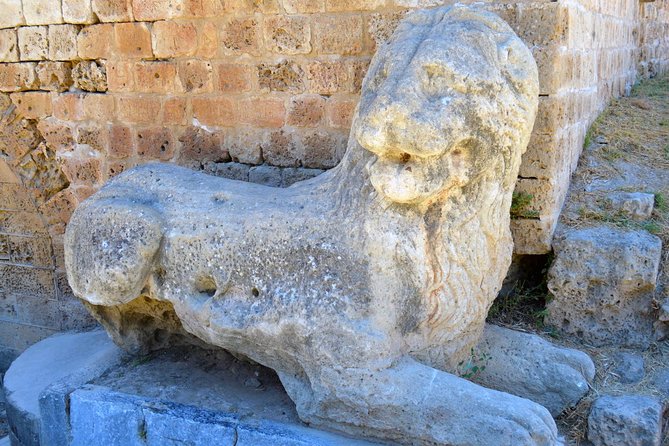
After orientation, the tour moves into the experience’s big spine: Famagusta as an abandoned ghost town, seen as it is today. From there, you cross into the border area and travel along the fence that surrounds the once-glamorous city—so you can watch the atmosphere shift as you get closer.
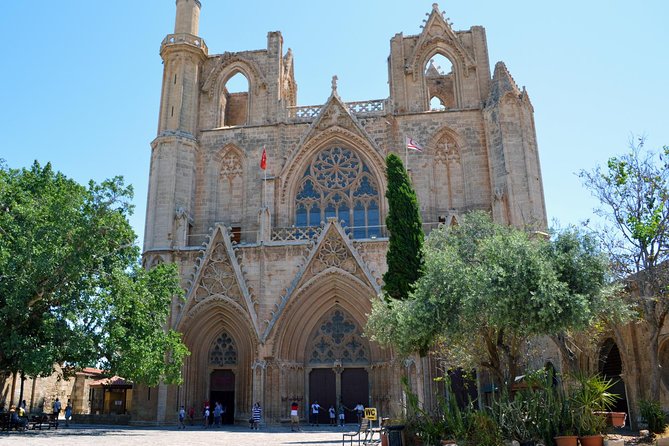
Next comes the coastline approach. You arrive at the sandy beach and get close-up views of the deserted hotels along the coast. Then the tour circles around the moat and gothic castle walls, with those tower-like walls towering over you in a way photos rarely capture.
Then you enter the city within the walls. The guide covers the scope of the old religious center—365 churches and cathedrals once stood there. That’s a striking detail, and it helps you understand that this wasn’t only a resort or a postcard town. It was a full community with daily spiritual life woven into the streets.
You’ll also get free time to explore. In past tours, people often use this time to wander, sit down, and get coffee and the famous sweets mentioned for the area. It’s also the moment you can decide what to return to later in your own pace—because once you move on, your “free roam” options shrink.
Possible drawback to plan around: the walking here can feel a bit more than you expect because you’re moving around walls and within the old streets. Shoes with grip are a smart call.
Stop 3: Ghost Town Streets to the Golden Sand Shore
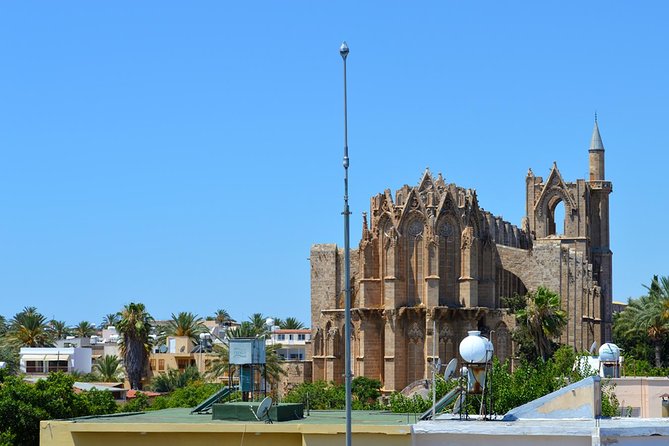
The last walking portion focuses on the street-level ghost-town feel. This is where you move through abandoned hotel streets and older shopfront areas—the places that make the word ghost-town feel literal.
You stroll down toward the Golden sand shore, then loop back. Time is kept to about 40 minutes, which is long enough to notice textures and details, but short enough that the day doesn’t feel like a marathon.
One tip from how people describe the trip: if you’re sensitive to hearing the guide, aim to sit closer to the front or middle in the mini bus. There are comments about hearing being tougher from the back. You’ll get more out of the stops if you can actually follow what the guide is explaining while you’re traveling between them.
If you’re hoping to see every nook and cranny, temper expectations. Access is limited, and the tour is designed as a balanced overview—not a full day of roaming everywhere.
Guide Style Can Make This Trip Feel Personal
A huge part of the value is how the story lands in your lap.
In the feedback, guides such as George, Dmitri, Olga, and Athos/Atos are repeatedly praised. What stands out is their mix of information and personality—often with humor, sometimes with first-hand emotion.
That matters because this place is heavy. One reason people rate it so highly is that the guide doesn’t treat it as a checklist. They connect the sites to lives, family stories, and the reality of what people experienced.
Still, it’s worth keeping an open mind. This is a politically sensitive setting, and guides interpret events through their own lens and experiences. You’ll probably get the best day if you treat your guide’s account as a starting point, then reflect on it as you walk.
Timing, Early Pickup, and Where the Mini Bus Actually Meets You
This tour runs about 4 hours 30 minutes. It’s not a late breakfast kind of outing.
Pickup times depend on where you’re staying:
- Kappari, Pernera, Protaras: roughly 7:45am–8:00am
- Ayia Napa: roughly 8:15am–8:30am
Also, they only pick up from the Kapparis, Pernera, Protaras, and Ayia Napa areas. If you’re outside those zones, you’ll need to figure out how you’ll get to a pickup point in those areas.
One more timing reality: while it’s listed around half a day, there have been notes that the trip can run longer in some cases. If you have another reservation later the same day, build in cushion time.
Price and Value: What $60.49 Covers (and What You Must Pay For)
At $60.49 per person, the best way to judge value is what’s included versus what you still need.
Included:
- Driver/guide
- Hotel pickup and drop-off
- Local taxes
- No extra fees for fuel, parking, or sightseeing
- Admission connected to the first stop: the heritage center film and rooftop viewpoint experience (included)
- The other key segments are listed with admission as free (no ticket fee added for those stops)
Not included:
- Refreshments
- Food and drinks
That last line is important. You can buy coffee or refreshments at the heritage center, and there’s mention of coffee and sweets during free time in the walled city area, but you should plan to pay for your own drinks and snacks.
My value take: this price feels reasonable if (1) you want hotel pickup, (2) you want a guided structure with border-crossing day flow, and (3) you appreciate the “limited-time but high-impact” design. If you’re the type who hates early mornings or already knows the story well and prefers self-guided wandering, you might want to weigh whether guided time matches your style.
Border Crossing Rules: The One Detail You Can’t Ignore
This tour involves border control. You must bring your passport for the crossing.
And here’s a strict note: Armenian, Nigerian, and Serbian passport holders are NOT accepted to cross the boarder for this experience. If your passport isn’t one you expect, double-check before you book—this is the kind of rule that can stop the day entirely.
Also, if you need a baby seat, a child price may apply.
What to Pack and How to Set Yourself Up for a Smooth Day
The basics are about comfort and staying flexible, because this runs in all weather conditions.
What you should think about:
- Comfy shoes for walking around walls and older street areas
- A plan for drinks/snacks since food and refreshments aren’t included
- Your passport ready for border control
And if you’re picky about hearing commentary, sit closer to the front or middle of the mini bus when possible.
This is also rated for moderate physical fitness, so if you avoid all walking on uneven ground, you might find parts of the day tiring.
Who This Tour Fits Best (And Who Might Skip It)
You’ll likely love this tour if:
- you want a half-day with clear structure rather than a full-day grind
- you enjoy guided storytelling and real personal accounts
- you want to see Famagusta’s walled city and abandoned hotels without trying to manage borders and logistics alone
- you’re curious about how the town looks now, not just how it used to be
You might want to rethink it if:
- early mornings are a deal-breaker for you (pickup starts around 7:45am–8:30am depending on area)
- you’re uncomfortable with politically sensitive historical sites and heavy emotions
- you’re very dependent on hearing every word and you know you’ll be seated where audio is weaker
Should You Book This Ghost-Town Tour?
If your goal is a short, high-impact day that brings Famagusta into focus—film briefing, rooftop viewpoint, time inside the walled city, and a final coastal walk—then yes, this is a strong choice. The best version of the day is when the guide brings stories with heart and humor, and people consistently rate the experience highly for exactly that.
Just be sure you’re ready for the essentials: passport requirements, early pickup, and paying for your own refreshments. If those boxes fit your trip style, book it and then go in expecting emotions as well as sights.