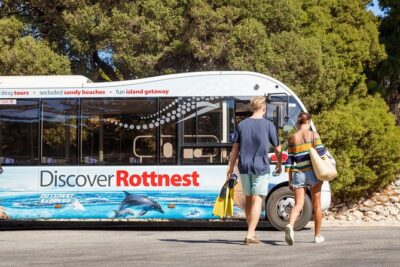
Portland from the trolley seat is an easy win. I like how the ride comes with expert narration that helps you make sense of what you’re seeing fast, and I also like the hop-on hop-off format that lets you spend real time where you care most.
One thing to keep in mind: the stops run on a schedule, and timing slips can happen. If you’re the type who plans to board at the last second, you’ll want to adapt—otherwise you may end up doing a quick shuttle or rejoining later.
In This Review
- Key Reasons This Pink Trolley Pass Makes Sense
- Pink Trolley 2-Day Pass: The Portland Shortcut That’s Good Value
- Where You Board (and How to Avoid Missed Departures)
- Day 1: Washington Park, Roses, and the Nature Side of Portland
- South Park: A Quick Warm-Up Before the Hills
- Washington Park: Japanese Garden and Rose Test Garden
- Oregon Zoo / World Forestry Center: Shuttle Transfer Time
- Hoyt Arboretum: A Calm Counterpoint
- 23rd Ave Shopping District: Where You Stretch Your Legs
- Day 2: Pearl District, Powell’s Books, Old Town Markets, and the River
- Pearl District / Powell’s Books: The Portland Icon Stop
- Chinese Garden / Oregon Convention Center via MAX
- Old Town / Saturday–Weekend Market: The Walk-Until-You-Forget Strategy
- Riverplace: Portland’s Relaxed Waterline
- Pioneer Place / City Center: Close the Loop
- How the Narration Helps You Enjoy More Than You Think
- Stops That Usually Deserve Extra Time (So You Don’t Overpack Your Day)
- Anchor 1: International Rose Test Gardens
- Anchor 2: Washington Park for the Portland Views
- Anchor 3: Powell’s Books for a Low-Stress “You’ll Love This”
- Optional but Worth It: Zoo / Forestry Center and Hoyt Arboretum
- Budget Reality: Is $52 Worth It for a 2-Day Ticket?
- When This Pink Trolley Pass Might Not Fit
- Should You Book This Pink Trolley 2-Day Hop-On Hop-Off Ticket?
- FAQ
- Where is the meeting point for the Gray Line Pink Trolley tour?
- How long is the tour, and how does the 2-day ticket work?
- How often does the trolley come at each stop?
- What’s included in the ticket price?
- Are there restrictions on luggage or smoking?
- Is the tour wheelchair accessible, and are there any days it does not operate?
Key Reasons This Pink Trolley Pass Makes Sense
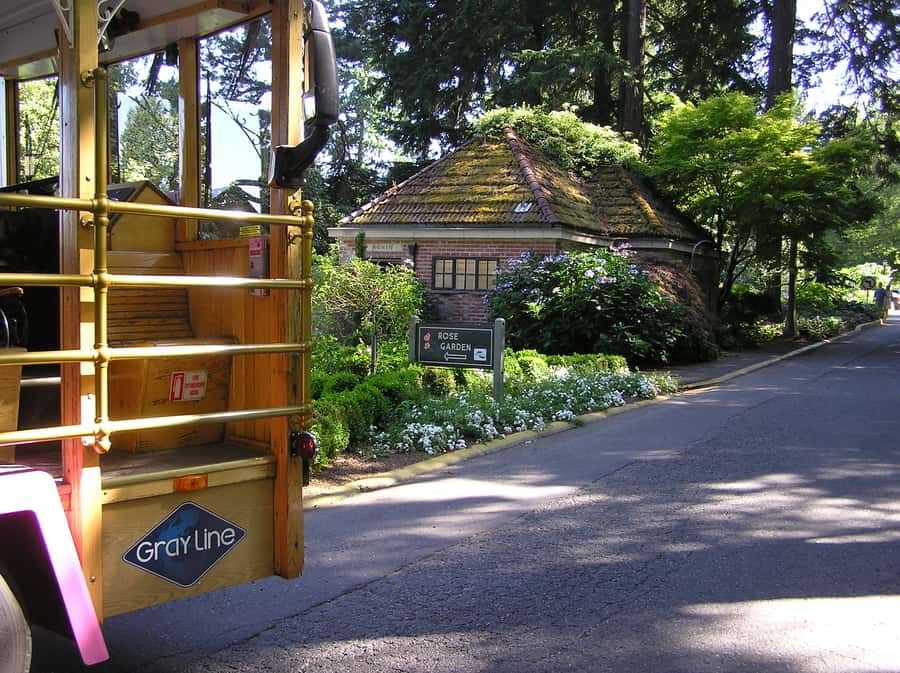
- Narrated 55-minute route that gives you context without turning the whole day into a lecture
- One-hour service at each stop so you can explore, re-board, and keep your day moving
- International Rose Test Gardens entrance included, so you get one major paid attraction covered
- A smart mix of neighborhoods and nature from West Hills parks to the riverfront
- Drivers and guides tend to be friendly and detail-focused, which makes first-timers feel at ease
- Downtown parade shutdowns on June 1 and June 8 can affect your dates
Pink Trolley 2-Day Pass: The Portland Shortcut That’s Good Value
At $52 per person for a 2-day hop-on hop-off ticket, this tour isn’t trying to be the cheapest way to get around Portland. It’s priced like a convenience pass—because the real “value” is that you can see a lot of the city without constantly figuring out routes, stops, and timing on your own.
You get a full loop that’s narrated and paced for sightseeing, with 9 carefully chosen stops and enough time at each one to actually do something there. If you’re only visiting for a couple days, that kind of built-in structure matters. It helps you decide what’s worth your walking time versus what you just want to glance at from the curb.
The pass also includes one standout perk: entrance into the International Rose Test Gardens. Even if you don’t care about roses in a traditional way, this is still one of Portland’s most recognized garden experiences—and having it included takes some mental math off your plate.
There’s also a feel-good element: a portion of the ticket price supports Breast Cancer Awareness and Research. It’s not a reason to book by itself, but it’s a nice bonus.
Where You Board (and How to Avoid Missed Departures)

You start at the pink trolley ticket booth in the parking lot at 846 SW Park Ave. You can board right by the booth, or you can also get on at one of the en-route stops.
Here’s the practical part: service runs on 60-minute intervals, with about one hour at every stop. That’s great because it gives you a plan for your time—arrive, grab a seat, explore, re-board when your next trolley comes.
One caution from real experience: I’d treat stop timing with respect. If the trolley leaves early, you might miss the moment and end up taking a different transport link to get back into the loop. So plan like this:
- Be at your chosen stop a few minutes before the expected departure
- Don’t rely on hearing the bell if you’re still walking in from stairs or a long block
- If you need to choose between photos and reboarding on time, reboarding wins
Also note a couple rules that affect comfort: no smoking, and no luggage or large bags. If you’re traveling light, this is no big deal. If you’re not, you’ll want to think ahead.
The good news: the service is designed for comfort, and the tour is wheelchair accessible, which makes the whole experience easier to navigate.
Day 1: Washington Park, Roses, and the Nature Side of Portland
Day 1 is where Portland’s “city with a view” personality really shows up. You’ll head toward areas that feel like they belong to a different planet than the downtown blocks—parks, gardens, and viewpoints are the theme.
South Park: A Quick Warm-Up Before the Hills
Starting with South Park helps you ease into the tour before you hit the big park stops. This is the part where you can decide your pace. If you want a slower day, you can use this segment to orient yourself and get a sense of how the route connects neighborhoods.
Washington Park: Japanese Garden and Rose Test Garden
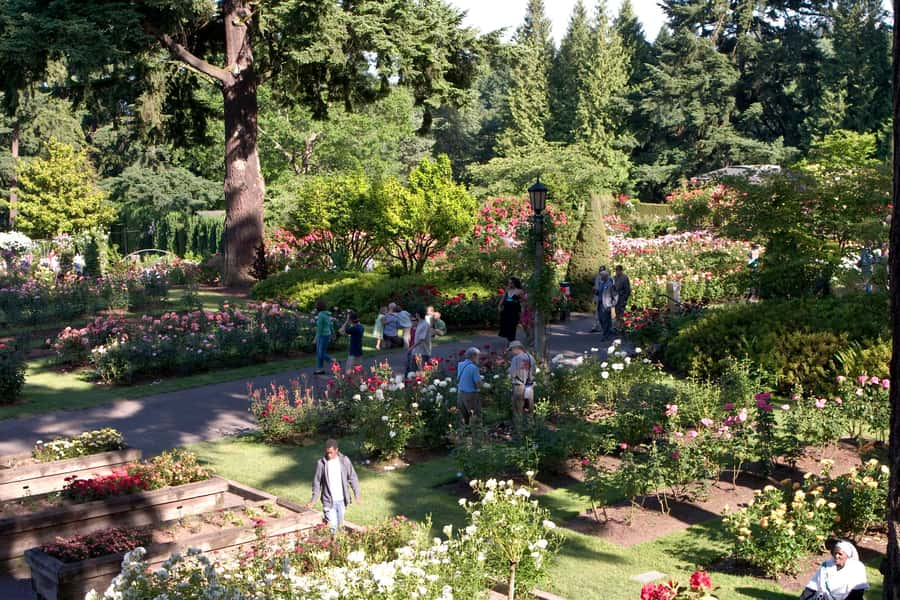
Next is Washington Park, including the Japanese Garden and Rose Test Garden area. This is one of those stops where the trolley ride does more than transport—you get the “why Portland is Portland” moment.
The International Rose Test Gardens entrance is included with your ticket. That means you can spend your time there without worrying about paying an extra entry fee for that specific garden. If you’re planning ahead, I’d treat this as your must-do stop on Day 1, because it’s the only garden entrance explicitly included.
A quick reality check: the Japanese Garden itself is part of the general Washington Park area, but the only garden entrance called out as included is the International Rose Test Gardens. If you want to go into other paid garden spaces, you should expect extra costs.
Oregon Zoo / World Forestry Center: Shuttle Transfer Time
Then you’ll get sent toward Oregon Zoo / World Forestry Center, via shuttle. This is a classic Portland move: the trolley doesn’t always drive right up to every front door. You’ll use a shuttle connection instead.
This stop is ideal if you want a break that feels like a full attraction day. But keep your budget in mind. Zoo and many center activities aren’t included—so treat this as a “go look and decide” stop. You can still enjoy the area even if you choose not to pay for everything inside.
Hoyt Arboretum: A Calm Counterpoint
Next comes Hoyt Arboretum, again via shuttle. This stop gives you a greener, quieter vibe than the shopping districts later in the route. It’s a good choice if you want a slower walk after the excitement of more central neighborhoods.
This is also a smart reboarding strategy spot. If you arrive and realize you want more time, Hoyt Arboretum tends to be the kind of place where time can slip away without you noticing. Plan to return to the trolley at the end of your hour, not at the very end of the day.
23rd Ave Shopping District: Where You Stretch Your Legs
After the park-and-nature focus, the route shifts to the 23rd Ave Shopping District. This is the “shopping street with personality” part of the day—perfect for grabbing a snack, browsing, and stretching your legs in a more street-level setting.
Food isn’t included on this tour, so you’ll be on your own for meals and drinks. That’s fine here: it’s exactly the kind of stop where you can pick something simple and local, based on what’s close to where you end up walking.
Day 2: Pearl District, Powell’s Books, Old Town Markets, and the River
Day 2 leans more urban and more hands-on. You get cultural stops, major shopping landmarks, and the riverfront vibe that makes Portland feel relaxed even when it’s crowded.
Pearl District / Powell’s Books: The Portland Icon Stop
The Pearl District / Powell’s Books stop is a highlight for a reason. If you like wandering through neighborhoods where art and shopping mix naturally, this is a top anchor point.
It’s also a practical choice for travelers because you can go in almost any direction from there. If you want to buy a book, grab a coffee, browse galleries, or just walk the streets, this stop gives you options without needing a plan stamped by a calendar.
Chinese Garden / Oregon Convention Center via MAX
Next is Chinese Garden / Oregon Convention Center, via MAX. This part matters because it signals that not every stop is accessed purely by the trolley route itself. You’ll use a connection via MAX, which is a transit option linked to the tour.
It’s a good area for seeing how Portland’s city planning connects attractions. If you’re hoping to do a specific indoor attraction here, give yourself a little buffer time so you don’t feel rushed.
Again, entrance fees aren’t included for attractions like gardens beyond the one garden entrance that is explicitly covered. You can still appreciate the area and surrounding views, but plan your budget for ticketed experiences.
Old Town / Saturday–Weekend Market: The Walk-Until-You-Forget Strategy
Then you’re in Old Town, with the Saturday–Weekend Market area as part of the vibe. This is the stop for atmosphere—people-watching, browsing, and just letting your feet decide the pace.
Because this is tied to weekend timing, your experience here will depend on the day you ride. If your two days include a Saturday or you’re visiting around a weekend, you’ll likely get more of that market energy.
Riverplace: Portland’s Relaxed Waterline
Finally, Riverplace brings you toward the Willamette River area and waterfront energy. This stop is great at the end of a loop because it’s the easiest place to enjoy without needing to commit to another ticketed venue.
If you’ve spent the day mixing parks with shops, Riverplace is where you can slow down. Sit, look around, and reset before you take the next hop.
Pioneer Place / City Center: Close the Loop
The tour also includes a Pioneer Place / City Center stop. This is a good landing zone if you want to finish your day near shopping, dining, or transit connections that bring you back to your lodging.
One small strategy tip: I like ending on City Center or Riverplace because it reduces the stress of getting back. You’re near more options, and you’re not stuck trying to solve transportation after you’ve already walked your legs off.
How the Narration Helps You Enjoy More Than You Think
The trolley experience isn’t just sightseeing. It’s how the narration steers your attention, so you don’t spend two days wandering without knowing what you’re looking at.
I like that the narration is expert and keeps the focus on the highlights. A strong narrated tour does something subtle: it helps you pick better priorities. Instead of treating every stop like a checkbox, you start thinking like: I want that view, I want that neighborhood feel, and I might skip the ticketed option if I’m not feeling it.
Also, the guides and drivers have a reputation for being detail-focused and friendly. That matters more than it sounds. When you ask a question or when you’re unsure what you’re seeing, a good driver or guide can shorten the learning curve and keep you comfortable.
Stops That Usually Deserve Extra Time (So You Don’t Overpack Your Day)
You only have so many hours in Portland, so I recommend choosing your “anchor” stops early. Here are the kinds of places I’d prioritize when you want the best return on time.
Anchor 1: International Rose Test Gardens
Since the International Rose Test Gardens entrance is included, it’s the stop that gives you the most guaranteed value. Treat it like a key activity, not a quick photo stop.
Anchor 2: Washington Park for the Portland Views
Even if you’re not spending your whole hour in paid areas, Washington Park is one of the best places to understand Portland’s geography. If you like parks, look for an extra walk after you’re done with garden time.
Anchor 3: Powell’s Books for a Low-Stress “You’ll Love This”
If you’re not sure what to do in a new city, Powell’s is a safe bet. It’s the kind of stop where you can go with the flow and still come away feeling like you had a real Portland moment.
Optional but Worth It: Zoo / Forestry Center and Hoyt Arboretum
These are great if you want nature and open-air time. Just remember: entrance fees are not included for the zoo or many garden attractions, so plan based on your interests and budget.
Budget Reality: Is $52 Worth It for a 2-Day Ticket?
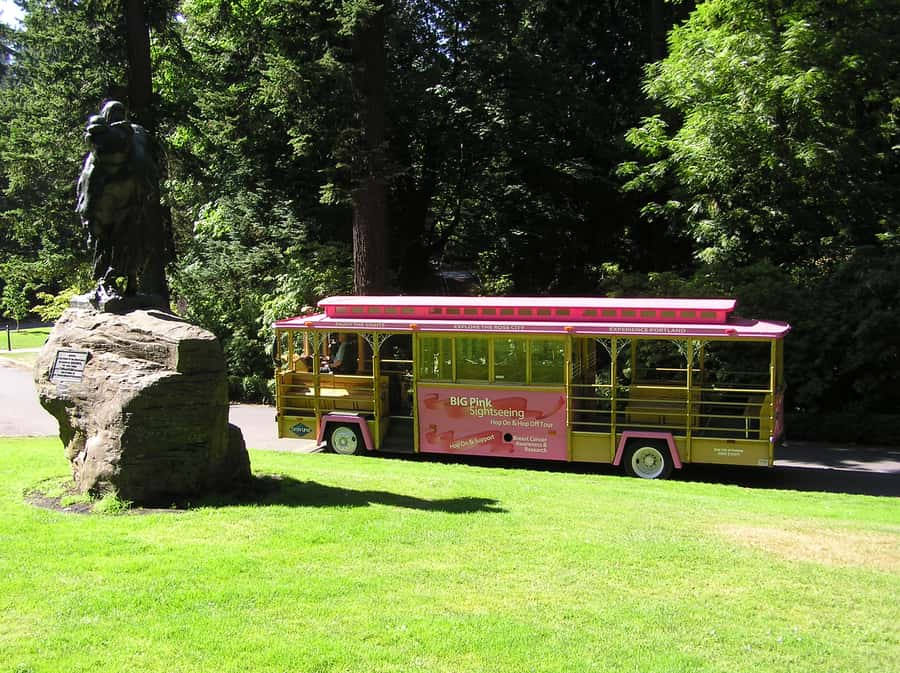
For $52, the math depends on how you plan to use it.
If you ride once and barely get off, it won’t feel like a deal. But if you treat it as your main transportation and you build your days around stops that match your interests, the value improves fast.
Here’s what helps the price feel reasonable:
- You’re getting a two-day pass, so you’re not locked into doing everything in a single day
- The tour gives you 9 stops across different parts of Portland, meaning you’re covering more ground than you would on foot
- You get one paid entrance included (International Rose Test Gardens), which offsets the cost of at least one ticketed attraction
- The format reduces planning stress, which is a real cost in time and energy
Also, if you’re the type who wants options—shopping one day, nature the next, a market day when it lines up—this hop-on hop-off style can be a better fit than a fixed tour.
When This Pink Trolley Pass Might Not Fit
This tour is excellent for many visitors, but it’s not perfect for every style.
If you hate being on a schedule at all, hop-on hop-off can still feel like structure. The stop intervals matter, and you’ll want to time your re-boarding.
If you travel with lots of luggage, the rule about no luggage or large bags could be a deal-breaker. And if your dates fall on June 1 or June 8, note that the tour doesn’t operate due to downtown parades.
Finally, if your goal is strictly museum-heavy days, you may find you’ll still need to pay separate entrance fees since those aren’t included.
Should You Book This Pink Trolley 2-Day Hop-On Hop-Off Ticket?
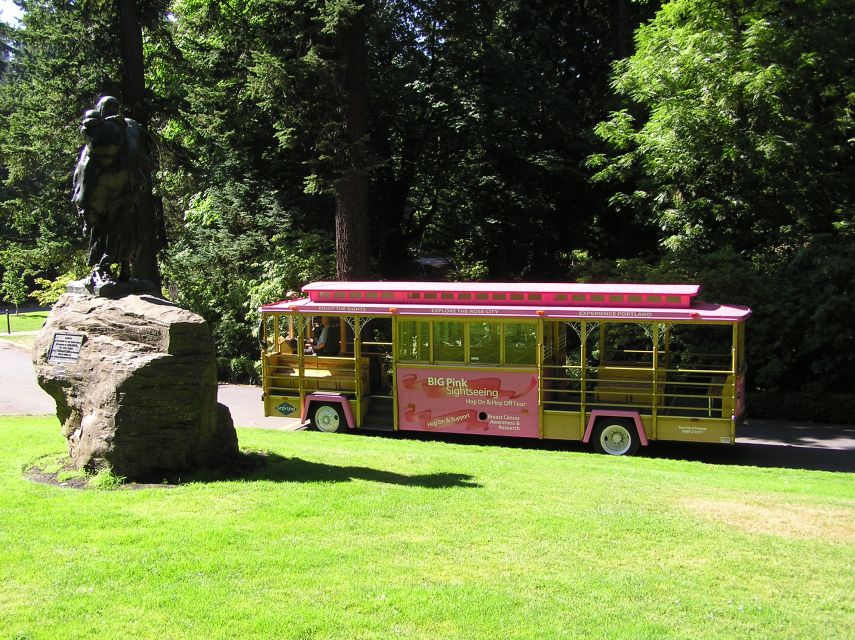
Book it if you want a practical, low-stress way to see Portland in two days, with narration that helps you make sense of neighborhoods and parks. The biggest reasons I’d recommend it are the guided context, the reboarding flexibility, and the fact that International Rose Test Gardens is included.
Skip it or plan around it if timing anxiety is your thing, if you’re traveling with large luggage, or if you’re visiting during the June 1 / June 8 parade closures.
If you want Portland without turning your trip into a logistics project, this pink trolley pass is a solid choice.
FAQ
Where is the meeting point for the Gray Line Pink Trolley tour?
You’ll meet at the pink trolley ticket booth in the parking lot at 846 SW Park Ave. You can board next to the booth or at en-route stops.
How long is the tour, and how does the 2-day ticket work?
The narrated tour takes about 55 minutes and covers the route with stops where you can hop off and re-board. The two-day pass is valid for 2 days from first activation.
How often does the trolley come at each stop?
Service is scheduled at 60-minute intervals, with about one hour available at every stop.
What’s included in the ticket price?
Included is the two-day hop-on hop-off ticket, and entrance into the International Rose Test Gardens. Other attraction entrance fees are not included.
Are there restrictions on luggage or smoking?
Smoking is not allowed. Luggage or large bags are not allowed.
Is the tour wheelchair accessible, and are there any days it does not operate?
The tour is wheelchair accessible. It does not operate on June 1 and June 8 due to downtown Portland parades.