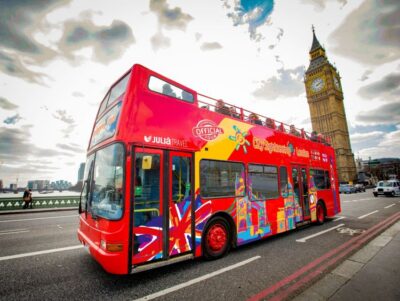
Hamburg is easiest when you ride it first. This Line A hop-on hop-off bus lets you see the port, the warehouse district, the Alster lakes area, and the Reeperbahn on one loop, with GPS-guided audio in 11 languages. I especially like the headset system (so you can actually hear your language) and the simple freedom to get off, wander, and jump back on later. The main drawback to watch for: double-decker headroom can feel tight, and the bus loudspeaker sometimes competes with the headset audio.
You get a full 1-day ticket that covers a route with 20 bus stops, so you’re not locked into one long ride. When weather is nice, the bus can run open top, which makes harbor views feel less “through glass” and more like you’re part of the scene. If you’re traveling in cooler months, the schedule runs less often, so plan to check departure times and give yourself a little buffer at the stops.
In This Review
- Key things that make Line A work (and why it’s popular)
- Hop on where the red double-deckers wait
- Price and what you actually get for $24
- The GPS headset setup: easy, but manage the sound
- Landungsbrücken to HafenCity: the harbor section from the top deck
- Practical tip for this section
- Speicherstadt and the warehouse complex you can spot fast
- Harvestehude villas and the Outer Alster lake views
- Dammtor, Planten un Blomen, and Hamburg Messe: a change in tempo
- Jungfernstieg to City Hall: the center where the stories meet
- St. Michael’s and the Reeperbahn: from classic Hamburg to nightlife reality
- A good mindset for this last stretch
- Practical tips so your day feels smooth
- Who should book this hop-on hop-off bus?
- Should you book Line A, or choose something else?
- FAQ
- How long is the Line A hop-on hop-off tour in Hamburg?
- Where can I board the bus?
- What sights does the route include?
- Is entry to monuments included?
- Are headphones included?
- How many languages are available for the audio guide?
- How often do buses run in winter?
- Is the bus wheelchair accessible?
Key things that make Line A work (and why it’s popular)
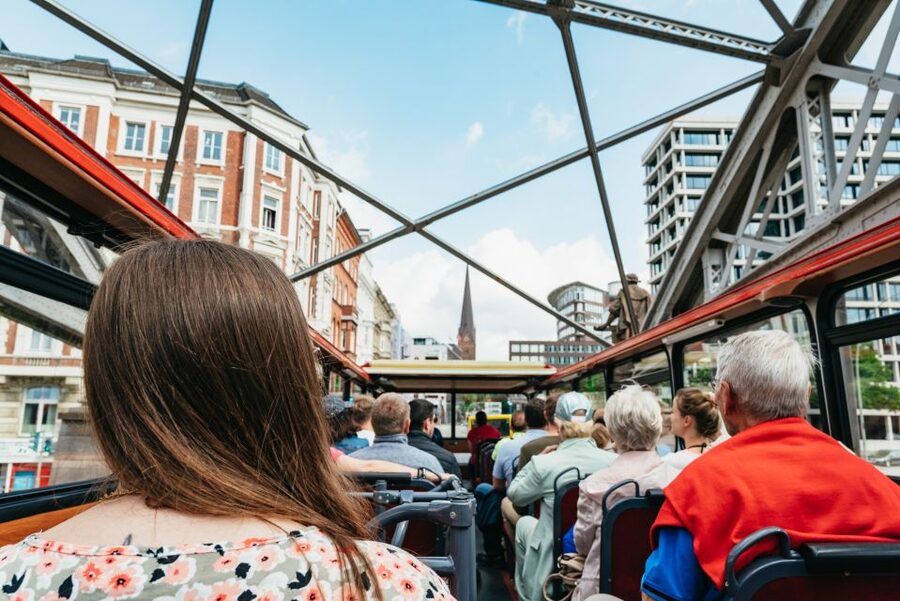
- GPS-controlled audio with headsets in 11 languages, so you can follow along without squinting at signs
- A route that connects the biggest contrasts: harbor + historic warehouses + Alster villas + the Reeperbahn
- Hop-on, hop-off flexibility across 20 stops, so you can tailor the day to your pace
- Open-top views in nice weather, handy for harbor angles and skyline moments
- Winter frequency is still workable, but you should time your hop-offs around departures
Hop on where the red double-deckers wait
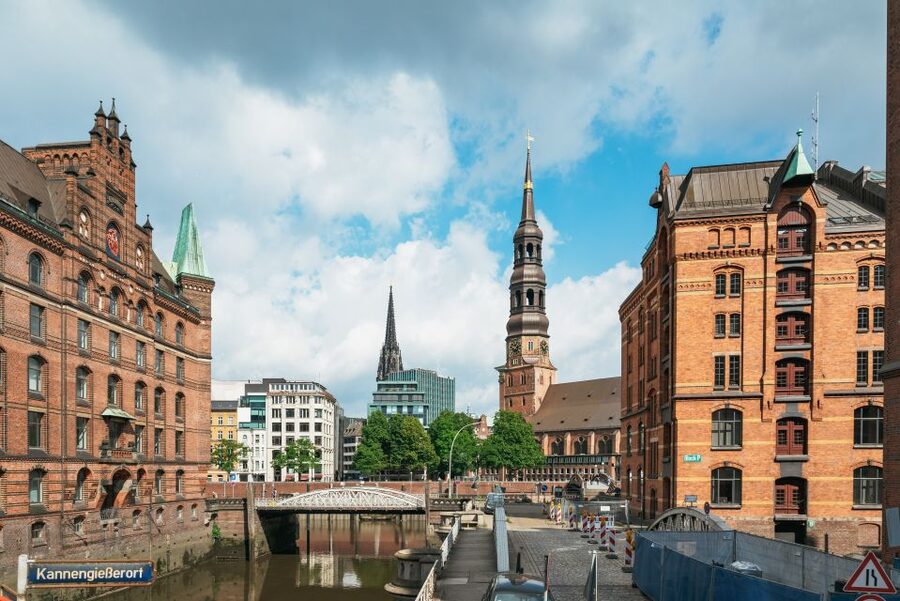
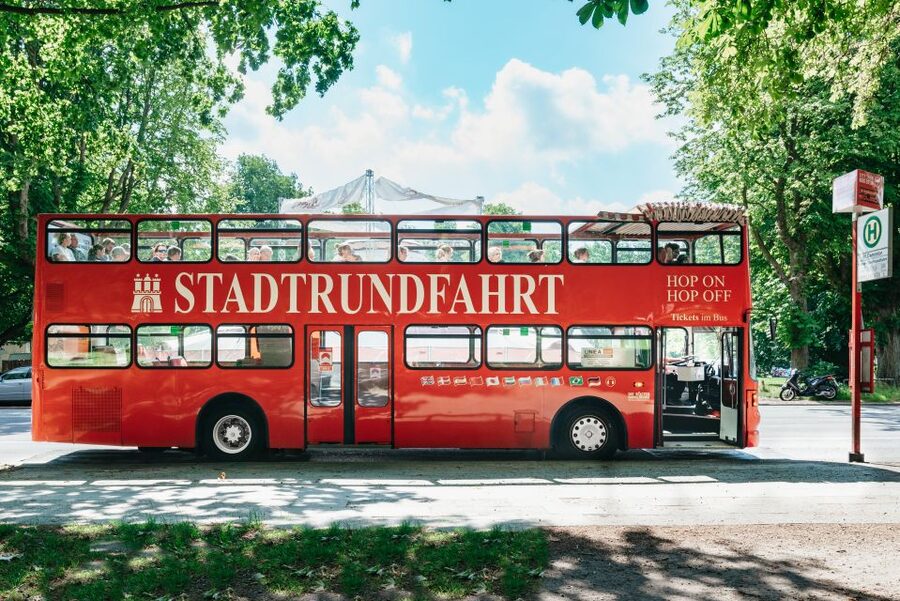
Your starting point is the U/S Landungsbrücken area. You can hop on at the Central Station/Kirchenallee stop, at St. Pauli Landungsbrücken 1–2, or at any of the other stops along Line A. Look for the red double-decker Hamburger Stadtrundfahrt bus.
If you’re using your time smartly, this matters. Being able to start at the stop that’s closest to where you’re already walking saves transit hassle, especially if you only have one day in town. Also, keep an eye on stop changes and timetable updates on the operator’s site, since city construction can shift pick-up points.
Price and what you actually get for $24
At $24 per person for a 1-day ticket, the value comes from what’s included, not just the ride. You’re paying for transport plus headphones plus a GPS-steered audio guide in 11 languages, so you don’t need a separate tour or an extra app to understand what you’re seeing.
A good way to judge value is to think about alternatives. If you’d otherwise pay for taxis or multiple one-off tickets to cover harbor + historic districts + nightlife streets, this ticket can feel like a bargain. Even better, a full “loop ride” can be quicker than you think—one complete pass is often around 1.5–1.75 hours (plus waiting time), and then you can spend the rest of the day where you actually stop.
The GPS headset setup: easy, but manage the sound
The bus uses GPS control to trigger the narration as you move, and you get headsets for clear listening in: English, German, French, Italian, Spanish, Portuguese, Japanese, Russian, Chinese, Arabic, and Danish. If you’re the type who wants context while you look out the windows, this is the sweet spot.
That said, the sound mix is worth planning for. Some people find the German loudspeaker on the bus can be loud enough to interfere with the headset audio. If English matters most to you, try sitting a bit farther from speakers and keep your headset volume adjusted. If your headset audio cuts out at a stop or you miss a segment, don’t panic—just focus on the next landmarks and re-listen as the GPS narration updates.
Landungsbrücken to HafenCity: the harbor section from the top deck

You roll out from U/S Landungsbrücken, and from there the route shifts toward the water and port areas. You’ll pass major harbor-area landmarks like Elbphilharmonie, then head into the Überseequartier area and onward to HafenCity. This part of the trip is where the bus feels most like a moving viewpoint.
Why it’s worth your time: HafenCity and the surrounding port-adjacent districts are all about contrast. You get modern angles and big-scale waterfront planning, and the narration gives you the “why” behind what you’re seeing. Even if you don’t hop off here, the passing views are useful. You’ll start recognizing Hamburg’s shape fast, which pays off later when you walk.
Practical tip for this section
If you’re taking photos, sit upstairs early and pick a consistent side. The harbor views change as the bus swings through intersections, and having a fixed “photo side” keeps you from missing angles while you’re moving around the bus.
Speicherstadt and the warehouse complex you can spot fast
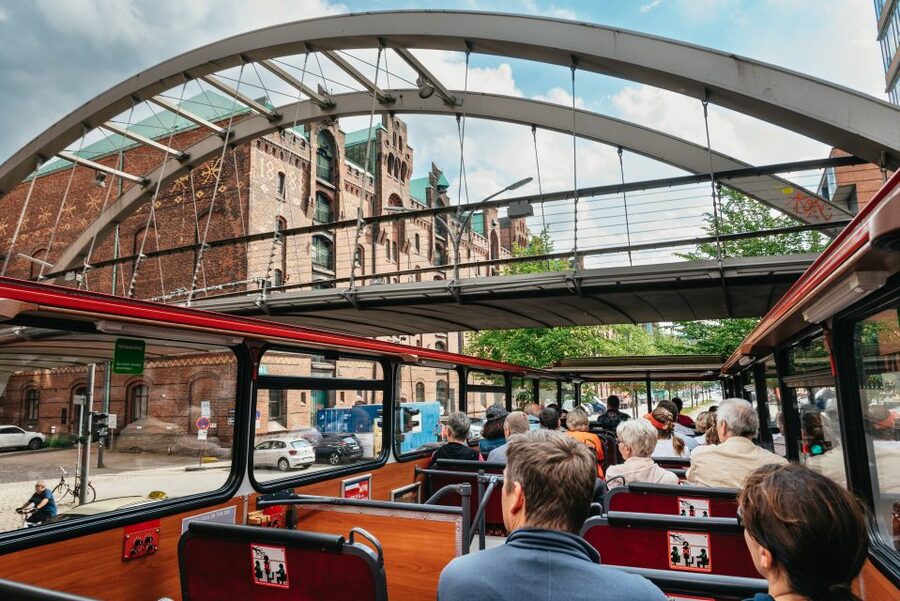
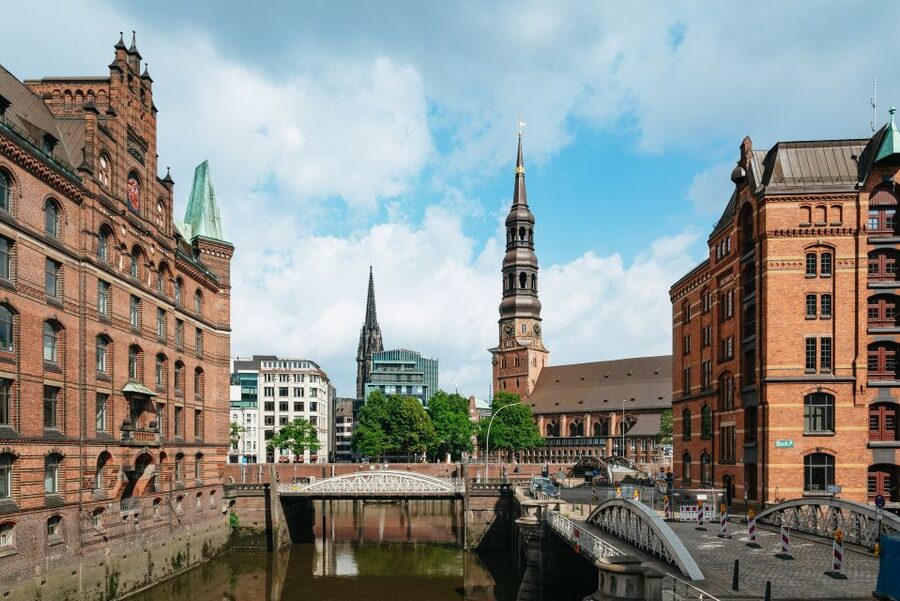
Next up is Speicherstadt, the famous historical warehouse complex. The bus doesn’t just point your eyes at it—it sets you up to understand why it’s such a defining part of Hamburg’s identity.
This area is one of the best parts of a hop-on hop-off format because it’s easy to overthink on foot. By seeing it first from the bus, you understand the layout—waterfront edges, building scale, and how the district fits into the wider city. Then, if you want to step out later at a stop in the area, you’ll have a mental map already.
You also pass Holzdamm and The Fontenay around this zone. Think of this as your transition from the older warehouse heart toward the smoother “city flow” parts of Hamburg. It’s not about one single stop; it’s about how the route connects neighborhoods so you don’t waste a day zigzagging.
Harvestehude villas and the Outer Alster lake views
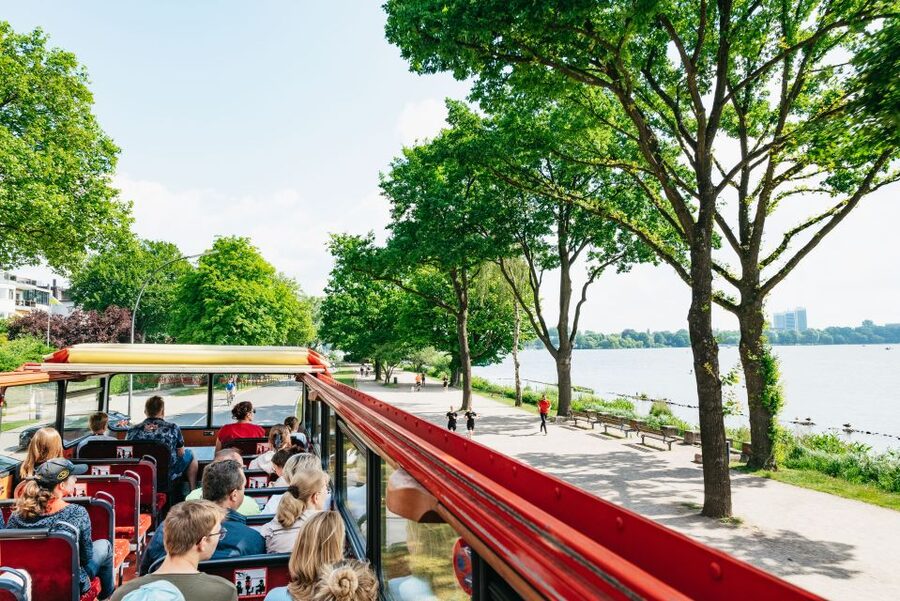
One of the most charming parts of Hamburg is what the bus points out around the Alster: magnificent villas in Harvestehude and views toward the Outer Alster lake area. On a bus, these moments land differently than they do in a museum—you feel the “residential Hamburg” side, not just the tourist core.
This is where the hop-on format becomes useful even if you don’t spend hours getting off. If you’re the kind of traveler who likes strolling for 30–45 minutes to see how locals live, this section is made for it. Even a brief hop-off can help you connect the narration to the street-level reality.
Also, if the weather is cooperating, keep an eye out for open-top driving. Open top is a big deal on the Alster and harbor stretches because you get cleaner sight lines and less “window glare.” In colder months, you’ll still get good views, but the mood changes—more sightseeing, less lingering.
Dammtor, Planten un Blomen, and Hamburg Messe: a change in tempo
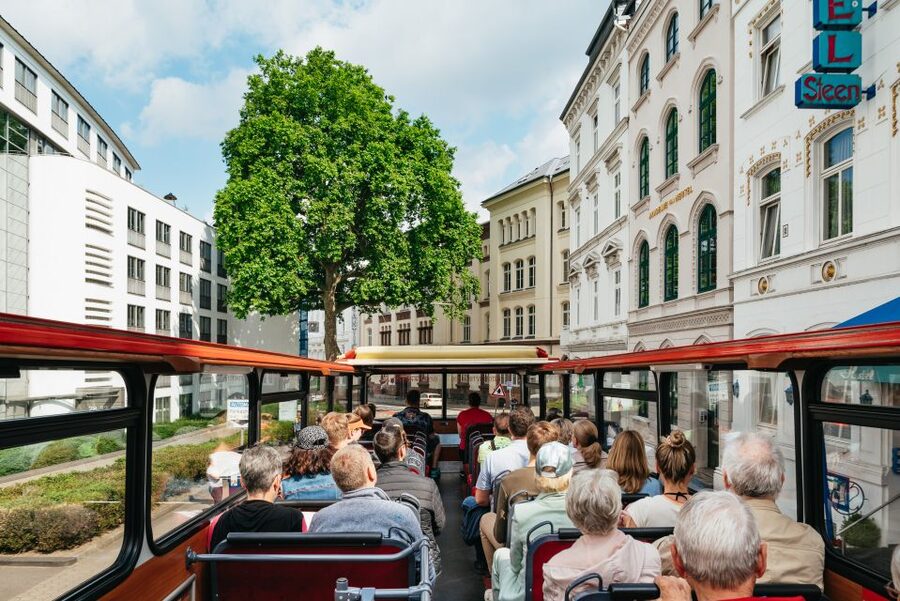
After the Alster and villa areas, the route moves through central connectors, including Hamburg Dammtor and then Park Planten un Blomen. You also pass Hamburg Messe. Even without getting off, this part helps you see how Hamburg “breathes” between historic pockets and large public zones.
Dammtor and nearby areas are useful for orientation. They help you understand where the city’s major routes and gathering points sit in relation to the harbor and center. Park Planten un Blomen gives you a break from architecture-heavy viewing, and it’s a natural area to consider for a slower stop if your feet are still fresh.
If you’re building a day plan, this is a good time to start thinking about your second half. If you only did a quick loop earlier, you can use these stops to pick what to revisit with more time.
Jungfernstieg to City Hall: the center where the stories meet

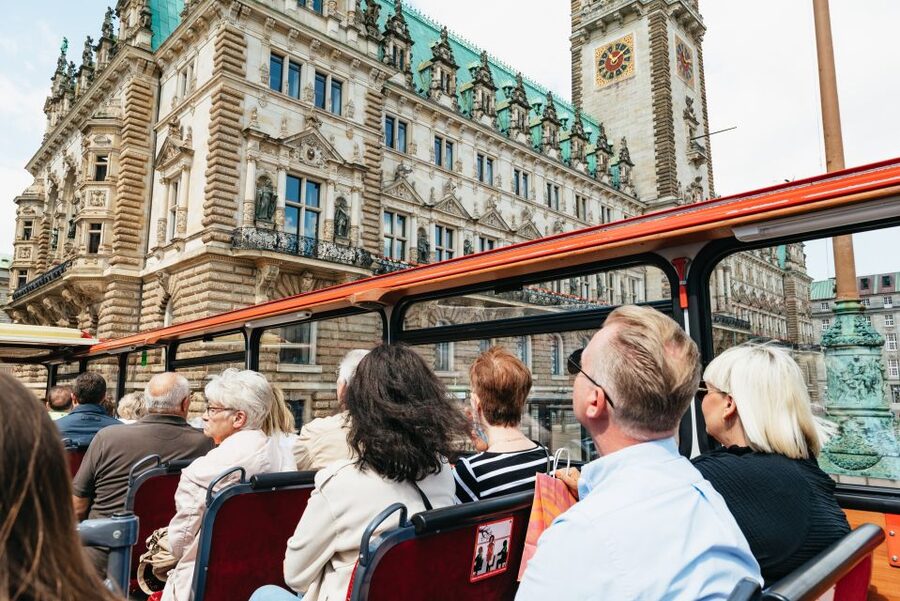
The bus rolls through Jungfernstieg and heads past the Townhall (Hamburg City Hall). This is the core where Hamburg feels most “official” and structured, and the audio narration helps stitch together what you’ve seen so far: port work, historic warehouse industry, residential river life, and then the civic center.
From a practical standpoint, this is where you can decide what kind of traveler you want to be today. If you like landmarks with a strong sense of place, it’s worth hopping off around the center for a walk. If you’d rather keep your energy for one big stop, you can stay on and let the bus deliver the highlight views in one pass.
St. Michael’s and the Reeperbahn: from classic Hamburg to nightlife reality
Two of the final big passes are St. Michael’s Church, Hamburg and then Reeperbahn. The Reeperbahn is Hamburg’s infamous Red Light district, and the contrast with the earlier parts of the day is the point.
This doesn’t have to mean you’re planning a night out right now. Even if you’re just curious, seeing the Reeperbahn area from the bus gives you context for why the neighborhood is so well-known—and how it fits into the bigger city map. When you finish at Landungsbrücken again, you’ll feel like you’ve seen Hamburg’s full “range,” not just the postcard side.
A good mindset for this last stretch
Keep your expectations realistic. The bus can’t replace actually walking the Reeperbahn streets, and it won’t replicate the atmosphere of being there at night. But as a day overview, it’s a smart closer—especially if you’re trying to pack an efficient first visit into limited time.
Practical tips so your day feels smooth
Here are the points that most affect how good the experience feels:
- If you’re tall, double-check headroom expectations. Some riders find upper deck space tight for long legs, even if they can manage it.
- Sound matters: if the German loudspeaker makes English harder to hear, move your seat and raise your headset volume carefully.
- Plan your day as a series of “mini-decisions.” Do one loop for orientation, then pick 1–3 areas to explore on foot.
- In cooler months, don’t assume constant frequency. From November–April, departures run every 60 minutes Monday–Thursday and every 30 minutes Friday–Sunday.
- Bring a flexible mindset about construction. Routes can be adjusted, and stop positions may shift.
A small timing detail can also help: some people find a full loop doesn’t take all day. If you’re the type who likes to keep moving, you can finish the loop, then use the remaining time for the stops you personally care about most.
Who should book this hop-on hop-off bus?
This fits best if you want an organized overview without committing to a guided walking tour all day. It’s especially handy for first-time Hamburg visits, one-day schedules, and travelers who like learning while they move.
You’ll get the most out of it if:
- You want harbor + historic warehouse district + central sights + nightlife context in one plan
- You like having audio guidance as you look out the window
- You want the freedom to hop off when something grabs you, not just when a tour schedule says so
If you hate headset listening or you’re sensitive to sound overlaps, you might find the mixed bus speaker + headset experience annoying. If that’s you, consider bringing your own earbuds and paying attention to where you sit.
Should you book Line A, or choose something else?
Book this if you have one day and you want maximum payoff per hour. For $24, the ticket value is strong because you get transport plus GPS audio plus headsets, and the route covers Hamburg’s biggest contrasts—harbor districts, the historic Speicherstadt warehouse complex, the new HafenCity area, Alster lake views, central landmarks, and the Reeperbahn.
Skip it (or be cautious) if your top priority is deep, stop-by-stop exploration of one area. A hop-on hop-off bus can show you where to go, but it doesn’t replace guided walking time inside monuments or neighborhoods. Also, if you’re very tall or very noise-sensitive, choose your seat thoughtfully and expect that the sound mix can vary.
If you’re debating, I’d make this the first step in your Hamburg day plan. Do the loop for orientation, then spend your best energy on the stops that match your interests.
FAQ
How long is the Line A hop-on hop-off tour in Hamburg?
The ticket is valid for 1 day, and you can hop on and hop off at 20 bus stops along the route.
Where can I board the bus?
You can board at Central Station/Kirchenallee, at St. Pauli Landungsbrücken 1–2, or at any of the other stops on Line A.
What sights does the route include?
The route passes key areas like Speicherstadt (the historical Warehouse Complex), HafenCity, the Reeperbahn (Red Light district), and central landmarks such as the Townhall and St. Michael’s Church. It also includes views toward the harbor and the Alster lakes area.
Is entry to monuments included?
No. Entry tickets to monuments are not included.
Are headphones included?
Yes. Headphones are included with the tour.
How many languages are available for the audio guide?
The audio guide is available in 11 languages: English, German, French, Italian, Spanish, Portuguese, Japanese, Russian, Chinese, Arabic, and Danish.
How often do buses run in winter?
From November to April, buses depart every 60 minutes Monday–Thursday and every 30 minutes Friday–Sunday.
Is the bus wheelchair accessible?
Yes, the tour is wheelchair accessible.