
Hanoi moves fast; this bus keeps you sane. The big draw is the top-floor open-air views and the clear multilingual audio guide that talks as you pass each landmark, so you know what you’re looking at before you step off. I also like how you can set your own pace instead of being herded from stop to stop. The main catch is the 4-hour time window starts when you activate, and hopping off only works until the buses stop making stops after 5:00 pm.
You’ll still get a lot done, but plan your re-boarding time carefully. The loop is about 1 hour long, and the bus runs every 30 minutes, so you want a simple strategy: hop, sightsee, and come back before your ticket window runs out.
In This Review
- Key Highlights You’ll Actually Notice
- A Four-Hour Ticket That Lets You Set the Pace
- What the Ride Feels Like: Red Double-Decker, Open Views, Good Sound
- Value for $13: Transport, Commentary, and the Small Things That Add Up
- How to Plan Your Hop-On Strategy (Without Stressing)
- Start Points: Where You Join the Bus
- The Major Stops: What Each One Gives You (and What to Watch For)
- Hoan Kiem Lake: Your Hanoi Orientation Moment
- Saint Joseph Cathedral: A Big Architectural Landmark
- Hanoi Flag Pole: Short Stop, Easy Context
- Ho Chi Minh Mausoleum: National Symbol, Serious Tone
- Quan Thanh Temple: A Calm Counterpoint
- Tran Quoc Pagoda: A Scenic Pause
- Cua Bac Church: Another Architectural Face of the City
- Imperial Citadel of Thang Long: Big History Footprint
- Temple of Literature: Study, Scholars, and Hanoi’s Intellectual Side
- Hoa Lo Prison: A Heavy Stop in the Middle of a Fun Ride
- Vietnam Women’s Museum: A Perspective Stop
- Hanoi Opera House: The Stop You Plan Around
- Practical Comforts That Make the Bus Easier Than You Think
- Limits and Rules That Matter for a Smooth Day
- Should You Book This Hanoi Hop-On Hop-Off Bus?
- FAQ
- How long is the Hanoi hop-on hop-off bus ticket valid?
- What are the operating hours, and can I hop on after 5 pm?
- How often does the bus depart?
- Where do I meet the bus on weekdays versus weekends?
- Where does the tour end?
- What languages are available for the audio guide?
- What’s included with the ticket besides the bus ride?
- Is food included in the price?
- What items are not allowed on the bus?
Key Highlights You’ll Actually Notice

- Top-deck sightseeing: open-air views while you ride the main sights
- Audio guide that’s easy to hear: multi-language commentary for major landmarks
- Hop-on flexibility for a half-day: hop off and back on within your ticket window
- Free extras for the street: water, conical hat, and a rain coat onboard
- A loop that helps you orient fast: the full loop takes about 1 hour
- Hanoi Opera House as a key stop: the tour includes getting off there
A Four-Hour Ticket That Lets You Set the Pace

This is a classic hop-on hop-off style bus tour, but with a very practical Hanoi twist: you get a half-day of sightseeing built around the city’s headline landmarks, and you’re free to move at your own speed. The bus runs from 8:30 am to 5:00 pm daily, with departures every 30 minutes. That means you’re not locked into a rigid schedule, which is a big deal when you’re dealing with crowds, weather, or just the fact that you might pause for photos at a place you didn’t expect to love.
Your ticket is valid for 4 hours from the moment you first activate it. That activation timing matters more than you’d think. If you start late, you’ll lose the ability to fully use your hop-on hop-off flexibility before the service changes after 5:00 pm.
What the Ride Feels Like: Red Double-Decker, Open Views, Good Sound
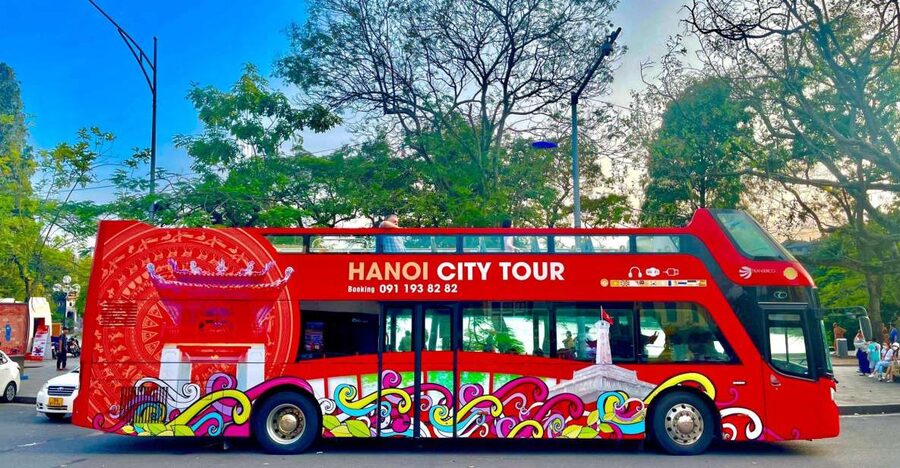
The bus is a red double-decker with open views from the top floor. Even when you’re not jumping off right away, you can use the ride to get your bearings. Hanoi’s neighborhoods can feel busy and confusing on foot, so seeing the layout from the upper deck helps you connect landmarks with the streets between them.
The audio guide is one of the standout parts. The commentary is provided in multiple languages, including English, French, German, Spanish, Russian, Japanese, Korean, and Vietnamese. Chinese is also listed as an available option in the tour materials. More important than the language count is how the audio is designed to be heard while you’re riding, with a sound system that’s clear enough that you can follow along as the bus approaches each stop.
Value for $13: Transport, Commentary, and the Small Things That Add Up
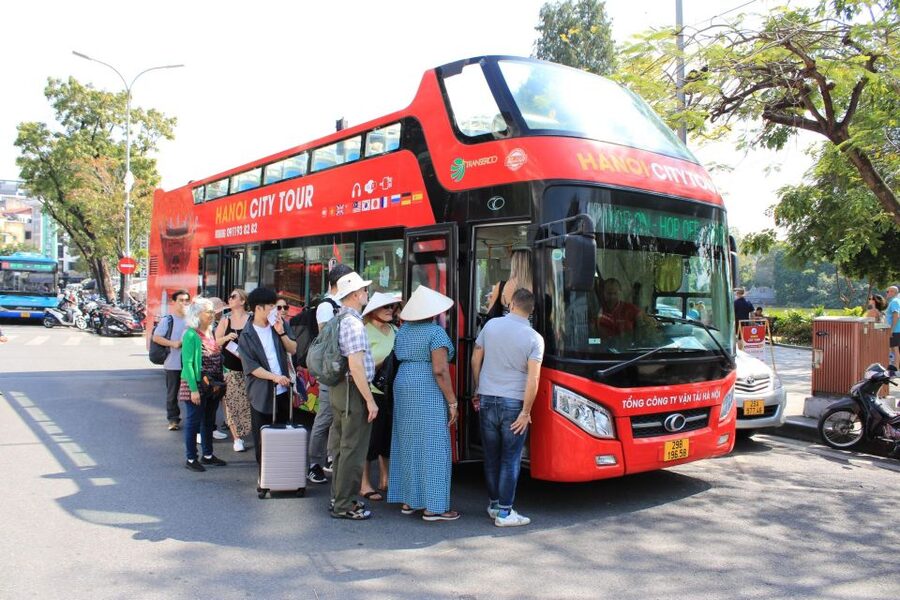
At $13 per person, this tour is priced like a smart add-on rather than a full premium day experience. What you’re paying for is not just seats. You’re getting:
- a 4-hour city tour bus ticket
- an onboard audio guide in multiple languages
- a city map
- free water
- a conical hat and a rain coat
- free Wi-Fi
- mobile e-ticket acceptance and staff use of your ticket for boarding
Food is not included, and the bus ticket is not advertising any meals. But honestly, the free water plus weather gear is one of the reasons this kind of tour works well in Hanoi. When the sky changes or the sun is strong, you don’t want to waste time hunting for basics.
How to Plan Your Hop-On Strategy (Without Stressing)
The entire loop takes about 1 hour, and buses leave every 30 minutes. That’s your key planning tool.
Here’s a simple way to use your 4-hour ticket:
- Hop off for one or two main stops first.
- Re-board and ride the loop once to catch the rest while you’re still fresh.
- If you want more time, jump off again at a place that grabs you.
You also get skip-the-ticket-line style boarding, which helps you get settled faster. Just show your mobile e-ticket (or ticket) when you get on.
One more timing note: this is a day tour only. After 5:00 pm, the buses run without stopping, so you can’t rely on hopping around late. If your goal is museums or longer walks, aim to start early enough that you’re not racing the clock.
Start Points: Where You Join the Bus
Your meeting point changes by day:
- Monday to Friday: you meet around Hoan Kiem Lake at Dong Kinh Nghia Thuc Square, 7 Dinh Tien Hoang. Look for the red double-decker and the ticket booth.
- Saturday and Sunday: you start at Hanoi Opera House, also marked by the red double-decker.
The good part is that both options are in the central sightseeing zone. You’re not commuting across the city for the tour to start.
The Major Stops: What Each One Gives You (and What to Watch For)
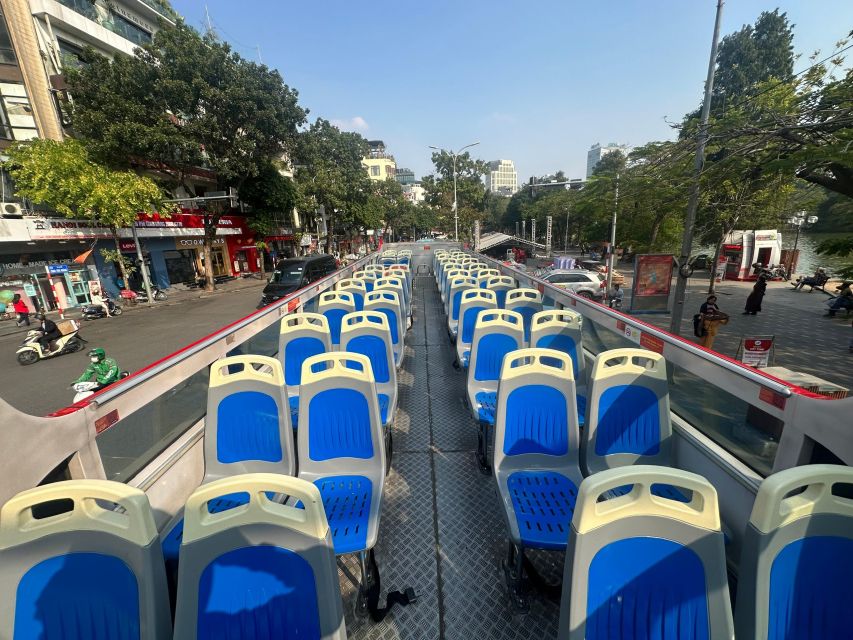
The bus route includes big-name landmarks across central Hanoi. You can hop off and on at the listed stops within your ticket time. Here’s how to think about each one so you spend your time intentionally, not just randomly jumping off.
Hoan Kiem Lake: Your Hanoi Orientation Moment
Hoan Kiem Lake is the classic centerpiece for good reason. Even if you don’t go deep into sightseeing, it’s a powerful reference point for understanding where you are in the city. I like it early in the tour because it helps you map the rest of the route in your head.
If you’re photographing, go with a light plan. The lake area can get busy, and you may find yourself pausing longer than expected.
Saint Joseph Cathedral: A Big Architectural Landmark
Next up is Saint Joseph Cathedral. This is one of the most recognizable religious buildings in the central area, and the bus lets you see it from above and then decide how long to spend on foot. The advantage of the hop-on format here is simple: you can stop just to look, or you can take your time if it clicks with you.
Tip: don’t rush your stop. If you’re an architecture person, the best photos are often the ones you take after you’ve circled the area once.
Hanoi Flag Pole: Short Stop, Easy Context
The Hanoi Flag Pole area is more about context than a long visit. It’s the kind of stop where the bus works perfectly. You can hop off, snap a few pictures, get a sense of what’s nearby, and then re-board without losing half your day.
If your plan is museum-heavy, treat this as a quick reset point.
Ho Chi Minh Mausoleum: National Symbol, Serious Tone
The Ho Chi Minh Mausoleum is a landmark that carries political and historical weight. From the bus, you get an easy overview, and on foot you can approach with the right mindset: this is not a casual photo stop. If you hop off, plan to act respectfully and follow any on-site rules you find.
Because the tour is designed as a hop-on hop-off ride, you can decide whether this is a must-do long stop or a quick look from the outside.
Quan Thanh Temple: A Calm Counterpoint
Quan Thanh Temple offers a quieter feeling compared to the biggest showpieces around it. It’s a good place to step away from the rush and get a sense of Hanoi’s spiritual life and older layers of the city.
I like this stop when you want a short walk that still feels meaningful.
Tran Quoc Pagoda: A Scenic Pause
Tran Quoc Pagoda is another stop where the bus helps you preview the area before you commit time on foot. Pagodas often reward you for slow looking, not speed, and the hop-on approach lets you match your time budget to what you feel.
If you’re trying to fit a lot in, this is where you’ll want to keep your stop focused. Spending too long here is easy if you like temple details.
Cua Bac Church: Another Architectural Face of the City
Cua Bac Church gives you another strong architectural stop. It’s a useful counterbalance to the more monumental civic sights, and it’s also a practical one: you can hop off, see the facade, and then move on without needing a full “tour day” mindset.
If you’re traveling with someone who wants photos and someone who wants history, this kind of stop tends to keep both sides happy.
Imperial Citadel of Thang Long: Big History Footprint
The Imperial Citadel of Thang Long area brings you into Hanoi’s deeper past. It’s the kind of stop that can feel bigger than it looks from street level, so hopping off helps you appreciate scale and layout.
The drawback to plan for: it can be easy to feel like you need more time to truly absorb it. Use your bus time wisely here, especially if you still want museums later.
Temple of Literature: Study, Scholars, and Hanoi’s Intellectual Side
At the Temple of Literature, you’re not just seeing something old. You’re seeing Hanoi’s idea of learning and scholarship made physical. The hop-on layout is perfect here because you can spend as little or as much time as you want, instead of feeling trapped in a tight group schedule.
If you care about educational history, this is one to prioritize earlier rather than later.
Hoa Lo Prison: A Heavy Stop in the Middle of a Fun Ride
Hoa Lo Prison is an emotionally heavier landmark. The bus gets you there, but the experience is its own thing once you step off. If this stop is on your list, give it the respect of being mentally prepared, not squeezed between lighter stops like you’re rushing through checkboxes.
This is also a place where time can expand. If you hop off, keep an eye on your re-boarding plan.
Vietnam Women’s Museum: A Perspective Stop
The Vietnam Women’s Museum adds an important human lens to your city day. The bus makes it easy to include without having to organize separate transport. It’s a strong choice if you want your itinerary to go beyond monuments and architecture.
Because this kind of museum stop can take longer than you expect, it’s smart to use it as one of your main hops rather than a quick stop.
Hanoi Opera House: The Stop You Plan Around
The tour specifically includes getting off at Hanoi Opera House. That gives you a clear anchor near the end of your hopping time. I like using a major landmark like this to decide when you’re done with the hop-on part and ready to wrap up.
On Saturday and Sunday, your meeting point is also the Opera House, so it can feel extra logical to finish there.
Practical Comforts That Make the Bus Easier Than You Think
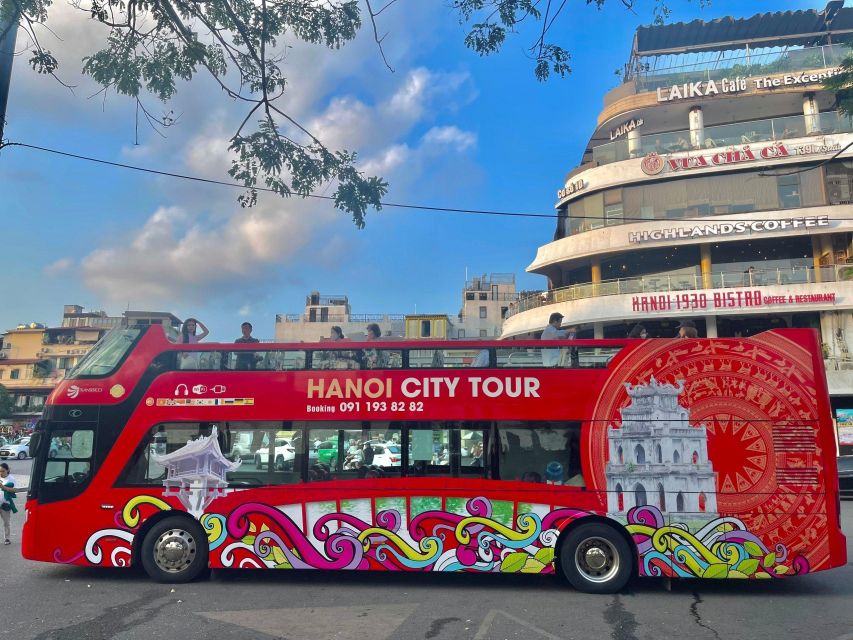
This bus isn’t pretending to be a tour guide in the seat. It’s better: it gives you a way to move around with minimal friction.
I appreciate the practical onboard extras:
- free water
- conical hat (useful if the sun is doing the most)
- rain coat (helpful when weather turns)
- free Wi-Fi
- a city map you can use while you walk
You’re also covered by insurance on the bus. No one books insurance because it sounds fun, but it’s reassuring.
Limits and Rules That Matter for a Smooth Day
You won’t want surprises, so it’s worth knowing what isn’t allowed on board. The tour materials list restrictions like:
- no pets
- no weapons or sharp objects
- no drones
- no smoking in the vehicle
- no oversize luggage
- no alcohol or drugs
- no bikes or scooters
If you’re traveling light, you’re fine. The main thing is to treat this like a transit experience first, not a free-for-all sightseeing ride.
Should You Book This Hanoi Hop-On Hop-Off Bus?
If you want a low-effort way to cover Hanoi’s biggest landmarks in half a day, this is a good match. The value is strongest when you plan to use the audio guide, pick a couple of priority stops, and accept that you’re using the bus to get you around and explain what you’re seeing.
I’d skip this option if you’re the type who wants a fully guided, stop-by-stop deep lecture experience with no flexibility. This one is about pacing and freedom. When you follow the simple timing rule, starting early enough to use your full 4 hours, it’s a very solid way to get oriented and see a lot without burning your day in transit.
FAQ
How long is the Hanoi hop-on hop-off bus ticket valid?
Your ticket is valid for 4 hours, counted from the moment you first activate it.
What are the operating hours, and can I hop on after 5 pm?
Buses run from 8:30 am to 5:00 pm daily. After 5:00 pm, the buses run without stopping, so you cannot hop on or off.
How often does the bus depart?
The bus leaves every 30 minutes.
Where do I meet the bus on weekdays versus weekends?
Monday to Friday you start at Dong Kinh Nghia Thuc Square (7 Dinh Tien Hoang) near Hoan Kiem Lake, and you should look for the red double-decker bus and ticket booth. On Saturday and Sunday, you start at Hanoi Opera House.
Where does the tour end?
The activity ends back at the meeting point.
What languages are available for the audio guide?
The audio guide is available in multiple languages, including English, French, German, Spanish, Russian, Japanese, Korean, and Vietnamese. Chinese is also listed as an available option.
What’s included with the ticket besides the bus ride?
Included items are a city map, free water, a conical hat, a rain coat, free Wi-Fi, and the multi-language audio guide.
Is food included in the price?
No. Foods are not included.
What items are not allowed on the bus?
The tour does not allow pets, weapons or sharp objects, drones, smoking in the vehicle, oversize luggage, bikes or scooters, and alcohol or drugs, among other restrictions.