Hop on, and DC clicks into place fast. I love the open-top views and the practical 18 stops that cover the major “must-see” landmarks without forcing you to keep pace with anyone else. One drawback to plan for: the schedule and audio timing can feel inconsistent during slower periods or when roads get impacted, so build in extra time at stops.
This is an easy way to connect the city’s icons—White House, US Capitol, Smithsonian museums, the Washington Monument area, and memorials—using recorded audio as you ride. You can pick a 1-, 2-, or 3-day pass and hop on at any stop, which is perfect when your day is half sightseeing and half walking between neighborhoods.
Add-ons can make it even more worthwhile, including an optional Arlington National Cemetery walking experience led by guides like Josh. Just remember the upper deck is open-air (not climate controlled), and you’ll want to manage basics like folded strollers and no luggage onboard.
In This Review
- Key things I’d bet your time on
- How the hop-on hop-off loop actually works for a DC day
- Price and what you get from a $49 ticket
- The must-know logistics: stops, timing, and how not to lose your day
- The Big Bus app: your best tool, not a magic wand
- Daytime route highlights: 18 stops you can actually use
- Washington Monument area and the DC skyline views
- Union Station: when you want transit convenience
- US Capitol neighborhood: the DC power center
- Air and Space Museum: prime time for curiosity
- L’Enfant Plaza and the Spy Museum area
- The Wharf: food and waterfront energy
- Smithsonian Metro: practical access and easy transfers
- Museums and solemn history
- Jefferson Memorial: classic sunset target
- FDR & MLK Memorials: layered American stories
- World War II Memorial: big scale, emotional weight
- Lincoln Memorial and Korean War Memorial
- Arlington National Cemetery: the add-on that changes the whole tone
- Constitution Gardens: a quieter, in-between feel
- White House: the photo stop everyone plans
- Ford’s Theater: history with a story
- Willard Hotel / US Treasury: DC glam meets government
- Optional extras that can make the pass feel worth it
- Who this tour fits best (and who should look elsewhere)
- The on-bus audio: helpful structure, not perfect alignment
- Should you book this Big Bus DC hop-on hop-off tour?
Key things I’d bet your time on
- You control the pace: hop on/off freely during your pass validity, so you’re not locked into one rigid route
- Top-deck sightseeing is the move: open-air views are a big part of the appeal
- Audio comes in handy for structure: recorded commentary helps you connect sites as the bus rolls past
- Arlington options add meaning: you can pair the bus route with an Arlington Cemetery walking experience
- The Big Bus app is your practical sidekick: live bus tracking helps you avoid idle time at stops
- Value grows with a 2- or 3-day plan: it’s easier to do museums and memorials without rushing
How the hop-on hop-off loop actually works for a DC day
Washington DC can be a little trickster. The sites are spaced out, sidewalks can be slow, and traffic can swing wildly. This bus format solves the biggest problem: you get a “city spine” that links the National Mall area, major Smithsonian stops, and the memorial corridor without needing perfect planning.
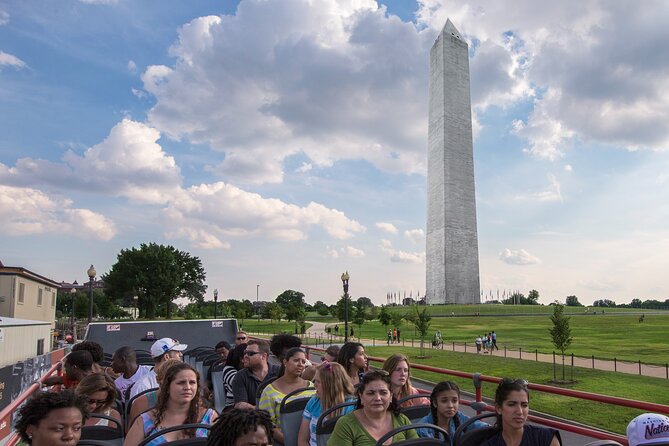
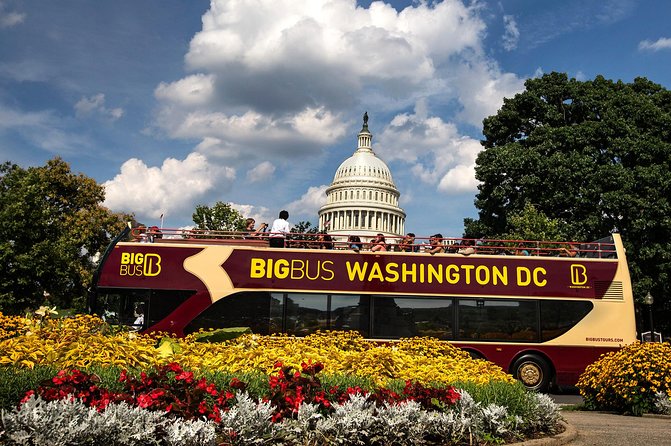
The buses are open-top, double-decker, and you can ride with digital commentary that walks you through facts and stories as you pass key sights. It’s not a private guide, but it’s a useful way to get oriented fast—especially if it’s your first time in DC or you want to avoid turning your day into a map-reading contest.
Most of the tour is designed for easy sightseeing rather than a deep museum schedule. That’s why I like using it as a backbone: you ride, listen, then hop off to spend the best time on the stops that hit you hardest.
Price and what you get from a $49 ticket
At $49 per person, this isn’t a “cheap and cheerful” bus ride. But it can be good value if you use it the way it’s meant to be used: as transportation plus context.
A few things you’re paying for, beyond just getting from point A to point B:
- Unlimited hop-on and hop-off access during your ticket validity (so you can come back to the same area)
- 18 stops that hit the core landmarks people usually travel to DC for
- Digital commentary while you ride
- Added experiences you can opt into, including Arlington Cemetery (walking tour option) and a panoramic sunset-style tour option
If you’re doing only a quick “highlights” day, the bus can help you see a lot without feeling like you’re sprinting. If you’re staying longer, the value improves because you can repeat routes, re-check viewpoints, and fit in museums around your energy level.
The must-know logistics: stops, timing, and how not to lose your day
DC bus sightseeing sounds simple: show up, hop on. In practice, timing matters.
Here’s what you can rely on from the provided details:
- Bus frequency is every 30–45 minutes during winter season.
- You should also expect a bus about every hour on both the Red Loop (National Mall) and Blue Loop (American Heroes Shuttle).
- Some reviews point out inconsistent arrival times, and in those situations, the app can help—but you still need buffer time.
So my advice is plain: don’t treat a single stop as a “must be there at X time” moment. Instead, plan like this:
- Pick two or three “anchor stops” for your day.
- Give yourself extra time at each stop because the ride itself is easy, but waits can be the wild card.
- If you’re traveling with kids, plan for the fact that the experience gets harder when your schedule gets tight.
Also note what can add friction:
- The upper level is open-top and not climate controlled, so weather matters.
- Strollers must be folded while aboard the bus.
- Food and alcohol are not permitted onboard (non-alcoholic drinks in screw-top bottles are allowed).
- Luggage isn’t permitted, which matters if you’re carrying bags from hotels or the airport.
The Big Bus app: your best tool, not a magic wand

The Big Bus app includes route information and real-time bus tracking. That’s useful because the tour is built around hopping on and hopping off, and waiting is the part you can’t fully control.
When the app works well, it helps you:
- Spot the next bus direction and avoid hanging around unnecessarily
- Build a plan around the areas you want to revisit
- Make decisions when you realize you’re closer to a different stop than you thought
But I’ll give you a cautious note. Some people report that live tracking and actual arrivals don’t always match perfectly, which can happen when traffic, road closures, or vehicle availability changes. So use the app to improve your odds, not to guarantee perfection.
Daytime route highlights: 18 stops you can actually use
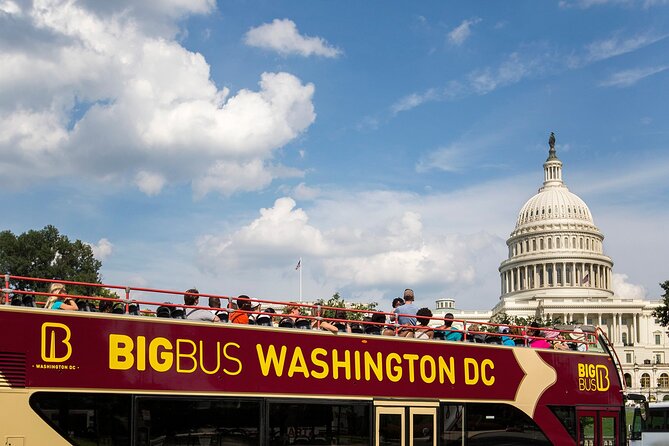
This route is basically a greatest-hits sampler of DC, with lots of “walk-up from the bus to the landmark” moments. Below is how I’d think about the stops—what’s there, why it matters, and what to watch for.
Washington Monument area and the DC skyline views
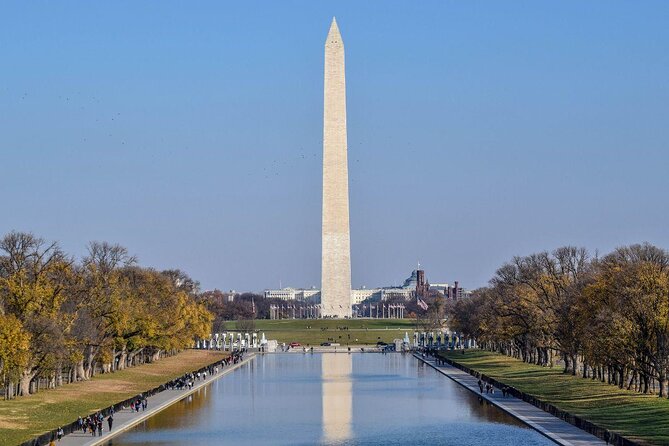
Stop 1: 1400 Jefferson Dr SW – Washington Monument
This stop is all about starting with a classic DC landmark. If you want big photo moments and a sense of the National Mall layout, this is where your bearings begin. The payoff here is the view and the easy access to the Mall corridor.
Stop 2: Natural History Museum area (10th St NW & Constitution Ave NW)
This is a smart “museum day” pivot point. It’s also a good spot to hop off if you want a break from riding and to connect the National Mall with nearby Smithsonian-area attractions.
Union Station: when you want transit convenience
Stop 3: 50 Massachusetts Ave NE – Union Station
Union Station is a big, central building and a practical place to pause. Even if you’re not planning a long sit-down, it’s a useful stop for orientation and for resetting your day if you’ve been hopping off and on.
US Capitol neighborhood: the DC power center
Stop 4: 2436 Rayburn House Office Bldg – US Capitol at Garfield Circle
If you came to DC for politics, monuments, and the big centerpiece structures, this stop brings you to that zone. It’s also a great “decide what you want to do next” moment—because you’ll be close to major landmarks and people-watch areas.
Air and Space Museum: prime time for curiosity
Stop 5: 600 Independence Ave SW – Air & Space Museum
This is one of those stops people usually plan around. If you’re the type who can’t pass a museum without at least looking inside, you’ll likely want to hop off here for a proper visit.
L’Enfant Plaza and the Spy Museum area
Stop 6: 700 L’Enfant Plaza SW – L’Enfant Plaza & International Spy Museum
This stop connects you to the edge of the Mall/river corridor and also puts you near a more playful DC attraction. It’s a nice change of pace if you’ve been doing monument after monument.
The Wharf: food and waterfront energy
Stop 7: 800 Maine Ave SW – The Wharf & Potomac Boat Cruise
This is your “reward stop.” The Wharf area is a good place to grab something to eat and slow down. If you’re considering a Potomac boat option, this is the practical place to hop off and see what’s running.
Smithsonian Metro: practical access and easy transfers
Stop 8: 1200 Independence Ave SW – Smithsonian Metro
This stop is valuable because it gives you options. Even if you’re mainly riding the bus, a Metro-adjacent stop helps you recover if your route timing doesn’t line up perfectly with your plan.
Museums and solemn history
Stop 9: 266 Raoul Wallenberg Pl SW – Bureau of Engraving & Holocaust Museum
This area pairs two very different kinds of learning: one is about currency production; the other is about one of the most important historical memorial museums in DC. If you want a thoughtful break in your day, hopping off here works well.
Jefferson Memorial: classic sunset target
Stop 10: Thomas Jefferson Memorial
This stop is about iconic views and memorial atmosphere. If you like photographing monuments at different light levels, build this into your day more than once—either right away or later when light is nicer.
FDR & MLK Memorials: layered American stories
Stop 11: 121 West Basin Dr SW – FDR and MLK Memorial
These memorials can feel emotionally powerful and visually detailed, even if you’re only doing a short visit. It’s a great stop when you want to slow down and get out for a real pause rather than just passing through.
World War II Memorial: big scale, emotional weight
Stop 12: World War II Memorial
This is one of the stops that benefits from time on foot. From the bus you’ll spot it easily; on foot you’ll notice the scale and the design details that don’t fully land from a moving vehicle.
Lincoln Memorial and Korean War Memorial
Stop 13: 100 Daniel French Dr SW – Lincoln Memorial & Korean War Memorial
If you’re trying to cover DC efficiently, this is a key stop. It’s also a good place to decide whether you want quick photos or a longer stop, because there’s enough here to justify both depending on your energy.
Arlington National Cemetery: the add-on that changes the whole tone
Stop 14: 1 Memorial Ave – Arlington Cemetery
This is the stop where your DC day can turn from sightseeing to something more reflective. There’s a walking tour option you can add, and guides like Josh can make the experience feel well-paced and meaningful.
Important planning note from the info provided: guests 18 and older must provide valid photo ID to enter Arlington Cemetery. Bring it even if you’re just passing through as part of your day.
Also, Arlington is where road changes and time pressures can matter more, so don’t treat this as a “we’ll figure it out” stop if your day is tight.
Constitution Gardens: a quieter, in-between feel
Stop 15: Constitution Gardens
This stop can work as a breather between major landmarks. It’s also helpful because it gives you another “hop and walk” point near the wider monument area.
White House: the photo stop everyone plans
Stop 16: 1615 H St NW – The White House
This is the big one. Even if your time is short, you’ll want to get out at least once. There’s also a fun value add tied to your ticket: a free White House commemorative digital photo if you present your ticket at White House Gifts (701 15th ST NW). One photo per ticket.
Ford’s Theater: history with a story
Stop 17: Ford’s Theater
This is a stop for people who like DC beyond the big monuments—people who want to connect the city to real historical events. It works best if you hop off with enough time to walk around instead of treating it as a quick “through the window” stop.
Willard Hotel / US Treasury: DC glam meets government
Stop 18: The Willard Hotel / US Treasury – 1401 Pennsylvania Ave NW
This finish puts you near DC’s classic institutional vibe. It’s a good last stop if you want to end your day in a recognizable, central area and keep your options open for dinner.
Optional extras that can make the pass feel worth it
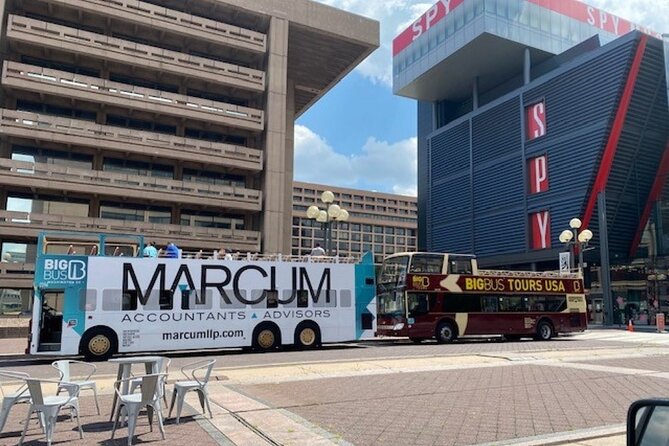
The bus is the main event, but the included/optional add-ons can change the “how was it?” answer from fun to memorable.
Here’s what you can expect from the package details:
- Optional Arlington National Cemetery walking tour (guided experience option)
- Panoramic sunset tour (an opt-in experience)
- Exclusive audio guide tour of Arlington Cemetery, Tidal Basin, and Georgetown
This means you can layer in extra context for specific neighborhoods and memorial areas without needing to improvise your own research.
Practical tip: choose the add-ons that match your travel style. If you’re the type who wants one big guided moment, do Arlington. If you want the softer light and viewpoints, consider the panoramic sunset-style option.
Who this tour fits best (and who should look elsewhere)

This tour is built for travelers who want an efficient sightseeing backbone with enough flexibility to customize the day. I’d especially recommend it if:
- You’re doing DC for the first time and want to understand how everything connects
- You don’t want to spend your day bouncing between paid taxis and parking searches
- Your group has different interests (museums, memorials, architecture), and you want one shared transport plan
- You want an easy way to fit major stops into a short visit
If you’re the kind of traveler who loves slow, museum-heavy days, you may find that hop-on hop-off works best as transportation between targeted visits rather than as your only plan.
And if your schedule is ultra tight—like you must be at Arlington at a specific time—consider adding a time cushion. Some people have had frustrating waits or missed hop-off moments when service frequency didn’t match their expectations.
The on-bus audio: helpful structure, not perfect alignment
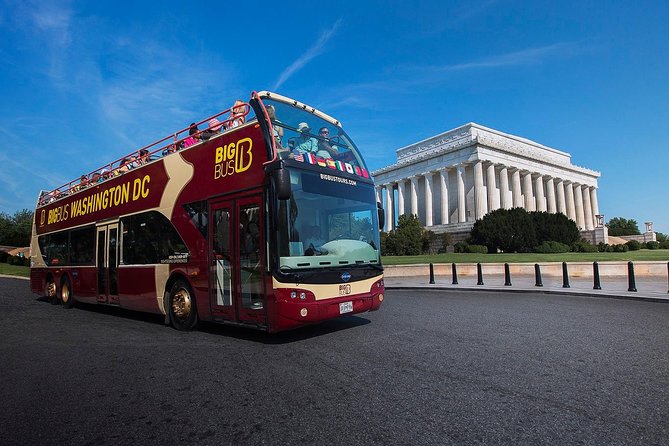
Recorded commentary is included, and that’s a real advantage in DC where so many landmarks look similar from the sidewalk. The audio gives you a narrative thread as you ride.
That said, it’s audio recorded to a route. If the bus timing slips or you’re not perfectly aligned with the stop sequence, the commentary can feel off for a few minutes. My practical approach: use audio for orientation, then rely on your own eyes when you hop off.
If you plan to listen closely, also watch for any earphone instructions from the staff. One review experience mentioned confusion about when to pick them up, which tells me it’s worth being proactive as you board.
Should you book this Big Bus DC hop-on hop-off tour?
Book it if you want a low-stress way to hit the headline landmarks—especially if you’re balancing museums, memorials, and walking without turning the day into a logistics puzzle. The combination of open-top views, 18 stops, and audio guidance makes it a strong match for most first-time DC trips.
Skip or plan differently if you’re extremely schedule-sensitive or you’re traveling during a period when routes and frequencies might be reduced. In that case, add buffer time, keep a backup plan for transportation, and don’t put all your hope on the bus arriving at one exact minute.
If you’re deciding between pass lengths, my instinct is simple: 2 days is often where the sweet spot happens, because you can see the core sites and still come back for better light, longer museum time, or a calmer Arlington visit.