
Munich rewards slow wandering, but this bus helps you start smart. The hop-on hop-off setup plus audio in 8 languages turns a short stay into a plan you can actually use on the street. You pick the stops you care about, then jump on the next bus when you’re ready.
What I like most is the practical mix of top sights and real neighborhoods: Old City Center stops like Marienplatz and Odeonsplatz, plus options that reach outward toward Schwabing and major parks. The ride is only about an hour per route, but it’s designed so you can spend longer by hopping off and reboarding.
One thing to consider: service can shift on the day (events, road closures, construction). If a specific line is on a modified route, your best move is to stay flexible and verify stops before you commit to a long walk.
In This Review
- Quick take: what to know before you ride
- Price and logistics: what $28.28 gets you in Munich
- How the three-route system works (Red, Purple, Blue)
- Red route highlights: Old City stops from Odeonsplatz to Stachus
- Odeonsplatz
- Marienplatz
- Oper area: Falkenturmstraße
- Haidhausen: Convertini
- Deutsches Museum
- Stachus (Karlsplatz area)
- Schwabing and beyond: when the route reaches outward
- Englischer Garten area: a big “walk or not” choice
- Leopoldstr and classic city building blocks
- Siegestor and university zone
- Pinakotheken area
- Olympiapark
- Audio in 8 languages: making sure you actually hear the story
- Timing, crowds, and day-of road changes
- Schedules and small delays
- Crowding at popular stops
- Drivers and ride style
- Route modifications for events and construction
- Stop-by-stop strategy: how to use this tour like a pro
- Use it on your first day
- Pick 2 or 3 “anchor stops”
- Then connect the rest by feel
- Bring basic comfort items
- Weather and timing matters
- Who should book this, and who should skip it
- Should you book Hop-On Hop-Off CitySightseeing Munich?
- FAQ
- How long is the Hop-On Hop-Off CitySightseeing Munich tour?
- What is the price per person?
- Are there audio guides in English?
- Where are the main boarding stops?
- Where do I redeem my ticket?
- Are there multiple routes on the bus?
- How often do buses run?
- Does the tour allow service animals?
- Is it convenient for public transportation?
- What if I need to cancel?
Quick take: what to know before you ride
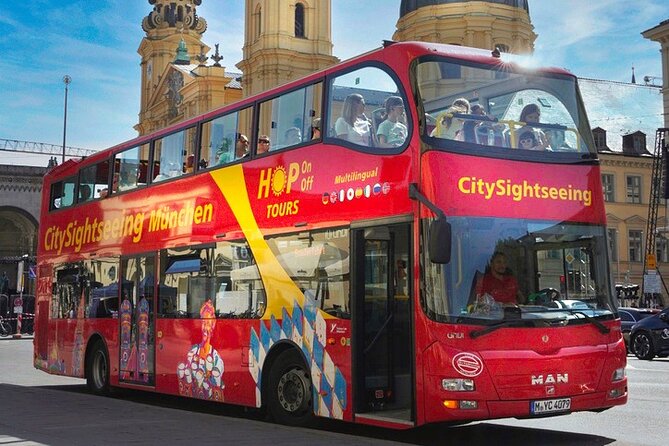
- Three bus lines (Red, Purple, Blue): each route covers different zones and you’ll transfer buses to switch routes
- English audio is clear and easy to follow: use the volume; some announcements can be louder than others
- Major anchor stops: Marienplatz, Odeonsplatz, Oper area, Deutsches Museum, and Stachus
- Plan for real city logistics: occasional delays happen, and crowded buses can mean you wait for space
- Some day-of changes are possible: route modifications are worth checking so you’re not waiting at the wrong stop
Price and logistics: what $28.28 gets you in Munich
At about $28.28 per person, this is one of those “pay once, make decisions later” deals. The bus experience runs for around 1 hour per route, but the value comes from being able to hop off, explore, and then reboard rather than feeling locked into one rigid itinerary.
The tour is offered with recorded audio in English (and other languages too). That matters in Munich, where the best sightseeing often happens when you’re close enough to read signs, look up at facades, and then connect it to what you heard on the bus.
You’ll redeem tickets at Luisenstraße 4, 80335 München. Then you’ll want to go to the bus start area you’re aiming for—especially since the red route’s early stop is at the Welcome Center near Hauptbahnhof. This is a common snag with hop-on hop-off tours: redemption location and boarding location are not always the same.
How the three-route system works (Red, Purple, Blue)
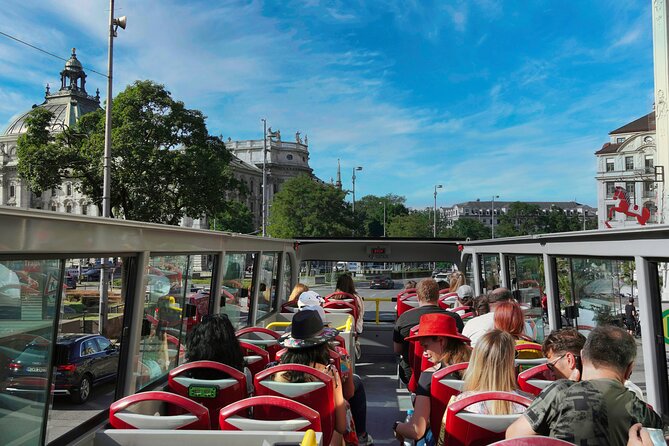
This is not one single loop. You’re using a three-route setup so you can build your own version of Munich.
Here’s what helps you plan:
- You’ll typically see Red running more frequently (around every 20 minutes).
- Purple tends to come more slowly (about every 30 minutes).
- Blue is the slowest (around 1 hour).
In practice, each route takes about an hour, so if you finish one line and want a different zone, expect to change buses. One useful tip: before you get off, check where that bus is headed so you don’t wander back to the wrong stop.
If you’re using printed maps, keep in mind that some planning can feel slightly mismatched with what you see on the street. The fix is simple: once you’re onboard, listen for the stop names and watch the stop signage when you get close. If the bus feels busy, don’t wait until the last second to stand up near the door.
Red route highlights: Old City stops from Odeonsplatz to Stachus
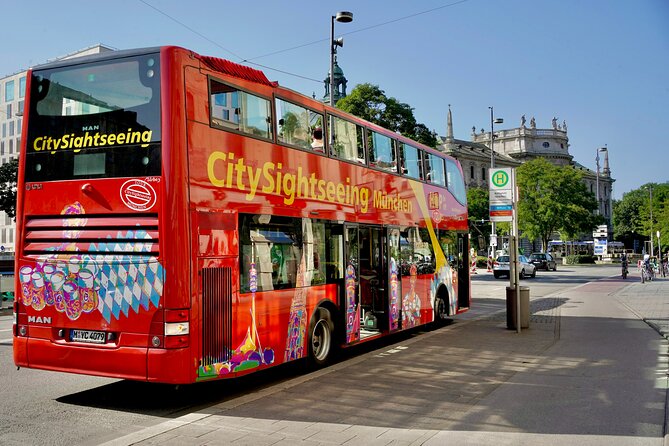
If you want the classic “first look” at Munich, you can’t miss the Red route-style core. The stop list reads like a greatest-hits collection for an intro day.
Start near the Welcome Center for Red Bus Sightseeing at Hauptbahnhof. From there you move into central sights, with stops that are easy to pair with walking.
Odeonsplatz
At Odeonsplatz, you’re in the Old City zone where monuments and grand buildings set the tone. This is a great place to hop off if you want to roam without committing to a long museum visit right away.
Marienplatz
The stop at Marienplatz is a must. You’ll be positioned for the best “Munich center” atmosphere, and it’s also a convenient spot to plan your next move—whether that means a short walk for photos or a longer stop before you reboard.
Oper area: Falkenturmstraße
The Falkenturmstraße 6 (Oper) stop puts you close to the opera district. Even if you’re not catching a performance, it’s a solid orientation point for understanding where Munich’s cultural spine runs.
Haidhausen: Convertini
Moving toward Haidhausen, the Convertini stop changes the feel. It’s a reminder that Munich isn’t only center-square postcard views—you can use the hop-off option to explore beyond the most obvious core.
Deutsches Museum
At Deutsches Museum, you can tackle one of Germany’s most famous science museums. Even if you don’t go all-in, the area is worth a look, and the stop is a good excuse for a focused break.
Stachus (Karlsplatz area)
Ending this central stretch at Stachus (near Karlsplatz / Stachus Passagen) is practical. It’s a convenient “re-group” location for snacks, coffee, and deciding which route you’ll take next.
Schwabing and beyond: when the route reaches outward
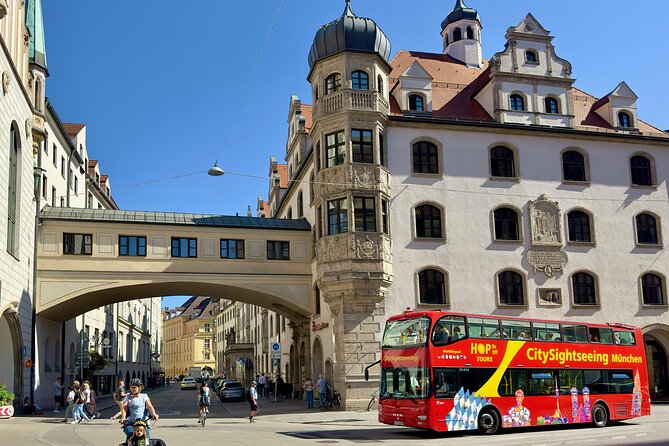
Munich gets more interesting the moment you leave the tight center. This tour’s other line options help with that, especially if you want parks, universities, and wider city views.
Englischer Garten area: a big “walk or not” choice
You’ll have access to the Englischer Garten zone via the stop at Thiemestraße 5. This is the kind of location where hopping off can turn into a long stroll—so if weather is good, plan extra time.
Leopoldstr and classic city building blocks
The Hohenzollernstraße (Leopoldstr) stop gives you another Munich layer: wide streets, institutional buildings, and a calmer pace than the central squares.
Siegestor and university zone
The stop at Ludwig-Maximilians-Universität München – Munich Center for Mathematical Philosophy (Siegestor) is for people who like Munich beyond monuments. Even without going inside, the area helps you understand the city’s modern side.
Pinakotheken area
The Theresienstraße 54 (Pinakotheken) stop connects you with the museum district area. If art museums are on your list, this is a logical place to hop off and spend time.
Olympiapark
For athletics-meets-architecture vibes, the Olympiapark München stop makes sense. It’s also handy if you’re using this tour as an easy bridge to larger venues and landmarks outside the center.
Audio in 8 languages: making sure you actually hear the story
Recorded audio is a blessing on a hop-on hop-off bus—when it’s usable. The system includes audio commentary in 8 languages, and English is part of the package.
In English, the playback tends to be clear and easy to follow, and the timing is generally good enough that you can look at what’s outside while the commentary connects it to the stop you’re approaching. If you find the audio too quiet, turn it up—some audio can feel overshadowed by background noise.
One quirk to know: the audio experience can include music elements along the way, and in at least one case the music felt more prominent than the information. Also, language selection can be imperfect; one person found that a language advertised as an option didn’t show up, with Swedish as the closest alternative. If language accuracy matters a lot to you, confirm what’s available before you settle in.
The practical approach: treat the audio as your “map in sound,” not a replacement for signage. You’ll get more out of the ride when you use it to decide what to look at closely after you hop off.
Timing, crowds, and day-of road changes
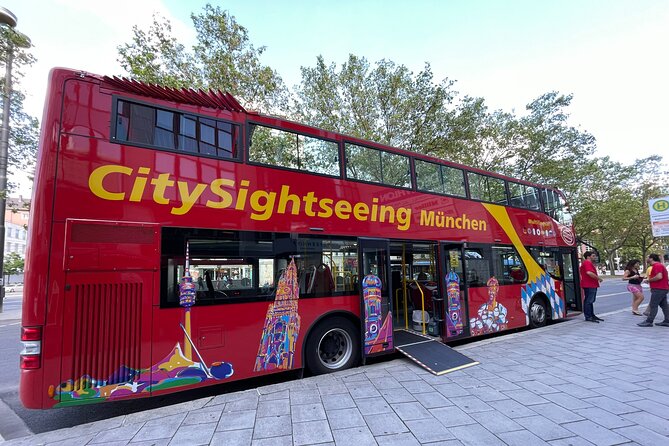
This is where expectations matter. A hop-on hop-off bus is a real transport service, not a private charter with guaranteed empty seats.
Schedules and small delays
Some people report that buses generally keep to schedule, with occasional late arrivals of around 5–8 minutes. That’s not unusual in a big city, but you should build in slack time when you’re hopping between lines.
Crowding at popular stops
On bus tours like this, the “hard part” is often not the ride—it’s reboarding. There was a case where the Purple route felt crowded at reboarding time, with limited room. If you’re traveling in peak seasons or weekends, do your best to get near the front when you see your bus arrive.
Drivers and ride style
You may also notice that driver behavior varies. One experience described a driver who drove aggressively, and another described grumpiness from staff. None of that changes what the route covers, but it can affect comfort—so if you’re sensitive to driving style or staff mood, give yourself extra time and choose seats that keep you away from the aisle where possible.
Route modifications for events and construction
This is the big one. There are reports that the Blue line can be rerouted on the day due to events, and that this change wasn’t communicated as clearly as expected. Construction can also limit what the central area looks like from the bus window, making the ride feel less like a full “center highlights” loop.
Your best move:
- check stop locations and route status before you walk too far
- if you’re waiting, ask where that bus is going
- don’t assume every day looks like the route map on paper
Stop-by-stop strategy: how to use this tour like a pro
You’ll get more from this tour if you treat it like a planning tool.
Use it on your first day
A clear theme is that this kind of bus is best as an orientation starter. It’s a fast way to build a mental picture of where you want to spend time later.
Pick 2 or 3 “anchor stops”
Don’t try to do everything. If you love historic squares, prioritize Marienplatz and Odeonsplatz. If museums are your thing, give Deutsches Museum a real chunk of time.
Then connect the rest by feel
Once you hop off, use the bus stops as your waypoints. You’ll often find that the best additional walking happens after you reboard and realize you’re close to a street you want to explore.
Bring basic comfort items
One practical tip: bring water. Hop-on hop-off tours can turn into more walking than you expect, especially if you hop off, explore, and then walk back toward the stop.
Weather and timing matters
On cloudy or rainy days, the bus becomes your “see without suffering” plan. On parade-heavy days or during events, roads can be blocked and schedules can shift, so go with a flexible mindset.
Who should book this, and who should skip it
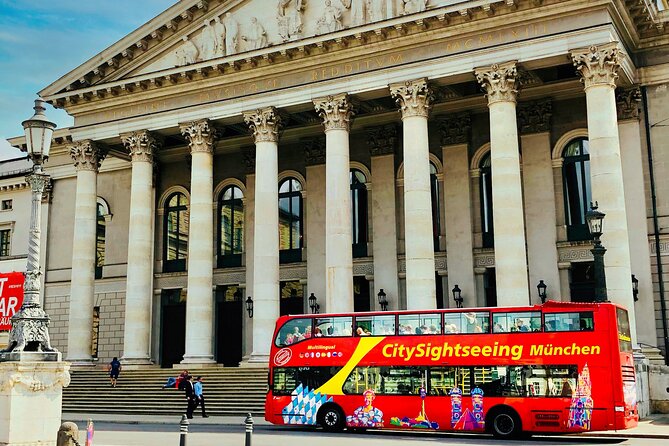
This works best if you want:
- an easy overview of central Munich without getting lost
- a way to mix top sights with neighborhood wandering
- a low-effort way to decide what you’ll do next
It may not be ideal if you:
- need a perfectly consistent route every day (events and construction can change things)
- hate waiting at stops for the bus to arrive
- depend on a ticket workflow that must be error-free on your phone (there have been reports of problems with ticket access)
If you’re traveling with kids, using it as public transport support can also be a smart way to cover distance without constant map-checking.
Should you book Hop-On Hop-Off CitySightseeing Munich?
I’d book it if you want a simple first-weekend plan: ride a line or two, hop off at your favorite anchors, and use the rest of your trip to go deeper on foot.
I’d think twice if you’re arriving on a day with major road disruptions or you’re the type who can’t handle route surprises. In that case, consider pairing this bus with at least one plan that doesn’t rely on a single perfect schedule.
Bottom line: for its price, this is a solid Munich orientation tool—just treat it like city travel, not a guaranteed scripted show.
FAQ
How long is the Hop-On Hop-Off CitySightseeing Munich tour?
Each route runs for about 1 hour (approx.), and you can use the hop-on hop-off format to spend more time at stops you care about.
What is the price per person?
The price is listed as $28.28 per person.
Are there audio guides in English?
Yes. The tour is offered in English, and the commentary is available in 8 languages.
Where are the main boarding stops?
Key central stops include Marienplatz, Odeonsplatz, Deutsches Museum, and Stachus. One listed starting point for the Red route is near Hauptbahnhof.
Where do I redeem my ticket?
Ticket redemption is at Luisenstraße 4, 80335 München, Germany.
Are there multiple routes on the bus?
Yes. The service uses three bus lines (Red, Purple, Blue).
How often do buses run?
One review described approximate frequencies of Red every 20 minutes, Purple every 30 minutes, and Blue every 1 hour. Exact timing can vary.
Does the tour allow service animals?
Yes. Service animals are allowed.
Is it convenient for public transportation?
Yes. The meeting area is listed as near public transportation.
What if I need to cancel?
You can cancel for a full refund if you cancel up to 24 hours in advance of the experience start time.