Five UNESCO stops in one bus ride? Yes.
On this Kathmandu city sightseeing route, I like watching the Pashupatinath Aarti ceremony in the Bagmati River area and I like the payoff of the Monkey Temple views from Swayambhunath. It’s a fast, spiritual circuit that mixes Hindu and Buddhist sites in a single day.
You’re also getting five UNESCO sites without paying for a private guide, which keeps the price sane at about $16 per person. The format is a shared budget bus tour, managed by an operator rather than a dedicated in-depth guide at every stop.
The main drawback to plan for: English interpretation can vary, since the operator provides basic info and the group is shared, and traffic can shift timing even if the pickup time stays the same. If you need deep storytelling at each monument, you may feel a bit on your own.
In This Review
- Key things to know before you go
- Price and what you truly get for about $16
- The route: why this UNESCO mix works in one day
- Meeting point and timing: how to catch the bus without stress
- Stop 1: Pashupatinath Temple and the Bagmati River rituals
- Stop 2: Guheswori Temple and a calmer spiritual pause
- Stop 3: Boudhanath Stupa, prayer wheels, and Tibetan Buddhist energy
- Stop 4: Swayambhunath Monkey Temple for views over Kathmandu Valley
- Stop 5: Budhanilkantha and the single-stone reclining Vishnu
- Shared bus reality: operator-managed tours and English expectations
- What to bring (and rules that keep things smooth)
- Who this tour suits best (and who should skip it)
- Should you book it?
- FAQ
- What sites are included in the 5 sights Kathmandu bus tour?
- Where is the meeting point in Kathmandu?
- What time does the tour start?
- How long is the tour?
- Is entry fees included?
- Is food included?
- Do I get a tour guide?
- What should I bring and wear?
- What rules are not allowed during the tour?
- Who should avoid this tour?
Key things to know before you go
- Five UNESCO sites, one day: You’ll hit Pashupatinath, Guheswori, Boudhanath, Swayambhunath, and Budhanilkantha.
- Operator-managed, not a full tour guide: You’ll get guidance and basic background, but don’t expect a lecture at each stop.
- Meet at Hotel Malla area in Thamel: Pickup is opposite the main entrance gate, about 15 minutes before departure.
- Expect delays from city traffic: The bus can arrive late, but your reporting time stays the same.
- Bring the right shoes and patience: You’ll do real walking, including stairs at Swayambhunath.
Price and what you truly get for about $16
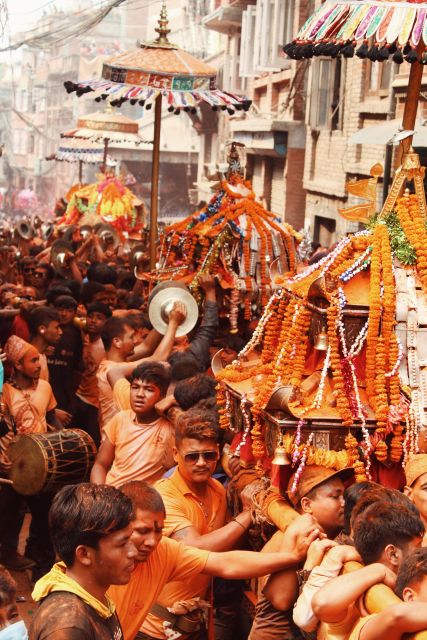
At roughly $16 per person, this is the kind of tour that helps you see the big-name UNESCO targets without turning your day into a budget disaster. The cost makes sense because you’re buying transport plus an operator to manage the route, not a dedicated, stop-by-stop guide with detailed explanations.
Here’s what’s included: pickup and drop, and the usual fuels/taxes/service charge, plus an operator to manage the tour. What’s not included is important: entry fees, food, and a tour guide. So your final day cost will depend mostly on what you pay at temples and whether you grab snacks or lunch along the way.
The best value is for you if your goal is simple: check off the major spiritual landmarks and enjoy watching the rituals and atmosphere firsthand. The weaker fit is if you want lots of history, archaeology, and inside context at every stop. This tour gives you the highlights; it doesn’t promise an extended classroom.
The route: why this UNESCO mix works in one day
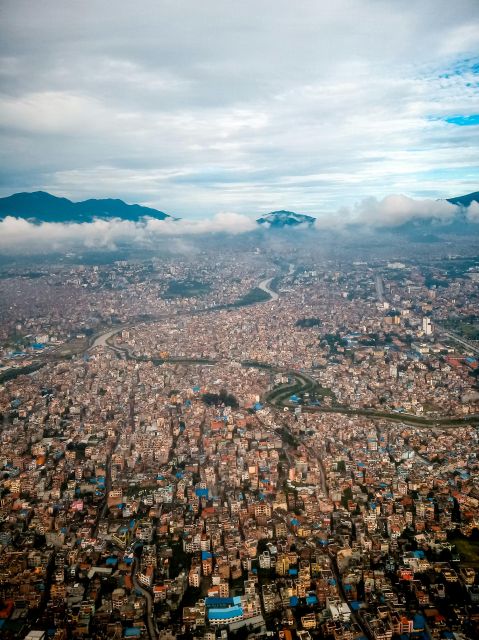
Kathmandu does one thing extremely well: it stacks sacred places close enough that you can string them into a single day. This itinerary takes advantage of that. You’ll move from the Bagmati River temple world to major Buddhist sites, and then to a reclining Vishnu statue that’s more unusual than it sounds.
What I like about the flow is the contrast. Pashupatinath sets a strong Hindu tone with ceremony. Boudhanath shifts you into Tibetan Buddhist culture, with prayer wheels and a ring of activity. Then Swayambhunath adds the big viewpoint moment. Finally, Budhanilkantha slows things down with a single-stone reclining Vishnu statue in a calm pond setting.
You’ll likely feel you’re “collecting scenes” more than “collecting facts.” That’s not bad—if you go in expecting atmosphere and observation, you’ll have a satisfying day.
Meeting point and timing: how to catch the bus without stress
Pickup is opposite the main entrance gate of Hotel Malla in Thamel. You should be there around 10:45 am (about 15 minutes early), since the bus leaves around 11:00 am Kathmandu local time. The bus may arrive late if there’s traffic, so don’t plan to be casual right at departure.
Look for the designated meeting area with clear signage and an operator representative who can help you find the correct spot. This kind of shared tour runs on everyone showing up on time—especially when you’re moving between temple zones that can be crowded.
One practical move: once you arrive, get your shoes ready and keep your day bag simple. You’re going to be walking between stops, and you don’t want to waste time digging for camera batteries, water, or your meds.
Stop 1: Pashupatinath Temple and the Bagmati River rituals
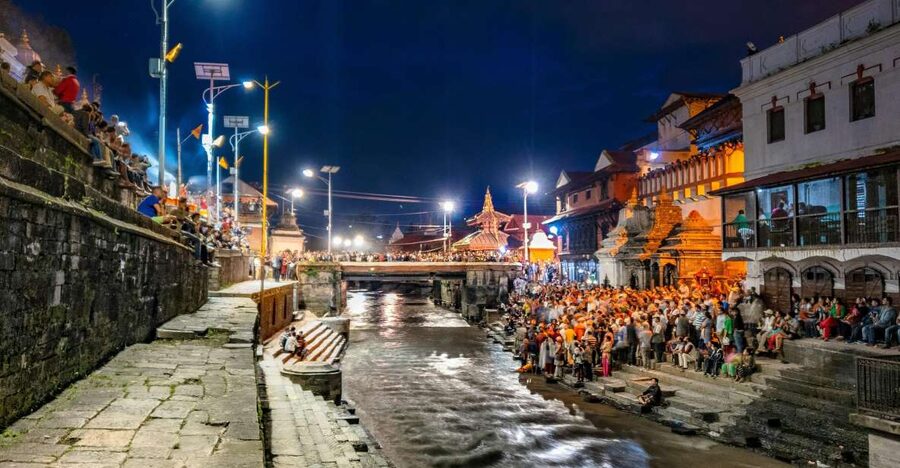
Pashupatinath Temple is the emotional opener. It’s Hindu spirituality at full volume, right by the Bagmati River. You’re not just looking at buildings here—you’re watching how people practice religion.
The big moment is the Aarti ceremony, where you can see ritual motion and devotion in action. Even if you don’t understand every detail, it’s one of those experiences where your eyes do the learning. Take your time, but also stay aware of how you’re standing. This is an active sacred site, not a museum.
What to watch for:
- The intricate details around shrines and temple structures.
- The ceremony itself, if timing lines up during your visit.
- The river setting and how it shapes the whole vibe of the complex.
Potential drawback: if you’re hoping for a guided, English-heavy explanation during the ceremony, this tour may feel lighter on narration. The operator can provide basic information, but don’t assume a full script for what you’re seeing.
Stop 2: Guheswori Temple and a calmer spiritual pause
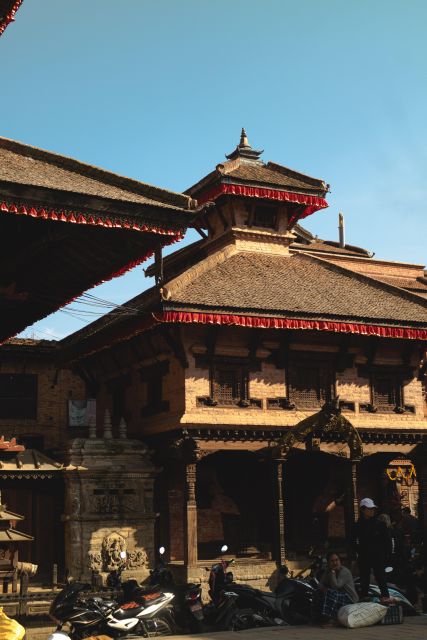
Next is Guheswori Temple, close by. This stop leans more toward a quiet spiritual mood. It’s dedicated to Goddess Guheswori, and you’ll typically see people participating in age-old rituals.
Compared to Pashupatinath, this feels like a breath. You get a different kind of temple atmosphere—less about dramatic river ceremony, more about staying present with the space and the religious practice around you.
Practical tip: dress and behave respectfully here too. Keep your camera ready, but don’t force photos while rituals are in motion. Let the moment pass, then capture the architecture and surroundings when it’s appropriate.
Stop 3: Boudhanath Stupa, prayer wheels, and Tibetan Buddhist energy
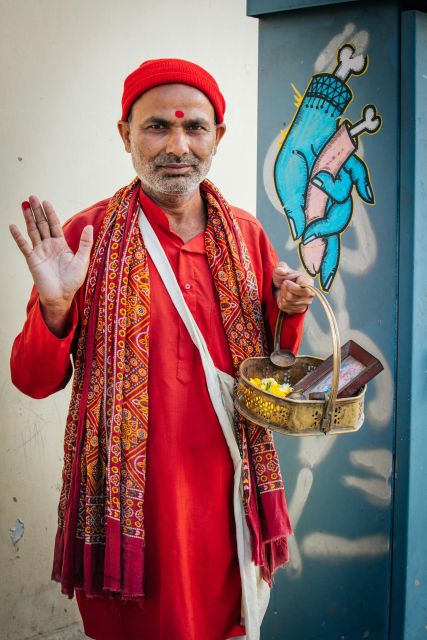
Boudhanath Stupa is a major shift. This is where you experience the scale of Tibetan Buddhist culture. The stupa is described as a colossal mandala shape, and the area around it is packed with monasteries, shops, and pilgrims.
The key activity is circumambulation—walking around the stupa. You’ll likely see prayer wheels, and you can turn them as part of the practice. The air tends to feel filled with movement: incense, prayer flags, and constant small gestures from people worshipping and passing by.
What I like here is that the site is visually strong even without interpretation. The colors, the wheel-turning, the flags—it’s easy to understand at a human level. You don’t need a long explanation to feel the purpose of the space.
Possible drawback: if you’re short on time or you’re tired from earlier walking, this is the stop where you might wish you had an extra hour. The good news is that it’s active, so even a shorter visit can still feel meaningful.
Stop 4: Swayambhunath Monkey Temple for views over Kathmandu Valley
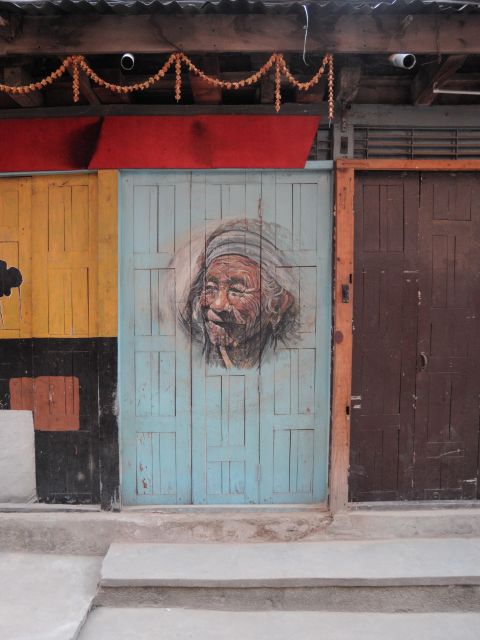
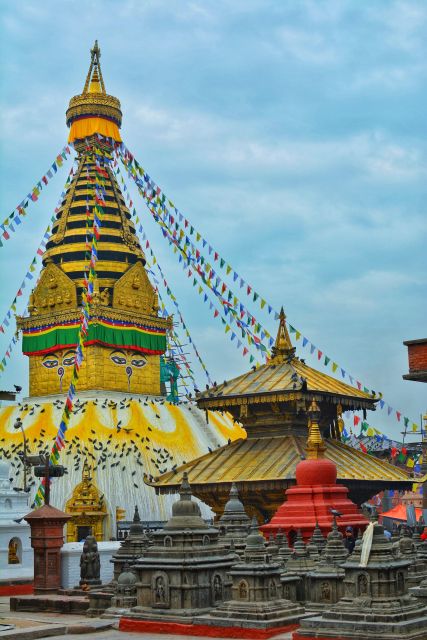
Swayambhunath Stupa is famous for two reasons: the “Monkey Temple” vibe and the viewpoint reward. You’ll ascend ancient steps to reach the hilltop sanctuary, which gives you panoramic views of the Kathmandu Valley.
The site reflects harmony between Hinduism and Buddhism. You’ll see prayer flags and the watchful eyes of the Buddha as part of the overall stupa complex. And yes, the monkey factor is real—just stay alert and keep your belongings secured.
This is a great stop for your camera, but also for your legs. If you don’t like stairs, you’ll feel it here. Comfortable shoes aren’t optional.
What to do for the best payoff:
- Go slowly on the steps so you don’t arrive winded.
- Take a breath at the top and look around before you start shooting photos.
- Spend a few minutes watching how people participate in rituals and wheel-spinning.
Stop 5: Budhanilkantha and the single-stone reclining Vishnu
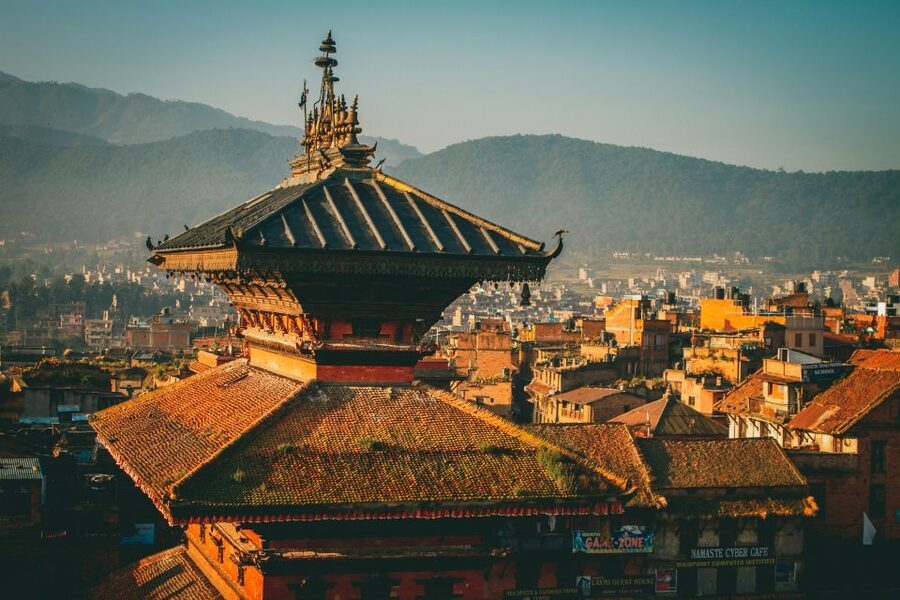
Budhanilkantha is a calmer ending. The highlight is the impressive reclining Vishnu statue, carved from a single stone. It sits in a tranquil environment where there’s a pond around the deity, and the water adds a reflective calm to the setting.
This stop is a good contrast to the busier stupa zones. Instead of constant crowds around wheel-turning, you get a more focused scene. It’s also a more unusual sight if you’ve only seen temple icons in standard altar settings—this one has a strong sculptural presence.
If you have time, linger. The pond reflection effect is part of what makes this place feel special. Just be respectful of how people move around the statue.
Shared bus reality: operator-managed tours and English expectations
One thing to be honest about: this is a budget shared tour, so the operator is managing the day, not necessarily acting as a detailed guide for each stop.
In a shared setup, you can end up with different attention levels depending on the group’s language makeup. I’d plan your expectations like this:
- You’ll get help finding where to go and when to move.
- You’ll get basic background as needed.
- You may not get deep English explanations for every monument.
The upside is that you’ll still see the major UNESCO sites and you’ll witness rituals and everyday sacred practice in real conditions. The downside is that the interpretation may be uneven. If you’re someone who needs context at every step to fully appreciate a place, consider pairing this with another smaller, language-specific guided experience.
What to bring (and rules that keep things smooth)
Bring comfortable shoes. This is a day with walking and stairs. Bring a camera if that’s your thing, plus comfortable clothes for temple zones. Also bring personal medication.
There are clear do-not list rules, and they matter in sacred spaces and in the vehicle:
- No intoxication
- No smoking in the vehicle
- No drinks in the vehicle
- No alcohol or drugs
- No making noise
- No making fire
- No nudity
These rules are there to keep the experience respectful and safe. Follow them and the day will flow better for everyone.
Who this tour suits best (and who should skip it)
This tour is a solid fit if you:
- Want a single-day way to see five UNESCO sites.
- Prefer atmosphere and observation over long, detailed lectures.
- Appreciate watching rituals and pilgrims in action.
It may be a poor fit if you:
- Want a fully guided, English-heavy explanation at each stop.
- Need frequent breaks or have mobility challenges (this tour is not suitable for people with mobility impairments).
- Have motion sickness (the tour notes motion sickness as a mismatch).
- Fall outside the weight or age limits (over 110 kg / 243 lbs; or over 95 years).
That last point matters. You’re walking, going up and down, and traveling by bus through Kathmandu traffic.
Should you book it?
I’d book this if your goal is simple and efficient: see the big UNESCO hitters in Kathmandu in one day and enjoy real spiritual scenes like the Pashupatinath ceremony and prayer-wheel walking at Boudhanath. The price is hard to beat, especially since pickup and drop are included and the route covers five major sites.
I wouldn’t book it if your priority is deep, consistent English interpretation throughout the whole circuit. Since the operator can provide only basic information and this is a shared budget format, you might want either a higher-touch guided option or a backup plan: take your time at the sites, ask the operator a couple of direct questions, and fill in the background later with your own reading.
If you like being out in the temples and learning by watching, this is a very workable way to get your Kathmandu UNESCO day done.
FAQ
What sites are included in the 5 sights Kathmandu bus tour?
The tour includes Pashupatinath Temple, Guheswori Temple, Boudhanath Stupa, Swayambhunath Stupa (Monkey Temple), and Budhanilkantha (with the reclining Vishnu statue).
Where is the meeting point in Kathmandu?
The meeting point is opposite the main entrance gate of Hotel Malla in Thamel, Kathmandu.
What time does the tour start?
The bus leaves around 11:00 am Kathmandu local time, and you should arrive about 15 minutes early, around 10:45 am.
How long is the tour?
The duration is listed as 1 day.
Is entry fees included?
No. Entry fees are not included.
Is food included?
No. Food is not included.
Do I get a tour guide?
A tour guide is not included. An operator manages the tour and can provide basic information.
What should I bring and wear?
Bring comfortable shoes, a camera, comfortable clothes, and your personal medication.
What rules are not allowed during the tour?
You must not smoke in the vehicle, drink in the vehicle, bring alcohol or drugs, make noise, make fire, or be nude. Intoxication is also not allowed.
Who should avoid this tour?
It is not suitable for people with mobility impairments, people over 243 lbs (110 kg), people with motion sickness, and people over 95 years.