KL is easier when you can hop when you want. This pass turns Kuala Lumpur into a choose-your-own-adventure loop with two routes and 60+ stops, including the KLCC area and Petronas Twin Towers. You get air-conditioned rides with panoramic open-top viewing plus on-board Wi‑Fi, so you’re not stuck just watching from the sidewalk.
I like that you can plan around heat and traffic by getting on, off, and back on as often as you like for 24 or 48 hours. I also like the practical mix of stops, from shopping streets and cultural stops to major landmarks, so you can get your bearings fast. One possible drawback: KL traffic can stretch the ride time and the commentary can be harder to hear in the loudest stretches, especially upstairs.
Buses run daily from 9:00 AM to 6:00 PM, with departures every 30–40 minutes at each stop, and the last pickup at any stop is at 4:00 PM. That timing matters because you don’t want to be ten stops away when you’re ready to call it a day.
In This Review
- Key points before you ride
- How the 24- and 48-Hour KL Pass Really Works
- Your Two Routes: City Route Stops That Fit a First Day
- Sg Wang
- Masjid India
- Kampung Baru (Kg Baru)
- Palace of Culture
- InterContinental
- KLCC
- KL Tower
- P. Ramlee
- Aquaria / KLCC Park
- Craft Complex
- TRX
- Bukit Bintang
- Tengkat Tong Shin
- City Route timing reality check
- The Garden Route: Museums, Squares, and Parks in One Loop
- Sg Wang
- Swiss Garden
- Chinatown
- Central Market
- Little India
- KL Sentral
- National Museum
- National Palace
- Bird Park
- National Mosque
- Merdeka Square
- Chow Kit
- Sunway Putra
- Merdeka 118 (coming soon)
- The Bus Ride Itself: Open-Top Views, Air-Conditioned Comfort, On-Board Wi‑Fi
- Commentary and Audio: What You Can Expect in Real Life
- Stop Strategy: Where I’d Hop Off First With Limited Time
- If it’s your first morning in KL
- If you want a balanced day with parks and culture
- If you’re trying to beat the heat
- If you want photos without rushing
- Practical Do’s and Don’ts That Keep the Day Smooth
- Price and Value: Is This $10 Pass a Good Deal?
- Who This Pass Fits Best
- Should You Book This Hop-On Hop-Off Pass?
Key points before you ride
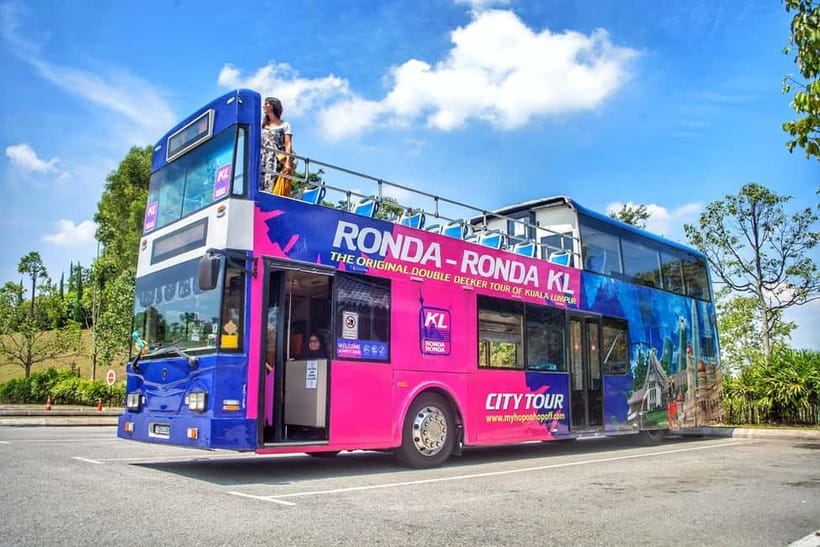
- Two separate routes (City + Garden), each covering lots of stops across KL
- Unlimited hop-on hop-off for 24 or 48 hours, so you don’t have to do everything in one go
- Open-top double-decker views plus air-conditioned comfort below
- Multilingual commentary on board, designed to help you understand what you’re looking at
- Wi‑Fi onboard (availability can vary by bus), making it easier to map plans
- Last pickup at 4:00 PM, so plan your final hop based on daylight and energy
How the 24- and 48-Hour KL Pass Really Works
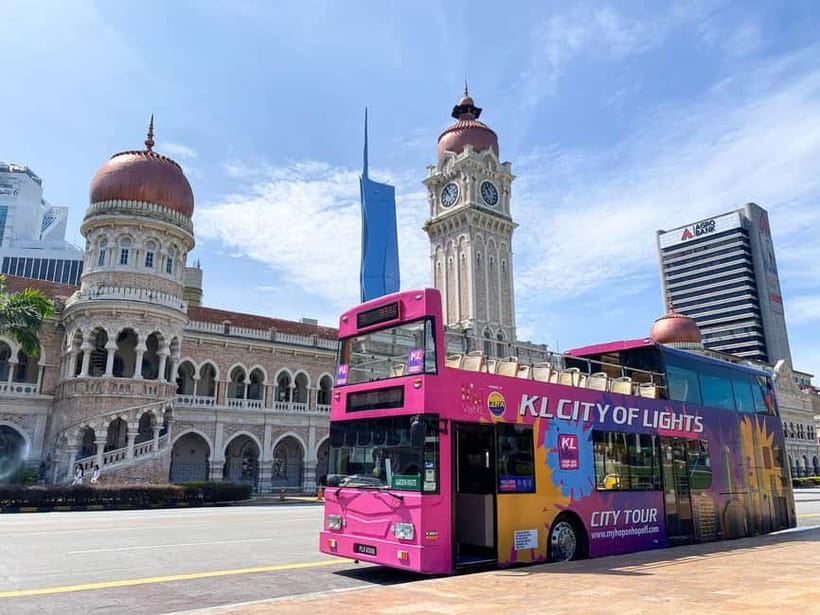
This is a hop-on hop-off format, not a fixed tour where you must stay on the bus. Once you’ve got your ticket, you can get off at any stop, explore for as long as you want, then hop back on later at that same stop when the next bus arrives. That flexibility is the whole point in Kuala Lumpur, where distances feel big and traffic can change your schedule fast.
You can choose tickets valid for 24 or 48 hours, and the clock starts from the time and date shown on the ticket. If you’re only in town for a short window, 24 hours can be enough for an overview and a couple of deeper stops. If you want to see more neighborhoods without feeling rushed, 48 hours gives you breathing room—especially because each route takes about two hours to work through, and traffic can add time.
One detail you should take seriously: you’re asked to select the correct ticket type based on nationality to avoid extra charges. If you’re booking as a foreign ticket but you qualify for the local (Malaysian) ticket type, or vice versa, the price can change. It’s a small admin step that can save you money.
Your Two Routes: City Route Stops That Fit a First Day
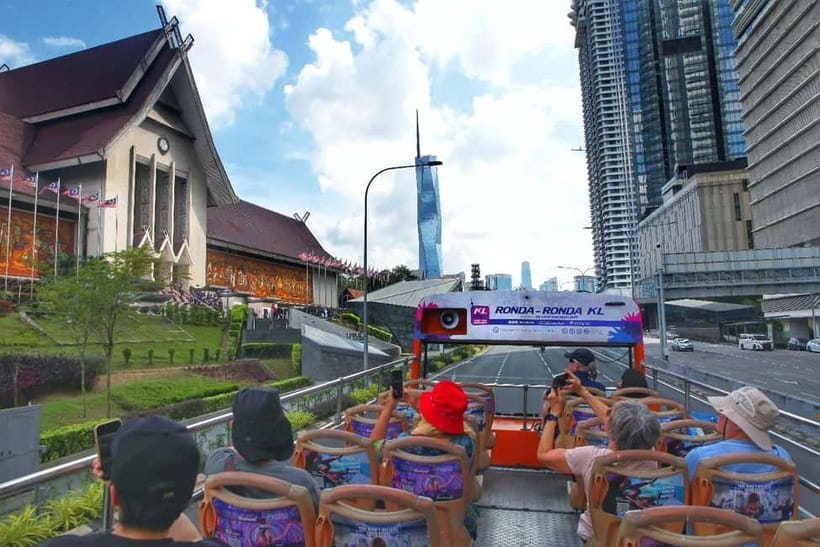
The City Route is the one most people use to connect the big-name KL sights with neighborhoods that are fun to wander. You’ll pass through a run of recognizable areas and transit zones, with enough stops to hop off for photos, coffee, or a closer look—then jump back on when you’re ready to keep moving.
Here’s how to think about the City Route stops and what each one is good for:
Sg Wang
This is a useful first stop if you want a central, easy-to-reach launch point. It’s also a convenient place to start if you’re trying to get your bearings before choosing where to spend real time.
Masjid India
This stop is handy if you want a cultural neighborhood feel and an area where walking around is part of the experience. Use it to stretch your legs and get a sense of street life, then decide whether you want to return later on your timed window.
Kampung Baru (Kg Baru)
Kampung Baru is a good “contrast stop” on the City Route—somewhere you can step away from the densest skyline views and see another side of KL. It’s a logical place to hop off if you want a slower, more local pace.
Palace of Culture
This works well when you want a cultural anchor during your bus loop. Hop off here if you’re interested in arts and performances, and if you’re planning time around an attraction, remember entry tickets aren’t included.
InterContinental
This is more of a landmark-style stop on the route. It can be useful if you’re using the bus as a connector to nearby attractions and don’t want to build a transfer plan from scratch.
KLCC
KLCC is one of the key reasons many people buy this pass. It’s also where you’re positioned for major sights in the area. Plan your hop-off time carefully: if you want good photos, you’ll likely want to spend more than a quick stop.
KL Tower
This stop is a strong option if you’re trying to catch views over the city. Because you can hop on and off, you can time it with your energy level—go up if you plan to, or just use it as a viewpoint/arrival point.
P. Ramlee
This gives you a more neighborhood-feeling stop along the corridor. It’s a good choice if you want a break from just jumping between landmarks and you’d like to explore streets on foot.
Aquaria / KLCC Park
This combination stop is practical because it pairs an attraction-focused area (Aquaria) with a park option. If you’re mixing nature breaks with landmark time, this is one of the easier places to do it.
Craft Complex
If shopping for crafts and souvenirs is on your list, this is a logical hop-off point. You can also use it as a “browse-and-decide” stop—stay longer if you find something, or move on when you don’t.
TRX
TRX is a useful stop for modern KL vibes. Even if you’re not shopping or dining, hopping off here can help you connect different parts of the city without extra planning.
Bukit Bintang
This is your nightlife and shopping magnet stop. It’s also a good place to return to if you want a central base while you decide what else to tackle on your route window.
Tengkat Tong Shin
This is a smart final neighborhood stop on the City Route loop. If you want a fun last wander before you head back, hop off here and treat the bus as your guaranteed transport back.
City Route timing reality check
Even if the route loop is marketed as around two hours, you have to account for KL traffic. On the ground, ride time can be longer, and buses do not always feel like they’re moving at the pace you’d expect in a less congested city.
The Garden Route: Museums, Squares, and Parks in One Loop
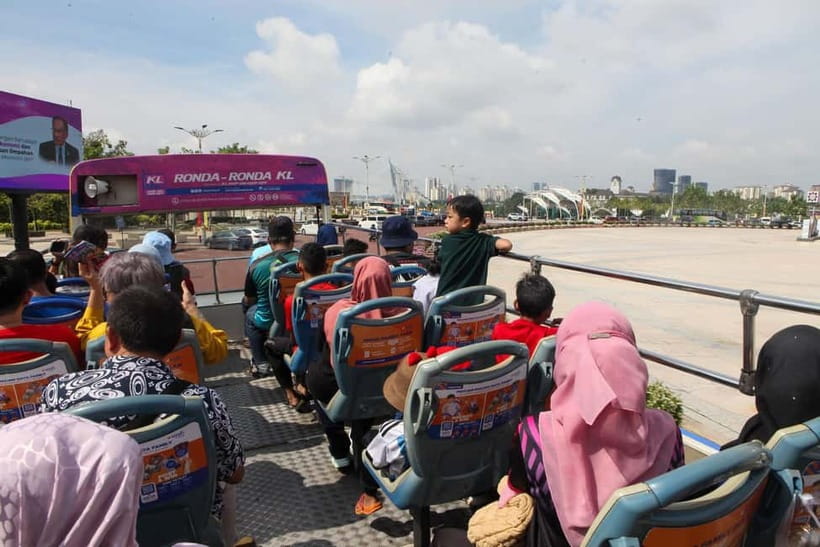
The Garden Route spreads out into another set of KL landmarks and neighborhood pockets. Think of it as the option for a second pass—ideal if you already saw KLCC and Bukit Bintang on the City Route and now want a broader scan of the city’s big public spaces and cultural stops.
Here’s how the Garden Route stops make sense, and how you can use them:
Sg Wang
Yes, Sg Wang is also on the Garden Route, which makes it convenient as a consistent starting point. If you’re hopping between routes, this shared stop helps your plan stay simple.
Swiss Garden
This stop is a good one for park-like surroundings and a break from the densest downtown grid. If you want your day to include walking that feels more relaxed, hop off here and decide how much time you want.
Chinatown
Chinatown is great for strolling with a flexible plan. Since this is a hop-on hop-off pass, you can browse for as long as the mood strikes, then come back when you want to continue.
Central Market
Central Market is where this route gives you a structured stop for browsing and souvenirs. Use it as a checkpoint: hop off, see what’s there, then compare prices and options with whatever else you’ve done that day.
Little India
Little India is a strong cultural exploration stop. You’re not locked into any schedule, so you can take photos, wander streets, and decide whether you want to return for a longer stop during your 24/48-hour window.
KL Sentral
This is a practical transit stop if you’re tying the bus to other parts of your day. Even if you’re not traveling onward, KL Sentral is a place where you can reset and reorient.
National Museum
This is your “step into institutions” stop. If you’re interested in learning as you go, it’s a good place to build in extra time, since museum visits take longer than a quick look.
National Palace
Another landmark-style hop-off that helps you see major civic sights without needing a separate ride across town. If your time is tight, you can use it as a photo or viewpoint stop; if not, you can plan a deeper visit.
Bird Park
This stop is a clear choice if you want a change of pace into nature and animals. It’s also an easy “kid-proof” option if you’re traveling with family, since it’s not just about looking at buildings.
National Mosque
National Mosque is a major religious/cultural landmark stop. It’s a good one if you want to balance the skyline energy with a more grounded, heritage-focused KL moment. Plan for entry rules by remembering tickets aren’t included with your bus pass.
Merdeka Square
This is one of the route’s most iconic public spaces. Even if you’re not there for a specific event, it’s a great stop for a pause, photos, and a sense of KL’s central history and identity.
Chow Kit
Chow Kit can be a fun street-life stop. If you want food browsing or just people-watching, hopping off here helps you feel the city beyond its major landmarks.
Sunway Putra
This stop gives you a change from the central core. If you want to see how KL connects to larger commercial areas, it’s a good place to hop off and explore for a while.
Merdeka 118 (coming soon)
This is listed as coming soon, so treat it as a “watch the sign on the day” type of stop. If it’s operating during your visit, it’s a modern add-on that rounds out the route.
The Bus Ride Itself: Open-Top Views, Air-Conditioned Comfort, On-Board Wi‑Fi
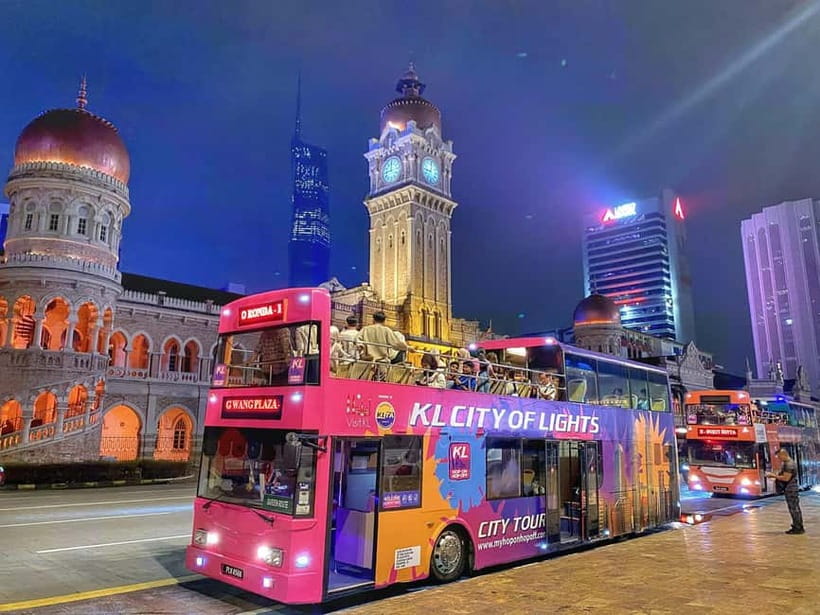
This is an open-top double-decker bus with panoramic views, and the lower deck is air-conditioned. That matters in KL’s heat. If it’s sunny, you’ll want to be up top for the best photos, but you’ll also appreciate the option to retreat indoors when you need a break.
Wi‑Fi is included on board, but a small caution: some buses have it and some may not, so don’t build your day around a guaranteed connection. The same goes for audio. The pass includes multilingual commentary, and the audio experience can be inconsistent—some speaker systems sound clearer than others, and traffic noise can make announcements harder to catch upstairs.
Still, the overall setup is easy:
- Buses arrive every 30–40 minutes at each stop
- Seating is first-come, first-served
- The last pickup at any stop is 4:00 PM
- The buses run daily from 9:00 AM to 6:00 PM
Two small practical tips based on how people actually experience open-top seating: bring a hat if you plan to stay on the top deck, and consider hopping off more frequently. Staying outside for the entire loop can feel long in KL humidity.
Commentary and Audio: What You Can Expect in Real Life
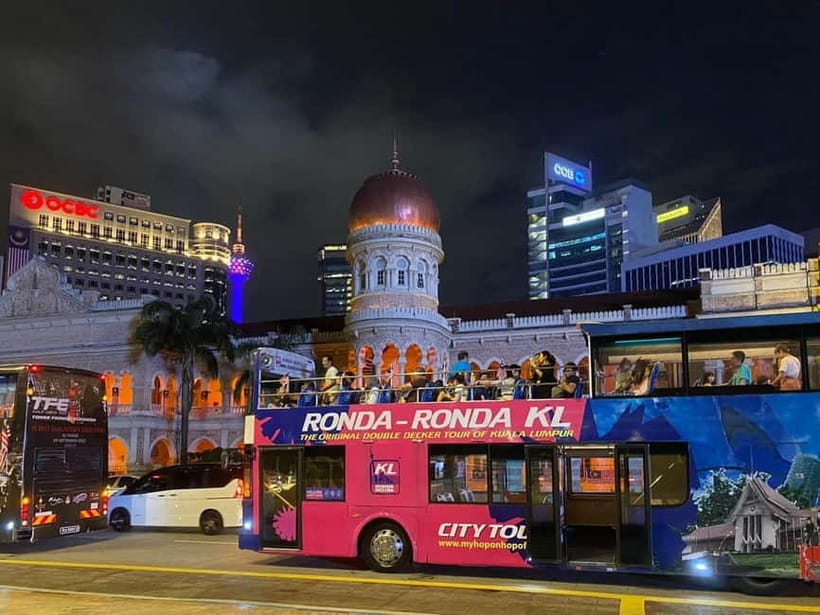
The pass is built to help you understand what you’re looking at, with multilingual commentary and onboard staff. But the key is how that sound travels through traffic and crowds.
Some riders report commentary is loud and clear, while others describe it as distorted or hard to understand, especially over traffic noise. In plain terms: treat the audio as a guide, not the only source of information. If you care about details at each stop, take a moment to read your surroundings, then use your phone for quick context.
Also, if you’re the type who needs the narration to enjoy a tour, sit where the audio works best for you. In noisy streets, even a good system can be tough, so don’t assume every loop will sound identical.
Stop Strategy: Where I’d Hop Off First With Limited Time
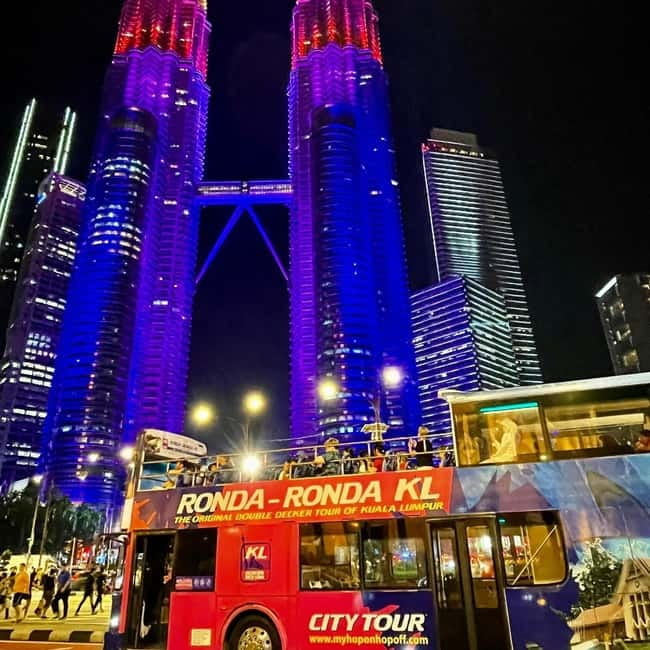
If you’re short on time, you’ll enjoy the pass most if you use it like this: ride the route once for orientation, then pick 2–4 stops to explore longer during your 24/48 hours.
Here are solid “first hop” strategies based on the route layout:
If it’s your first morning in KL
Start with City Route and aim for KLCC early. It’s one of the most important hubs on the City Route, and you’re positioned for major sights in the area. Then, bounce to Bukit Bintang later when you want shopping and street energy.
If you want a balanced day with parks and culture
Use the Garden Route as your main loop. Merdeka Square, the National Museum, and the National Mosque give you anchor stops that feel like more than just photo stops. Add a browse stop at Chinatown or Central Market to break up the day.
If you’re trying to beat the heat
Ride a bit, then hop off for shade whenever you find it. You’ll get the best of both worlds by mixing outdoor viewing with air-conditioned breaks on the lower deck between stops.
If you want photos without rushing
Don’t treat the stop time like a sprint. KL traffic and bus intervals mean you can’t always arrive exactly when you want, so hop off when you’re there and adjust your priorities. You can always take another pass within your 24 or 48-hour window.
Practical Do’s and Don’ts That Keep the Day Smooth
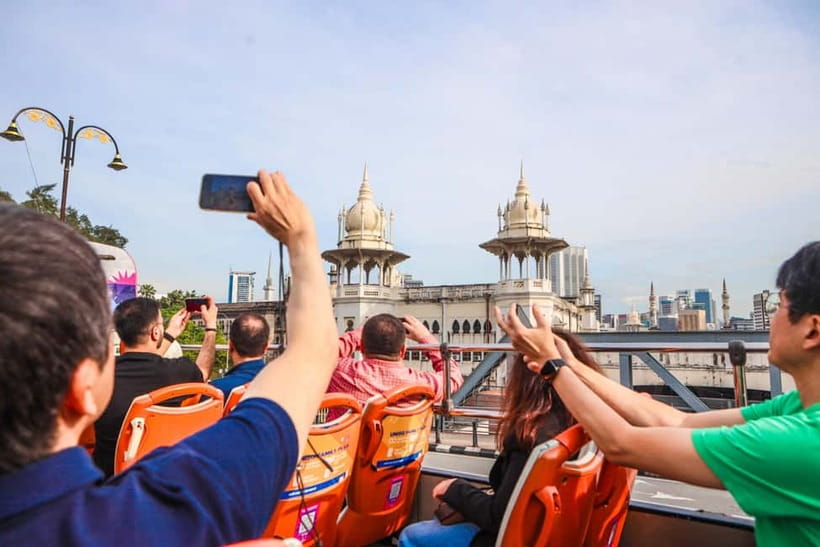
This is a straightforward bus service, but the rules affect how comfortable it feels.
Do bring:
- Your passport or ID card
- Comfortable shoes
- Comfortable clothes
Know what’s not allowed on the bus:
- Smoking
- Eating and drinking (including drinks in the vehicle)
- Alcohol and drugs
- Littering
- Weapons or sharp objects
You’ll also want to plan around the time window. Buses run until 6:00 PM, but the last pickup is at 4:00 PM, so your final stop should be chosen with that cutoff in mind.
And remember: entry tickets to attractions are not included. The bus gets you close; it doesn’t get you inside.
Price and Value: Is This $10 Pass a Good Deal?
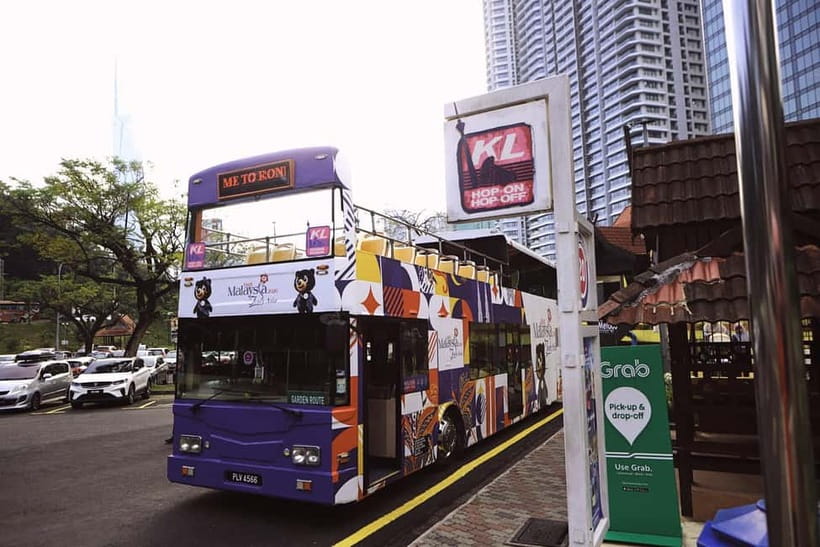
At around $10 per person for the pass duration you choose, this is one of the cheaper ways to see a lot of Kuala Lumpur without building a bus/Grab plan from scratch. The value comes from two things:
1) You get two routes covering 60 stops rather than a narrow checklist.
2) You get unlimited hop-on hop-off access for 24 or 48 hours, so you can pace yourself.
The biggest value risk is also simple: if you spend most of the day riding continuously without hopping off, you may end up paying for a lot of transit time. You’ll get more out of it if you plan a few longer stops rather than treating it as a nonstop ride.
Finally, watch the ticket type. The pricing system can differ for foreign vs local tickets, and one rider reported a noticeable price difference on the spot. That’s why choosing the correct ticket category before you lock it in matters.
Who This Pass Fits Best
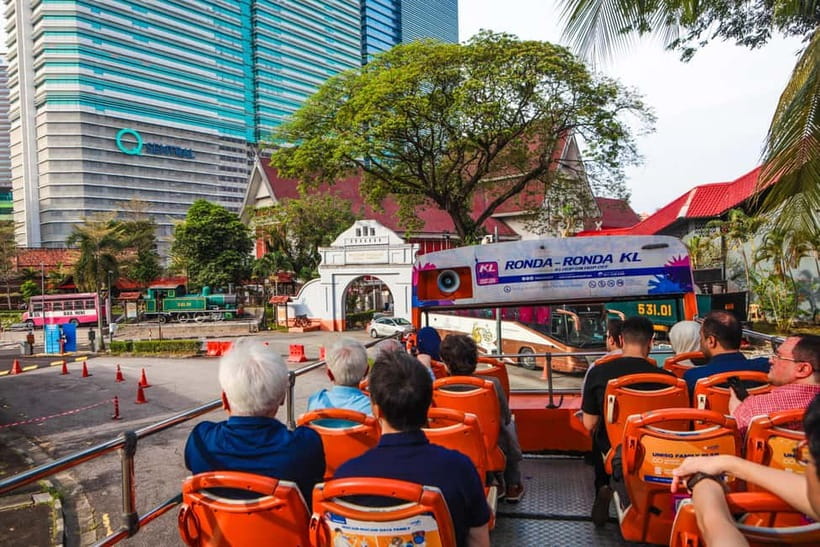
This KL hop-on hop-off pass is a good match if you:
- Want an easy first-day overview without complicated planning
- Enjoy flexible sightseeing where you can change plans mid-day
- Prefer the comfort of air-conditioning but still want open-top views
- Are okay with traffic variability and waiting for buses every 30–40 minutes
- Want a single ticket that connects major landmarks like KLCC and the Petronas area with neighborhoods around the city
It may feel less ideal if you:
- Need perfectly clear narration at all times
- Hate waits and would rather pre-book private transport
- Plan to visit multiple attractions that require separate entry tickets and want those included
Should You Book This Hop-On Hop-Off Pass?
If your goal is to see a lot of Kuala Lumpur with minimal stress, I’d book it. The two-route structure, the open-top views, and the 24/48-hour hop-on hop-off freedom make it an efficient way to get your bearings and then spend your real time where you care most.
Pick it especially if you’re trying to cover both landmark zones and neighborhood streets in one or two days. Just give yourself a cushion for KL traffic, and don’t rely on audio being crystal clear every time—bring your own curiosity, and use the stops as starting points for your day.