Kyoto looks best from the top deck. This hop-on hop-off bus stitches together Kyoto Station, the temple hills, and both sides of downtown so you can move at your pace. I like the mix of panoramic viewpoints and multilingual audio that helps you connect what you’re seeing to what it means. The main thing to watch is timing: the bus runs on a schedule, so you can’t treat it like a private taxi.
You’ll also appreciate that the ticket works like a pass, not a one-shot ride. Once you’re on, you can get on and off at the Sky Hop stops as many times as you like within your selected day’s validity, which makes planning easier when your energy level changes. One drawback to consider up front: seats are unreserved, so prime viewing spots aren’t guaranteed, especially during busy hours.
In This Review
- Key things to know before you hop on
- How the SKY HOP pass moves you across Kyoto’s major sights
- Getting your bearings: Kyoto Station, Karasuma Gojo, and Nishiki Market
- East Side temples: Ginkaku-ji, Heian-jingu, and the Kiyomizu-dera approach
- West Side classics: Nishi Hongan-ji, Nijō-jo Castle, and Kitano-tenmangu
- North and royal sights: Kinkaku-ji, Daitoku-ji, and Kyoto Imperial Palace
- Price and logistics: value vs. schedule reality
- Comfort upgrades that actually matter: open-top views, earphones, poncho, and wifi
- Timing tricks: heat, helpful staff, and how to not miss your moment
- Who should ride this bus in Kyoto?
- Should you book SKY HOP BUS KYOTO?
- FAQ
- How long is the Kyoto Hop-On, Hop-Off bus tour?
- What is included with the ticket?
- Can I hop on and off as many times as I want?
- Are seats reserved?
- Does the bus have wifi?
- What is the cancellation policy?
Key things to know before you hop on
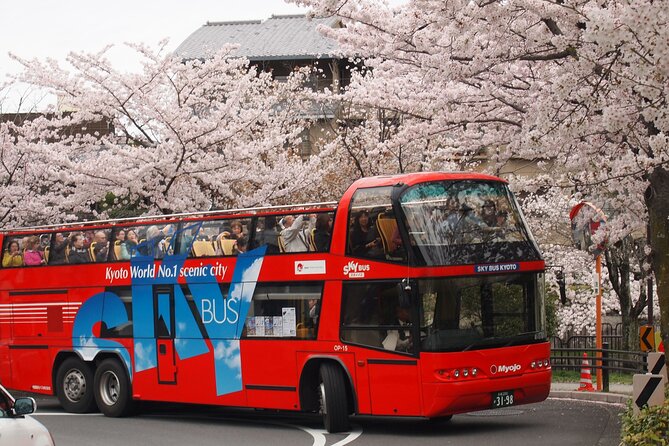
- Open-top double-decker views: Great for Kyoto’s temple rooftops and streetscape, but plan for sun and occasional wind.
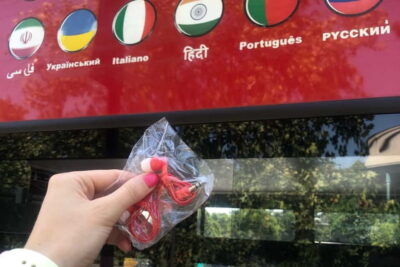
- Multilingual audio + earphones: You get audio guidance without needing your own headphone setup.
- Unlimited get-on/get-off within validity: One day pass or two day pass lets you pace yourself across different neighborhoods.
- Unreserved seating: Bring flexible expectations about where you’ll sit.
- Poncho included for rain: Helpful because this is an open-air style ride.
- Frequency matters: You’ll want to plan around a bus that doesn’t arrive instantly.
How the SKY HOP pass moves you across Kyoto’s major sights
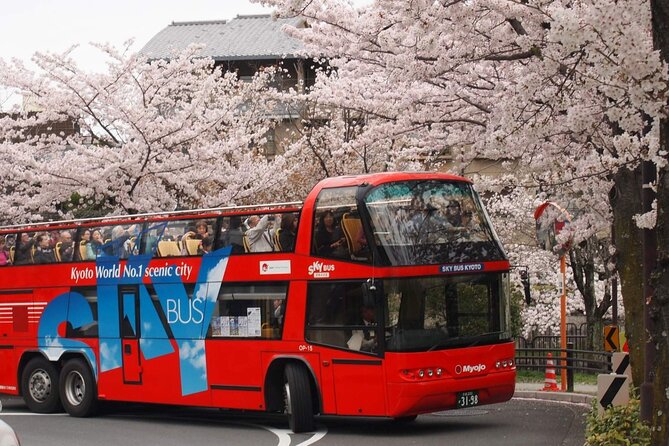
This is a classic hop-on hop-off format built for Kyoto’s sprawl. You get a ticket that covers the route time window you select (one day or two days), and the big advantage is that you can use the bus as transportation between sights instead of treating it like a tour that rushes you through everything.
All stops are near major landmarks, which is the point. Kyoto can be confusing on foot—especially if you’re bouncing between rail stations, shopping lanes, and temple areas—so having dedicated stops is a time-saver. You also get multilingual audio with earphones, plus onboard wifi, so you can check your next walk or confirm directions while you ride.
Two practical notes. First, all seats are unreserved, so go early if you care most about the best views. Second, this service relies on having decent weather, since it’s designed for outdoors viewing; if the operation is canceled because of poor weather, you’re offered a different date or a full refund.
Getting your bearings: Kyoto Station, Karasuma Gojo, and Nishiki Market
Most people start with Kyoto Station, and that’s a smart anchor point. From here, you can avoid the mental load of figuring out where to begin, then ride toward downtown intersections and classic shopping areas when you’re ready.
The next stop is Karasuma Gojo. This is useful because it places you near a major hub where it’s easier to connect to buses or subway lines you might want later. It’s also a good “reset” point if you want a short walk, coffee, or a quick browse before heading into the temple zones.
Then you roll toward Shijo Karasuma Nishiki-Ichiba Market. This is a great stop for feeding yourself after a morning of riding and walking. Nishiki Market is the kind of place where it’s easy to lose track of time, so hopping off here works best if you plan for a longer snack-and-stroll break rather than a two-minute peek.
Kyoto City Hall is another downtown stop that can be handy. It’s a central waypoint for planning on foot toward nearby streets, and it can also help you break the day into manageable chunks—ride, walk, return to the bus, repeat.
East Side temples: Ginkaku-ji, Heian-jingu, and the Kiyomizu-dera approach

This route segment is where Kyoto starts feeling like a movie set. You’ll move from downtown into the temple hills, with stops that let you design your own “temple hour,” instead of grabbing the next thing just because it’s next in line.
At Ginkakuji Temple (Silver Pavilion), you’re dropped near one of Kyoto’s signature landscapes. Plan your time here like this: expect it to be slower-paced than downtown shopping, and expect crowds during peak hours. If you get sensitive to lines, it’s the kind of stop where arriving earlier in your day can make a real difference in how relaxed you feel.
Next is Heian-jingu Shrine at Okazaki Park. Okazaki is a good area because it gives you options. Even when a shrine visit takes time, you can also use the surrounding park space for a breather and a change of scenery, rather than feeling stuck inside a single ticketed site.
There’s also a stop at KOTOWA KYOTO YASAKA, located in Gion-machi, Higashiyama-ku. Even if you’re not there for a venue, it’s a strategic hop-off. It helps you transition toward the Gion lanes on foot, where the vibe is quieter and more atmospheric after you’ve been sightseeing by bus.
The Gojozaka (Kiyomizu-dera Temple) stop is a key one. It’s placed right where many people start the walk up to Kiyomizu-dera, so it works well as your launch point. Keep in mind that this area is often busy, so don’t underestimate how long it can take to move from the bus stop to your final view.
Finally, you reach Sanjusangendo Kyoto National Museum (near Hyatt Regency Kyoto). This stop is a smart pairing if you like mixing “temple” with “museum.” It’s also useful if you want a break from outdoor heat or if you prefer a structured visit after earlier walks. Either way, it’s a strong way to end an East Side loop.
West Side classics: Nishi Hongan-ji, Nijō-jo Castle, and Kitano-tenmangu
Kyoto’s West Side has a different rhythm. This part of the route favors big landmark stops that feel substantial, like you’re stepping into Kyoto’s civic and historical center.
You start again at Kyoto Station, then head to Nishi Hongan-ji Temple. This is a great stop if you want major temple architecture without immediately switching into hillside hiking mode. It also tends to fit well into a plan that includes both indoor and outdoor time, since temples and grounds can be timed around your energy.
Next up is Nijo-jo Castle. Castles in Japan are often best when you give them enough time to slow down and read what you’re seeing—gates, walls, courtyards, and the layout. A bus stop right at Nijo-jo helps because it reduces the friction of getting there, so you can spend more of your visit actually inside the site rather than walking long distances in between.
Then the route takes you to Kitano-tenmangu Shrine. Shrines can be especially enjoyable when you time them with a calmer moment in your day. If you’re balancing shopping and sightseeing, Kitano-tenmangu is a good counterpoint: it gives you a cultural anchor that’s easy to pair with nearby strolls once you hop off.
There’s also a practical benefit to doing these stops on a bus: Kyoto streets can be trickier than they look on a map. When you hop off at dedicated points, you avoid the common trap of spending your best daylight hours simply trying to find the next entrance.
North and royal sights: Kinkaku-ji, Daitoku-ji, and Kyoto Imperial Palace
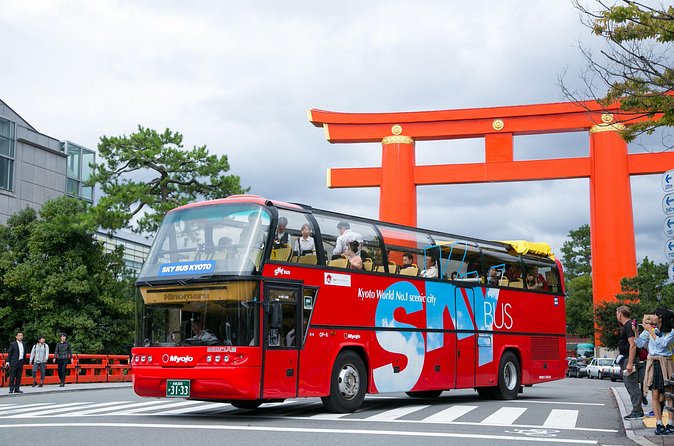
After the West Side anchors, the route extends toward Kyoto’s most famous “must-see” scenery. This is where the bus can save you serious time, because getting between these areas by taxi all day adds up fast.
Kinkaku-ji (Golden Pavilion) is the obvious highlight. This stop is a big selling point because it’s one of Kyoto’s most photographed landmarks, and it’s also one of the places where the bus reduces complexity. You can also use the hop-off flexibility to align your visit with your tolerance for crowds—if it’s too packed at one moment, you can adjust your plan with other nearby stops later.
Then you get Daitoku-ji Temple. Temple areas around Kyoto can vary a lot in feel, and Daitoku-ji is a good “change of tone” after the flashier iconic stop. If you enjoy quieter grounds and a more contemplative pace, this is the kind of place that helps balance the day so it doesn’t feel like a checklist.
The route also includes Kyoto Imperial Palace (Doshisha Univ.) as a stop. Even if you’re not focused on palace history, a stop here helps you round out the day with a more formal, civic feel. It’s a good way to shift from temple hills to a more structured setting, especially if you like seeing how Kyoto’s spaces were designed and used.
At the route level, this section is valuable because it turns long-distance sightseeing into manageable day blocks. Instead of jumping between far-flung addresses, you ride the bus as your connector and only walk where it’s worth it.
Price and logistics: value vs. schedule reality
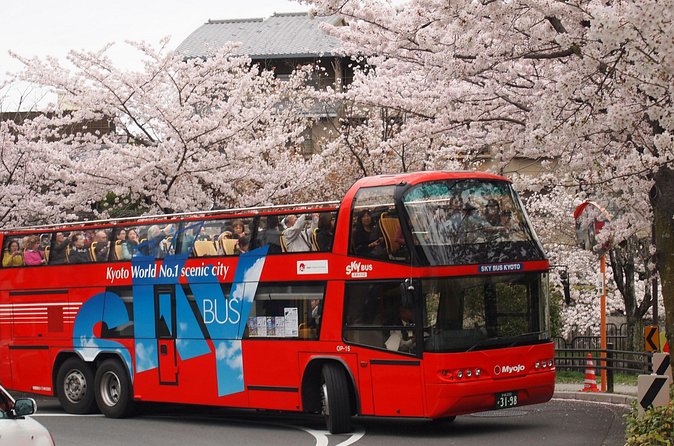
The ticket price is $45.56 per person for the hop-on hop-off style, with an approximate total ride time listed at 1 hour 8 minutes. That sounds short—until you remember you’re not being timed to one single attraction. The real value is the pass format, plus the fact that you can hop off and use the bus like a flexible transport tool across multiple stops.
In plain terms, you’re paying to trade money for convenience. If you were doing this by taxi, costs could climb quickly. If you were doing it entirely on foot, you’d lose time and energy, and your day could feel like long transfers rather than memorable sightseeing.
Still, this is not a free-for-all. The bus has a schedule, and you should expect that it won’t arrive the second you get to the stop. One handy tip from past riders is to watch the timing closely: buses have been reported as coming about every 50 minutes, which limits how tightly you can plan between distant stops. This is where the hop-on/off flexibility helps, because you can adjust your walk length or swap the order of your stops.
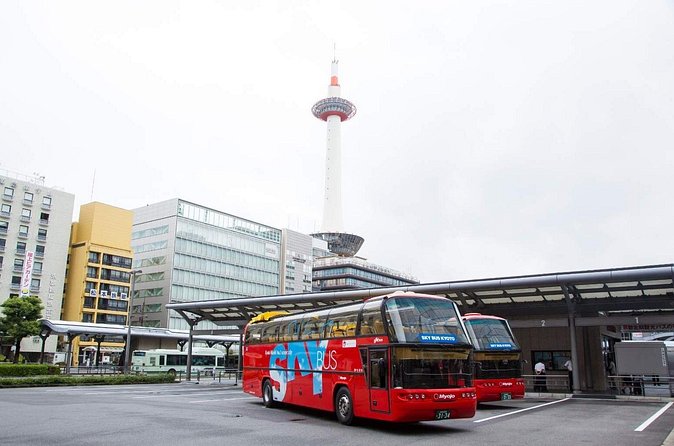
Also note that it’s easy to lose minutes at Kyoto Station because it’s huge. If you’re arriving with limited time, give yourself slack to find the Sky Hop boarding point. I’d treat the first 15–20 minutes at the station as part of the “tour,” not something you’ll magically speed through.
Finally, seats are unreserved. If top-deck viewing matters most to you, plan to board earlier rather than later, or accept that you might end up with a less perfect seat for some stretches.
Comfort upgrades that actually matter: open-top views, earphones, poncho, and wifi
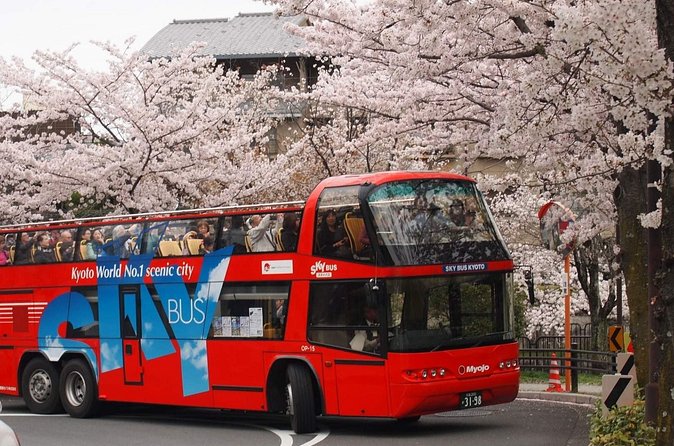
This is one of those tours where the small inclusions change the day. You get earphones for the multilingual audio, which means you don’t have to hunt for a headphone adapter. The audio guide also helps if you want to understand why Kiyomizu-dera or Ginkakuji matters, instead of just taking photos and guessing.
You also get a poncho if it rains. That matters because an open-top style bus can make a light drizzle feel bigger than it would under an enclosed vehicle. It’s a low-effort inclusion that keeps your sightseeing rhythm from collapsing.
Onboard wifi is another welcome add-on. Even if you’re not using it nonstop, it’s useful for checking opening times, confirming where your next walk starts, or reworking your plan when crowds are heavier than you expected.
One comfort warning is about heat and hydration. On hot days, plan for it like it’s your real job for the afternoon: bring water and use shade when you can. With temple walking plus sun exposure, dehydration sneaks up fast even if the bus ride feels like a break.
Timing tricks: heat, helpful staff, and how to not miss your moment
The bus works best when you treat it as a rhythm, not a series of exact appointments. Since it’s reported to run about every 50 minutes, you’ll want a plan that allows you to return to the stop without rushing through everything you want to see.
If you’re trying to connect from a slightly delayed bus or schedule shift, it’s reassuring that staff can be courteous and helpful. I’d still build buffer time, because Kyoto is busy and transfers aren’t always instant. But the good news is you’re not entirely on your own once you’re on the system.
Use this method to keep the day fun: pick one “anchor stop” each side of town, then add one flexible stop. For example, anchor at Ginkakuji and then decide later whether you want to do Heian-jingu or Kiyomizu-dera next based on crowds and your energy. The hop-on/off structure supports this style of day planning.
And don’t forget that the best photo moments often happen early or late. If your schedule forces you into midday crowds, aim to enjoy the sites rather than expecting empty streets.
Who should ride this bus in Kyoto?
This is a strong fit if you:
- Want easy transport between top landmarks without planning every route detail.
- Like audio guidance and prefer a simple “get on, get off” day structure.
- Are short on time and want a fast way to see what areas you’ll want to revisit.
It’s also helpful if you want both “big name” stops like Kinkaku-ji and more balanced variety like Daitoku-ji and the Imperial Palace area. The pass format is built for mixing iconic sights with calmer stops.
Where it might not be ideal is if you hate waiting around for buses, or if you need perfect control over exact arrival times. Because seats are unreserved and frequency matters, you’ll enjoy it most when you travel with a little flexibility.
Should you book SKY HOP BUS KYOTO?
If you want the easiest, most scenic way to cover Kyoto’s top areas in a day or two, this bus is a practical choice. The combination of open-top views, multilingual audio, earphones, wifi, and hop-on hop-off access is what makes it feel worth the money.
I’d book it if your plan includes multiple districts—downtown markets, East Side temples, and at least a few big-name stops. I’d also consider shopping around if you’re sensitive to price, since one of the common concerns tied to this style of ticket is that it can cost more through some resellers than other operators.
Bottom line: for most first-time visitors, this is an efficient way to get your bearings fast and turn Kyoto into a series of enjoyable walks rather than long transfers. Just bring water, allow time at Kyoto Station, and build your day around the bus schedule.
FAQ
How long is the Kyoto Hop-On, Hop-Off bus tour?
The listed duration is approximately 1 hour 8 minutes.
What is included with the ticket?
The ticket includes a multilingual audio guide, earphones, and a poncho in case of rain, plus a one day pass or a two day pass if you select that option.
Can I hop on and off as many times as I want?
Yes. You can get on and off as many times as you like at all Sky Hop Bus stops within the ticket validity period.
Are seats reserved?
No. All seats on the bus are unreserved.
Does the bus have wifi?
Yes, wifi is available onboard.
What is the cancellation policy?
This experience is non-refundable and cannot be changed for any reason. If it’s canceled due to poor weather, you’ll be offered a different date or a full refund.