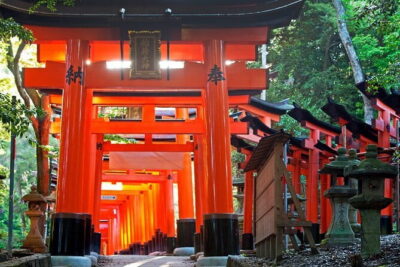
Deer, temples, and matcha in one long day. This trip packs Tōdai-ji grandeur, the magical Nara shrine-and-lantern vibe, and a Uji matcha lesson where you make the tea yourself. I also like how the day is structured with a professional English-speaking guide and built-in breaks, so you’re not just wandering around. One heads-up: it’s a lot of walking and stairs, so plan comfy shoes and take it steady.
What makes it especially appealing is the way the day connects ancient power (Nara and Kyoto heritage) to something you can actually do (matcha). Guides such as Mai, Nanami, At-chan, and Tsubasa show up often in feedback for being friendly, organized, and good at explaining what you’re looking at. If you’re hoping for a totally low-foot “see Kyoto pretty things from a bus” day, this may feel like too much on your legs.
In This Review
- Quick hits you can use
- A long day that actually makes sense: Kyoto, Nara, and Uji in one loop
- Kyoto station meetup and the coach ride setup
- Todai-ji’s Great Buddha: the scale hits fast
- Nara Park deer: the fun is real, so handle it the right way
- Kasuga Taisha’s lantern field: atmosphere over speed
- Lunch in the middle: what it’s for and how to use it
- Byōdoin Temple and the Phoenix Hall: why that 10 yen coin matters
- Uji matcha made from scratch: the activity that turns into a souvenir
- What I’d watch for on the ground: pace, crowds, and comfort
- Price and value: what $122 buys you in real terms
- Who this tour suits best (and who should pick something else)
- Should you book this Kyoto–Nara–Uji day?
- FAQ
- Where do I meet the tour in Kyoto?
- What time is check-in and departure?
- How long is the Kyoto to Nara and Uji tour?
- Which major stops are included during the day?
- Is lunch included?
- Are admissions and the matcha workshop included?
- What languages are available for audio guidance?
- Is the tour suitable for wheelchair users or mobility impairments?
Quick hits you can use
- Tōdai-ji and the Great Buddha area: one of the largest wooden buildings you’ll see in Japan
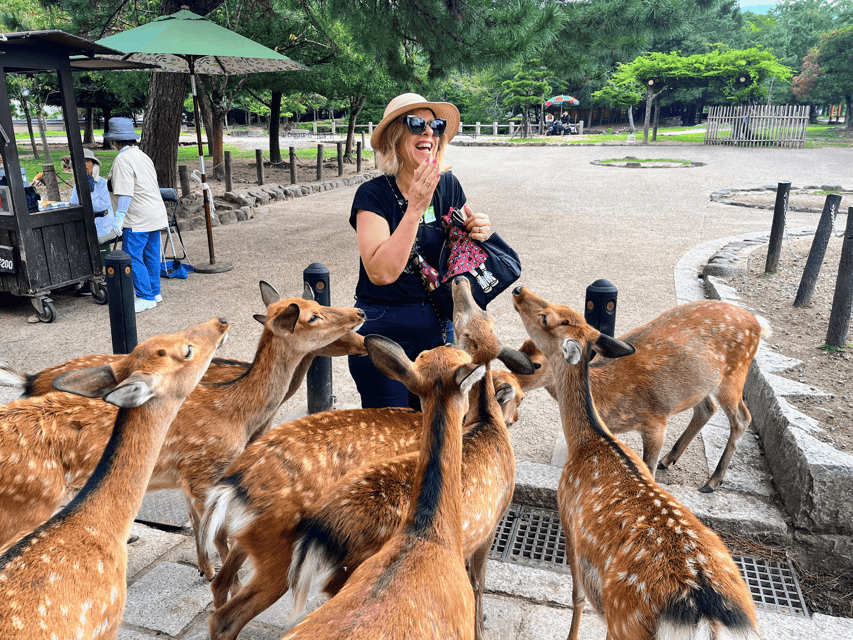
- Nara Park deer time: cute, close-up moments, with the real warning that deer can bite
- Kasuga Taisha’s 3,000 stone lanterns: an atmospheric stop beyond the usual temple photos
- Byōdoin Temple and the Phoenix Hall: the famous 10 yen look, plus UNESCO context
- Uji matcha made by you: a tea workshop experience tied to the places you visited all day
A long day that actually makes sense: Kyoto, Nara, and Uji in one loop
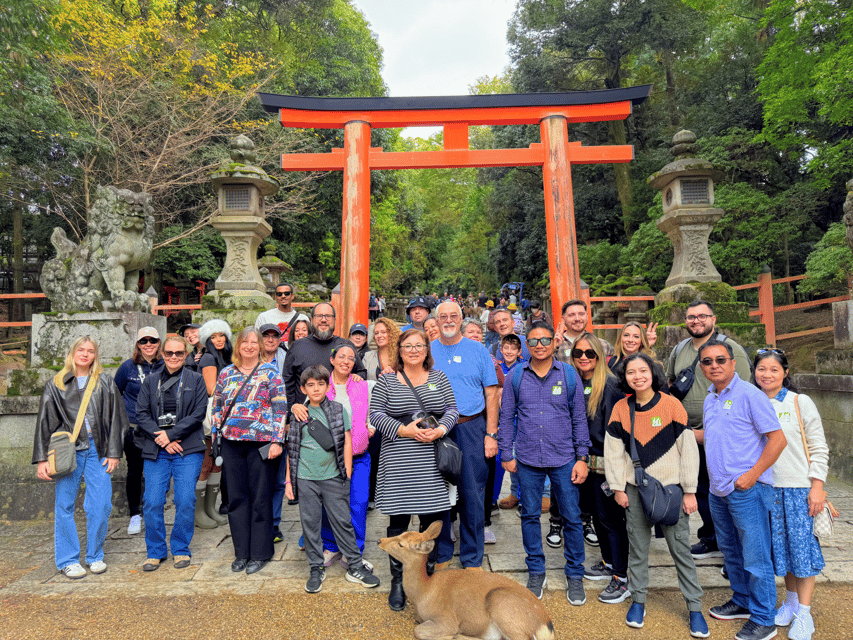
This is the kind of day trip that works best when you want variety, but don’t want to plan like a part-time travel agent. You start in Kyoto, ride out in an air-conditioned coach, hit the big-ticket Nara sites, and then finish in Uji with time for tea-making and shopping.
The timing is the key. You’re out from roughly 8:00 AM to the afternoon/early evening, and each stop gets enough time to feel like you did more than grab a selfie. With a live guide in English and audio headsets in multiple languages, you don’t have to guess what you’re seeing.
I like that the day is built around major landmarks you can only really appreciate if someone explains the background. And I also like that the final activity is hands-on. Seeing the temple halls is cool, but making matcha is the part you’ll remember when you’re back home.
Kyoto station meetup and the coach ride setup
You meet in front of Tully’s Coffee at Kyoto Avanti (the shop is on 31 Higashikujo Nishisannocho, Minami Ward). Check-in starts at 7:50 AM, and the bus departs at 8:00 AM, so give yourself time to cut through Kyoto Station without stress.
You’ll look for the green and white flag for Japan Panoramic Tours. If you’re late, the tour doesn’t wait, so I suggest showing up early enough to settle your ticket status and find your group spot.
On the ride, you get:
- Air-conditioned coach with free Wi-Fi
- Audio headsets so the guidance isn’t only through the bus speaker
- Antibacterial coating and regular ventilation (nice for comfort on a full-day outing)
If you like learning small practical things while traveling, pay attention during the bus commentary. Many guides in this program are praised for giving simple Japanese practice like basic phrases and counting—useful later when you’re ordering or asking where something is.
Todai-ji’s Great Buddha: the scale hits fast
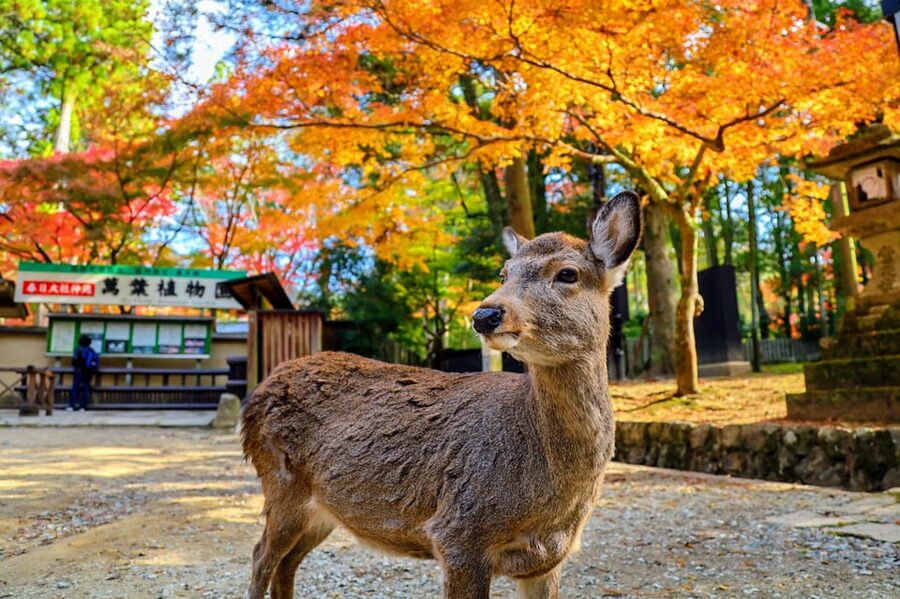
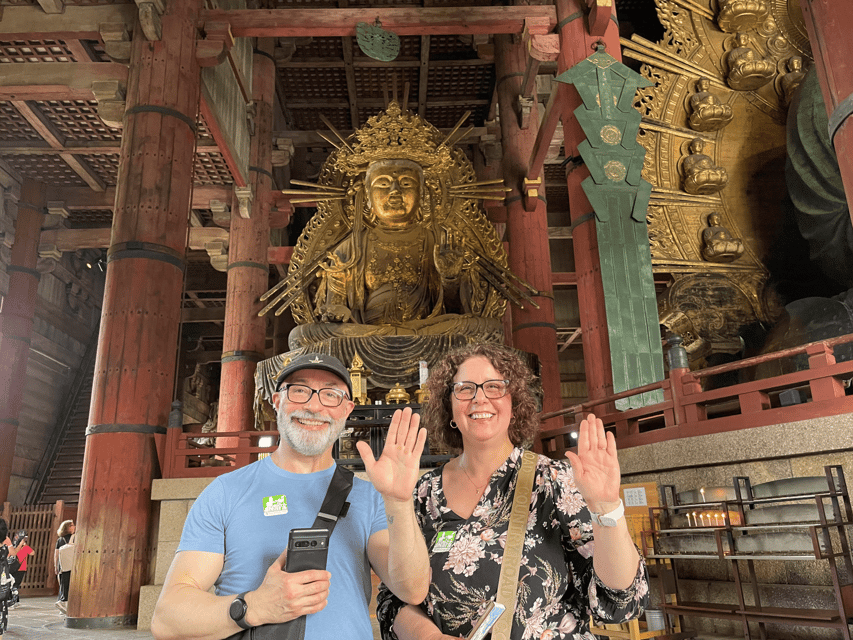
Tōdai-ji is the stop most people remember because it’s not subtle. You’ll spend about 50 minutes here, walking through the complex around the Daibutsuden Hall, which houses the Great Buddha of Nara.
Even if you’re not a hardcore temple person, this is one of those sights where your brain goes quiet for a moment. The building size is part of the impact. It’s one thing to see a statue in a book; it’s another to stand in the space created around it.
Practical tip: keep your comfortable-shoes mindset. You’ll be walking within a big temple area, and you’ll likely move on uneven terrain plus stairs. If you’re sensitive to crowds, go at the pace your guide sets when entering and exiting the hall.
Nara Park deer: the fun is real, so handle it the right way
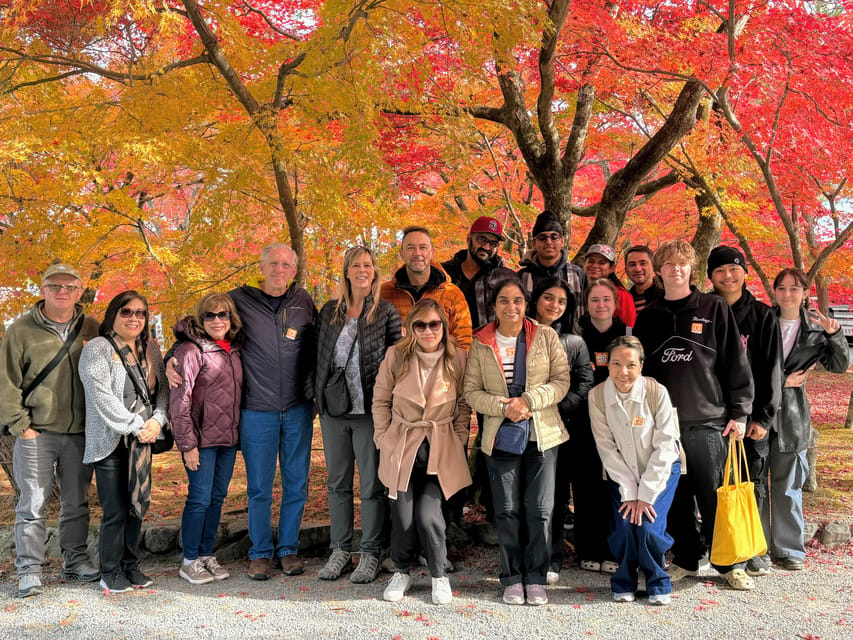
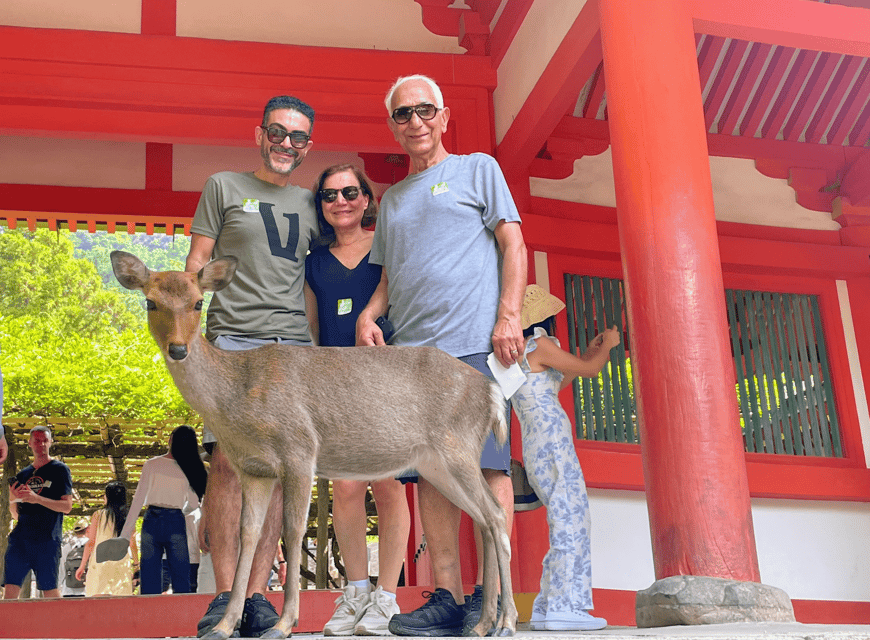
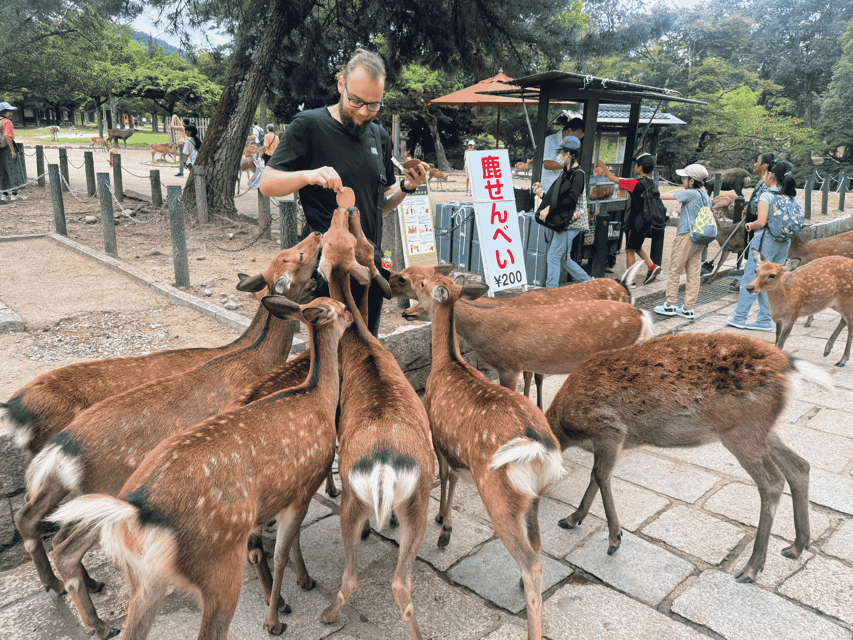
Nara Park is adjacent to the Tōdai-ji area, and it’s one of the most memorable parts of this day. You get around 30 minutes to explore the park and meet the famous wild deer.
Yes, you’ll likely see deer up close, and yes, it’s adorable. You can buy rice crackers from roadside stalls and along the route near shrines in Nara Park, and feeding can lead to those famous little bows.
Here’s the practical caution I’d underline: deer can bite. That shows up in feedback, so don’t treat this like a friendly petting zoo. Keep crackers in your hand carefully, avoid sudden movements, and don’t stick fingers toward deer mouths. If a deer looks too interested, just change your body position and let the guide’s instructions handle the group flow.
Also, consider eye-level etiquette. Don’t rush to grab food out of a person’s hand while you’re taking photos. It’s not worth a scare just to get one perfect shot.
Kasuga Taisha’s lantern field: atmosphere over speed
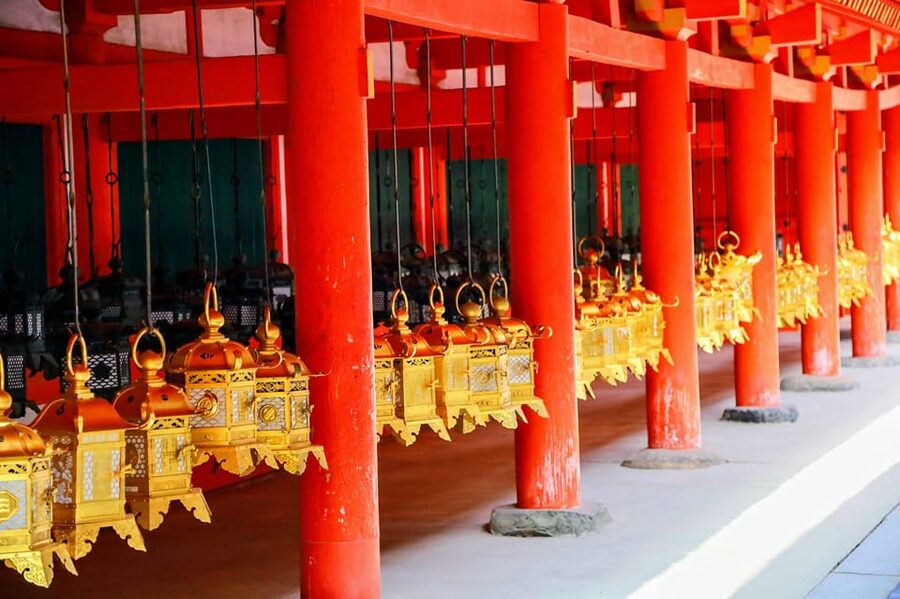
After Nara, you’ll head to Kasuga Taisha for about 30 minutes. This is the shrine stop that tends to surprise people because it’s not just another gate-and-hall visit.
The standout feature is the famous lantern display—3,000 stone lanterns. Even in daylight, the pattern creates a strong visual mood. With a guide explaining what the lanterns represent and why they’re arranged this way, you get more meaning than a quick picture.
The time here is shorter than at Tōdai-ji, so be strategic:
- Spend a few minutes soaking in the lantern area first
- Then move to the main shrine viewpoints your guide points out
- Keep an eye on where your group reassembles
If you’re the kind of person who likes to linger, don’t fight the clock. You’ll have another meaningful stop later in the day at Byōdoin Temple.
Lunch in the middle: what it’s for and how to use it
You’ll have a lunch break of about 50 minutes at a local restaurant. If you booked the lunch option, you’ll get a Japanese lunch included in the package.
I like putting food here. It’s not a random meal stop that steals time from sightseeing—you need the energy before Byōdoin and the Uji matcha workshop. If you don’t eat lunch, you’ll feel it later.
Quick practical note: bring cash. Snacks and drinks beyond lunch aren’t included, and Uji is a place where you may want to grab extra matcha sweets or small gifts while you have free time.
Also, if you have vegetarian needs, arrangements can be made up to 2 days before your tour date. Don’t assume it’s guaranteed last-minute—plan ahead.
Byōdoin Temple and the Phoenix Hall: why that 10 yen coin matters
Byōdoin Temple is next, with about 1 hour on site. This is where the famous Phoenix Hall enters the story—known for the look that appears on the 10 yen coin.
There’s a reason that coin image gets repeated in Japan. It’s iconic, and seeing the real architecture gives the design context you don’t get from a flat picture. Even if you’re tired from walking, Byōdoin often feels like a mental reset because the structure and views are so specific.
This stop is also one of the UNESCO-registered Historic Monuments of Ancient Kyoto sites included in the day’s heritage focus. A good guide will point out what to notice, not just where to stand for photos.
Practical tip: bring water and plan where you’ll take your photos before you fully drift into exploring. That way you’re not sprinting at the end trying to find the best angle.
Uji matcha made from scratch: the activity that turns into a souvenir
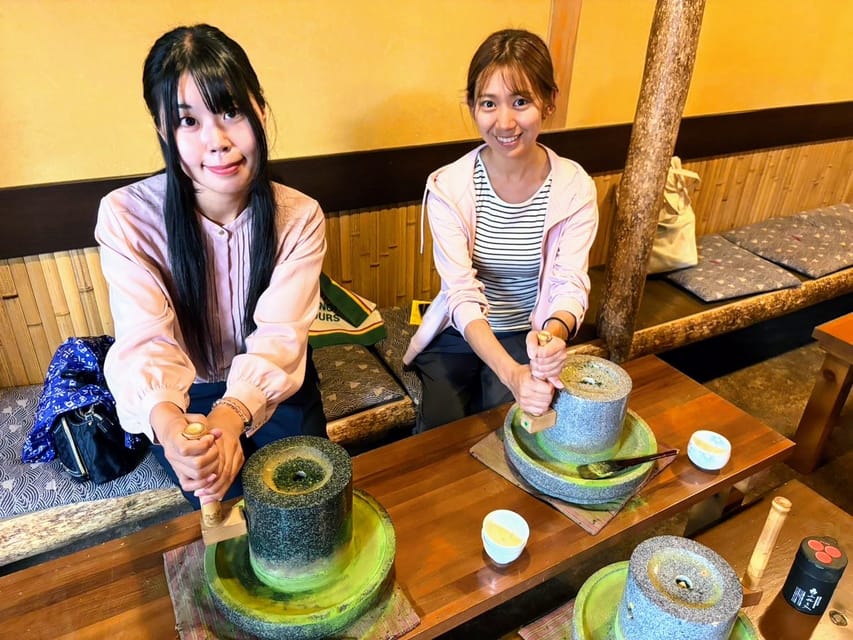
Uji is the matcha heartland, and the tour ends here with a mix of free time plus a matcha experience. You’ll have about 70 minutes in Uji, including the tea activity.
Here’s what you’re doing: you make matcha (powdered green tea) from scratch. The tea workshop is designed so you don’t just watch. You get to experience the process that makes matcha special—finely ground green tea leaves turned into a drink you can actually taste and compare.
Why this part feels valuable: making matcha changes how you think about the flavor. If all you do is buy matcha in a shop, it stays a product. If you make it yourself, you start noticing differences and you’ll know what questions to ask when you shop.
After the workshop, the area around the tea experience has small shops and restaurants, and this is your window for souvenirs and extra matcha purchases. If you’re picky about brands or want to compare strengths, this built-in free time is when you should do it.
What I’d watch for on the ground: pace, crowds, and comfort
This is a “see a lot, but not rush-everywhere” day. Still, it’s active. You’ll walk up stairs and hills during the tour, and it’s not suitable for people with mobility impairments or wheelchair users.
So do yourself a favor:
- Wear shoes you can walk in for several hours
- Carry water and take small breaks when the guide pauses the group
- If you’re sensitive to heat, plan extra water and use shade when possible
The guides often keep things organized in a way that reduces friction. Feedback repeatedly mentions guides who keep the group moving at a reasonable pace and who make sure everyone gets directions for where to go next. Names that come up include Mai, Nanami, At-chan, Rino (with At-chan in one report), Den, Aoi, Des, Tsubasa, Yuta, and Harry.
Not every guide will do exactly the same extra touches, but the pattern is consistent: people feel cared for and guided, not tossed into a crowd.
Price and value: what $122 buys you in real terms
At $122 per person, the question isn’t just whether it’s expensive or cheap. It’s what’s bundled.
This price comes with:
- Professional English-speaking guide
- Air-conditioned coach with free Wi-Fi
- Admission fees for Tōdai-ji and Byōdoin Temple
- The matcha experience fee in Uji
- Access support like skipping the ticket line at those included sights
- Optional Japanese lunch if you selected it
- Audio headsets for multiple languages
If you tried to DIY this, you’d be paying for transportation between Kyoto, Nara, and Uji plus temple admission plus some form of tea workshop. A matcha class alone usually isn’t free, and combining everything into one guided day is what you’re really buying.
I’d call it good value if you want the World Heritage highlights without logistics stress. If you already know exactly how to travel between these areas and you only care about one or two sites, then a DIY plan might be cheaper. But if you want a structured day that hits multiple major landmarks and ends with an experience you can taste, $122 can feel fair.
Who this tour suits best (and who should pick something else)
This tour is a strong fit for:
- First-timers who want Nara and Kyoto’s big names without figuring out train transfers
- People who like guided context, not just wandering
- Anyone who wants a hands-on cultural moment at the end of the day (matcha)
It may not fit if you:
- Need wheelchair-friendly routes or very limited walking
- Want a super slow day with minimal stairs and hills
- Prefer deep time at one site over a wide-hit day
If you’re traveling as a family, this often works well because the deer and matcha make it fun for different ages—just treat the deer responsibly and keep an eye on where you’re standing.
Should you book this Kyoto–Nara–Uji day?
I’d book it if you want a packed but sensible day that ends with something practical and tasty. The mix is the selling point: Tōdai-ji, Kasuga Taisha’s lantern field, deer in Nara Park, Byōdoin’s Phoenix Hall, and then the matcha you make yourself in Uji.
I’d skip or switch if you’re mobility-limited, or if you hate early starts and long walking days. This one isn’t for that.
If your priority is an efficient, guided route with admissions and a real matcha workshop included, this is a solid choice.
FAQ
Where do I meet the tour in Kyoto?
You meet in front of Tully’s Coffee at Kyoto Avanti (Kyoto Avanti Store), 31 Higashikujo Nishisannocho, Minami Ward, Kyoto.
What time is check-in and departure?
Check-in is at 7:50 AM, and the tour departs at 8:00 AM.
How long is the Kyoto to Nara and Uji tour?
The total duration is listed as 510 minutes.
Which major stops are included during the day?
You’ll visit Kasuga Taisha, Nara Park, Tōdai-ji, Byōdoin Temple, and spend time in Uji for the matcha experience.
Is lunch included?
Lunch is included only if you selected the lunch option. Otherwise, lunch is not included, and additional food and drinks aren’t part of the package.
Are admissions and the matcha workshop included?
Yes. Admission fees for Tōdai-ji and Byōdoin Temple are included, and the matcha experience fee in Uji is also included.
What languages are available for audio guidance?
Audio headsets are available in English plus Spanish, French, Italian, German, Portuguese, and Ukrainian.
Is the tour suitable for wheelchair users or mobility impairments?
No. The tour isn’t suitable for people with mobility impairments or wheelchair users, since you’ll walk stairs and hills during the day.