Kyoto and Nara in one day can feel like speed-running Japan, but this route makes it smart. You get Nara Park deer feeding plus the famous Fushimi Inari torii path, then finish with Arashiyama’s bamboo quiet. The best part is the pacing: enough time to enjoy each place without spending your whole day lost on side streets.
I also like that the day is built around iconic spots that are hard to stitch together on your own, especially if you don’t want to figure out transfers while tired. One possible drawback: some stops are timed tightly, so if you love wandering slowly or want long temple time, you may wish you had more hours at just one location.
In This Review
- Key highlights you’ll actually feel
- A One-Day Route That Links Nara, Fushimi Inari, and Arashiyama
- Osaka-to-Kyoto Pickups and a Day Timed for Maximum Sightseeing
- Nara Park Deer Feeding: Fun for All, Rules for Safety
- Fushimi Inari Taisha and the 10,000 Torii Walk
- Arashiyama Bamboo Forest Zen and Nonomiya Shrine Calm
- Tenryu-ji Temple (Extra Fee), Togetsukyo Bridge Views, and Kimono Forest
- Arashiyama Break Time: Street Food, Footbath, and Easy Photo Add-ons
- Guide Style and Group Rhythm: Why It Feels Easy
- Price and Value at $52 for a Full Day Across Honshu
- Who This Tour Suits and Who Should Skip It
- Should You Book Kyoto and Osaka: Nara, Fushimi Inari Taisha, Arashiyama Bus Tour?
- FAQ
- What locations does this one-day tour cover?
- How long is the tour?
- What is the price?
- Where does the tour start?
- What is included in the price?
- What is not included?
- Is Tenryu-ji Temple included?
- What languages will the guide speak?
- What should I bring?
- Do I need to choose a drop-off location?
Key highlights you’ll actually feel
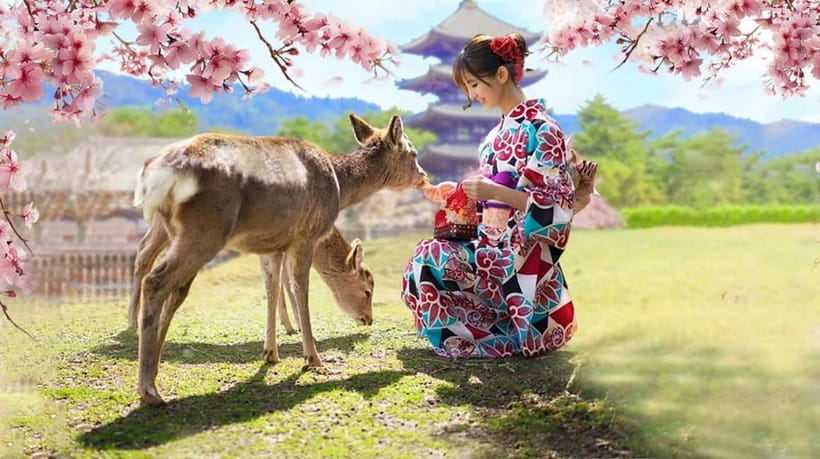
- Nara Park deer encounters with shika senbei so you can feed the famously tame deer (and take great photos)
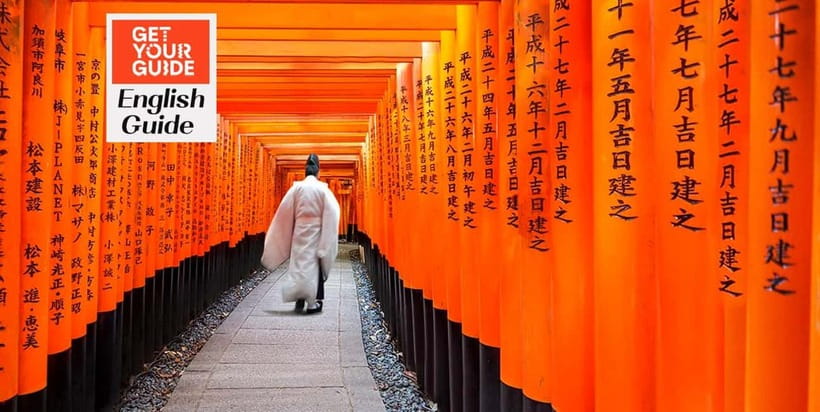
- Fushimi Inari’s torii tunnel with over 10,000 gates climbing the mountainside
- Arashiyama bamboo forest calm with that Zen-style stillness people come for
- Nonomiya Shrine for love and academic blessings, plus the rare Kuroki Torii
- Tenryu-ji Temple (extra fee) and its UNESCO Sogenchi Garden view
- Kimono Forest photo stop and Arashiyama’s footbath for sore feet
A One-Day Route That Links Nara, Fushimi Inari, and Arashiyama
If you’re doing Kyoto for the first time and want the big three hits in one shot, this is the kind of day that works. You start in Osaka (and can also start from Kyoto), then move north-east into Nara for the deer, swing back to Kyoto for Fushimi Inari, and end in Arashiyama for bamboo and World Heritage vibes.
What makes this trip feel efficient is that it clusters the right experiences together:
- Animals and nature in Nara
- Spiritual iconography at Fushimi Inari
- Quiet gardens and old-styled Kyoto scenes in Arashiyama
And because you’re riding in an air-conditioned vehicle with an English-speaking (and also Chinese) guide, you spend less time checking transit maps and more time walking the sights.
Osaka-to-Kyoto Pickups and a Day Timed for Maximum Sightseeing
The schedule is straightforward. You depart Osaka at 8:00 AM, then leave Kyoto at 9:00 AM. Total time is 9 to 10 hours, and the exact flow can shift with weather and traffic, which is normal for Honshu day trips.
There are two start options listed for pickup:
- Harimaya Nippombashi 1-chome
- Kyoto Station Hachijo Entrance Square Sunken Garden
And you’ll also choose where you want to be dropped off at the end (Osaka or Kyoto). If you don’t specify, you default to the same place you were picked up.
This matters because Japan’s transit can be great, but it can also be annoying when you’re doing multiple neighborhoods in one day. Here, the vehicle takes the strain off. You do still walk a lot at each stop, so wear shoes you can stand in for hours.
Nara Park Deer Feeding: Fun for All, Rules for Safety
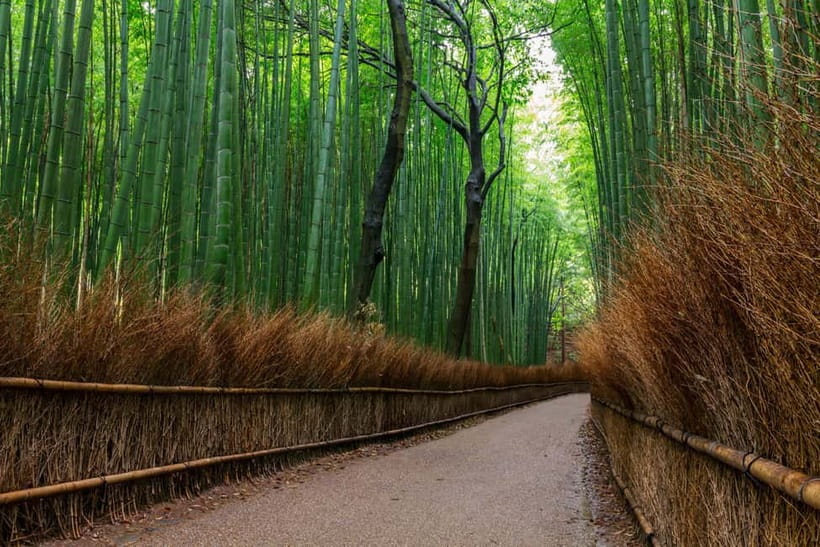
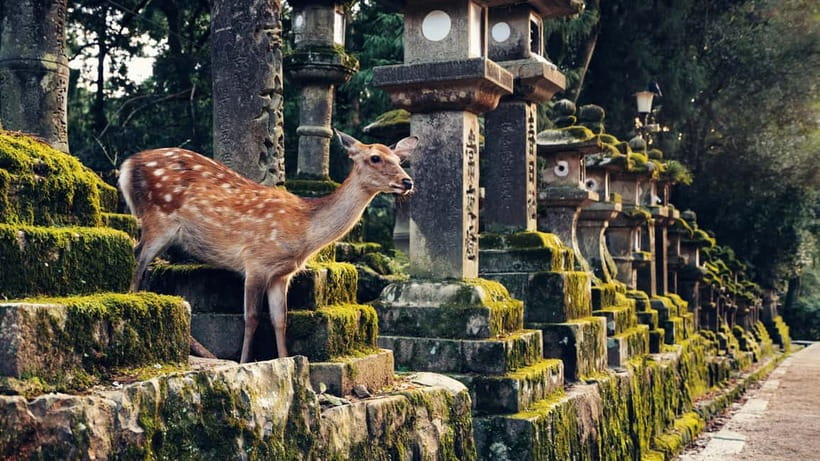
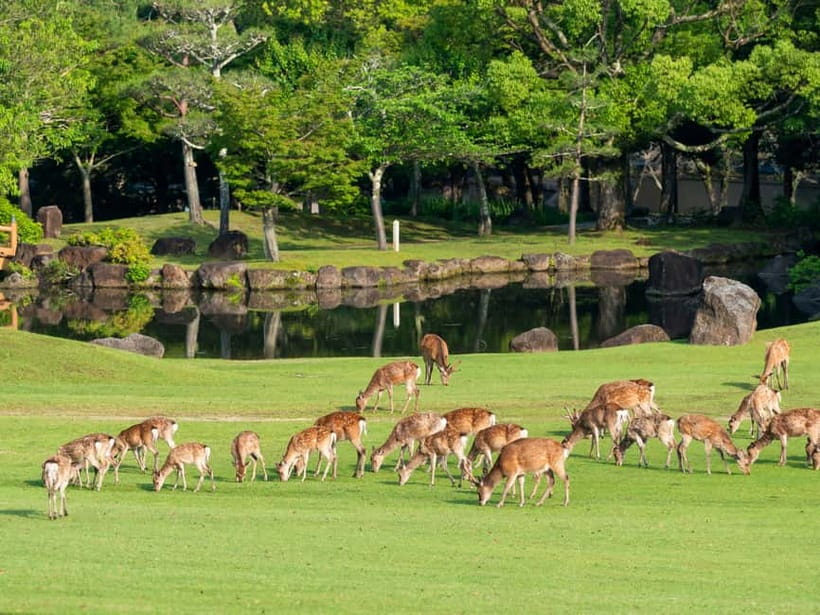
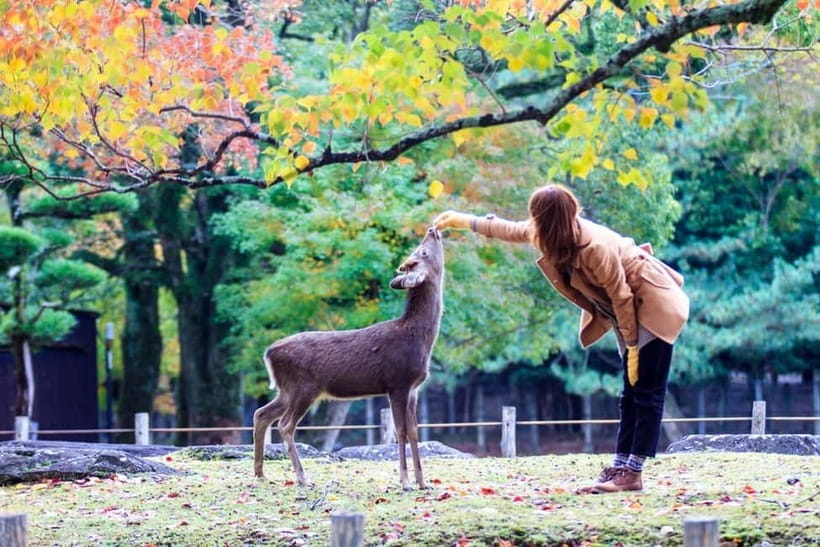
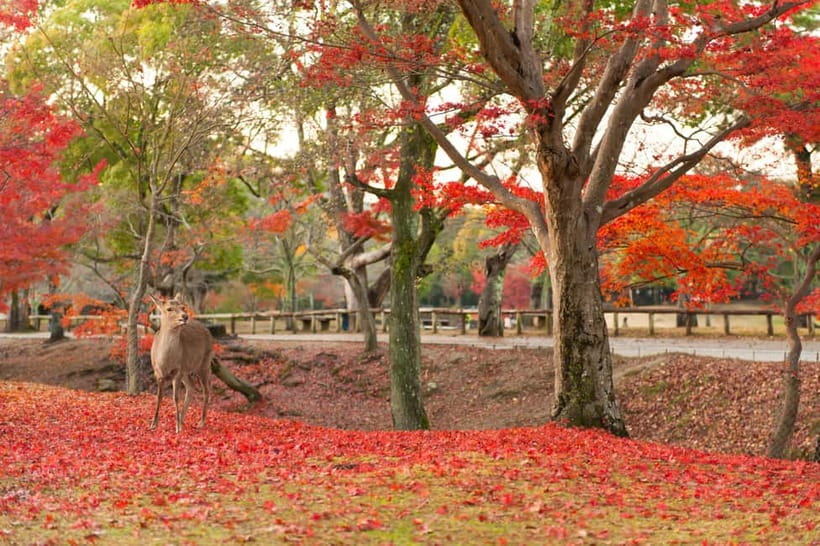
Nara Park is the emotional starter of this whole day. The park is home to over 1,000 deer, and they roam freely as the city’s well-known symbols. You’ll get time there (about 1 hour) and the highlight is feeding them with shika senbei (deer crackers).
What you’ll notice fast: the deer are comfortable around people, but you still need common-sense rules:
- Hold crackers securely and don’t wave them wildly
- Keep an eye on kids and bags
- Be patient—deer will crowd in when they smell food
I like this stop because it’s not just sightseeing. It’s interactive. You don’t need to buy a ticket somewhere else or line up for a specific “activity.” You simply show up, get the crackers, and the park does the rest.
Downside to consider: Nara Park can get busy, and deer energy is real. If you dislike animals, or you don’t like crowded outdoor spaces, this may feel like a lot.
Fushimi Inari Taisha and the 10,000 Torii Walk
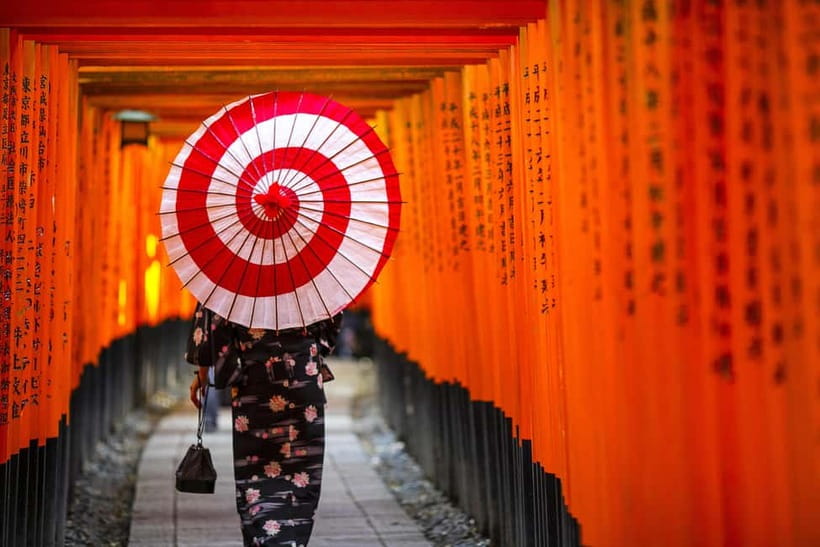
Then you shift from playful to spiritual. Fushimi Inari Taisha is built around one concept: walking through vermilion torii gates. You’ll have around 70 minutes for this stop, which is enough time to take the main path and still breathe.
A few details that help you enjoy it more:
- It’s dedicated to the god associated with prosperity
- The shrine is famous for over 10,000 torii gates winding up the mountainside
- It’s been used in pop culture, including Memoirs of a Geisha and Detective Conan
Here’s the practical way to do it without getting exhausted: aim for a satisfying turn-around point rather than trying to “complete” the entire gate mountain. Torii after torii can blur together. If you pick a personal goal—first major gate cluster, a viewpoint, or a quiet stretch—you’ll come away feeling like you did it, not like you survived it.
Possible drawback: it’s popular, so expect crowds at the busiest sections. Going slow and taking short pauses for photos helps. Also bring an umbrella—Kyoto rain can show up like it’s on schedule.
Arashiyama Bamboo Forest Zen and Nonomiya Shrine Calm
Arashiyama is where the day gets a little quieter. You get about 2.5 hours total in the Arashiyama area, and the schedule breaks that time into distinct experiences.
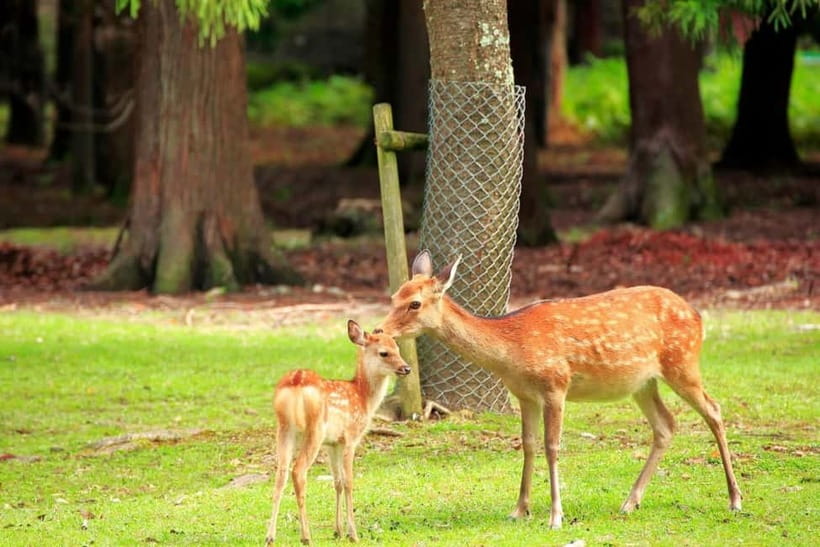
First up in the sightseeing flow is the bamboo forest. This is the classic Arashiyama walk: tall stalks, filtered light, and that hushed “Kyoto in slow motion” feeling. Even on a crowded day, the paths can still feel calm because the forest naturally slows your pace.
After bamboo, you’ll have time at Nonomiya Shrine (about 15 minutes). It’s tied to love and academic blessings, and it includes the rare Kuroki Torii (an unpainted gate) that rises quietly within the bamboo atmosphere.
My take: this is a good use of short time. You’re not asked to spend hours here, but you get a meaningful contrast after Fushimi Inari’s gate tunnel. It’s also a nice moment for photos because the Kuroki Torii works well with the bamboo light.
Tenryu-ji Temple (Extra Fee), Togetsukyo Bridge Views, and Kimono Forest
If you like UNESCO-level scenery, Tenryu-ji Temple is worth planning for. It’s listed as an extra-fee stop in the day, and it’s a UNESCO World Heritage Site. The focus is the Sogenchi Garden, known for borrowed scenery and especially beautiful autumn color.
Even if you’re not traveling in autumn, the garden layout can still feel impressive because the viewing concept matters more than the season. Expect a peaceful, temple-style visit where you’ll likely spend more time looking than talking.
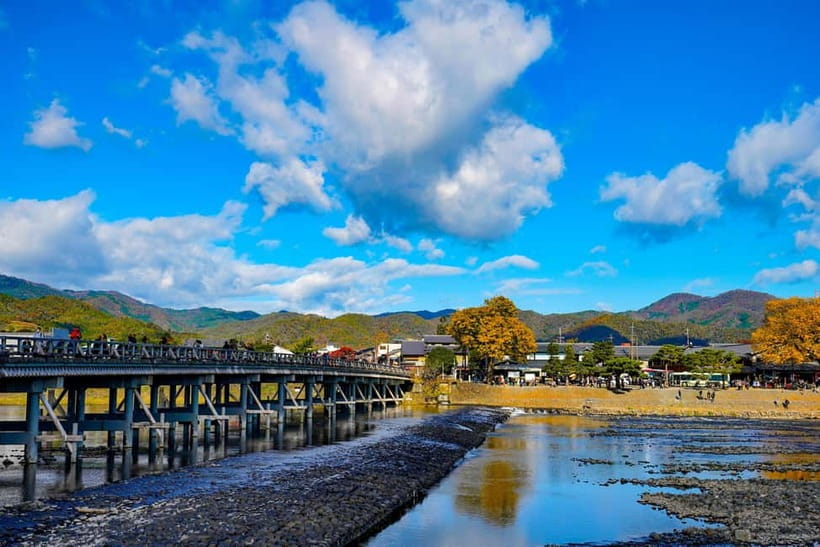
Then you’ll see Togetsukyo Bridge. The schedule allows about 15 minutes for this. From the bridge you can take in sweeping Arashiyama views, and the area is famous for old-style vibes—like passing rickshaws that make the scene feel more “historic street postcard” than modern traffic.
The last main photo moment is Kimono Forest, an art installation with 600 colorful pillars using Kyoto’s Kyo-Yuzen textile patterns. It’s fast (about 15 minutes), but it’s a fun break because you get a “wow” backdrop without needing museum patience.
One more practical point: don’t treat this day like it’s only for big sights. The in-between moments—bridge views, short shrine stops, photo installations—are the pieces that make the day feel like more than a checklist.
Arashiyama Break Time: Street Food, Footbath, and Easy Photo Add-ons
You also get free time in Arashiyama, including a stop at the Arashiyama Station foot bath. This is simple but smart after a long day of walking. If your feet are grumpy, a short soak can reset you before you head back.
There’s also mention of local street food and small places to eat around Arashiyama. Food isn’t included in the tour price, so you’ll be deciding on your own. If you’re hungry, plan to eat something quick and warm earlier rather than waiting until you’re starving.
And yes, there’s a fun photo add-on possibility: the Rilakkuma Tea House is referenced as a spot you can stop for pictures. It’s not required, but if you like character-style stops, it fits the “quick and playful” rhythm of the Kimono Forest segment.
Guide Style and Group Rhythm: Why It Feels Easy
A day like this lives or dies on coordination. In strong versions of this kind of tour, the guide does three things well: keeps the group together, explains what to look for, and manages departures without drama.
This operator uses English-speaking guides (and also Chinese). Based on guide feedback patterns, names that show up often include Willa, Christine, Fiona, Frederick, and Amy (Happy Bunny). The themes you’ll benefit from, even if you don’t get the same guide, are:
- clear instructions at each stop so you know where to go and when to return
- helpful history context tied to what you can see on the walk
- humor and upbeat energy to keep the day moving
- attention to timing, including getting everyone back on the bus promptly
If you’re the type who hates standing around waiting, you’ll probably like this approach. You still have free time, but it’s structured free time, not free time that turns into confusion.
Price and Value at $52 for a Full Day Across Honshu
At $52 per person for a 9–10 hour guided day, this is usually good value if you want convenience. Here’s where the money likely goes:
- English-speaking guide support
- air-conditioned transportation
- taxes, parking fees, gas fees, and handling charges
Food isn’t included, and Tenryu-ji has an extra fee, so your total day cost will be more than $52 once you eat and pay for the temple add-on. Still, for many people the savings come from avoiding extra transit tickets and the mental load of planning multiple routes.
I’d call this a smart purchase if you:
- are new to Osaka/Kyoto and want the “greatest hits” efficiently
- don’t want to figure out train transfers between areas
- prefer someone else managing timing so you can focus on photos and walking
Who This Tour Suits and Who Should Skip It
This tour fits best if you want a guided sampler: big shrines, bamboo calm, and iconic Kyoto scenes, all in one day. It’s also a good match for groups and solo travelers who like meeting people while still having guided structure.
It may be less ideal if:
- you need step-free access—this tour is not suitable for people with mobility impairments or wheelchair users
- you hate fast transitions and want hours at a single location
- you’re pregnant or 70+ and would rather avoid signing a waiver on arrival (required respectfully for those groups)
If you’re a “show me everything but don’t rush me” type, consider that some stops are short by design: Nara gives about an hour, Fushimi Inari gives about 70 minutes, and Arashiyama splits into multiple quick pieces.
Should You Book Kyoto and Osaka: Nara, Fushimi Inari Taisha, Arashiyama Bus Tour?
Book it if you want a day that solves the biggest beginner problem in this region: transportation stress. You get a logical route, a guide who helps you make sense of what you’re seeing, and enough time at each stop to feel satisfied.
Skip it if your travel style is slow and deep at one place—this is more “greatest hits” than “stay and linger.” Also skip if mobility is an issue, since it’s not listed as suitable for wheelchair users.
My practical advice before you book: decide in advance what your “must” is. If you care most about deer at Nara and the torii path at Fushimi Inari, this will likely hit your sweet spot. If you care most about long temple-garden time, you may still enjoy it, but you’ll want to keep expectations realistic about stop lengths.
FAQ
What locations does this one-day tour cover?
It covers Nara Park, Fushimi Inari Taisha, and Arashiyama (including stops like the bamboo forest, Nonomiya Shrine, Tenryu-ji Temple, Togetsukyo Bridge, Kimono Forest, and an Arashiyama foot bath).
How long is the tour?
The duration is listed as 9 to 10 hours.
What is the price?
The price is $52 per person.
Where does the tour start?
Pickup depends on your option, with listed choices including Harimaya Nippombashi 1-chome and Kyoto Station Hachijo Entrance Square Sunken Garden.
What is included in the price?
An English-speaking tour guide, an air-conditioned vehicle, and all taxes, parking fees, gas fees, and handling charges are included.
What is not included?
Food and beverage are not included, and additional personal expenses are not included.
Is Tenryu-ji Temple included?
Tenryu-ji Temple is listed as an extra fee stop.
What languages will the guide speak?
The guide is listed as English and Chinese.
What should I bring?
Bring comfortable shoes, an umbrella, and water, plus comfortable clothes.
Do I need to choose a drop-off location?
Yes. You’ll be asked to indicate whether you want to be dropped off in Osaka or Kyoto, and if you don’t specify, it defaults to the same point as pick-up.