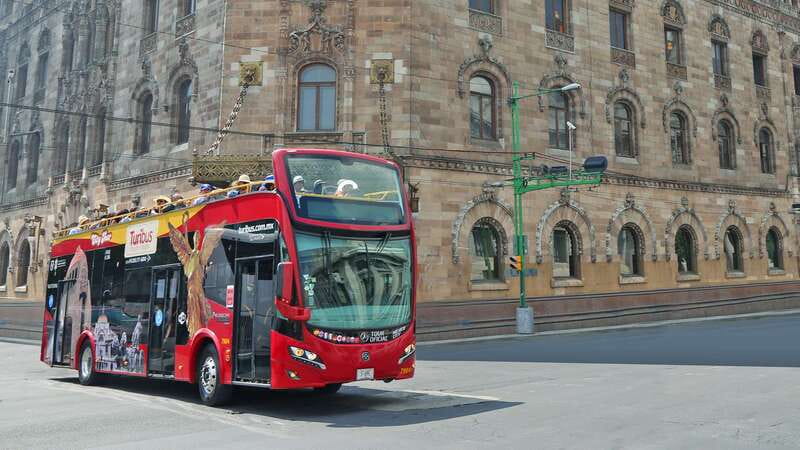
Hop on, look around, repeat. This open-top double-decker ride is an easy way to cover Mexico City fast, with hop-on hop-off stops across four scenic circuits and an audio guide in multiple languages.
What I like most is the way the ticket gives you freedom to pace yourself across Centro, Coyoacán, Basílica, and Polanco, rather than forcing one rigid route. I also like that the audio system points you toward major highlights like Templo Mayor, the Museum of Anthropology, and the Frida Kahlo Museum. One thing to plan around: the Zócalo stop can get slow, with long waits in the hot sun while buses fill up quickly.
In This Review
- Key Tour Takeaways
- A One-Day Ticket That Maps Mexico City Into Four Easy Loops
- Price and What $20 Really Buys You for 10 Hours
- Getting On and Off: Stops, Headphones, and the Zócalo Hold-Up
- Centro Circuit: Templo Mayor and the City’s “Start Here” Feeling
- Coyoacán Circuit: Frida Kahlo Country Without Getting Crushed
- Basílica Circuit: Spiritual Mexico and a Short Seasonal Closure
- Polanco Circuit: Museums, Fine Dining, and the Upscale Side
- Audio Guide Reality Check: Languages, Volume, and Headset Tips
- Open-Top Bus Comfort: Sun, No AC, and How to Settle In
- When Traffic Gets Weird, Your Day Still Stays Flexible
- Should You Book This Turibus Hop-On Hop-Off Pass?
- FAQ
- How many routes can I ride with the 1-day pass?
- How long is the tour experience?
- What’s included in the ticket price?
- Do I need to buy tickets for museums and landmarks?
- Is the Basílica Circuit always open?
- Is this tour wheelchair accessible?
Key Tour Takeaways
- Four circuits on one 10-hour pass: Centro, Coyoacán, Basílica, and Polanco
- Big-name sights via the audio guide like Templo Mayor, Anthropology, and Frida Kahlo
- Open-top views from the upper deck for photos and city energy
- Headphones included, plus an audio guide in multiple languages
- Expect stop-and-go delays at Zócalo if you’re hopping on there
A One-Day Ticket That Maps Mexico City Into Four Easy Loops
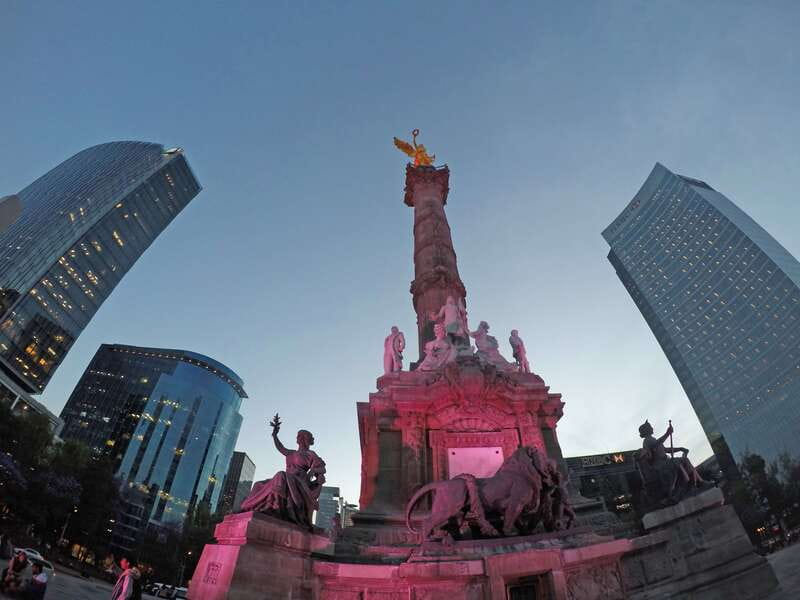
Mexico City can feel like a lot on day one. Traffic, distances, and decisions stack up fast. This Turibus hop-on hop-off pass helps you break the city into four neighborhoods you can sample without locking yourself into a tight schedule.
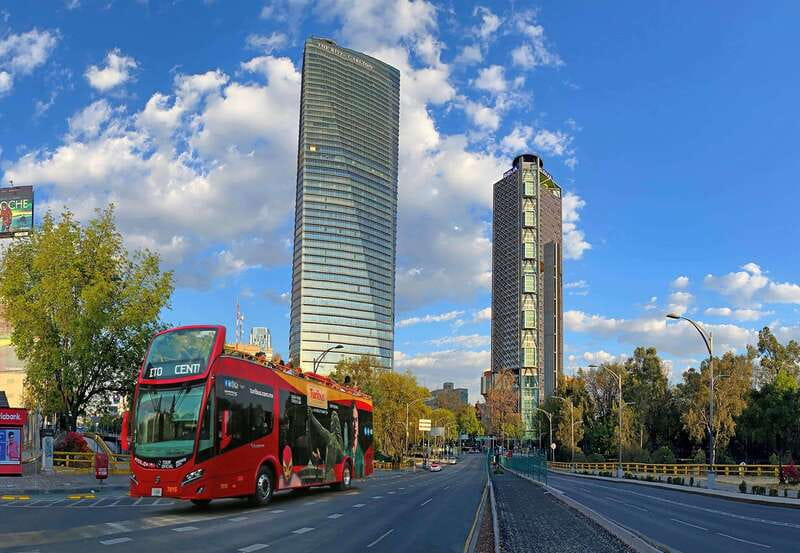
With the 1-day pass, you can switch between circuits during the 10 hours. That means you can start with the area that’s most interesting to you today, then build a second plan as you get your bearings. The bus is an open-top double-decker, so the ride itself is part of the experience: you’re up high, looking across avenues, plazas, and rooftops instead of staring at station walls.
The key idea is simple: you don’t just pass by landmarks. You get the option to get off, walk a bit, take photos, and come back later. When your feet get tired or you want to linger somewhere, you’re not stuck.
Price and What $20 Really Buys You for 10 Hours
At about $20 per person for a 10-hour pass, you’re paying for three things: transportation, time flexibility, and narration. You’re not paying for entry tickets, so you’ll still want to budget separately if you plan to go inside specific museums.
What makes this price feel reasonable is the structure:
- You can use unlimited access across four routes in a single day.
- The audio guide runs in multiple languages (Spanish, English, French, German, Italian, Japanese, Portuguese, and Galician).
- You’re not paying again for another method of getting between far-flung neighborhoods.
In practical terms, the value shows up when you’re trying to see Mexico City without over-planning. If you’d otherwise spend money and energy on multiple rides (especially with traffic), this kind of pass can save both cash and sanity.
Getting On and Off: Stops, Headphones, and the Zócalo Hold-Up
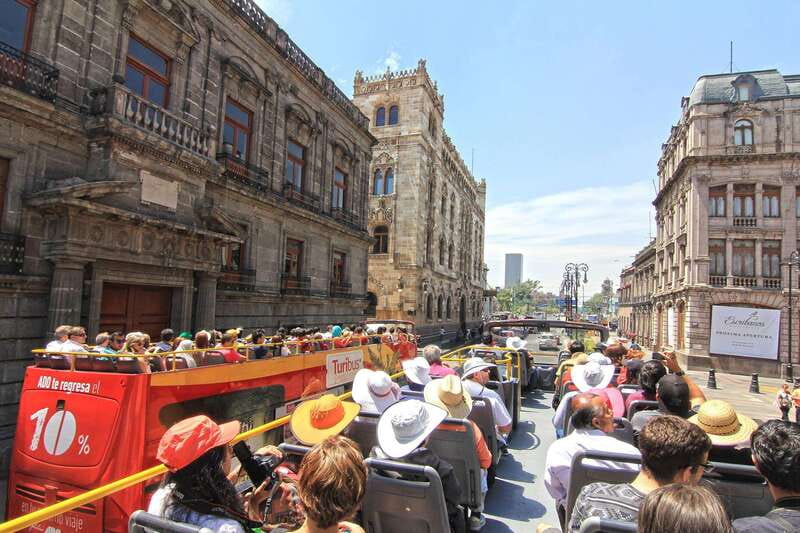
You’ll board at designated stops, and the exact meeting point can vary depending on your option. Once you’re on, plan for a day that moves in chunks: ride, hop off, explore, then wait for the next bus when you’re ready to continue.
Two logistics points matter a lot for a smooth experience:
Headphones and audio control. The tour includes an audio guide and headphones. Still, audio quality can vary by language and device. Some riders reported that the English audio could be hard to hear, and others had intermittent headset issues. If you care about the narration, it’s worth bringing your own backup pair of headphones too, just in case.
Zócalo stop lines. One clear bottleneck is the Zócalo area. Expect a queue and longer waits at that stop, especially when buses fill quickly. If you’re starting your day from Zócalo, give yourself extra time and treat the sun like it’s part of the schedule.
If traffic slows you down, remember the city isn’t under anyone’s control. The route may shift due to weather, road closures, traffic, or public demonstrations.
Centro Circuit: Templo Mayor and the City’s “Start Here” Feeling
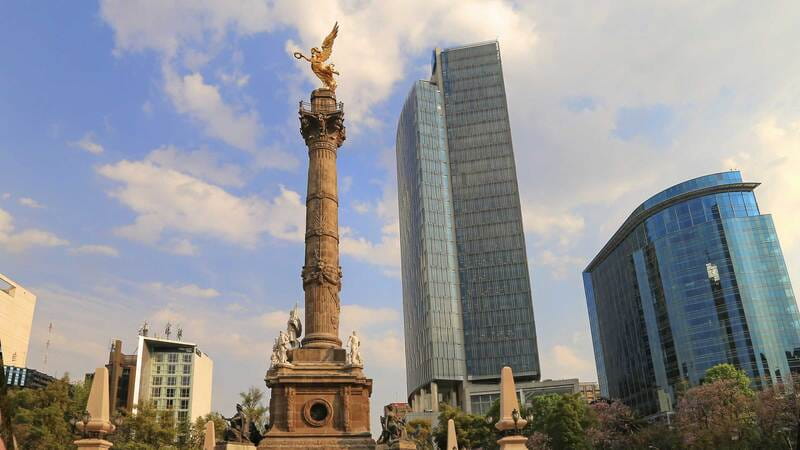
The Centro (Historic Center) loop is the best match if you want a history-and-monuments overview without sprinting between locations.
This circuit ties directly into major landmarks highlighted by the audio guide, including Templo Mayor. Even if you only hop off for a short visit, having the narration gives context as you look around. You’re not just seeing stone and buildings; you’re getting the what-and-why that helps later when you choose where to spend more time.
Centro also helps with orientation. You’ll pass large public spaces and major streets that act like a map legend for the rest of Mexico City. When you’re figuring out where you want to go again (for photos, food, or a longer museum visit), Centro is often the fastest way to understand the city’s shape.
A practical tip: don’t try to “do everything” in Centro from one stop. Hop off, walk a little, then reboard. You’ll learn more and feel less rushed.
Coyoacán Circuit: Frida Kahlo Country Without Getting Crushed

If you want personality, Coyoacán is the move. This is where art, color, and the bohemian side of the city show up in the streets.
The audio guide and route focus include the area around Frida Kahlo’s museum. One advantage of using the bus is that you can spend time in the neighborhood on your own schedule. You don’t have to arrive at a certain minute and fight the first wave of crowds.
In particular, you’ll get the benefit of passing the Frida Kahlo area and having the chance to stop and explore without being trapped by a tight group itinerary. One rider specifically called out the pleasure of seeing the Frida Kahlo house from the bus and then spending time in Coyoacán’s main square—without having to deal with the densest crowd right away.
If you’re building a day around a museum visit, Coyoacán is also a smart choice because it’s easy to pair with a longer wandering break. After riding, you can step off and simply absorb the neighborhood vibe.
Basílica Circuit: Spiritual Mexico and a Short Seasonal Closure

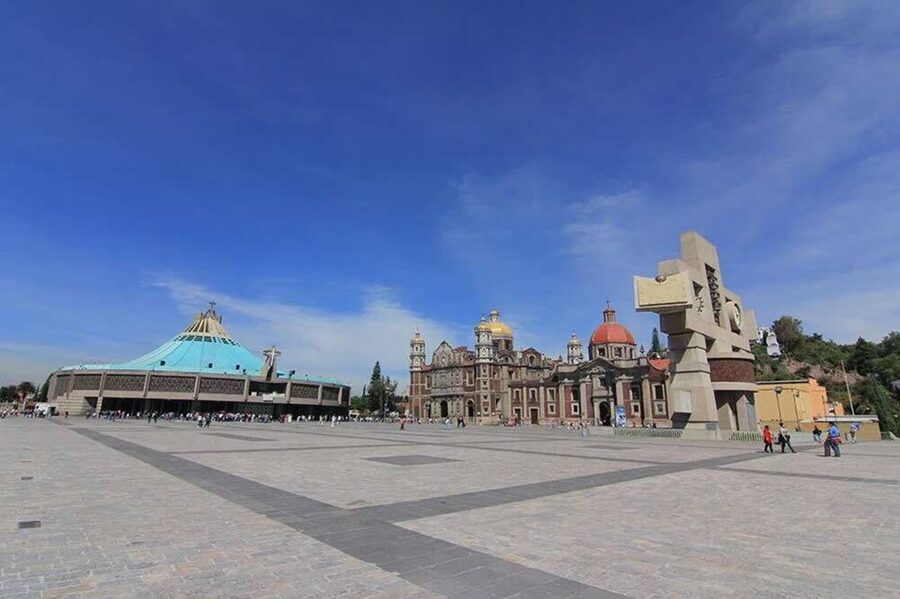
The Basílica Circuit is designed for a different kind of Mexico City experience: the city’s spiritual center.
This loop is centered on Mexico’s cherished sanctuary, and it’s a meaningful option if you want your day to include something that feels more than sightseeing. The audio narration gives you a layer of context as you’re moving through the area.
One key planning note: the Basílica Circuit is closed from December 10th to December 12th. If those dates are part of your trip, you’ll want to rely on the other circuits during your day pass.
Also remember that itineraries can vary due to road closures or demonstrations. Even when a circuit is open, expect possible detours.
Polanco Circuit: Museums, Fine Dining, and the Upscale Side
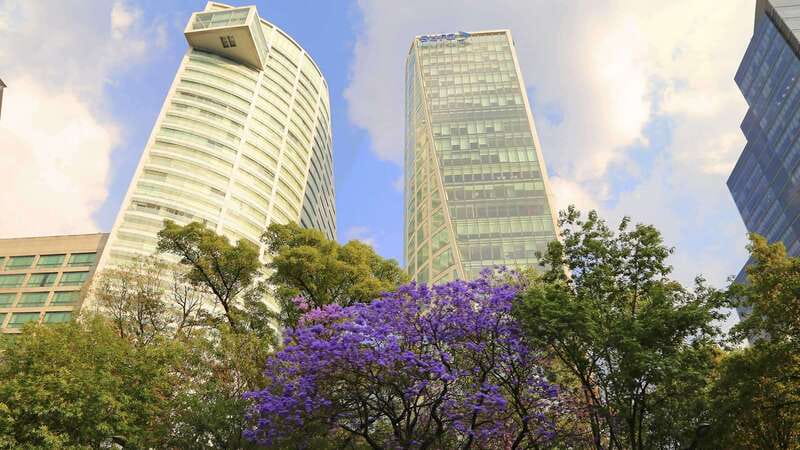
For a contrast, the Polanco Circuit takes you into a more polished, modern Mexico City feel—think luxury shops, fine dining, and chic streets.
This part of the city is great if you want your day to include a change of scenery. After historical Centro and artsy Coyoacán, Polanco feels like a reset button: wide boulevards, storefront energy, and a cleaner rhythm for walking.
The audio guide also connects this circuit to major cultural stops, including the Museum of Anthropology. If you’re aiming to spend quality time with museum-grade collections, Polanco is often a strong base point because the area is packed with options and you can hop on and off strategically.
And if you just want a place to recharge, Polanco gives you a lot of built-in choices for snacks or meals between rides.
Audio Guide Reality Check: Languages, Volume, and Headset Tips
The audio guide is included and offers narration in 9 languages. That’s a genuine plus because it turns the bus ride from transport into a moving orientation lesson.
Still, audio performance isn’t always consistent. Some reports noted that English narration can be difficult to hear, and headset jacks sometimes don’t work reliably. Spanish may come through louder than other languages on certain devices, which can make balance tricky.
Here’s how to make it work in the real world:
- Keep the volume at a comfortable level before the bus gets too loud.
- If you’re switching languages, test your headset quickly at the stop.
- If your earbuds are finicky, have a backup set.
One more thing: this tour relies heavily on narration while you’re on the bus. If you prefer human interaction, you might find a staff presence at stops, and in at least one case a guide named Luis was praised for adding extra fun like games, music, and dance. Just know that’s not the guaranteed core of the experience.
Open-Top Bus Comfort: Sun, No AC, and How to Settle In
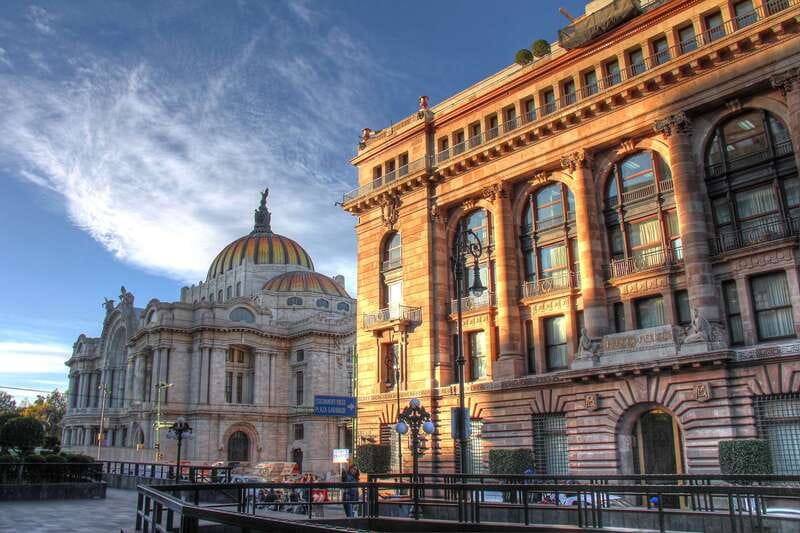
The open-top upper deck is what most people come for. The views are easier, and photos are more straightforward because you’re higher and more exposed.
But you’re also more exposed. Bring what the operator recommends: sunglasses, a hat, and water, plus comfortable clothes. Mexico City sun can turn a pleasant ride into a sweat session fast.
A specific comfort note: some riders reported that the buses don’t have A/C. Combine that with slow traffic and it can feel warm even during the day. If you’re sensitive to heat, aim to ride earlier, when possible.
Also, open-top streets mean you sometimes get close to branches and overhead elements. Sit in a way that keeps you mindful of space, and hold onto the railing when things get bumpy.
When Traffic Gets Weird, Your Day Still Stays Flexible
Mexico City traffic can be intense. The good news is the pass is built for flexibility. If you hit a slow stretch, you can still hop off and explore at the next stop, instead of feeling stuck until a full guided day ends.
Route changes can also happen due to weather, road closures, and public demonstrations. When that occurs, your experience may shift slightly and timing can be unpredictable. It’s worth planning your day with breathing room rather than treating 10 hours like an exact timetable.
If you’re trying to see all four circuits, start early and be realistic about how much time you’ll want on the ground. Some riders only managed two routes because traffic and timing ate into the schedule.
Should You Book This Turibus Hop-On Hop-Off Pass?
Book it if you want a simple, low-stress way to get your bearings fast and build a sightseeing plan you can adjust on the fly. It’s especially good for first-time visitors who don’t want to wrestle with navigation between neighborhoods, and it’s a strong match if you want a mix of major landmarks plus neighborhood time in Coyoacán.
I’d hold off if you hate lines and sun waits—because the Zócalo stop can be slow—or if you’re extremely picky about audio quality. Also note that it’s not suitable for wheelchair users.
If you can handle heat, bring water, and accept that traffic may shape your timing, this is a solid value way to see a lot of Mexico City in one day.
FAQ
How many routes can I ride with the 1-day pass?
Your 1-day ticket connects you to all four routes: Centro, Coyoacán, Basílica, and Polanco, with unlimited access for 10 hours.
How long is the tour experience?
The pass gives you 10 hours of access. You can check starting times based on availability.
What’s included in the ticket price?
The ticket includes hop-on hop-off bus access, unlimited access to the routes for 10 hours, an audio guide, and headphones.
Do I need to buy tickets for museums and landmarks?
Yes. Entry tickets to attractions are not included, so you’ll need to pay separately if you go inside museums or other sites.
Is the Basílica Circuit always open?
No. The Basílica Circuit is closed from December 10th to December 12th.
Is this tour wheelchair accessible?
No. The tour is listed as not suitable for wheelchair users.