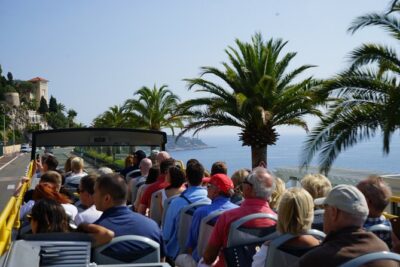
Mexico City looks different after dark. I like this double-decker night bus tour because you get panoramic city views in a short time, with an English and Spanish audioguide that explains what you’re seeing as you pass major landmarks. The one thing to watch: if the bus is full, you might end up on the lower deck, where views for photos can be less satisfying.
This is a fast way to build your mental map. You start near the Zócalo, ride a closed route (so no hopping on and off), and loop past big hitters like Catedral Metropolitana and Paseo de la Reforma while the buildings glow with night lighting.
At $11 for about 75 minutes, it’s strong value for a first visit. Just keep your expectations grounded: the ride can feel more like a moving “best-of exterior tour” than a deep, walk-up-and-look tour, especially on rainy nights or if you don’t get the best seat.
In This Review
- Key things I’d plan for on this night bus ride
- Zócalo start: the easiest way to get your bearings fast
- Double-decker setup: where your seat choice really changes the tour
- The 75-minute route: what you’ll see from the bus
- Catedral Metropolitana de México (classic skyline moment)
- National Museum of Art, Mexico City (culture stop, seen from the road)
- Garibaldi (a different kind of city scene)
- Tlatelolco (another major zone in the same loop)
- Monumento a la Revolución (big monument, big night presence)
- Paseo de la Reforma (the boulevard that ties it together)
- Ángel de la Independencia (the moonlit postcard)
- Palace of Fine Arts (splendor you can read at a glance)
- Alameda Central (green space feel from the bus)
- Historic Center of Mexico City (the loop’s full circle)
- Audioguide value: English and Spanish that actually help
- Price and value: how $11 can make sense (or not)
- Who this tour fits best
- Small downsides to plan around
- Should you book this Mexico City night bus tour?
- FAQ
- Where is the meeting point for the night bus tour?
- What’s the starting point listed for the tour?
- How long is the Mexico City night bus tour?
- What language options are included for the audioguide?
- Is this a hop-on hop-off tour?
- Is transport to the meeting point included?
- Can I cancel for a refund?
- Is the tour wheelchair accessible?
Key things I’d plan for on this night bus ride
- Upper-deck sightlines matter: the best views usually come from the top deck.
- Audioguide in English/Spanish helps you connect landmarks to context as you pass them.
- A closed route means you’re seeing everything from the bus, not stopping to explore on foot.
- Multiple iconic zones show up in one loop: Historic Center, Reforma corridor, and major monuments.
- Weather affects photos: rain can make window shooting harder.
- You need to arrive early so you don’t risk getting stuck lower on the bus.
Zócalo start: the easiest way to get your bearings fast
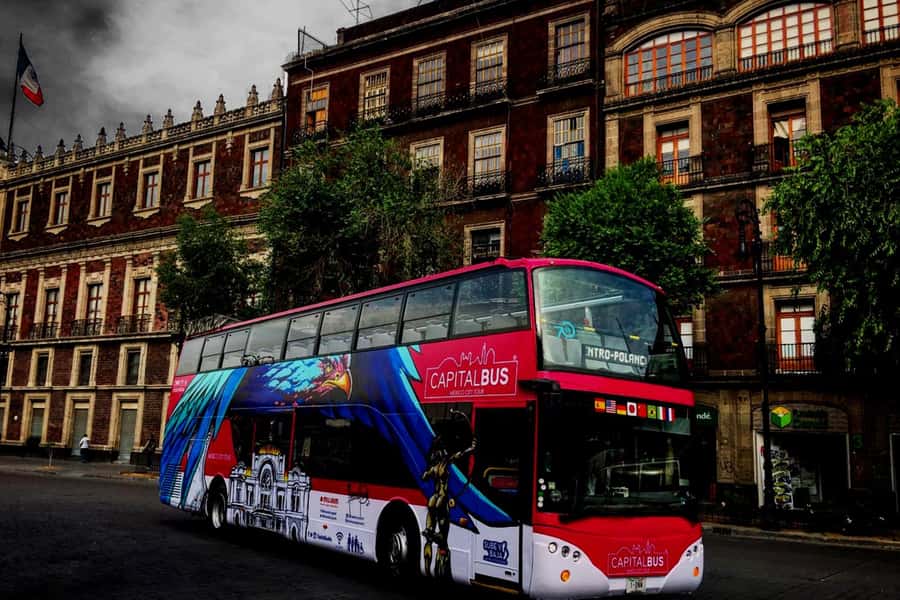
The tour begins near the Zócalo area, and you’ll want to be there about 10 minutes early. When you show your voucher, staff exchange it for an access bracelet, which gets you on board. If you’re coming from your hotel, plan simple walking directions first—transport to the meeting point isn’t included.
I like starting at the Zócalo because it’s a natural “center of gravity” for visitors. From there, the bus takes you outward into Mexico City’s big-identity sights—then brings you back—so you leave with a cleaner sense of where things are.
Even if you only have a couple days, this kind of short night circuit can help you decide what’s worth a longer visit later. You’ll see the lighting style, street layout feel, and the way different districts look after dark.
Double-decker setup: where your seat choice really changes the tour
This is sold as a panoramic, double-decker experience. One important detail from real-world feedback: the top deck can be open at the top, while still having side barriers/windows depending on your exact seating position. That matters because your camera angle and how much you can see sideways can change fast on a moving bus.
The downside shows up when the bus is full. In one tough case, the tour was oversold and the couple ended up downstairs, which defeated the whole “top-deck viewing” idea. Another issue noted was that the lower deck’s windows may be perforated, which can limit what you can actually frame through the glass.
Here’s how I’d handle this if you care about photos:
- Try to position yourself early so you can choose an upper-deck seat.
- If you’re sensitive to glass reflections, sit where you can shoot through the clearest opening rather than the messiest window section.
- If it’s rainy, accept that photos through glass in low light are tougher. Bring patience, not perfect results.
The 75-minute route: what you’ll see from the bus
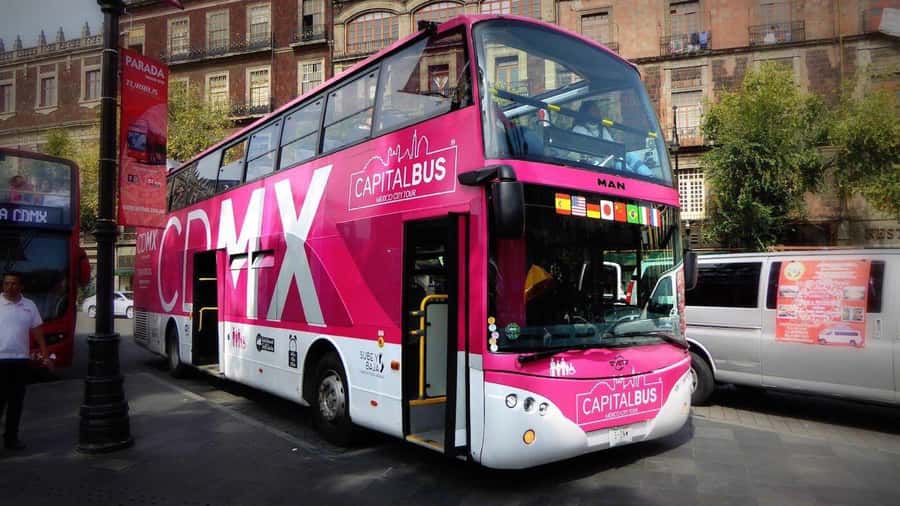
This ride runs about 75 minutes, and it’s built as a loop through the most recognizable, illuminated parts of the city. You won’t get out to walk. You’ll watch buildings slide past from the street-level roadway and higher vantage points, with the audioguide narrating along the way.
The itinerary order keeps tightening your mental picture as you move through different zones: grand civic architecture, cultural buildings, a lively square area, then big avenues and monuments. By the time you reach Reforma and the Angel de la Independencia area, you usually have the “night Mexico City” look down.
Catedral Metropolitana de México (classic skyline moment)
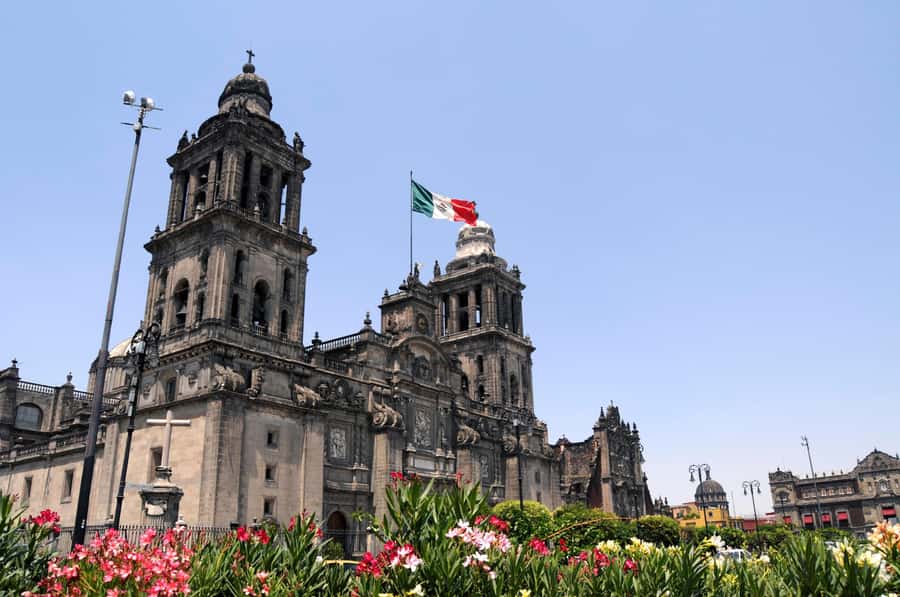
You’ll pass the Catedral Metropolitana de México on the way. The practical value here is simple: it’s one of the most recognizable silhouettes in the city, and seeing it lit from a moving bus is a quick hit of “yes, I’m really here.”
What to watch for: lighting can create glare in bus windows. If you’re shooting, try to angle your phone/camera so reflections are minimized.
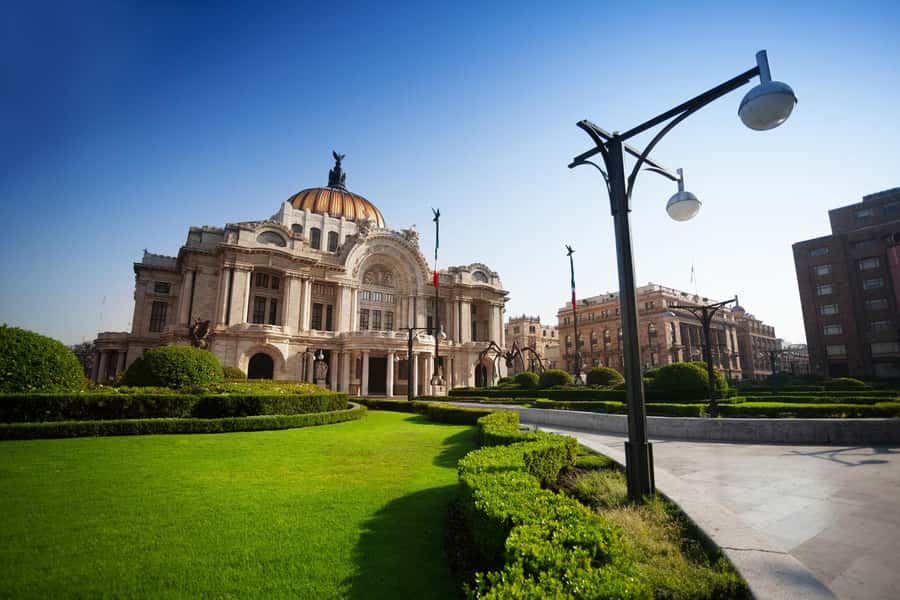
National Museum of Art, Mexico City (culture stop, seen from the road)
Next comes the National Museum of Art area. From the bus, you’re mostly reading the building’s outer form and how it’s highlighted at night. The audioguide is there to help you understand why this spot matters as you pass.
If you’re the type who likes museums but doesn’t want to commit to an indoor visit right away, this is a useful teaser.
Garibaldi (a different kind of city scene)
Then you head toward Garibaldi. I wouldn’t expect this to feel like a quiet photo stop on a bus route. Instead, it’s more of a “this neighborhood has its own night identity” moment—another chunk of city life visible through lighting and street activity.
If you want intense detail, you’ll likely need a walking follow-up. But for a short night loop, this adds variety.
Tlatelolco (another major zone in the same loop)
Tlatelolco shows up after Garibaldi. From the bus, you’ll get a look at the area’s night appearance without needing to navigate streets yourself. It’s helpful when you don’t want to plan transit for a second neighborhood.
Practical tip: keep your phone ready as you come into view—sometimes the best shots are only a few seconds while the bus lines up with the building.
Monumento a la Revolución (big monument, big night presence)
The Monumento a la Revolución is a major landmark, and it reads well at night because it’s designed to be seen from different angles. From the bus, you’ll catch it as part of the broader downtown-to-Reforma shift.
This is the kind of stop where being on the upper deck can pay off. More height often means cleaner sightlines and fewer street-level obstructions.
Paseo de la Reforma (the boulevard that ties it together)
Paseo de la Reforma is where the tour starts to feel like a classic Mexico City “main stage.” The audioguide helps you connect the dots here, especially with the narration that covers stories tied to the sights you’re passing.
From a rider’s perspective, Reforma also tends to give you longer straight shots. That’s great for photos and for just relaxing as the city glides by.
Ángel de la Independencia (the moonlit postcard)
Next is the Angel de la Independencia area. Even if you’ve seen it in photos, seeing it lit up while you’re moving gives it a different scale. It’s one of those moments where the night lighting does half the explanation for you.
If you’re chasing photography, this is often a top priority. Keep an eye on where the bus turns, because angles can change quickly.
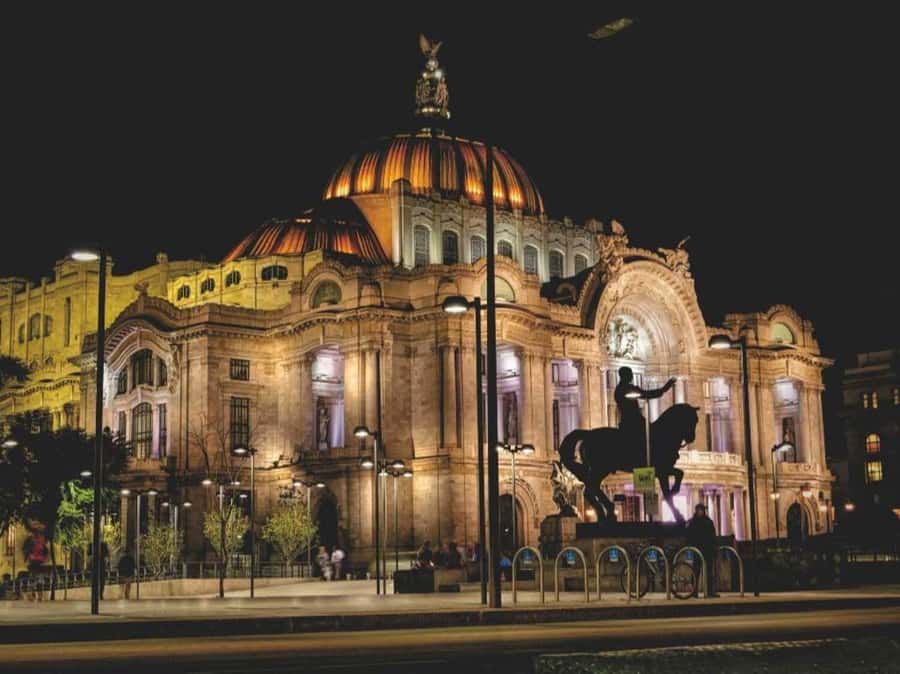
Palace of Fine Arts (splendor you can read at a glance)
You also pass the Palace of Fine Arts. The audioguide specifically mentions this as one of the story points along the route, which is nice because it turns a quick sight into something you can follow.
At night, the palace’s lighting tends to make it feel more dramatic than daytime views. Again, your results will depend on your seat position and window glare.
Alameda Central (green space feel from the bus)
Alameda Central appears next in the sequence. From the bus, you’re not walking the gardens, but you get a sense of the plaza-like open space and how the area is lit.
I like this stop because it adds a slightly softer rhythm between monuments and major avenues.
Historic Center of Mexico City (the loop’s full circle)
Finally, you head through the Historic Center of Mexico City before returning to the starting area. This is where the tour’s “orientation” purpose becomes clear: you’ve now seen multiple anchors, so the center zone makes sense as the core.
It’s also a good moment to mentally pick what you want to do next. If one building felt “worth it,” you’ll know which direction to go on another day.
Audioguide value: English and Spanish that actually help
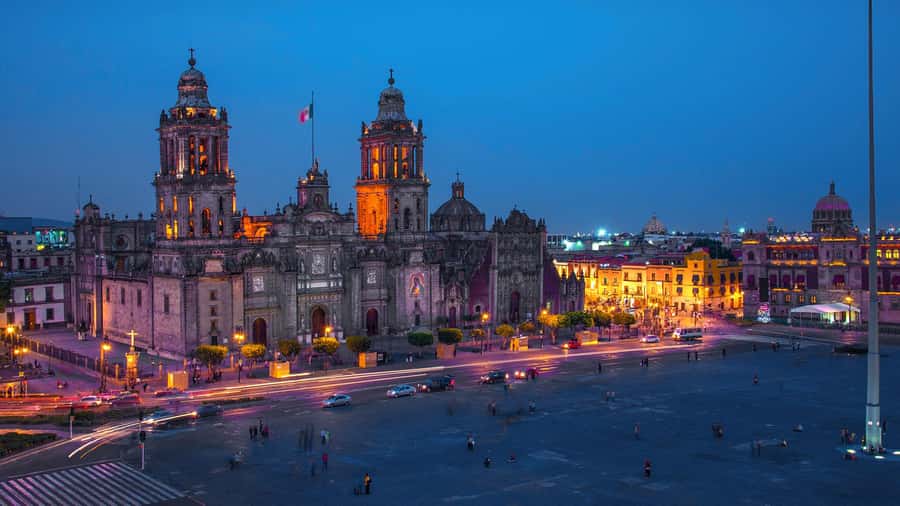
The audioguide is included, with English and Spanish options. As you ride, narration ties the sights together, from the grand Palace of Fine Arts to the emblematic Paseo de la Reforma.
I find audioguides most useful on night tours because visibility is different. You’re not reading street signs or architecture in daylight detail. Audio gives you the missing context so your brain doesn’t just store images—it stores meaning.
If you’re traveling solo or with friends who want different levels of detail, audio is a nice compromise. You can listen quietly, and you don’t have to coordinate stop-by-stop walking.
Price and value: how $11 can make sense (or not)
At around $11 per person for a 75-minute loop, this is priced like an orientation tool. You’re paying for fast coverage of major illuminated landmarks plus an included audioguide, not for guided step-by-step walking time.
Here’s where it’s a great match:
- You have only a short stay and want a “big hits at night” preview.
- You want to avoid planning transit between multiple sights.
- You like museums and monuments but don’t want to schedule daytime entries.
Here’s where you might feel underwhelmed:
- If you’re expecting a high volume of close-up, walk-to-the-door views, you won’t get that on a closed bus route.
- If you end up downstairs, and the window situation limits your view, the experience can feel less like a night spectacle and more like a bus ride with some photos.
Also, one piece of feedback is important for expectation-setting: not everyone feels there are loads of buildings lit up enough to justify the tour. If nighttime architecture isn’t your priority, you may want to balance this with a daytime walking plan.
Who this tour fits best
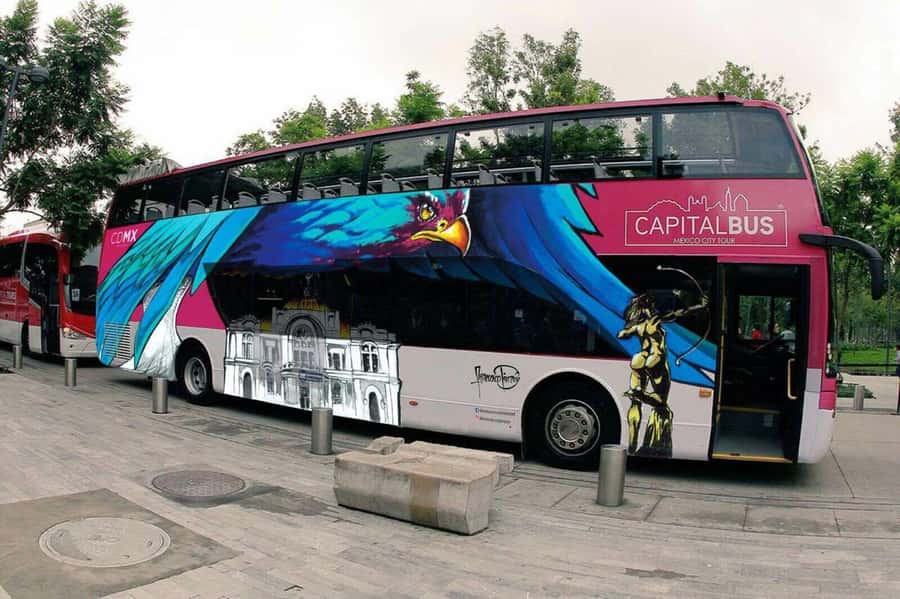
This is best for:
- First-time visitors who want to learn the shape of the city at night.
- Travelers who prefer comfort and speed over long outdoor walks.
- Anyone who enjoys seeing Mexico City’s major landmarks lit without the time pressure of separate tours.
It’s less ideal for:
- Photo fanatics who need consistently clear upper-deck windows.
- People who hate being stuck on a closed-route ride with no chance to stop.
- Anyone who can’t handle the possibility of seating compromises if demand is high.
One more practical point: it’s usually available in the evening. So build in flexibility for weather and dress for night temps.
Small downsides to plan around
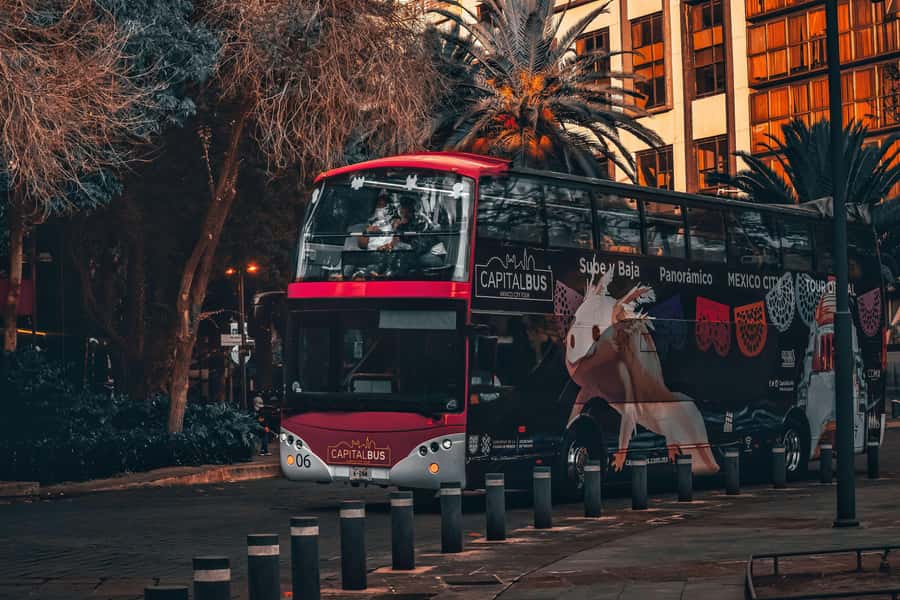
Based on actual experience points shared by passengers, the biggest issues tend to be practical rather than philosophical.
1) Seating and viewing quality
If the tour is oversold, you could be placed on the lower deck. That can limit what you can see and shoot, especially if windows are perforated or the angle isn’t great.
2) Rain and reflections
On rainy nights, conditions inside the bus can make photos harder. Even if the tour is fine, your camera results may be more muted.
3) A “from-the-road” perspective
You’re seeing the city while it moves past you. That can feel efficient, but it also means you don’t get the same detail as a walking tour at ground level.
Should you book this Mexico City night bus tour?
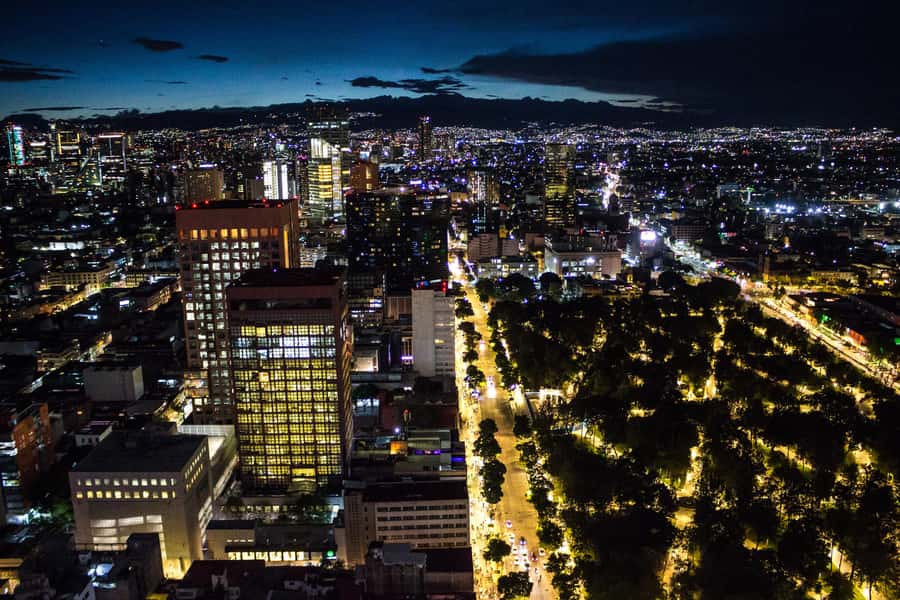
I’d book it if you want quick night orientation and you’re happy to enjoy the lights from a panoramic bus view. At about $11 and with an included English/Spanish audioguide, it’s a smart first-night add-on, especially if you’re only in town for a few days.
I wouldn’t prioritize it if your plan is mostly about close-up architecture photos. In that case, try to lock in an upper-deck seat by arriving early and being ready to choose your spot when you board.
If you want my simplest rule: book this as your night “map-maker.” Then spend your daytime energy on the one or two neighborhoods that you liked most from the bus. That’s how you turn a short ride into real trip value.
FAQ
Where is the meeting point for the night bus tour?
You’ll head to the Capital Bus Stop Zócalo to embark. Show your voucher to staff to exchange it for an access bracelet.
What’s the starting point listed for the tour?
The tour starts and ends at Calle Monte de Piedad 2.
How long is the Mexico City night bus tour?
The duration is 75 minutes.
What language options are included for the audioguide?
The audioguide is included in English and Spanish.
Is this a hop-on hop-off tour?
No. It’s a closed bus tour, so you stay on the bus for the full route.
Is transport to the meeting point included?
No. Transport to the meeting point isn’t included.
Can I cancel for a refund?
Yes. You can cancel up to 24 hours in advance for a full refund.
Is the tour wheelchair accessible?
Yes, the tour is listed as wheelchair accessible.