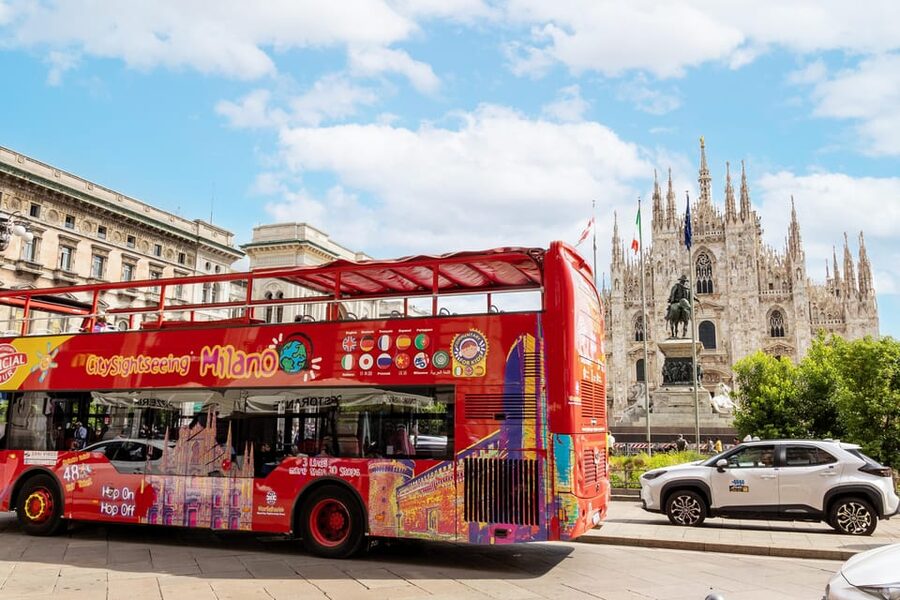
Milan without stress starts on an open-top bus. You’ll cruise four connected loops with multilingual audio that turns big sights—like the Duomo and Castello Sforzesco—into clear, understandable stops at street level.
I really like the freedom here: you can hop off for photos, hop back on to keep moving, and still get context through the headphones. One possible drawback is simple logistics: Foro Bonaparte is big, and I’d plan to locate the stop area quickly; on some rides, a few headsets have reportedly had issues, so be ready to swap if yours cuts out.
In This Review
- Key highlights at a glance
- Why Milan’s hop-on hop-off bus is such a smart first move
- Price and value: what $26 really buys you (and what it doesn’t)
- Finding the start: Foro Bonaparte vs Piazza Duomo
- The audio guide: how it turns bus rides into real understanding
- Line A: Castello to Moscova for classic center highlights
- Line B: Duomo through Repubblica, Stazione Centrale, and Porta Venezia
- Line C: Triennale to San Siro for parks, design, and football energy
- Line D: Cenacolo, Navigli, and Brera in one loop
- Using the hop-on hop-off system without wasting time
- Practical tips: seats, Wi‑Fi, and what to do if audio isn’t working
- When you should (and shouldn’t) buy the 72-hour plan
- Who this hop-on hop-off bus is best for
- Should you book this Milan hop-on hop-off bus?
- FAQ
- How long is the Milan hop-on hop-off bus ticket valid?
- How many bus lines are included?
- Where do I start if I’m on Line A, C, or D?
- Where do I start if I’m on Line B?
- What languages is the audio guide available in?
- Is Wi‑Fi provided on the bus?
- Are attraction tickets included in the price?
- Is there a weekend-night-tour bonus?
Key highlights at a glance
- Four bus lines, one ticket mindset: use the loops together to cover Milan faster than walking
- Audio guide in 10 languages: built for big landmarks plus food and local culture
- Major neighborhoods included: Duomo-area, Brera, Navigli, and the San Siro zone
- Wi‑Fi onboard and onboard map: small extras that help you plan on the move
- Child-focused audio: a separate kids commentary option
- Free walking tour in the app: adds a second layer after your bus ride
Why Milan’s hop-on hop-off bus is such a smart first move
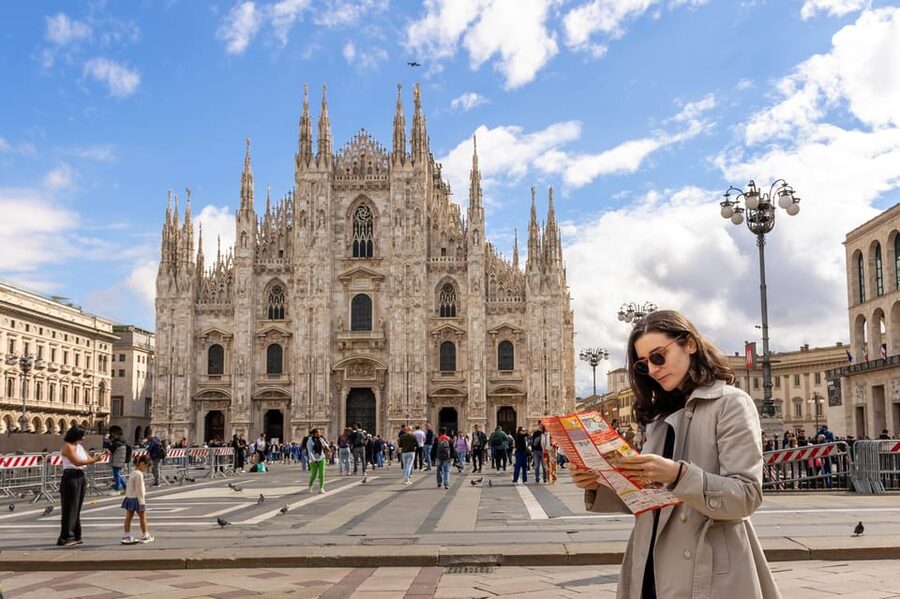
Milan can feel like two cities at once: fast-moving, design-forward districts on one side, and postcard classics right at the center on the other. This hop-on hop-off style tour helps you pick your pace instead of committing to a packed walking route. You’re up high, looking down on streets you’d never notice otherwise, and the audio gives you enough grounding to make your next stop feel intentional.
The biggest win for me is how you can use the bus like a “city orientation tool.” In a day, you can get your bearings—then on a second day (if you have it), you can return to the places that actually grabbed you.
The other thing I like: the audio doesn’t just recite building facts. It connects landmarks to stories and even food culture, which makes Milan feel less like a list and more like a place with a point of view.
Price and value: what $26 really buys you (and what it doesn’t)
This ticket runs around $26 per person, with options for 1 to 3 days. That price makes the most sense if you’re doing Milan on a “see a lot, decide later” plan—especially if you don’t want to time trains, trams, and transfers while you’re still learning the layout.
Here’s what you get for your money:
- Access to 4 bus lines that connect
- Multilingual audio commentary (10 languages) plus a special kids audio track
- Wi‑Fi onboard
- A city tour map
- A free walking tour inside the provider’s mobile app (offered in 5 languages)
And here’s what you don’t get:
- Attraction tickets (Duomo, museums, La Scala tours, and similar entry costs are separate)
So if you’re hoping for “bus ticket = entry everywhere,” adjust expectations. But if you want transportation plus context plus a fast visual sweep of the city, it’s strong value—especially because Milan is spread out, and traffic is… well, Milan traffic.
Finding the start: Foro Bonaparte vs Piazza Duomo

Your starting point depends on the line you’re taking:
- Lines A, C, and D start at Foro Bonaparte
- Line B starts at Piazza Duomo
This matters more than it sounds. Foro Bonaparte is a broad area, and it’s easy to waste time if you walk around looking for the exact bus stop marker. My practical advice: arrive a little early and confirm the stop area before you commit. If you’re checking maps on your phone, zoom in until you can see the stop name clearly.
The audio guide: how it turns bus rides into real understanding
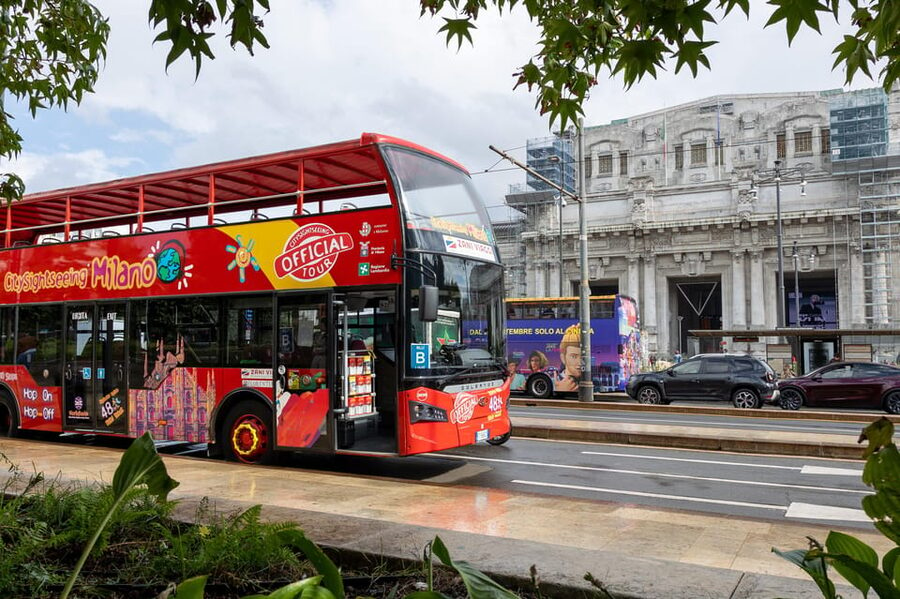
The headphones are where this tour becomes more than just sightseeing. You’ll get narration in Spanish, Chinese, English, French, German, Italian, Russian, Portuguese, Japanese, and Arabic. There’s also special commentary for children, which is a nice touch if you’re traveling with younger kids.
The content you hear is the kind that helps you make sense of what you’re seeing:
- Landmark context around sites like the Opera House
- Notes tied to places such as Castello Sforzesco
- Food stories, including Cotoletta alla Milanese
- Cultural history tied to panettone
And in practice, this means your stops feel more useful. You’re not just looking at buildings; you’re hearing why they matter—so when you get off, you’re more likely to remember what you came for.
One heads-up: some seats have reportedly had audio issues. If your sound cuts out, don’t just wait. Switch to another headset right away if there’s a staff option available, or move to a different row if you need to.
Line A: Castello to Moscova for classic center highlights
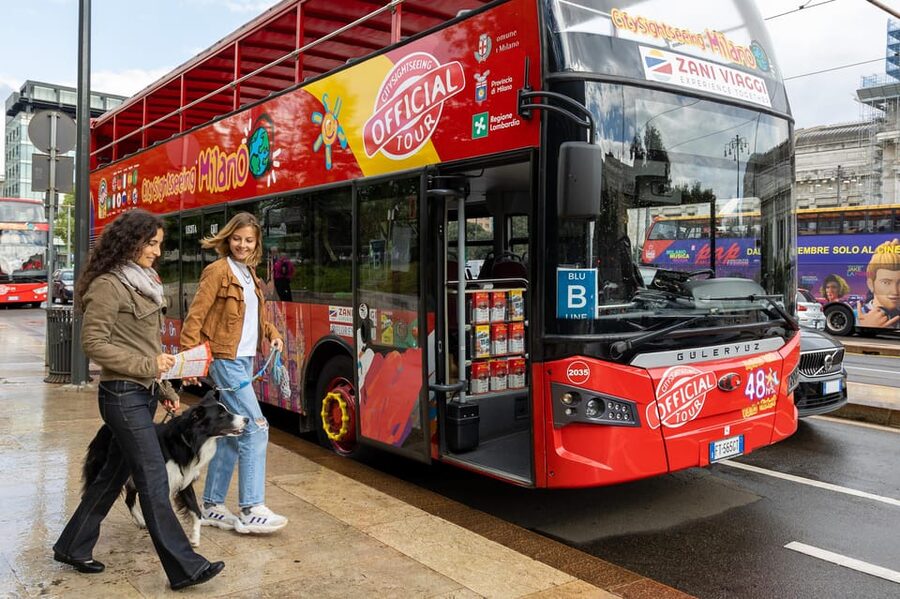
Line A is a great “start here” loop because it hits the heart of Milan and blends history with stylish shopping streets.
Key stops include:
- Castello (your entry into the Castello Sforzesco area)
- Cenacolo (near the church and museum area tied to Leonardo)
- Duomo (the big one)
- Monte Napoleone (upscale shopping streets)
- Moscova (a lively gateway toward modern Milan)
What makes this line useful is that it’s a bridge between Milan’s “must-see” core and the neighborhoods that feel more like daily life. If you get off at Duomo and feel overwhelmed by the scale, this is also the loop that helps you re-orient quickly afterward—hop back on and let the audio settle your thoughts before you choose where to go next.
Line B: Duomo through Repubblica, Stazione Centrale, and Porta Venezia
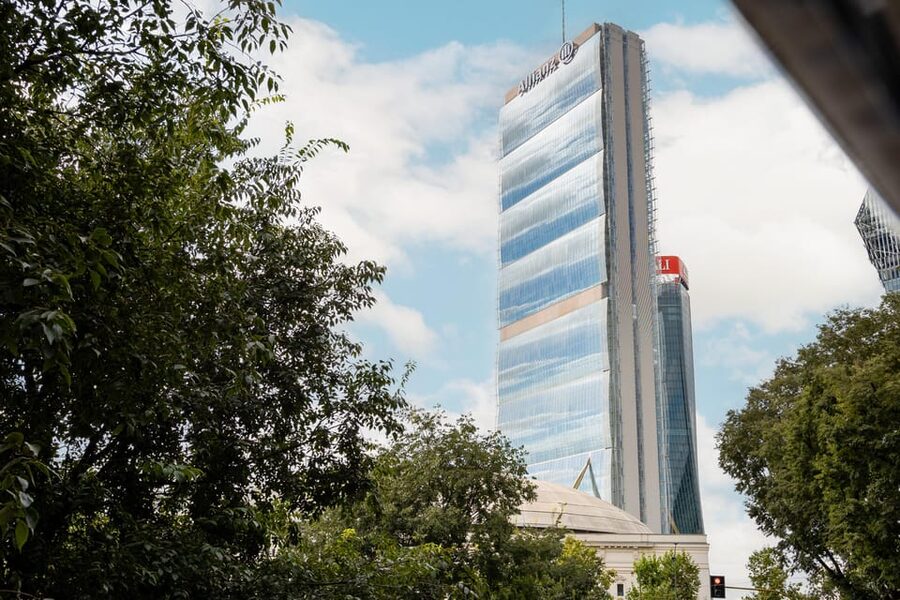
Line B starts right at Duomo, then heads toward areas that make Milan feel wider than the cathedral square.
Stops on Line B include:
- Duomo
- Monte Napoleone
- Manin
- Repubblica
- Palazzo Lombardia
- Stazione Centrale
- Buenos Aires
- Porta Venezia
- San Babila
This loop is especially handy if you’re planning to explore Milan in “zones,” not just single attractions. Duomo is the obvious anchor, but Stazione Centrale and Porta Venezia are the kind of places where you can wander, snack, and soak up the city’s rhythm without needing a timed ticket.
Also, this is a smart option if your hotel is closer to these central-transport areas. You’re more likely to find yourself near a stop without doing long walks.
Line C: Triennale to San Siro for parks, design, and football energy
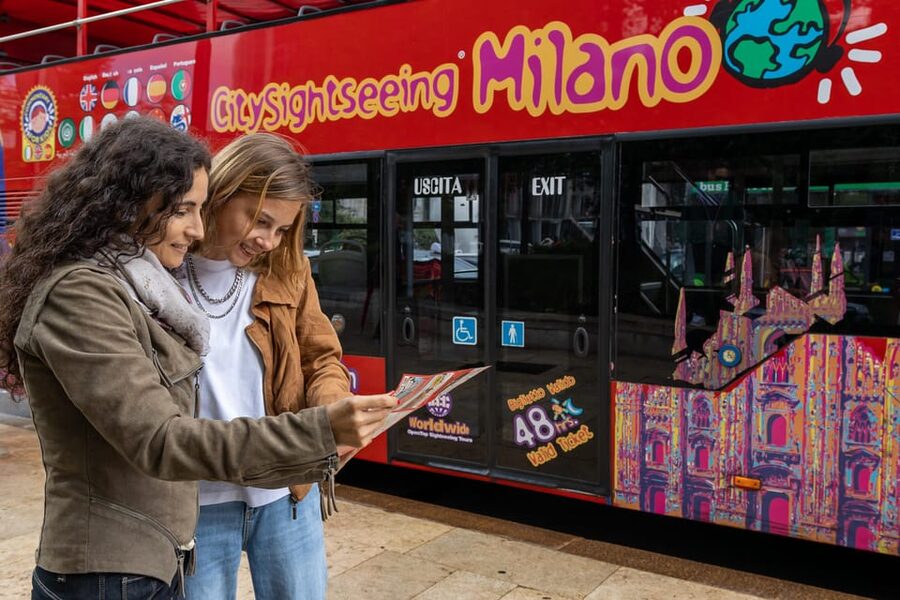
Line C is the long one. It’s not just about famous buildings—it’s about showing you how Milan spreads into parks, design districts, and big-event venues.
Notable stops on Line C:
- Triennale
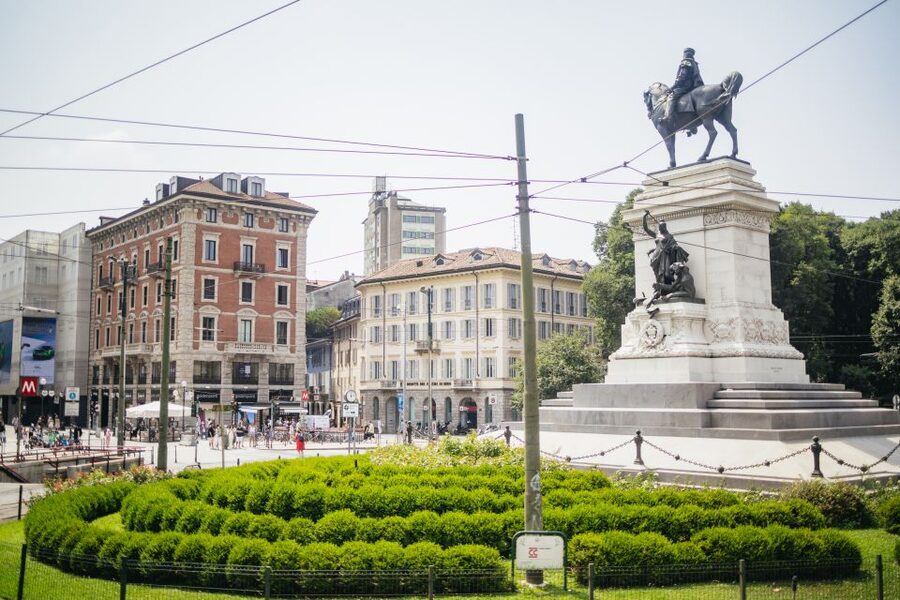
- Arco della Pace
- City Life
- Casa Milan
- Mico – Congress Centre
- Lido, Ippodromo (sports and venue territory)
- Stadio San Siro
- Parco Sempione (via the loop’s route back through the area)
- and more stops connecting between those hubs
This line is perfect when you want variety in a single day. You can start with design and public spaces, then shift into “watch Milan at scale” mode as you get closer to the San Siro stadium area.
One practical note: parts of the city can feel like they take longer to cross because buses are moving through real traffic. If you’re strict about arrival times for museum entries, plan your day so the bus covers transit time, not just photo time.
Also, keep an eye on seasonal disruptions. The tour data you’re given notes that Green Line stop n.2 could be closed during certain Winter Olympic Games periods, so if you’re traveling during that time, check your route list before assuming every stop is operating normally.
Line D: Cenacolo, Navigli, and Brera in one loop
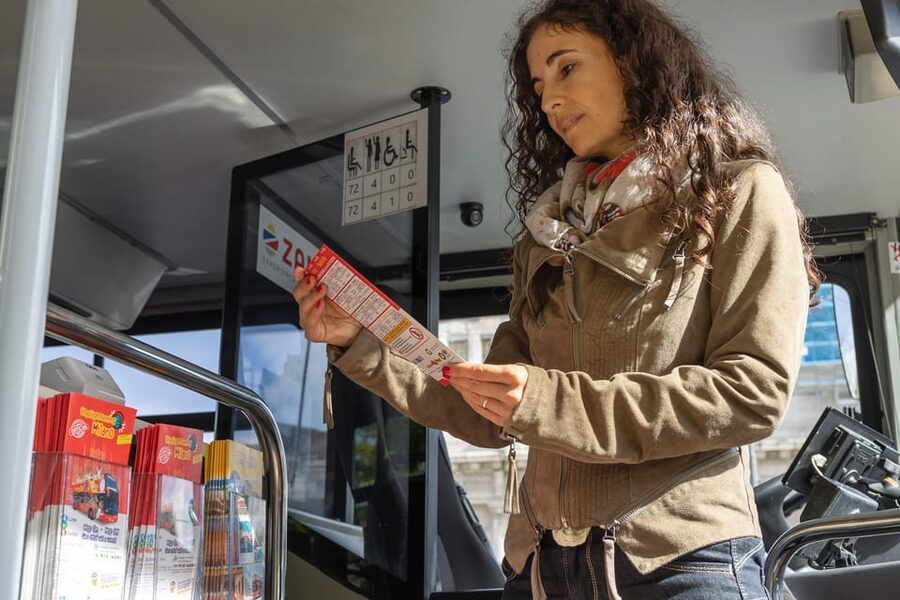
Line D is the vibe loop for me—history mixed with neighborhoods known for atmosphere.
It includes:
- Castello
- Cadorna
- Cenacolo
- Navigli
- Piazza XXIV Maggio
- Duomo
- Monte Napoleone
- Brera
This loop is a strong match if you want a classic Milan evening plan. Navigli is the part of town where you can turn “one drink” into a whole night of walking canals and side streets. Then Brera gives you art-district energy and a different kind of Milan cool.
Also, notice how Line D overlaps with the center by including both Duomo and Monte Napoleone. That overlap is useful. You can switch lines without feeling like you’ve lost time, and you can keep your bus day flexible.
Using the hop-on hop-off system without wasting time
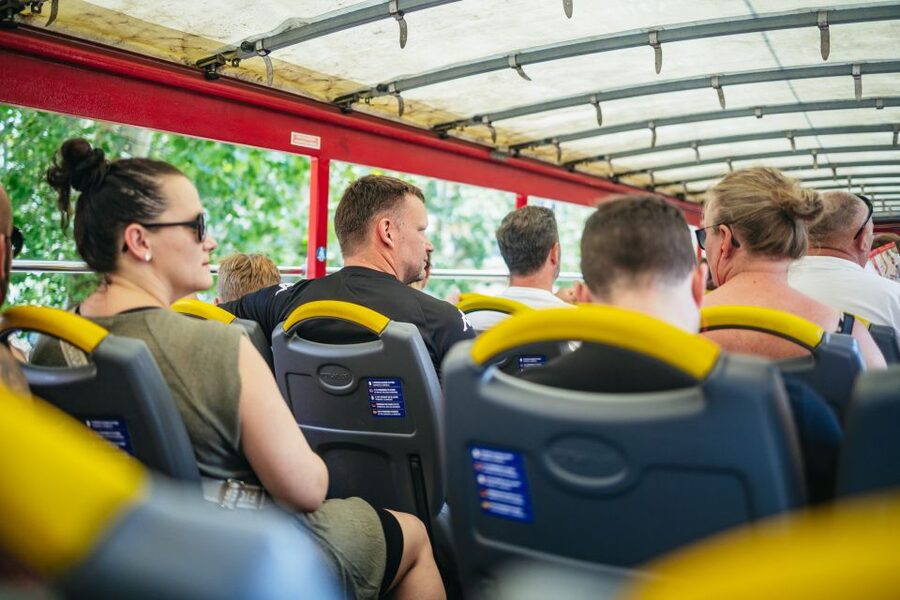
The whole point is freedom. The trick is making that freedom efficient, especially if you only have one or two full days.
Here’s the planning approach I recommend:
- Pick two neighborhoods per day (not ten stops).
- Use the bus to reach them, then commit to walking inside the area once you’re there.
- Leave buffer time if you’re switching lines, because transfers can mean the bus is packed when you arrive.
Some riders note the time between buses can feel long if you miss one—so don’t treat this like a subway schedule you can sprint to at the last second. Milan can also slow buses down with traffic lights and congestion. If you want a stress-free experience, aim to be at the stop a bit before the next bus is due.
Practical tips: seats, Wi‑Fi, and what to do if audio isn’t working
A few small details can make this more comfortable:
- Choose an open view seat when possible. You’re here for the panoramas.
- If your headphones are acting up, switch headsets or move seats right away rather than accepting silence.
- Use the onboard Wi‑Fi if you want to check walking directions from your hop-off point to the next attraction.
- Bring your patience for traffic. The bus is a moving platform, so delays are part of the deal.
There’s also a recurring theme in feedback: people love how the system helps them get their bearings fast. In Milan, that’s not a small thing. Knowing what direction you’re facing and how neighborhoods connect makes later museum and walking plans feel ten times easier.
When you should (and shouldn’t) buy the 72-hour plan
You can choose 1 to 3 days, but you don’t need to go maximum length just because you can.
The tour data includes a bonus for certain dates: if you buy a 72-hour weekend rate (Saturday and Sunday) between June and September, the Milan Night Tour is included. If your trip lines up with that season and weekend, that’s a nice upgrade because it extends the value beyond daylight sightseeing.
On the flip side, if your time is tight and you’re mainly focused on the center, you might find that 24 hours covers more than you expect—since many Milan highlights are walkable once you’re in the right zone. I’d still keep a flexible second day in mind if you want time to actually linger in places like Brera or Navigli rather than just glancing at them from the bus.
Who this hop-on hop-off bus is best for
This tour is a strong fit if:
- You’re short on time and want to cover Milan efficiently
- You want an easy way to learn the city’s layout before booking specific attractions
- You like guided context while still moving at your own pace
- You’re traveling with kids who benefit from the separate kids audio track
It might be less ideal if:
- You only want one or two attractions and you’re comfortable navigating Milan on your own already
- You hate crowds and prefer quiet, slow walking plans
- You’re expecting the bus to replace attraction tickets (it won’t)
Should you book this Milan hop-on hop-off bus?
If you’re arriving in Milan and want a smart, low-effort way to understand where everything is, I’d book it. The combination of four connected loops, multilingual audio, and the practical extras (Wi‑Fi, map, and the app walking tour) turns the ticket into more than transportation—it’s a fast path to picking your best days in the city.
Just do two things to keep it smooth: arrive early enough to find the correct start stop (especially around Foro Bonaparte), and plan your day around neighborhoods, not nonstop bus jumps. If you do that, this is one of the easiest ways to get value out of limited time in Milan.
FAQ
How long is the Milan hop-on hop-off bus ticket valid?
The ticket duration is listed as 1 to 3 days, and you can check starting times based on availability.
How many bus lines are included?
Access is included for 4 separate but connecting bus lines.
Where do I start if I’m on Line A, C, or D?
For Lines A, C, and D, the first stop is Foro Bonaparte.
Where do I start if I’m on Line B?
For Line B, the first stop is Piazza Duomo.
What languages is the audio guide available in?
Audio commentary is included in Spanish, Chinese, English, French, German, Italian, Russian, Portuguese, Japanese, and Arabic. There is also special audio commentary for children.
Is Wi‑Fi provided on the bus?
Yes, Wi‑Fi onboard is included.
Are attraction tickets included in the price?
No. The tour ticket includes the bus and audio, but attraction tickets are not included.
Is there a weekend-night-tour bonus?
For the 72-hour weekend rate (Saturday and Sunday) in June to September, the Milan Night Tour is included.