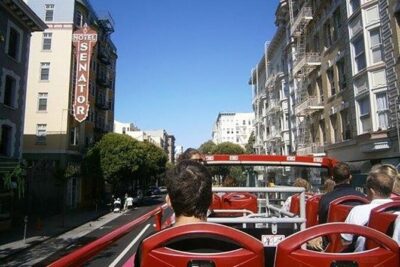
A one-day ticket that still feels flexible is rare. This Montevideo hop-on hop-off bus uses two circuits, a double-decker ride, and audio in multiple languages so you can cover a lot without over-planning.
I particularly love the 24-hour hop-on hop-off format, because it lets you pace yourself instead of rushing. I also like how the stops line up with the city’s big anchors, like Plaza Independencia and the waterfront. One drawback to keep in mind: some stretches include longer waits between stops, and not every stop is set up for shade.
If you want an easy way to get your bearings fast, this tour is a strong play. The audio guide is clear and offered in six languages, and the headphones make it simple to follow along whether you’re riding the top deck for views or sitting lower. The “tradeoff” is that at least one route leans into shopping areas, so if that’s not your thing, you’ll want to skip those stops and focus on the sights first.
In This Review
- Key highlights you’ll actually use
- Getting on near Montevideo Port: where the day starts
- Central Circuit: Plaza Independencia, markets, and the classic Montevideo loop
- Plaza Independencia and the Intendencia viewpoints
- National Library of Uruguay: pause-worthy for a short look
- Mercado Agrícola de Montevideo: smells and food energy
- Palacio Legislativo and the Prado area: grand buildings and open space
- Tres Cruces Shopping and Nuevocentro Shopping: the “skip or shop” moments
- Estadio Centenario: Montevideo’s sports landmark
- Parque Rodó: where you can also connect toward the coast route
- Rambla Circuit: Montevideo Sign, beaches, casinos, and coastal vibes
- Parque Rodó and the Montevideo Sign
- Malvín beach: step off for air and sea views
- Carrasco Casino Hotel and the area feel
- Tango an turf Museum: culture stop with a clear theme
- Shopping stops at Montevideo Shopping and Punta Carretas Shopping
- How the audio guide and staff make it actually work
- A smart 24-hour ticket plan that saves your legs
- Price and value: what $25 buys you in Montevideo
- Downsides to plan around: shopping stops, waiting, and occasional timing hiccups
- Should you book the Montevideo hop-on hop-off bus?
- FAQ
- How long is the Montevideo hop-on hop-off bus tour valid?
- How much does the tour cost?
- Are there two routes in Montevideo?
- Where is the meeting point?
- What languages are available on the audio guide?
- Are headphones included?
- Is the bus wheelchair accessible?
- Can I book and pay later?
- What is the cancellation policy?
Key highlights you’ll actually use
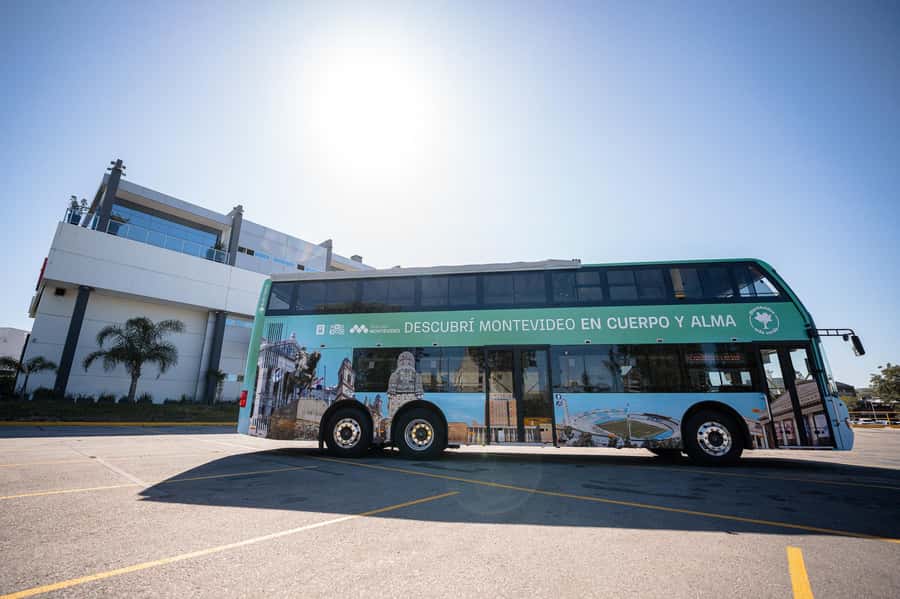
- Double-decker bus for better sightlines on Montevideo’s major landmarks
- Two circuits (Central and Rambla) that spread you across the city without complicated transfers
- Multilingual audio + headphones in six languages to match how you travel
- 24-hour ticket to ride, get off, and re-board whenever you want within a full day
- Help with route switching from staff, including the friendly greeter Matias
- Well-signed stops and posted times, which reduces the guessing game
Getting on near Montevideo Port: where the day starts
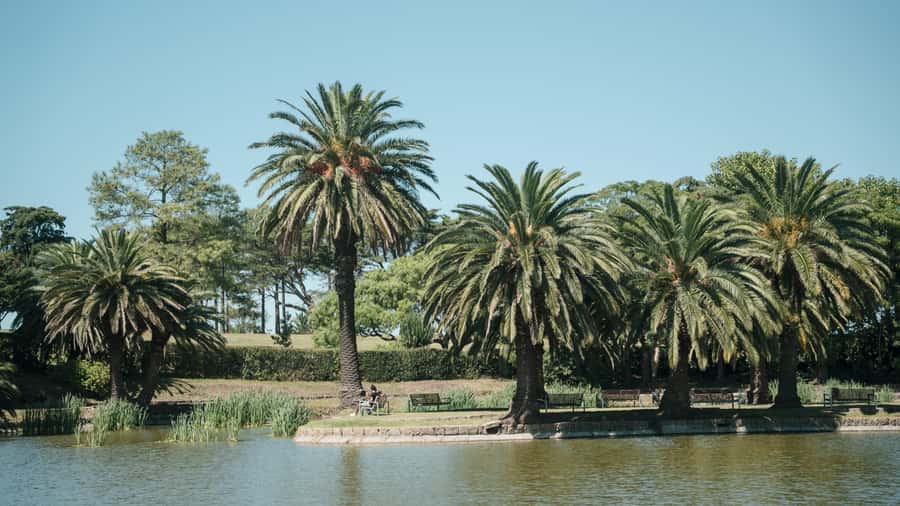
Your pickup is in front of the Montevideo Port. Look for the totem that identifies the activity, and you’ll know you’re in the right place. This matters more than it sounds: hop-on hop-off tours can be a time-waster when the meeting point is unclear, and here it’s straightforward.
Plan to arrive a little early. The bus runs on a schedule that’s usually close to on-time, and you’ll see stop signs with arrival times posted (handy when you’re deciding whether to stay on or step off). In short: it’s easier to “do” the city when the system tells you what’s next.
If you’re photo-minded, try to grab a good spot on the upper deck. Many riders like that angle for buildings and coastline views. If you’re worn out by sun or wind, lower seating is calmer, and the audio works either way.
Central Circuit: Plaza Independencia, markets, and the classic Montevideo loop
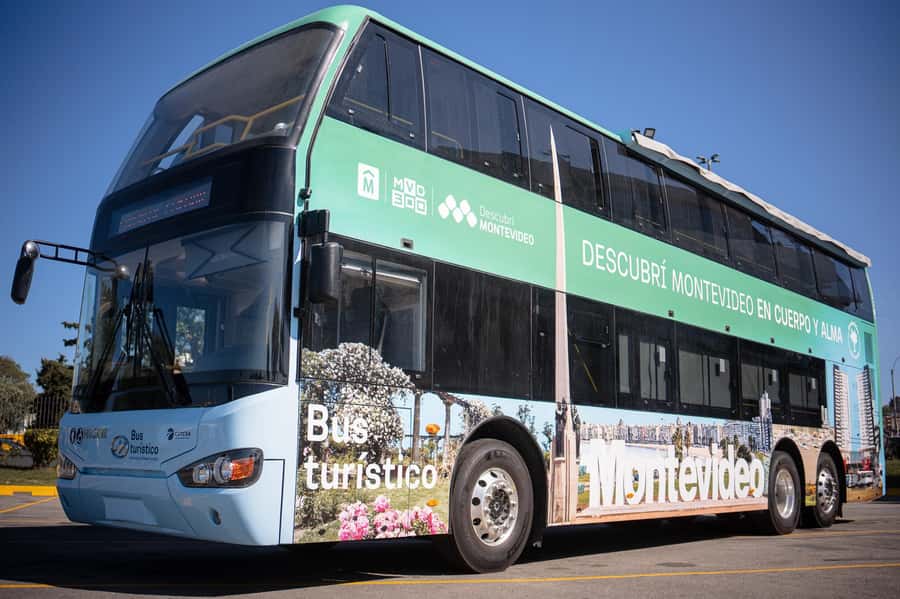
The Central Circuit is the one I’d choose when you want architecture, historic center energy, and the main “Montevideo highlights” in one sweep. It’s built around downtown landmarks, then pushes out to areas like Prado and Tres Cruces.
This loop is ideal as your first pass, because it connects a lot of the “must-see” points. You’ll also notice it’s where you’re most likely to find a steady flow of departures, so your timing doesn’t depend on perfect luck.
Below is how the central-style stops feel in real life, in the order you’ll often experience them during the loop.
Plaza Independencia and the Intendencia viewpoints
Plaza Independencia is the heart-of-the-city stop that makes you feel like you’re in the Montevideo core fast. It’s a natural place to step off for quick photos and a walk-around moment before the next chunk of sights.
From there, you’ll pass by the Mirador panorámico de la Intendencia de Montevideo area. This is the kind of stop that works even if you only have 10 minutes. You’re looking for that broad “city overview” feeling before you move into specific landmarks.
National Library of Uruguay: pause-worthy for a short look
Next up is the National Library of Uruguay. Even if you don’t go inside, it’s a strong photo subject and a useful mental marker. Stop here if you want a break from bus motion and to tie the architecture to what you’re hearing on the audio guide.
Mercado Agrícola de Montevideo: smells and food energy
At the Mercado Agrícola de Montevideo, you get the market vibe. This is one of the stops that turns the tour from “sightseeing” into something more sensory. If you want to build in a snack break, this is the place.
A simple strategy: step off, walk a block or two, then decide whether you want to continue on foot or re-board. The audio will keep you oriented, but markets are best when you give them a bit of time.
Palacio Legislativo and the Prado area: grand buildings and open space
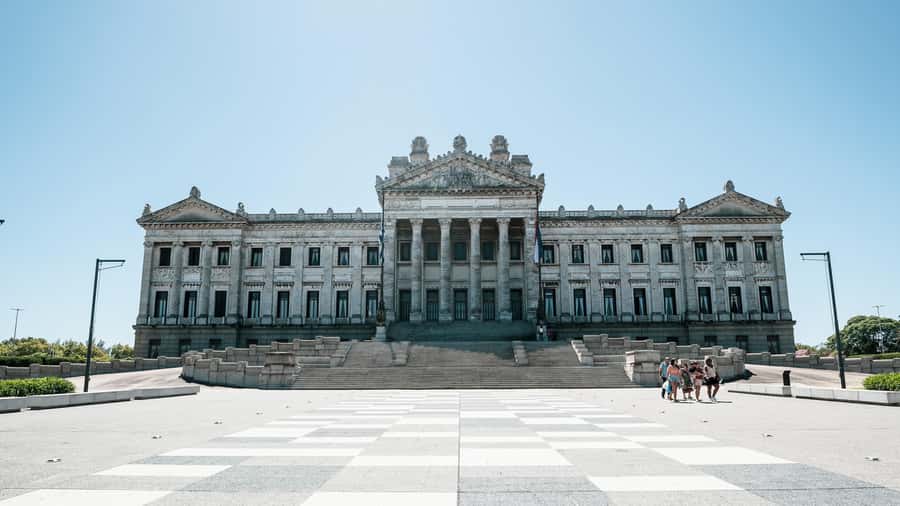
The Palacio Legislativo stop is a big-ticket landmark on this route. Even on a bus, you’ll notice the presence. Get off if you want to see it from closer up and scan the surrounding area.
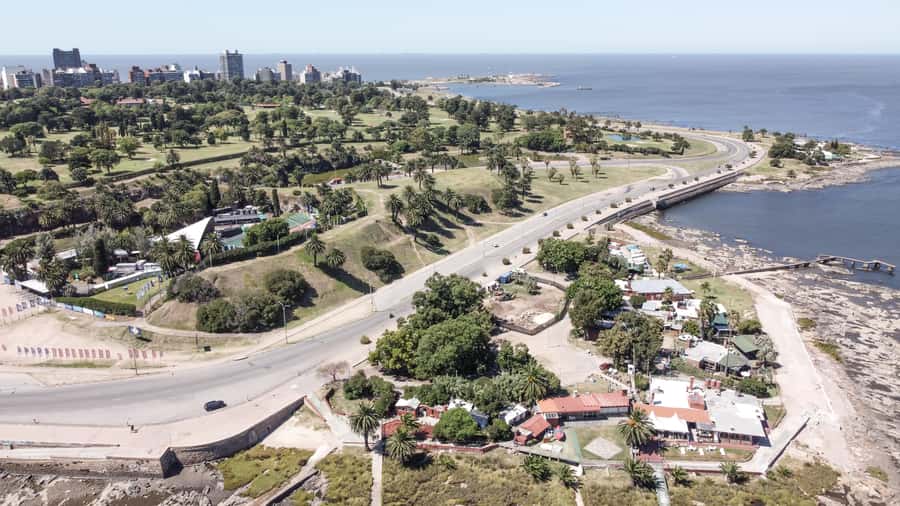
After that you’ll head toward Prado. Prado is not just a stop—it’s a reminder that Montevideo has open, livable space mixed into the sight-heavy core. If you’re traveling with tired legs, this is a good break point.
Tres Cruces Shopping and Nuevocentro Shopping: the “skip or shop” moments
Tres Cruces Shopping appears on the central circuit, and Nuevocentro Shopping is also listed as part of the route. This is where you need to decide your style.
If you like shopping breaks, these are convenient. If you don’t, the route still works because the bus keeps moving through the rest of the sights. Just don’t treat these as “must-stops.” Many people end up using them mainly as a transit point or a restroom-and-water moment rather than a destination.
Estadio Centenario: Montevideo’s sports landmark
Estadio Centenario is one of the central loop’s key stops. It’s valuable even if you’re not a hardcore sports fan, because it’s one of those landmarks that gives you local scale. If your travel time is tight, use it as a quick stop for photos and audio context.
Parque Rodó: where you can also connect toward the coast route
Parque Rodó shows up at the end of the central loop in many schedules, and it also links you nicely to the Rambla Circuit. If you want to do both circuits in one day, Parque Rodó is a useful pivot point.
Think of it like this: central gives you the city’s “big picture,” then Parque Rodó and onward helps you transition toward waterfront energy.
Rambla Circuit: Montevideo Sign, beaches, casinos, and coastal vibes
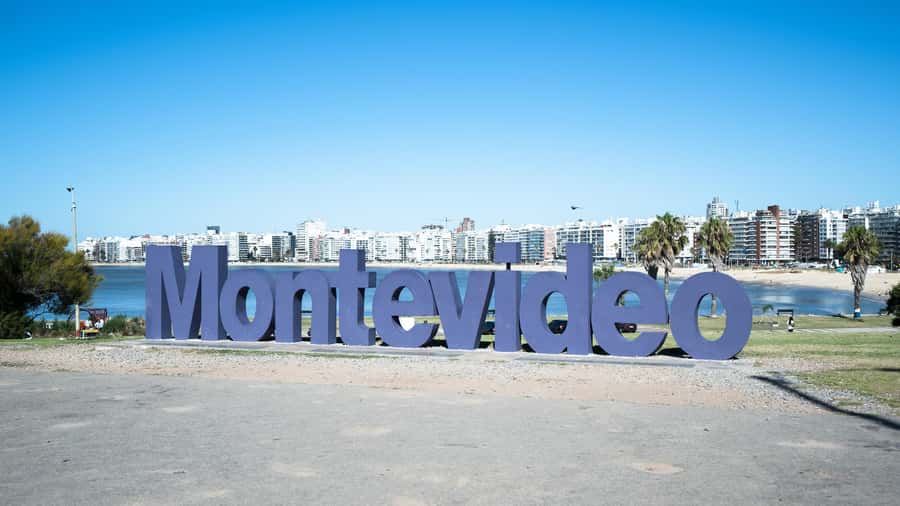
The Rambla Circuit is for you if coastline views matter. This route hits the waterfront mood—parks, seaside areas, and places that feel more about atmosphere than downtown architecture.
You’ll see a mix of classic waterfront icons and stops that can turn into longer breaks, depending on your interests.
Parque Rodó and the Montevideo Sign
You start this circuit style with Parque Rodó, then move toward the Montevideo Sign stop. The sign is a great “simple win” stop. It’s easy to recognize, easy to photograph, and it gives you that instant sense of place.
Malvín beach: step off for air and sea views
Malvín beach is exactly what it sounds like: a spot for sea air and a break from street-corner sightseeing. Even if you don’t linger, stepping off here helps reset your day.
Carrasco Casino Hotel and the area feel
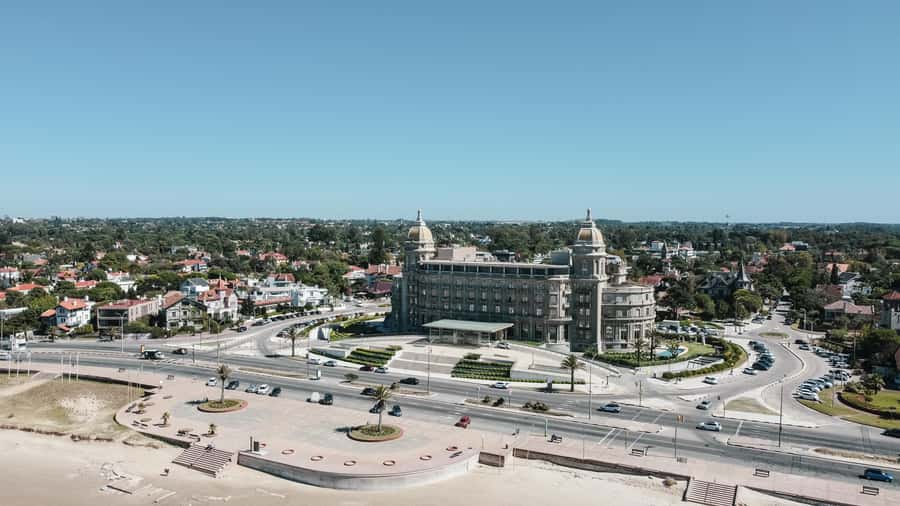
The Carrasco Casino Hotel stop brings a different Montevideo flavor—more upscale and coastal-neighborhood energy. It’s also a useful “walk-around window” because the surroundings give you visual variety compared with downtown.
Tango an turf Museum: culture stop with a clear theme
The Tango an turf Museum stop is a good fit if you want at least one cultural sidebar during your hop-on hop-off day. It’s also useful for travelers who dislike “shopping stops only” days, because it adds a distinct topic.
Shopping stops at Montevideo Shopping and Punta Carretas Shopping
Montevideo Shopping and Punta Carretas Shopping are part of the Rambla Circuit. If shopping isn’t your priority, you can still benefit from the route by skipping these and focusing on the coastal moments before and after them.
Also note the practical rhythm: this circuit can be less frequent than the central one. I’d treat the Rambla schedule like “plan your re-boarding time” rather than “I’ll just catch the next bus whenever.” The experience is smooth when you respect that timing.
How the audio guide and staff make it actually work
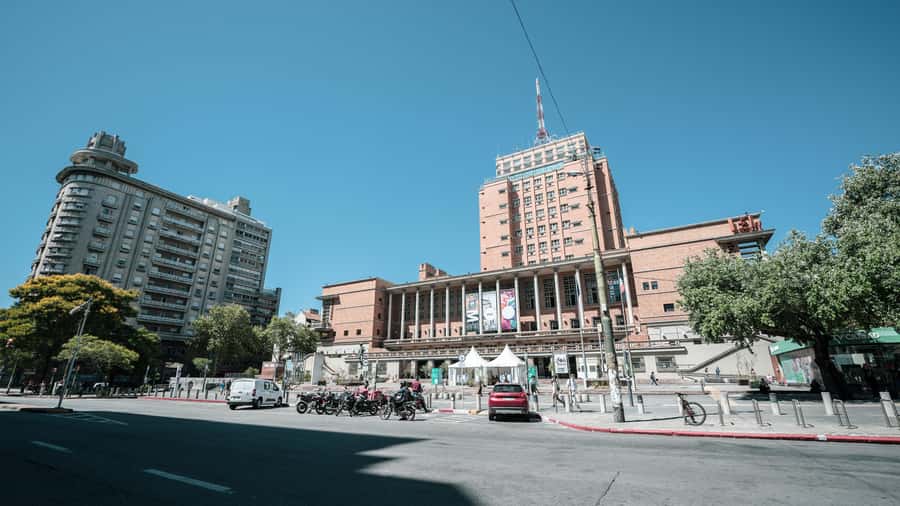
This tour succeeds because you’re not left guessing. You get an audio guide in Spanish, English, Portuguese, Italian, French, and German, plus headphones. That’s a big deal when you’re moving through a city fast. It keeps you grounded in what you’re seeing instead of watching rooftops go by.
Clarity gets praised a lot. In particular, riders have noted that the headsets work well, which isn’t guaranteed on every hop-on hop-off tour worldwide. Here, it’s part of the overall quality.
Staff help is another strong point. On at least one ride, the greeter Matias stood out for being friendly and for explaining how to switch routes. That’s practical value: route switching can feel confusing unless someone points out where to re-board and what timing to expect.
If you like structure, you’ll also appreciate the printed city map. It’s not fancy, but it helps you follow along between stops.
A smart 24-hour ticket plan that saves your legs
The ticket is valid for 24 hours from first activation. That means it’s not “valid until 6 pm” style. It’s a full-day window, which makes the tour easier to fit around your other Montevideo plans.
Here’s the strategy I’d use:
- Start with the Central Circuit early. Get the big landmarks, then decide what you want to revisit.
- Use Parque Rodó as your “transition” moment. It’s on both routes, so it’s a natural place to pivot.
- Save the Rambla Circuit for later when you want less lecture energy and more sea-air time.
You can ride one circuit only, but doing both is where you feel you really “got” your day. The two circuits cover different sides of Montevideo: architecture and core landmarks on Central, then waterfront mood on Rambla.
One real-world note from experiences: hop-on hop-off stops don’t always have shelters. There have been comments about waiting in full sun, or without much protection in rain and wind. Bring water, and if you travel in changeable weather, pack a light layer. You’ll wait more than you think, even with frequent departures.
Also, longer gaps between points of interest can happen. When that occurs, the audio is still playing, and you might hear the same style of background sound if you stay on. My advice: if you feel the pace slowing, hop off for a quick walk. It keeps the day fun.
Price and value: what $25 buys you in Montevideo

At $25 per person for a one-day, 24-hour hop-on hop-off ticket, you’re buying convenience plus orientation. You’re not just paying for transportation. You’re paying to connect distant sights without dealing with transit planning stress.
This value is strongest if:
- you have limited time in Montevideo (especially a cruise-day style schedule),
- you want to cover lots of landmarks in one day,
- you’re the kind of traveler who likes a guided narrative while still controlling your own stops.
It can also be good value if you’re traveling with mixed interests. Central Circuit covers major downtown sights and open parks. Rambla Circuit adds coastline and cultural stops. Between the audio guide and the map, you’ll have context even when you don’t go inside every place.
Where the price can feel less ideal is if you only ride one route and skip most stops. But even then, the audio alone turns the drive into a learning route, not just a sightseeing ride.
Downsides to plan around: shopping stops, waiting, and occasional timing hiccups
Let’s be honest: this isn’t a “only sacred, only historic” itinerary. There are shopping-complex stops on both circuits, including places like Tres Cruces, Nuevocentro, Montevideo Shopping, and Punta Carretas Shopping. If shopping malls aren’t your thing, treat those as optional.
Another factor is the timing between stops. Most departures run close to schedule, and some rides have been described as punctual or even early. Still, there have been mentions of occasional issues, like a missed departure that left passengers waiting longer than expected. That’s not unusual with any busy city bus operation, so I’d keep a buffer in your day.
Finally: stop environments matter. If you’re expecting comfortable waiting areas at every stop, you might be disappointed. Some stops provide little shelter. Plan for it, and the day feels smooth.
Should you book the Montevideo hop-on hop-off bus?
Yes, if you want a practical “see the city” day without micromanaging details. This tour is especially worth it for first-timers, cruise stopovers, and anyone who wants a guided feel while still choosing when to get off.
Skip booking only if you’re strongly against shopping-center stops or you know you hate waiting around for buses. If those annoy you, you might prefer a tighter walking-and-taxi plan. But for most people, the mix of double-decker views, multilingual audio, and the simple 24-hour freedom makes this one a smart way to make Montevideo click.
FAQ
How long is the Montevideo hop-on hop-off bus tour valid?
Your ticket is valid for 1 day, starting from the first activation. That means you have 24 hours to hop on and hop off.
How much does the tour cost?
The price is $25 per person.
Are there two routes in Montevideo?
Yes. There are two circuits: the Central Circuit and the Rambla Circuit.
Where is the meeting point?
The pickup is in front of Montevideo Port, where there is a totem identifying the place.
What languages are available on the audio guide?
The audio guide is offered in Spanish, English, Portuguese, Italian, French, and German.
Are headphones included?
Yes. Headphones are included.
Is the bus wheelchair accessible?
Yes. The tour is listed as wheelchair accessible.
Can I book and pay later?
Yes. There is a reserve now & pay later option.
What is the cancellation policy?
You can cancel up to 24 hours in advance for a full refund.