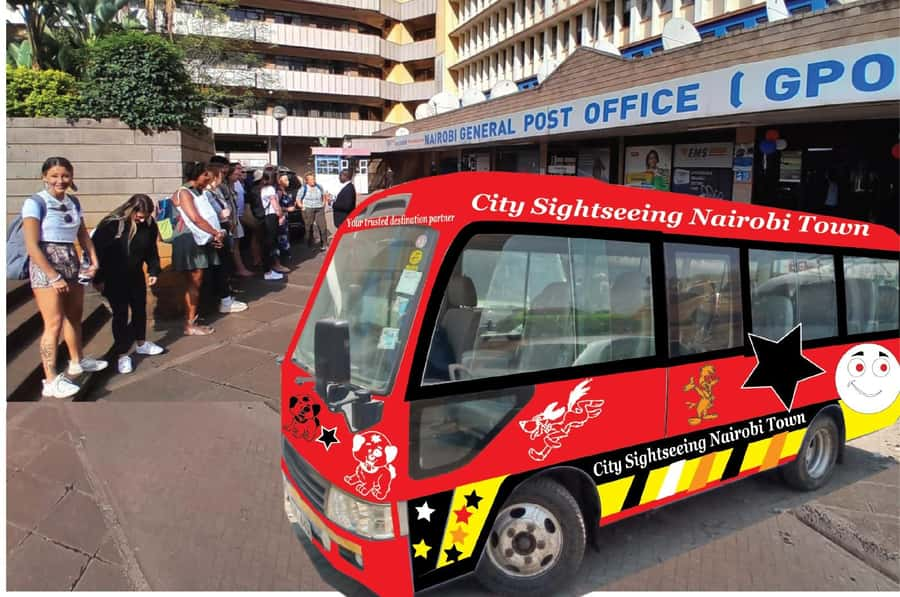
Nairobi in five hours is doable—and useful. This tour strings together the best Nairobi city landmarks plus time to shop at the Maasai Market Collection in Karen. I especially like the Nairobi National Museum stop for straight, accessible history, and the KICC tower viewpoint for quick, big-picture city photos. One thing to watch: a couple of sites can be more “pass-through” than “you stay all day,” and details like water or a ticket item can be messy depending on the day.
You’ll ride in an air-conditioned coach with a live, English-speaking guide, and the rhythm is built around short stops you can actually fit into a single day. If you get a guide like Ruben or Francis, you’re in good hands for clear explanations and a smooth flow between places.
The pace is tight—perfect for an overview, less perfect if you want deep time in one museum. With a price tag of $98, I’d go in knowing what’s truly included (transport, guided tour, entrance fees, mineral water) and also stay alert for small mismatches on the day.
In This Review
- Key highlights to look for
- Nairobi National Museum: your fast, meaningful starting point
- KICC and Kenyatta International Tower: panoramic Nairobi in half an hour
- Bomb Blast Memorial Park: a quiet stop with real weight
- Nairobi Railway Museum: transport history and old-school machinery
- Kibera (pass by): what you can and can’t take from a roadside glimpse
- Karen’s Maasai Market Collections: shopping with artisans in mind
- Price and value: is $98 a fair deal for this route?
- Timing and pace: why this tour works best as a morning plan
- What kind of traveler should book this?
- Should you book Nairobi Hop on Hop off + Maasai Market Karen?
- FAQ
- How long is the tour?
- Where do we meet the guide?
- Is the tour wheelchair accessible?
- Is there a live guide, and what language is it in?
- Are entrance fees included?
- Is mineral water included?
- Is the transport air-conditioned?
- Can I cancel for a full refund?
- Is reserve & pay later available?
- Which stops are part of the route?
Key highlights to look for
- Nairobi National Museum for a strong first introduction to Kenya’s story (with about an hour inside)
- KICC/Kenyatta International Tower viewpoint for wide Nairobi panoramas and easy photo stops
- Bomb Blast Memorial Park as a respectful, sobering city stop with free entry
- Railway Museum history plus old transport artifacts you won’t see elsewhere
- Kibera pass-by from the road, for context without a structured visit
- Karen Maasai Market Collections for shopping directly with local artisans
Nairobi National Museum: your fast, meaningful starting point

Your day begins at the Nairobi National Museum parking lot area, with the coach rolling on after a quick introduction from your representative. The museum is your first real “anchor” stop, with about an hour of time for history learning.
Why I like this start: the museum gives you a set of facts you can carry into the rest of the route. Instead of seeing buildings and monuments with no context, you get a short grounding in how Kenya’s cultures, landscapes, and past connect. That makes the later stops feel less random.
What to expect in practical terms:
- Plan to arrive by the 9:00am start time so the group can keep moving.
- You’ll pay entrance fees as part of the day’s flow, then your guide directs you for the guided portion.
- Expect a lot of “look, read, listen” rather than a hands-on experience.
A small consideration: one traveler noted the museum’s serpentatio could use better upkeep or maintenance. If you’re visiting expecting everything to look brand-new, keep a flexible mindset. Museums are still worth it here—the value is in the overall context and the guided explanations.
KICC and Kenyatta International Tower: panoramic Nairobi in half an hour
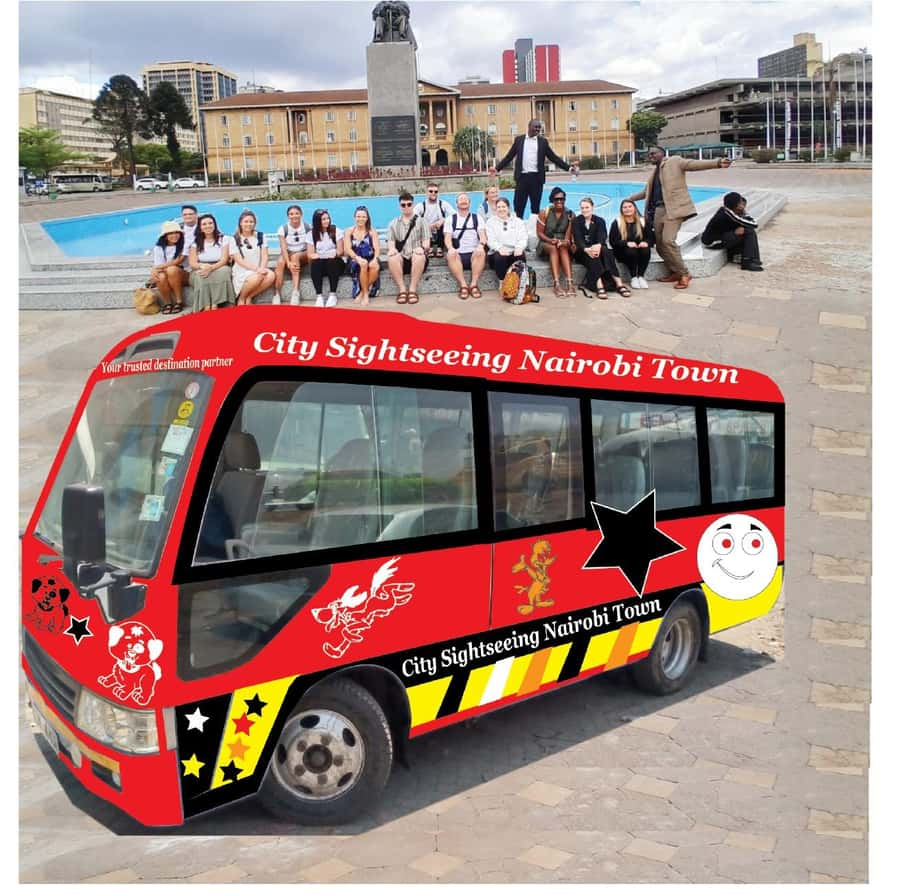
After the museum, the itinerary heads to the KICC area and the Kenyatta International Tower viewpoint. The group disembarks, takes lift access up to the top, and gets time for bird’s-eye views.
This stop is short (around 30 minutes), but it does a lot for first-timers. Nairobi from above helps you understand distances and the shape of the city—where the big landmarks sit and how the urban edges stretch outward.
Here’s how to make the most of it even with limited time:
- Have your camera/phone ready the moment you step in. The best light for photos can change quickly.
- Look for the spacing between major buildings. From the viewpoint, Nairobi starts to feel less like a pile of streets and more like a real map.
- If your group is moving fast, ask your guide what to look for. A good guide will point out “this is why this part matters.”
Entrance here is included, so you’re not scrambling for extra costs mid-day. Reviews also highlight that the viewpoint is one of the standout moments for people who only have a day or a morning.
Bomb Blast Memorial Park: a quiet stop with real weight
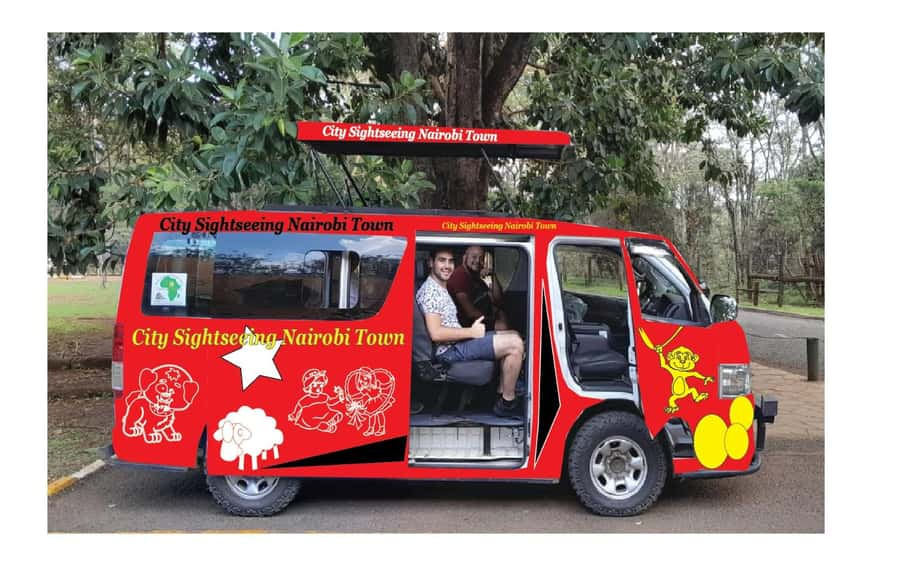
Next up is the Bomb Blast Memorial Park, created to remember the lives lost during the 1998 US embassy bombing. It’s a well-kept memorial stop you pass through with time to look at displayed evidence and a condolence book.
This part of the day matters because it doesn’t feel like entertainment. It’s a moment to slow down, read carefully, and let the meaning land. Even if you’re in a hurry, don’t treat it like a quick photo pit stop.
What to do during your time there:
- Read the display information rather than skipping.
- If there’s a condolence book, take a moment to consider the weight of why it’s there.
- Let your guide steer the context. This is the type of stop where a sentence or two of explanation changes everything.
Entry is free, and the itinerary keeps the stop to about 30 minutes—long enough for respect, short enough to keep the tour on schedule.
Nairobi Railway Museum: transport history and old-school machinery
Then comes the Nairobi Railway Museum, another included stop with about an hour. This is the place where the day gets less about modern Nairobi and more about how transport shaped the country.
The museum is built around the history of railway construction during the early 1900s, and your guide will point out key details around the exhibits. You’ll see old fire engines used to control railway operations in the early days—small, specific artifacts that bring the story to life.
One practical note: the railway museum stop has been known to get shortened or even removed on some days. That’s not something you can plan around, but it’s worth knowing if this museum is a “must-do” for you. If you’re sensitive to changes, consider keeping expectations flexible when you book.
Kibera (pass by): what you can and can’t take from a roadside glimpse
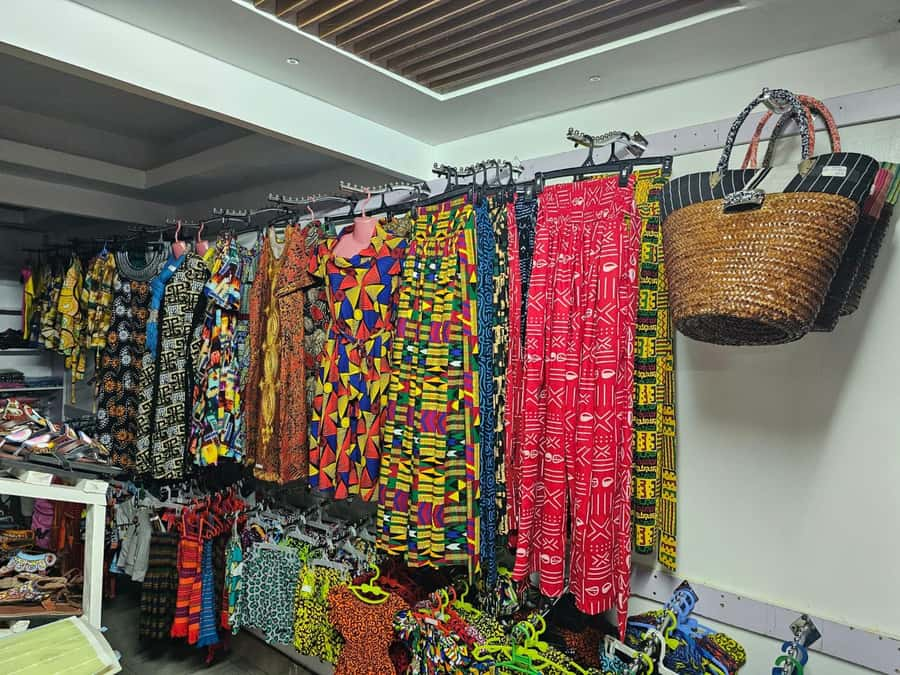
The tour also includes a pass-by of Kibera, visible from the comfort of your vehicle. This matters for context, but it’s not a full visit. The itinerary is designed to show you the area from the road without turning it into a sightseeing “bucket list” moment.
From this kind of view, you’ll get impressions—built-up areas, how close homes can feel, and the general setting. But it’s also important to be honest with yourself: a pass-by can’t replace real understanding, relationships, or local context.
If you want to do this stop responsibly:
- Keep your camera put away unless your guide says it’s appropriate.
- Use the moment to listen to your guide’s explanations.
- Avoid turning it into shock tourism. The goal here is awareness, not a spectacle.
Karen’s Maasai Market Collections: shopping with artisans in mind

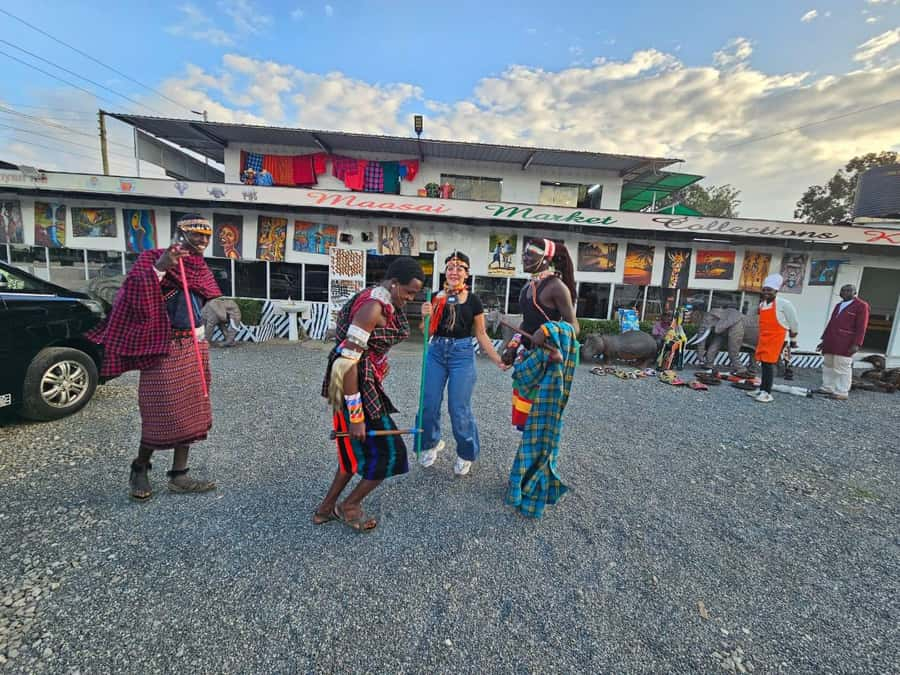
The day ends with the Maasai Market Collections in Karen, where you’ll have about an hour for shopping. This is the decompression stop—less “history learning,” more “find something you’ll actually use later.”
This market is positioned as a place to buy local souvenirs at prices that feel easier on your wallet, with items made by real artisans. In that hour, you can usually do two things well:
- Browse multiple stalls without feeling rushed.
- Compare items and make a decision before the group gets moving again.
My practical advice for shopping here:
- Set a spending limit before you arrive. One hour disappears fast.
- Ask what an item is made of and what it’s used for, not just the price.
- If you want something specific (a certain color, size, or style), start there early.
The itinerary drops each person back to their hotel or residence after the market stop. That makes the day feel tidy: you shop, then you’re done.
Price and value: is $98 a fair deal for this route?

At $98 per person for a 5-hour city loop, this is priced for convenience: transport, guided interpretation, and included entry fees. You’re basically paying to turn a scattered set of Nairobi stops into a single organized morning.
What’s included (on paper):
- Air-conditioned transportation
- Guided tour
- All entrance fees
- Mineral water
Where value can wobble in real life: a couple of reviews flagged small mismatches, like being told water is included but not receiving it, or needing to pay admission at a museum even when they expected it to be covered. That doesn’t mean it’s always wrong, but it’s enough to take a practical approach.
Here’s what I’d do before the day starts:
- Confirm your voucher details include entrance fees and water.
- Keep a little extra cash or a card available for anything that looks uncertain at check-in.
- If something is missing, ask your guide or representative right away. Quick resolution saves the mood.
Also, the highlights mention an upgrade to a private open-sided jeep option to go deeper into the bush. The city itinerary itself doesn’t spell out that bush time, so treat this as an optional add-on you can ask about. If your goal is wildlife and off-road scenery, that upgrade could be the meaningful upgrade you’re looking for.
Timing and pace: why this tour works best as a morning plan
The total duration is 5 hours, and the itinerary is built from timed blocks:
- National Museum: about 1 hour
- Tower viewpoint: about 30 minutes
- Memorial Park: about 30 minutes
- Railway Museum: about 1 hour
- Kibera: pass-by
- Maasai Market Karen: about 1 hour
That pacing is the whole point. You get a mini Nairobi syllabus without eating your entire day. But it does mean you won’t linger.
For me, the biggest “fit” factors are:
- You only have limited time in Nairobi.
- You want a guided overview that helps you understand what you’re seeing.
- You like city landmarks, history stops, and one final shopping hour.
If you’re the type who needs to read every label twice and wander slowly, this might feel rushed. You’d be better off building a more flexible, slower museum plan on your own.
What kind of traveler should book this?

This tour suits you best if:
- You’re visiting Nairobi for the first time and want a route that covers the top stops.
- You want a guide to connect the dots between museum exhibits, memorials, and city viewpoints.
- You like a group pace as long as the guide is organized and the day moves.
Skip it (or adjust expectations) if:
- Your top priority is spending long hours in a single place.
- You’re uncomfortable with roadside pass-by views rather than deeper visits.
- You want zero schedule changes no matter what.
One more thing: guides make a big difference here. Reviews mention guides like Ruben and Francis as friendly and well-prepared, and that kind of leadership helps a timed itinerary feel smoother.
Should you book Nairobi Hop on Hop off + Maasai Market Karen?
If you want a structured, guided overview of Nairobi in one compact morning-and-early-afternoon block, this is a solid option. It hits major landmarks, includes entrance fees, and ends with a practical shopping stop in Karen.
I’d book it if your goals are:
- a museum-and-viewpoint intro day,
- a respectful memorial stop,
- and one hour to pick up souvenirs from local artisans.
I’d think twice if you’re counting on the day being perfectly identical every time—especially for the railway museum timing—or if you’re picky about missing tiny things like water. If you go in expecting a tight schedule and you confirm what’s included at the start, you’ll likely feel the $98 delivers.
FAQ
How long is the tour?
It runs for about 5 hours.
Where do we meet the guide?
You meet your guide at the parking lot (the tour starts at the Nairobi National Museum parking lot area).
Is the tour wheelchair accessible?
Yes, it’s listed as wheelchair accessible.
Is there a live guide, and what language is it in?
Yes. The live tour guide speaks English.
Are entrance fees included?
Yes. The tour includes all entrance fees.
Is mineral water included?
Yes. Mineral water is listed as included.
Is the transport air-conditioned?
Yes. Transportation is provided in an air-conditioned vehicle.
Can I cancel for a full refund?
Yes. Free cancellation is available up to 24 hours in advance.
Is reserve & pay later available?
Yes. You can reserve now and pay later.
Which stops are part of the route?
The route includes Nairobi National Museum, KICC/Kenyatta International Tower for viewpoint access, Bomb Blast Memorial Park, Nairobi Railway Museum, a pass-by of Kibera, and Maasai Market Collections in Karen.