Three icons in one long day.
This tour is built around big-hitting stops: Kuroshio Market (with fresh seafood and a tuna dismantling show) and Todai-ji Temple (Japan’s giant wooden Buddha halls). I also like the structure, because you’re not just sightseeing in one city—you’re linking Osaka, Wakayama, and Nara in a single 10-hour outing. The main consideration is time: you’ll spend plenty of hours riding, and the pacing can feel tight if you’re hoping for more Nara time.
I’m a fan of the practical setup. You start at 8:30am in Osaka and ride in an air-conditioned vehicle with a professional English/Chinese-speaking guide, plus you get a mobile ticket that keeps the day simple. You’ll still want to plan around the paid highlights, especially at Todai-ji and Wakayama Castle, and it’s smart to have cash ready since some vendors and temple counters have been cash-first.
In This Review
- Key Points Before You Go
- From Umeda at 8:30am: The Bus Day You’ll Really Experience
- Wakayama Castle Stop: Great Setting, But Check What’s Accessible
- What this stop does well
- What to watch for
- Kuroshio Market and Tuna Dismantling: The Food-Lover’s Time Block
- A cash-first warning (important)
- Practical tip for the market
- Todai-ji Temple and Nara Sika Deer: The Reason Most People Want Nara
- The deer factor
- What Todai-ji gives you
- Watch your stamina near the end
- Price and Logistics: What You’re Paying For (and What You’re Not)
- Also: food is not included
- Guide Quality and Day Pace: The Human Variable
- Group size and comfort
- Who This Tour Fits Best (and Who Should Skip)
- Should You Book This Osaka to Nara Day Tour?
- FAQ
- What time does the tour start and where is the meeting point?
- How long is the tour?
- What is included in the price?
- What admission fees are not included?
- Is Kuroshio Market admission free?
- Is a mobile ticket used?
- What happens if the weather is poor?
- How many people are needed for the tour to run?
Key Points Before You Go
- Kuroshio Market is the day’s food moment with fresh seafood shopping and a tuna filleting/dismantling show
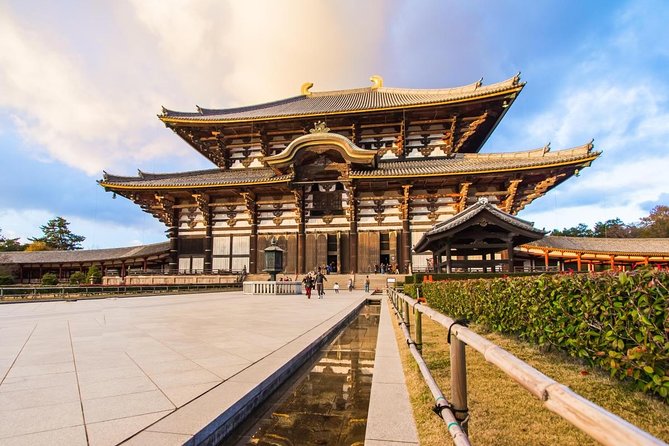
- Todai-ji is the emotional anchor, and it’s worth budgeting for the ticketed areas (like the Great Buddha Hall)
- Expect heavy transit time out of Osaka, so wear shoes you can walk in and bring water
- Guide quality can change the feel of the trip; strong guides (including Chan, Poey, and Alan) make the day flow better
- Admissions aren’t all included, so the final cost depends on what you want to enter
From Umeda at 8:30am: The Bus Day You’ll Really Experience
The tour begins at 2 Chome-2 Umeda, Kita Ward in Osaka at 8:30am, and it ends back at the same meeting point. The full day is about 10 hours, and that number matters because a lot of your energy goes into transit between Osaka, Wakayama, and Nara.
This is not a quick hop. Several experiences point out that the bus time can feel like a large chunk of the day, so I’d treat this as a road-trip day with three “anchor stops,” not as a schedule where you’ll breeze through sightseeing. If you’re the type who gets antsy sitting still, pack your patience along with your camera battery.
On the plus side, you’re in an air-conditioned vehicle, so you’re not doing this in full summer misery. And because the group is capped at 45 people, you’re usually not crushed shoulder-to-shoulder the entire day.
Wakayama Castle Stop: Great Setting, But Check What’s Accessible
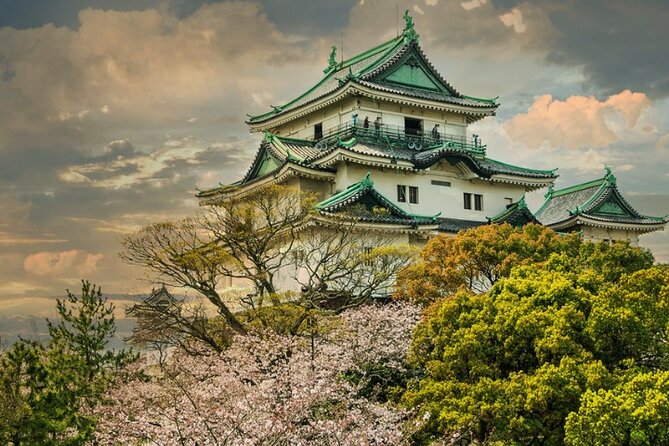
You get about 1 hour 20 minutes at Wakayama Castle. Admission is not included in the tour price, and the castle itself has an impressive historical backstory tied to Toyotomi Hideyoshi (1585) and later fortification work by Tokugawa Hidetada.
Here’s the practical reality: you’re working with limited time, and what you can actually see depends on whether the castle areas you want are open. One downside that showed up clearly is that on at least one departure the castle was closed, and that affected the value of the stop.
What to do with that? Go in with a “plan B” mindset. If you’re mainly excited about the castle interior, arrive mentally ready to do the best viewing possible even if full access isn’t available that day. Also, comfortable shoes help here because you may need to walk around the grounds even when interior access is limited.
What this stop does well
- It gives you a castle landmark stop without forcing you to DIY transportation.
- Even outside of inside-the-building time, the historical setting is easy to appreciate quickly.
What to watch for
- The castle ticket is extra (JPY 410 adult / 200 child), and availability can vary.
- With 1 hour 20 minutes, there’s not much cushion if you run into lines or closures.
Kuroshio Market and Tuna Dismantling: The Food-Lover’s Time Block
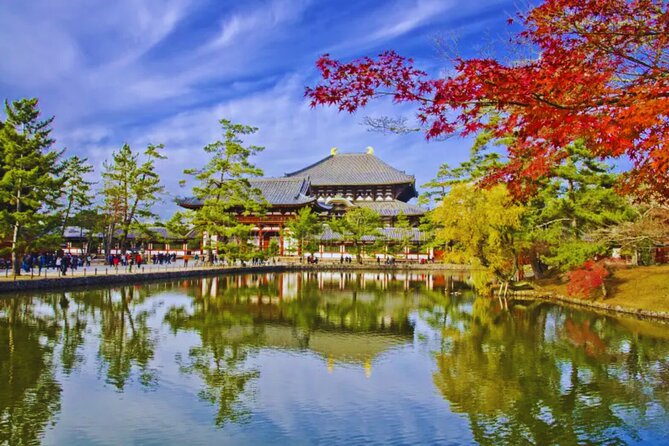
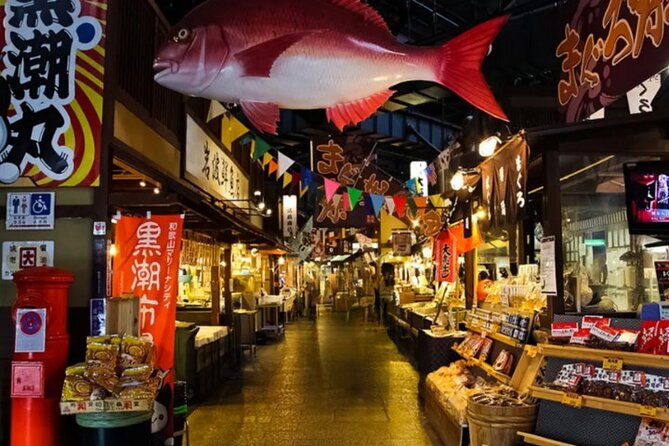
The Kuroshio Market stop runs about 2 hours, and market entry is free. This is the tour’s strongest “eat and watch” segment. The area is known as “Tuna Country,” and you’ll get the highlight moment: a tuna dismantling/filleting demonstration, paired with time to browse and buy seafood.
This stop is often the best part for people who like food experiences that feel real rather than staged. You’ll be surrounded by the energy of a working seafood market, and even if you don’t buy much, it’s fun to see the process and then match what you learned to what you find in the stalls.
Still, this is also where a few people felt the itinerary could be better balanced. If you love Nara’s deer and Todai-ji more than seafood shopping, you may wish the market time were a bit shorter. The good news is you’ll have a full 2 hours here, so you can do it your way: watch first, then shop, then wrap up without stress.
A cash-first warning (important)
Multiple comments emphasized that cash was needed for purchases at market vendors and for temple-related ticketing. So bring a cash stash even if you use cards at home. It saves you from the annoying situation of finding a snack stall you really want… then realizing you can’t pay.
Practical tip for the market
Bring a small bag or tote. Seafood buying can turn into “oops, I grabbed too much,” especially if the demo makes everything look delicious. Water also helps because market browsing is active.
Todai-ji Temple and Nara Sika Deer: The Reason Most People Want Nara
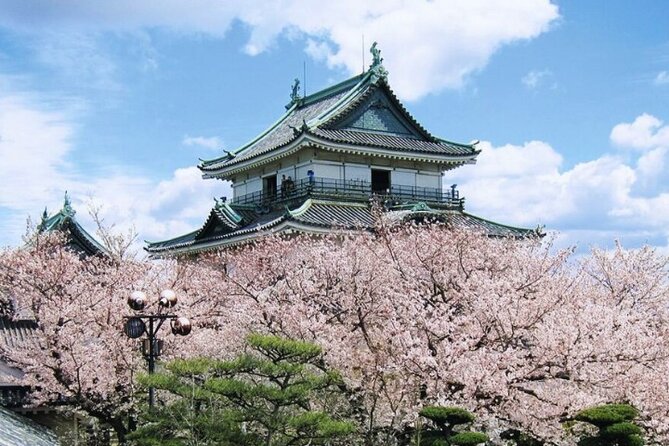
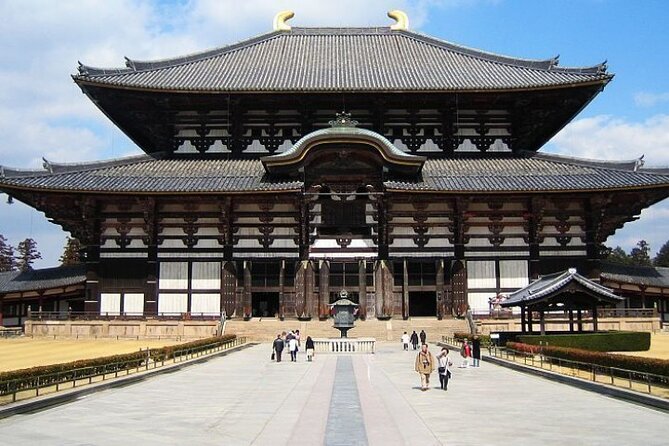
The tour’s major culture payoff is Tōdai-ji (Todai-ji) Temple, located in Nara. You get about 2 hours in the area, and base entry to the temple is listed as free. The biggest sights inside, though, are ticketed: the Great Buddha Hall, Hokke-do, Kaidan-do, Senju-do, and the Todai-ji Museum carry an admission fee of JPY 600 adult / 300 child.
This is one of those days where your priorities decide the value. If you want the full Todai-ji experience, budget time and money for the ticketed sections. If you skip the paid halls, you may feel like you didn’t really get the best of the temple, even though you were physically there.
The deer factor
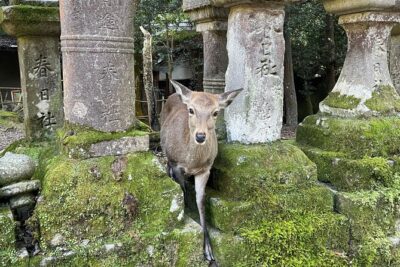
One reason this tour appeals is the chance to interact with sika deer. The idea is simple and memorable: you’ll be in Nara, and you can take selfies and feed the friendly deer. The time allocated for deer can vary in how it feels, and one comment suggested that more time for deer would have made the day even better. If deer are your top goal, don’t assume you’ll get unlimited time at the end—move efficiently once you’re in Nara.
What Todai-ji gives you
Todai-ji isn’t just another temple stop. It’s famous for being Japan’s largest wooden building and a UNESCO World Cultural Heritage site. Even without deep background reading, the scale lands fast, and it’s the kind of place where photos never quite match the real size.
Watch your stamina near the end
A few experiences described the ending as a bit rushed. That matters because Todai-ji + deer can be the kind of visit that makes you lose track of time in the best way. If you have a must-see order (deer first, then Great Buddha, for example), plan your flow so you’re not scrambling at the final stretch.
Price and Logistics: What You’re Paying For (and What You’re Not)
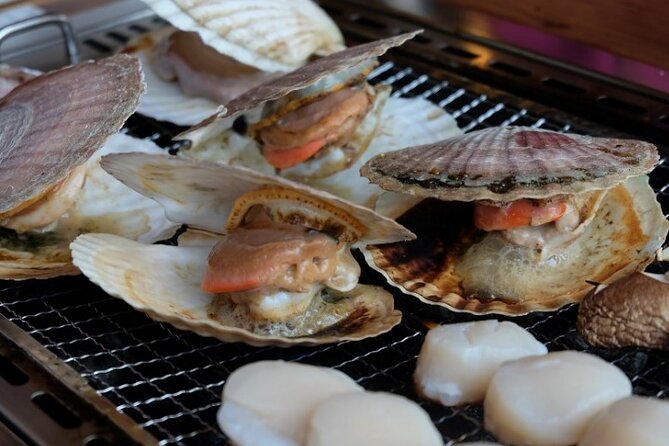
The listed price is $99.04 per person, and the tour includes an air-conditioned vehicle and a professional English/Chinese-speaking guide. On paper, that sounds like good value for a day-trip route out of Osaka, since you’re getting transportation you probably wouldn’t manage smoothly in one go.
But here’s where I get practical: not everything you’ll want is covered. Wakayama Castle admission is extra, and Todai-ji’s main ticketed halls/museum are extra. Market entry at Kuroshio is free, which helps, but the biggest cultural stop can still cost you once you’re there.
So think of the price like this:
- You’re paying for one coordinated day with an included driver + guide + transit.
- You’re also paying for the chance to hit the “big names” quickly.
- Your add-ons are mostly tickets (castle and Todai-ji inside areas) plus whatever you buy or eat.
If you love temple interiors and want to see the Great Buddha Hall areas, you’ll feel the value is fair. If you’re only looking for outdoor views and deer photos, you might want to question whether the extra ticket costs match your interests.
Also: food is not included
There’s no mention of a meal being provided in the tour basics, and some comments noted the van doesn’t supply snacks or drinks. Bring water at minimum, and consider grabbing a light breakfast before pickup so you don’t end up buying expensive convenience food under time pressure.
Guide Quality and Day Pace: The Human Variable
The tour is marketed with a professional English/Chinese-speaking guide, and that can genuinely change the day. Some of the strongest positive comments singled out guides by name, including Chan, Poey, and Alan, with praise for humor, friendliness, and clear explanations.
At the same time, there were complaints about guide support—some people felt the guide was more of a dispatcher than a commentator at certain stops. That’s a normal risk with group tours: even when the guide is present, the amount of narration you get can vary.
What helps you personally is being active in the first moments. If the guide gives you a quick overview at the start, use it. Ask one or two questions about where to focus inside Todai-ji or how to get the most from the market time. When you engage, the day feels more like a guided experience instead of a bus shuffle.
Group size and comfort
The tour can run with up to 45 people. That size is usually manageable, but vehicle comfort can still be an issue if you land in the back rows. One comment complained about an older van condition and rear-row comfort. That’s not something you can fully control, but you can prepare: bring a light layer, keep your essentials easy to reach, and treat the ride as part of the experience.
Who This Tour Fits Best (and Who Should Skip)
This tour is a good fit if you want:
- A single-day plan that connects Osaka to Nara’s Todai-ji and deer time
- A fun food stop at Kuroshio Market with the tuna dismantling show and browsing
- A guide-managed schedule so you don’t spend your morning figuring out transport
It may be less ideal if you:
- Hate long bus days and want more walking-free time
- Want Todai-ji to be the only priority and prefer deeper Nara exploration without market browsing
- Are very sensitive to vehicle comfort (since van quality has varied in past experiences)
If you’re a “see the highlights, then move on” traveler, you’ll likely enjoy the structure. If you’re the “slow travel with lots of independent time” type, you may feel boxed in.
Should You Book This Osaka to Nara Day Tour?

I’d book it if you’re excited by the combo: Todai-ji + sika deer + Kuroshio Market tuna demo, all with a guide and an included ride out of Osaka. The price makes sense when you plan to pay for the key Todai-ji ticketed halls and when you’re okay with transit taking a big slice of the day.
I’d pause before booking if you’re mainly chasing one stop and the others feel like filler. The route is well-known, but the pacing can feel uneven depending on your personal priorities, and the castle stop depends on what’s accessible that day.
If you do book, come ready with two simple advantages: comfortable walking shoes and cash for tickets and market purchases. Those two details help the day go smoothly, no matter which guide you get or how the timing feels.
FAQ
What time does the tour start and where is the meeting point?
The tour starts at 8:30am at 2 Chome-2 Umeda, Kita Ward, Osaka, 530-0001, Japan.
How long is the tour?
The duration is 10 hours (approx.).
What is included in the price?
The tour includes an air-conditioned vehicle and a professional English/Chinese-speaking guide.
What admission fees are not included?
Wakayama Castle admission is not included (JPY 410 adult / 200 child). Also, entry to the Great Buddha Hall, Hokke-do, Kaidan-do, Senju-do, and the Todai-ji Museum is not included (JPY 600 adult / 300 child).
Is Kuroshio Market admission free?
Yes. Kuroshio Market stop admission is listed as free, and you have about 2 hours there.
Is a mobile ticket used?
Yes, this activity uses a mobile ticket.
What happens if the weather is poor?
The tour requires good weather. If it’s canceled due to poor weather, you’ll be offered a different date or a full refund.
How many people are needed for the tour to run?
A minimum of 8 travelers is required for departure. The tour can include up to 45 travelers, and if the minimum isn’t met, you’re notified 4 days in advance.