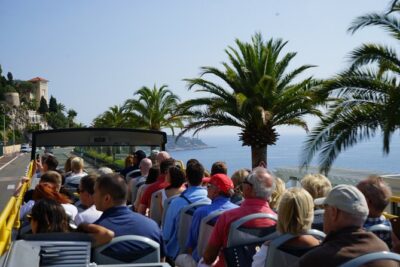
You can do a lot of DC in one day. This bus tour strings together iconic landmarks like the US Capitol, White House, and the Martin Luther King Jr. Memorial, then adds a seasonal Potomac River cruise when it’s running.
I especially like the stress-free format: you get a climate-controlled ride, a guide with nonstop stop-by-stop commentary, and short, well-timed visits so you see more without getting lost. A second highlight is the mix of big-name memorials and the military-focused stretch that helps you understand what you’re standing in front of.
One drawback to consider: time at each stop is brief, and the boat portion can feel crowded or less exciting than the bus day, depending on the day and vessel.
Key things that make this tour work in real life
- National Archives meeting point: easy to find at 790 Pennsylvania Ave NW, and the ride starts on time at 10:00am.
- A real tour guide all day: your guide stays with you and talks through the sights instead of you guessing what matters.
- Short stop times, smart pacing: about 10–15 minutes at most major stops, plus a longer lunch window.
- Seasonal Potomac cruise: included March 26–Oct 17, with bonus memorial stops when the boat isn’t operating.
- Max 40 people: small enough to feel coordinated, big enough for a lively group day.
- Free bottled water: small touch, but it matters on a hot or sunny day.
In This Review
- Price and Logistics: What You’re Really Paying For
- The Meeting Point and Start Time: National Archives Is the Anchor
- How the Bus Day Feels: Climate-Controlled, Guided, and Tightly Scheduled
- Stop-by-Stop Breakdown: What You Get at Each Monument
- U.S. Capitol: The Legislative Anchor
- The White House: Mostly Exterior, Still Worth It
- National World War II Memorial: 56 Pillars With a Clear Message
- Franklin Delano Roosevelt Memorial: A Presidential Era in Space
- Martin Luther King Jr. Memorial: Four Acres of Meaning
- Korean War Veterans Memorial: Short Stop, Strong Commemoration
- Lincoln Memorial: The Icon You’ve Seen in Photos
- Vietnam Veterans Memorial: The Wall That Hits Hard
- Vietnam Women’s Memorial: A Focus on Care and Service
- U.S. Marine Corps War Memorial: Arlington County, Marine Legacy
- Air Force Memorial: Military Branch Heritage Near the Pentagon Area
- Georgetown Lunch Break: Where the Route Gives You Breathing Space
- The Potomac River Cruise: Seasonal Magic or a Mixed Bag
- Best Use of Your Time: How to Get More From Limited Stop Minutes
- Who This Tour Fits Best
- Value Check: Is $87 a Good Deal?
- The Small Details That Matter: Comfort, Timing, and Staying With the Group
- Should You Book This Bus and Potomac Cruise Tour?
- FAQ
- What is the duration of the tour?
- Where does the tour start and end?
- Is the Potomac River cruise included?
- Are entry tickets included for the U.S. Capitol and the White House?
- What’s the price per person?
- What kind of transportation is used?
- Is lunch included?
- Do they provide hotel pickup or drop-off?
- What happens if weather is bad?
Price and Logistics: What You’re Really Paying For

At $87 per person for about 6 hours, this tour is priced for convenience. You’re paying for transportation, a guide who handles the “what am I looking at?” part, and an included Potomac cruise in the months it runs. Most of the memorial stops on the National Mall are free on their own, so the value here is the guided route plus staying power for the day.
You also need to plan around the meeting setup. There are no hotel pickups or drop-offs. You meet at the National Archives area (790 Pennsylvania Ave NW), and the tour ends back at the same spot. If you’re trying to drive and park, don’t assume it’ll be painless—DC street closures and traffic can turn into a time sink.
One more practical detail that can affect your day: for sights that involve entry tickets, the tickets are valid for use the following day (because of attraction hours). Since the White House and the US Capitol are listed as admission ticket not included, you should still be ready for the fact that you may only view some things from the outside.
The Meeting Point and Start Time: National Archives Is the Anchor
This tour launches from the National Archives Building area, which is a smart choice. It’s central, it’s near public transportation, and you can spot the buses because they stage right there.
The start time is 10:00am. A couple of people in the feedback noted timing stress, especially when they expected pickup service. Your best move: show up a little early at the National Archives meeting point and assume you’re managing your own arrival.
If you want a simple plan, treat it like this: get to National Archives, join the group, and let the schedule do the heavy lifting.
How the Bus Day Feels: Climate-Controlled, Guided, and Tightly Scheduled
The bus ride itself is part of the experience. It’s climate-controlled, and your guide stays with you through the stops. That matters because DC is a big loop of monuments. Without guidance, you can spend time walking and then still leave unsure what you just saw.
The pace is structured: most stops are around 10–15 minutes. That’s enough for quick photos and key context, but not enough for a slow, lingering museum-style experience. If you’re the type who likes to read every plaque for 30 minutes, this might feel rushed.
Good signs from the feedback: multiple people praised the driver-guide team for safety and smooth traffic handling, plus the guide’s humor and the way they kept everyone together. The bus is also described as clean and comfortable by some passengers, which helps on a 6-hour day.
Stop-by-Stop Breakdown: What You Get at Each Monument

This route is built for maximum visual impact. Think of it as a greatest-hits tour, then the guide adds the why.
U.S. Capitol: The Legislative Anchor
You’ll get a stop at the US Capitol. It’s the meeting place of Congress and the seat of the legislative branch. The time is listed as 15 minutes, and admission ticket isn’t included in this itinerary, so plan on viewing from the outside.
Why it matters: this is the physical center of federal power. Even when you only see it from the nearby angles, the scale makes everything else on the National Mall snap into place.
Practical note: the Capitol area can be busy. Keep your group mindset on—move quickly when your guide calls the timing.
The White House: Mostly Exterior, Still Worth It
You’ll stop for an exterior view of the White House. It was built between 1792 and 1800. Admission inside isn’t included and tourists generally aren’t allowed in on normal visits, so expect photos and a guide-led explanation from the outside.
What to watch for: don’t just photograph the building. Let the guide connect it to the era and the symbolism. That context is what turns a quick look into a real understanding.
National World War II Memorial: 56 Pillars With a Clear Message
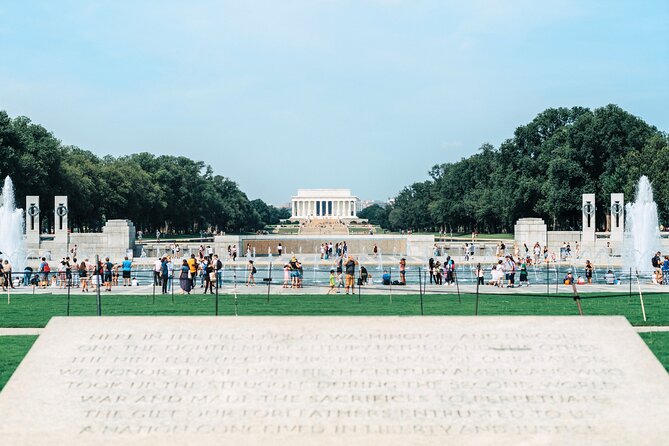
Next up is the World War II Memorial. It features 56 pillars representing states and territories, plus arches for the Atlantic and Pacific theaters around an oval plaza and fountain.
Time is about 15 minutes, and it’s listed as free entry. If you only do one memorial on this tour besides the bigger names, this is often a strong candidate because the design tells a story even if you’re short on time.
Franklin Delano Roosevelt Memorial: A Presidential Era in Space
The FDR Memorial is another presidential memorial on the National Mall. It’s focused on the 32nd president and the era he represented, and it’s described as the second of two FDR memorial constructions in DC.
It’s free entry and about 15 minutes on the schedule. If you’re a history person, this stop helps link the WWII framing to earlier and broader US policy and leadership.
Martin Luther King Jr. Memorial: Four Acres of Meaning
You’ll visit the Martin Luther King Jr. Memorial for around 15 minutes. It covers four acres and includes the Stone of Hope and a granite statue of MLK carved by sculptor Lei Yixin.
This is one of the most emotion-forward stops on the route. People often wish they’d had more time here because the design invites you to pause. If you want longer reflection, just know this tour keeps it moving.
Korean War Veterans Memorial: Short Stop, Strong Commemoration
The Korean War Veterans Memorial is listed as about 10 minutes and free. It’s on West Potomac Park, southeast of the Lincoln Memorial and just south of the Reflecting Pool.
This stop works best with your guide’s explanation, because the memorial’s layout can be easier to interpret when someone points out what you’re looking at and why it was placed here.
Lincoln Memorial: The Icon You’ve Seen in Photos
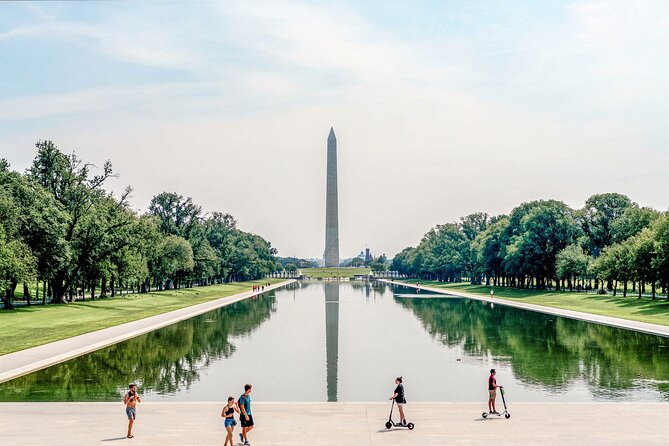
You’ll stop at the Lincoln Memorial for about 15 minutes. It’s a neoclassical temple-style monument and a key end-point of the National Mall’s Lincoln axis.
It’s free entry. Even with limited time, it’s a meaningful stop because it gives you the DC geometry: how monuments visually line up and how DC uses space to create a national narrative.
Vietnam Veterans Memorial: The Wall That Hits Hard
Time is listed as about 10 minutes and free entry. The Vietnam Veterans Memorial is the black granite wall engraved with names of service members who died in Vietnam and Southeast Asia. It’s backed by statues like The Three Soldiers and includes the Vietnam Women’s Memorial nearby.
Even in 10 minutes, this stop can feel heavy. Keep your expectations real: quick viewing plus a guide explanation is the format.
Vietnam Women’s Memorial: A Focus on Care and Service
This is a shorter stop at about 5 minutes and free entry. It honors nurses and women of the US who served in Vietnam, with depictions that include women in uniform and a wounded soldier, plus roles like nursing and support functions.
Because it’s short on time, the guide’s context matters most. If you like stories that broaden what war memorials usually show, you’ll appreciate this stop.
U.S. Marine Corps War Memorial: Arlington County, Marine Legacy
This stop shifts beyond the National Mall area into Arlington County, Virginia. The Marine Corps War Memorial is listed as about 10 minutes and free entry, dedicated to Marines who’ve given their lives since 1775.
If you’re trying to understand how DC region memorials connect across borders, this one helps. It’s also a good reminder that the stories aren’t all just on the Mall.
Air Force Memorial: Military Branch Heritage Near the Pentagon Area
The Air Force Memorial is also about 10 minutes and free. It’s in Arlington County near the Pentagon area and is described as the last project of architect James Ingo Freed with Pei Cobb Freed & Partners.
This stop can be a mental reset after the Vietnam and Korean War pacing. It broadens the frame from one conflict to the long arc of service and heritage.
Georgetown Lunch Break: Where the Route Gives You Breathing Space

The tour pauses at Georgetown Washington Harbor for free time to grab lunch. The total lunch window is described as about 1.5 hours by some people, though exact timing can vary with traffic and the day’s flow.
Lunch is not included, so you’re choosing your own spot nearby. The plus: Georgetown Harbor is a pleasant place to step away from monument walking for a bit.
If it’s hot, this break is where you’ll decide if you need shade, water refills, and a slower pace. Wear comfortable shoes. DC distances always look shorter on a map.
The Potomac River Cruise: Seasonal Magic or a Mixed Bag
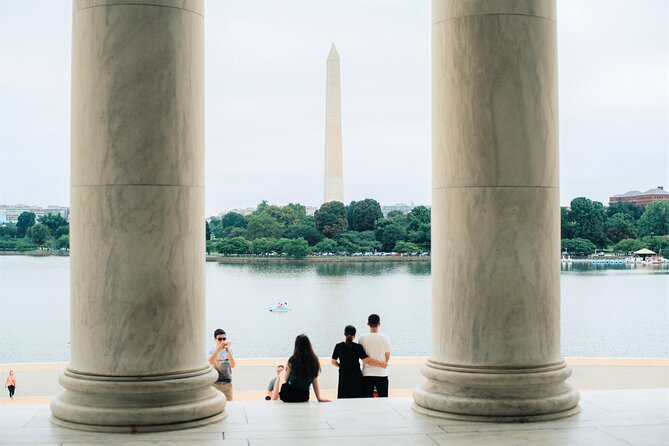
During summer months (March 26 to Oct 17), a Potomac River cruise is included, with admission included. The itinerary suggests it’s a seasonal addition and you’ll also get bonus memorial stops at Jefferson and Eisenhower when the boat is not operating (Oct 17 to Mar 25).
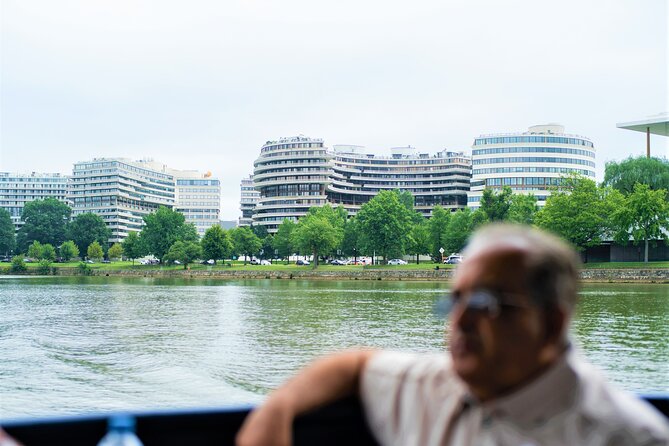
What you should expect from the cruise: a way to view key sights from the water and get a different perspective than the walking-side angles.
What to consider: some feedback calls out that the boat portion can disappoint toward the end or feel cramped and warm on busy days. If you’re sensitive to crowding, it’s a good idea to have a calm mindset: the boat is part of the day, but it isn’t the whole point.
Practical move: bring a light layer if you get chilly on the water, and plan to stand or sit wherever you can best see. You can treat it as a change of pace, not a long, scenic day-on-the-river.
Best Use of Your Time: How to Get More From Limited Stop Minutes

Because most stops are 10–15 minutes, you’ll get more out of the day with a simple strategy.
- Pick one or two memorials you care about most and go in with one question for your guide.
- For the rest, aim for photos plus one key takeaway.
- If you want deeper time, save that for a later DC return. This tour is your quick, guided overview.
Also watch for weather. The tour is designed for good conditions, and DC afternoons can change fast. If the day is rainy, the tour still keeps moving, but you’ll want waterproof shoes or at least quick-dry options.
Who This Tour Fits Best
This is a great fit for you if:
- you want a structured way to see major monuments in one day
- you like having a guide to explain what matters while you’re moving between sites
- you’d rather not plan a transit-and-parking puzzle on your own
It’s not ideal if:
- you want long time at memorials for reading and reflection
- you dislike crowds or short visits
- you expect hotel pickup or drop-off
It’s also a good option for solo travelers who want an organized day and a safe, coordinated group experience.
Value Check: Is $87 a Good Deal?
For most visitors, the math works because the package bundles the hard parts:
- bus transportation around DC
- a professional guide staying with you all day
- a lunch break window at Georgetown Harbor
- and the Potomac cruise inclusion during the summer season
Since many memorials on your route are free entry, you’re not paying to enter every site. You’re paying for the guided route and the included boat when it’s in season. If the boat is the main reason you booked, aim for months when it’s running and keep your expectations aligned with a shorter cruise.
The Small Details That Matter: Comfort, Timing, and Staying With the Group
A few practical points can make or break the day.
- Parking stress is real. Plan to use public transportation or at least plan extra time if you drive.
- Timing discipline matters. When the schedule moves, it moves.
- Bring water or rely on the complimentary bottled water.
- Expect that the Capitol and White House are more exterior viewing in this format.
From the positive feedback, the best days are the ones where you treat the tour like a flowing itinerary. From the mixed feedback, the roughest days often start with mismatched expectations about pickup, timing, or the cruise segment.
Should You Book This Bus and Potomac Cruise Tour?
Book it if you want a guided “greatest hits” DC day with a guide on board, short stop times, and a Potomac cruise when it’s available. It’s a smart first DC visit tool, especially if you’d rather spend your energy absorbing stories than figuring out logistics.
Skip it or approach carefully if you need long memorial time, you’re picky about boat comfort, or you’re expecting hotel pickup. In those cases, consider planning a slower day on the Mall first, then add a cruise separately.
If you like your trips organized, you’ll probably appreciate how this one runs.
FAQ
What is the duration of the tour?
The tour is listed as about 6 hours.
Where does the tour start and end?
It starts at 790 Pennsylvania Ave NW, Washington, DC 20001, and it ends back at the same meeting point.
Is the Potomac River cruise included?
Yes, it’s included in the summer months from March 26 to Oct 17. When the cruise is not operating from Oct 17 to March 25, the itinerary includes bonus stops at Jefferson and Eisenhower Memorials.
Are entry tickets included for the U.S. Capitol and the White House?
No. The U.S. Capitol and the White House are shown as admission ticket not included.
What’s the price per person?
The price is listed as $87.00 per person.
What kind of transportation is used?
You board a climate-controlled bus, and the tour also includes a seasonal Potomac River cruise by boat.
Is lunch included?
No. There’s a stop at Georgetown Washington Harbor with free time to get your own lunch.
Do they provide hotel pickup or drop-off?
No. Pickups or hotel drop-off are not provided. You should meet at the National Archives location.
What happens if weather is bad?
The experience requires good weather. If it’s canceled due to poor weather, you’ll be offered a different date or a full refund.