
One pass. Two loops. Tons of NYC icons. The standout is that the ticket pairs a 48-hour hop-on hop-off bus plan with Empire State Building entry, plus onboard Wi‑Fi so you can check next stops on the fly. You get a smart way to get your bearings fast without cramming your day into one tight route.
The main thing to watch is that bus comfort and timing can vary by day and season. If you’re riding in cold weather, an open-top style of bus can feel chilly, and crowded stops mean boarding can get tight.
In This Review
- Key highlights at a glance
- Price and value: when $105 makes sense
- The 48-hour hop-on hop-off rhythm (and why it matters)
- Before you ride: getting your ticket active and finding the right stop
- Empire State Building entry: the timed ticket you can’t ignore
- Uptown (Blue) route: from Midtown icons into Central Park land
- Downtown (Red) route: Midtown to Lower Manhattan, with big skyline payoff
- Comfort and onboard tech: Wi‑Fi, digital audio, and how to handle problems
- The little extras: bike offer and optional ferry
- How to hop off smart: a simple game plan
- Who this tour is best for (and who should skip it)
- So, should you book this Big Bus and Empire State package?
- FAQ
- Do I have to pre-book a time to visit the Empire State Building?
- How often does a bus arrive at each stop?
- Where can I redeem my hop-on hop-off bus ticket?
- How long is a full loop without getting off?
- How do I know which stops I should use?
- Is the tour wheelchair accessible?
- Is there Wi‑Fi onboard the bus?
Key highlights at a glance

- Empire State Building included: You also get a timed, pre-booked entry slot for the views.
- 48 hours after first use: You’re not locked to one afternoon; you can spread it out.
- Digital commentary and Wi‑Fi onboard: Helpful for orientation and planning your next hop.
- Two-route coverage: Downtown (Red) plus Uptown (Blue) connect the biggest neighborhoods.
- Practical stop locations: Stops land near major landmarks, shopping zones, and major transit.
Price and value: when $105 makes sense
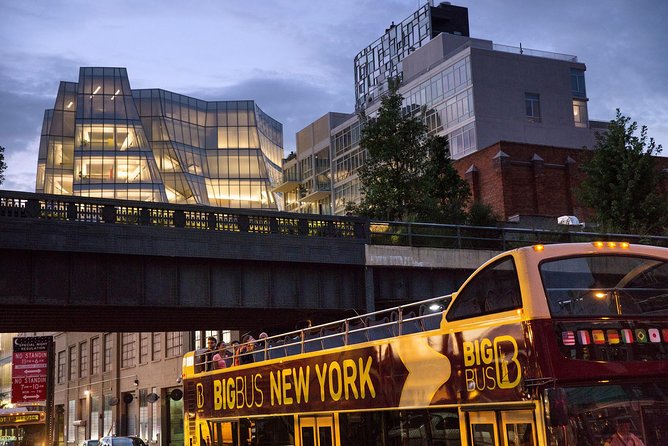
At $105 per person, this is not the cheapest way to ride a bus in New York. The value equation improves because your ticket includes Empire State Building entry (not just a photo stop) and keeps you moving across both downtown and uptown areas.
Here’s how I’d decide if it’s worth it for you:
- If you’re a first-timer or you want an easy plan that covers a lot of famous places, the included attractions help you justify the cost.
- If you love structure (fixed stops, easy navigation) and you’d rather avoid figuring out buses/subways for multiple neighborhoods, you’ll probably feel the savings.
- If your plan is mostly “one or two landmarks and done,” you may end up thinking a normal transit pass is smarter.
This also matters: a hop-on hop-off pass works best when you actually hop. If you stay on for long stretches every time, you might feel like you’re paying for scenery you could have seen on your own route.
The 48-hour hop-on hop-off rhythm (and why it matters)
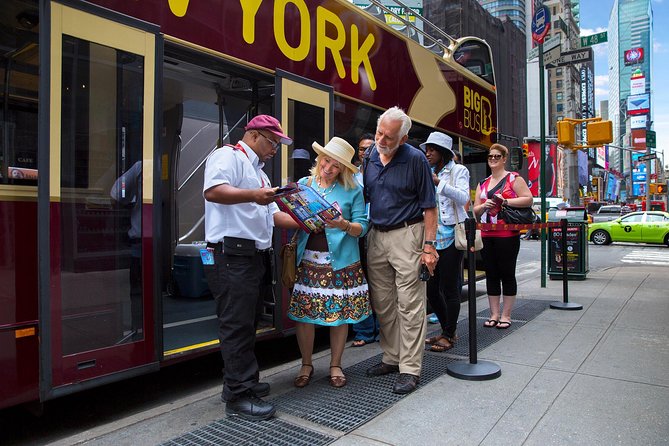
This ticket is valid for 48 hours after your first use, during operating hours. That sounds simple, but your real advantage is psychological: you’re allowed to make decisions in the moment.
Plan around a full ride circle taking about 90 minutes per loop. Also, buses aren’t guaranteed to land exactly when you want—frequency is described as approximately every hour, and on busier days the company targets steadier intervals (traffic and road closures can shift timing). Translation: build in a little slack.
My practical advice:
- Do one early hop day and one later hop day. It lowers your stress and helps you catch key stops before the lines and crowds spike.
- If Empire State Building is your anchor, treat it like your first appointment, not a bonus.
- Use the app for route info and live tracking once you’re in motion. It’s the easiest way to stop guessing.
Before you ride: getting your ticket active and finding the right stop
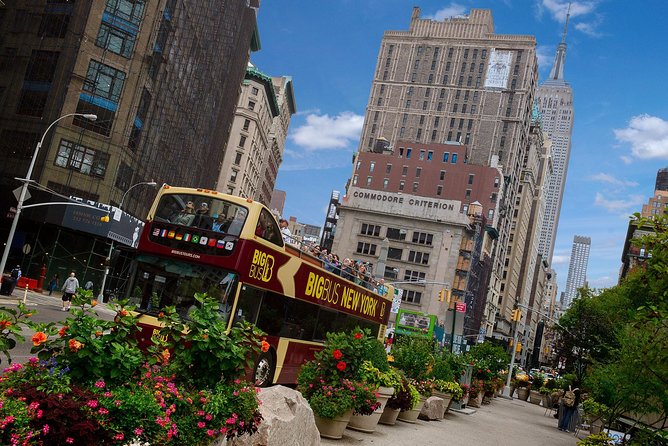
You can activate your ticket digitally using the Big Bus app. The alternative is redeeming and activating with staff at the pickup point near M&M’s World at 7th Avenue and West 48th Street, or activation with a driver at stops.
This matters because several “it didn’t work” problems usually come down to one thing: arriving with the ticket still not properly activated. So I’d do this:
- Activate on your phone before you head to the stop you’ll use first.
- Keep your reference info handy until the driver scans you successfully.
Also, you won’t have hotel pickup. You’ll start at bus stops, which is normal for NYC hop-on hop-off tours—but it does mean you should be comfortable walking a bit and using subway/taxi access if you’re staying outside Midtown.
Empire State Building entry: the timed ticket you can’t ignore
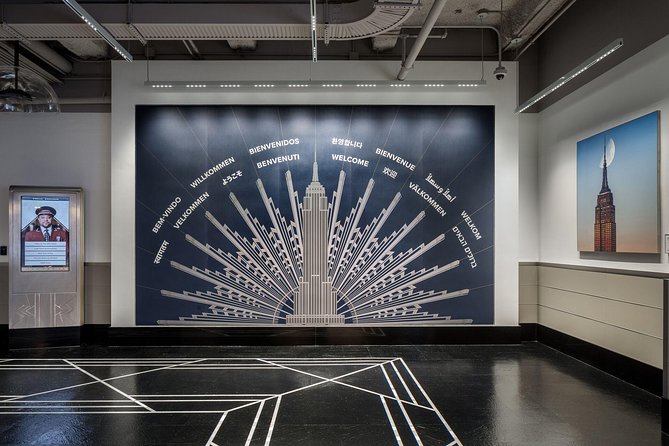
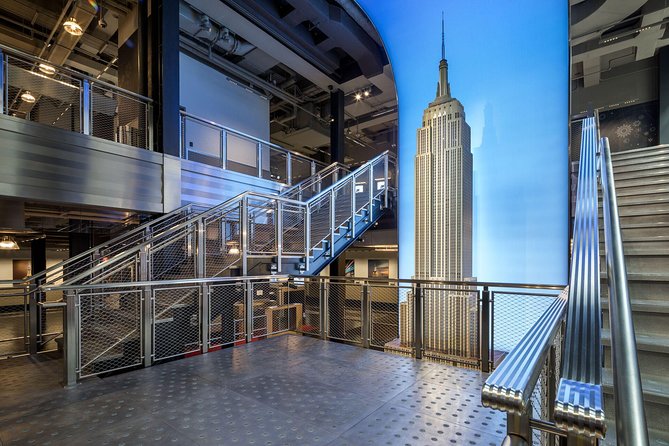
Empire State Building is the big included win here. The ticket includes entry to the Empire State Building, but you must pre-book a time and date for your visit.
Why that matters: the bus loop is flexible, but the view-window is not. If you miss your slot, you can’t just roll forward and count on entry being open anytime.
A smart strategy:
- Schedule Empire State Building early in your trip so you’re not depending on a late-day window.
- Arrive with extra time at the bus stop nearest the Empire State stop (5th Avenue and West 32nd Street area) so you aren’t sprinting through Midtown with limited time.
- If you’re using earbuds or relying on onboard directions, don’t wait until the last second to confirm you’re at the right stop.
Some visitors have had issues when their booked time slot details didn’t match up smoothly at the entry moment. That’s why I’d treat the pre-book confirmation as your “paperwork you can’t lose.”
Uptown (Blue) route: from Midtown icons into Central Park land

The Uptown route is the one that feels like a classic NYC postcard tour, sliding north through Midtown and up to the Central Park area. Along this loop you’ll see stops that make it easy to shape your day into mini-adventures.
Key Uptown stops include:
- Rockefeller Center (W 49th St & 5th Ave area): Great if you want a Midtown landmark moment without fighting for a subway transfer.
- Met Museum area (5th Ave & E 83rd St): Handy if you want to aim for one museum day or just set up a “next time” visit.
- Central Park Zoo (5th Ave & E 66th St area): A convenient way to tie the zoo with a broader park plan.
- Columbus Circle / Central Park south-west corner: A natural pivot point for getting into the park or repositioning.
- Carnegie Hall (7th Ave & W 57th St area): Mostly a “see it, photo it, appreciate it” stop, but it’s well-placed for nearby Midtown walking.
- Hope Sculpture (7th Ave & W 53rd St near Chase Bank): Small, but the kind of spot you’ll actually notice when you’re riding with your camera ready.
If you’re hoping to do more than photos, the best move is to hop off at one “main” stop and then walk a tight loop. Uptown has lots to choose from, and the temptation is to hop at everything—then you end up rushing.
Downtown (Red) route: Midtown to Lower Manhattan, with big skyline payoff

The Downtown loop is where the bus earns its keep for first-timers because it stacks neighborhoods back-to-back—each stop gives you a different NYC personality.
Here are standout Downtown stops and what they’re best for:
- Times Square (Times Square East at W 42nd St / Broadway): This is your quick orientation stop. If you want to understand where everything clusters, do this early. The tradeoff is that it’s also one of the most traffic-heavy zones, so delays between stops can happen.
- Empire State Building (5th Ave & W 32nd St / KoreaTown area): You’ll board the bus right by where you’ll want to return later.
- Flatiron Building (5th Ave & W 23rd St): Iconic shape, easy photo pull-off, and a great place to re-enter Midtown walking routes.
- SoHo shopping streets (West Broadway & Spring St, near Nike): Perfect for browsing and people-watching. If you’re trying to mix “sights” with “stuff to do,” this is a good stop to linger.
- Chinatown / Little Italy area (around 100 Lafayette St): A neighborhood transition point. You can use it as a base for food, markets, and wandering.
- Brooklyn Bridge area (Park Row & Beekman St): This is your big skyline and bridge moment. If you’re after views without doing a long transit plan, this stop does the job.
- Wall Street / Statue of Liberty area (Wall St area): This is more about positioning than about a front-row view. If you want the Statue of Liberty experience itself, you’ll need the ferry option selected.
- World Trade Center / Church St & Vesey St area: A powerful stop to see the area from street level and connect it to your own downtown walking plan.
- Pier 57 / NBC building area (11th Ave between W 15th and W 16th): A helpful pointer toward the Hudson River waterfront vibe.
- Hudson Yards (12th Ave & 30th St): Great if you like modern architecture and want a northward reset before moving back toward Midtown.
- Circle Line Sightseeing Cruises – Midtown (12th Ave & 40th St area, near Pier 81): Useful as a launchpad if you’re thinking of pairing bus sightseeing with a harbor cruise plan.
The Downtown loop is often where you’ll feel the time crunch. If you only hop off once or twice per loop, your day can drag. If you choose one or two “big linger” neighborhoods, you get the best of both worlds.
Comfort and onboard tech: Wi‑Fi, digital audio, and how to handle problems
A big selling point here is digital commentary plus Wi‑Fi onboard. In a city as big as New York, that matters. You’re not just riding; you’re also planning the next move while the bus rolls.
You’ll get audio guidance through onboard devices (people typically use the audio box/earpiece setup). That said, not every device works perfectly all the time, and some folks have reported that sound quality or audio balance wasn’t ideal.
A couple more realistic notes:
- In winter, some riders have found the experience less comfortable than expected because the bus isn’t heated in the way you’d want for cold winds. If you’ll be riding when it’s chilly, dress for outdoors even if you’re sitting on top.
- Crowding can affect both comfort and boarding speed. If you’re traveling with a stroller or larger group, build time into your schedule between hops.
The upside is that when it works well, onboard commentary helps turn a list of landmarks into a sense of neighborhood flow. That’s when the bus becomes more than transportation.
The little extras: bike offer and optional ferry

Two add-ons can change how much you do beyond the bus:
- Bike offer: rent 1 hour, get 2 hours free. If you like to move under your own power, this is a nice way to stretch your sightseeing beyond bus stops.
- Statue of Liberty Ferry (if option selected): This is important. The bus can position you near the general area, but the actual full experience is the ferry, not the street corner.
If Statue of Liberty is your top priority, I’d treat it as a separate must-do and not something you’ll rely on from the bus route alone.
How to hop off smart: a simple game plan
You’ll get the best value if you treat the pass like a set of neighborhood “doors,” not like a single long ride.
Try this approach:
- Day 1: Start near your Empire State Building timing slot, then do one Midtown cluster (Times Square, Rockefeller, or Flatiron area).
- Day 2: Go Downtown with a fixed plan for one or two neighborhoods to linger (SoHo or Chinatown, then Brooklyn Bridge).
Also:
- Look at your stops and pick one “photo stop” and one “wander stop” per loop. Photo stops are quick. Wander stops need time.
- If you’re short on time, you’ll often be happier using the bus to reach a zone, then walking the final blocks. This keeps you flexible and protects your schedule.
And if the bus seems slow on a given day, don’t panic. NYC timing varies. Your pass still gives you two days to recover your plan.
Who this tour is best for (and who should skip it)
This is a strong fit for:
- First-time NYC visitors who want a low-effort way to cover major landmarks.
- Travelers who like having an organized plan but still want flexibility.
- People who want Empire State Building included without building a separate day around it.
It may not be ideal if:
- You hate waiting for buses and would rather rely entirely on subway routes you control.
- Your trip is short and you’re only interested in one or two stops.
- You’re traveling in very cold weather and need the comfort of heated vehicles.
One more real-world note: if you’re the kind of traveler who depends on flawless audio every single time, you might get frustrated by occasional sound issues. On the other hand, the Wi‑Fi and app route info can help you keep your rhythm even when audio glitches happen.
So, should you book this Big Bus and Empire State package?
Yes—if Empire State Building is on your list and you’re planning at least two busy sightseeing blocks over two days. The ticket price becomes easier to justify when you’ll use the hop-on hop-off coverage and actually take advantage of the timed Empire State Building entry.
I’d say no—if your schedule is tight, you mostly want subway-speed movement, or you only care about a single neighborhood. In that case, you may feel like you’re paying for extra transportation you won’t use.
If you do book, my best tip is simple: treat Empire State Building as your anchor appointment, start early, and choose a couple of “linger” stops so the bus becomes a shortcut to great areas—not a time sink between them.
FAQ
Do I have to pre-book a time to visit the Empire State Building?
Yes. Before you can board the bus for the Empire State Building portion, you need to pre-book a time and date for your tour through the online booking portal or with staff at the departure locations.
How often does a bus arrive at each stop?
A bus arrives approximately every hour on both the Downtown (Red) and Uptown (Blue) routes.
Where can I redeem my hop-on hop-off bus ticket?
You can redeem your printed or electronic ticket at any of the listed bus stops.
How long is a full loop without getting off?
A full rotation on each of the Downtown (Red) and Uptown (Blue) routes is approximately 90 minutes (seasonal changes can affect timing).
How do I know which stops I should use?
Live guides and the pre-recorded commentary help you with upcoming stops. You can also use the Big Bus app for route info and live bus tracking.
Is the tour wheelchair accessible?
Yes. Wheelchair-accessible vehicles with lifts are available and can accommodate up to 650 pounds. If you need an accessible vehicle, you should request it in the special requirements box during checkout.
Is there Wi‑Fi onboard the bus?
Yes. Wi‑Fi is included onboard the bus.