Yanbaru National Park is not a place you stumble into by accident. This full-day bus tour is one of the easier ways to see Okinawa’s north without renting a car, with stops built around the area’s nature and standout viewpoints.
I especially like that you get a guided mix of big scenery and small details, from Cape Hedo’s northern-tip ocean view to a hike at Daisekirinzan where you’ll look for tropical plants and rocks. I also like the way the information is handled: a multilingual audio guide (with included earphones) plus a live English/Japanese guide keeps the day from feeling like a drive-through.
The main trade-off is time. It’s an 11-hour day, and the schedule can shift with weather and traffic, so you need to be okay with long bus stretches and limited freedom once you’re on the route.
In This Review
- Key things to know before you go
- One day in Yanbaru: why this route works
- Pickup at 8:00, 8:10, or 8:20: pick the bus stop that saves you
- Yanbaru Forest Visitor Center / Dome Theater: start with the context
- Okinawa rail and ecology focus: your best chance to spot something special
- Cape Hedo: northern-tip ocean views (with time to look)
- Daisekirinzan: a real hike stop, not just a quick photo stop
- Kunigami Minato Shokudo lunch: included fuel during the big day
- Live guide plus audio: how you keep the day from feeling repetitive
- Time, comfort, and the reality of an 11-hour bus day
- Price and value: what $98 includes (and why it can be a bargain)
- Who should book this Yanbaru bus tour?
- Should you book? My decision guide
- FAQ
- How long is the Okinawa Full-Day Bus Tour to Yanbaru National Park?
- What is the price per person?
- Where are the pickup locations, and what time are they?
- Do I need to choose my bus stop in advance?
- What’s included in the tour price?
- Is lunch included?
- Is the tour refundable if plans change?
Key things to know before you go
- Northern Okinawa in one day: You cover Cape Hedo and Yanbaru-area stops without car hassles
- Daisekirinzan hike time: A focused hour to stretch your legs and spot tropical plants and rock formations
- Okinawa rail ecology stop: You might spot the Okinawa rail, a nationally protected species
- Included entrances: Yanbaru Forest Visitor Center / Dome Theater, Daisekirinzan, and the Okinawa Rail Ecology Center
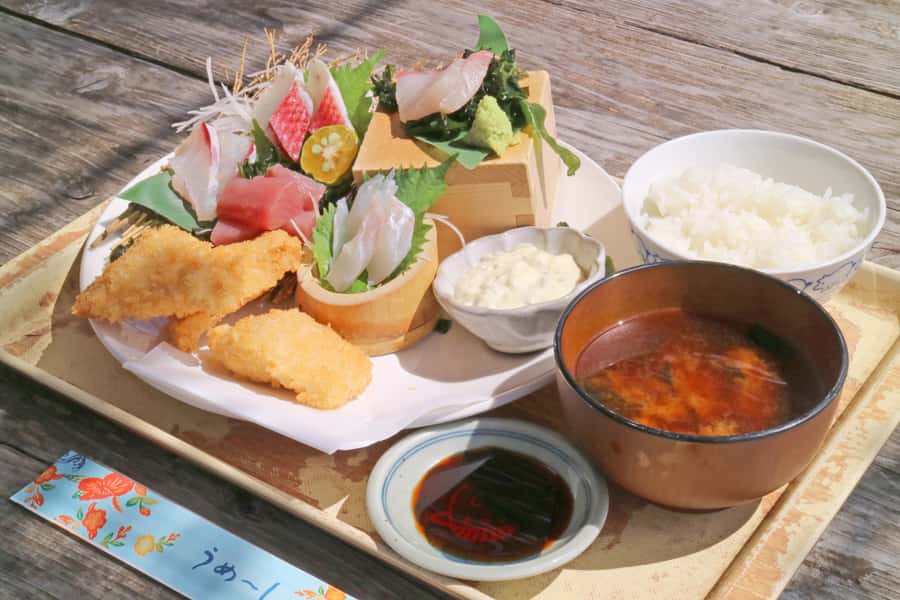
- Lunch included (age 3+): You’ll eat at Kunigami Minato Shokudo during the day
One day in Yanbaru: why this route works
If your Okinawa trip is short, the north can feel like an untouchable dream. Local buses exist, but they’re slower, less direct, and harder to line up with the exact places you want. This tour fixes that with a structured bus route that targets the best-known north highlights—then adds time where you’ll actually be outside looking around.
What I like about the pacing is that it mixes two kinds of sightseeing. First, you get classic viewpoint time at Cape Hedo, where the whole point is to see how far north Okinawa goes. Second, you get nature time in the Yanbaru region, including Daisekirinzan and an ecology/visitor-center-style stop that gives you context before you start scanning the forest.
The day isn’t just scenic drives. The stops are chosen for what you can learn and notice on foot: tropical plants, rock formations, and even the hope of seeing the Okinawa rail. That makes the tour feel more like guided exploration than sightseeing theater.
Pickup at 8:00, 8:10, or 8:20: pick the bus stop that saves you
This works best if you choose your boarding point wisely and arrive early. When you reserve, you select where you want to start from, and on the day of the tour the bus will only stop at the boarding locations chosen for your reservation.
Here are the listed pickup options:
- 8:00 AM Prefectural Square (in front of the Okinawa Prefectural Office)
- 8:10 AM in front of Tomariman (Tomari Takahashi bus stop)
- 8:20 AM T Galleria Okinawa by DFS (near Yofuku no Aoyama)
On the morning, wait at your selected location at least 10 minutes before departure. A bus labeled Jumbo Tours arrives, and you’ll show your voucher to join.
A small practical tip: if you’re staying near the places with the 8:10 or 8:20 pickups, it can reduce morning stress. With a long day ahead, fewer transfers in the first hour matters more than you think.
Yanbaru Forest Visitor Center / Dome Theater: start with the context
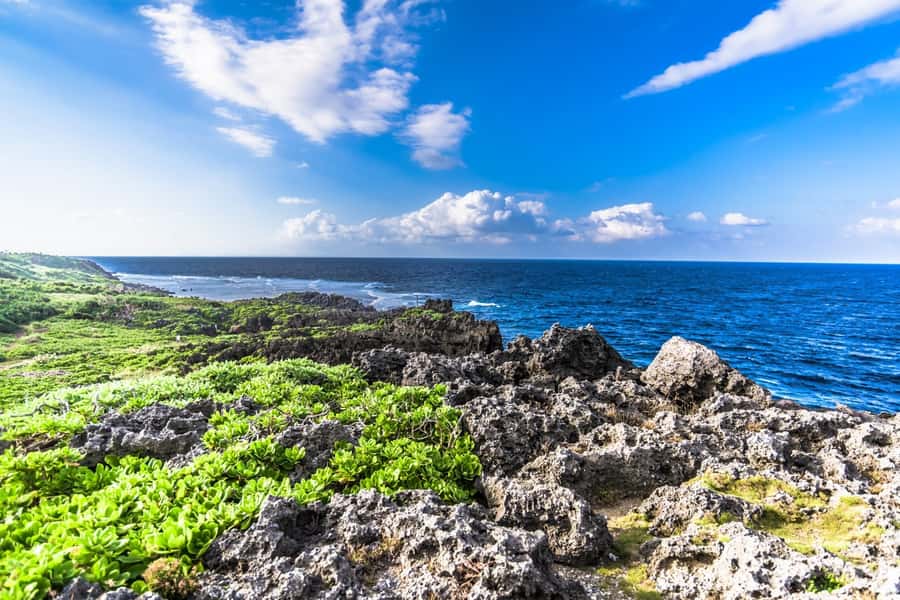
One of the smartest parts of this itinerary is that it doesn’t throw you straight into nature without orientation. You’ll go to the Yanbaru Forest Visitor Center / Dome Theater area, and entrance is included.
What that means for you: you’re more likely to notice what you’re seeing later. Instead of just hiking and taking photos, you get a baseline understanding of the Yanbaru environment before you’re asked to look closely for specific plants and species traits.
You also have a built-in information system. A multilingual automatic audio guide is included, and you’ll use earphones provided by the tour. So even if your timing is a little off or the group is moving quickly, you can still follow along with explanations at each stop.
If you’re the type who likes to understand what you’re looking at—rather than just look—you’ll appreciate this “arrive informed” approach.
Okinawa rail and ecology focus: your best chance to spot something special
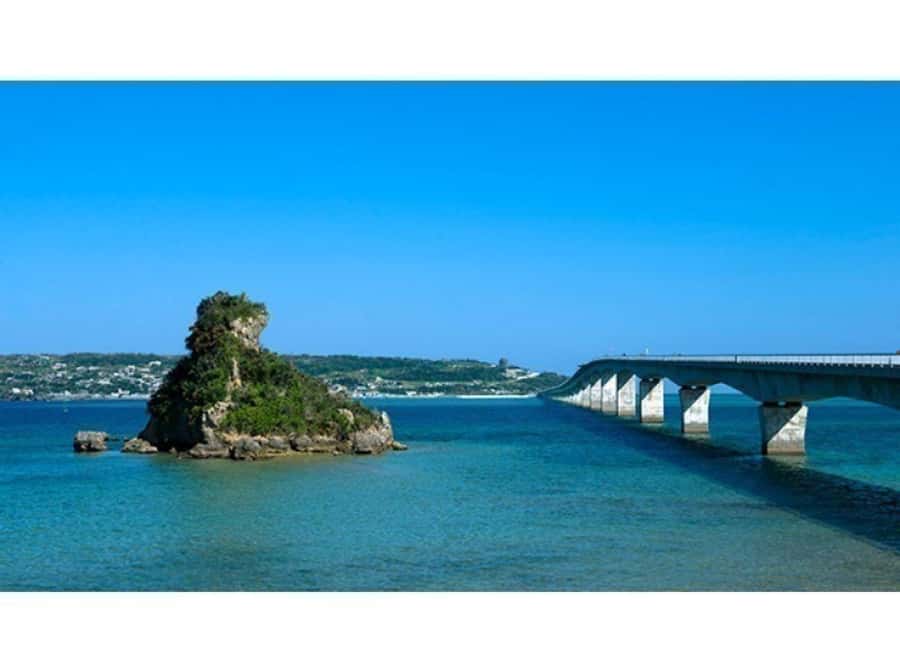
The tour includes an Okinawa Rail Ecology Center entrance fee, and that’s a big deal. The Okinawa rail is a nationally protected species, and the tour is designed around the possibility of seeing it, depending on conditions.
Here’s the reality check that helps: you’re not guaranteed a sighting. But the stop is valuable even if you don’t spot the bird, because the ecology focus turns your attention toward what matters—habitat, behavior, and the type of environment where the rail would be active.
I also like that this fits the day’s overall theme: Yanbaru isn’t just about views. It’s about noticing subtle life in a place that has a personality. When the group has a reason to slow down, people tend to pay attention. That’s when you start seeing details like plant structures and the way rocks sit in the environment.
If you’re hoping for a rail sighting, keep your expectations flexible, and don’t treat it like a tick-box. Quiet observation usually beats frantic searching.
Cape Hedo: northern-tip ocean views (with time to look)
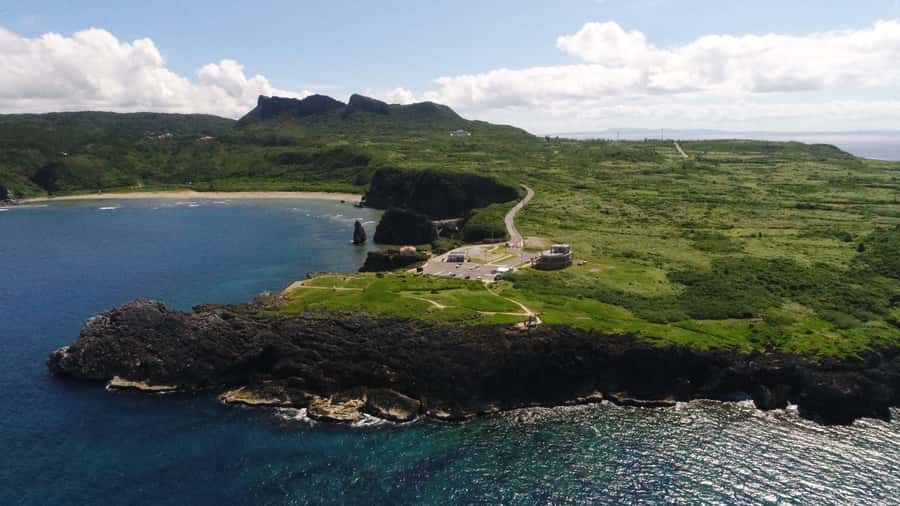
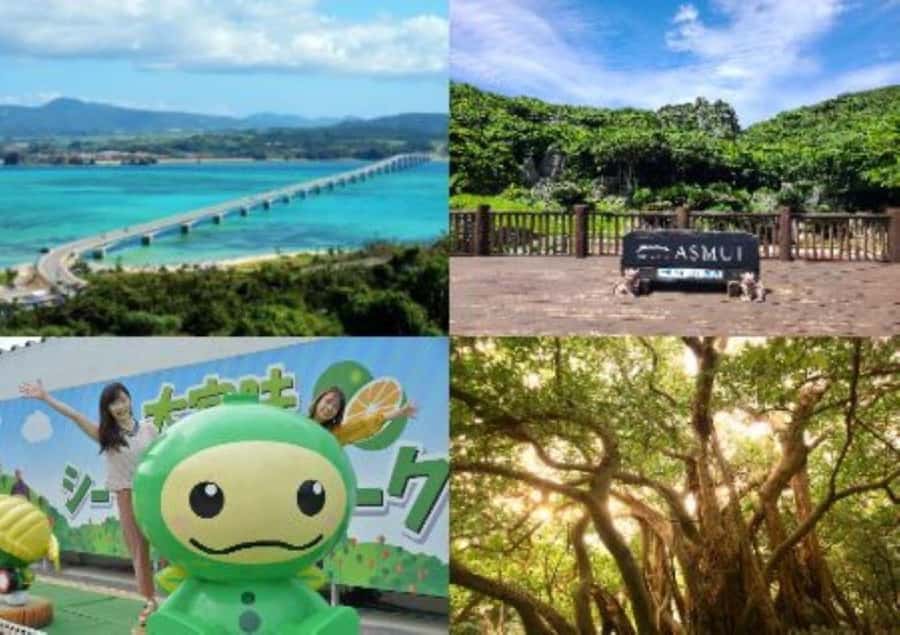
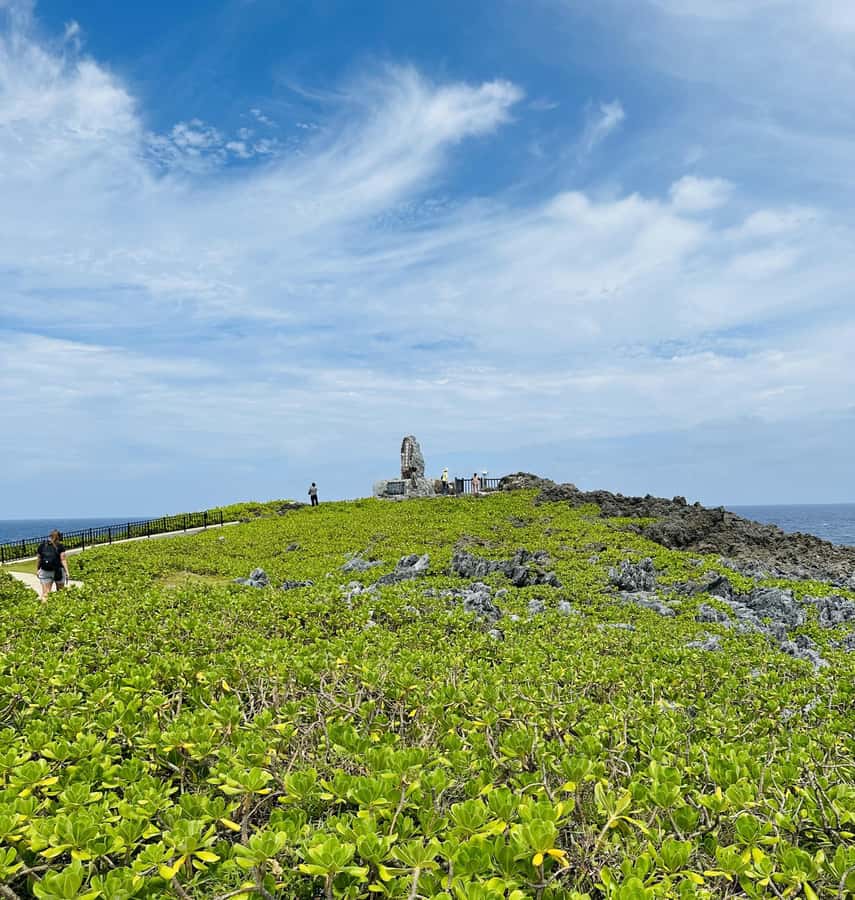
Cape Hedo is the northern tip of Okinawa, and the tour builds in sightseeing time plus a bus ride to get there.
You’ll spend about 30 minutes at Cape Hedo for sightseeing, which is long enough to:
- get to the observatory viewpoint area,
- take in the ocean view,
- and do the basic photo-versus-just-breathe decision.
Cape Hedo works because the payoff is immediate. The minute you see how the coastline bends and how the ocean stretches out, you understand why this is a go-to stop.
One practical consideration: with weather and road conditions, the order of stops might shift. That’s not a failure mode—it’s normal for this kind of full-day schedule. If clouds roll in, keep your eyes on the horizon openings. Okinawa weather can change quickly, and you’ll want to catch any clearer moments.
Daisekirinzan: a real hike stop, not just a quick photo stop
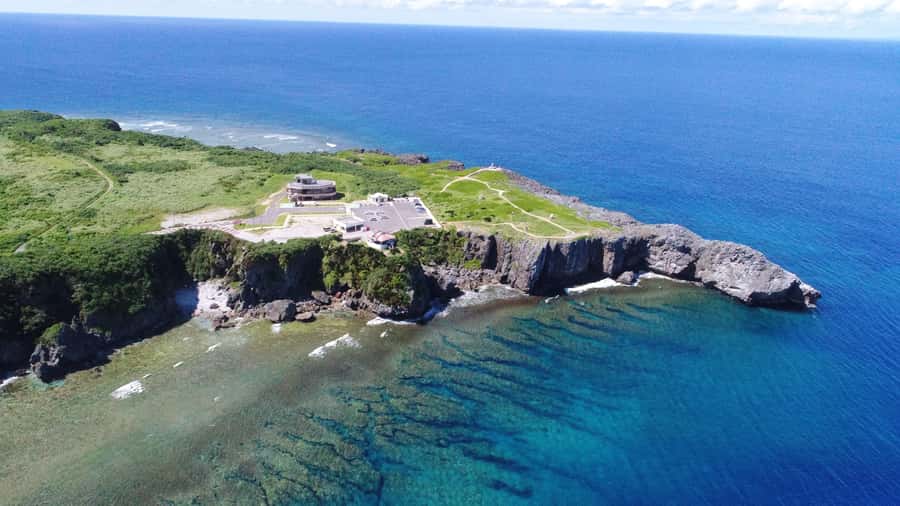
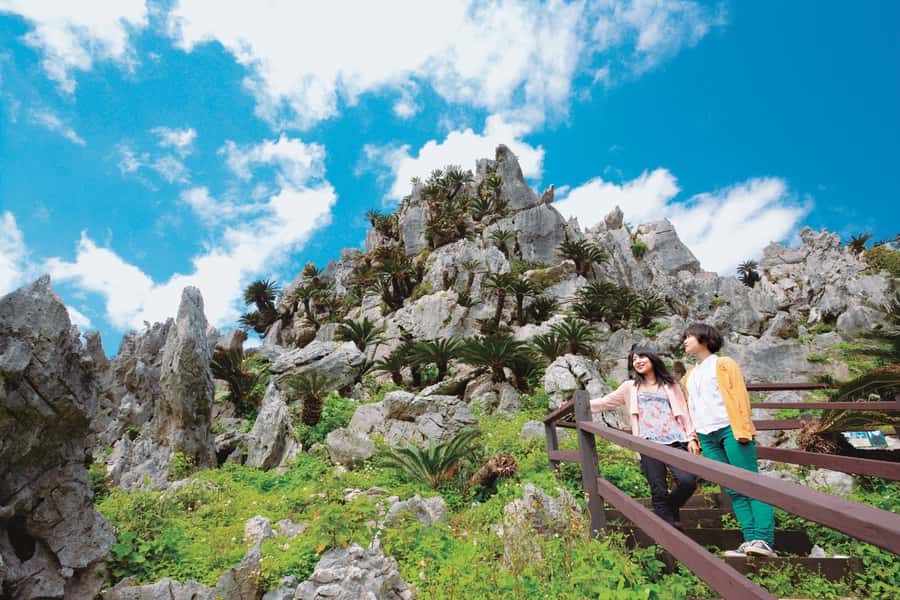
Daisekirinzan is where the day becomes active. You’ll have about 1 hour there, and it includes entry plus time for hiking and observation.
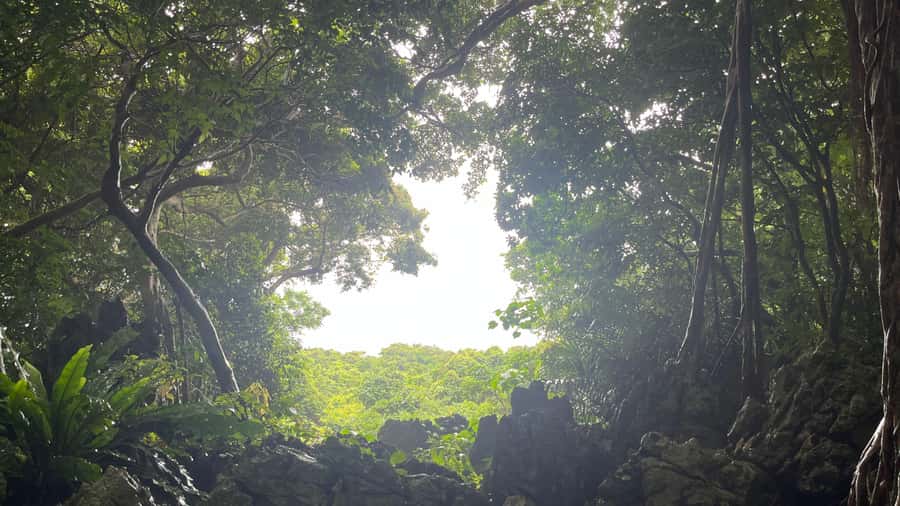
The tour highlights specifically call out tropical plants and rock views, and this is where you can slow down and actually look. A one-hour hike stop is the sweet spot for most people: enough time to feel like you did something, but not so long that you’ll be fighting exhaustion before lunch or the return ride.
What to bring mentally: you’re walking and standing, so plan for shoes with grip. Even if the weather is mild, nature trails can be uneven. Also, dress in layers. On a bus day, you’re constantly switching between indoor/exterior temperatures.
If you love plant-spotting or want to see how the Yanbaru environment feels up close, Daisekirinzan is the emotional center of the itinerary. Everything else supports that.
Kunigami Minato Shokudo lunch: included fuel during the big day
Lunch is included at Kunigami Minato Shokudo (for age 3 and over). The schedule gives you time to eat, and the day’s structure means you don’t have to hunt for food between scenic stops.
This is the kind of included meal that can make or break a bus day. You’re committing to a long day, so it helps if lunch is handled for you. And because the tour includes lunch as part of the package, you’re less likely to lose time searching for the right place.
One caution: the tour is weather- and traffic-dependent, so treat lunch as your steady anchor point, not something you can rearrange easily later. If you have dietary needs, check ahead with the operator details available during booking. The data here confirms lunch is included, but it doesn’t list menu options or dietary accommodations.
Live guide plus audio: how you keep the day from feeling repetitive
This tour is set up with two layers of interpretation:
- a live tour guide in English and Japanese, and
- a multilingual automatic audio guide, with earphones included.
That combination is practical. On a long bus day, groups can start to blur together. The audio guide helps you stay connected to each stop even if you’re not right next to the guide. Meanwhile, the live guide can answer questions and adjust the pace.
I also take comfort in the fact that earphones are included. No scrambling for compatibility or missing devices once you’re out in the park area.
One more small point: the itinerary includes an Okinawa-focused audio explanation for the day. That makes it easier to understand why the stops matter, which helps you remember the trip after you’re back home packing for the next stop.
Time, comfort, and the reality of an 11-hour bus day
The duration is listed as 11 hours, and the tour may run later depending on traffic and road conditions. The order of sightseeing spots can also change depending on weather and road conditions.
That means you should plan your day around the tour, not the other way around. If you have a dinner reservation or a flight immediately afterward, you’ll want buffer time.
Comfort-wise, the tour does note storage for large items like suitcases and baby strollers in the bus trunk. You’re responsible for valuables, so keep anything important on your person.
Also: this tour is not suitable for wheelchair users. If mobility needs are part of your travel plan, you’ll want to look for an alternative that matches access requirements.
Price and value: what $98 includes (and why it can be a bargain)
At about $98 per person, this tour can feel reasonable or slightly steep depending on how you planned to travel otherwise. The key is that the price bundles more than just transport.
Included in the package:
- Yanbaru Forest Visitor Center / Dome Theater entrance fee
- Daisekirinzan entrance fee
- Okinawa Rail Ecology Center entrance fee
- Multilingual automatic audio guide usage fee + earphone fee
- Lunch fee (age 3 and over)
- Round-trip sightseeing bus fare
- Tour conductor fee
- Consumption tax
- Gifts (local specialty products)
When you add up entrance fees, audio/earphones, round-trip bus travel, and lunch, the cost starts to look like it’s paying for logistics and admission in one place. If you were to self-drive, you’d still pay for entry and you’d need to manage the routing and timing yourself. On a full-day northern itinerary, that planning time can be the real expense.
Not included:
- personal expenses
- meals and drinks (beyond the included lunch)
- a separate tour guide service
One more way to judge value: this tour makes it easier to see hard-to-reach corners of northern Okinawa in a single day. If you’re car-free, that accessibility is the whole point.
Who should book this Yanbaru bus tour?
This one is best for you if:
- you want to see northern Okinawa highlights without renting a car,
- you like guided learning (audio guide + live English/Japanese guide),
- you’re comfortable with a long bus day and a short nature hike.
It might not be the best fit if:
- you hate rigid schedules or dislike long rides,
- you need accessibility accommodations for a wheelchair,
- you’re looking for lots of free time at one stop rather than a guided tour “highlights circuit.”
And if you’re a first-time Okinawa visitor, this itinerary gives you a clear north-south perspective in one shot: viewpoint geology at Cape Hedo, then forest ecology at Yanbaru-area stops.
Should you book? My decision guide
Book it if you want one organized day that covers the north’s top natural sights and you’d rather spend energy looking than figuring out transportation. The included entrances, the audio system, and the fact that lunch is handled make the day smoother than piecing it together on your own.
Skip or reconsider if you’re trying to keep your schedule light, you get easily worn down by long bus time, or you want deeper time in just one area instead of a route that mixes viewpoints and short hikes.
If you do book, go in with the right mindset: dress for walking, arrive at the correct pickup location, and treat the Okinawa rail as a hopeful bonus rather than the whole goal. Then you’ll get the best version of what this day is designed to deliver.
FAQ
How long is the Okinawa Full-Day Bus Tour to Yanbaru National Park?
The tour duration is listed as 11 hours. Starting times can vary, so check availability for the specific departure time options.
What is the price per person?
The price is $98 per person.
Where are the pickup locations, and what time are they?
You can choose a boarding location when you reserve. Listed options include 8:00 AM Prefectural Square (in front of the Okinawa Prefectural Office), 8:10 AM in front of Tomariman (Tomari Takahashi bus stop), and 8:20 AM T Galleria Okinawa by DFS (near Yofuku no Aoyama).
Do I need to choose my bus stop in advance?
Yes. You select your preferred boarding bus stop when making the reservation, and the bus stops only at the locations selected for your specific day.
What’s included in the tour price?
Included items are Yanbaru Forest Visitor Center / Dome Theater entrance fees, Daisekirinzan entrance fee, Okinawa Rail Ecology Center entrance fee, multilingual automatic audio guide usage fee with earphones, lunch fee for age 3 and over, round-trip bus fare, tour conductor fee, consumption tax, and gifts (local specialty products).
Is lunch included?
Yes. Lunch is included for age 3 and over at Kunigami Minato Shokudo.
Is the tour refundable if plans change?
The tour offers free cancellation up to 24 hours in advance for a full refund.