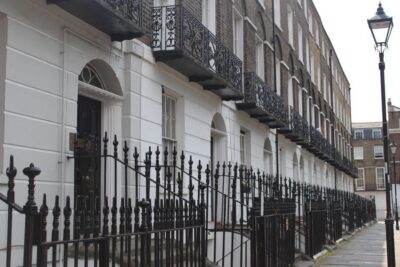
Buses, beaches, and wine towns in one ticket. This one-way hop-on hop-off ride is a practical way to cover the Garden Route from Cape Town toward Port Elizabeth while still choosing your pace and your stops. I like that you can get off, explore, and then jump back on later without feeling trapped by a tight schedule.
Two things I really like: the freedom to hop on and off as many times as you want in one direction, and the handy extras like an attached trailer if you’re bringing a bike or surfboard. One possible drawback to plan around is timing: pickup days can run later the farther along the route you go, so you’ll want some slack in your day.
In This Review
- Key things to know before you ride
- What this one-way hop-on hop-off feels like on the ground
- Price and value: $199 that buys flexibility, not just seats
- Cape Town start point: where the trip begins (and how to not miss it)
- How the hop-on hop-off system works in real life
- Stop 1: Cape Town then point your camera at everything
- Stop 2: Stellenbosch for wine country plus mountain air
- Stop 3: Hermanus, the whale watching hub
- Stop 4: Swellendam for history, scenery, and a family-friendly angle
- Stop 5: Mossel Bay and the Garden Route starting point feeling
- Stop 6: Oudtshoorn for Cango Caves and ostrich country
- Stop 7: Knysna for the lagoon, the cliffs, and a calmer coast vibe
- Stop 8: Plettenberg Bay for coastline escapes and wildlife time
- Stop 9: Jeffreys Bay for surfing culture and factory-shop browsing
- Stop 10: Port Elizabeth for beaches, eco nature, and family-friendly fun
- Comfort, safety, and the driver vibe (Brian, King Elvis, Mzi)
- The one catch: schedule shifts and later pickups as you go
- Who this one-way bus suits best
- Who should think twice before booking
- Should you book this one-way Baz Bus from Cape Town to Port Elizabeth?
- FAQ
- Is this bus ticket one-way from Cape Town to Port Elizabeth?
- Can I hop on and hop off multiple times?
- How much does the one-way ticket cost?
- Do I get pickup from my accommodation?
- What ticket format do I receive?
- Can I bring a bike or surfboard?
- What stops are included along the way?
- Is there a limit on how many people are on the bus?
- Can I change my itinerary?
- What is the cancellation policy?
Key things to know before you ride
- One-way flexibility: You’re traveling Cape Town to Port Elizabeth, but you control when you hop off and which stops you actually do.
- Mobile ticket plus hop log: You’ll use your phone for confirmation and keep your plans updated via the hop log.
- Pickup is selective: Accommodation pickup and drop-off are available for selected places, so check that your stop qualifies.
- Bike and surf friendly: A trailer is attached, so you can travel with gear without wrestling it onto the bus.
- Small group feel: There’s a maximum of 17 travelers, which usually keeps the vibe manageable at stops.
- Driver personality matters: People specifically mention drivers like Brian, King Elvis, and Mzi as helpful and patient.
What this one-way hop-on hop-off feels like on the ground
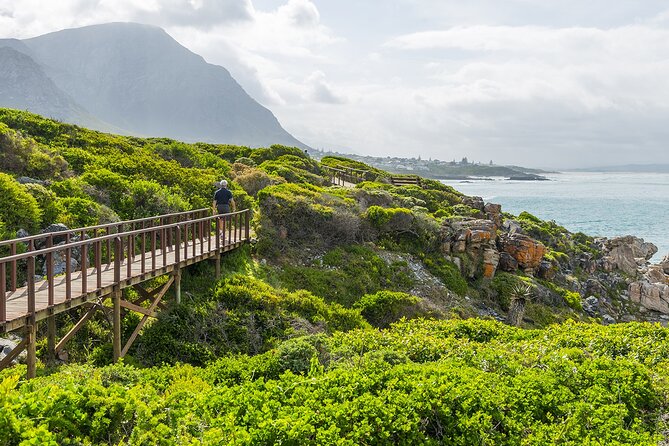
This is not a sightseeing bus that forces you to see everything in a single day. It’s closer to a route-based shuttle where the bus is your backbone, and your day is built around the stops you care about. You can treat it like a string of choices rather than a checklist.
In practice, that means you can build an itinerary that fits how you travel. Some days you might do a big attraction in Cape Town, then coast more slowly later. Other days you might move fast because you’re ready for the next town.
The best part is mental: you don’t have to stress about missing the bus and losing your whole plan. You’re going one direction, and you get multiple chances to rejoin the route.
Price and value: $199 that buys flexibility, not just seats
At $199 per person, this ticket is mainly paying for transport plus flexibility. You’re not just buying a ride from Cape Town to Port Elizabeth. You’re buying the option to stop for a while, return to the bus later, and adjust your plan without having to reinvent logistics.
You also avoid the hassle of arranging separate transfers between towns. That’s a big deal on the Garden Route, where moving between places can eat time and energy if you’re doing it yourself.
There’s also a value angle if you don’t want to rent a car. This route works well for solo travelers and small groups who prefer to keep things simple and safe-feeling.
Cape Town start point: where the trip begins (and how to not miss it)
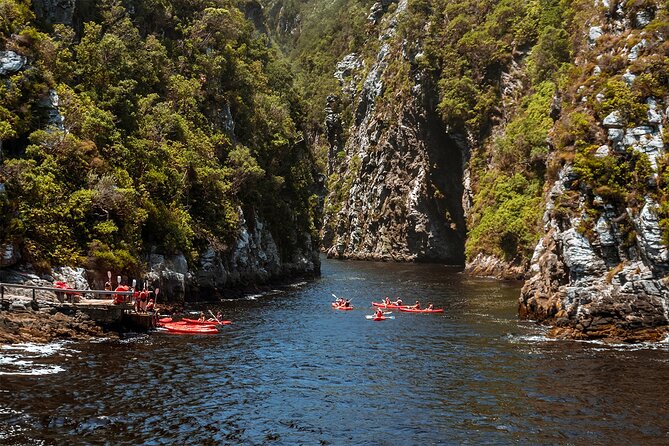
Your starting meeting point is 32 Burg St, Cape Town City Centre. The trip ends back at the meeting point, so you’re not dealing with a complicated drop-off scenario at the end.
You’ll want to be ready about 15 minutes before your pickup time. That small buffer matters because the route schedule can shift, and being late makes it harder for the driver to keep everyone coordinated.
With a mobile ticket, you’ll also want your phone charged and your confirmation ready. It’s the sort of thing that’s easy to fumble when you’re sightseeing, then easy to fix if you’re organized.
How the hop-on hop-off system works in real life
You’ll use your hop log to keep your itinerary updated. The idea is straightforward: choose where you want to get on and off, then adjust when your plans change.
There’s also an unlimited itinerary change feature, as long as you make changes up to 12 hours before departure. That’s great for a day that turns into something better than expected, like deciding you want one extra sunset hour instead of rushing out.
So if you’re thinking about building your days around weather, crowds, or your energy level, this system supports that style of travel.
One more practical note: your trip duration can range widely (listed as 1 to 365 days approx.). That means you can do it as a quick coast-hopper or stretch it out if you want more downtime between towns.
Stop 1: Cape Town then point your camera at everything

Cape Town is the launch pad for this whole direction. It’s South Africa’s second-largest city, and it covers both nature and history in one place. If you only do a small slice of Cape Town, you’ll still feel like you’ve entered a “big city with wild edges” world.
You’re set up to visit major hits like Table Mountain, Robben Island, and Kirstenbosch Botanical Gardens. Even if you don’t do all three, you can use Cape Town as your warm-up day: get oriented, eat well, then get moving.
What to do with your time: Plan Cape Town as either a one-day power session or a slower couple of days. The “power session” works because the top sights are famous for a reason. The slower approach works because Cape Town has a lot of smaller, less rushed moments.
Stop 2: Stellenbosch for wine country plus mountain air
Stellenbosch is close to Cape Town, and it feels like the town shrinks your pace on purpose. It’s known for being South Africa’s second-oldest town and for its wine routes, with Stellenbosch Wine Routes highlighted as the first wine route formed in the country and also the largest route.
It’s also a university town, which usually helps explain why it doesn’t feel like a museum town. You get wine-country character without everything being overly formal.
Two good ways to use this stop:
- If you like wine, plan around tastings and walks between viewpoints.
- If you’re not doing wine all day, use the mountains—Helderberg and Simonsberg—as your scenic focus.
Stop 3: Hermanus, the whale watching hub
Hermanus is one of those places where nature becomes the main event. It’s called the whale watching capital of the world, and whale season is listed as starting around June and ending in early December.
So timing matters here. If you’re traveling in the whale season window, you can structure your day around spotting activity. If you’re outside that window, the town still has plenty going on, but it shifts toward the scenery and coastal vibe.
This stop also helps break up the “city-to-coast” rhythm. You’re not just moving towns. You’re changing your mood.
Stop 4: Swellendam for history, scenery, and a family-friendly angle
Swellendam is noted as one of South Africa’s oldest towns, with history and scenery as the main draw. It’s a solid stop if you like towns that feel grounded rather than purely tour-focused.
The info also points to practical fun like wine tasting and a fairy sanctuary for kids, which gives you another way to enjoy Swellendam even if you’re not chasing one big landmark.
How I’d use it: Treat Swellendam as a reset stop. Do a relaxed walk, take photos, maybe add a tasting, then let the next part of the Garden Route feel like a fresh chapter.
Stop 5: Mossel Bay and the Garden Route starting point feeling
After Swellendam, the route reaches the area described as the start of South Africa’s Garden Route. Mossel Bay is a coastal town known for beaches and natural beauty, plus a mix of adventure, culture, and modern infrastructure.
The timeline detail here is interesting: it’s described as having culture stretching back 164,000 years. That’s the kind of fact that turns a simple beach day into something more meaningful, even if you’re only spending a few hours in town.
If you’re planning activities, this is a good place to do something active before heading inland again. Coastal towns make it easy to get your energy back.
Stop 6: Oudtshoorn for Cango Caves and ostrich country
Oudtshoorn is famous for two very different reasons: Cango Caves and being the Ostrich Capital of the world. The combination is what makes this stop work. You can do caves for a dramatic change of setting, then switch to animals and outdoor activities.
There’s also plenty of variety built in: ostrich experiences, hiking, and waterfalls are all mentioned as options.
What to consider: If you’re the kind of traveler who hates feeling rushed, consider setting expectations that you’ll do fewer stops but spend more time on the ones that match your interests. Oudtshoorn can eat half a day fast if you’re doing multiple activities.
Stop 7: Knysna for the lagoon, the cliffs, and a calmer coast vibe
Knysna is described as the heart of the Cape Wildflower floral kingdom. It’s set between forests and a lagoon, with a peaceful feel compared to some of the more surf-centered stops.
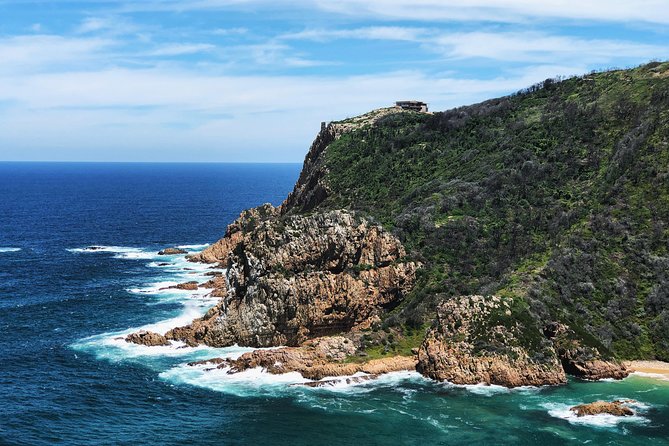
The standout feature here is the coastal geography: two sandstone cliffs guarding the mouth of the lagoon. There’s also a lookout on the eastern head with views of the lagoon, Leisure Isle, and Knysna.
This stop is great if you like scenery that you can enjoy without buying a ticket to something every hour. It’s also a nice change from towns where the main activity is something singular.
Stop 8: Plettenberg Bay for coastline escapes and wildlife time
Plettenberg Bay is pitched as a slice of the Cape Peninsula set along a quieter bit of coastline. It’s described as having upmarket restaurants, wildlife and activities, and a small island you can explore.
This is a good stop if you want a “treat yourself” day without losing the outdoors. It’s one of those places where you can mix a walk with downtime and still feel like you used your day well.
Stop 9: Jeffreys Bay for surfing culture and factory-shop browsing
Jeffreys Bay is known for surfing culture and a relaxed atmosphere. If you like the energy of places built around a sport, this is your stop.
The info also calls out practical fun: shopping at local factory shops and activities like legendary parties and meeting friendly people. If you’re traveling in a group mood, this can be a high-energy day.
Tip for your planning: If you’re not into surfing, you can still use Jeffreys Bay for beach time and the social vibe. Just don’t plan it as if it’s a quiet nature town.
Stop 10: Port Elizabeth for beaches, eco nature, and family-friendly fun
Port Elizabeth (often called Gqeberha today, but the stop name is Port Elizabeth in this route) is described as South Africa’s friendly city. It’s positioned as family-fun and focused on eco attractions, wildlife, cultural experiences, and scenic nature trails.
It’s also tied to a huge coastline number: over 40 km of beaches and coastline. So even if you’re not booking formal activities, you can still fill time with walking, relaxing, and coastal scenery.
This is a good final stop because it feels like a “settle in” destination after a string of different towns and textures.
Comfort, safety, and the driver vibe (Brian, King Elvis, Mzi)
The rides are described as comfortable and safe-feeling, and the drivers are repeatedly singled out for being friendly and helpful. People even name specific drivers: Brian, King Elvis, and Mzi.
That matters because with hop-on hop-off travel, the driver becomes your point of order when plans change. A patient driver also helps when you’re tired, juggling connections, or trying to figure out how long you should spend at a stop.
There’s also mention of breaks during the trip for grabbing food or using the restroom. That’s not a small detail on long travel days.
With a max of 17 travelers, the group size stays reasonable. You’re not stuck in a giant crowd feeling rushed at every stop.
The one catch: schedule shifts and later pickups as you go
One of the more practical cautions is about timing. There’s feedback that pickups can get later and later the farther you go up the route. An example given is that Cape Town might be earlier, while places like Mossel Bay can run later in the day, and later legs can be as late as evening.
So your planning rule is simple: don’t schedule tight appointments right around pickup windows. Build buffer time. If your plan depends on arriving somewhere by a hard deadline, this style of hop-on travel might stress you out.
On the positive side, other comments point to the bus being on time or even early. So think of this as a “plan for flexibility” situation, not a guarantee that every day runs like clockwork.
Who this one-way bus suits best
This is a strong match if you want:
- A car-free way to move between towns along the Garden Route
- Flexibility to spend more time where you like it and less where you don’t
- A simple route structure that works well for solo travel
- Gear transport help for bikes or surfboards
It also works well if your travel style is “let the day decide.” You’ll have room to adjust, as long as you keep an eye on the hop log and change windows.
Who should think twice before booking
Consider a different approach if:
- You need a strictly fixed schedule with minimal waiting
- You hate late-day pickup surprises
- You want a guided commentary for every town rather than choosing your own stops and pace
The hop-on hop-off method is best when you’re okay making the day yours.
Should you book this one-way Baz Bus from Cape Town to Port Elizabeth?
If your priority is flexible travel with a simple route, this one-way ticket makes a lot of sense. You get a structured way to reach Port Elizabeth while still building your own Garden Route rhythm through places like Stellenbosch, Hermanus, Oudtshoorn, Knysna, Plettenberg Bay, Jeffreys Bay, and the final stretch into Port Elizabeth.
My advice: book it if you want freedom, not micromanagement. Just plan your days with buffer time for later pickups, and you’ll feel like you’re traveling with a safety net, not on a tight leash.
FAQ
Is this bus ticket one-way from Cape Town to Port Elizabeth?
Yes. It’s a one-way hop-on hop-off bus experience traveling from Cape Town toward Port Elizabeth.
Can I hop on and hop off multiple times?
Yes. It’s set up so you can hop on and hop off as many times as you like in one direction.
How much does the one-way ticket cost?
The price is $199.00 per person.
Do I get pickup from my accommodation?
Accommodation pickup and drop-off are included for selected establishments only.
What ticket format do I receive?
You’ll receive a mobile ticket and you’ll get confirmation at the time of booking.
Can I bring a bike or surfboard?
Yes. There’s a trailer attached so you can bring along your bike, surfboard, or similar gear.
What stops are included along the way?
Stops listed include Cape Town, Stellenbosch, Hermanus, Swellendam, Mossel Bay, Oudtshoorn, Knysna, Plettenberg Bay, Jeffreys Bay, and Port Elizabeth.
Is there a limit on how many people are on the bus?
Yes. The maximum group size is 17 travelers.
Can I change my itinerary?
Yes. There’s unlimited itinerary change up to 12 hours before departure, and you should keep your itinerary updated using the hop log.
What is the cancellation policy?
You can cancel for a full refund if you cancel at least 24 hours in advance. If you cancel less than 24 hours before the start time, it’s not refunded.