Kobe feels calm and cinematic in one day. This tour strings together Akashi Kaikyo Bridge waterfront views, then slows down in Sorakuen Garden for a proper reset, with the city’s neighborhoods stepping in and out like chapters. It also gives you a smart mix of sea air, port energy, Chinatown bite stops, and that hillside “old-meets-new” charm around Kitano.
The main thing to watch is the pacing and time. The day runs about 510–570 minutes, so it’s not a sleepy stroll with long breaks, and meals aren’t included, meaning you’ll want to plan snacks and lunch (especially in Nankinmachi).
In This Review
- Key points worth your attention
- Why this Kobe bus route makes sense (and saves your brain)
- Maiko Park: bridge views and the glass-floor walkway option
- Kobe Harborland and Meriken Park: port life with modern art energy
- Nankinmachi Square (Chinatown): quick bites and easy browsing
- Sorakuen Garden: the calm, guided reset you’ll appreciate later
- Kitano Ijinkan-gai: Meiji-era villas and hillside neighborhood charm
- Time, pace, and comfort: what the 510–570 minutes really means
- Price and value: is $82 worth it for this mix?
- Drop-off locations and how to plan your end of day
- Should you book this Kobe city bus tour?
- FAQ
- How long is the Kobe City Bus Tour?
- Is hotel pickup and drop-off available from Osaka?
- What are the main stops on the tour?
- Is Sorakuen Garden entry included?
- Are meals included in the price?
- What’s included on the bus?
- What languages are available for the live guide?
- Is there free cancellation?
Key points worth your attention
- Akashi Kaikyo Bridge viewpoint plus Maiko Marine Promenade options for dramatic sea-and-bridge angles
- Kobe Harborland bayfront time (with port sights like Kobe Port Tower nearby) and easy wandering space
- Nankinmachi Square Chinatown hour that works well for quick bites and shopping without stress
- Sorakuen Garden guided visit to help you notice the details in a relatively short time
- Kitano Ijinkan-gai hillside lanes with preserved Western-style houses from the Meiji and Taisho eras
- English, Japanese, or Korean live guide plus AC coach, onboard Wi-Fi, and bottled water
Why this Kobe bus route makes sense (and saves your brain)
Kobe can look like a “pick one area” kind of city. This tour does the opposite. It threads together the coast, the port, Chinatown, a garden pause, and the Kitano hillside in a single day with a guide to keep the logistics painless.
What I like about that approach is how it matches what you actually want on a first visit: great views without DIY route planning, cultural stops that feel intentional, and neighborhood time where you can go at your own speed.
You also get the small-but-important comfort stuff: an air-conditioned coach, onboard Wi-Fi, and bottled water. On a long day, those perks matter more than you think.
One more plus: the guide experience. In the past, names like Candy Lui, Elisa, and YiYi have been mentioned for being friendly and practical—explaining what you’re looking at and sharing tips for what to do next. If you prefer a day where you’re not constantly wondering what matters, that’s a big reason this tour scores so well.
Maiko Park: bridge views and the glass-floor walkway option
The day starts with travel time, then you arrive at Hyogo Prefectural Maiko Park for about an hour of sightseeing. From here, the big draw is the coastline view toward the Akashi Kaikyo Bridge—the famous long suspension bridge that you’ll keep seeing in photos, but here you get the real scale and sea context.
Two things you can do at Maiko Park, depending on your energy:
1) Waterfront strolling
Take the easy route along the shoreline. Even without any “must-see” stops, the sea breeze and the angle over the water make it feel like Kobe’s story starts with the harbor. It’s a nice moment to orient yourself before you switch from nature views to city energy later.
2) Maiko Marine Promenade
You might also check out the glass-floored walkway under the bridge area. It’s the kind of experience that turns a normal photo moment into a “wait, that’s cool” moment because you’re looking down and seeing the sea perspective change fast. If you’re okay with heights and want a small thrill, this is worth your attention.
Practical tip: this is your “best light” zone for a reason. If you care about photos, put your phone away for a minute, breathe, then take photos when you feel ready—not when you’re rushing. One quiet minute here sets the tone for the whole day.
Kobe Harborland and Meriken Park: port life with modern art energy
Next you head to Kobe Harborland, with about 2 hours 10 minutes (2.17 hours) of free time for sightseeing and wandering. This is where the tour shifts from scenic to city.
Kobe Harborland is a bayfront entertainment district, meaning you’ll find shopping, cafes, and restaurants along the promenade. But the real reason to come is the view corridor: open water, port structures, and the feeling that you’re close to the working heart of the city.
This area is also linked with Meriken Park and modern art installations in the port zone. Even if you don’t do a deep museum-style visit, just seeing modern installations placed out by the water gives Kobe a different personality than many Japanese cities.
What I’d do with your free time:
- Walk the waterfront first, then decide if you want a second loop for photos.
- Look for port landmarks and skyline angles rather than only shopping.
- Keep your schedule relaxed enough that you can stop for a drink or snack if you see a good one.
Potential drawback: because Harborland has a lot of options, your biggest risk is drifting and losing time. The tour gives you a healthy window, but it’s still a tight day. Set a mental checkpoint for heading back to the bus after your walk.
Nankinmachi Square (Chinatown): quick bites and easy browsing
In the early afternoon you’ll visit Nankinmachi Square for about 1 hour, the heart of Kobe’s Chinatown. This is compact and lively in a way that works well on a tour: you get enough time to sample, browse, and feel the neighborhood without it turning into a long, exhausting detour.
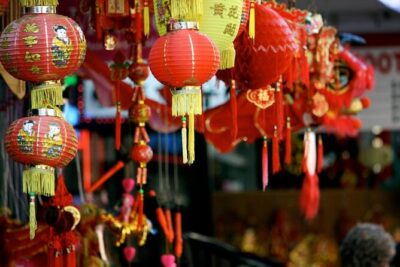
What you can expect here is the sensory mix—shopfronts, food stalls, and a dense concentration of Chinese cuisine and culture. It’s a great place for quick snacks even if you’re saving your full meal for later.
My practical advice:
- Go with a plan for one main snack and one smaller bite.
- Don’t overcommit on quantity. If you leave with your energy still intact, you’ll enjoy the garden and Kitano more.
- If you’re traveling with others who want different flavors, this is where the group can split briefly and meet back near the main square area.
Also, remember: meals aren’t included on this tour. Chinatown is a convenient place to solve that problem, and the time window is just right for grab-and-go style eating.
Sorakuen Garden: the calm, guided reset you’ll appreciate later
After Chinatown, the day slows down at Sorakuen Garden. You get a guided visit of about 45 minutes. This is the kind of stop that makes the itinerary feel thoughtful instead of just “drive-and-see.”
Sorakuen is a traditional style strolling garden, with pond views and historic elements that reward a slower pace. The guide matters here. In 45 minutes, you can either see a lot of greenery and water—or you can actually understand what you’re looking at: how the garden design directs your sight lines, why certain structures feel placed rather than random, and how the seasonal mood is meant to land.
What I love about finishing here (instead of earlier) is timing. By the time you reach the garden, your feet have learned what the city costs in walking time. The garden becomes your pressure release valve.
Possible consideration: 45 minutes is short, so if you’re the type who wants long, lingering photo sessions, prioritize the pond viewpoints and main paths first. You can always take a few extra photos, but don’t miss the guided cues—those are what make the visit feel more than just pretty.
Kitano Ijinkan-gai: Meiji-era villas and hillside neighborhood charm
To close out the day, you head to Kitano Ijinkan-gai, with about 70 minutes of sightseeing. This is a hillside district tied to the Rokko mountains area, known for preserved Western-style houses built in the Meiji and Taisho periods.
Even if you don’t go inside every residence (entry details for specific houses aren’t listed here), the neighborhood layout works as an attraction. The streets, architecture, and views make the district feel like it has its own pace.
Why this stop works well after Sorakuen:
- Sorakuen gives you a refined, quiet atmosphere.
- Kitano switches to architecture and streetscape character.
- Together, they create contrast that makes the day feel like a real journey, not just a checklist.
How to enjoy your 70 minutes:
- Take a short “orientation walk” first to get the direction of the lanes and where viewpoints open up.
- Spend more time where the houses and street angles give you the most architectural variety.
- If you’re with someone who loves photos, agree early on how many minutes you’ll give each cluster of streets.
Time, pace, and comfort: what the 510–570 minutes really means
The tour is listed at 510–570 minutes, which is roughly a full day. The itinerary includes travel segments between stops—plus sightseeing windows that range from 45 minutes at Sorakuen to 2+ hours at Harborland.
Here’s what that pacing means for you:
- You’ll get enough time to enjoy each area.
- But you’ll want to travel light and stay ready to move.
- You should plan your water and snack rhythm early, because the longer you wait, the harder it becomes to snack comfortably later.
Comfort details you’ll actually feel:
- Air-conditioned vehicle
- Free Wi-Fi onboard
- Bottled water
These don’t sound dramatic, but on a day with multiple short stops and several transfers, they reduce the “getting tired” tax.
Price and value: is $82 worth it for this mix?
At $82 per person, you’re paying for a guided, all-transport day plus at least one paid entry: Sorakuen Garden admission is included. You’re also getting the coach, onboard comforts, and a live guide.
The “value math” for this kind of tour usually comes down to three questions:
1) Would I want to route and coordinate all of these places on my own?
Maiko Park, Harborland/Meriken, Chinatown, Sorakuen, and Kitano are not impossible, but doing them in a single day with smooth timing is where guided tours shine.
2) Would I pay for Sorakuen Garden anyway?
The entry ticket is included, and Sorakuen is one of the stops where a guide can make your time feel more meaningful.
3) Would I benefit from a guide in the right moments?
Kitano architecture and garden design are the kinds of experiences that become more enjoyable with someone pointing out what to notice.
The main cost you should account for beyond the tour price is food: meals aren’t included, and you’ll likely snack in Nankinmachi. Personal shopping is also on you. Still, the structure and transportation coverage make the total day feel efficient.
Drop-off locations and how to plan your end of day
At the end, you’ll have four drop-off locations, including Nipponbashi station exit 2, Umeda, and a FamilyMart Sennichimae 1-chome store area, plus Nipponbashi again. So you’re not stuck with a single far-away endpoint.
Before you go, I suggest you:
- Choose an accommodation location that matches one of those drop-off zones.
- Have a simple “get back home” plan ready, especially if you’re using trains.
Also, meeting point can vary depending on what option you booked. If you’re not sure which pickup/drop-off area aligns with your lodging, confirm before you head out.
Should you book this Kobe city bus tour?
Book it if you want a guided day that hits Kobe’s best “mood swings”: sea views at Maiko, port promenades in Harborland, Chinatown bites in Nankinmachi, a quiet garden reset at Sorakuen, and hillside architecture in Kitano.
Skip (or consider alternatives) if you’re the type who wants unhurried time in fewer places. This is a full day with movement and multiple transitions. It’s also not a food tour, since meals aren’t included, so you’ll need to handle lunch and snacks yourself.
One more reason I’d lean toward booking: the guide quality signals are strong. Names like Candy Lui, Elisa, and YiYi have been associated with friendliness, clear explanations, and being attentive—exactly what you want when your day is packed but you still want it to feel organized rather than rushed.
If you’re doing Osaka and want a real Kobe day that still feels manageable, this is a solid choice.
FAQ
How long is the Kobe City Bus Tour?
The duration is listed as 510 to 570 minutes.
Is hotel pickup and drop-off available from Osaka?
Hotel pick-up and drop-off in Osaka is available if you select the option. Pickup is optional if you’re staying in a central area of Osaka City or Kobe City.
What are the main stops on the tour?
The tour visits Maiko Park, Kobe Harborland, Nankinmachi Square, Sorakuen Garden, and Kitano Ijinkan-gai.
Is Sorakuen Garden entry included?
Yes. Sorakuen Garden entry ticket is included.
Are meals included in the price?
No. Meals are not included, so you’ll want to budget for lunch and snacks.
What’s included on the bus?
You get an air-conditioned vehicle, free Wi-Fi onboard, and bottled water.
What languages are available for the live guide?
The live tour guide is available in English, Japanese, and Korean.
Is there free cancellation?
Yes. You can cancel up to 24 hours in advance for a full refund.