One day can feel like two different worlds. You’ll start with Hiroshima’s Atomic Bomb Dome and peace memory, then end with Miyajima’s calm shoreline and shrine atmosphere.
I love how the tour handles the heavy logistics for you: round-trip shinkansen, a guided Hiroshima loop by bus, and the short ferry hop to Miyajima. I also love the food payoff in the middle: Hiroshima-style okonomiyaki served with pork, cabbage, bean sprouts, and noodles (with set dietary options).
One possible drawback is the schedule intensity. This is a long day with lots of walking, and the Hiroshima Peace sites plus Miyajima time are intentionally compressed, so you may want to return to Hiroshima later if you crave more hours at the museum or dome area.
In This Review
- Key highlights to clock in before you book
- Hiroshima Peace Memorial Park to Atomic Bomb Dome: where the day gets real
- The Peace Museum hour: how to make the most of limited time
- Hiroshima-style okonomiyaki lunch: a satisfying break in the middle
- Hiroshima to Miyajima by ferry: changing pace on the water
- Itsukushima Shrine and the hour of sightseeing: what to focus on
- Miyajima free time: shopping streets, deer moments, and a smart plan
- Timing and walking: how to survive the 12-hour rhythm
- Price and value: is $277 worth it for what you get?
- Your guide impact: names that show the tone of the experience
- Should you book this Hiroshima and Miyajima bus tour?
- FAQ
- Where do I start, and are there different meeting points?
- How long is the tour?
- What transportation is included?
- Do I need to buy tickets for Itsukushima Shrine and the Peace Memorial Museum?
- What’s included for lunch, and can I choose a pork-free option?
- Are earphone guides provided, and what happens if I lose them?
Key highlights to clock in before you book
- Shinkansen included: you get the fast rail connection without sorting tickets and timing
- Atomic Bomb Dome + Peace Museum: sobering sights that reset how you understand the 20th century
- Ferry to Miyajima: a quick sea glide that breaks up the day and sets a different mood
- Itsukushima Shrine entry: you don’t just pass by, you get the official experience at the site
- Okonomiyaki lunch: a classic Hiroshima plate with clear pork/no-pork options you can request ahead of time
Hiroshima Peace Memorial Park to Atomic Bomb Dome: where the day gets real
The day trip starts by getting you to Hiroshima efficiently. You’ll ride the shinkansen bullet train from either Osaka (Shin-Osaka Station) or Kyoto (Kyoto Station), then connect to a tour bus in Hiroshima. Once everyone regroups, the tour’s first major stop is the Hiroshima Peace Memorial Park area, because it sets the tone fast.
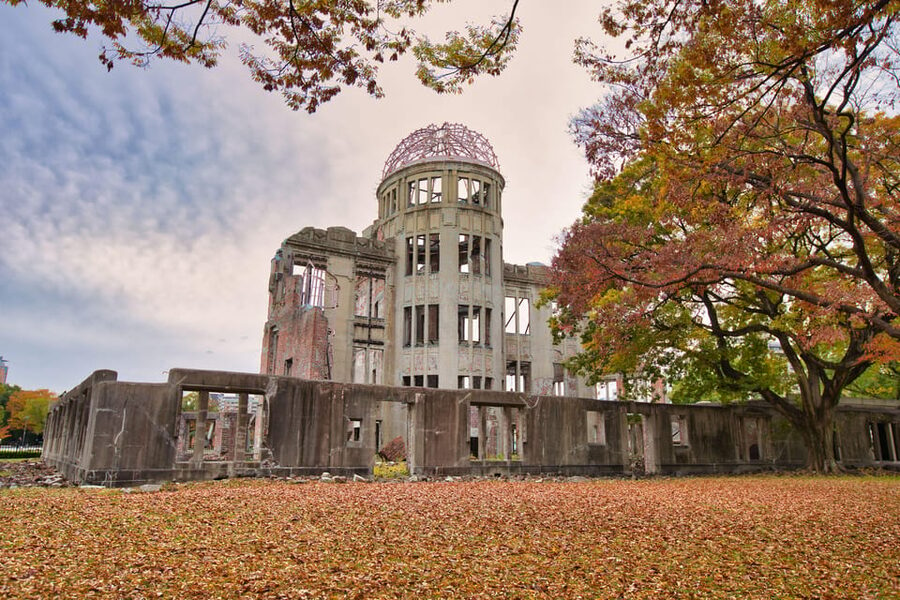
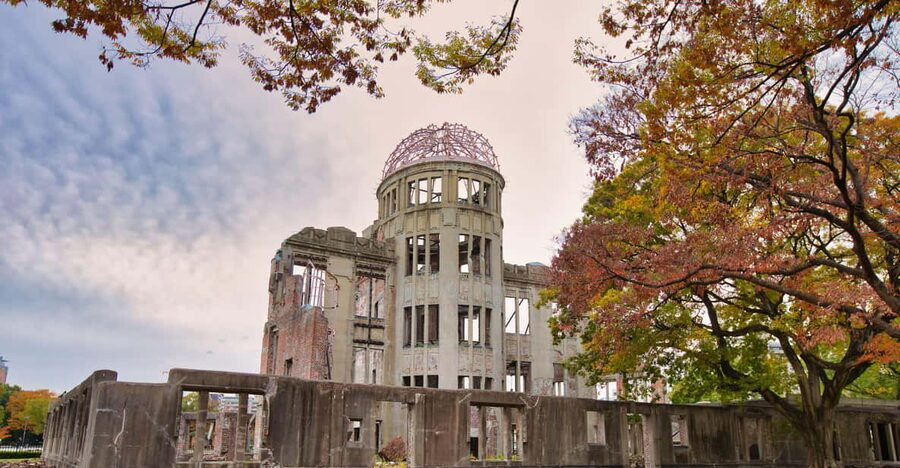
You’ll visit the Atomic Bomb Dome at the Peace Memorial Park. The tour focuses on what you can see in front of you: the derelict building and the way the blast left visible marks. Even if you already know the basic story, seeing the dome’s blown-out look in person tends to hit differently. It’s not just history on a plaque. It’s the physical shockwave of an event that changed lives, families, and global politics.
Right after the dome, you’ll head to the Hiroshima Peace Memorial Museum for about an hour. This is where the trip becomes emotionally heavy but also structured. Plan on the museum being busy, because it’s one of those places people save space in their day for. If you’re the kind of person who wants to read every panel carefully, you might feel the time limit. Still, one hour here can be a strong, guided introduction that helps you place what you just saw in context.
A practical note: the tour includes a fallback if the Peace Memorial Museum is closed. On those specific dates, you’ll instead visit the Hiroshima National Peace Memorial Hall for the Atomic Bomb Victims. The timing matters because you want your day to keep moving, and the tour design does that.
The Peace Museum hour: how to make the most of limited time
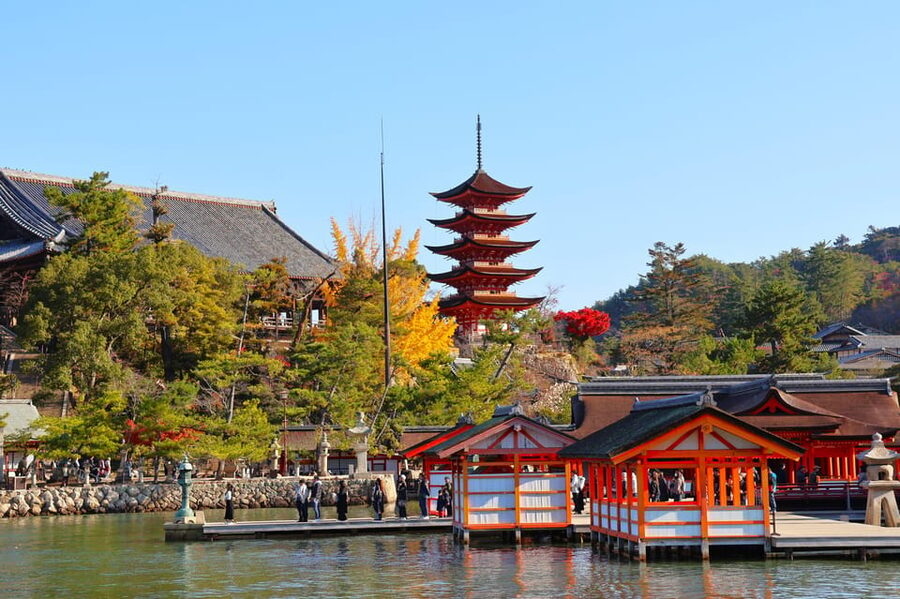
One hour in a museum like this can feel short. That’s not a criticism of the guide; it’s the reality of a site that tries to cover a lot of ground. What helps is how the tour frames your attention. You’ll have a guide walking you through key ideas, so you aren’t wandering and hoping you’re seeing the important pieces.
Here’s how I’d use your mental energy if you book: in the museum, don’t try to absorb everything. Pick a few sections that match what you want to understand most right now. You can then let the guide’s explanations connect those areas to broader themes. If you read everything, you risk burnout and you miss the emotional intent.
Also, keep your phone habits realistic. The tour involves walking and group flow, so you’ll get more out of the experience if you treat your camera as optional rather than mandatory.
Hiroshima-style okonomiyaki lunch: a satisfying break in the middle
After the Peace sites, the tour shifts gears to lunch: Hiroshima-style okonomiyaki. This is included, and it’s not a vague meal stop. The menu is set with typical toppings listed as pork, cabbage, bean sprouts, fish powder, noodles, and eggs.
If you have dietary needs, this tour gives you structured choices ahead of time:
- regular option with pork and eggs,
- no pork with eggs,
- no pork, no fish powder, no eggs.
You have to inform the provider in advance when you book, and they note they can’t change the menu on the day. That’s actually good news for food planning: it means you’re less likely to end up stuck waiting while staff figures out substitutions mid-service.
What makes lunch feel like part of the culture here is that okonomiyaki is a social, local rhythm. You’re eating something specific to Hiroshima, not just any Japanese set meal. It also works as a decompression moment. After the museum and dome, a hot plate of something savory helps your brain reset enough to enjoy Miyajima later.
Hiroshima to Miyajima by ferry: changing pace on the water
The mid-afternoon jump from Hiroshima city to Miyajima island is handled with bus time plus a short ferry ride. The ferry portion is quick, but it matters because it changes the sensory mood. You’re moving from an urban, memorial-focused setting into a place known for scenery and slower temple-town vibes.
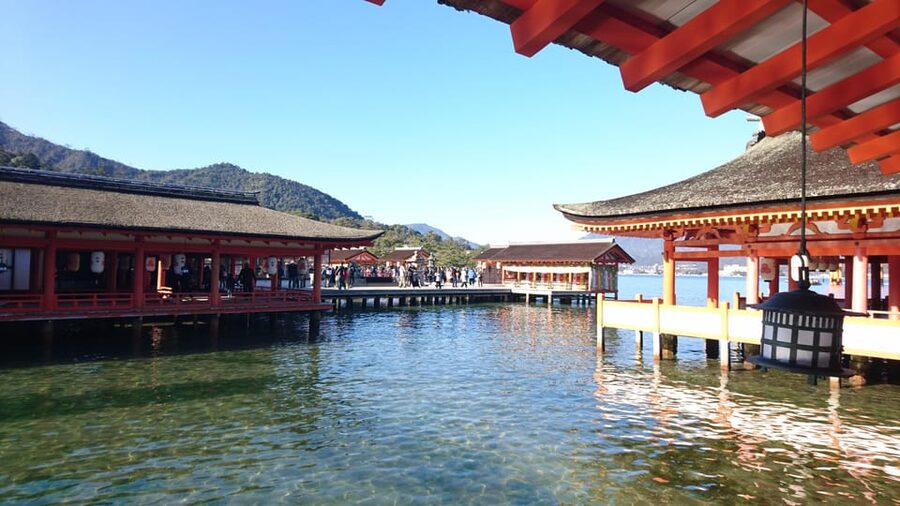
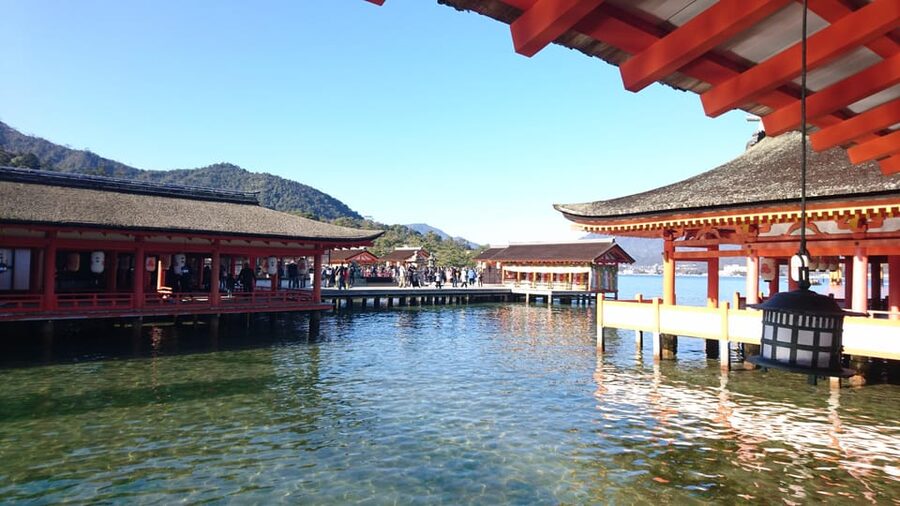
When you arrive on Miyajima, the tour’s next big anchor is the Itsukushima Shrine. The shrine area is tied to Shinto tradition and is famous for its iconic setting near the water. The tour includes entry, so you’re not just catching a view from the roadside. You’ll spend about an hour sightseeing there, long enough to get your bearings and see the major moments.
If you’re a photo person, this is where you’ll notice crowds. That’s normal here. The best move is to decide what you’re aiming for before you start walking: a shrine-water angle, the main shrine views, and a little time to look around without constantly checking your map.
Itsukushima Shrine and the hour of sightseeing: what to focus on
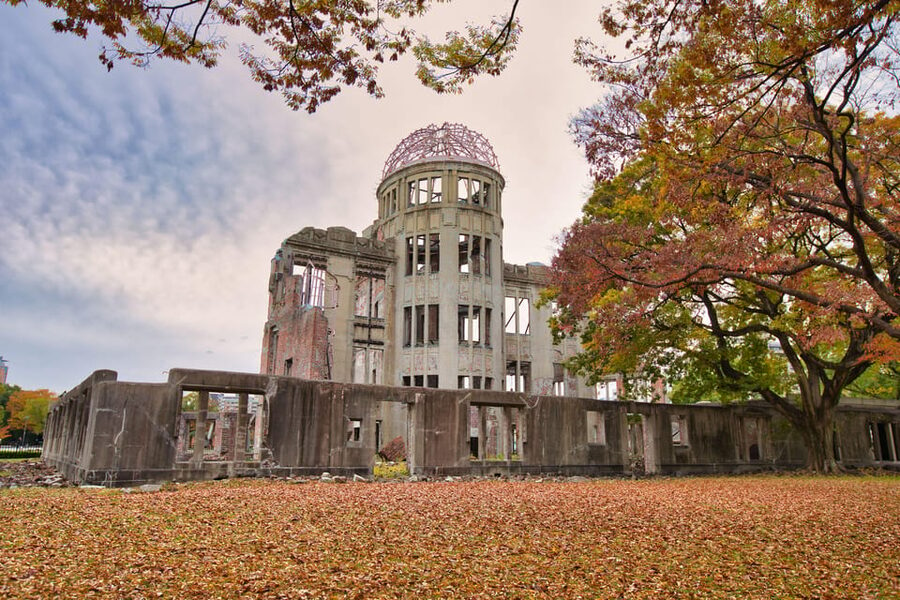
At Itsukushima Shrine, the tour gives you time to walk the grounds and take in the atmosphere. What makes this stop special isn’t only the shrine itself, but the way the whole island feels like a place built for visitors to slow down. Think of it as a contrast to Hiroshima’s seriousness, even though both experiences are meaningful in their own way.
During your hour, I’d prioritize:
- your first impressions from the main viewpoints,
- time to read the scene, not just shoot it,
- a calm walk through the area so you notice details instead of rushing.
The guide’s job here is helpful. With a group, you avoid the typical problem of everyone spreading out and re-gathering late. You’ll keep your timeline intact and still get a real sense of place.
Miyajima free time: shopping streets, deer moments, and a smart plan
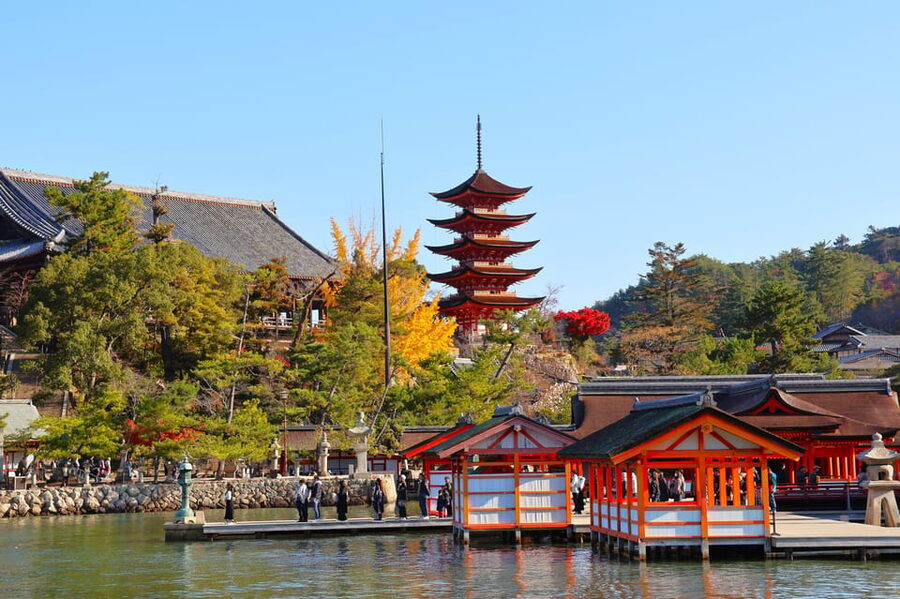
After Itsukushima Shrine, you get about one hour of free time on Miyajima. That hour is where you can tailor the day. Some people use it for souvenir shopping and snacks; others want to walk further for viewpoints and temple-like side stops.
Here’s the thing: one hour is short for Miyajima if you like wandering. Many people end up wishing for more time on the island itself. Still, the free window is enough to do one or two focused tasks without feeling like you’re sprinting.
A smart approach:
- First, decide whether you want to buy food and try a couple island snacks, or if you want to save money and focus on walking.
- If you want views, move early within that free window so you’re not stuck in the thickest crowd flow later.
- Don’t ignore the little detours. Even a short side walk can change your perspective on the shrine area and shoreline.
Also, remember you’ll need to be back for the return ferry. The tour keeps you on a set rhythm, so treat free time as freedom within structure.
Timing and walking: how to survive the 12-hour rhythm
This is a 12-hour day. That number is the reality check. You’ll spend most of it in transit and structured touring, and the rest as small windows at each highlight.
The tour explicitly warns that there’s a lot of walking. If your legs don’t love long days, consider skipping this specific format. The itinerary isn’t designed for slow pace stops or frequent rest breaks. It’s built for covering key sights in one day.
Comfort moves you should use:
- Wear supportive shoes. You’ll be on foot for shrine grounds, museum areas, and dome/park walking.
- Bring a small water bottle if allowed by your own comfort plan, but note you’re asked not to bring outside food and drinks into the restaurant.
- Use the provided earphone guides. They’re there to make group walking smoother and to improve what you hear while moving around.
And yes, the group aspect matters. This is not a private tour. You’ll be moving with other people, which can be great for timing and stress reduction, but you should expect normal group energy at crowded stops.
Price and value: is $277 worth it for what you get?
At $277 per person, this isn’t a budget day trip. It is, however, built like a “transport + entry fees + lunch” package, and that’s where the value lives.
You’re getting:
- Round-trip shinkansen from Kyoto or Osaka,
- Air-conditioned bus transportation while in Hiroshima,
- Ferry round trip to Miyajima,
- Entry tickets to Itsukushima Shrine,
- Entry ticket to the Hiroshima Peace Memorial Museum,
- Okonomiyaki lunch (with defined dietary options),
- A live English guide, plus earphone guide support.
So the question isn’t just the total cost. It’s what you’d otherwise pay if you tried to piece this together yourself: Shinkansen tickets alone can make a DIY day expensive, and then you add museum/shrine entries, ferry cost, and the time needed to organize bus connections and meet times. This tour compresses that planning into one schedule and one meeting point.
You can also think of the guide value as time leverage. In places like Hiroshima’s memorial area and Miyajima’s shrine zone, getting the right flow matters. You spend less time figuring out logistics and more time actually seeing what you came for.
Your guide impact: names that show the tone of the experience
One reason this tour earns so much positive feedback is the way guides shape the day. Depending on your departure date and assignment, you might be with guides like Hiro, Azusa, Kane, Chikako, Yuki, or Masahiko Joguchi (Joe). People also mention assistant support from staff like Yumi.
The consistent theme in the way the day is described is that guides keep it informative without letting it turn into a lecture. Some guides bring humor into the bus segments, which matters because the Hiroshima content is intense. You want the day to feel manageable, not emotionally overloaded and silent the whole time.
If you’re sensitive to tone, this is worth noting: the structure of Hiroshima first, then Miyajima, is often described as emotionally steadier than flipping the order. You’re not ending the day on the heaviest material.
Should you book this Hiroshima and Miyajima bus tour?
Book it if you:
- want Hiroshima Peace Memorial Park and Miyajima in one efficient day,
- prefer having transport and entry details handled,
- like a structured tour with clear pacing,
- can handle a long day with lots of walking.
Skip it if you:
- need wheelchair-friendly pacing or have mobility limits,
- want deep, unhurried time in the Hiroshima museum and dome area,
- hate long transit days.
If your schedule is tight and you want a high-impact day without the headache of planning shinkansen timing, ferries, and connections, this one is a strong pick. The mix of Peace Memorial stops, a proper Hiroshima meal, and Miyajima scenery is exactly the kind of Japan day trip that leaves you with both questions and calm.
FAQ
Where do I start, and are there different meeting points?
The tour offers two starting location options: Shin-Osaka Station and Kyoto Station. The exact meeting point can vary depending on which option you book.
How long is the tour?
The duration is 12 hours.
What transportation is included?
You get round-trip shinkansen tickets from your starting city, plus round-trip transportation by air-conditioned bus while in the region and a round-trip ferry ride to Miyajima.
Do I need to buy tickets for Itsukushima Shrine and the Peace Memorial Museum?
No. Entry tickets for Itsukushima Shrine and the Hiroshima Peace Memorial Museum are included.
What’s included for lunch, and can I choose a pork-free option?
Lunch is Hiroshima-style okonomiyaki. You can select an option: regular, no pork with eggs, or no pork, no fish powder, no eggs. You need to tell the provider about dietary restrictions when booking because changes can’t be made on the day.
Are earphone guides provided, and what happens if I lose them?
Yes. Earphone guides are provided for the tour. You’re asked to handle them carefully and return them after use. If they’re lost or damaged, you may be required to cover a replacement fee of up to 18,000 yen.