A wish-powered temple stop beats another generic photo line. This 9–10 hour bus day strings together Katsuo-ji’s Daruma ritual and Arashiyama’s bamboo-and-bridge scenery, then settles you into a calmer stretch at Kinkakuji. I love how the day is structured enough to hit the big icons, yet loose enough that you can actually pause, look around, and take photos. The one catch: the schedule is busy, and if you want to read every plaque and linger for long stretches, the time at each site can feel tight.
What makes this tour worth your time is the human part. Guides like Willa and Theodore/Chan San are praised for clear directions, good pacing, and keeping the day on track, so you’re not sprinting through Kyoto like a lost postcard. Still, your experience depends on your pace and expectations: this is a highlights route, not a slow, deep temple crawl.
In This Review
- Key highlights you’ll feel right away
- Why this 9–10 hour bus day works for first-timers
- Choosing a start point: Kyoto Station vs Harimaya Nippombashi
- Katsuo-ji Temple and the Daruma eye-wish ritual
- Arashiyama bamboo walking, Togetsukyo Bridge views, and Kimono Forest
- The bamboo grove walk: quiet that does the calming for you
- Togetsukyo Bridge: a classic Kyoto scene with river scale
- Kimono Forest: a compact cultural stop with visual punch
- A reality check on pacing
- Nonomiya Shrine: wishes for love, health, and happiness
- Kinkakuji Temple in golden quiet: the World Heritage finish
- How to get more out of a short Kinkakuji visit
- Time management tips for squeezing Kyoto icons into one bus day
- Price and logistics: what’s actually included
- Who should book this tour
- Should you book this Osaka/Kyoto 1-Day Bus Tour?
- FAQ
- How long is the tour?
- What languages are the guide and tour support?
- Where do we meet for the tour?
- Are temple admission tickets included?
- Is a meal included?
- What should I bring?
- Can I eat on the bus?
- Is the tour suitable for wheelchair users or mobility impairments?
Key highlights you’ll feel right away
- Daruma eye-wish tradition at Katsuo-ji: a practical, hands-on way to participate rather than just observe
- Arashiyama bamboo grove walking time: you get the quiet, not just a quick view
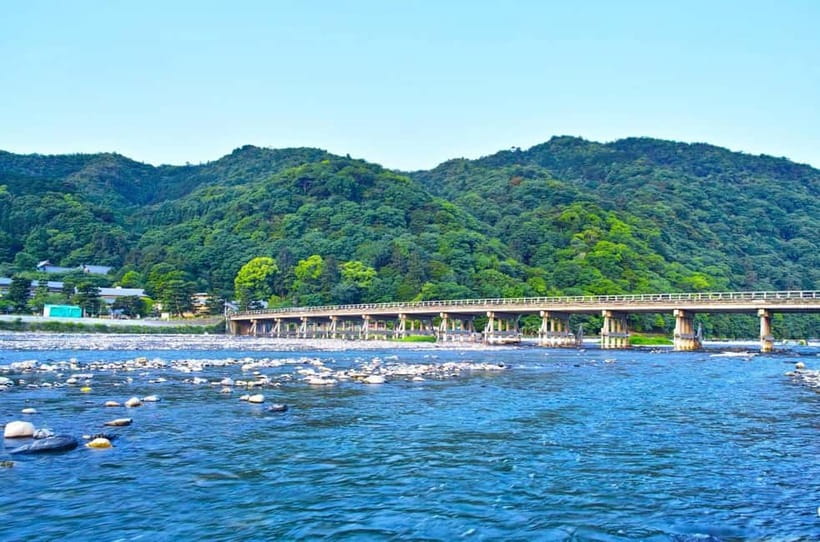
- Togetsukyo Bridge photo moment: the Oi River and distant mountains do the magic
- Kimono Forest viewing experience: color and light in a compact cultural stop
- Nonomiya Shrine love wishes: a softer, personal side of the day
- Kinkakuji’s golden quiet: a calmer final “wow” before you head back
Why this 9–10 hour bus day works for first-timers
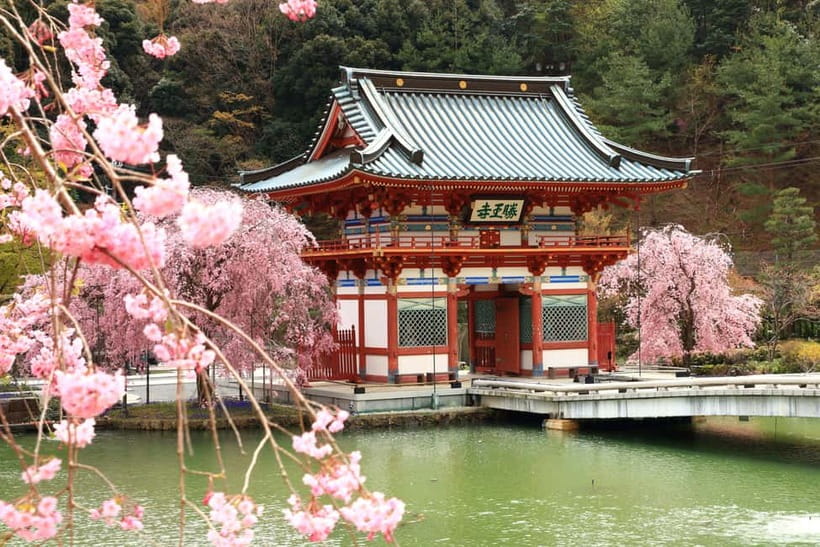
If you’re doing Osaka and Kyoto in one trip, you usually face a simple problem: West Kyoto highlights are spread out. This tour solves that with round-trip transfers, tolls, parking, and fuel handled for you. You spend your energy on temples and scenery instead of route planning.
You’ll also like that the day isn’t just temples. Arashiyama brings nature into the mix—bamboo, riverside views, and walking paths that slow your pace naturally. Then you finish with Kinkakuji, where the atmosphere shifts from motion to stillness.
The tour is priced at $56 per person, which is good value for a guided, all-in-one-day transport plan. Just remember the tickets for Katsuo-ji and Kinkaku-ji are not included, and meals are not included either—so you’ll want to budget a little extra on top.
Choosing a start point: Kyoto Station vs Harimaya Nippombashi
You get two meeting options, and this matters more than it sounds. If you’re already near Kyoto Station, using Kyoto Station Hachijo Entrance Square Sunken Garden can reduce your pre-tour travel time. If you’re staying closer to central Osaka/near the Harimaya Nippombashi 1-chome area, that second start point can feel more convenient.
Drop-offs are flexible too: you’ll end back at Kyoto Station Hachijo Entrance Square Sunken Garden or Harimaya Nippombashi 1-chome depending on your booking. That helps a lot if you’re trying to stay efficient with the rest of your day in Japan.
Either way, you’ll ride with an English/Chinese-speaking guide, plus a driver who handles the route. The transport quality score is strong (with many perfect scores), which usually means fewer surprises and smoother timing.
Katsuo-ji Temple and the Daruma eye-wish ritual
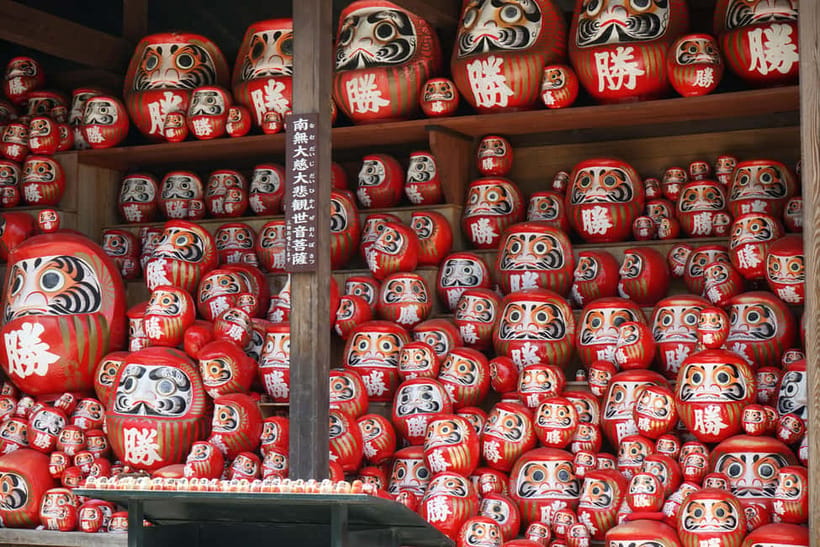
Katsuo-ji is the heart of this tour’s spiritual vibe. You spend about 1 hour here, long enough to move through the grounds and do the main ritual without feeling fully rushed.
The standout is the Daruma practice. At Katsuo-ji, you can take part in the tradition where you dot the eyes of Daruma. The pattern is clear: you draw the left eye first, make your wish, and then you return to fill in the right eye after your wish comes true. It’s a clever idea for pilgrims and also for tourists: the temple makes belief visible and personal.
I also like the way Daruma shows up everywhere in the temple atmosphere. You’re not just hearing about it—you’re seeing it, and the wish-making turns sightseeing into something closer to a ceremony. It’s one of those stops that makes the rest of the day feel more meaningful.
Practical note: Katsuo-ji can draw lines and foot traffic, especially if you’re visiting on a busy day. Your best move is to decide early what you want most—ritual first, photos second. That keeps you from losing time to indecision.
Arashiyama bamboo walking, Togetsukyo Bridge views, and Kimono Forest
After Katsuo-ji, the day leans hard into nature and photos. You’ll get roughly 2.5 hours for Arashiyama-related sightseeing, and that time is broken into the kinds of stops you actually want to combine in one outing.
The bamboo grove walk: quiet that does the calming for you
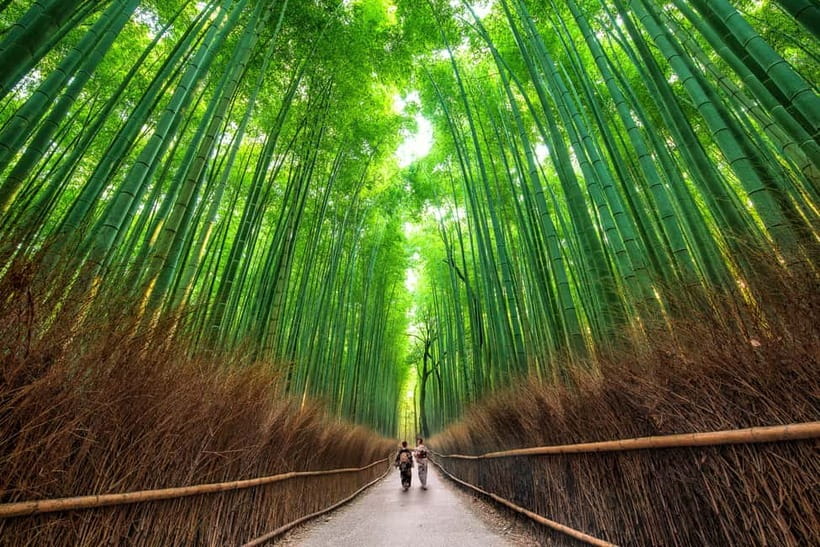
The tour includes time at the Arashiyama Bamboo Grove, where you walk among towering stalks and let the setting do the work. Bamboo isn’t just pretty; the sound and shade make you slow down. If you’ve had a lot of train time and city noise, this is where your body finally exhales.
Wear comfortable shoes. Paths can be uneven, and you’ll spend enough time on foot that tired legs can steal your enjoyment.
Togetsukyo Bridge: a classic Kyoto scene with river scale
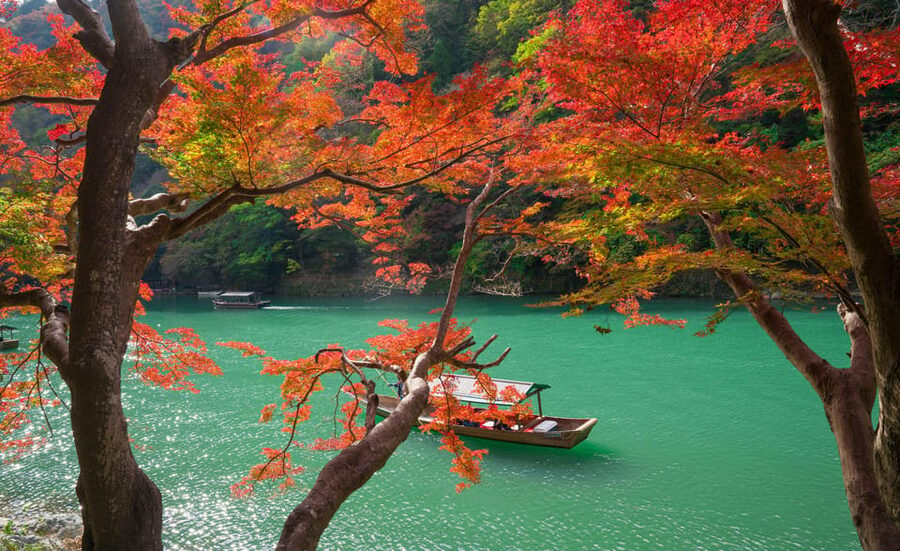
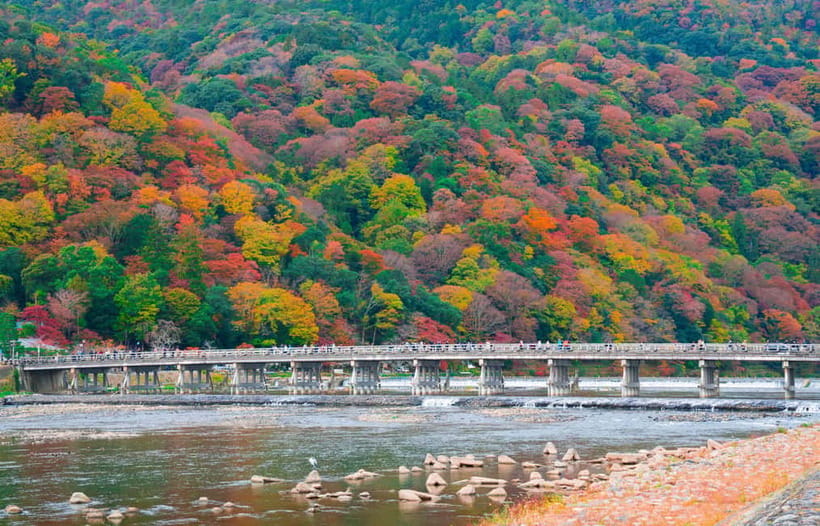
Next comes the Togetsukyo Bridge viewpoint. Standing there, you get the Oi River in front of you and mountains fading into the distance. It feels like you’re watching old Japan through a window, not sprinting past it.
This is also the best place on the route to take a slow set of photos rather than rapid-fire shots. Pick a spot, watch people flow, and wait for better light. The view holds up.
Kimono Forest: a compact cultural stop with visual punch
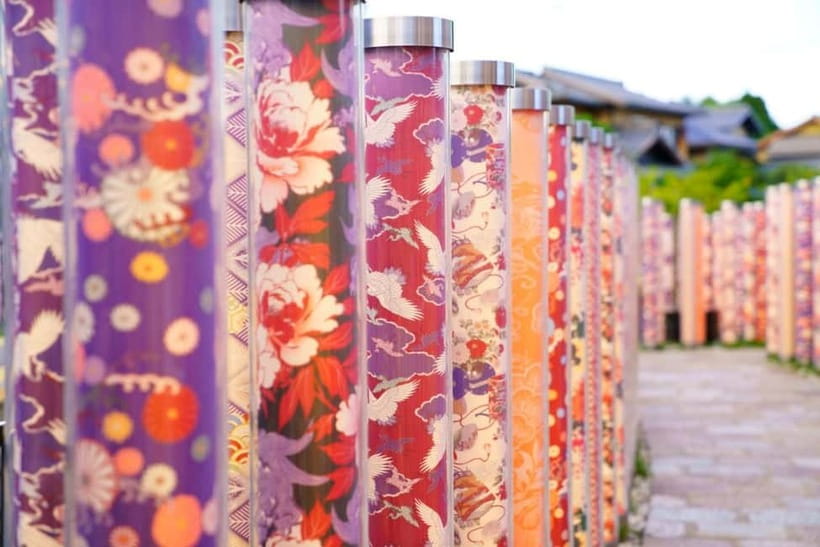
The Kimono Forest stop is short but fun. It features rows of transparent columns displaying colorful kimonos like a layered art display. Light and shadows change as you move, so it’s more than a static photo wall.
If you want a mental break from temples and outdoor walking, Kimono Forest is a smart reset. It’s also easy to do without burning too much energy.
A reality check on pacing
Because everything is grouped tightly, you’ll have to make quick choices. You get time to wander, and your guide should point out where to go and how to return efficiently. Still, if you want to study every detail for long stretches at each stop, you may feel squeezed. I’d treat Arashiyama as your main “slow-down” window, not an everything-at-once checklist.
Nonomiya Shrine: wishes for love, health, and happiness
Then the tour turns gentler. At Nonomiya Shrine, you can participate in a love-and-health wishing tradition. The focus here is personal: you write down your wishes and you can hang a painted horse as part of the prayer ritual.
This stop is valuable because it changes the emotional tone of the day. Katsuo-ji leans toward luck and success. Kinkakuji leans toward beauty and quiet awe. Nonomiya is more human and tender—wishes tied to relationships and everyday well-being.
If you’re traveling as a couple, this is also one of the best “shared meaning” moments on the route. Even if you’re solo, it’s a calming pause before your final major temple.
Kinkakuji Temple in golden quiet: the World Heritage finish
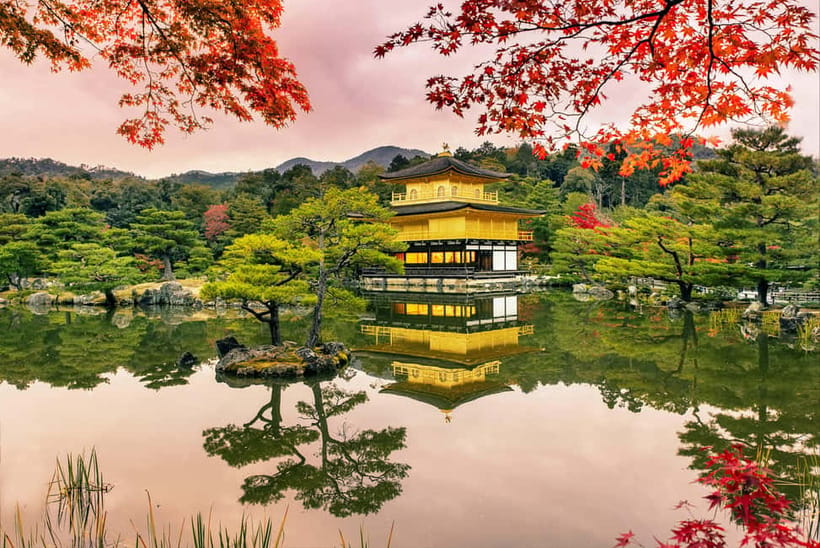
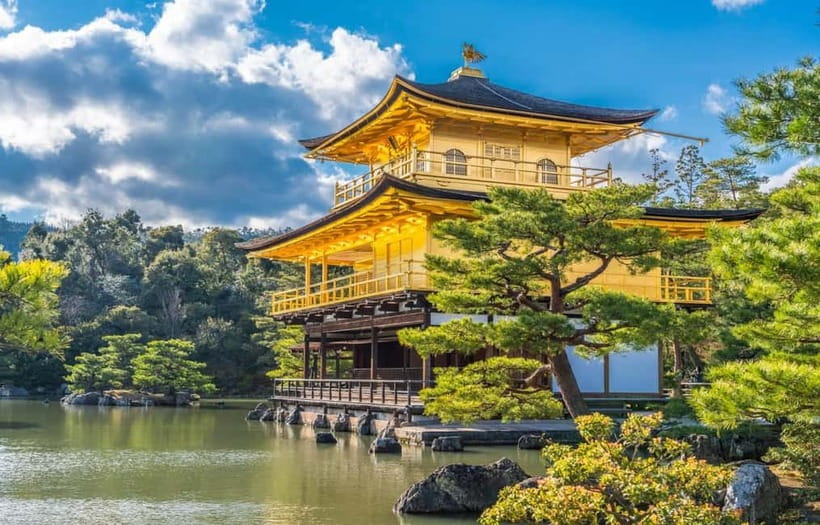
Kinkakuji is the final headline. You’ll have about 40 minutes here, which is enough to see the golden pavilion and take in the mirror-pond reflection, but not enough to treat it like a full-day experience.
The big appeal is the contrast: the outer wall gleams with gold foil, and the reflection in the pool makes the whole scene feel like it’s doubled. It’s the kind of visual that grabs you even if you’ve seen photos before. Then, as you move around the grounds, the atmosphere becomes quieter and more reverent.
This is also where a good guide helps. You want the fastest route to the best views, without zigzagging across the complex. You’ll likely get clear instructions on what to prioritize so you don’t waste your limited time.
How to get more out of a short Kinkakuji visit
You’ll do best by picking your priorities in advance:
- Spend most of your time on the main viewpoints rather than chasing every side path
- Take a first set of photos, then come back a second time if the light shifts
- Let the pond reflection be your anchor, not your stopwatch
Time management tips for squeezing Kyoto icons into one bus day
This is a structured day. That’s the point. But you can make it feel smoother with a few habits.
First: plan your breaks like they matter. Because you’re not on your own, you should use your free moments strategically—bathroom, water refill, then photos or quiet walking. Your guide is there to help you find where to go next and where to return.
Second: remember the bus is not for food. Japan has a law that you cannot eat on the bus, so keep snacks for outside breaks. Bring water, and consider a light meal before you board or during stop time.
Third: bring the essentials listed for you:
- Comfortable shoes
- Camera
- Sunscreen
- Water
Last: if you tend to read everything slowly or linger in crowds, build in extra patience. One of the most common ways this tour can feel frustrating is simply wanting more time at Katsuo-ji or every corner at Kinkakuji. If you can accept a highlights pace, you’ll enjoy the flow.
Price and logistics: what’s actually included
At $56 per person, this tour is mainly paying for transport and guided structure. Included items are helpful and practical:
- English/Chinese-speaking guide
- Round-trip transfers
- Toll fees, parking fees, fuel fees
Not included:
- Admission to Katsuo-ji Temple
- Admission to Kinkakuji Temple
- Meals and beverages
- Personal expenses
- Insurance
Here’s the value math I think works best: if you were to figure out transit between these sites yourself, you’d spend time transferring and possibly paying for multiple rides. This tour buys you a single-day plan and a guide who keeps you moving without constant map-checking.
A small note on the ride itself: while transport scores are generally strong, you might find the bus varies by day. Plan to be comfortable, but don’t expect every vehicle to feel brand new.
Who should book this tour
This one-day bus loop is a smart choice if you want:
- Big Kyoto icons without train transfers
- A mix of temple ritual + nature walking
- A guide who communicates well in English or Chinese
- Enough structure that you don’t waste time deciding where to go next
It’s not a great fit if mobility is a concern. The tour is not suitable for wheelchair users or people with mobility impairments, since it involves walking through temple grounds and around outdoor areas.
Should you book this Osaka/Kyoto 1-Day Bus Tour?
If your goal is to see Katsuo-ji, Arashiyama, and Kinkakuji in one packed day, I think this is a good booking. The Daruma eye ritual gives the day meaning beyond photos, Arashiyama provides an actual nature reset, and Kinkakuji delivers that golden World Heritage moment you came for.
I’d especially recommend it when you want a guided pace and hate transit planning. But if you’re the type who needs a long, quiet temple session—without time pressure—this route might feel rushed. In that case, consider splitting stops across separate days.
If you book, go in with the right mindset: prioritize your ritual and your main viewpoints, then let the rest of the time be a bonus.
FAQ
How long is the tour?
The tour runs about 9 to 10 hours, depending on the starting time available.
What languages are the guide and tour support?
The guide provides live support in English and Chinese.
Where do we meet for the tour?
You can meet at either Kyoto Station Hachijo Entrance Square Sunken Garden or Harimaya Nippombashi 1-chome, depending on the option you booked. Drop-off is at one of those two locations as well.
Are temple admission tickets included?
No. Admission to Katsuo-ji Temple and Kinkaku-ji Temple is not included.
Is a meal included?
No. Meals and beverages are not included.
What should I bring?
Bring comfortable shoes, a camera, sunscreen, and water.
Can I eat on the bus?
No. Japanese law states you cannot eat on the bus.
Is the tour suitable for wheelchair users or mobility impairments?
No. It is not suitable for people with mobility impairments or wheelchair users.