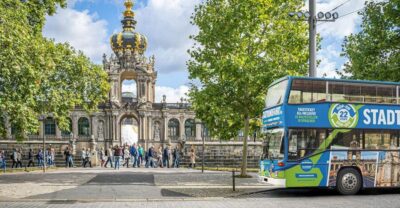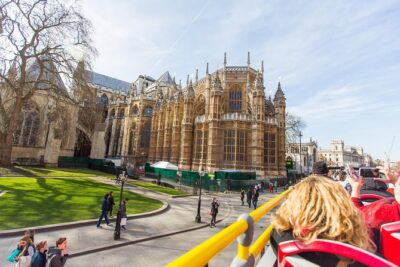
Ottawa’s big sights come with training wheels. This hop-on hop-off ride links Parliament Hill views, Rideau Hall, and major museums with live narration and the freedom to get off and wander when you want. You can do the whole loop or hop on and off at stops across the center of town.
I especially like the mix of government icons and real city life: you’ll pass Rideau Hall (the Governor General’s residence) and also stop in the ByWard Market area, Ottawa’s classic public market zone. Second, the onboard guide makes the route useful, not just scenic, with quick context as you roll along Sussex Drive and Confederation Boulevard and stop at photo-friendly spots like the Canadian Museum of Civilization.
One thing to plan for is pace and audio clarity. A few people reported the narration can feel fast (and at times bilingual), and in cold or wet weather you’ll want to stay ready to move quickly at each stop.
In This Review
- Key highlights worth planning for
- Starting at 44 Sparks: where this Ottawa loop really begins
- Price and value: what $40.21 buys in 90 minutes
- Bus comfort vs open-top views: pick your style
- The route in plain language: Parliament to museums to the War Memorial
- Parliament area and the Sparks–Elgin start
- Nature Museum and the arena/sports zone
- Canadian Tulip Festival timing quirks
- Ottawa Sign at York Street
- Rideau Hall and a look at Canada’s executive residence
- RCMP Stables and the Aviation and Space Museum
- Art Museum, Notre-Dame Cathedral Basilica, and the Royal Canadian Mint
- Museum of History and the War Museum
- Rideau Canal, National Arts Centre, and National War Memorial
- Canadian Museum of Civilization photo stop
- How the guide’s delivery affects your experience
- Stop times, weather, and why cold can change everything
- Who this hop-on hop-off bus suits best
- Should you book the Ottawa Hop-On Hop-Off tour?
- FAQ
- How long is the Ottawa Hop-On Hop-Off tour?
- Where do I meet for the tour?
- Can I hop on and hop off during the tour?
- Is the tour offered in English?
- Does the ticket price include museum admissions?
- Is hotel pickup available, and how much does it cost?
- Can I cancel for a full refund?
Key highlights worth planning for
- 14 stops that cover both Parliament-area sights and museum row
- A Canadian Museum of Civilization photo stop that helps you target what to revisit
- ByWard Market area stop, so you’re not stuck only with monuments
- Rideau Hall and RCMP Stables stops, two Ottawa must-sees in one short loop
- Open-top or inside seating so you can trade views for comfort
- Small group size (up to 30) which usually keeps boarding calmer
Starting at 44 Sparks: where this Ottawa loop really begins
Your day starts at the Gray Line kiosk at 44 Sparks St., right at the corner of Elgin and Sparks. That location puts you in the thick of downtown, with quick access to major streets and easy connections to public transit.
If you’re the type who hates standing around guessing, do this: arrive a few minutes early and confirm you’re at the Gray Line stop before the bus arrives. One common complaint is that the rendezvous point can feel low-key, without obvious signage. The good news is that once you know what kiosk to look for, everything clicks fast.
The route ends back at the same kiosk. That matters because you’re not left “on your own” across the city after the bus trip. It’s a classic hop-on setup: you get your bearings, then you build your own day from there.
Price and value: what $40.21 buys in 90 minutes
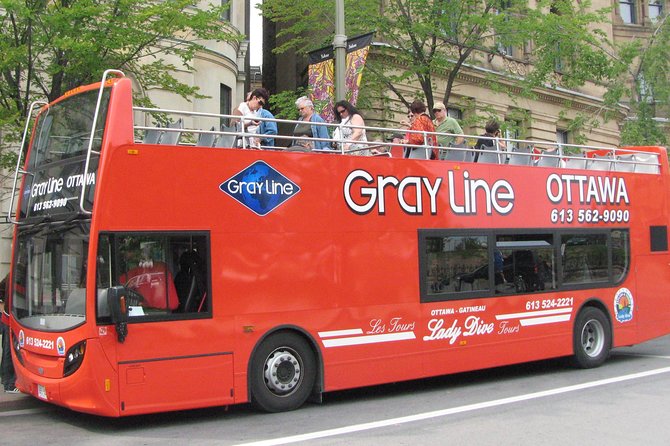
At $40.21 per person for about 1.5 hours, this isn’t the cheapest way to see Ottawa. But it can be good value if you want a fast overview that also tells you where to spend your money later.
Here’s what you’re paying for:
- A professional driver and guide
- Transport on a double-decker bus or a trolley
- Local taxes included
What you’re not paying for:
- Food and drinks
- Admissions to attractions you may want to visit after you hop off
- Hotel pickup is optional (and costs extra)
So the smartest way to use this ticket is as an orientation tool. You’ll sample the big hitters quickly—Parliament Hill views, Rideau Hall, the museum zone, War Memorial area—and then decide which stops deserve your time (and ticket price) later.
And that’s the key idea: you’re buying efficiency. In a city where distances are manageable but parking and timing can get annoying, an organized loop saves energy for the parts you actually want to explore on foot.
Bus comfort vs open-top views: pick your style
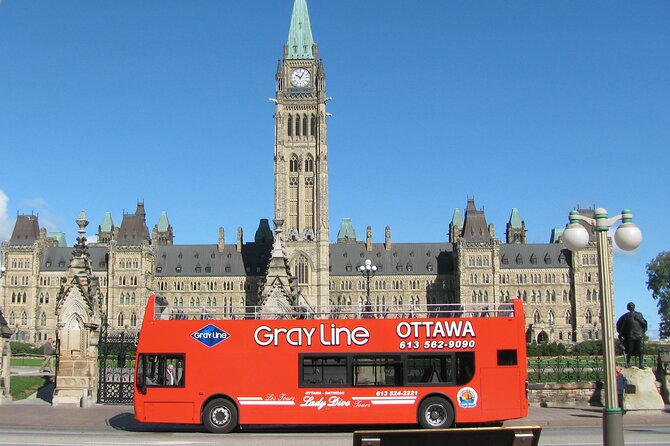
This tour runs on a double-decker bus or a trolley, and you can choose seating inside or on the open-top deck. In winter, I strongly prefer inside for comfort, but the open deck can be worth it for Ottawa’s skyline moments—especially as you pass Parliament Hill and cruise along the Ottawa River.
If it’s sunny, your job is simple: grab a window-side seat on the upper level if available. If it’s rainy or freezing, prioritize warmth and visibility over perfect photos. A couple of guides have been praised for doing their best to help keep windows clear when the weather turns.
One more practical note: in a short loop, you’ll be hopping off for quick moments. That means layers help. You don’t want to feel stuck because you dressed for summer and the bus schedule didn’t stop for your mittens.
The route in plain language: Parliament to museums to the War Memorial
Instead of treating this like a checklist of stops, treat it like a map of neighborhoods. Each stop is positioned so you can decide what fits your interests—history, culture, architecture, or just classic Ottawa views.
Below is what each major area contributes to your overall picture.
Parliament area and the Sparks–Elgin start
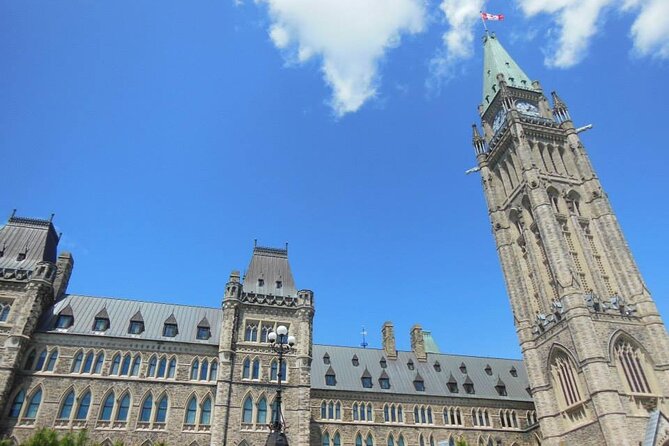
You begin at the downtown hub near Parliament of Canada. This is where Ottawa starts to feel like a capital city: wide streets, formal buildings, and the kind of viewpoints that help you understand the city’s layout.
It’s also a good place to set expectations. If you’re spending only one day in Ottawa, getting this orientation first makes everything else easier.
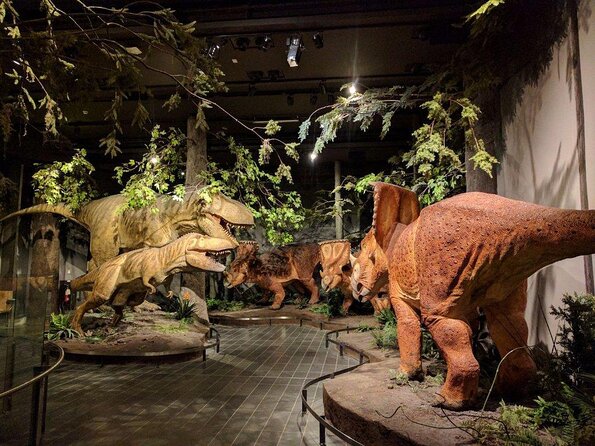
Nature Museum and the arena/sports zone
Next up, you’ll pass or stop around the Nature Museum area. After that, the route includes a stop around the Ottawa BlackJacks / The Glebe / TD Place / Redblacks area.
Why those stops matter: they show Ottawa isn’t only Parliament and museums. You get a look at how the city’s culture includes sports and community venues, not just official landmarks. If you’re traveling with kids or teens, these are the stops that often feel more relatable.
Canadian Tulip Festival timing quirks
During the Canadian Tulip Festival, two of the usual stops adjust. One stop changes location, and one is not served. That’s normal for major events, and it means the bus might not follow the exact pattern you expect.
My advice: if you’re going around tulip season, don’t over-plan around a specific stop name. Plan for the big picture—the overall loop is what matters most.
Ottawa Sign at York Street
You’ll also stop at the Ottawa Sign area at 22 York Street. It’s quick, photo-friendly, and a helpful landmark if you want a clean picture that screams Ottawa.
This is also a good “get off, stretch, photo, back on” stop when you’re trying to conserve energy.
Rideau Hall and a look at Canada’s executive residence
Rideau Hall is one of the tour’s central highlights. You’ll pass it as part of the capital circuit and also have a designated stop.
Even if you don’t tour inside, this stop helps you understand Ottawa’s power center. It connects the scenic drive with an actual “this is where it happens” site.
RCMP Stables and the Aviation and Space Museum
From there, the route includes the RCMP Stables and the Aviation and Space Museum area.
RCMP Stables is a classic Ottawa “only-in-canada” stop. The Aviation and Space Museum adds variety so your trip doesn’t feel like only formal history. If museums are your thing, these are the types of places you may want to return to after the bus loop.
Art Museum, Notre-Dame Cathedral Basilica, and the Royal Canadian Mint
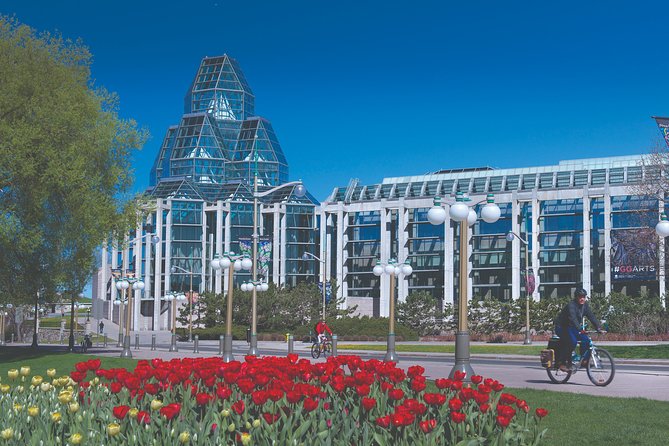
The bus also includes the clustered zone where you can connect several major sights: Art Museum, Notre-Dame Cathedral Basilica, and the Royal Canadian Mint.
That grouping is smart for two reasons:
- It’s walkable in spirit (even if you don’t all walk between spots during the short stop).
- It helps you see Ottawa’s mix: fine arts, iconic architecture, and hands-on national symbolism at the Mint.
This is exactly the kind of stop where I’d recommend hopping off briefly to gauge whether you want to come back for longer.
Museum of History and the War Museum
If you care about Canadian history, these stops do heavy lifting. You’ll reach the Museum of History and the War Museum.
Because admissions aren’t included, you’ll likely treat these as “spot and decide” moments during the hop-on loop. Still, the benefit is huge: you learn what’s worth a dedicated visit and what you can skip without regrets.
Rideau Canal, National Arts Centre, and National War Memorial
The later part of the loop connects you to the Rideau Canal, the National Arts Centre, and the National War Memorial area.
This is where the tour feels most like a full-circle Ottawa story. You’re moving from government to museums to the memorials that shape how the city remembers itself. If you want photos, these stops tend to be strong candidates because the setting is visually cohesive.
Canadian Museum of Civilization photo stop
One of the standout perks is a photo stop at the Canadian Museum of Civilization. Even if you don’t go inside, this gives you a “check the box” moment that’s instantly recognizable and helps you map the west side of your interests.
How the guide’s delivery affects your experience
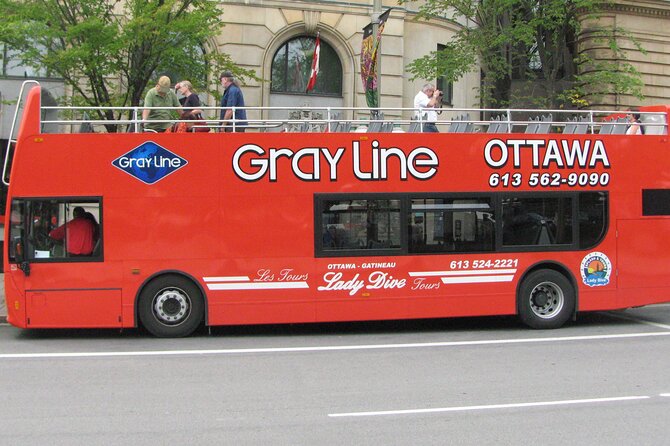
The experience succeeds when the narration turns the route into a story. Many guides get praised for being funny and engaging, and some are specifically named: Wendy, Sophie, Emile, Theo, and Cameron show up as examples of guides who made the ride feel relaxed and informative.
Still, delivery is personal. A few comments flag that the guide can speak very fast, and that the announcements may include both English and French. If you’re sensitive to fast audio, do this:
- Sit on the side that gives you the best view of what’s being explained.
- Keep your phone away from distractions so you can catch the key points.
- If you struggle with accents, consider staying more on the inside deck where it’s often easier to focus.
One more small but real tip: the bus tour is short, so you’ll get the most out of it when you listen like you’re gathering directions for later, not facts to memorize.
Stop times, weather, and why cold can change everything
In an ideal world, every stop has the same calm pacing. In real life, weather and crowds change the rhythm.
Some people felt time between stops should be longer, especially in cold weather. Others said it was fine even on a rainy day, and that the guide and driver worked hard to keep things comfortable enough to enjoy.
If you’re visiting in winter, pack like you’ll be outside briefly at each stop even if you can stay on the bus for some of it. If it’s rainy, prioritize a seat where you can keep gear protected and still see out the windows.
Also note: one traveler couldn’t find nearby parking and decided it was easier to taxi or park away from the capital area. If you’re driving, assume parking might be annoying on busy dates or around national events.
Who this hop-on hop-off bus suits best
This tour is best when you want to:
- Get your bearings quickly in downtown Ottawa
- See the main sights without spending the whole day managing transport
- Decide what museums and sites deserve your ticket later
- Travel with family and want something that works for a range of ages
Because the group max is 30, it’s not a huge crowd scene. That tends to make boarding smoother and makes it easier to hop on and off without chaos.
I’d especially recommend it for a first day in Ottawa. It gives you a smart overview and helps you build the rest of your itinerary around your actual interests.
Should you book the Ottawa Hop-On Hop-Off tour?
Book it if you want an efficient, guided way to see Ottawa’s headline sights in about 90 minutes, and you like the freedom of jumping off near the places you’ll revisit. The best-case version of this ticket is simple: you ride the full loop once, then you spend the next day focusing on what grabbed you.
Skip it or choose another style if you:
- Need a slower, more relaxed narration pace
- Get frustrated when the bus schedule feels tight at stops
- Are picky about audio clarity and accents
- Plan to spend most of your time doing admissions during the tour itself (since entry fees aren’t included)
If you’re on the fence, here’s the decision shortcut: if your goal is orientation plus photo moments plus smart next steps, this is a strong match for $40.21. If your goal is deep museum time with no rush, you’ll get more value by pairing your own museum tickets with only the specific stops you care about.
FAQ
How long is the Ottawa Hop-On Hop-Off tour?
It runs for about 1 hour 30 minutes. There’s also a 50-minute city loop option if you just want the core circuit.
Where do I meet for the tour?
Meet at 44 Sparks St., Ottawa, ON K1P 5A5, Canada, at the main kiosk at the corner of Elgin and Sparks.
Can I hop on and hop off during the tour?
Yes. You can hop on and off at the tour’s stops, or stay on for the full loop.
Is the tour offered in English?
Yes, the tour is offered in English.
Does the ticket price include museum admissions?
No. The ticket covers the guide/driver and transport, but admissions and attraction entry fees are not included.
Is hotel pickup available, and how much does it cost?
Hotel pickup is available before 9:30–9:45am. It costs $5 payable to the driver at pickup, and you need to request it at least 24 hours before your reservation.
Can I cancel for a full refund?
Yes. You can cancel up to 24 hours in advance for a full refund.