Two-day stress is not on the menu in Paris. This Big Bus hop-on hop-off ticket pairs city sightseeing with a Seine River cruise, so you can move at your pace and still hit the big landmarks. You get an open-top ride, digital audio through included headphones, and enough stops to feel like Paris is handing you a cheat sheet.
What I like most is how practical it feels once you’re there. The buses are frequent, the stops are spread across the areas that matter, and there are staff members at stops who can point you to the right place. I also really value the included 1-hour river cruise with Les Bateaux Parisiens, because it turns the Eiffel/Louvre/Notre-Dame route into a fresh view from the water.
One thing to keep in mind: Paris can get crowded, and that can turn into queues. Traffic and busy departures can slow your timing, so you’ll want to build in extra buffer—especially for the cruise time slot you pick in advance.
In This Review
- Key highlights to know before you ride
- How the Big Bus pass fits into a real Paris itinerary
- The main stops you’ll actually use (and what each one gives you)
- Louvre-Pyramide / Big Bus Information Centre (11 avenue de l’Opéra)
- Louvre area stop near Pont des Arts (56 Quai François Mitterand)
- Notre-Dame area (3 Rue Lagrange)
- Musée d’Orsay (58 Place Henry de Montherlant)
- Champs-Élysées (156 avenue des Champs-Elysées)
- Grand Palais (Avenue Winston Churchill)
- Iéna (Avenue Iéna)
- Eiffel Tower (Quai Branly, Entrée 2 Tour Eiffel)
- Champ de Mars (Avenue Joseph Bouvard)
- Opéra Garnier (facing 15, rue Scribe)
- Invalides (2 Avenue de Tourville)
- The Seine River cruise: the one-hour view that changes everything
- Audio, WiFi, and app tracking: the stuff that makes it easy
- Timing it right: queues, traffic, and planning for better photos
- Price and value: is $61 a good deal for what you get?
- Who this tour suits best (and who might want a different plan)
- Should you book this Big Bus and Seine combo?
- FAQ
- How long is the Big Bus hop-on hop-off ticket valid?
- How long is the Seine River cruise included with the ticket?
- Where does the Seine River cruise depart from?
- How often do the river cruises run?
- Can I start the bus tour from any stop?
- What’s included on the bus besides the sightseeing?
Key highlights to know before you ride
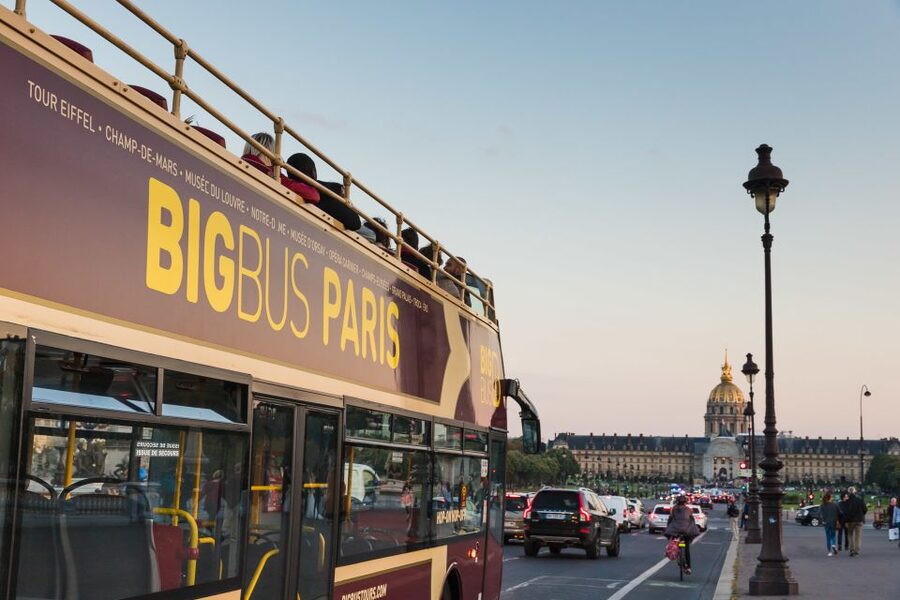
- 24- or 48-hour flexibility so you can do a morning lap, then come back for evening lights
- Hop-on from major stops like the Louvre, Notre-Dame area, Musée d’Orsay, and the Eiffel Tower zone
- 1-hour Seine cruise from Pontoon No. 3 near the Eiffel Tower area, timed to your schedule
- Multilingual digital audio + included headphones plus WiFi on the bus
- Live bus tracking in the Big Bus app to cut down guesswork
- Extra help at stops—use it, especially if you’re navigating on a tight timeline
How the Big Bus pass fits into a real Paris itinerary
Paris has a way of making you do math: walking time versus metro time versus “where is that stop exactly?” This ticket simplifies the equation. You can start at any Big Bus stop along the route, stay on as long as you want, and hop off when you’re ready to walk a few blocks, grab a photo, or duck into a museum.
You’re choosing between a 24-hour and 48-hour pass. In plain terms, the 24-hour option works best if you want the core landmarks plus a couple of targeted neighborhoods. The 48-hour option is the one I’d pick if you hate rushing. You’ll have time to repeat areas, wait for better photo light, and adjust when the day runs hotter or busier than expected.
The bus route covers major sights plus 50+ points of interest. That matters because Paris doesn’t reward skipping the side streets—you often get the best views from the route even before you walk. It’s not just transportation. It’s your guided orientation, with the freedom to follow your own curiosity.
The main stops you’ll actually use (and what each one gives you)
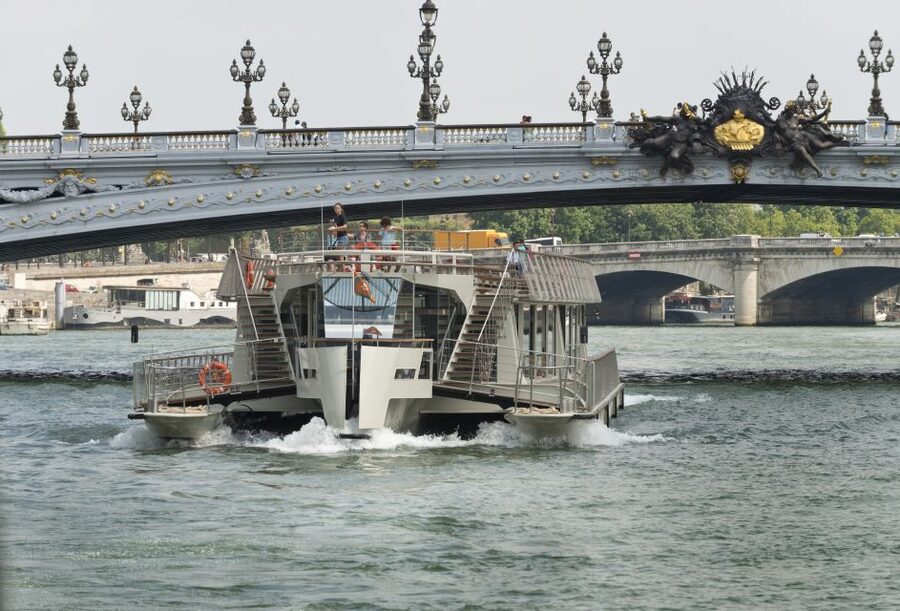
The route is built around iconic landmarks, and each stop is positioned to help you pair bus rides with short walks. Here are the stops that show up on this experience, plus how I’d use them.
Louvre-Pyramide / Big Bus Information Centre (11 avenue de l’Opéra)
This is a strong starting point because it’s central and easy to find. It also connects you to the Big Bus Information Centre area, which is useful if you want a staff member to confirm you’re on the right track.
If you’re doing the Louvre area, think of this as your staging point. Even if you’re not going inside, you can use the bus to get the broad layout and then decide what you want to focus on later.
Possible drawback: Opéra/Louvre corridors can be busy, so give yourself a little patience when you’re waiting to board.
Louvre area stop near Pont des Arts (56 Quai François Mitterand)
This stop helps you connect the Louvre zone with the river. Pont des Arts is all about views and walking the Seine edges, and getting off here makes it easier to plan a riverside break.
Practical tip: Plan a short walk along the water from here rather than trying to do a long detour on the same stop. You’ll get more “Paris feeling” without turning it into a marathon.
Notre-Dame area (3 Rue Lagrange)
This stop drops you near the cathedral area. It’s a good choice if you want to see it from the outside and then wander streets nearby at a slower pace.
Consideration: This area is a magnet for crowds, so don’t treat it like a quick pop-in stop. If you hop off, commit to enjoying the surrounding streets for a bit.
Musée d’Orsay (58 Place Henry de Montherlant)
I like this stop because it puts you at the right altitude for a museum day and still keeps you close to the Seine. If you’re pairing land time with your cruise later, this is where you can start thinking like you’ll see the river from multiple angles.
Trade-off: Musée d’Orsay is a popular destination, so expect crowds if you visit at peak times.
Champs-Élysées (156 avenue des Champs-Elysées)
This is the classic grand boulevard stop. If you want the famous avenue moment, this is your jump-off.
It’s also useful for families and groups because it’s a clear, easy-to-navigate corridor. You can stroll, people-watch, and then get back on before your feet fully revolt.
Possible drawback: It can get packed. If you’re aiming for photos, try for earlier or later time windows.
Grand Palais (Avenue Winston Churchill)
This stop puts you by the big cultural landmark area near the Champs-Elysées corridor. Even if you only do photos from the outside, it helps you “see the city’s scale” without guessing where things are.
Why it’s valuable: It breaks up your sightseeing so you’re not jumping from one famous building to the next. You get a sense of how Paris stacks its major sites next to each other.
Iéna (Avenue Iéna)
This is another strategically placed stop in the Eiffel-area orbit. It’s a good option if you want to reposition without repeating the same walk.
How to use it: Treat it like a flexibility stop. Hop off here if you’re trying to time your Eiffel-area photos or you want an alternate angle from what you saw earlier.
Eiffel Tower (Quai Branly, Entrée 2 Tour Eiffel)
This is your close-to-the-icon stop. If Eiffel Tower is a must-do, this is where you’ll want to get off.
From here, you can walk around for photos and let the bus keep your “getting back” stress low. The stop location also makes it easy to connect directly to your cruise area later.
Note: The Eiffel district is a crowd magnet. Plan for that and you’ll have a smoother day.
Champ de Mars (Avenue Joseph Bouvard)
This stop is useful when you want more open space around the Eiffel Tower zone. If you’re hoping to stretch your legs and not just stand by a ticket line, this is the kind of area where you can slow down.
Best use: Pair this with an evening plan if you want the classic lights-on feel.
Opéra Garnier (facing 15, rue Scribe)
This stop is great for a quick architectural stop without committing to a full museum plan. Even a short visit helps you add variety beyond the major river-and-tower loop.
Why it’s worth it: Paris isn’t only the obvious sites. Getting off here helps you see how the city’s grand boulevards and landmarks connect.
Invalides (2 Avenue de Tourville)
This stop gives you another “big landmark” pocket away from the most tightly packed center. It’s a helpful option if you want to spread your sightseeing out over two days.
Practical use: If you’re planning a museum day, shopping, or a long meal in the wider area, this can help you reposition without backtracking.
The Seine River cruise: the one-hour view that changes everything
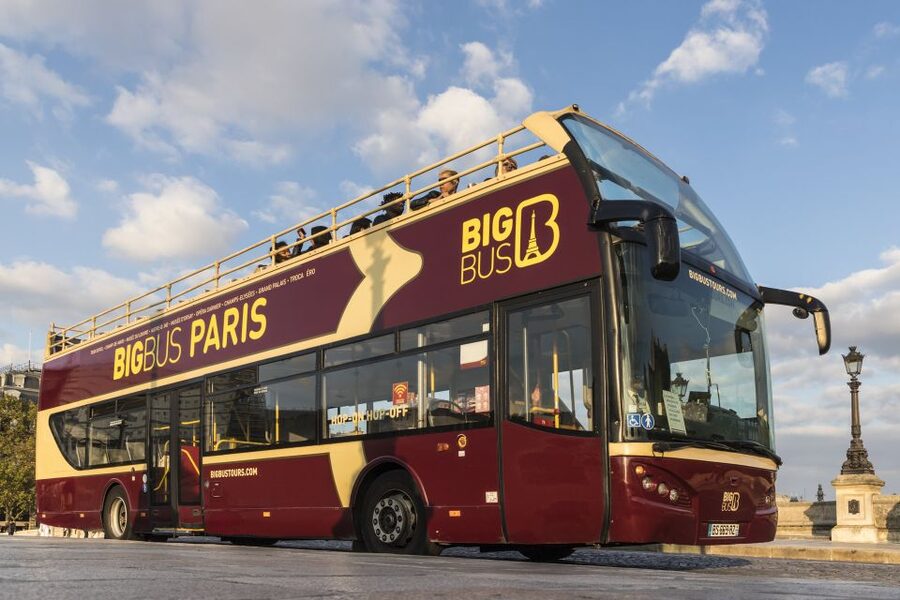
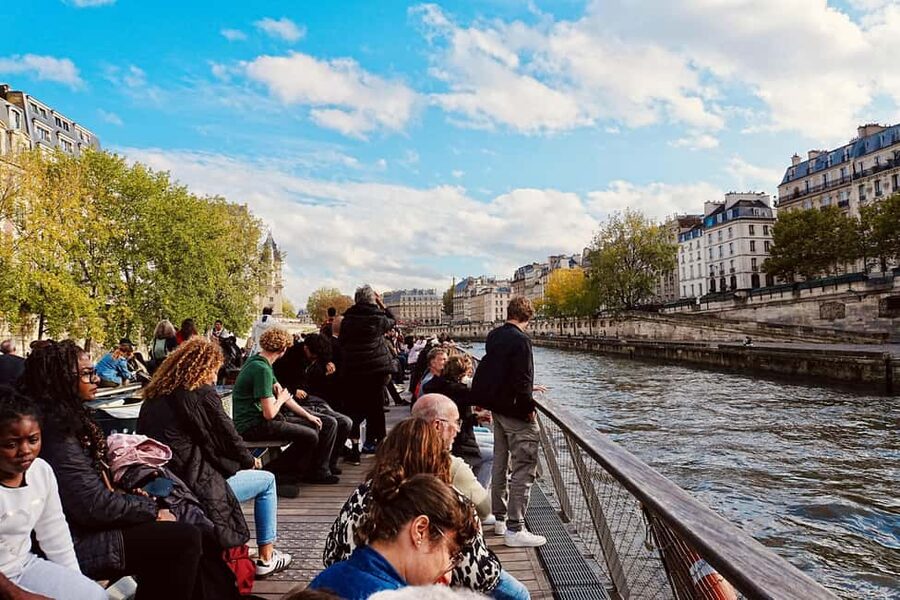
The river cruise is the clean contrast to the bus ride. On the Seine, Paris looks more like a movie set—and you glide past key monuments and bridges at a relaxed pace.
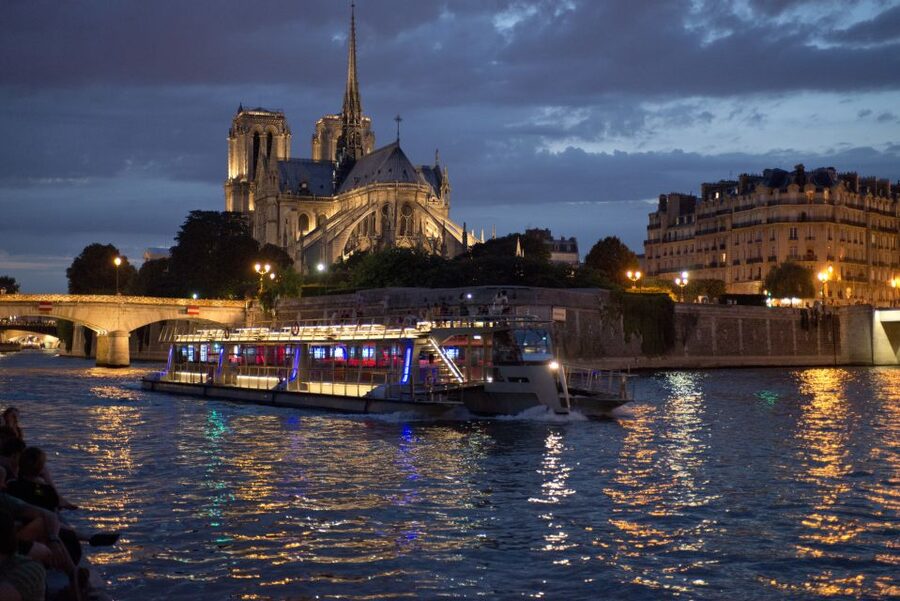
Your cruise is 1 hour long, operated by Les Bateaux Parisiens. It departs from Pontoon No. 3, Port de la Bourdonnais, near the Eiffel Tower area (it’s linked to Stop #8). Cruises run every 45 minutes from 10:30am to 9:00pm, with every 30 minutes on weekends.
A big scheduling note: you must choose a time slot before you board. That’s important because you don’t just show up and hope. It’s also the reason the cruise can either feel smooth or feel stressful depending on when you pick.
What you’ll enjoy on the cruise is the same “greatest hits” layout, but from the water. The cruise passes landmarks such as Notre Dame and Musée d’Orsay, plus it sails under picturesque bridges. From the river, you can often see how the city’s neighborhoods connect visually—something a bus stop can’t always show.
Audio, WiFi, and app tracking: the stuff that makes it easy
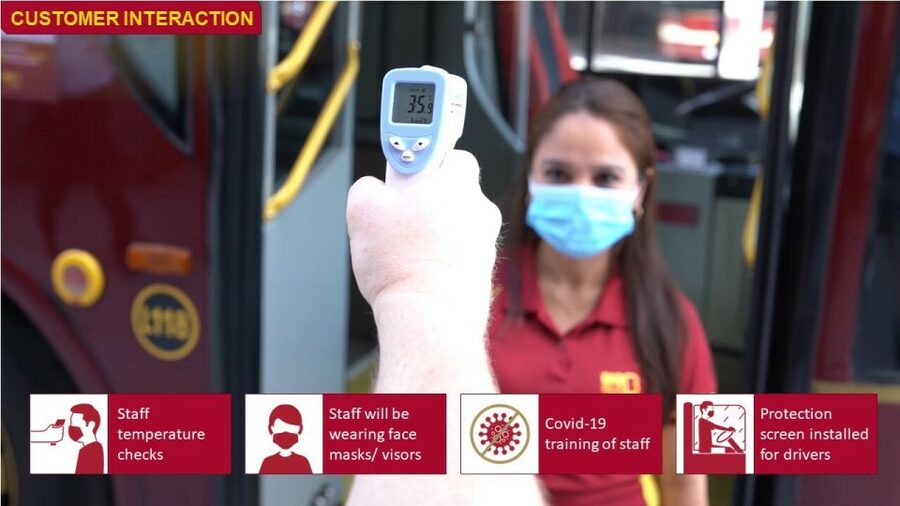
The onboard experience is built around digital audio commentary in multiple languages. Headphones are included, and you can select languages like Spanish, Chinese, English, French, German, Italian, Portuguese, Russian, and Korean. The driver is listed as English and French.
I like how this turns the bus into a moving story. You’re not just looking at streets—you’re getting context while you’re passing by, which helps you decide what to do when you’re off the bus.
Two more practical bonuses matter in real life:
- WiFi onboard, so you can quickly check directions or map your next stop
- The Big Bus app with live bus tracking, so you’re not standing at the curb wondering if you missed your chance
One review detail worth your attention: the narration can vary by time of day, and in some cases it can shift toward more music later in the day. If you want the most talking-and-learning experience, aim for earlier rides when you can.
Timing it right: queues, traffic, and planning for better photos
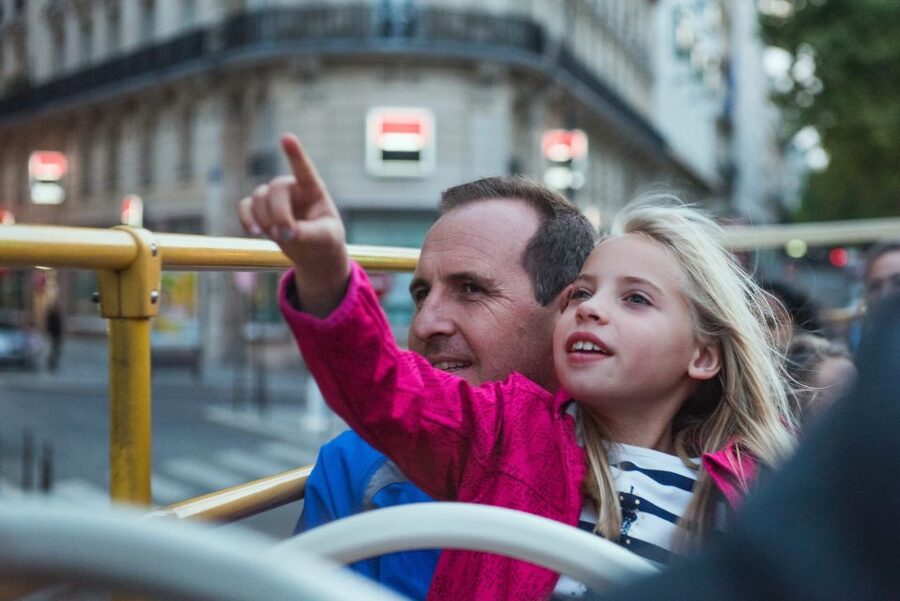
Paris is famous for being photogenic. It’s also famous for being slow when crowds build. The best way to enjoy this combo is to plan for both.
First, your bus ride helps you get your bearings, but don’t treat it like guaranteed on-the-minute timing. Traffic and crowds can slow things down. One day might feel like the ride zips; another day might crawl. Your best defense is leaving buffer time between your bus stop and your cruise time slot.
Second, plan for cruise lines. The boat departure can involve a queue, and it can take longer on busier departures. That’s why picking the cruise time wisely matters. If you’re going for evening lights, go for it—but expect more waiting around the departure window.
Third, keep your headphone setup in mind. If audio doesn’t come through clearly, don’t just accept it. Swap buses or ask staff for help so you can actually hear the commentary you paid for.
Finally, if you’re traveling with kids or older adults, this format is often a sanity-saver. You can get off for short walks, then retreat back onto the bus for comfort and cooling off when needed.
Price and value: is $61 a good deal for what you get?
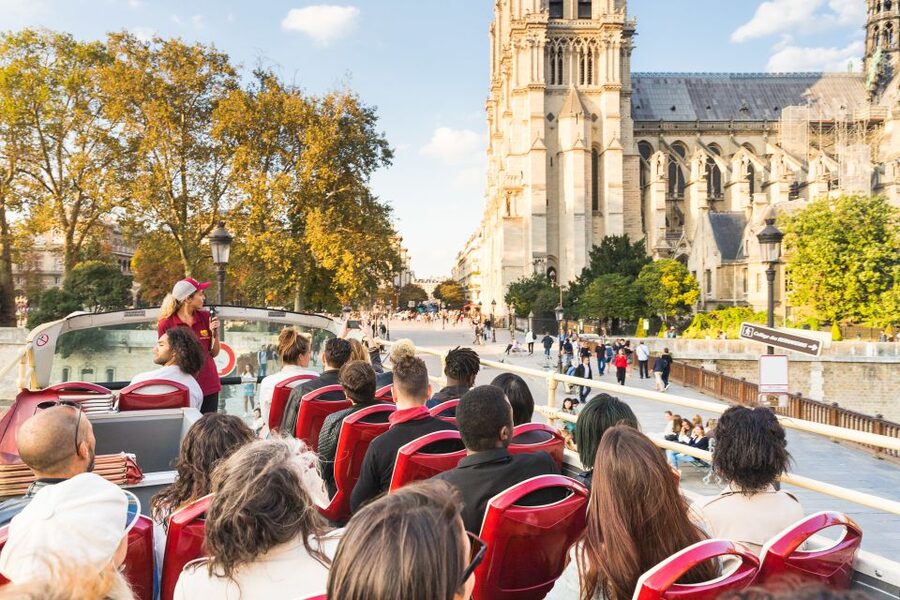
At around $61 per person, this combo ticket is competing with a lot of single-attraction Paris options. The reason it can be good value is that you’re buying two different viewpoints on the same city.
You get:
- A 24- or 48-hour hop-on hop-off bus with onboard audio and multiple stops across central Paris
- A 1-hour Seine cruise with Les Bateaux Parisiens
- Skip-the-ticket-line benefits (so you’re spending less time on paperwork and more time seeing sights)
If you only had the bus, it’d still be helpful for orientation and saving your legs. If you only had the cruise, it’d still be a great evening plan. Together, they cover most of the “greatest hits” day without forcing you into a rigid schedule.
To make the math work in your favor, use the ticket fully:
- Do a bus loop early to choose what’s worth revisiting
- Pick a cruise time you’ll actually enjoy (evening can be a big win for night views)
- Don’t waste hops on stops you already know you’ll ignore later
Who this tour suits best (and who might want a different plan)
This works especially well if you’re:
- First-timers who need a quick orientation and want to decide later
- Traveling with families, because it reduces walking time while still hitting big sights
- Visiting over 1 to 2 days and want a lot of iconic coverage without designing a complex route
- Anyone who prefers guidance through audio commentary instead of staring at a map all day
It might be less ideal if you already know Paris well and you’re comfortable building your own route hop by hop. Also, if you hate crowds, you should be selective about when you hit the most famous zones like Eiffel Tower and Champs-Élysées.
One small human factor: the staff at stops can be helpful, and some guides/drivers have been praised for keeping things lively and clear—names like Lou and Roberto show up in that kind of feedback. That matters because when you’re tired, clear direction is worth a lot.
Should you book this Big Bus and Seine combo?
I’d book it if you want an easy, flexible way to cover Paris’s icons without over-planning. The combination of hop-on hop-off freedom and the included Seine cruise from Pontoon No. 3 gives you two complementary views—streets from above and monuments from the water.
I would pause and think twice if your schedule is tight and you can’t spare time for potential queues. Also, if you’re aiming to do only one or two landmarks total, you might get better value by choosing a smaller, targeted tour.
If you do book it, pick your cruise time slot with care, use the bus early to map your day, and treat popular stops as a “spend time here” moment rather than a “blink-and-move” stop. That’s how this ticket turns into a smooth Paris day instead of a frantic one.
FAQ
How long is the Big Bus hop-on hop-off ticket valid?
You can choose either a 24-hour or 48-hour Big Bus hop-on hop-off ticket, depending on what fits your trip length.
How long is the Seine River cruise included with the ticket?
The ticket includes a 1-hour Seine River cruise operated by Les Bateaux Parisiens.
Where does the Seine River cruise depart from?
The cruise departs from Pontoon No. 3, Port de la Bourdonnais, near Stop #8 at the Eiffel Tower.
How often do the river cruises run?
Cruises depart every 45 minutes from 10:30am to 9:00pm, and every 30 minutes on weekends.
Can I start the bus tour from any stop?
Yes. You can begin your hop-on, hop-off tour from any of the Big Bus stops along the route.
What’s included on the bus besides the sightseeing?
You get digital audio commentary in multiple languages (headphones provided) and WiFi onboard.