
Nara has a way of snapping you into focus fast. This half-day tour hits Todaiji Temple and Kasuga Taisha Shrine with an English-speaking guide, then finishes with Mt. Wakakusa views and the classic deer-cracker moment. I love that you get clear explanations at UNESCO-level stops, and I also like that the schedule includes small, meaningful bonuses like a deer fortune in English.
One thing to keep in mind: this is a tight 4-hour run, so you’ll want to enjoy the sites at a “see, learn, move on” pace rather than linger for hours on your own.
In This Review
- Quick hits before you go
- Why a 4-hour bus tour in Nara makes sense
- Todaiji Temple: Nandaimon Gate and the Great Buddha Hall
- Kasuga Taisha Shrine: deer fortunes and a calmer kind of sacred
- The Nara Okuyama Driveway stop in Kasugayama Primeval Forest
- Mt. Wakakusa summit: the view payoff and deer-cracker time
- Where you can choose to wrap up near Kofukuji and Nara stations
- Price and comfort: what $66.05 is really buying you
- The Nara-Yamatoji 2-Day Pass: how it extends your day
- Who this tour is best for
- Should you book this half-day Nara Park tour?
- FAQ
- What is the duration of the tour?
- Which main sites does the tour include?
- Is lunch included?
- What is included for the deer experience and fortune?
- Does the price include temple admissions?
- How many people are on the tour?
- What if weather is bad or the minimum number of travelers isn’t met?
Quick hits before you go
- English-speaking guide that helps you understand what you’re looking at and what to do at the shrines
- Todaiji + Kasuga Taisha covered with admission fees included at both stops
- Deer fortune in English plus deer crackers included for Nara Park time
- Mt. Wakakusa summit views for a quick panoramic payoff above the city
- Kasugayama Primeval Forest area included via the Nara Okuyama Driveway stop
- Nara-Yamatoji 2-Day Pass included to stretch your travel beyond the tour
Why a 4-hour bus tour in Nara makes sense
Nara is easy to overdo. You can spend a full day bouncing between temples and deer encounters, and still feel like you barely scratched the surface. This tour trims the fat by focusing on a handful of standout sites and keeping the day efficient.
The big win is the pacing. You get guided time where it matters most—at Todaiji and Kasuga Taisha—and then you get a payoff moment on Mt. Wakakusa before landing in Nara Park. It’s a smart fit for first-time visitors and for anyone who wants a strong highlight reel without exhausting themselves.
Todaiji Temple: Nandaimon Gate and the Great Buddha Hall
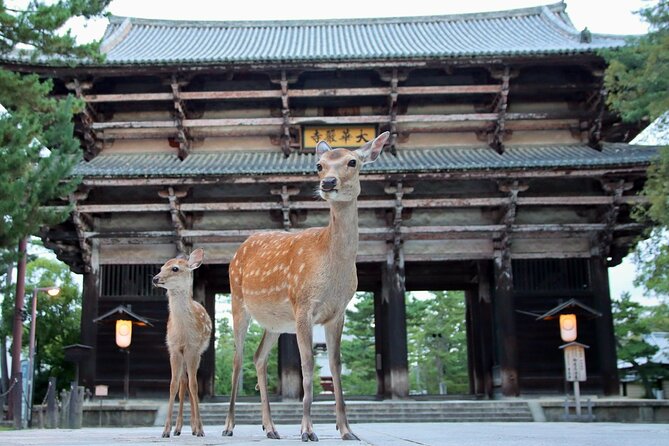
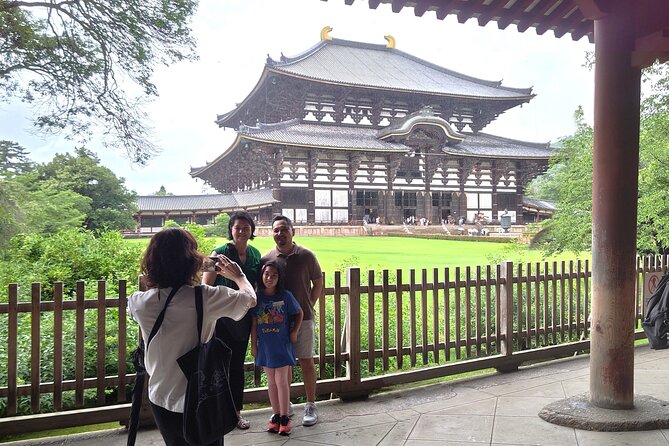
Your first major stop is Todaiji Temple, one of Japan’s heavyweight religious sites. You’ll spend about 1 hour 10 minutes here, and admission is included. The headline is walking through the Nandaimon Gate and then facing the sheer scale of the Great Buddha Hall.
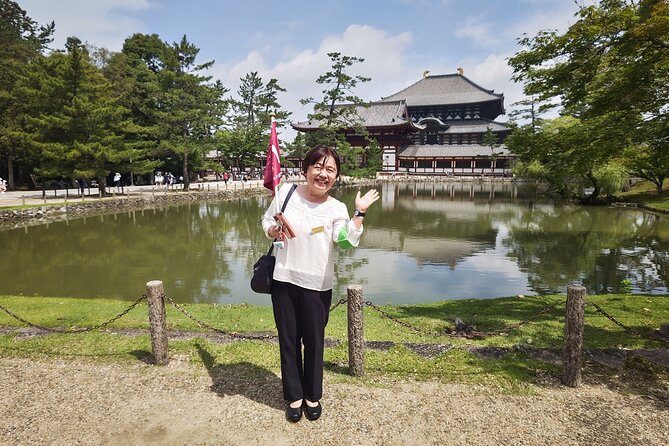
What makes this stop worth structuring with a guide is not just the size—it’s the context. A good explanation helps you notice what people do when they arrive, where to look, and how the space is meant to feel. The guide’s role is especially valuable here because Todaiji can feel like a lot of big buildings at once unless someone points out the right details.
A practical consideration: plan for crowds and lots of foot traffic. Even with a guide, you’ll be moving through a busy sacred complex, so wear comfortable shoes and don’t expect a slow, quiet stroll.
Kasuga Taisha Shrine: deer fortunes and a calmer kind of sacred
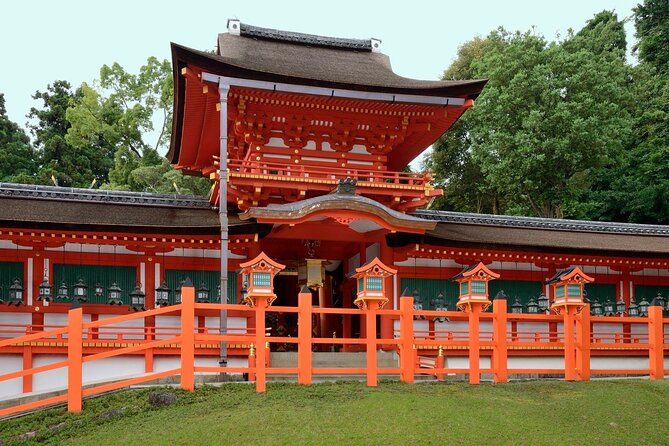
Next up is Kasuga Taisha Shrine, with about 1 hour on site and admission included. This is the one that feels more intimate and serene once you step away from the main bustle. The tour’s focus is the main shrine area, and you also get a chance to draw a deer fortune.
Here’s a detail I really like: the deer fortune is available in an English version, and the deer fortune paper fee is included. That matters because shrine divination can be confusing if you’re trying to figure everything out on the fly. With the guide’s help, you’re less likely to miss the basic flow of what you should do.
You’ll also be in the zone associated with Kasugayama, and that connects nicely to what comes next. Instead of treating the area like a single stop, the tour ties the shrine experience to the surrounding landscape and forest setting—without turning your day into a long hike.
The Nara Okuyama Driveway stop in Kasugayama Primeval Forest
Between Kasuga Taisha and Mt. Wakakusa, the tour includes a stop at the Nara Okuyama Driveway, located in the Kasugayama Primeval Forest (a World Heritage Site). You don’t get to treat this like a long nature excursion, but it gives you something important: a shift in atmosphere.
This is the moment when your day stops being only temples and starts becoming Nara as a whole. Even a short look from the right angle can make you understand why Kasuga matters—not just as a shrine, but as a site tied to forest, season, and tradition.
If you’re someone who loves when tours provide small “bridge moments” between big attractions, you’ll appreciate this. If you’re someone who wants maximum time on the ground every single stop, you may wish this segment had more minutes—but it still helps keep the day balanced.
Mt. Wakakusa summit: the view payoff and deer-cracker time
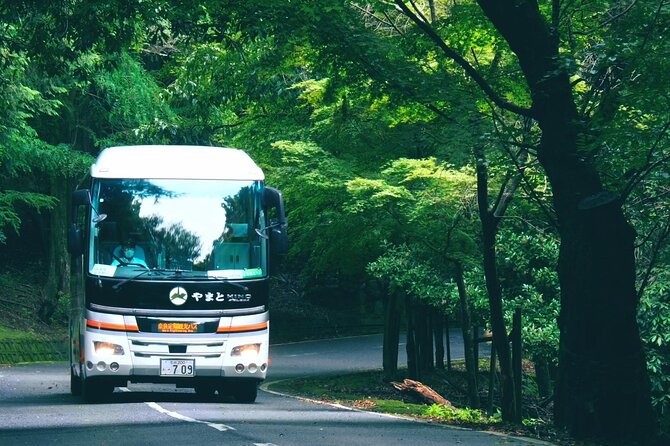
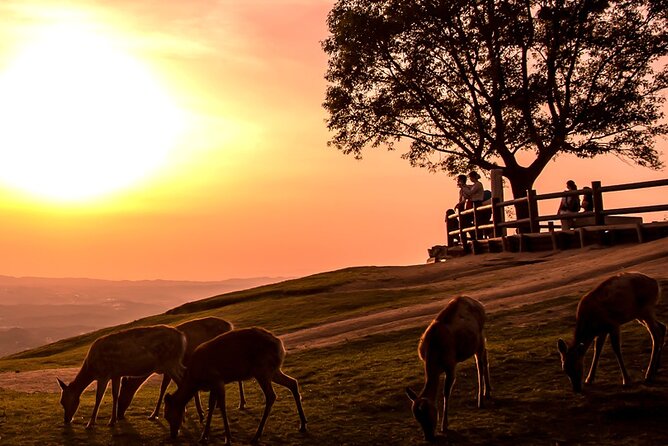
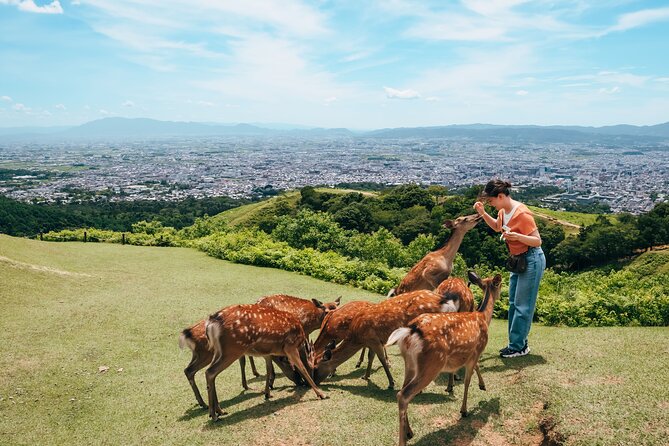
Then you head to Mt. Wakakusa for about 40 minutes, with admission included. The point here is the summit view of Nara city. Even if you don’t love hiking, this is the kind of short, purposeful climb that gives you a sense of where you are in the wider map.
After the summit, you land in Nara Park for the part most people come for: feeding the deer rice crackers. The tour includes the deer cracker fee, so you’re not hunting around for snacks or figuring out how it works.
A quick practical tip: those deer can be bold, so keep your crackers secured and be aware of your hands and pockets. You don’t want a fun photo moment to turn into a stress moment.
The time at Mt. Wakakusa plus Nara Park is also a nice reset. You go from structured viewing (Todaiji, Kasuga) to a more playful, sensory experience (deer and open-air space). It’s a good way to end on something memorable.
Where you can choose to wrap up near Kofukuji and Nara stations
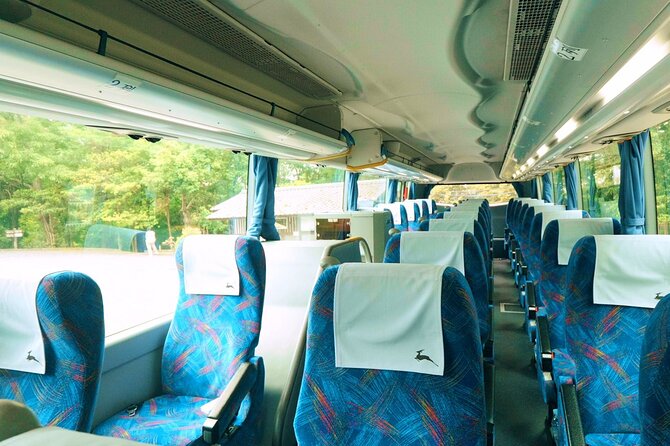
Your schedule includes a planned arrival around 16:20 at Kofukuji, and you can choose to leave on-site if you prefer. Then the tour continues to drop-off points, including Kintetsu Nara Station around 16:25, with JR Nara Station also listed as a drop-off option.
This setup is helpful because it gives you options depending on your evening plans. If you want to keep exploring temples on your own, Kofukuji being in the mix is convenient. If you’d rather head straight back to your base, station drop-offs let you do that without extra transfers.
Just remember the tour timing is built for a smooth bus flow, so if you plan an optional stop, don’t count on having unlimited time.
Price and comfort: what $66.05 is really buying you
At $66.05 per person, the value depends on what you would normally spend doing the same day yourself. Here, you’re not just paying for a bus ride. Your ticket bundle includes:
- Air-conditioned vehicle
- English guide
- Temple entrance fees and viewing fees
- Deer fortune paper fee and deer cracker fee
- Nara-Yamatoji 2-Day Pass
- Consumption tax
That last item changes the math. A 2-day local bus pass can save money and stress if you’re planning to keep moving around Nara after the tour. Instead of treating the day like a one-off temple sprint, you can use the pass to connect your other stops.
Also, with a maximum group size of 25, you usually get the best of both worlds: guided conversation without feeling like you’re trapped in a large crowd. The tour’s “near public transportation” note also hints that logistics are designed to be straightforward.
If you’re traveling solo, this kind of guided structure can be the difference between enjoying the day and spending extra time figuring things out.
The Nara-Yamatoji 2-Day Pass: how it extends your day
One of the most useful perks is the Nara-Yamatoji 2-Day Pass, included with the tour. The pass allows unlimited rides on local buses within the designated area for two days. You also receive an original handkerchief as a bonus.
This matters because Nara’s best experiences often aren’t just next door to each other. The pass gives you freedom to fill time after the tour—maybe visiting another temple, changing neighborhoods, or simply making it easier to hop between key points.
Think of it as insurance against the common problem: the tour ends, and suddenly you realize you still want to see more but transportation is annoying. This helps you avoid that.
Who this tour is best for
This is the kind of tour I recommend when you want strong structure with minimal hassle. It fits especially well if you:
- are visiting Nara for the first time
- want an English guide to explain what you’re seeing at Todaiji and Kasuga
- like a balanced mix of major sights, short scenic time, and a fun deer moment
- don’t want to plan admissions, timing, and transit for a half-day
It may not be the best match if you:
- hate bus tours and prefer to wander fully on your own
- want long stays where you can sit, sketch, or read details for hours
- need a totally flexible schedule with no “move to the next place” structure
Should you book this half-day Nara Park tour?
If your goal is to get the core Nara highlights—Todaiji, Kasuga Taisha, Mt. Wakakusa views, and deer feeding—this tour is a strong yes. The price feels fair once you factor in admissions, deer-related inclusions, and the Nara-Yamatoji 2-Day Pass that can carry your momentum into the next day.
I’d book it when you want more learning than guesswork. The guide’s job is to make shrine and temple visits feel understandable, and that’s exactly what you need in Nara, where symbolism and routine matter.
If you’re the type who likes to stay put for a long time, you could find this schedule a bit brisk. But for a smart first pass through Nara, it’s a clean, efficient way to do it.
FAQ
What is the duration of the tour?
The tour runs for about 4 hours.
Which main sites does the tour include?
You visit Todaiji Temple, Kasuga Taisha Shrine, and Mt. Wakakusa, with time in Nara Park to feed deer. The itinerary also includes the Nara Okuyama Driveway area in Kasugayama Primeval Forest.
Is lunch included?
No, lunch is not included.
What is included for the deer experience and fortune?
The tour includes the deer cracker fee and the deer fortune paper fee. The deer fortune is available in an English version.
Does the price include temple admissions?
Yes. Temple entrance and viewing fees are included.
How many people are on the tour?
The maximum group size is 25 travelers.
What if weather is bad or the minimum number of travelers isn’t met?
The experience requires good weather. If it’s canceled due to poor weather, you’ll be offered a different date or a full refund. If the minimum number of travelers isn’t met, you’ll also be offered a different date/experience or a full refund.