Pokhara’s caves and temples can be a full-on day. This shared bus tour packs the big names—Pumdikot’s Shiva Idol, World Peace Stupa, waterfall stops, underground caves, the Seti River, and Bindabasini Temple—into one organized route with hotel pickup. I especially like how the day is efficient without feeling like a sprint, and how the stops mix spirituality and nature in a way that feels very Pokhara. The main catch: it’s mostly self-guided on-site with set time blocks, and entry fees and meals aren’t included.
You’ll board with a group, ride with a skilled driver, and move through Pokhara in a way that’s hard to manage on your own if you don’t have transport. Based on the experience of others and the way this tour is structured, expect a relaxed flow at each stop, but plan for a day that can run a bit longer than the posted 6 hours depending on timing and traffic.
In This Review
- Quick Takes Before You Go
- The Route: A 6-Hour Shared Bus Loop That Hits Pokhara’s Key Icons
- What makes the format work
- Value for Money: What $12 Actually Buys You
- A small but nice touch
- Starting Point: Pumdikot’s Shiva Idol and the World Peace Stupa
- Shiva Idol (Pumdikot)
- World Peace Stupa
- Waterfall Energy: Devi’s Water Fall and the David Falls Area
- What you’ll actually feel at the falls
- Mahadev Cave (near the waterfall stop)
- International Mountain Museum: Facts on the Himalayas, Not Just Pretty Scenery
- Underground Main Event: Mahendra Cave, Gupteswor Cave, and Chamere Caves
- Mahendra Cave
- Gupteswor Cave
- Chamere Cave / other cave stops
- Bat Cave and the Seti River: Real Nature Moments in a Tight Schedule
- Bat Cave
- Seti River: where the city feels alive
- Bindabasini Temple: A Calm Finish Before Fewa Lake
- Why this finish works
- Pacing and the Self-Guided Reality
- How to make self-guided time feel easy
- The driver is a big part of the experience
- What to Bring (and What to Skip)
- One more practical consideration
- Price Check: Entry Fees, Food, and the Real Budget
- Who Should Book This Tour?
- Should You Book This Full-Day Sharing Bus Tour?
- FAQ
- How much does this Pokhara day tour cost?
- How long is the tour?
- Is hotel pickup included, and where do you pick up?
- Are entry fees included in the price?
- Is food included?
- Is the tour wheelchair accessible?
- Is it suitable for people with claustrophobia?
- Is it suitable for people with back problems?
- Can I cancel for a refund?
Quick Takes Before You Go
- Pick-up from Lakeside: convenient start and an easy finish near Fewa Lake
- Caves on the schedule: Mahendra, Gupteswor, and other underground stops are a highlight, not an optional detour
- Culture plus nature: Peace Stupa, Bindabasini Temple, Seti River, and waterfall areas in one day
- Self-guided time blocks: you explore independently, then return when your time slot ends
- Great value at $12: the route is strong, but budget extra for entry fees and food
- Not for everyone: claustrophobia, back problems, and wheelchairs don’t fit this format
The Route: A 6-Hour Shared Bus Loop That Hits Pokhara’s Key Icons
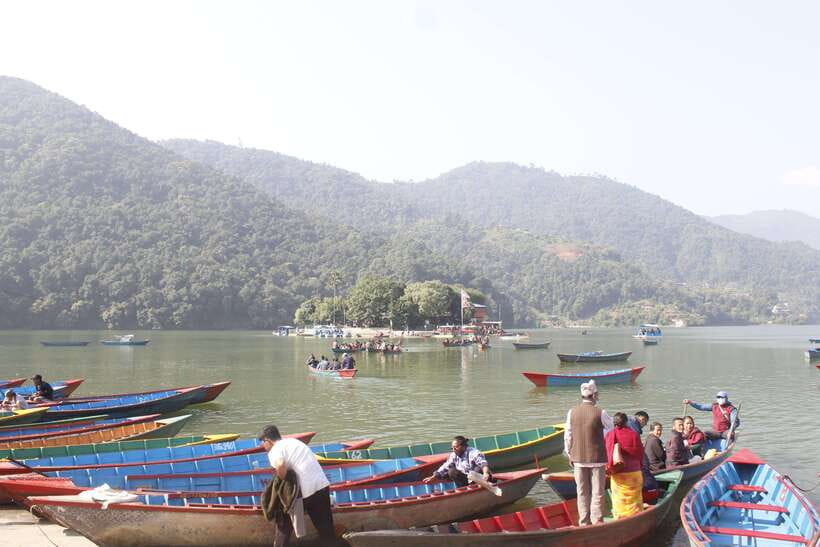
This tour is built for one very practical goal: helping you see a lot of Pokhara in one day without arranging your own transport. You start with hotel pickup within the Lakeside area, then board a sharing bus that moves you around town and into the sights nearby.
Even though it’s sold as a 6-hour experience, you should mentally budget for more like a full half-day to most of a day. That’s partly because Pokhara’s roads can be slow, and partly because caves and religious sites take time even when you’re rushing. The good news is you won’t be stuck for long stretches doing nothing. The route stays active.
What makes the format work
- You don’t have to negotiate a driver for multiple stops.
- You still get independent time at each location.
- The day finishes close to Fewa Lake, which is ideal if you want an easy end-of-day stroll.
Value for Money: What $12 Actually Buys You
At $12 per person, this is a budget-friendly way to hit the “greatest hits” of Pokhara. The ride and the organized route are the value here, not a private guide escorting you at every step.
Two costs to plan for:
- Entry fees are not included (approx. US$ 4 total, depending on the stops).
- Food and drink aren’t included, so you’ll need to budget lunch and snacks.
When you compare this to hiring transport or doing multiple separate tickets, the math usually favors the tour. And in the real world, the biggest expense you’re saving is your time—especially if you’re only in Pokhara briefly.
A small but nice touch
Some people have mentioned thoughtful extras during the day, like tea provided. It’s not a huge thing, but in a hot Pokhara afternoon, it helps.
Starting Point: Pumdikot’s Shiva Idol and the World Peace Stupa
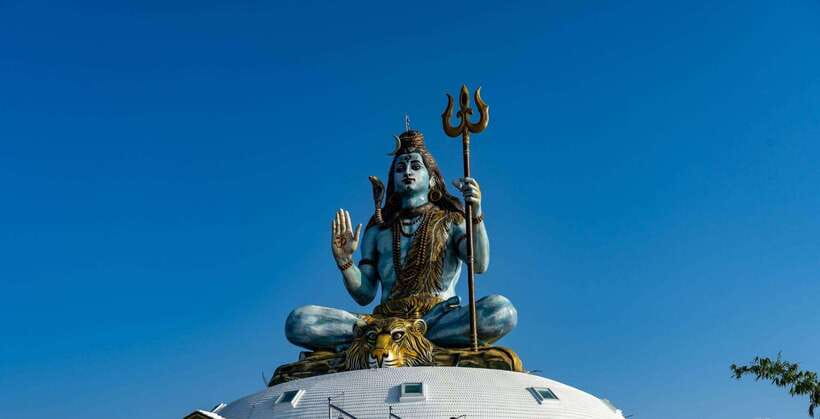
The day typically kicks off with Shiva Idol (Pumdikot), then moves to the World Peace Stupa. These aren’t just pretty “look at this” stops. They set the tone for the whole trip: Pokhara’s spirituality and views are tied together.
Shiva Idol (Pumdikot)
This is a strong first stop because it gives you context fast. You get a sense of place right away—Pokhara isn’t only about lakes and adventure. It also has religious landmarks that locals treat as part of daily life.
Why I like it: it’s a quick, meaningful arrival point. Even if you don’t spend a ton of time here, the atmosphere makes the rest of the day feel anchored.
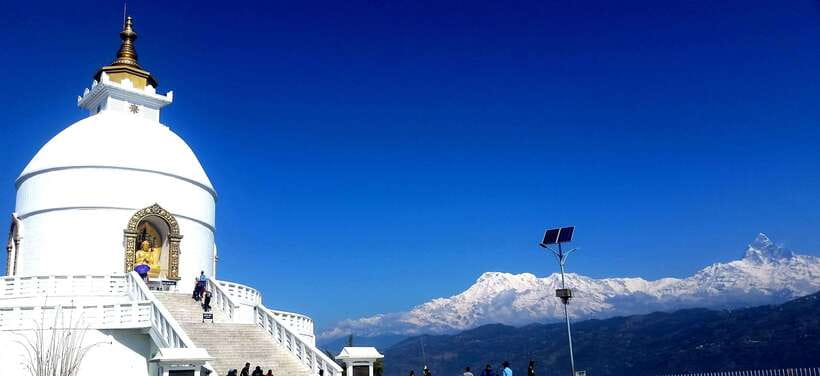
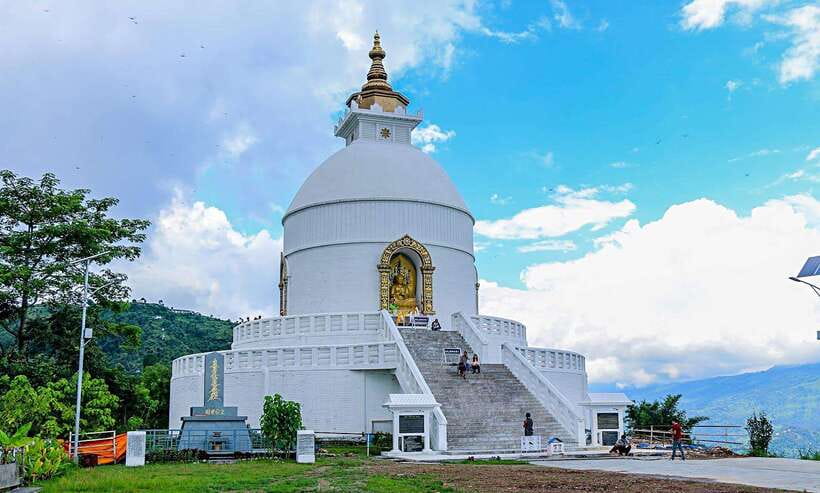
World Peace Stupa
The Peace Stupa is a calmer counterweight to everything underground later. It’s a place where you can pause, look around, and get your bearings. If you’re coming in from the busy Lakeside area, this helps you reset.
Watch for: it’s a viewpoint-type stop. Wear shoes that work on uneven surfaces, and give yourself a little extra time if you want photos without rushing.
Waterfall Energy: Devi’s Water Fall and the David Falls Area
After the stupa, the route heads toward Devi’s Water Fall and the Mahadev Cave area. The tour also highlights David Falls, so you should expect that the waterfall experience is part of the main flow of the day, even if the naming on the signboards varies.
What you’ll actually feel at the falls
Waterfalls here are less about walking through a theme park and more about standing near real water power. It’s noisy. It’s humid. And it can be slippery near the edges, depending on conditions.
Practical tip: bring water and plan on a damp feel at the waterfall stop. A camera matters—just protect it from splashes.
Mahadev Cave (near the waterfall stop)
This is a shorter “starter cave” before the deeper underground work later. It’s a good warm-up if you’re wondering how you’ll handle cave temperatures and the general feel of underground spaces.
International Mountain Museum: Facts on the Himalayas, Not Just Pretty Scenery
One of the highlights is the International Mountain Museum. This matters because Pokhara can feel like a collection of viewpoint moments. The museum brings the mountain story closer to something you can read and understand.
Even if you’re mostly a “let me see it” traveler, the museum can add value fast:
- You connect what you see around Nepal to a bigger picture.
- You get context before you look at peaks and cave legends later in the day.
Best use of your time here: skim the most readable sections first, then slow down where you feel curious. You’re on a set schedule, so don’t try to do everything.
Underground Main Event: Mahendra Cave, Gupteswor Cave, and Chamere Caves
This is the part of the day you’ll remember. The tour includes Mahendra Cave and also Gupteswor Cave, plus Mahendra and Chamere cave stops (often described as multiple cave areas rather than one single long entrance).
Caves are where you see Pokhara’s geology and legends meet. The tour description specifically calls out things like stalactites and stalagmites, which usually means you’re going to walk through natural formations you can’t replicate elsewhere.
Mahendra Cave
Mahendra Cave is presented as the “mysterious” underground highlight. Expect an indoor, cool environment and uneven stone surfaces. Your photos here will be worth it, but only if you can move safely and stay aware of where your feet go.
If you’re claustrophobic: take this seriously. The tour is not suitable for claustrophobia, and caves can feel tighter than you expect.
Gupteswor Cave
Gupteswor Cave is described with sacred history. That changes the experience from purely geological to cultural and spiritual. It also helps explain why you’ll likely see people behave with more quiet and respect here than you would in a standard tourist cave.
Chamere Cave / other cave stops
You’ll get more than one underground section during the day. Think of it as an underground “variety pack,” not a single long tunnel experience.
What to expect physically: walking, some stairs or steps in and out, and a need for comfortable shoes. If your back isn’t great, this isn’t the day to test it. The tour isn’t suitable for back problems.
Bat Cave and the Seti River: Real Nature Moments in a Tight Schedule
After the caves, the route moves to the Bat Cave and then down to the Seti River banks.
Bat Cave
The bat stop is included as part of the underground sequence. The key point for you is the environment: it’s still cave territory, which means the same practical rules apply—comfortable footwear, cautious movement, and a calm mindset.
Seti River: where the city feels alive
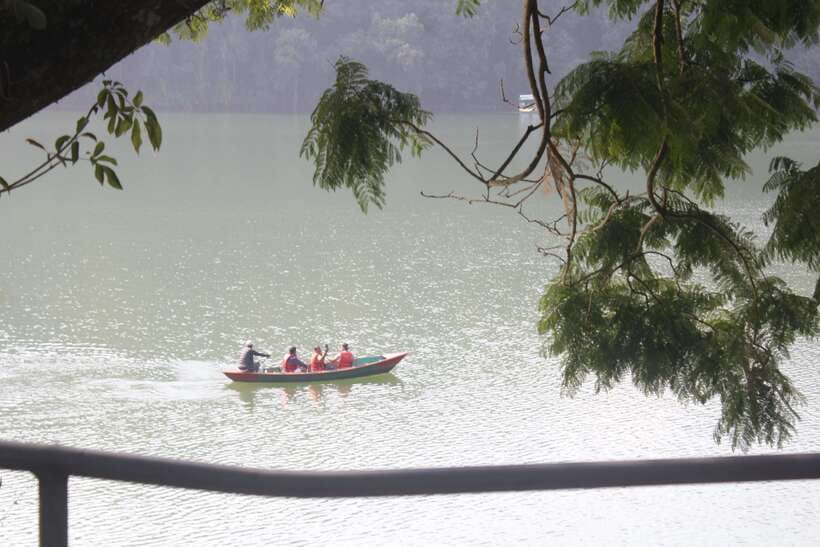
Then comes the Seti River. This is a classic Pokhara contrast: after rock and darkness, you get light and movement. The tour highlights the river’s powerful flow through the city.
What I think you’ll enjoy most: this is the moment where you stop “touring” and start observing. You can look at how water cuts through the city and how locals move through the river area.
Plan for timing: it’s easy to take extra photos and then lose track of time. Keep an eye on the clock and return when your slot ends.
Bindabasini Temple: A Calm Finish Before Fewa Lake
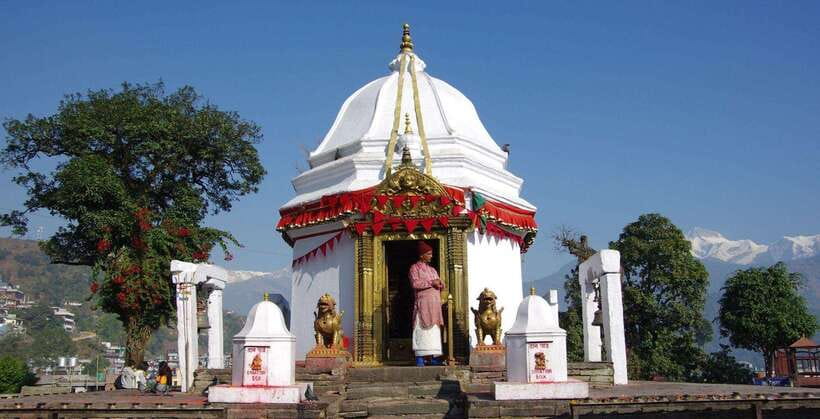
The day ends with Bindabasini Temple, described as intricately designed with a serene atmosphere. That’s a smart way to wrap up an active schedule. After caves and rivers, this is the kind of stop where you can slow down.
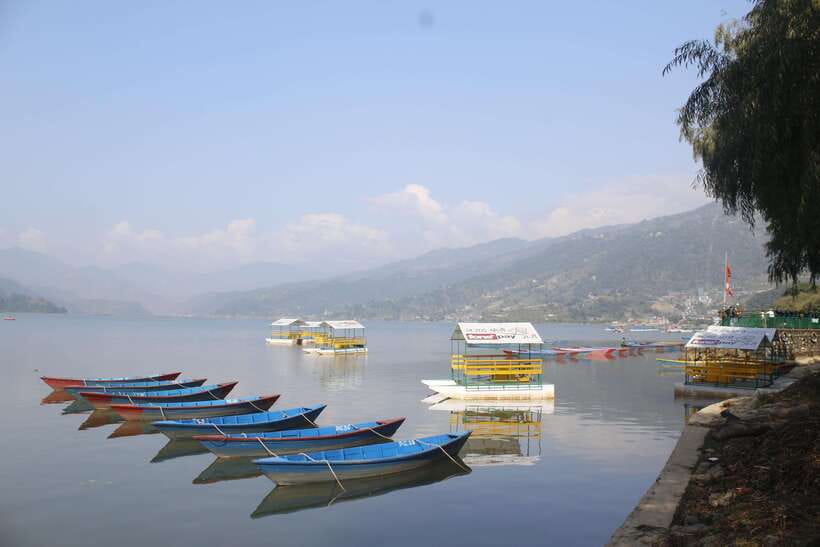
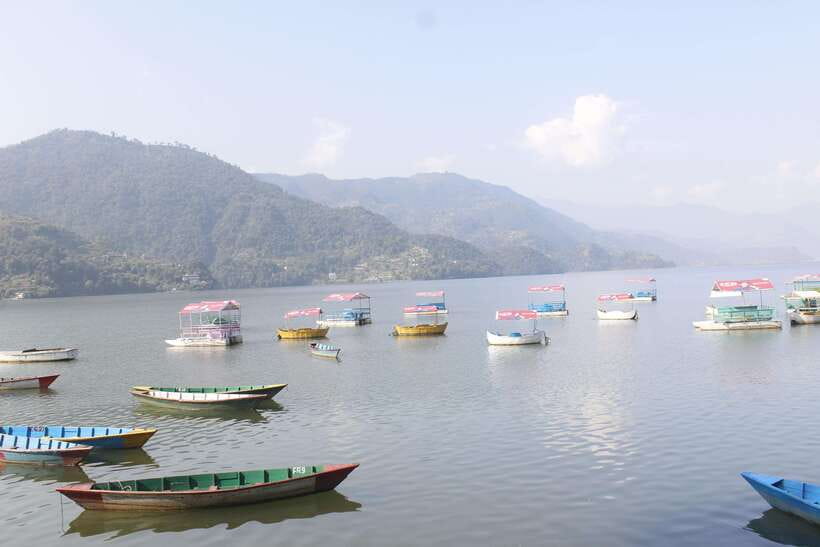
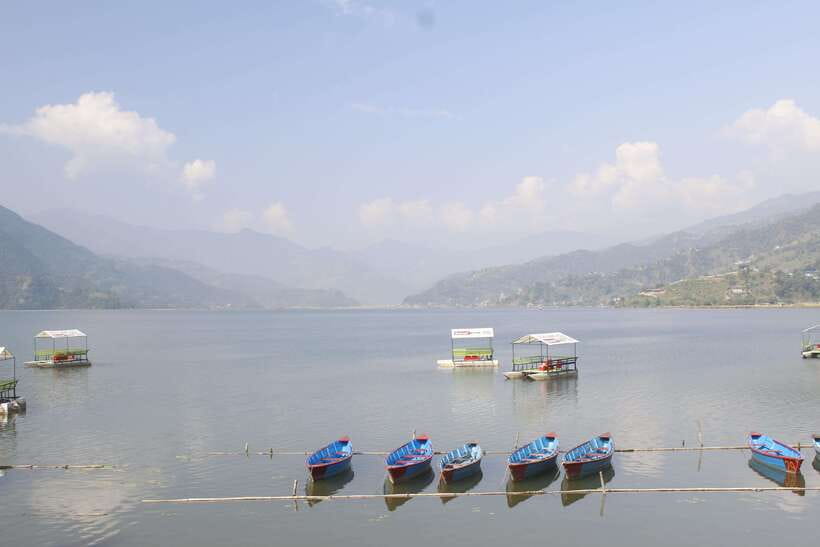
Then the bus returns you toward Fewa Lake. You can opt to explore the Fewa Lake area on your own, or ride back to your hotel on the same bus at the same time.
Why this finish works
- It’s spiritually grounded after nature and underground stops.
- It puts you back near Pokhara’s most relaxed evening zone.
- It gives you flexibility—either stay out a bit longer or go straight back.
Pacing and the Self-Guided Reality
Here’s the thing you should understand up front: this isn’t a private, step-by-step guided experience at every location. The structure is more like planned time slots plus a route managed for you. Some people love this because it keeps the day stress-free and efficient.
You get practical guidance to reach the stops, but once you’re there, you’re exploring independently within the time you’re allocated.
How to make self-guided time feel easy
- Do quick mental prep before the day starts: know which places you want photos at most.
- Set a personal priority at each stop: one must-see angle, then walk the rest.
- When it’s time to leave, go. Don’t try to squeeze in one more corner and miss the bus.
The driver is a big part of the experience
People have highlighted the ride as safe and comfortable, with skilled driving. On a day with hills and frequent stops, that matters more than you’d think.
What to Bring (and What to Skip)
Bring the basics because the day mixes caves, temples, river edges, and walking:
- Comfortable shoes (non-negotiable for cave steps)
- Camera
- Sunscreen
- Water
And follow the rules:
- No smoking
- No alcohol and drugs
One more practical consideration
If you’re traveling with sensitive knees or a bad lower back, this tour can be rough due to steps and uneven terrain at cave sites. And if you struggle with tight spaces, choose a different Pokhara plan.
Price Check: Entry Fees, Food, and the Real Budget
Let’s do the simple reality math.
- Tour price: $12 per person
- Entry fees: approx US$ 4 (not included)
- Food: not included
So your all-in cost depends on how you handle lunch and snacks, but it’s still likely to be cheaper than most private transport options in Pokhara for the same number of major stops.
The value comes from not having to pay for a driver multiple times and not having to arrange a route yourself.
Who Should Book This Tour?
This is a strong fit if:
- You want to see a lot of Pokhara sights in one day
- You’re on a budget
- You’re comfortable exploring on your own for set time blocks
- You don’t mind caves as a major focus of the day
It’s not a good fit if:
- You have claustrophobia (the cave stops are central)
- You have back problems (steps and cave surfaces can be tough)
- You need wheelchair accessibility (this tour isn’t suitable for wheelchairs)
Should You Book This Full-Day Sharing Bus Tour?
I’d book it if you’re aiming for a classic Pokhara highlights day: viewpoints and temples early, waterfalls and museum context mid-day, caves as the main character, and then a calm finish near Fewa Lake. The $12 price makes it an easy choice when you want maximum sightseeing per hour.
But book smarter if you have cave anxiety or mobility limits. For most people, it’s a smooth, well-organized way to do the essentials—just remember: bring shoes, budget for entry fees and lunch, and don’t expect a constant escort inside every site.
If you tell me your travel dates and whether you’re comfortable with caves, I can help you decide if this is the right match—or suggest a safer alternative flow in Pokhara.
FAQ
How much does this Pokhara day tour cost?
It costs $12 per person.
How long is the tour?
The duration is listed as 6 hours, though you should expect a full day pace in real conditions.
Is hotel pickup included, and where do you pick up?
Yes. Pickup is included for hotels within the Lakeside area of Pokhara.
Are entry fees included in the price?
No. Entry fees are not included and are approximately US$ 4.
Is food included?
No. Food and drink are not included.
Is the tour wheelchair accessible?
No. It is not suitable for wheelchair users.
Is it suitable for people with claustrophobia?
No. It is not suitable for people with claustrophobia.
Is it suitable for people with back problems?
No. It is not suitable for people with back problems.
Can I cancel for a refund?
Yes. Free cancellation is available up to 24 hours in advance for a full refund.