Old Quebec plus roaring falls in three hours. I love how the guide gives you an instant feel for Old Quebec and its split upper-and-lower layout, and I love the Montmorency Falls stop with an easy footbridge view. One consideration: the falls visit is timed, so you won’t get enough time for the long climb to the very top or quick cable-car plans.
This is a “see the key stuff fast” tour that still feels personal. You ride a bus through narrow streets, then step out for views and walking—so you get history with enough breathing room to take photos. And with guides like Céline and Jean-François (and others who’ve driven while narrating), the ride stays lively rather than lecture-y.
If your priority is slow wandering, extra museum time, or a full-on falls day (with every option available), you may want to plan a longer separate visit. But if you want the best angles and the main stories without logistics stress, this hits the sweet spot.
In This Review
- Key points worth knowing before you go
- Meeting at Place d’Armes by Château Frontenac
- Old Quebec by bus: from Town Hall to Parliament views
- The guide’s colonial costume isn’t just for show
- Cidrerie Bilodeau and the Vineyard of Mitan stop
- Plains of Abraham and the Martello towers: why the route is chosen
- Montmorency Falls in 45 minutes: footbridge views, timing limits
- Bus comfort and group size: why a smaller vehicle helps
- Price and value: why $39 can beat DIY in your first hours
- Who this tour is best for (and who should skip it)
- Should you book this Quebec City Old Town and Montmorency Falls bus tour?
- FAQ
- How long is the Quebec City Old Town and Montmorency Falls bus tour?
- Where do I meet for the tour?
- What’s included in the price?
- Are food or drinks included?
- What language is the live guide commentary in?
- Is this tour suitable for people with mobility impairments?
Key points worth knowing before you go
- 17th-century colonial outfit on the guide adds fun while the narration stays practical and clear
- Old Quebec highlights in one loop from Place d’Armes to Plains of Abraham and Parliament area viewpoints
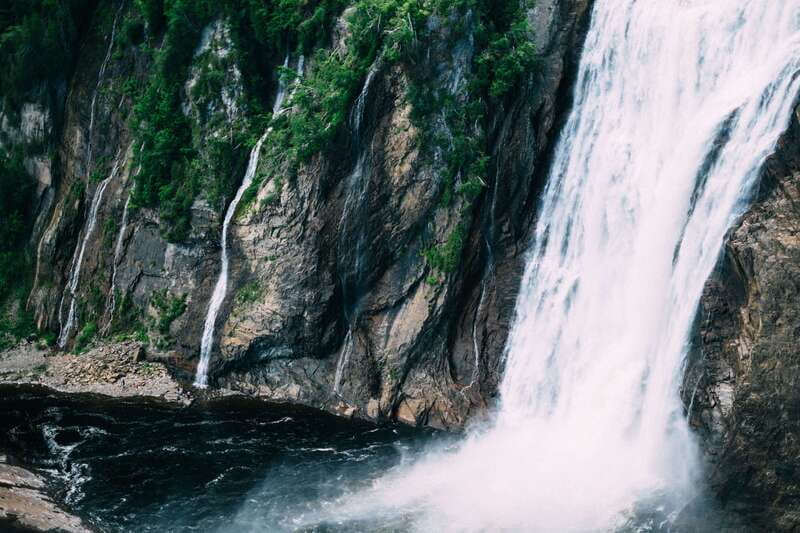
- Montmorency Falls photo time with a footbridge gives you impressive views without needing an all-day hike
- Cider tasting and a Vineyard of Mitan stop make the tour feel more local than just sightseeing
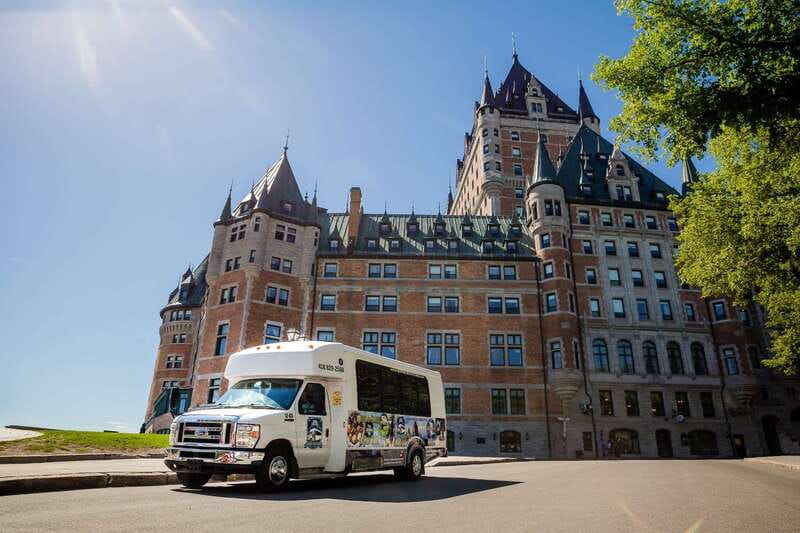
- Small-bus feel through narrow streets helps the ride work better than big-bus hop-on hop-off plans
- Clear timing constraints at the falls means you should choose your walking goals carefully
Meeting at Place d’Armes by Château Frontenac
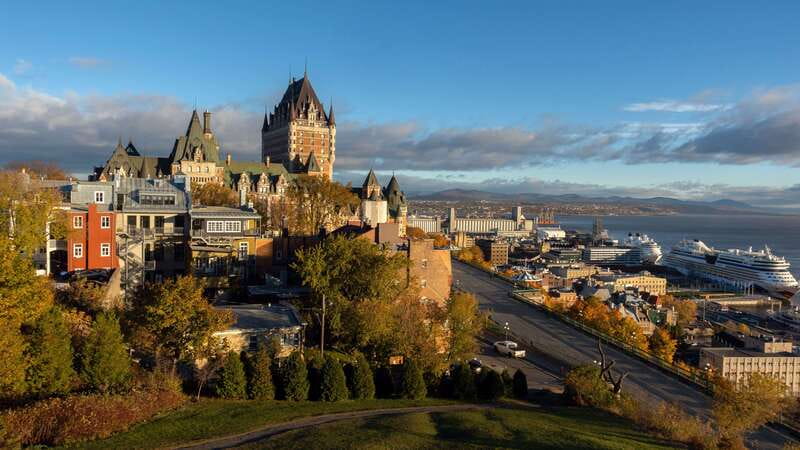
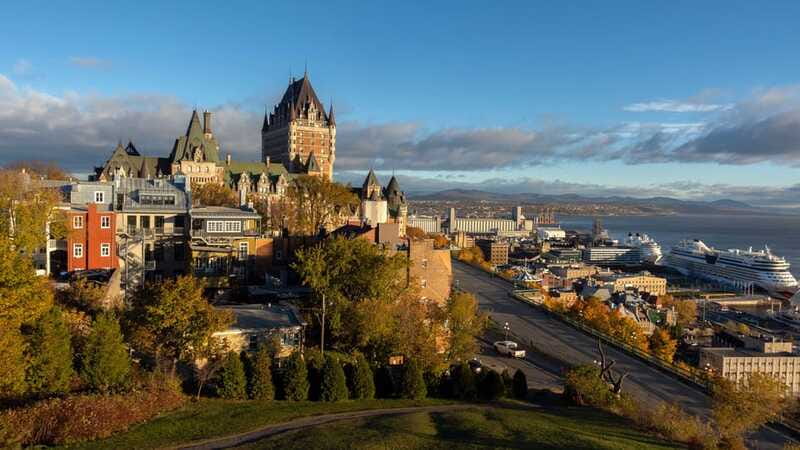
Your tour starts at Place d’Armes in Quebec City’s Old Town, meeting near the park adjacent to Château Frontenac. Plan to arrive 10 to 15 minutes early. The tour uses a bus pick-up spot in/near the Old Quebec area, and arriving early is the easiest way to avoid confusion when you’re standing around in historic stone streets.
One detail I like here: the meeting point is right where most people want to be anyway. So even before you board, you can do a quick look at the immediate Old Town vibe—colorful facades, the fortress energy, and that classic river-to-streets geometry.
The tour is also built around comfort during short outings. If it’s cold or rainy, the bus becomes your warm base between photo stops, and guides have handled weather with smart pacing so the schedule stays workable.
Old Quebec by bus: from Town Hall to Parliament views
Once aboard, you’ll get a guided loop through the places that explain why Quebec City looks the way it does. The tour’s narration focuses on the city’s early arrival stories, how people lived, and what the architecture and street layout were built for. It’s not just “here’s a building.” It’s “here’s why it matters.”
Expect highlights from the route that typically includes:
- Place d’Armes and the Town Hall area
- Morrin Cultural Center
- Governors’ Park
- Plains of Abraham (the big open space that matters for the region’s story)
- Martello towers
- Fontaine de Tourny
- Parliament of Quebec viewpoints
What I like is the pacing. You’re not walking for hours, but you still get enough stops for photos and context. And because the bus route is designed for Old Quebec streets, you often see the layout more clearly than if you were trying to self-navigate with a map while also dragging bags.
Also, guides often include small personal touches—humor, local stories, and quick history links that make the city feel like a place you could actually live in. Names that have stood out in this tour group include Jeff, Peter, and Dan the Man, each known for clear narration and a fun tone that keeps the drive from feeling long.
The guide’s colonial costume isn’t just for show
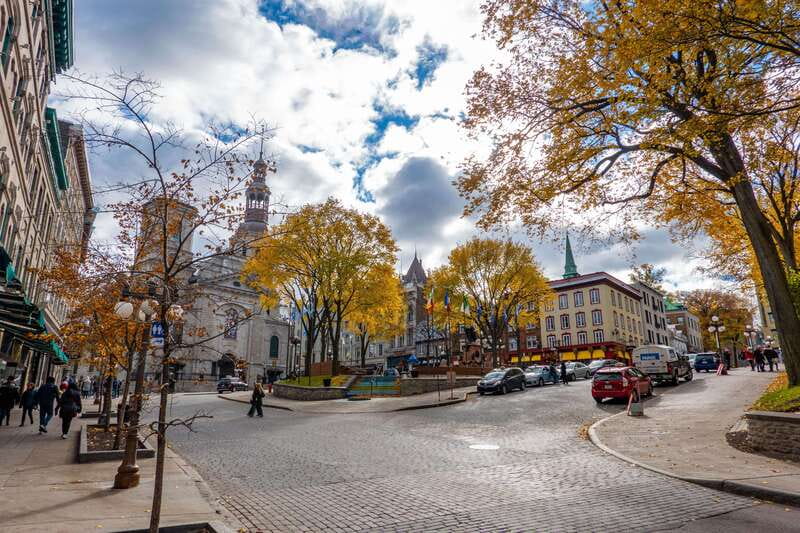
The tour includes a guide dressed in 17th-century colonial attire, and that little extra detail changes the feel of the whole experience. You’re seeing historic settings, and the guide matches the story visually—so it’s easier to connect the dots between architecture and the era it represents.
Here’s the practical payoff: it helps the tour feel like a living explanation rather than a checklist. When the guide uses humor, short anecdotes, and a steady rhythm through both Upper and Lower Town, you end up remembering more than you expect—especially if it’s your first trip to Quebec City.
Language-wise, you’ll have live commentary in French and English, so the tour works well if your group is mixed or if you prefer one language at the same time. Several guides, including Jean-François and Jon-François (names that have appeared), are also known for speaking clearly enough that you don’t have to strain across multiple accents.
Cidrerie Bilodeau and the Vineyard of Mitan stop
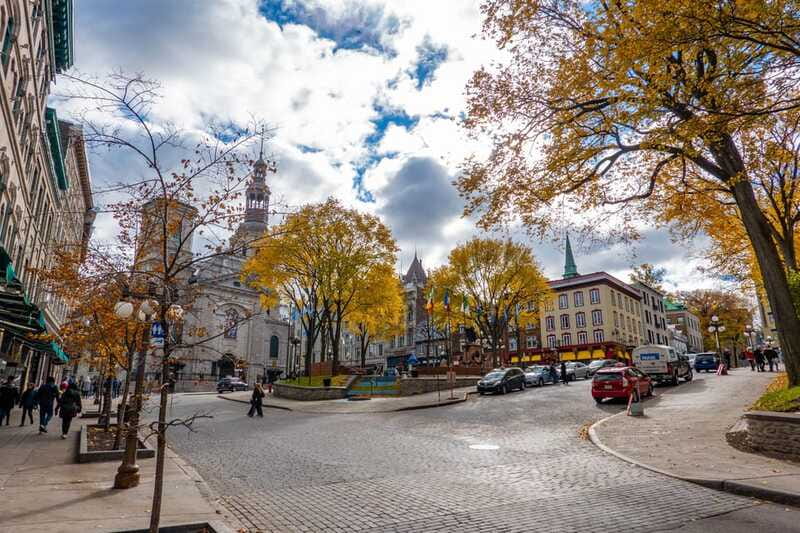
One of the tour’s smartest “make it feel local” pieces is the pairing of sightseeing with a taste stop. Highlights include sampling local cider at Cidrerie Bilodeau and a visit to the Vineyard of Mitan.
Why this matters for value: pure city tours can blur together once you leave the Old Town walls. Adding cider and vineyard time gives your trip a sensory memory—something you can bring home beyond a photo.
That said, the tour does not include food or drinks. If you’re a bigger eater or you know you’ll want more than a small cider sample, you’ll likely need a plan for what you eat after the tour (or bring spending money to cover anything you buy on-site).
Plains of Abraham and the Martello towers: why the route is chosen
The route through Plains of Abraham and the Martello towers is more than scenic. These are key visual anchors that help you understand Quebec City’s defense thinking and its historic turning points.
On a short tour like this, that kind of “two-stop explanation” is gold. You’re getting geographic context—where power sat, where open land mattered, and how the city’s edges shaped life. The bus lets you see these features from the right angle without spending your vacation time wrestling with parking or transit connections.
If you’ve never visited Quebec City before, these stops tend to be the ones that make the rest of your self-guided exploring easier afterward. You start to recognize what’s on the map, and why certain walls or viewpoints line up where they do.
Montmorency Falls in 45 minutes: footbridge views, timing limits
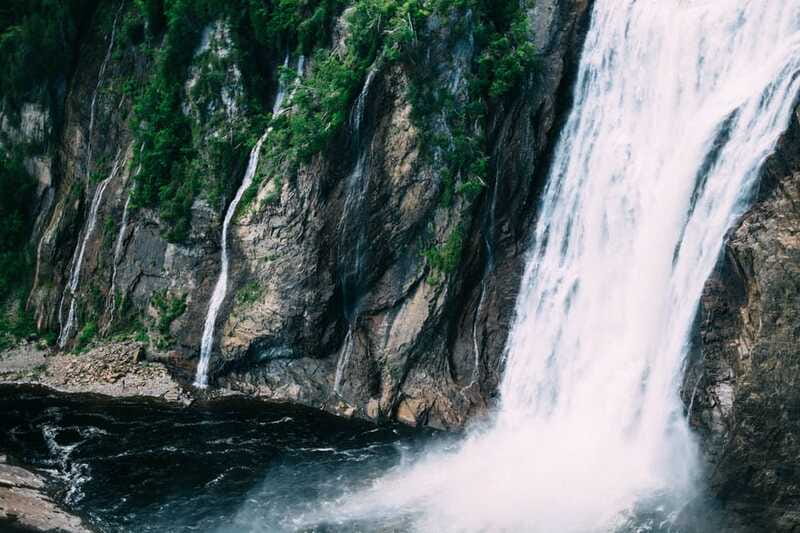
The highlight for most people is the jump from city history to big water power. After a short drive (about 15 minutes), you reach Montmorency Falls and get roughly 45 minutes to explore Parc de la Chute Montmorency.
This is where I want you to set expectations. Your time is enough for:
- walking around the park paths
- crossing the footbridge above the falls for standout photos
- taking in panoramic views that can look out toward Ile d’Orleans
What you might not fit in: based on timing realities, you generally won’t have time to climb the 400+ steps to the top, and if cable-car lines are long, there may not be enough slack to try that option. Even if the park offers multiple levels and walkways, a 45-minute window means you should pick your priority: photos from the bridge versus extra stair climbing.
One more practical note: the guide helps with photo timing. People have described stops that make it easier to get good pictures without feeling rushed. And if you’re traveling in cold weather, the bus also becomes a refuge between city stops and the falls area.
Bus comfort and group size: why a smaller vehicle helps
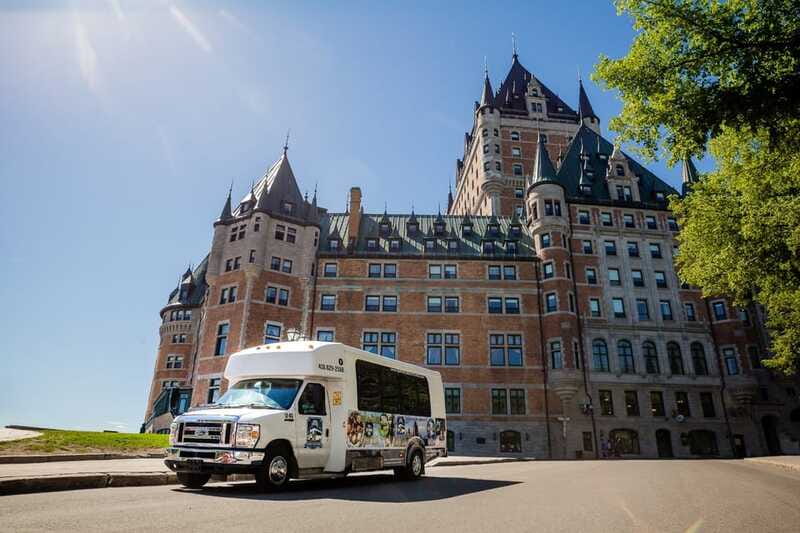
This tour has a practical advantage: it’s run with a bus that’s often described as not a giant party bus. In Old Quebec, smaller vehicles matter because streets are tight and turns are frequent. A good driver plus a manageable group size makes the whole experience less chaotic.
A few people have specifically called out that the guide may both drive and narrate, which can improve flow. There’s less waiting, and you hear the story as you pass key points rather than waiting for a pause-and-wait moment.
Comfort also plays into value. The seats are meant for riding long enough to cover both Upper and Lower Town, plus the transfer to Montmorency. And because your walk segments are limited, you’re not spending the majority of your time on your feet.
Price and value: why $39 can beat DIY in your first hours
At $39 per person for about 3 hours, this tour prices itself as a first-day helper. You pay for convenience, narration, and admission to Parc de la Chute Montmorency—not just a bus ride.
Here’s how I think about value:
- You save time figuring out the best sequence through Old Quebec
- You get guided context while you’re still fresh on your first visit
- You get scheduled falls time without needing to plan transport
- You add local flavor via Cidrerie Bilodeau and Vineyard of Mitan
If you’re the kind of traveler who likes to choose later (museum, more walking, better dinner spots), this kind of tour is a strong starter move. Some people even recommend doing this early in your trip because it helps you understand the city’s geography, so your next day’s sightseeing feels smarter.
If you’re the kind of traveler who wants to linger for long stair climbs, repeated viewpoint visits, or every transport option at the falls, you may feel the time crunch. In that case, the tour is still useful, but you’ll likely want to add another outing on your own.
Who this tour is best for (and who should skip it)
This tour is a strong fit for:
- first-time visitors who want an organized Old Quebec orientation
- travelers who don’t want to plan buses or parking
- people who want history with humor and clear timing
- photographers who want a solid falls viewpoint without an all-day commitment
It may be a poor fit if:
- you have limited mobility or need accessibility accommodations
- you want a long, multi-option falls day with every walkway and transport method
- your group includes unaccompanied minors, since unaccompanied minors are not allowed
If you’re traveling with kids, keep it simple: children must be accompanied by an adult, and you’ll want comfortable shoes because you’ll walk at least some park paths.
Should you book this Quebec City Old Town and Montmorency Falls bus tour?
Book it if you want your first hours in Quebec City to feel organized, story-driven, and efficient—then end with a memorable falls view. The best reasons to say yes are the tight 3-hour rhythm, the blend of Old Quebec highlights plus Montmorency Falls, and the added local taste stops like Cidrerie Bilodeau and the Vineyard of Mitan.
Skip it (or plan something longer) if Montmorency Falls is your main goal and you want maximum time for climbing, cable cars, or more than one falls viewing level. With only around 45 minutes at the park, you’ll need to choose what matters most to you.
FAQ
How long is the Quebec City Old Town and Montmorency Falls bus tour?
The tour lasts about 3 hours.
Where do I meet for the tour?
Meet at Place d’Armes, Quebec City, near the park adjacent to Château Frontenac. Arrive 10 to 15 minutes early.
What’s included in the price?
The price includes bus transport, live commentary, the guide dressed in 17th-century colonial attire, and admission to Parc de la Chute Montmorency.
Are food or drinks included?
No. Food or drinks are not included.
What language is the live guide commentary in?
The live guide offers commentary in French and English.
Is this tour suitable for people with mobility impairments?
No. It’s not recommended for people with limited mobility, and it’s not suitable for people with mobility impairments.